Artwork
Roman Charity
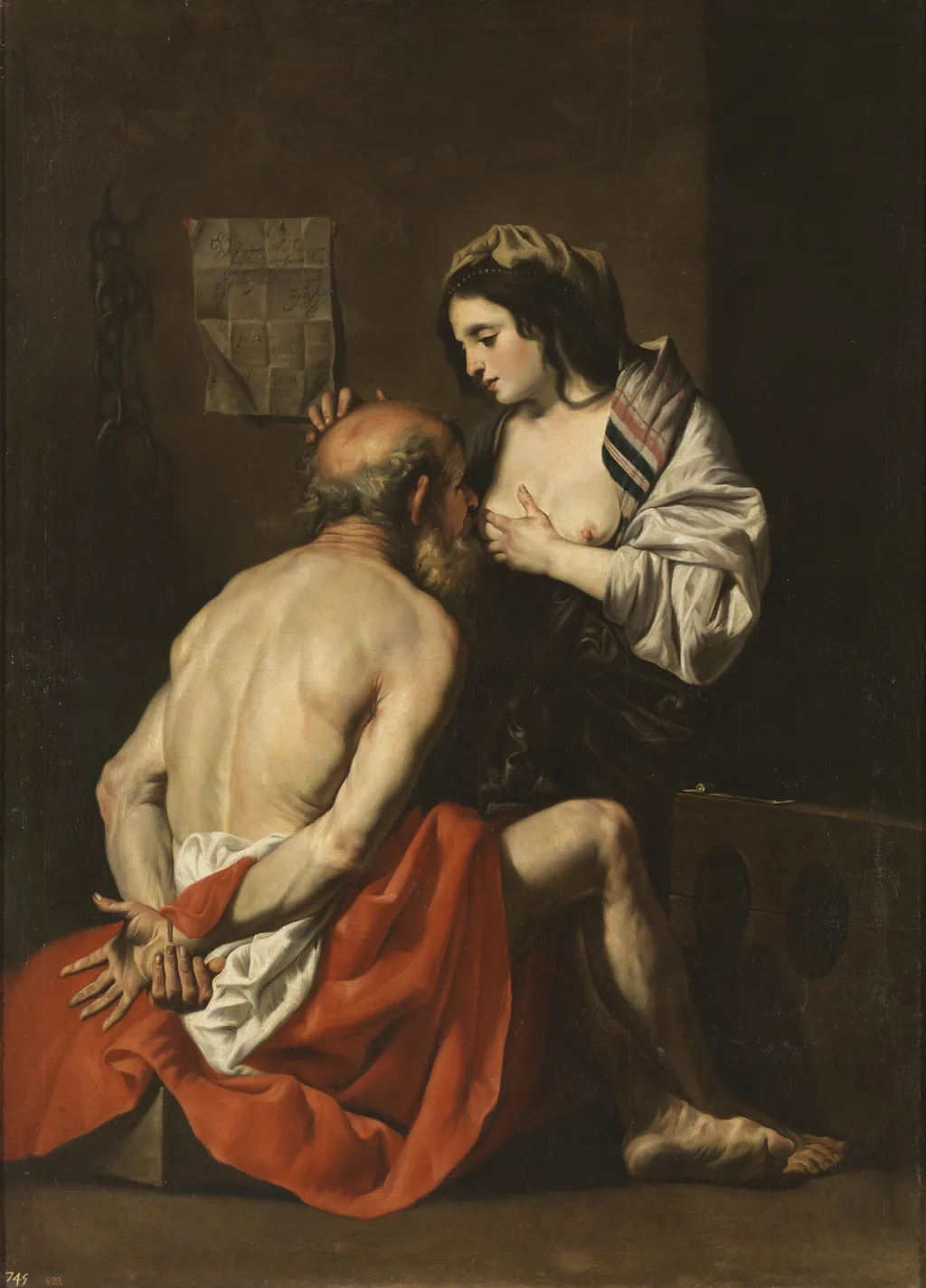
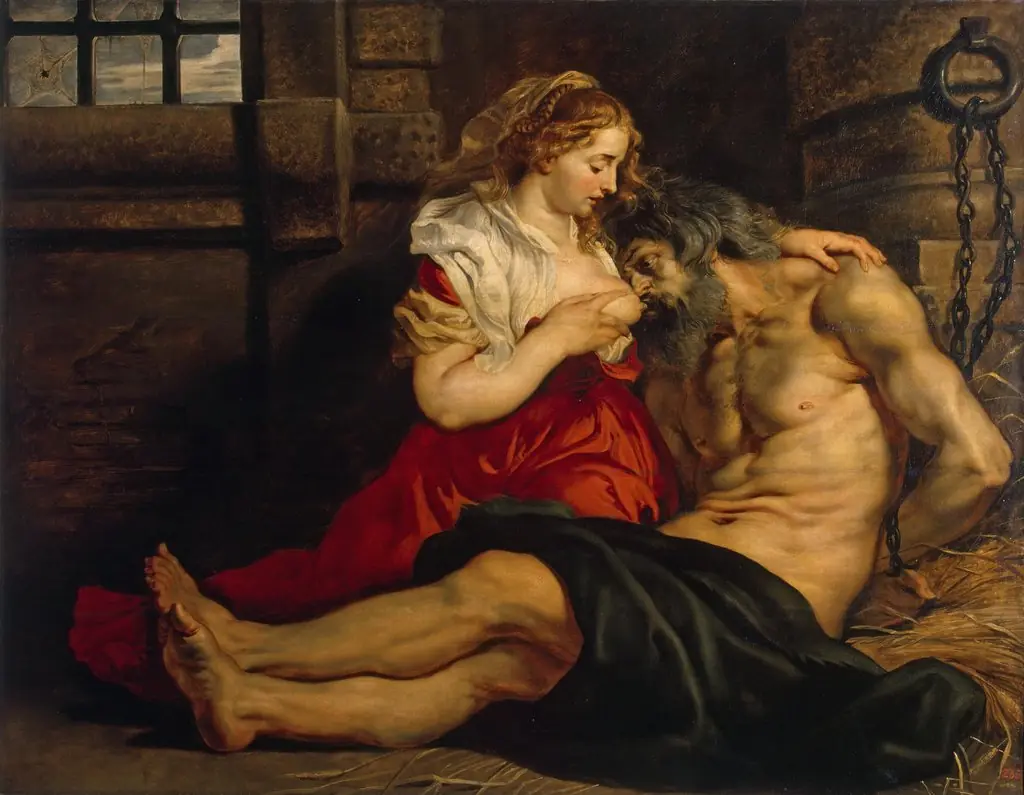
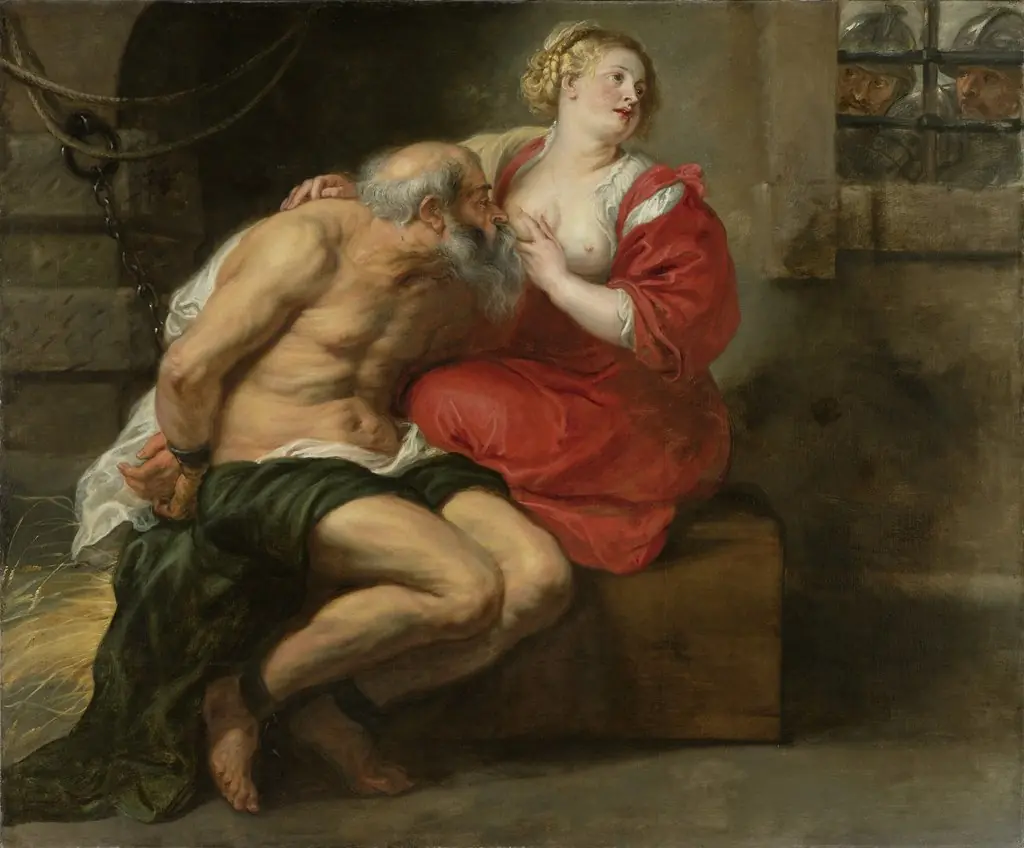
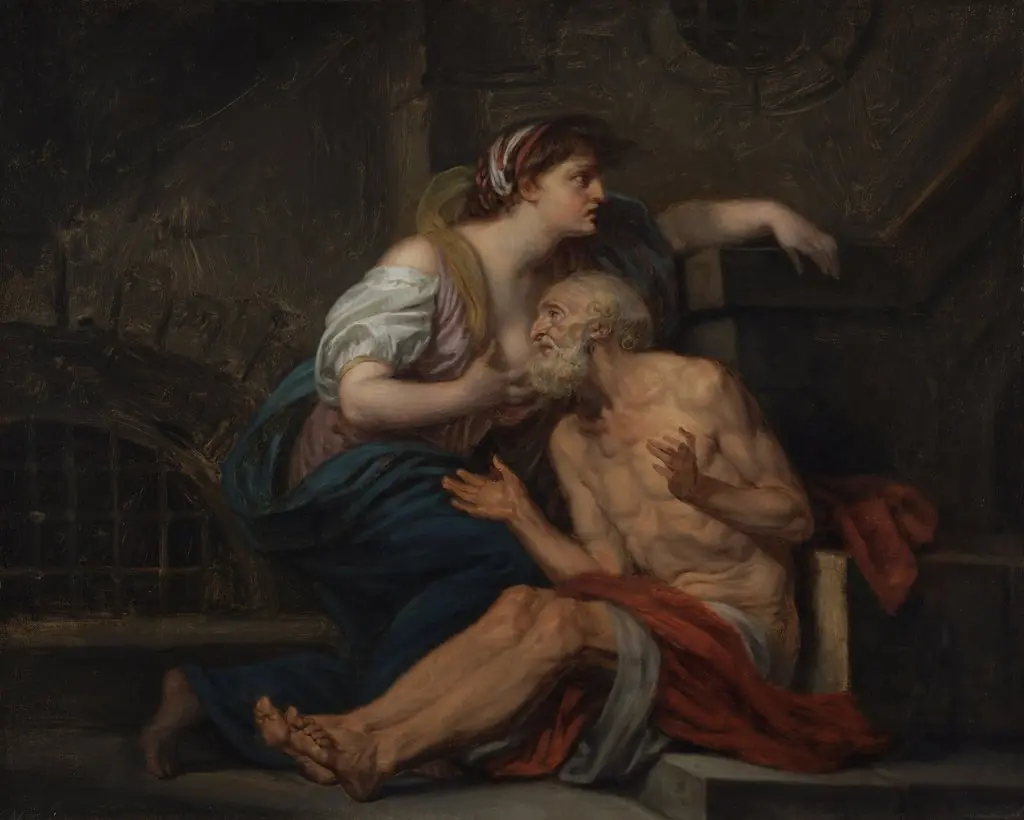
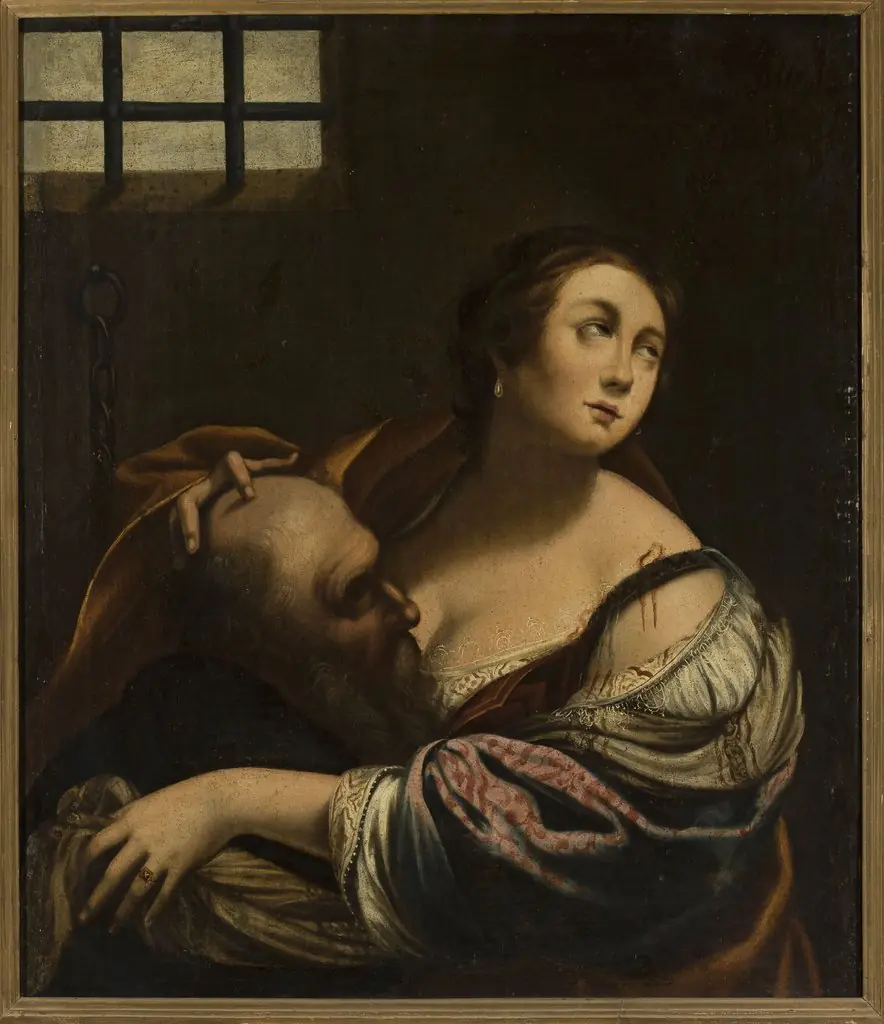
Roman Charity is an oil painting by the Flemish Baroque painting artist Gaspar de Crayer. It dates from 1620 and is held in the collection of the Museo del Prado.
About this work
Overview
The figures are modeled with a sculptural solidity, and the drapery is painted with fluid, dynamic folds that contrast with the starkness of the prison setting.
Gaspar de Crayer's 'Roman Charity,' executed in 1620, depicts the classical story of Pero breastfeeding her imprisoned father, Cimon. The composition focuses on the intimate interaction between the two figures, rendered in the artist's characteristic Flemish Baroque style. Crayer employs a dramatic chiaroscuro effect, using deep shadows to isolate the subjects against a dark background, thereby heightening the emotional intensity of the scene.
The figures are modeled with a sculptural solidity, and the drapery is painted with fluid, dynamic folds that contrast with the starkness of the prison setting. Created during the artist's early maturity in Brussels, this work exemplifies his ability to synthesize Italianate compositional principles with Northern European attention to detail and texture. The painting addresses themes of filial piety and virtue, a popular subject in Counter-Reformation art.
Currently held in the Museo del Prado in Madrid, the oil on canvas stands as a significant example of Crayer's religious and allegorical output from the first quarter of the seventeenth century.
Subject & Meaning
The composition depicts the classical motif of Roman Charity, in which a daughter secretly nurses her imprisoned father. This allegorical scene conveys themes of filial devotion, self‑sacrifice, and moral virtue, aligning with contemporary Counter‑Reformation ideals that emphasized charitable conduct and familial piety as exemplars of Christian conduct.
Technique & Style
De Crayer employed a refined glazing technique, layering translucent pigments over a detailed underdrawing to achieve depth of flesh tones and a luminous atmosphere. The painter’s handling of light and shadow reveals the influence of Baroque chiaroscuro, while the smooth brushwork and restrained palette underscore the work’s solemn narrative tone.
History & Provenance
Created in the early 1600s, the painting entered the Spanish royal collection before being transferred to the Prado Museum during the 19th‑century reorganization of state holdings. Its presence in the Prado underscores the historic ties between the Spanish court and Flemish artists, who were regularly commissioned for religious and allegorical subjects.
Own this work as a print
Artist & collection
Artist
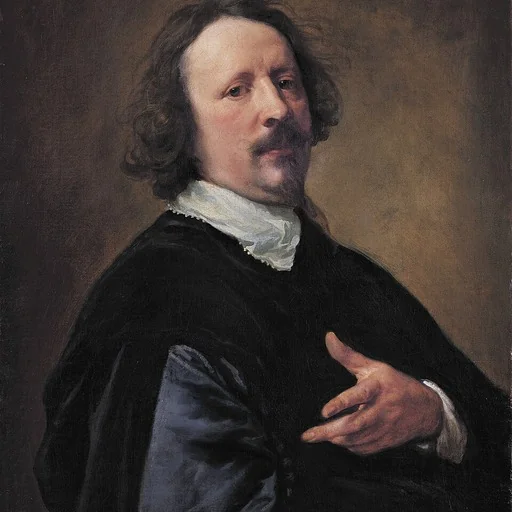
Gaspar de Crayer or Jasper de Crayer (18 November 1584 – 27 January 1669) was a Flemish painter known for his many Counter-Reformation altarpieces and portraits.

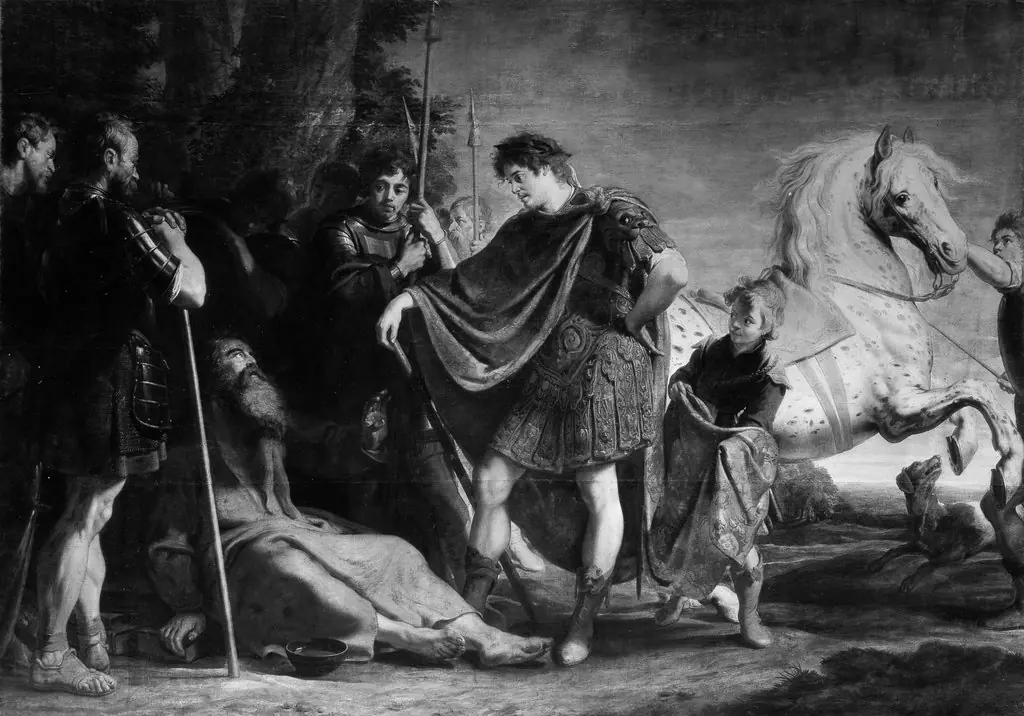 The Meeting of Alexander the Great and Diogenes
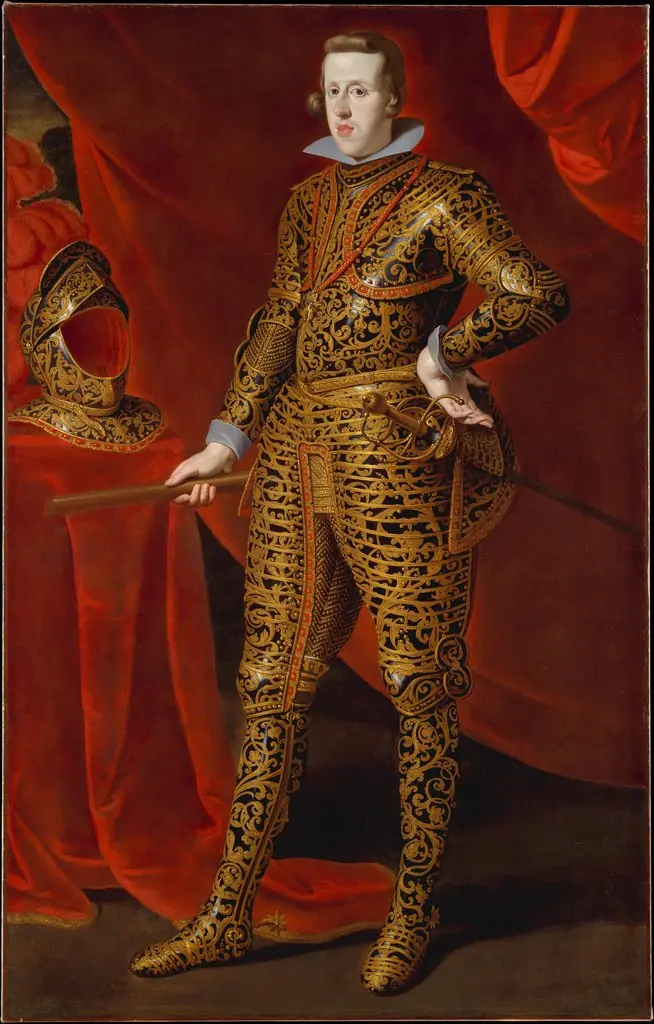 Philip IV (1605–1665) in Parade Armor
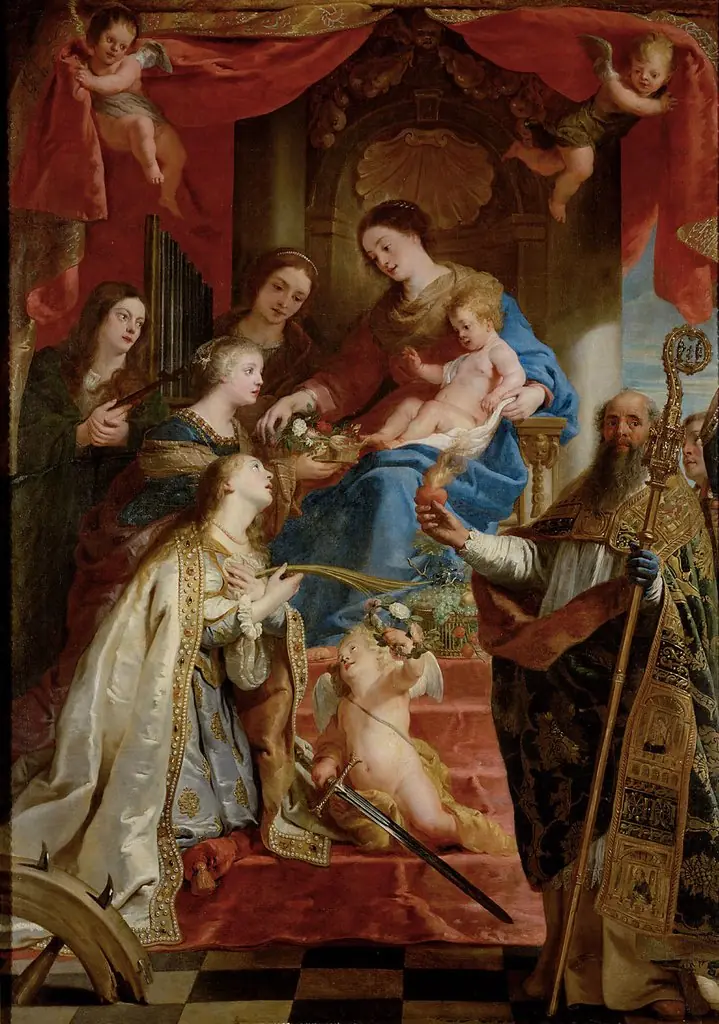 Virgin with child and saints Maria Magdalen, Cecilia, Dorothea, Catharina and Augustine
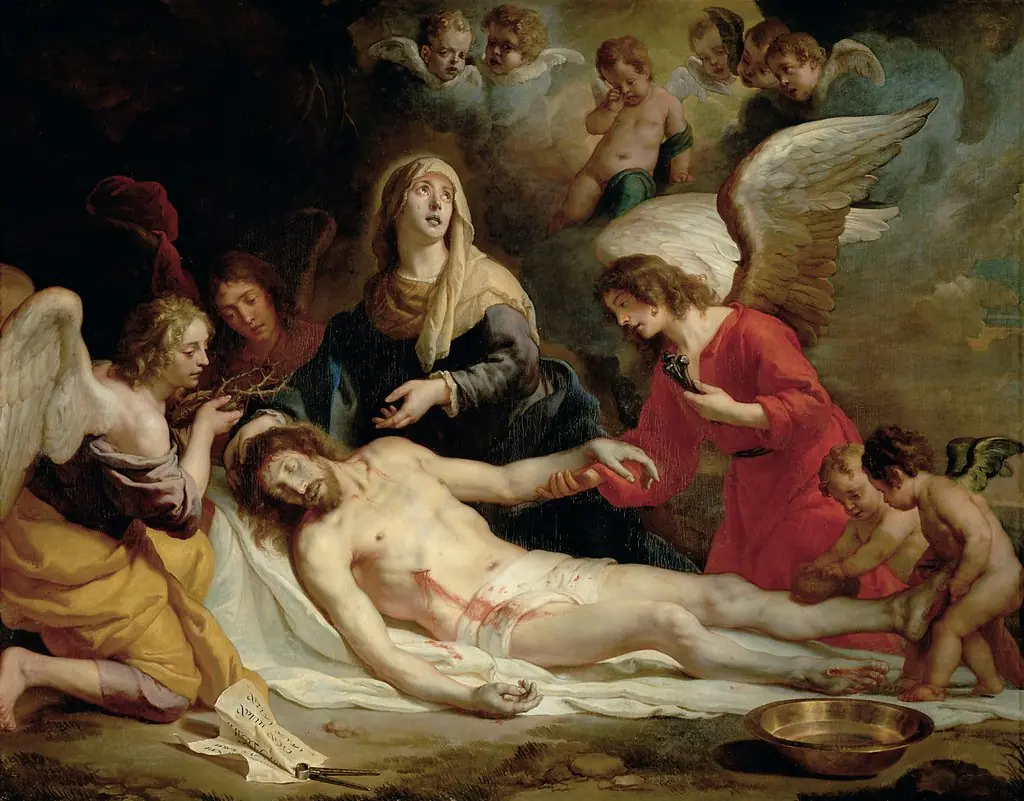 Lamentation
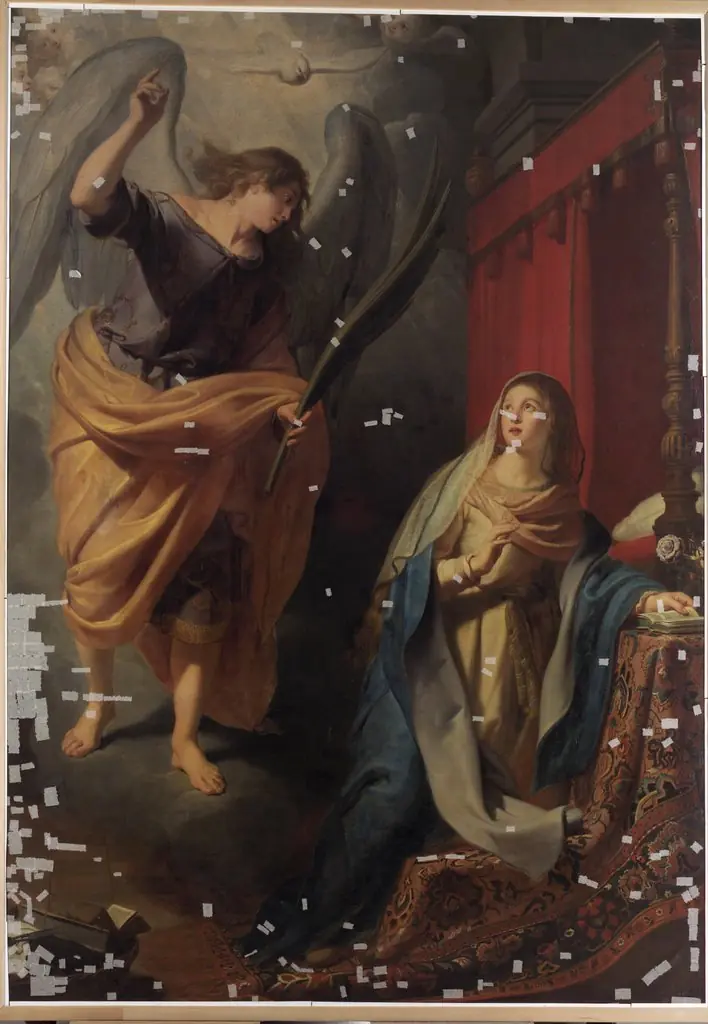 The Annunciation
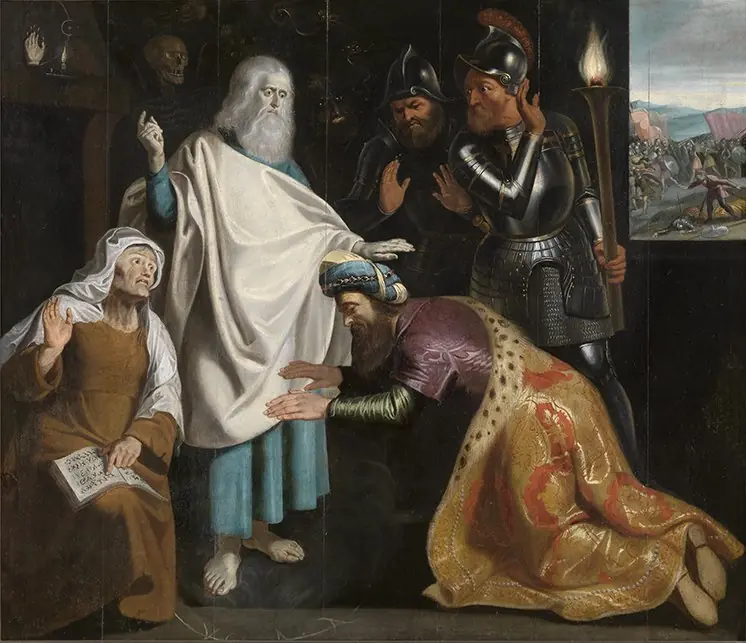 The ghost of Samuel appears to the witch of Endor; Saul falls prostrate to the ground (1 Samuel 28:3-20)
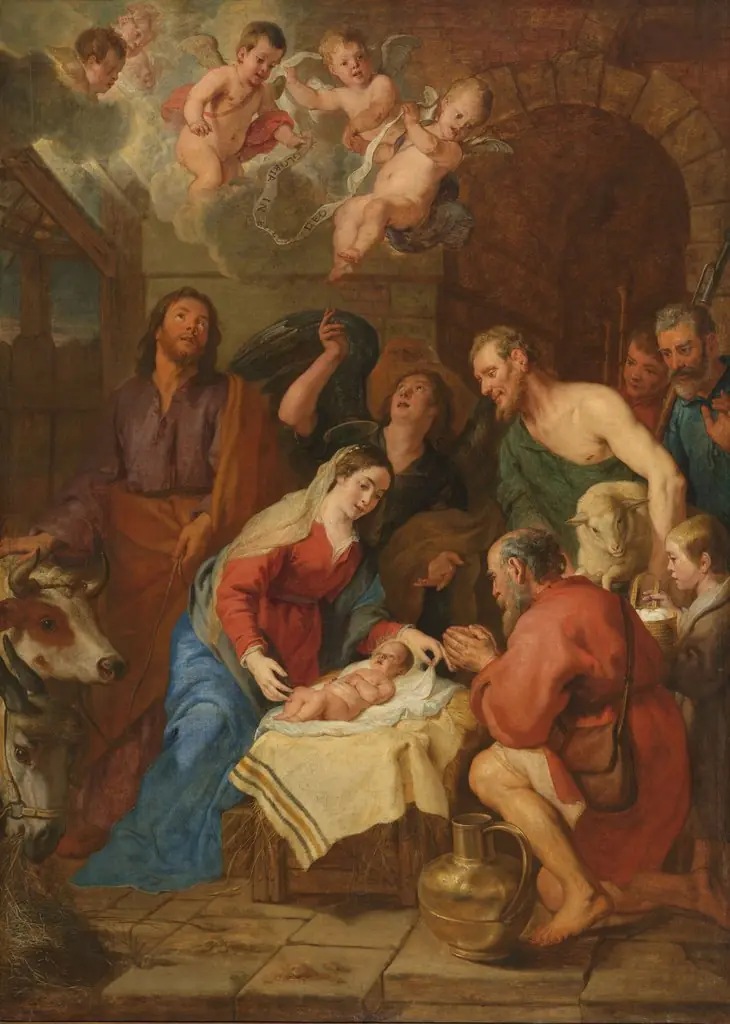 The adoration of the shepherds
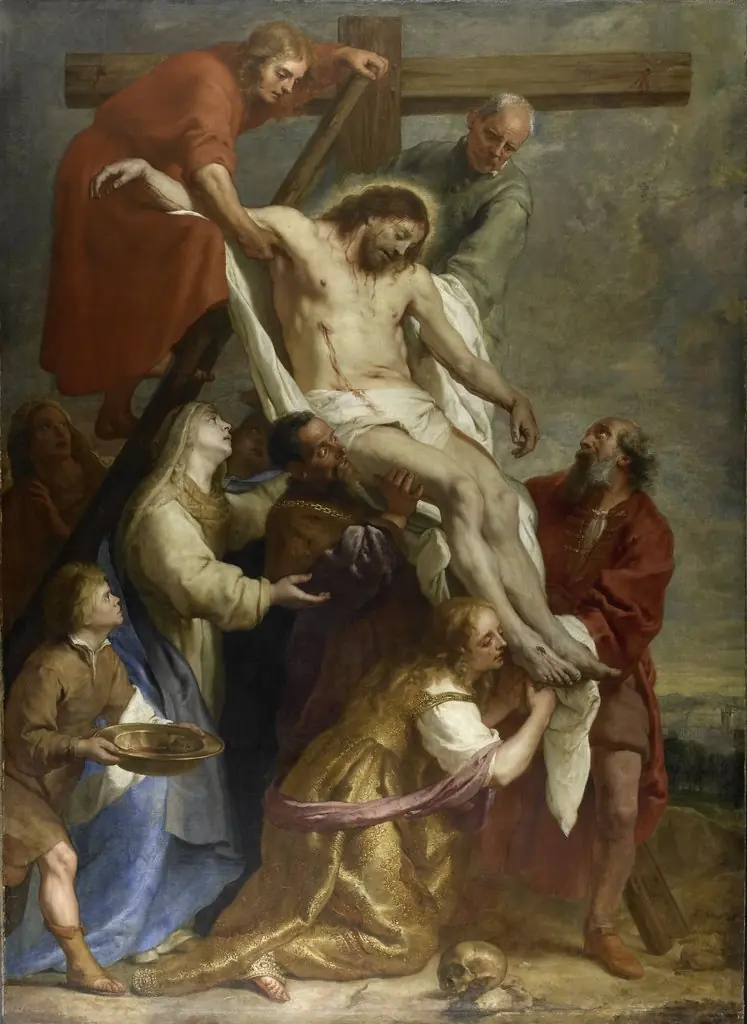 The descent from the cross