Artwork
Mary Walker Waugh
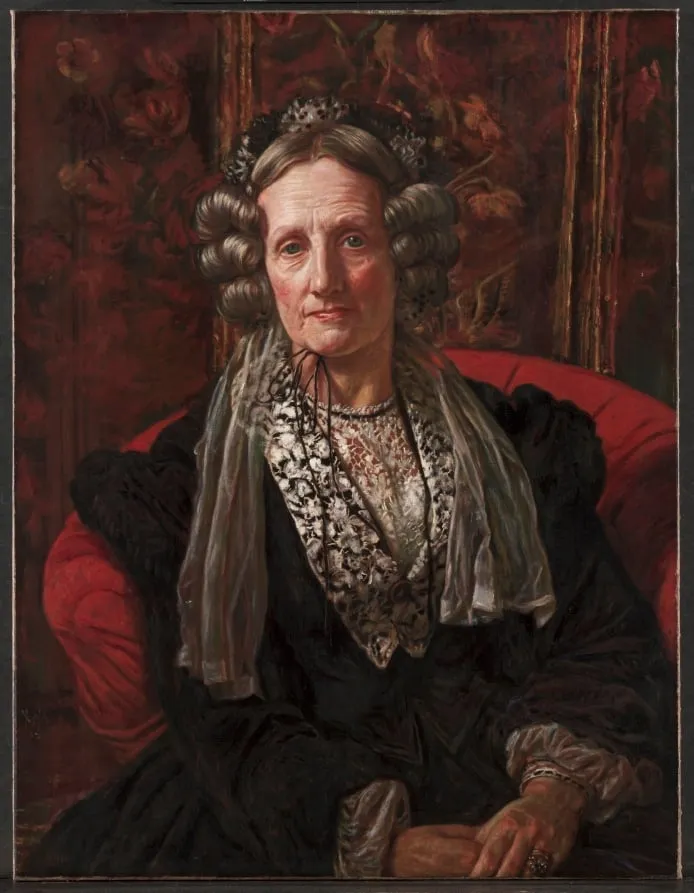
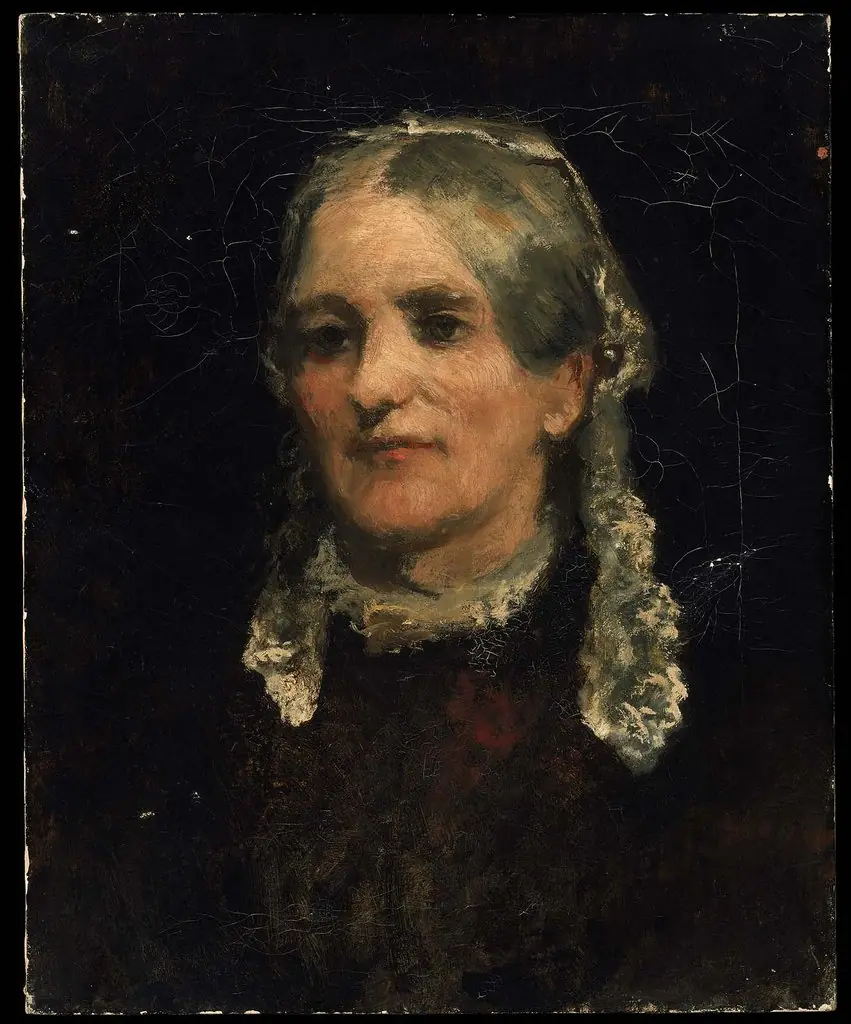
Mary Walker Waugh is an unspecified painting by the Impressionist artist William Holman Hunt. It dates from 1868 and is held in the collection of the Cleveland Museum of Art.
- Accession no.
- 1984.41
- Credit line
- Mr. and Mrs. William H. Marlatt Fund
About this work
The poppies weren’t just decoration, they were a quiet sign of grief, since they were used to make opium, a drug that could bring sleep or even death.
This is a portrait of an older woman in black clothes sitting in a dim room. Behind her, a folding screen shows bright red poppies.
The woman is the artist’s mother-in-law, painted two years after his wife died in childbirth. The poppies weren’t just decoration, they were a quiet sign of grief, since they were used to make opium, a drug that could bring sleep or even death.
If you want to see more paintings like this, look up England, 19th century, mod euro.
Overview
William Holman Hunt painted Mary Walker Waugh in 1868, two years after the death of his wife, Fanny Waugh, who died in childbirth. The portrait captures Waugh, Hunt’s mother-in-law, in a somber domestic setting. Her attire and the surrounding imagery reflect a quiet engagement with grief, shaped by Victorian mourning customs and the symbolic weight of natural motifs.
Subject & Meaning
Mary Walker Waugh is depicted in full mourning dress, her posture composed yet heavy with loss. The red poppies on the screen behind her are not merely ornamental; they allude to opium’s role in sedating pain and inducing sleep, both a comfort and a gateway to oblivion. In Victorian culture, the flower also carried connotations of consolation, subtly framing grief as both personal and culturally understood.
Technique & Style
Hunt rendered the sitter with precise, muted tones, emphasizing texture in fabric and the soft fall of shadow across her face. The screen’s poppies, painted in vivid red, create a stark visual counterpoint to the dim interior, drawing attention without disrupting the scene’s restraint. The composition balances emotional weight with formal control, typical of Hunt’s attention to symbolic detail.
History & Provenance
The painting was completed during a period of profound personal sorrow for Hunt, following Fanny’s death in 1866. Waugh, who had been a stabilizing presence in the artist’s life, became the subject of this intimate portrait. It remained in the family until its eventual acquisition by a public collection, preserving its connection to Hunt’s private grief.
Context
In mid-Victorian England, mourning rituals were highly codified, and visual symbols like black clothing and floral motifs carried specific emotional meanings. Poppies, linked to opium production, were widely recognized for their dual nature: soothing yet dangerous. Hunt’s use of the flower reflects a broader cultural negotiation between sorrow, sedation, and the search for peace after loss.
Legacy
The portrait stands as a quiet testament to the intersection of personal grief and symbolic language in 19th-century British art. Unlike overtly dramatic memorials, it conveys loss through restraint and detail, influencing later artists who sought to express emotion through subtle, domestic imagery rather than grand narrative.
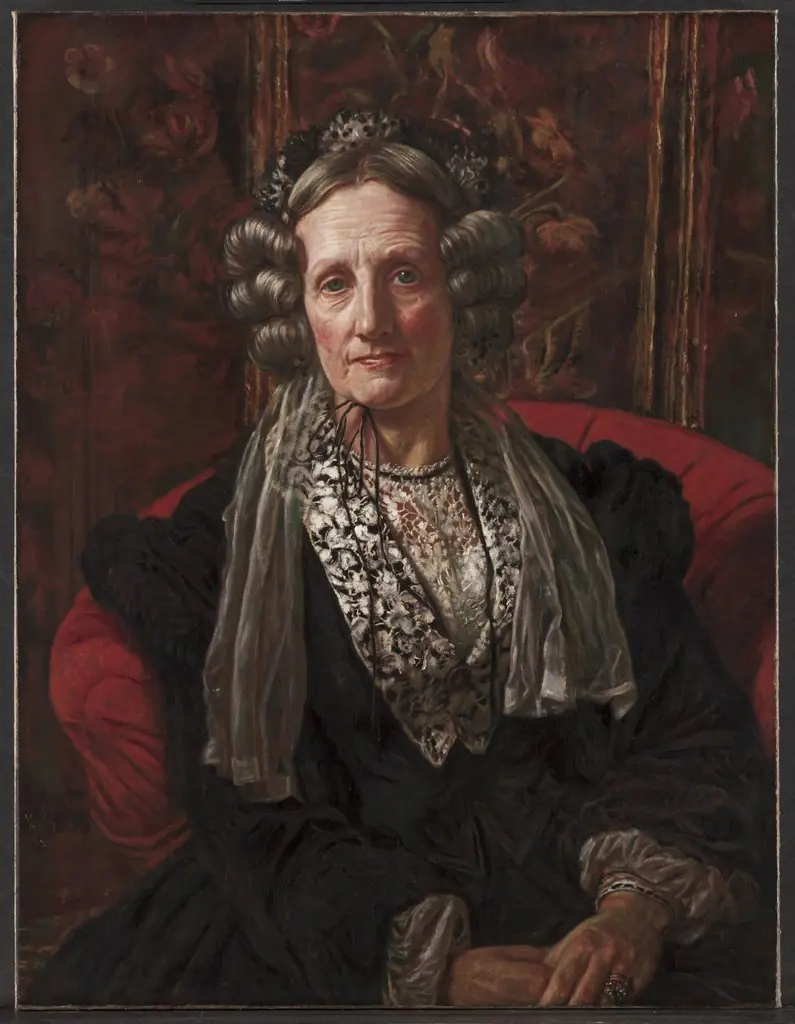
Artist & collection
Artist
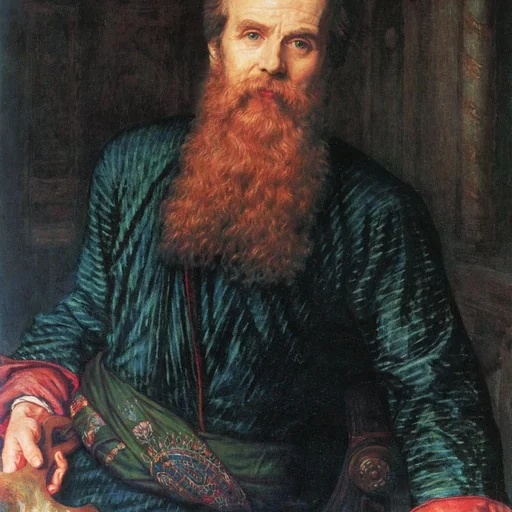
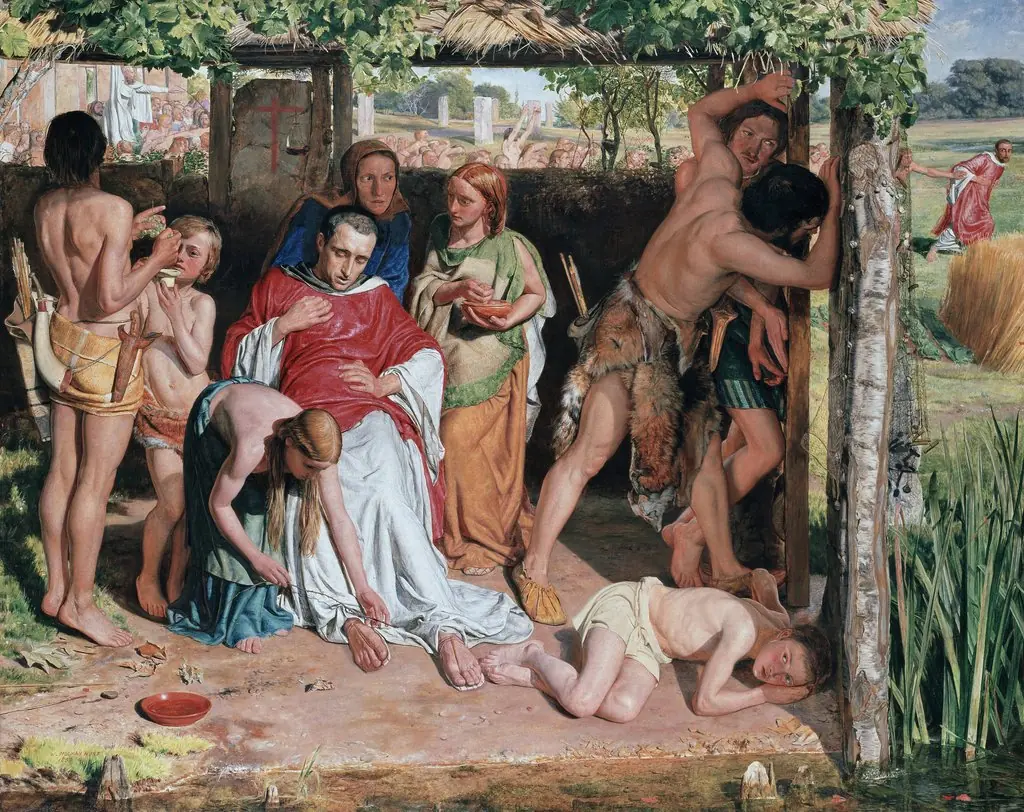
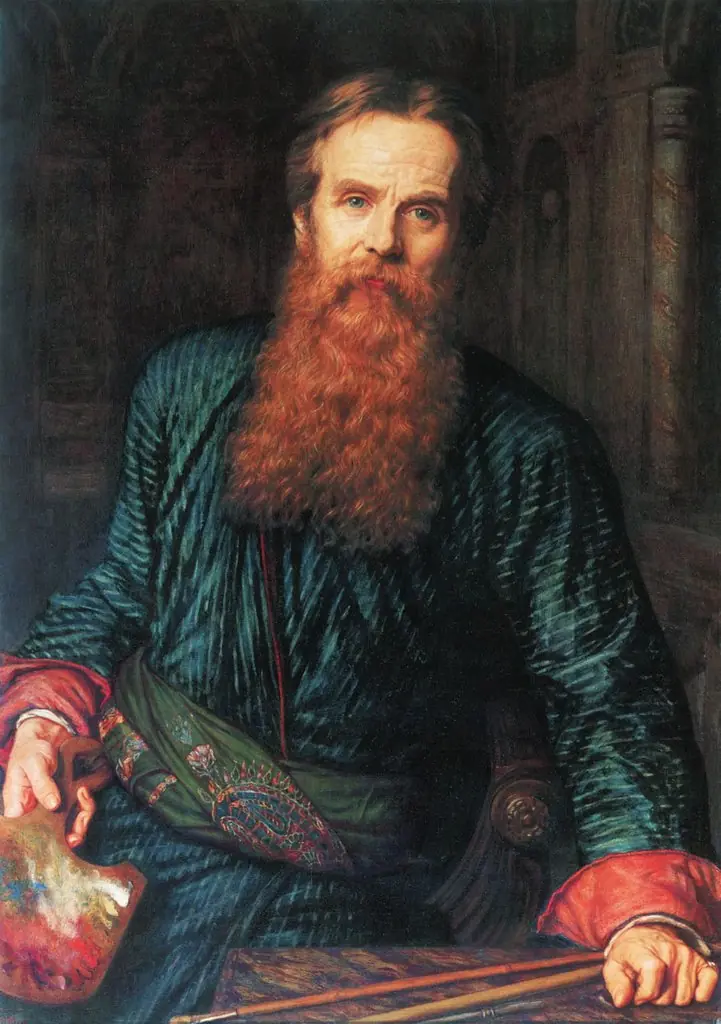
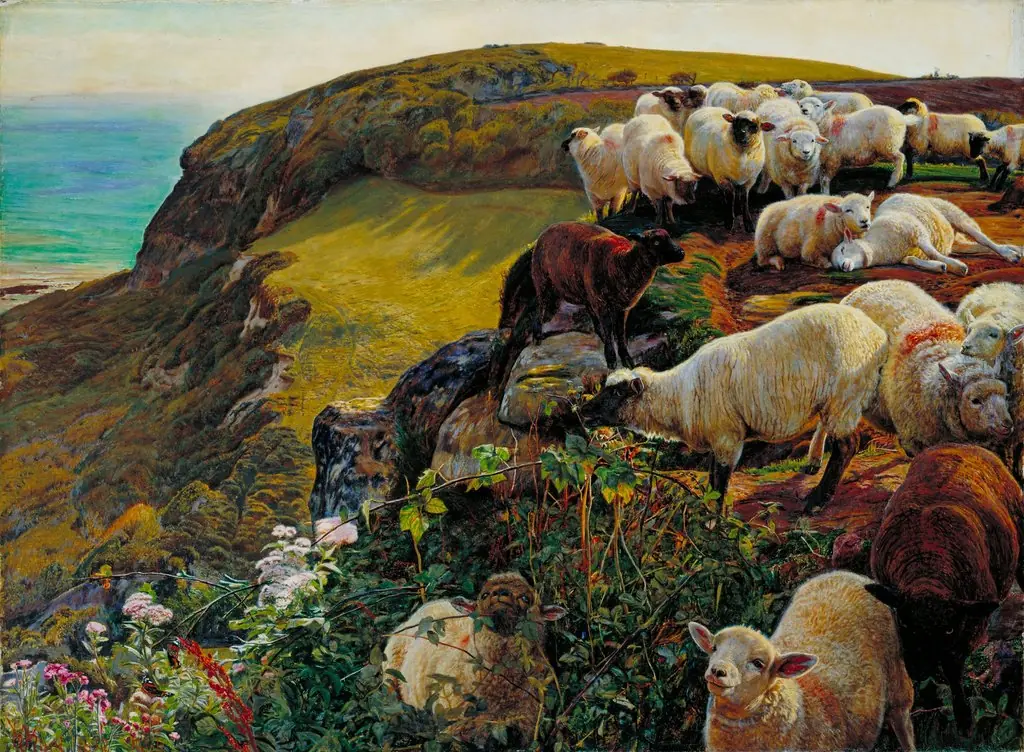
William Holman Hunt (2 April 1827 – 7 September 1910) was an English painter and one of the founders of the Pre-Raphaelite Brotherhood.

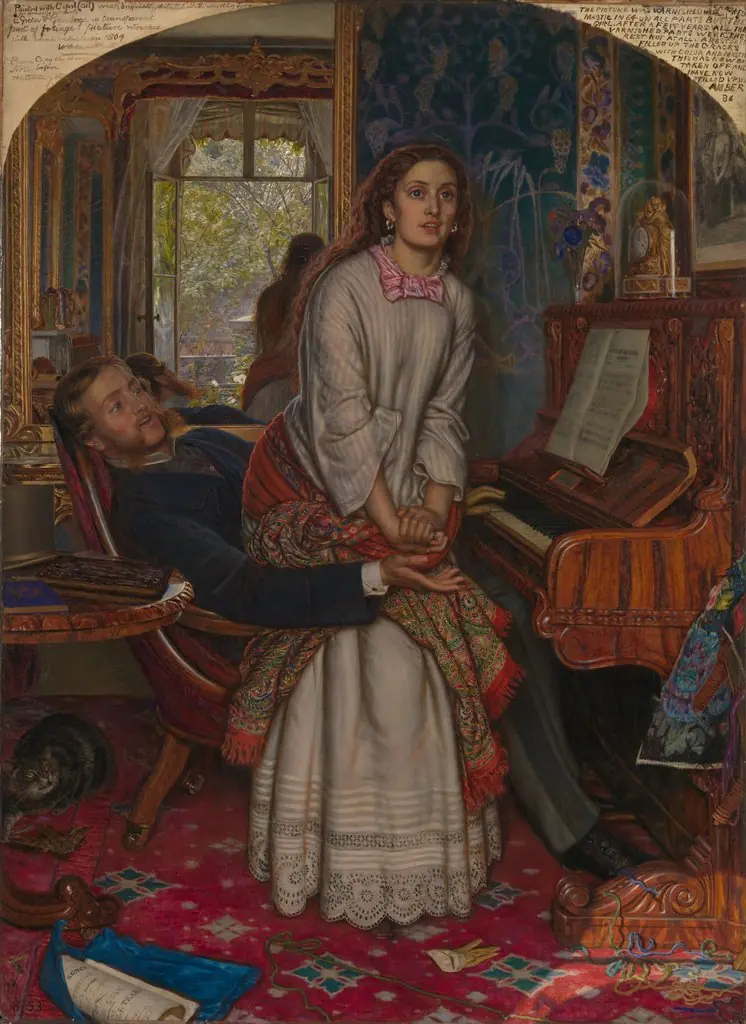
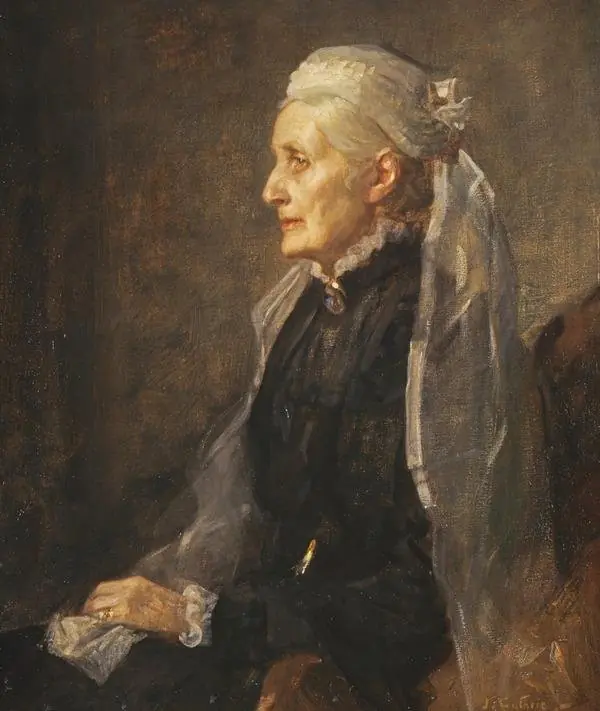 Christina Wilson, Mrs Thomas Steven, 1827 - 1913.
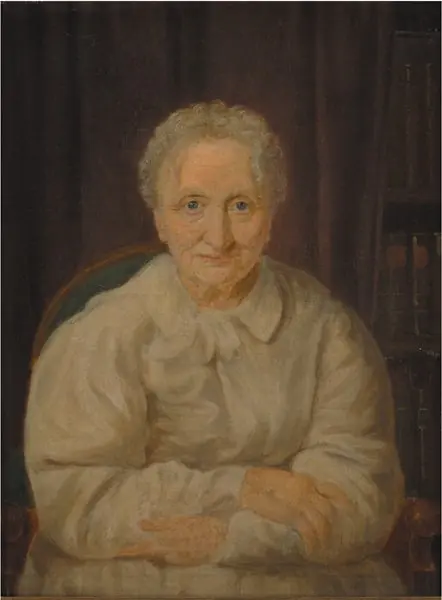 Forfatterinden Juliane Marie Jessen
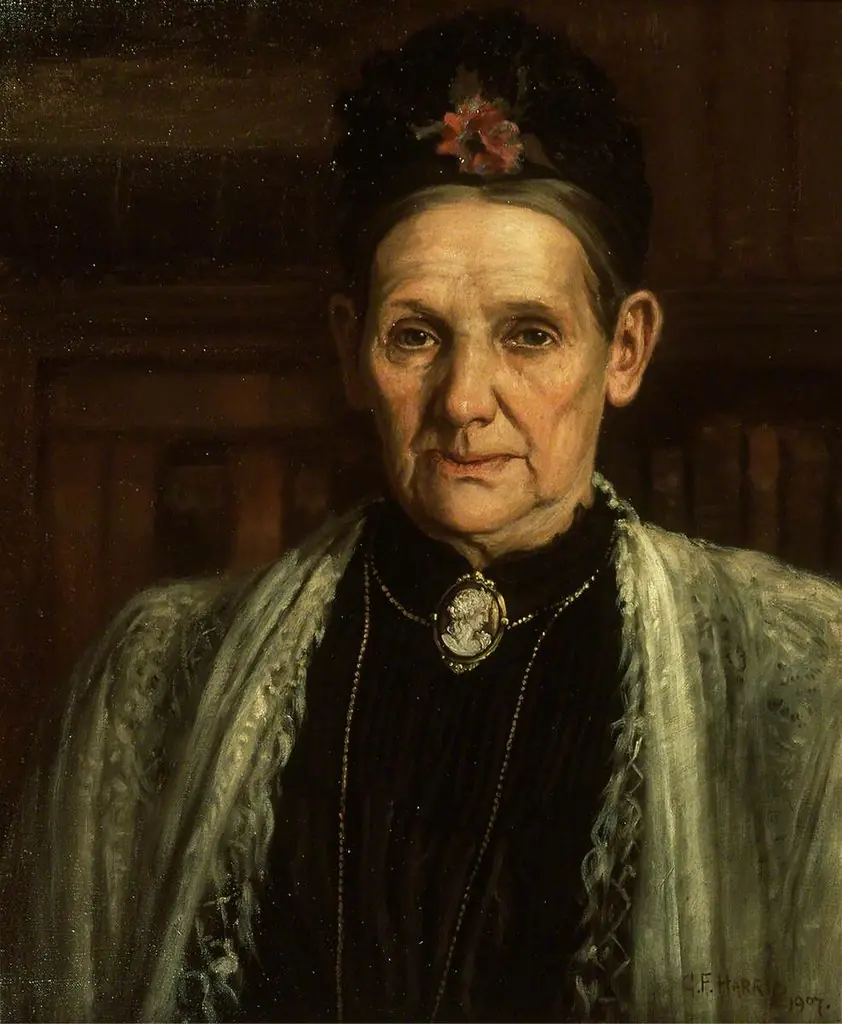 The Mother of Rosina Davies
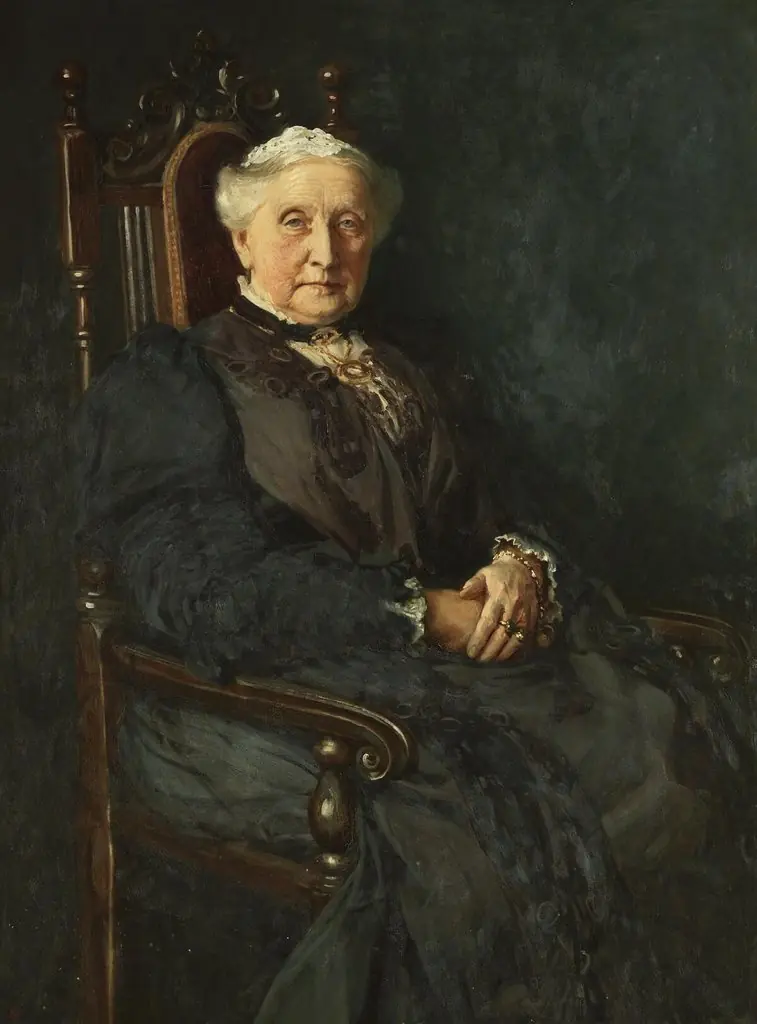 Mrs Elizabeth Poole-Hughes
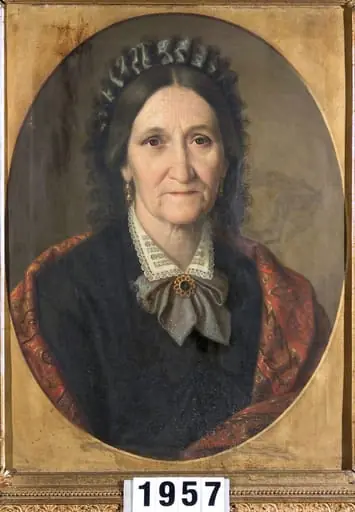 Anastasia Bozianu
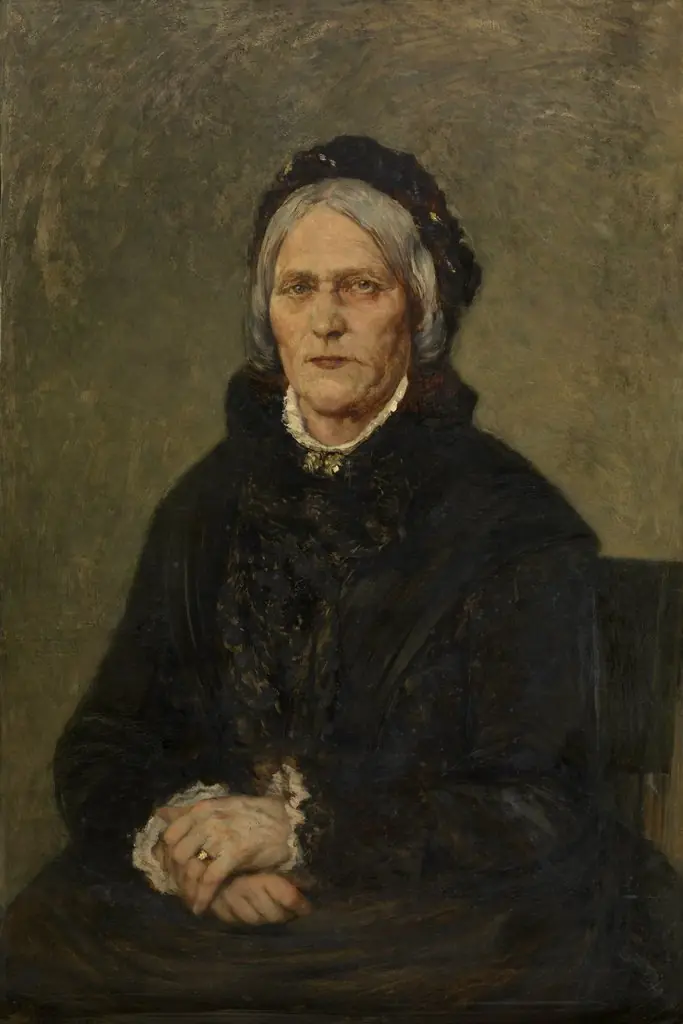 Madame Van Camp, the Artist's Mother
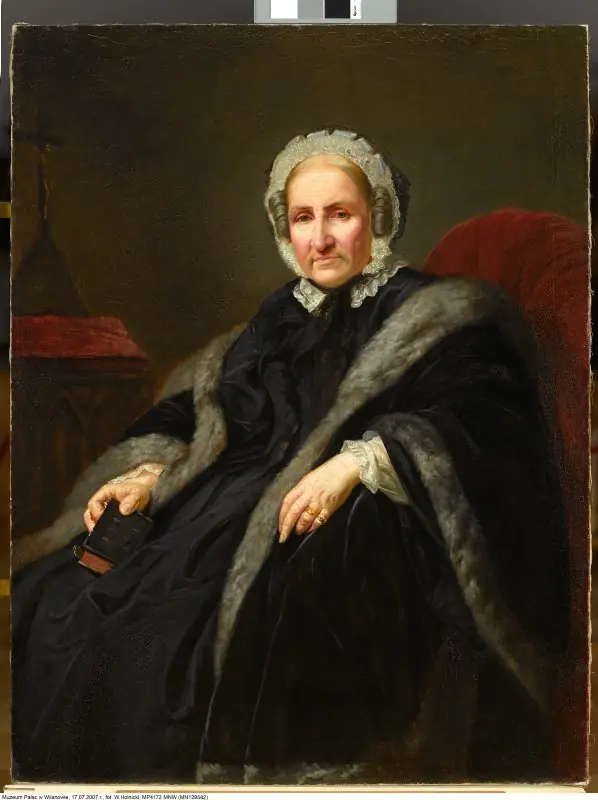 Portrait of countess Róża Sobańska
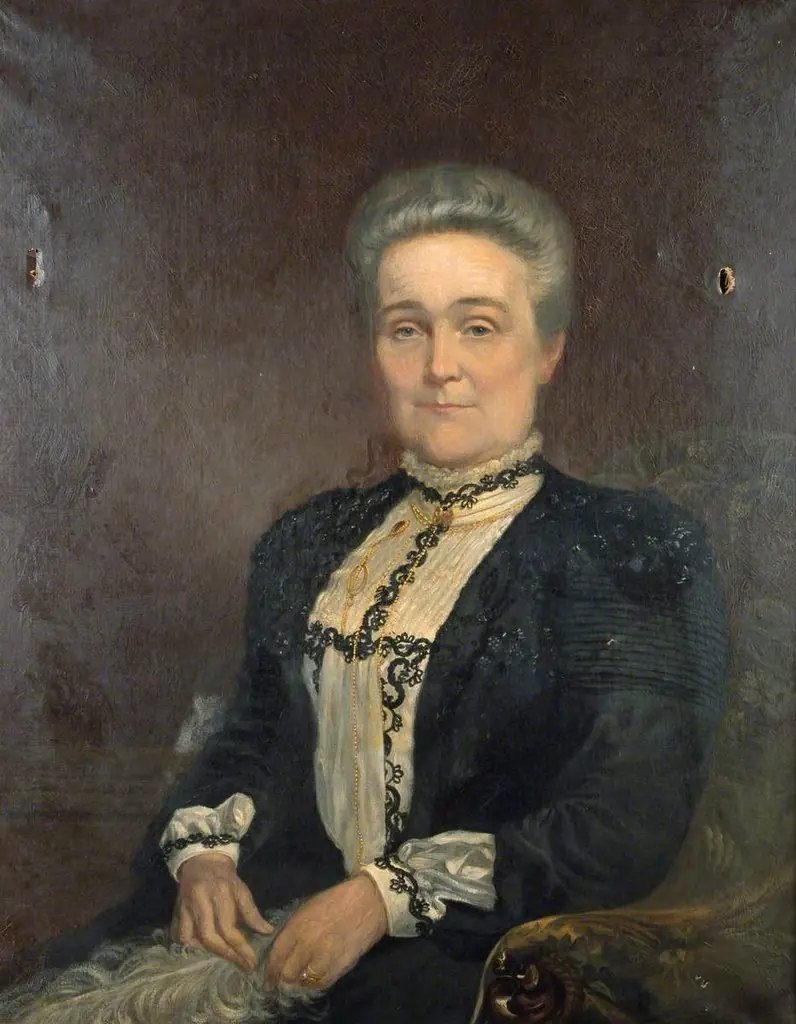 Portrait of an Unidentified Woman
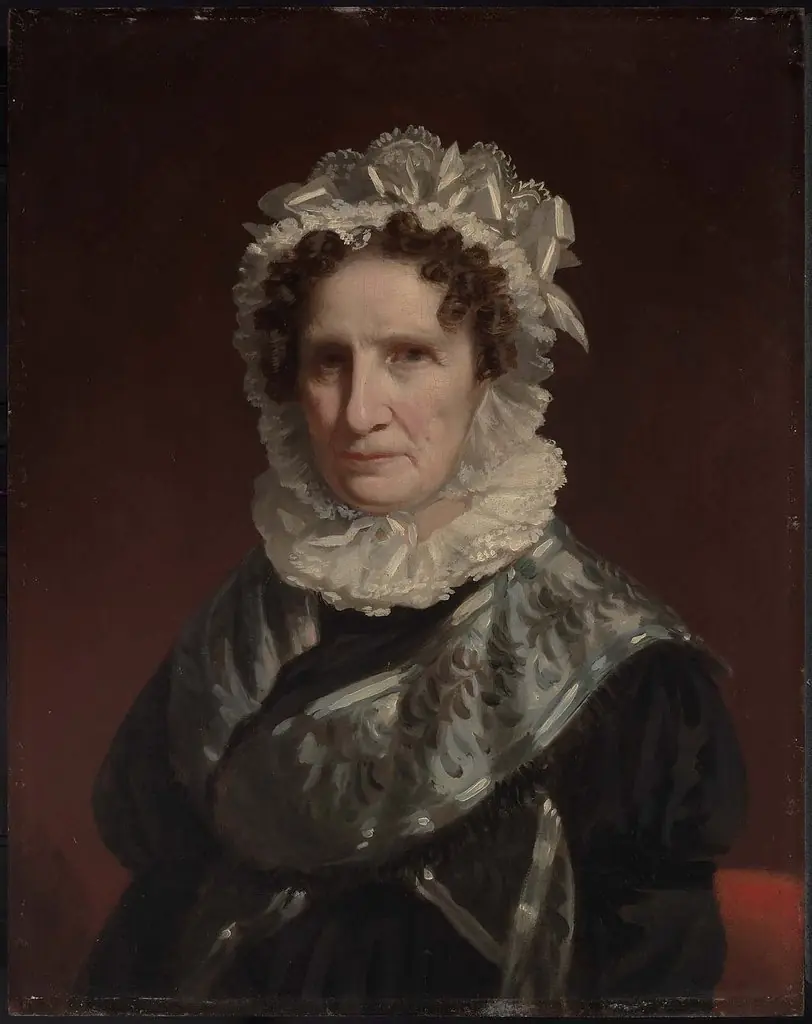 Madam Powel (Elizabeth Willing)
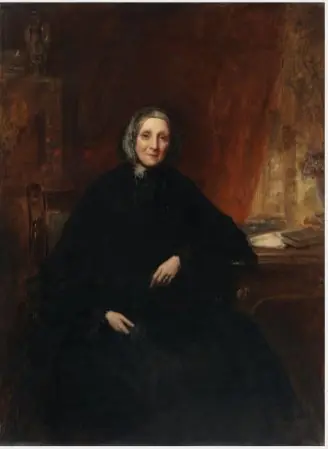 Mrs La Touche of Bellevue
 Portrait of a Lady