Artwork
Miss Muir
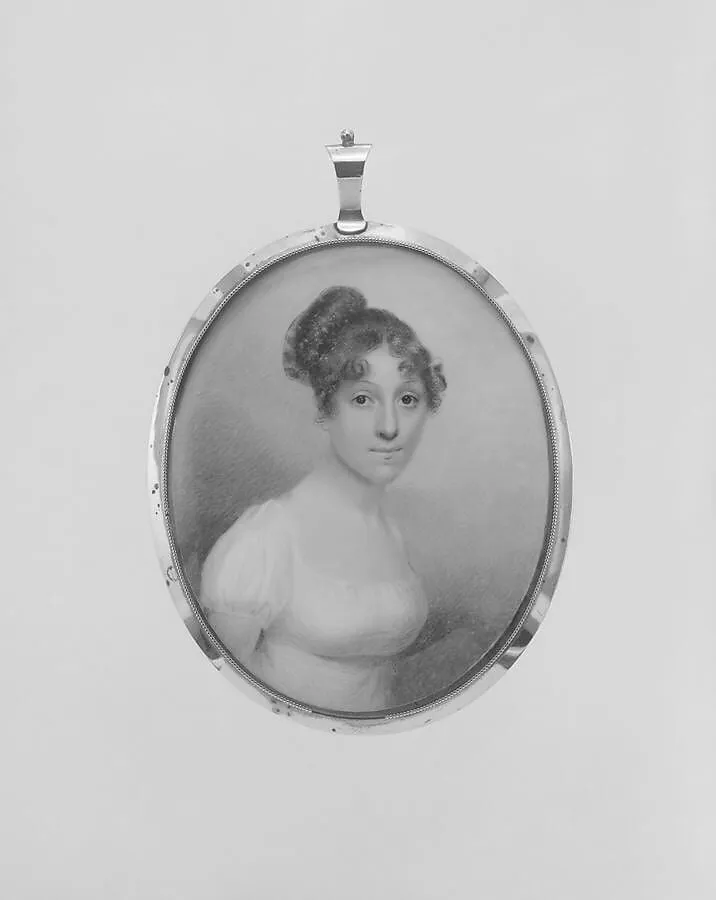
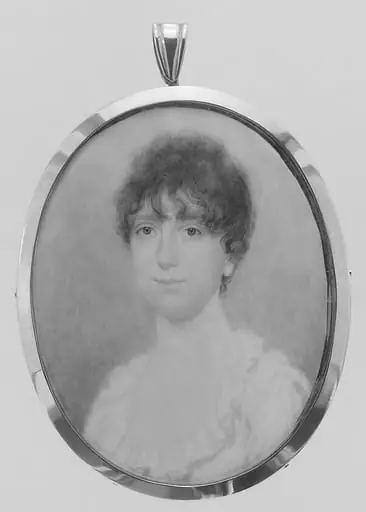
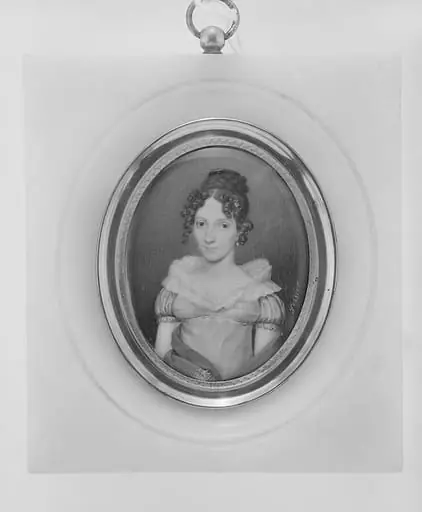
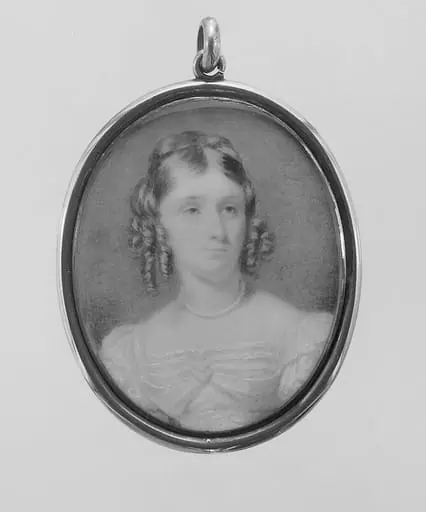
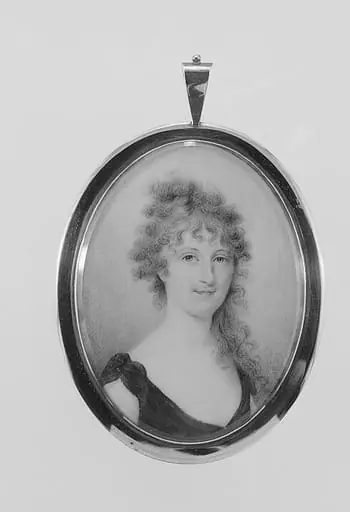
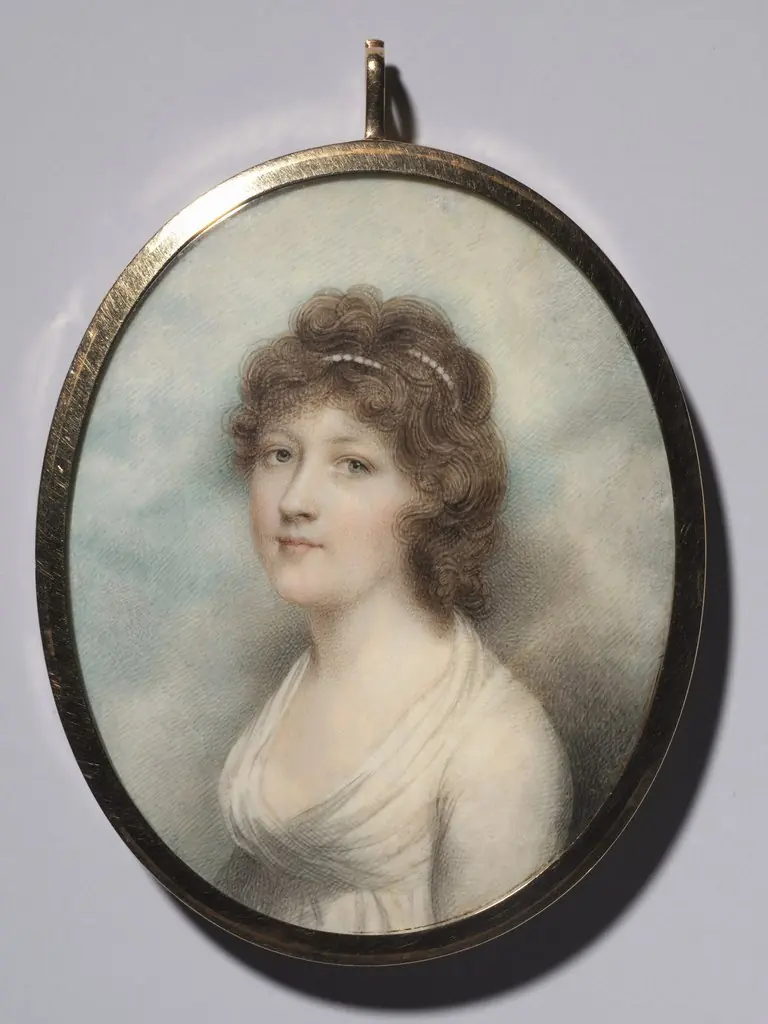
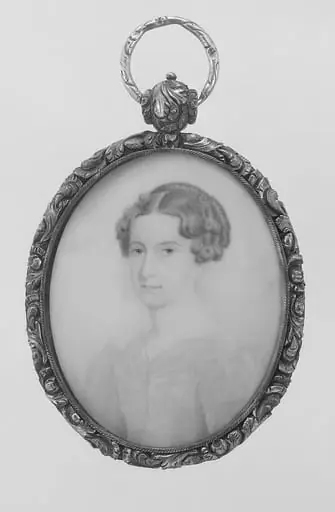
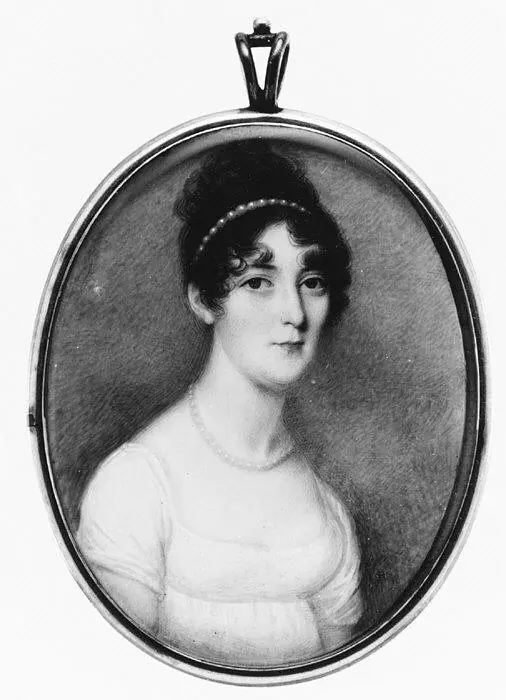
Miss Muir is a watercolor painting by the Rococo painting artist Joseph Wood. It dates from 1804 and is held in the collection of the Metropolitan Museum of Art.
About this work
Technique & Style
Executed in 1804, this portrait by Joseph Wood utilizes watercolor applied to an ivory support, a medium characteristic of miniature painting traditions.
Executed in 1804, this portrait by Joseph Wood utilizes watercolor applied to an ivory support, a medium characteristic of miniature painting traditions. The work presents a small-scale format, measuring approximately 7.4 by 6 cm, consistent with the intimate nature of the genre. As a portrait of a woman, the piece relies on the translucent qualities of watercolor over the smooth, luminous surface of the ivory to achieve its visual effect. The classification within the American Wing underscores its significance as an example of early nineteenth-century American portraiture.
History & Provenance
Miss Muir is a watercolor on ivory portrait painted by Joseph Wood in 1804. It measures 7.4 x 6 cm and was created as a portrait of a woman. It entered the collection of the Metropolitan Museum of Art, where it is catalogued in The American Wing. No specific accession number or exhibition history is documented in the available sources.
Overview
Joseph Wood's 1804 watercolor portrait, Miss Muir, captures a young woman with a direct gaze. Executed on a small ivory support, this intimate depiction showcases the artist's skill in rendering delicate features and textures. The work is characteristic of early 19th-century American portraiture, designed for personal contemplation and private display rather than public exhibition. It offers a glimpse into the aesthetic preferences and social customs of the era.
Subject & Meaning
The portrait features a young woman, identified as Miss Muir, seated against a dark, undefined background. Her dark hair is neatly styled, and her hands are gently clasped in her lap. Dressed in a simple white gown, she gazes directly forward, engaging the viewer with a calm and composed expression.
Such miniature portraits often served as cherished mementos, exchanged between loved ones or kept as private reminders of family and affection.
Context
During the early 19th century, miniature portraits like Miss Muir were highly valued for their portability and personal significance. Unlike larger oil paintings, these small works were intended for close, private viewing, often kept in lockets or small cases. They functioned as intimate keepsakes, allowing individuals to carry the likenesses of family members or friends.
This tradition reflects a broader cultural practice of commemorating individuals through art that could be held and treasured.
Artist & collection