Artwork
Samuel Gardiner
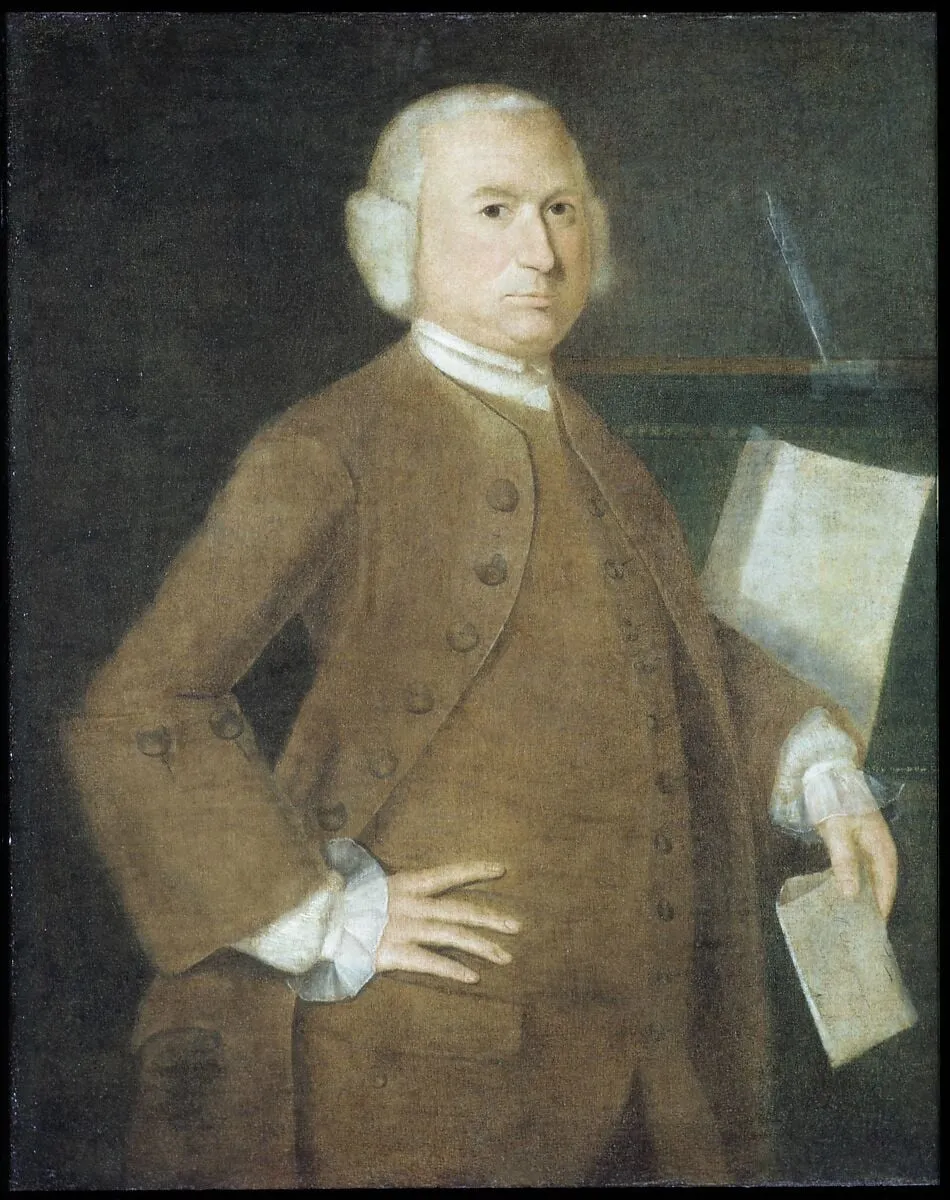
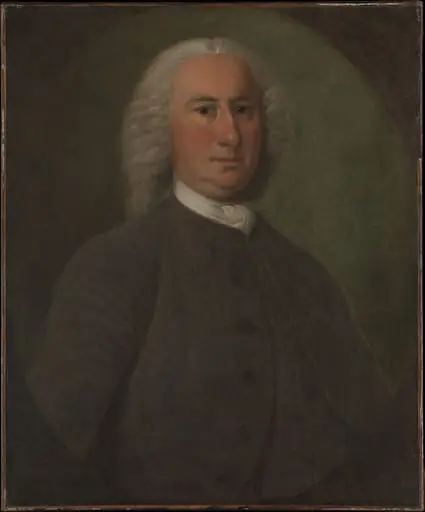
Samuel Gardiner is an oil painting by the Rococo painting artist William Johnston. It dates from 1763 and is held in the collection of the Metropolitan Museum of Art.
About this work
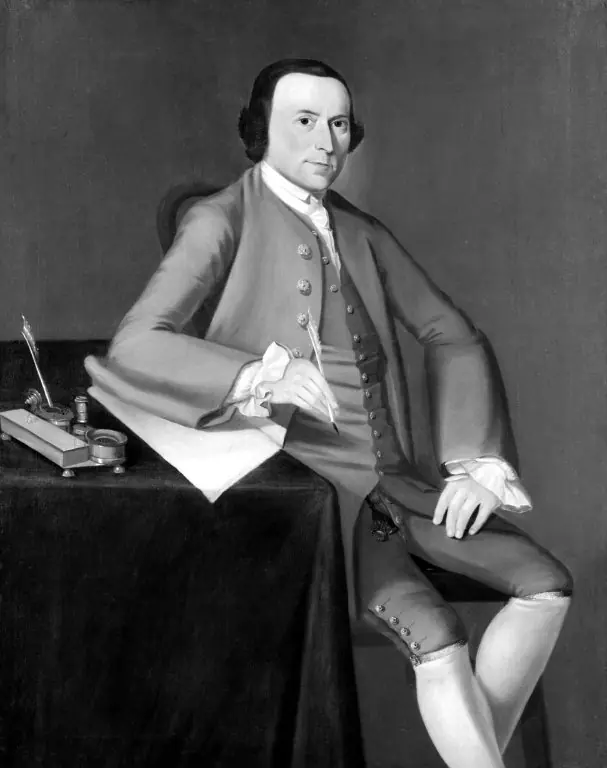
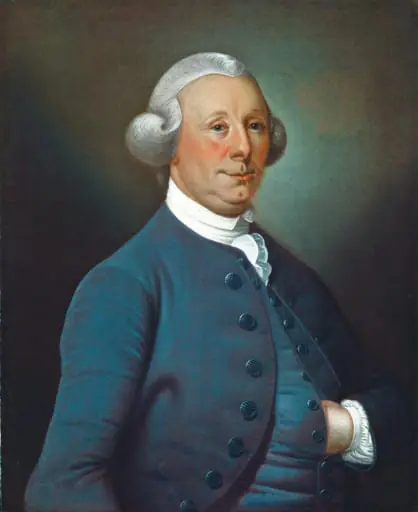
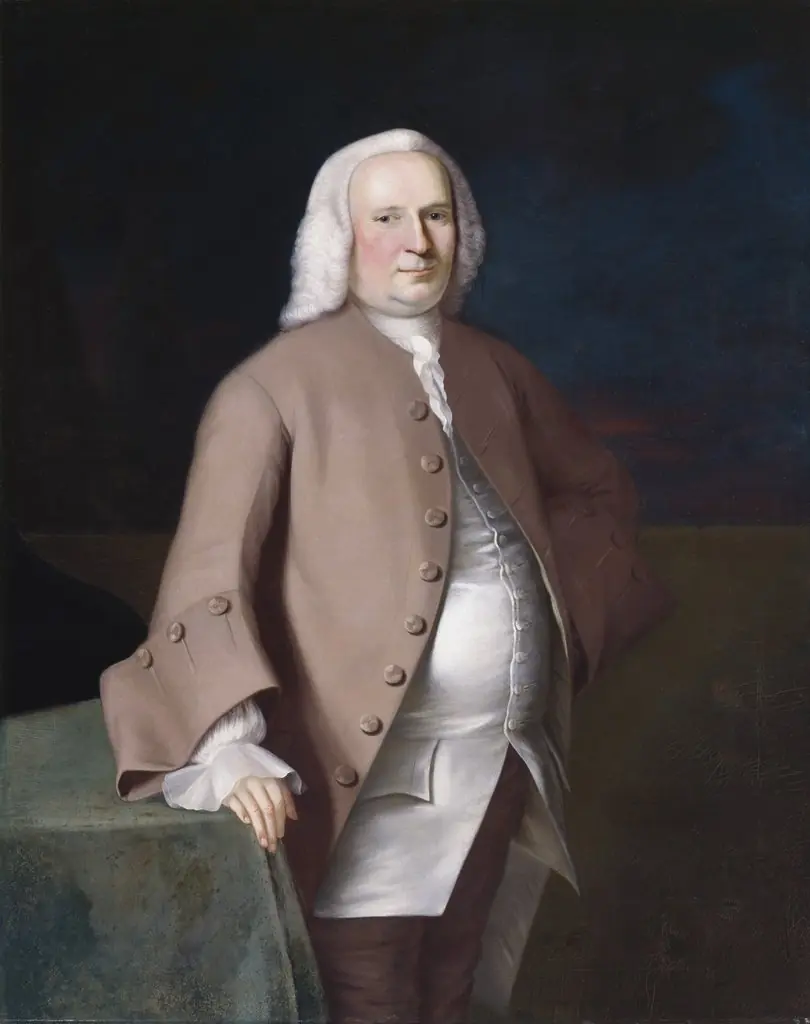
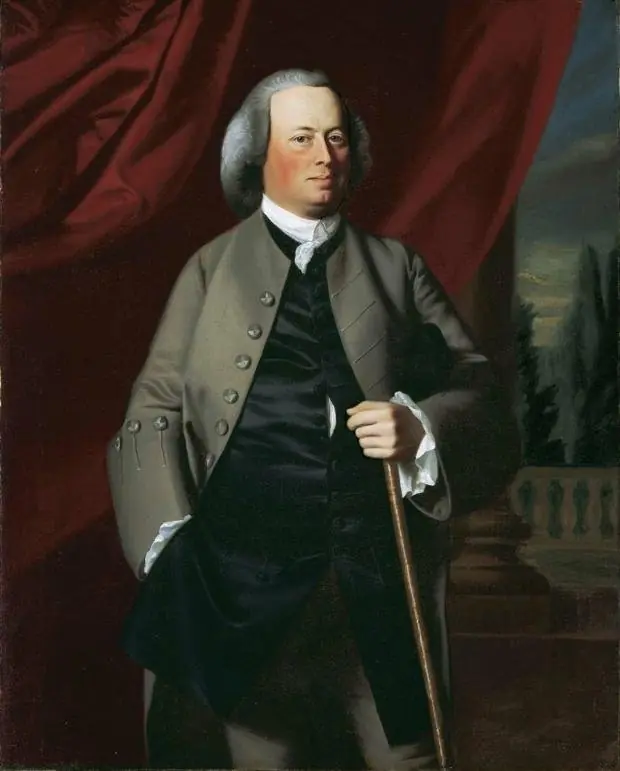
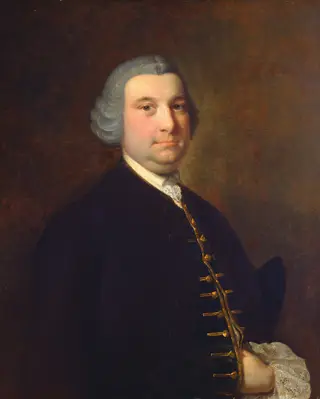
A man in a dark coat and white cravat sits against a plain background, his powdered hair pulled back, his face serious and a little tired. Painted in 1763, just before the Revolution, it shows Samuel Gardiner, a wealthy but unflashy New York merchant. The mood is quiet and direct, with no drama.
Subject & Meaning
The composition focuses on the likeness and presence of Gardiner, serving as a visual record of the sitter rather than an allegorical representation.
The work is a portrait depicting Samuel Gardiner, a man, created by William Johnston in 1763. As a portrait, the painting's primary subject is the individual himself, presented as the central figure without additional narrative elements or symbolic attributes described in the available records. The composition focuses on the likeness and presence of Gardiner, serving as a visual record of the sitter rather than an allegorical representation.
The Metropolitan Museum of Art holds the piece, which measures 91.4 by 73.6 centimeters and is executed in oil on canvas. The iconography remains strictly representational, centering on the identification of the male subject through the conventions of eighteenth-century portraiture.
History & Provenance
Samuel Gardiner was painted in 1763 by the American artist William Johnston in oil on canvas. The portrait depicts Gardiner as a gentleman and is held in the collection of the Metropolitan Museum of Art in New York, where it is classified within The American Wing. The work measures 91.4 cm in height by 73.6 cm in width.
While the sources confirm its presence in the Met's permanent collection, they do not provide a specific accession number or record any exhibition history for the portrait.
Context
The painting is an early American portrait executed in oil on canvas in 1763 by William Johnston, now part of The American Wing at the Metropolitan Museum of Art. It portrays Samuel Gardiner and exemplifies colonial portraiture's emphasis on status and realism. As a work within the museum's American collection, it contributes to scholarly understanding of 18th-century transatlantic artistic exchange and the development of the portrait genre in the United States. Its provenance, dimensions, and material details are documented in museum records.
Overview
This oil on canvas portrait, completed in 1763, depicts Samuel Gardiner, a prominent New York merchant. Housed in the American Wing, the painting captures a moment of quiet introspection, presenting a figure of understated wealth and seriousness. It offers a glimpse into colonial American society on the cusp of significant historical change, reflecting a period of calm before the upheaval of the American Revolution.
Technique & Style
The artist employs a direct and unadorned style to render Samuel Gardiner. The sitter is positioned stiffly against a plain, dark background, which draws focus to his figure. His powdered hair is neatly pulled back, framing a face marked by a serious, almost weary expression.
The subdued color palette and lack of dramatic elements contribute to the portrait's overall sense of quietude, emphasizing the subject's character over elaborate artistic flourishes.
Artist & collection

Artist
William Johnston painted faces that look like they have just stepped in from the cold.