Artwork
Bathing Party
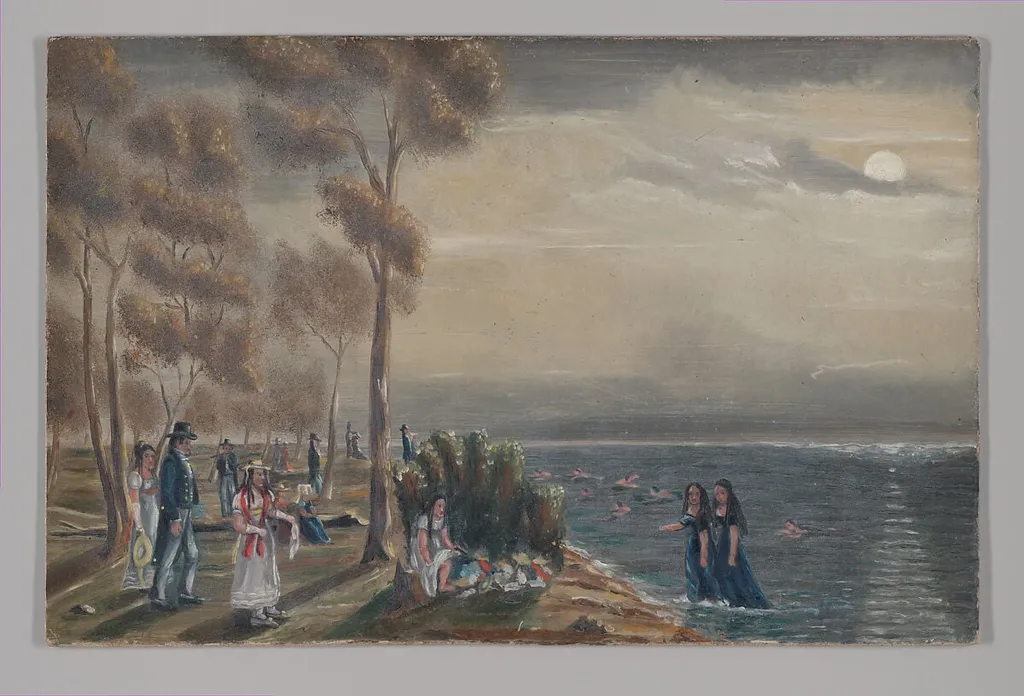
Bathing Party is an oil painting by the American Impressionist artist William P. Chappel. It dates from 1874 and is held in the collection of the Metropolitan Museum of Art.
About this work
Subject & Meaning
As a genre work, the piece captures a moment of leisure and athletic activity rather than a specific historical narrative or mythological allegory.
William P. Chappel's 1874 oil painting, Bathing Party, depicts a genre scene centered on competitive swimming. The composition features men and women gathered near a tree, engaging in or observing a swimming contest. As a genre work, the piece captures a moment of leisure and athletic activity rather than a specific historical narrative or mythological allegory.
The inclusion of both male and female figures suggests a social gathering where recreation and sport intersect. The setting, defined by the presence of the tree and the water, frames the human activity within a natural environment. The work represents a snapshot of 19th-century recreational life, focusing on the human body in motion and the communal aspect of outdoor pastimes.
Technique & Style
William P. Chappel's Bathing Party (1874) is executed in oil on slate paper, a support uncommon in 19th-century American genre painting. The medium's matte, fine-grained surface lends the work a crisp, almost graphic clarity, while the slate's rigidity stabilizes the composition. Stylistically, the painting adheres to mid-century genre conventions, with tightly rendered figures and foliage set against a naturalistic backdrop.
The handling is precise, particularly in the delineation of drapery and figures. The modest dimensions (15.6 × 23.5 cm) suggest it was conceived as a cabinet-sized work, possibly for private circulation. No conservation notes are provided in the cited sources, leaving its current condition unverified.
History & Provenance
Bathing Party was created in 1874 by William P. Chappel, who executed the work in oil on slate paper (15.6 × 23.5 cm). The painting entered the collection of the Metropolitan Museum of Art, where it is displayed in The American Wing. Its early provenance is limited to the museum's acquisition records, which do not specify a prior private owner or a commissioning patron.
The work depicts a competitive swimming scene with a man, a woman, and a tree, reflecting the genre-scene interests of the period. No specific accession number or prior exhibition history is documented in the available sources.
Overview
Bathing Party depicts a group of men and women enjoying a refreshing dip in a river, shaded by tall trees. Rendered in oil on slate paper, this artwork captures a seemingly spontaneous moment of leisure. The composition conveys an unposed, informal atmosphere, presenting a casual glimpse into everyday American life during the 1870s.
Context
In the context of 1870s American art, "Bathing Party" stands out for its candid depiction of everyday recreation. While genre scenes were common, the specific subject of ordinary individuals, particularly men and women together, swimming informally, was not a prevalent theme. This work thus provides a unique window into social customs and artistic trends of its period, reflecting a more relaxed approach to subject matter.
Artist & collection


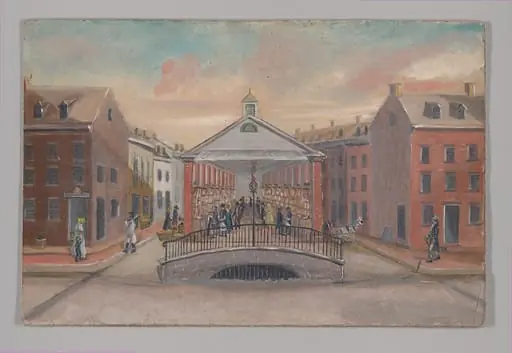
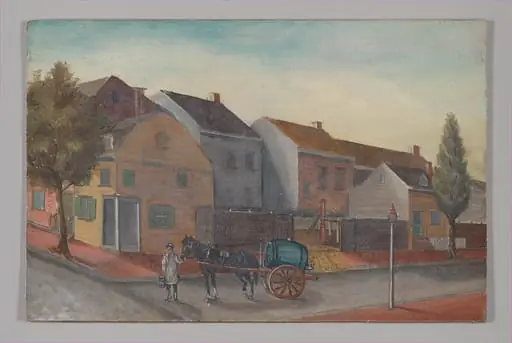
- Baptism
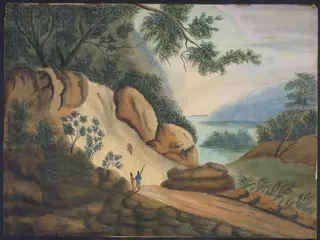 Landscape with Two Figures
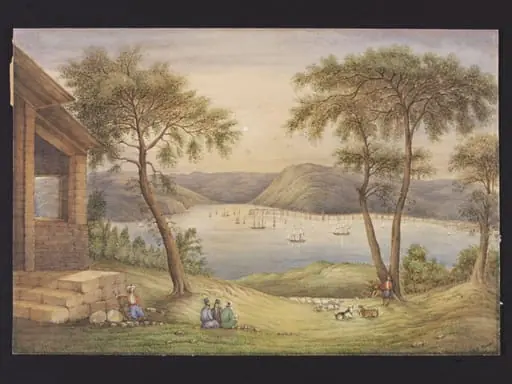 Büyükdere on the Bosphorus from the Giant's Grave
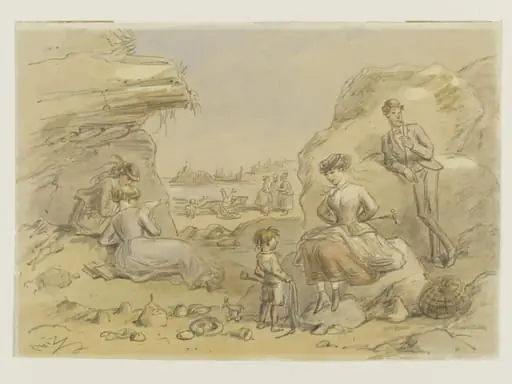 A beach scene
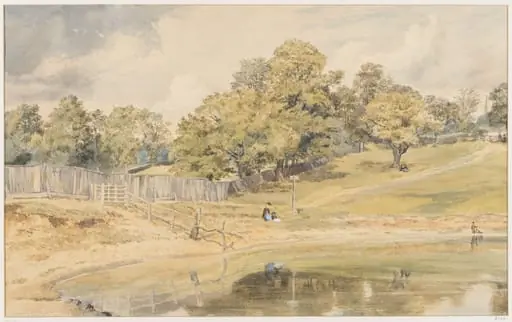 Pond at Hampstead
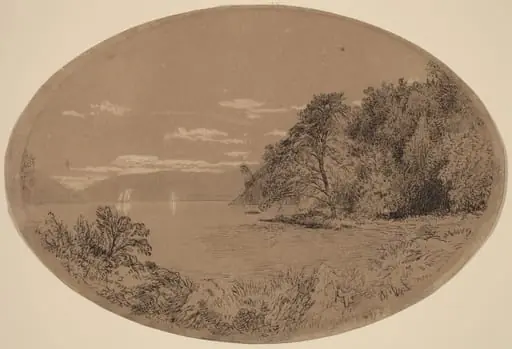 The Hudson at Nyack
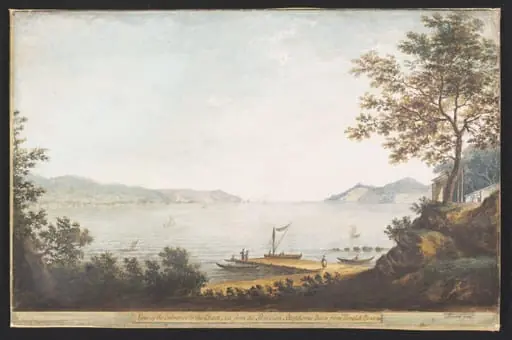 View of the Entrance to the Black Sea from the Thracian Bosphorus taken from Keretch Bournu
 Λιμάνι της Πάρου
 Infant Funeral Procession
 View from Staten Island
 Lauttasaari, Katajaharjunniemi
 Berg's Ship Yard