Artwork
La Petite Angelina and Miss C. Thompson, at the Boston Museum
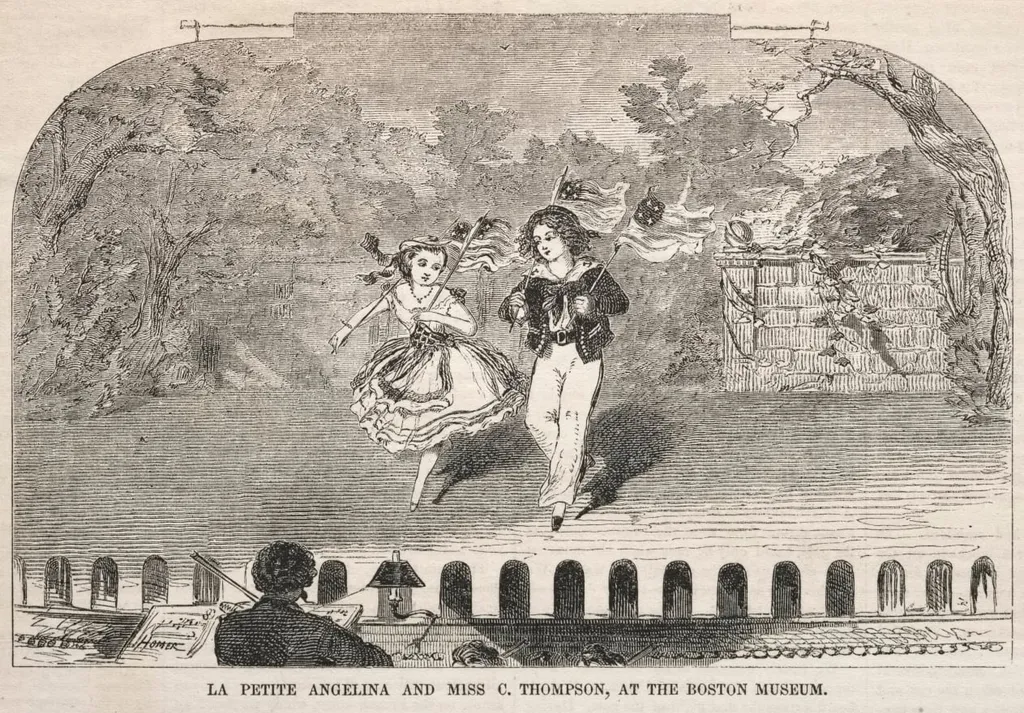
La Petite Angelina and Miss C. Thompson, at the Boston Museum is a print by the Impressionist artist Winslow Homer. It dates from 1859 and is held in the collection of the Cleveland Museum of Art.
- Accession no.
- 1942.1372.a
- Credit line
- Purchase from the J. H. Wade Fund
About this work
Overview
Executed during Homer’s early years as a commercial illustrator, the work reflects his engagement with popular visual culture before his shift toward fine art.
Created in 1859, this black-and-white drawing by Winslow Homer captures two girls in motion on a stage, likely at the Boston Museum. Executed during Homer’s early years as a commercial illustrator, the work reflects his engagement with popular visual culture before his shift toward fine art. The scene is rendered with precise linework and tonal shading, demonstrating his emerging skill in capturing movement and expression.
Subject & Meaning
The two figures, identified as Angelina and Miss C. Thompson, are depicted mid-dance, each holding a flag. Their dynamic postures and expressive faces suggest a performance, possibly part of a theatrical or educational display common in 19th-century public museums. The setting, framed by trees and a fence, blurs the boundary between stage and natural environment, hinting at the era’s blending of entertainment and civic culture.
Technique & Style
Homer employs detailed pen-and-ink lines with careful shading to model form and suggest depth. The contrast between light and dark areas, particularly in the girls’ dresses and the background, reveals an early use of chiaroscuro, a technique he would refine in later works. The fluidity of the figures’ gestures and the textured rendering of foliage show his attention to observational accuracy and rhythmic composition.
History & Provenance
The drawing is held by the Cleveland Museum of Art. It originated as a commercial illustration, likely intended for publication in a periodical or promotional material related to the Boston Museum. Its survival as a standalone work reflects its artistic merit beyond its original functional purpose, offering insight into Homer’s formative years before his transition to oil painting.
Context
In the late 1850s, American museums often hosted theatrical performances as both entertainment and moral instruction. Illustrators like Homer documented these events for newspapers and magazines, creating visual records of public life. This drawing aligns with a broader trend of artists documenting everyday spectacles, bridging journalism and art in a rapidly expanding visual media landscape.
Legacy
Though created before Homer’s mature style emerged, this drawing reveals the foundational skills that would define his later work: keen observation, sensitivity to movement, and mastery of tonal contrast. It stands as a testament to his transition from illustrator to painter, preserving a moment in American cultural history through the lens of an artist still finding his voice.
Artist & collection
Artist
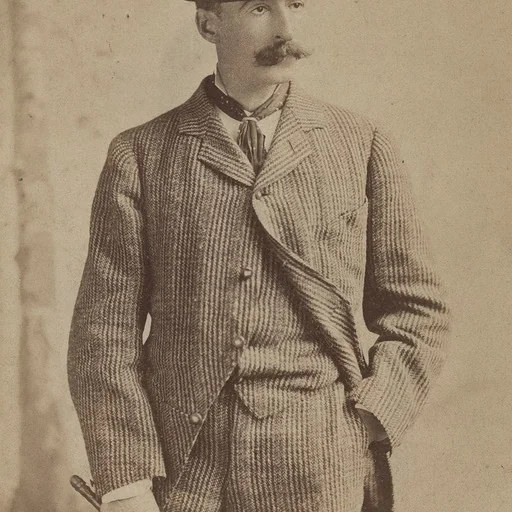
Winslow Homer (February 24, 1836 – September 29, 1910) was an American landscape painter and illustrator, best known for his marine subjects.


- The Great Russian Ball at the Academy of Music, November 5, 1863
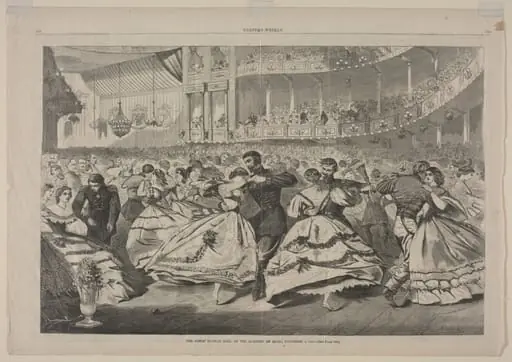
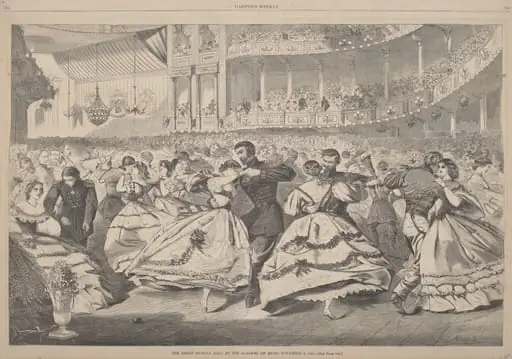 The Great Russian Ball at the Academy of Music, November 5, 1863
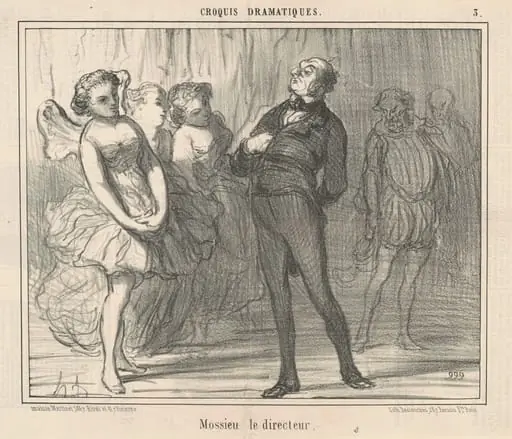 Mossieu la directeur
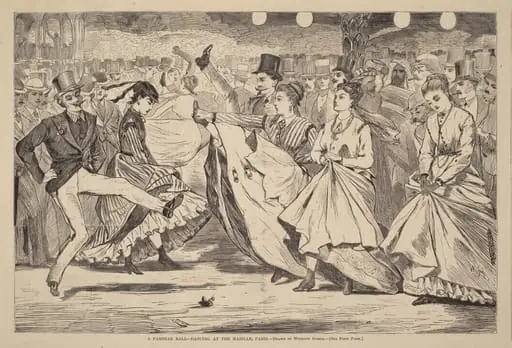 A Parisian Ball - Dancing at the Mabille, Paris
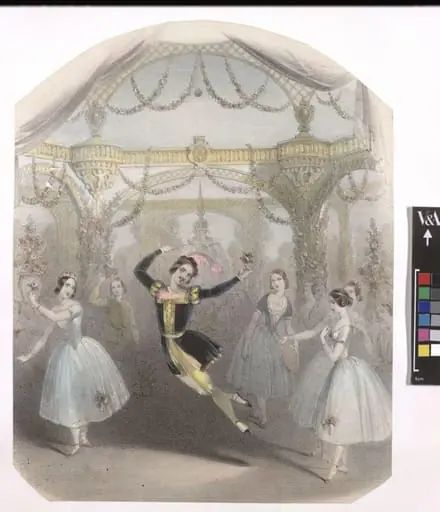 Print of Arthur Saint-Léon in La Esmeralda
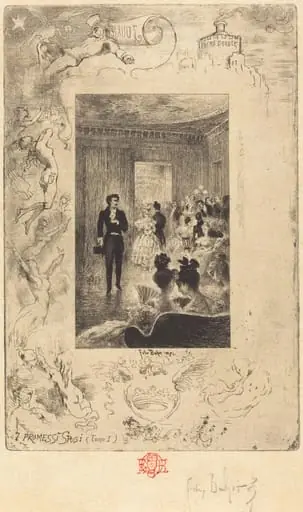 I Promessi Sposi (The Betrothed)
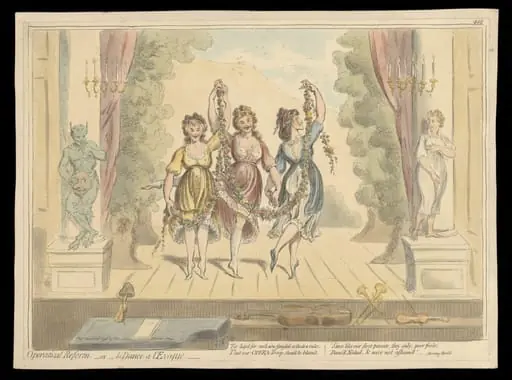 H Beard Print Collection
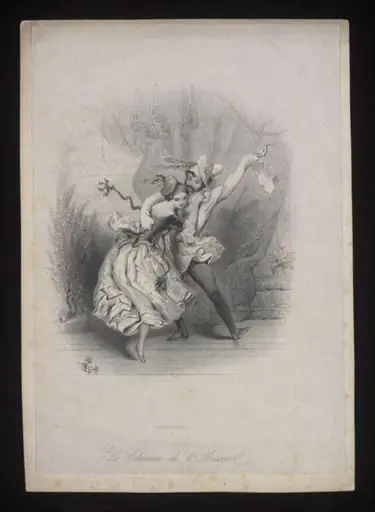 "Le Chemin de l'Amour."
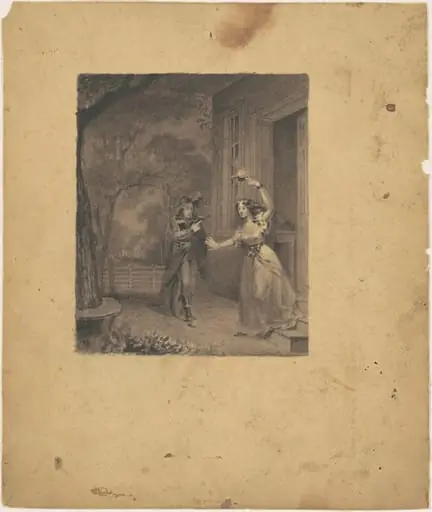 The Bride of Lammermoor
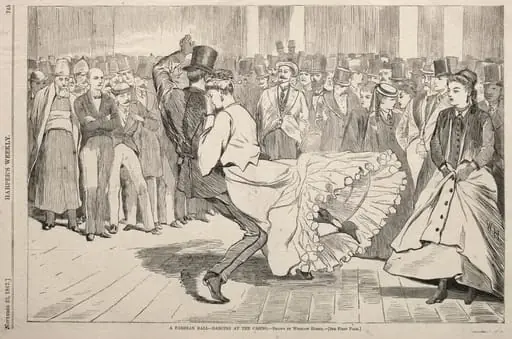 A Parisian Ball - Dancing at the Casino
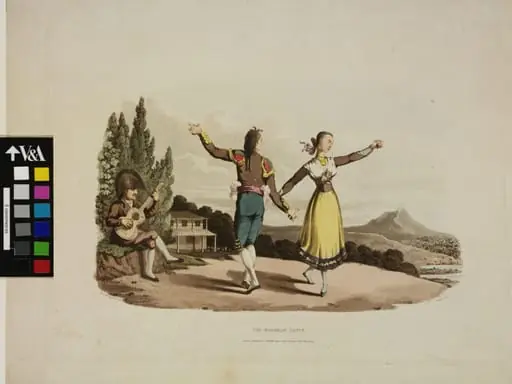 The Boleras Dance
 H Beard Print Collection