Artwork
Camp Fire
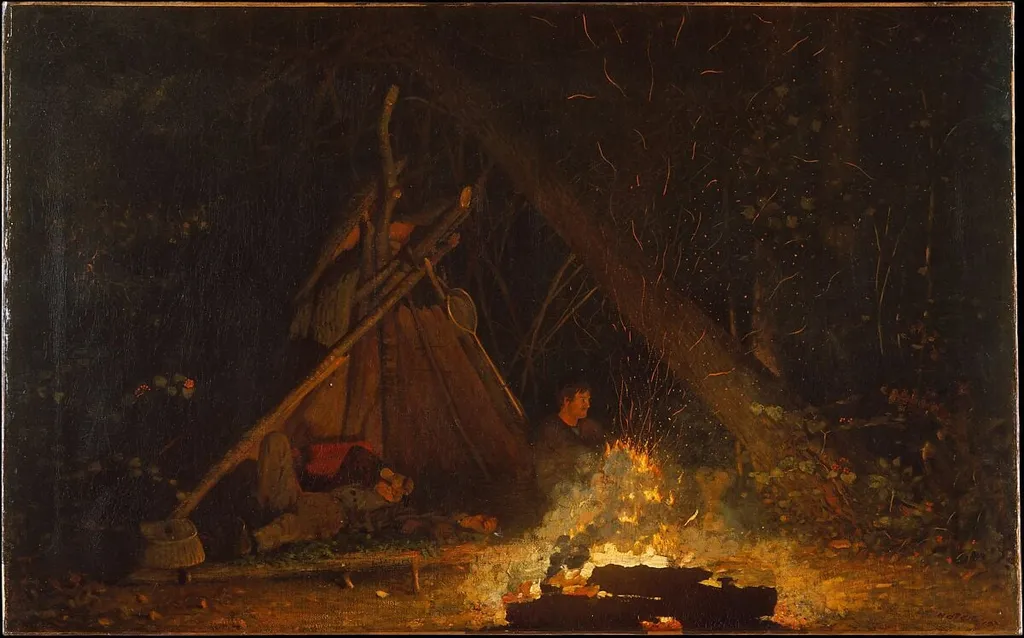
Camp Fire is an oil painting by the American Impressionist artist Winslow Homer. It dates from 1880 and is held in the collection of the Metropolitan Museum of Art.
- Accession no.
- 27.181
- Credit line
- Gift of Josephine Pomeroy Hendrick, in the name of Henry Keney Pomeroy, 1927
About this work
Subject & Meaning
The imagery captures a quiet, introspective moment rather than a narrative event, emphasizing the figure's isolation and the elemental presence of the fire.
Winslow Homer's 1880 oil painting, Camp Fire, depicts a solitary male figure seated by a fire within a camping setting. The composition centers on the interplay between the man, the glowing fire, and the adjacent tent, establishing a scene of rustic solitude. While the work is classified as a landscape, its primary iconographic focus lies in the human interaction with the natural environment during a camping excursion.
The imagery captures a quiet, introspective moment rather than a narrative event, emphasizing the figure's isolation and the elemental presence of the fire. The visual elements, man, tent, and fire, combine to represent the experience of camping, highlighting themes of self-reliance and the simplicity of life outdoors as observed by the artist in the late nineteenth century.
Technique & Style
The work Camp Fire is executed in oil on canvas. The support is a stretched canvas, typical of Homer's practice, and the paint consists of oil pigments applied to achieve layered, luminous effects. The composition centers on a campfire that illuminates a solitary figure beside a tent, rendered with loose brushwork that emphasizes the flickering light and surrounding darkness.
As a landscape genre piece, the painting balances detailed narrative elements, camping, fire, man, tent, with a broad, atmospheric treatment of the nocturnal setting, reflecting Homer's realist approach to American wilderness scenes.
History & Provenance
Winslow Homer created the oil-on-canvas painting Camp Fire in 1880. The work measures 60.3 centimeters in height and 96.8 centimeters in width. The Metropolitan Museum of Art currently holds the painting within its collection, in The American Wing.
The artwork depicts a scene of camping featuring a man, a tent, and a fire. No specific details regarding the original commission, the identity of the first owner, or the precise chain of ownership leading to the museum are provided in the available records. The painting was first exhibited in 1880 at the National Academy of Design's annual exhibition in New York.
Overview
Winslow Homer's Camp Fire, an oil on canvas from 1880, captures a nocturnal scene of men gathered around a fire. This work exemplifies Homer's engagement with outdoor subjects and his distinct approach to American landscape painting. As a prominent figure in 19th-century American art, Homer transitioned from commercial illustration to fine art, where he explored themes of nature and human interaction with the environment, often drawing from his own extensive travels and experiences in the wilderness.
Context
Created following Homer's personal experiences in the outdoors, Camp Fire reflects his broader artistic trajectory. Initially a commercial illustrator, Homer became a leading American painter, renowned for his marine subjects and extensive work in watercolor, which often chronicled his travels. This painting, made in 1880, stands as a testament to his enduring fascination with the American landscape and the human experience within it, a theme he explored throughout his distinguished career.
Artist & collection
Artist
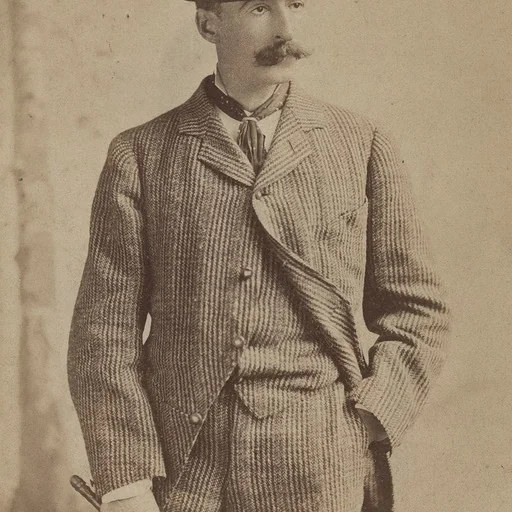
Winslow Homer (February 24, 1836 – September 29, 1910) was an American landscape painter and illustrator, best known for his marine subjects.

- Saamelaisia nuotiolla
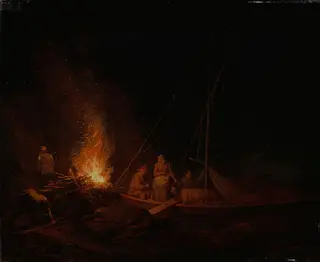 Nuotiota sytyttäviä kalastajia
 At the Tanner. Night Piece
 Gypsy Camp II
 Gypsy Encampment
 Zechende Bauern
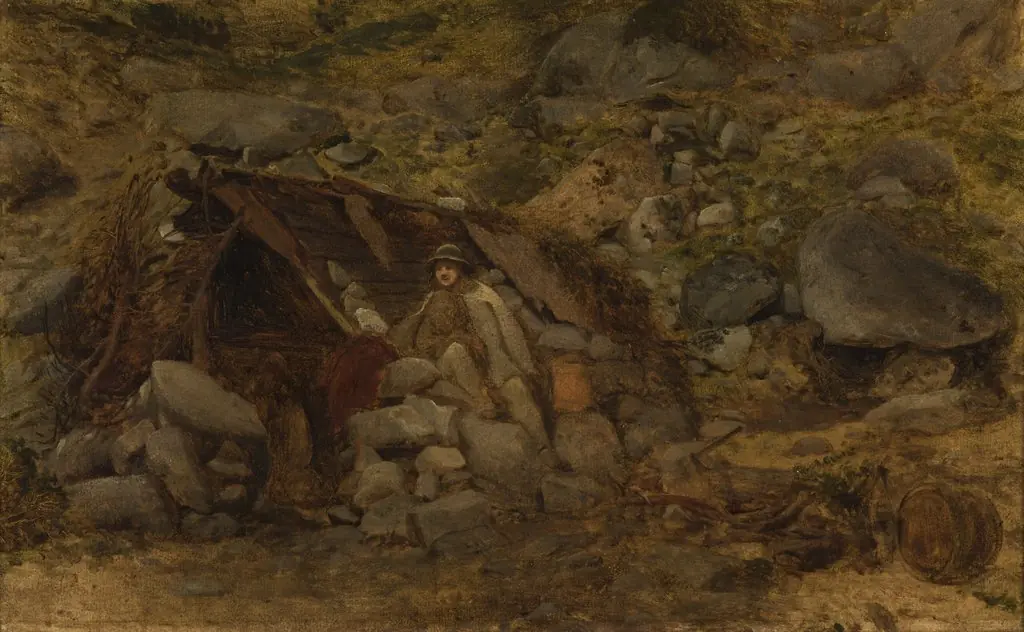 Highlander in Front of a Hut
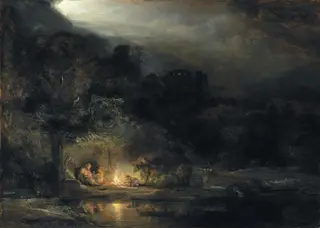 Nocturnal Landscape with the Holy Family resting on the flight into Egypt
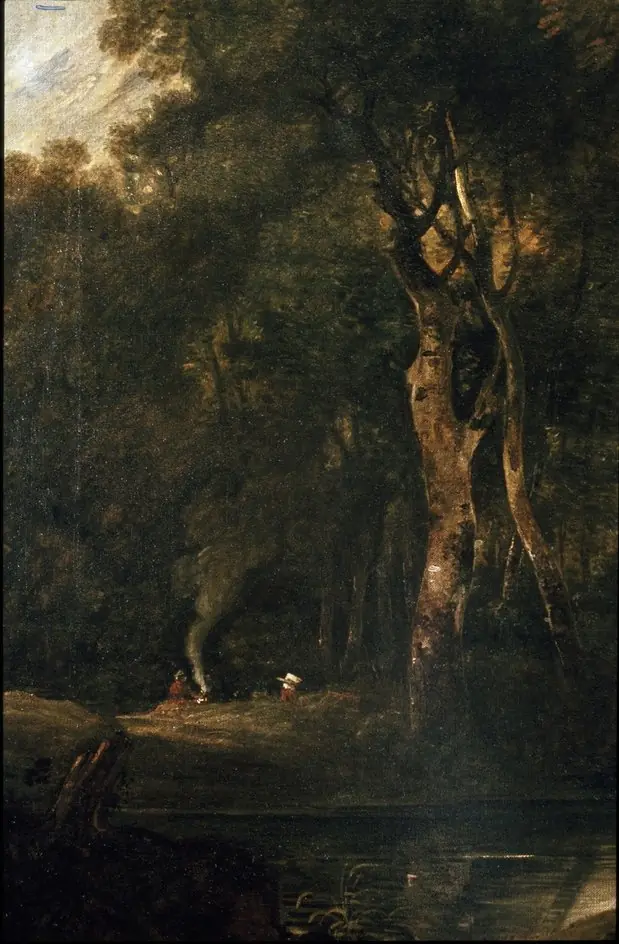 Woodland Scene with Gipsies
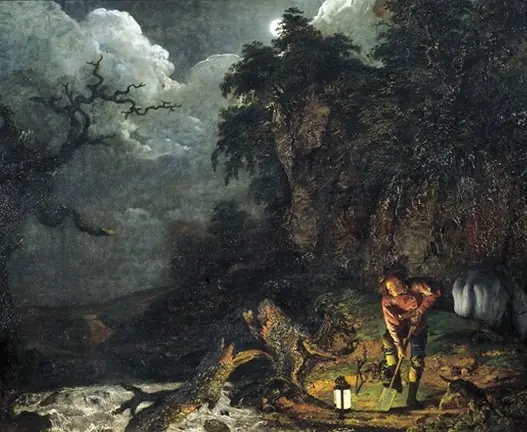 Earthstopper on the Banks of the Derwent
 Peasants in a barn
 Gipsies