Artwork
Playing Old Soldier
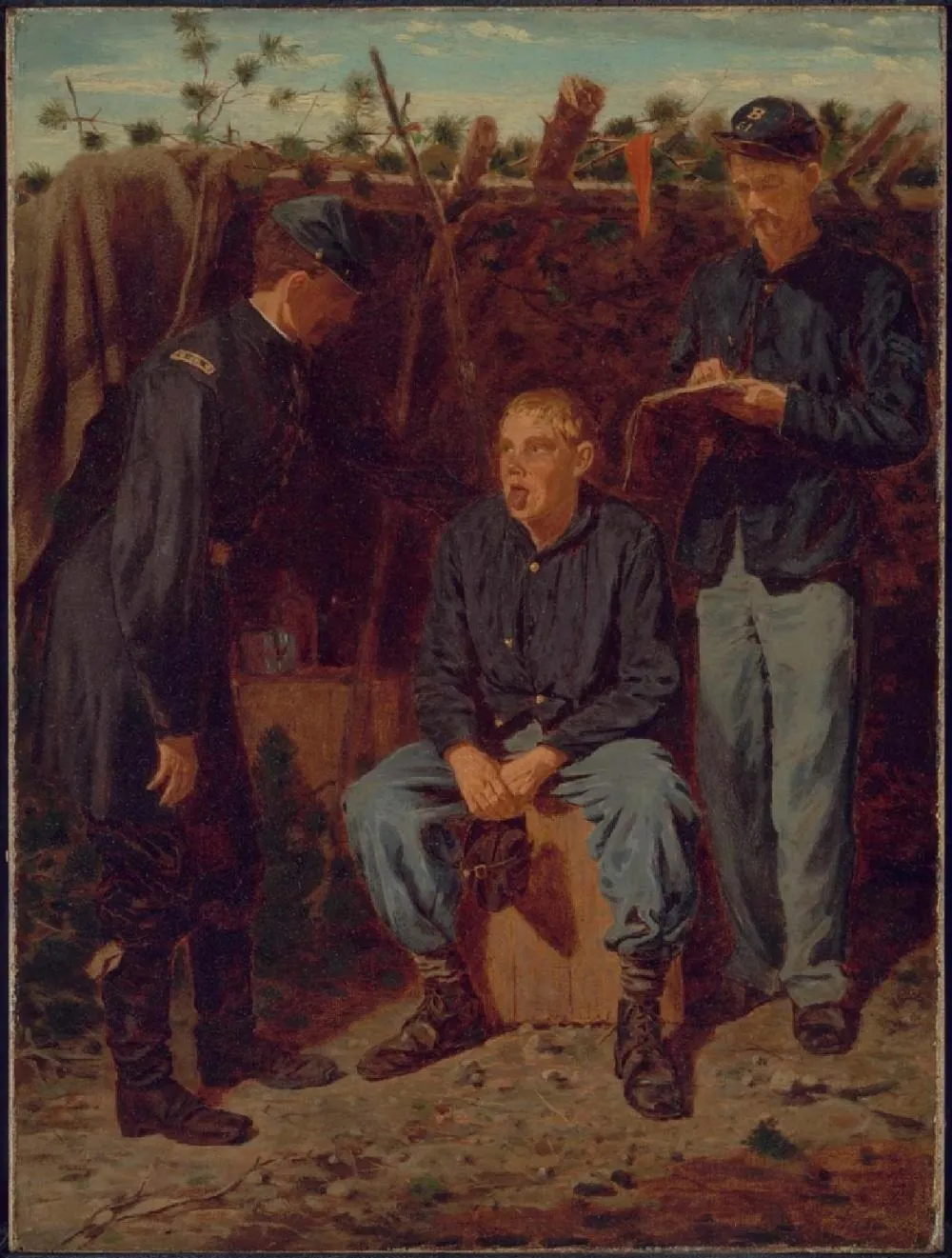
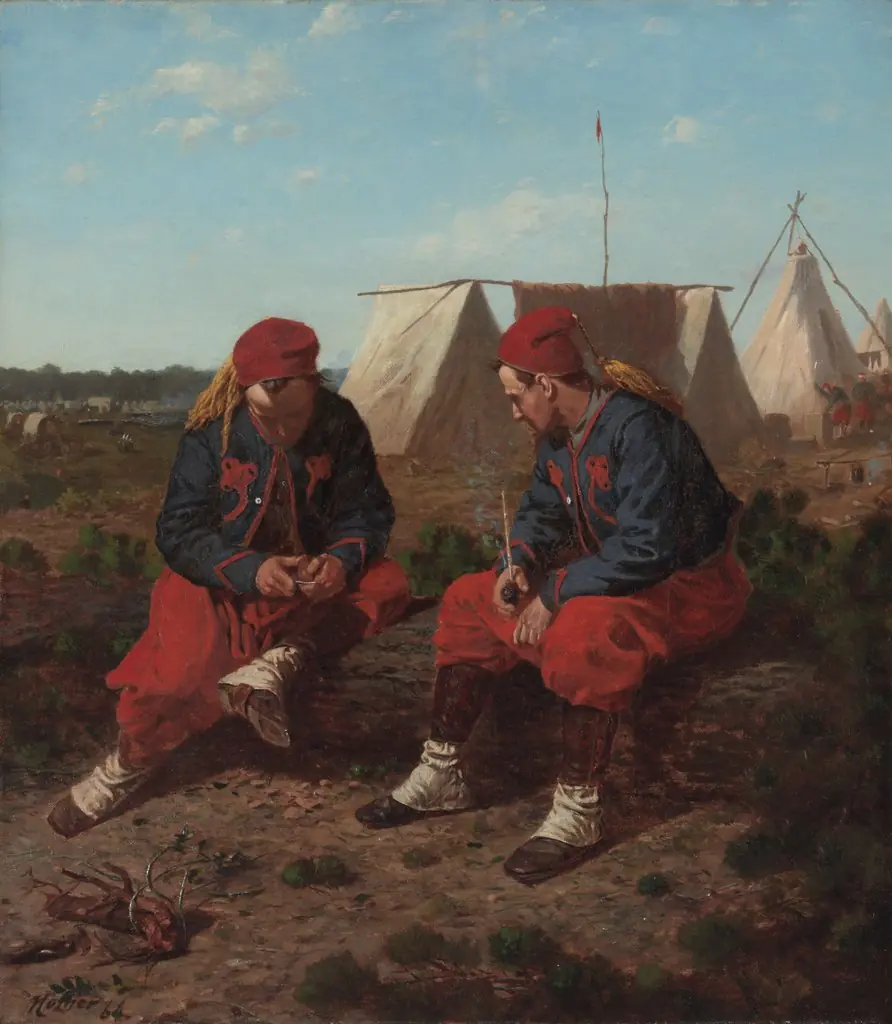
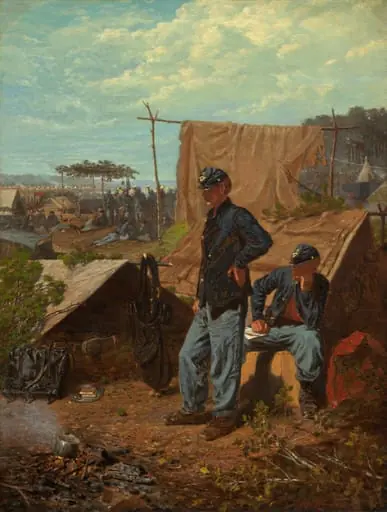
Playing Old Soldier is an oil painting by the Realist artist Winslow Homer. It dates from 1863 and is held in the collection of the Museum of Fine Arts Boston.
About this work
Overview
Homer, who began his career as a commercial illustrator, shifted toward fine art painting with a focus on everyday human moments.
Painted in 1863, Playing Old Soldier is an oil work by American artist Winslow Homer, created during the Civil War era. Homer, who began his career as a commercial illustrator, shifted toward fine art painting with a focus on everyday human moments. This piece reflects his early commitment to realism, capturing a quiet interlude among soldiers without overt drama or heroism. The composition emphasizes naturalism over idealization, aligning with broader 19th-century American artistic trends.
Subject & Meaning
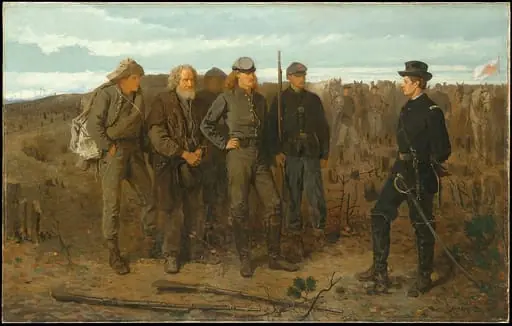
The painting shows three soldiers in a moment of pause: one seated on a wooden crate, another standing with notebook and pencil, and a third in uniform, possibly speaking to them. The scene suggests a lapse in military routine, perhaps a record being kept or a story shared. There is no indication of battle or command; instead, the focus lies in the subtle dynamics of camaraderie and weariness. The title implies a game or pretense, hinting at the psychological weight of their roles.
Technique & Style
Homer employs a restrained palette of earth tones and soft natural light to ground the scene in realism. Brushwork is deliberate but not overly refined, conveying texture in fabric, wood, and foliage without embellishment. Light falls evenly across the figures, avoiding dramatic chiaroscuro, yet still modeling form with subtle gradations.
The background, with its blurred sky and partial wall, recedes gently, keeping attention on the figures’ quiet interaction and the spatial intimacy of their setting.
History & Provenance
Created during Homer’s time as a war correspondent for Harper’s Weekly, the painting stems from sketches made on the front lines. Though not a commissioned work, it reflects his direct observation of Union troops. The painting remained in private hands for much of the 19th century and entered a public collection in the early 20th century.
Its survival as a studio piece, rather than a published illustration, offers insight into Homer’s personal artistic priorities beyond journalistic duties.
Context
In 1863, American art was shifting from romanticized narratives toward depictions of ordinary life. Homer’s work emerged alongside the rise of realism, influenced by European precedents but rooted in distinctly American subjects. The Civil War provided a new visual vocabulary for artists, and Homer’s focus on soldiers’ downtime contrasted with grand battle scenes. This painting reflects a broader cultural interest in the individual experience within national upheaval.
Legacy
Though less known than Homer’s later seascapes, Playing Old Soldier represents a crucial step in his development as a painter of psychological depth and social observation. It helped establish his reputation for capturing unguarded human moments with quiet authority. The work influenced subsequent American realists who sought to portray military life beyond spectacle, affirming the value of stillness and subtlety in narrative art.
Artist & collection
Artist
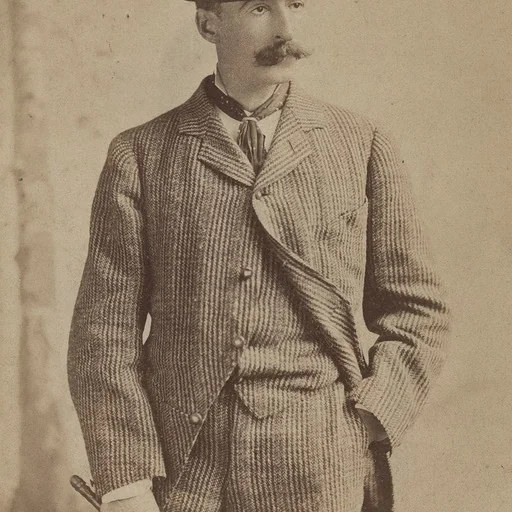
Winslow Homer (February 24, 1836 – September 29, 1910) was an American landscape painter and illustrator, best known for his marine subjects.