Artwork
Study for Eagle Head, Manchester, Massachusetts
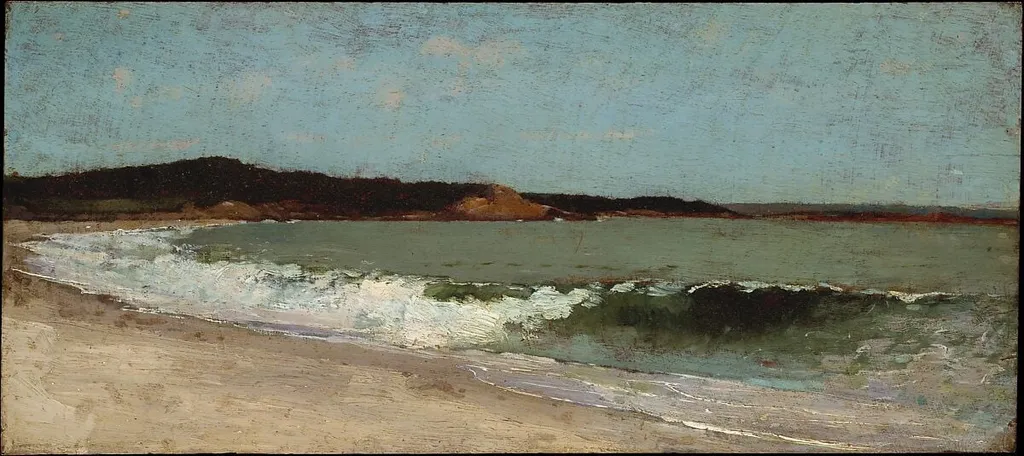
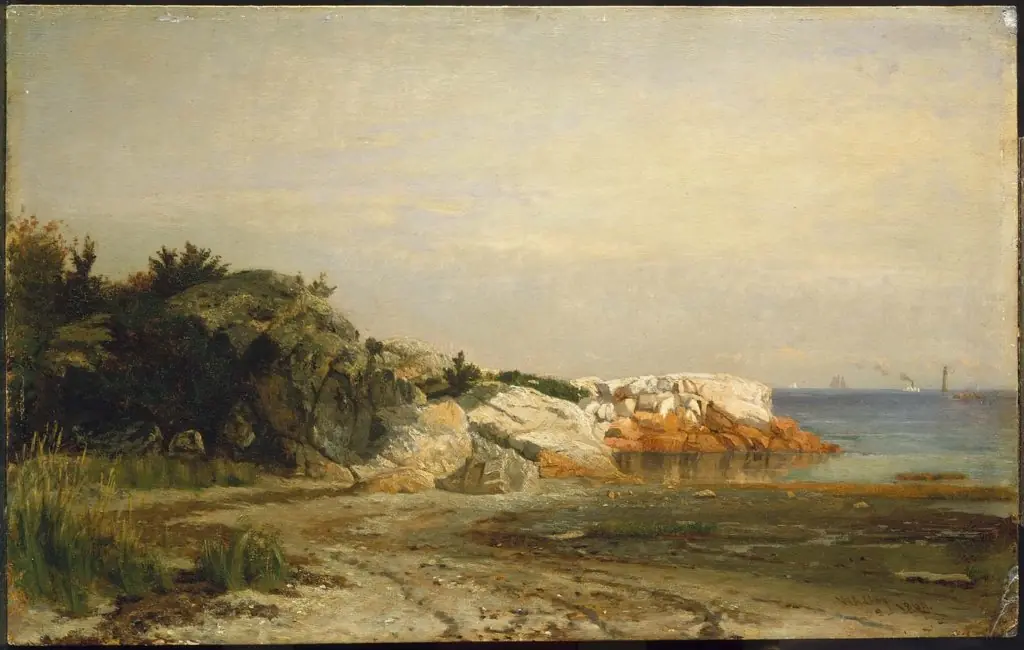
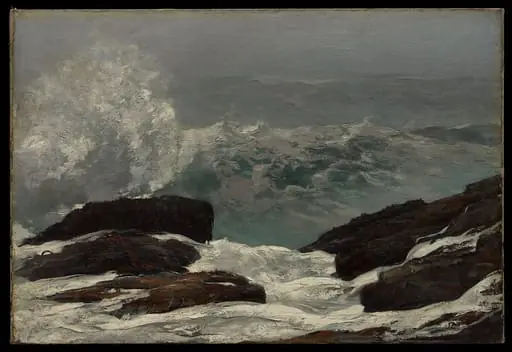
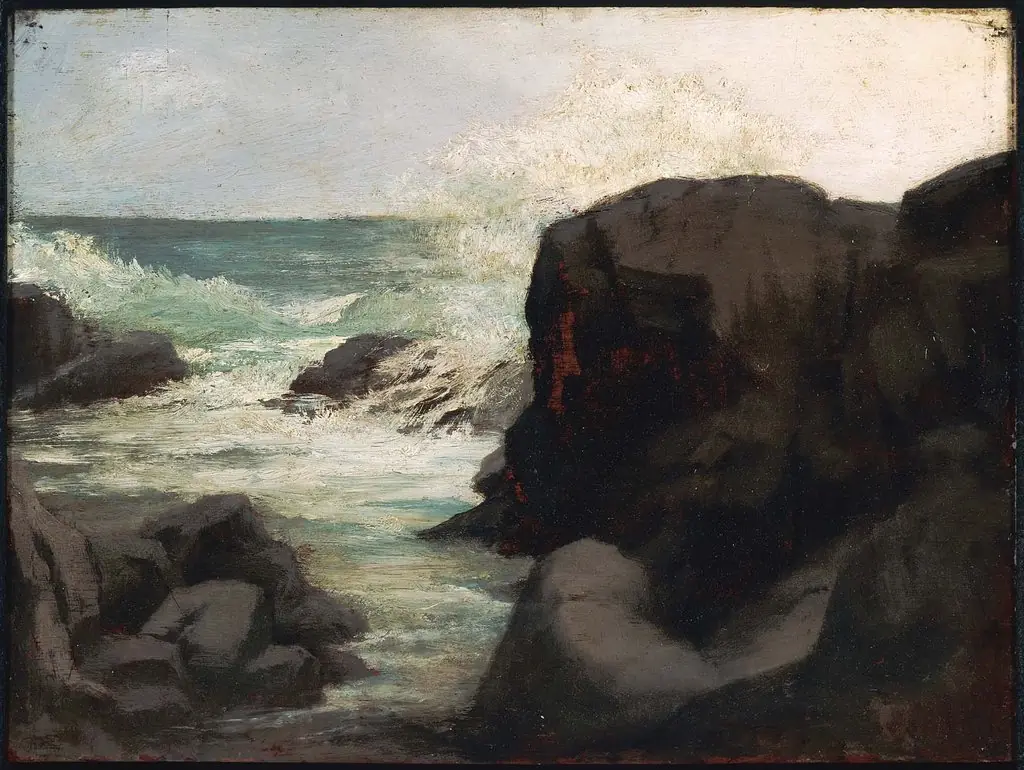
Study for Eagle Head, Manchester, Massachusetts is an oil painting by the American Impressionist artist Winslow Homer. It dates from 1869 and is held in the collection of the Metropolitan Museum of Art.
About this work
Technique & Style
The support is a thin wood substrate, typical of Homer's early studies, and the paint is applied with a brush to achieve a realistic marine landscape.
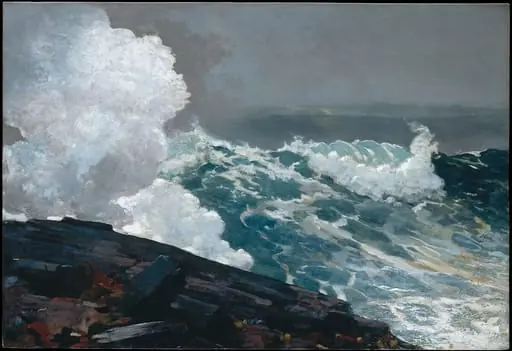
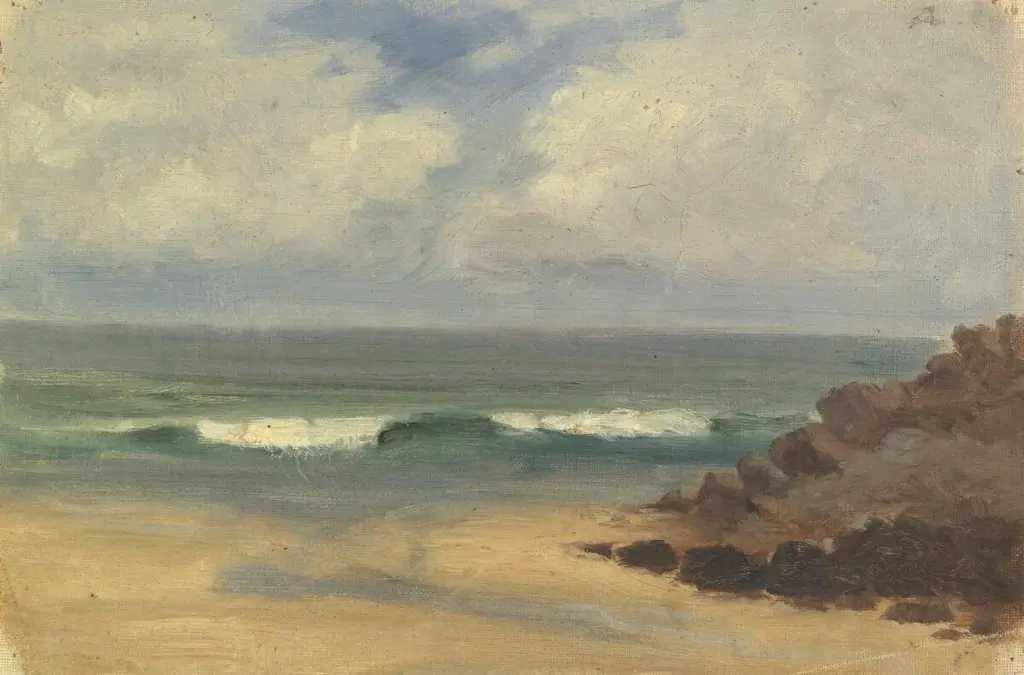
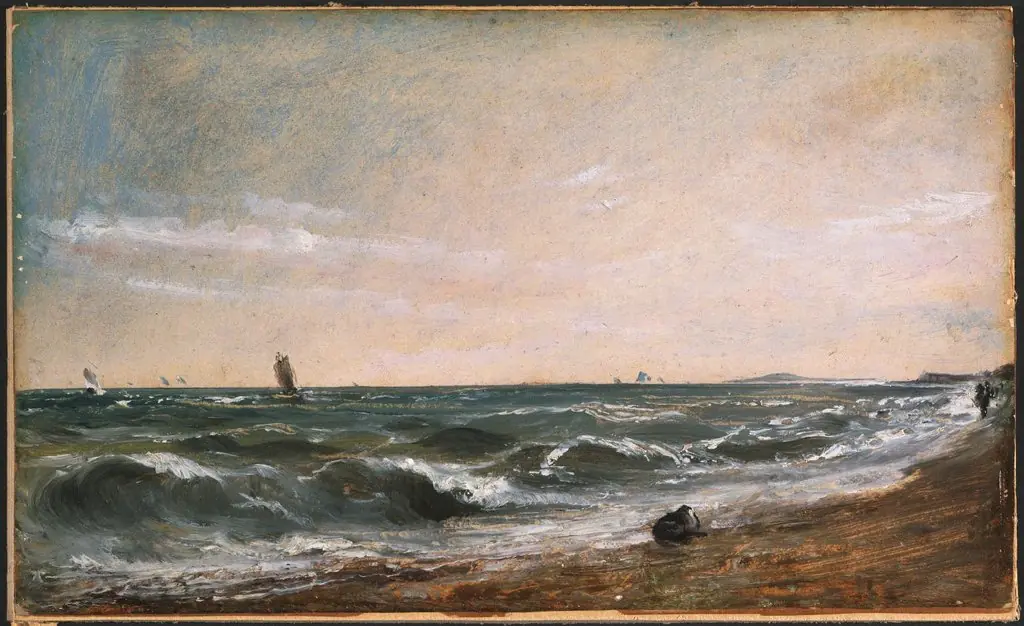
The work is executed in oil on a wooden panel, as indicated by the recorded medium of oil on wood. The support is a thin wood substrate, typical of Homer's early studies, and the paint is applied with a brush to achieve a realistic marine landscape. The study portrays a beach scene with characteristic marine art motifs, reflecting a precise, naturalistic rendering of light and surf.
Its formal qualities include a restrained palette, careful modeling of form, and a composition that balances atmospheric effects with detailed shoreline elements, consistent with the landscape genre noted for the piece.
History & Provenance
Study for Eagle Head, Manchester, Massachusetts was executed in 1869 by Winslow Homer as an oil painting on wood panel. It entered the collection of the Metropolitan Museum of Art, where it is presently housed. No record of a specific commission or subsequent private owners has been identified in the available sources; the painting's provenance is therefore documented only from its creation to its current institutional holding at the Met.
Overview
This oil study, Study for Eagle Head, Manchester, Massachusetts, was created by American artist Winslow Homer in 1869. Executed on a thin piece of wood, it captures a solitary figure on a rugged coastline. The work reflects Homer’s early engagement with marine subjects and his practice of painting directly from nature. It serves as an example of his preparatory approach before developing larger, more finished compositions.
Subject & Meaning
The painting depicts a woman in a white dress standing on a rocky shore, gazing out at the expansive ocean. Dark waves crash near her feet under a partly cloudy sky, rendered in blues and grays that extend to the distant horizon. Her posture conveys a sense of quiet contemplation rather than a dramatic narrative, inviting viewers to share in her serene observation of the natural world.
Context
Created early in Winslow Homer's career as he transitioned from a successful commercial illustrator to an oil painter, this study exemplifies his growing focus on marine themes. Homer became renowned for his depictions of the sea and coastal life. While preceding the full emergence of American Impressionism, the work shares an interest in capturing fleeting moments and the effects of light outdoors, aligning with broader artistic currents of the era.
Artist & collection
Artist
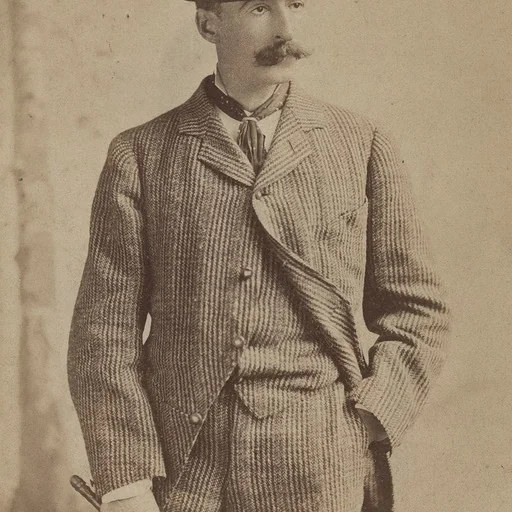
Winslow Homer (February 24, 1836 – September 29, 1910) was an American landscape painter and illustrator, best known for his marine subjects.