Artwork
明 吳彬 十六羅漢圖 卷|The Sixteen Luohans
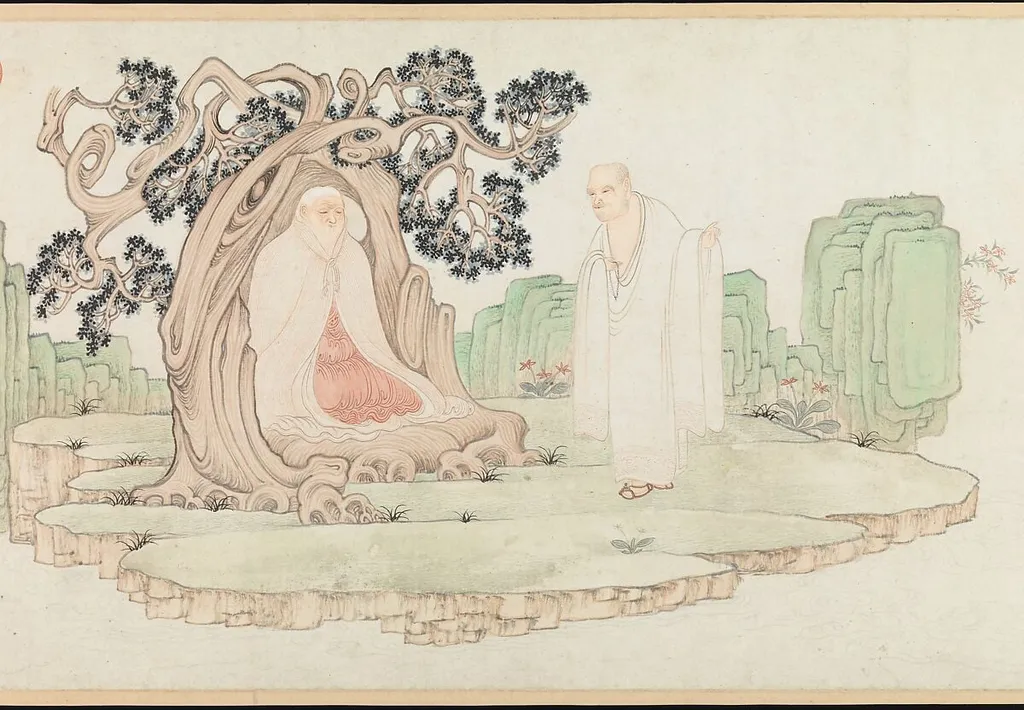
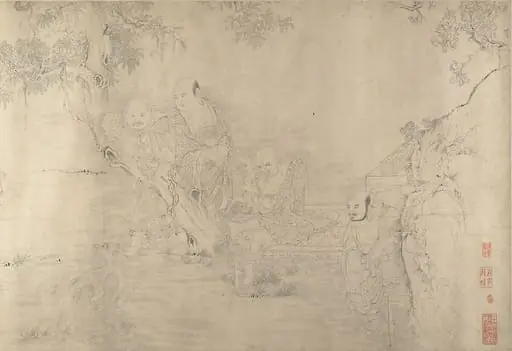
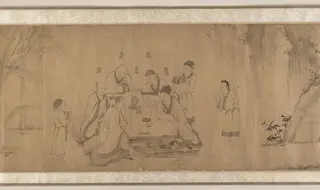
明 吳彬 十六羅漢圖 卷|The Sixteen Luohans is an ink painting by the Ming dynasty painting artist Wu Bin. It dates from 1591 and is held in the collection of the Metropolitan Museum of Art.
About this work
He used quick brushstrokes you can almost feel, thin lines for beards, thick dabs for shadows.
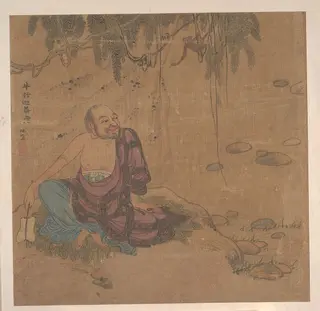
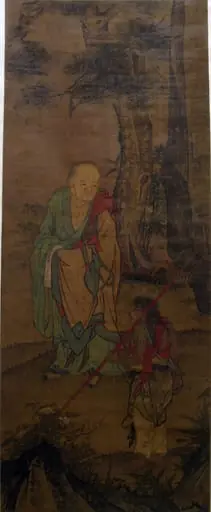
This scroll shows sixteen Buddhist monks lined up in a row. Their robes hang loose, ink-black against soft green and pink paper. Faces look calm, eyes half-closed, hands tucked in sleeves.
Wu Bin painted this in 1591 without models. He used quick brushstrokes you can almost feel, thin lines for beards, thick dabs for shadows.
Try the Met’s online zoom tool to watch the ink dance up close. The Metropolitan Museum of Art
History & Provenance
The handscroll titled 十六羅漢圖 was painted in 1591 in China by Wu Bin. Executed in ink and color on paper, the work belongs to the religious genre of Buddhist subjects. It entered the collection of the Metropolitan Museum of Art, where it is catalogued under accession number 1986.266.4 and remains on view in the museum’s Asian art galleries.
The piece has been part of the museum’s holdings since at least the mid‑1980s, reflecting a continuous ownership chain from its creation to its present custodial status.
The handscroll is held in the collection of the Metropolitan Museum of Art, New York, where it is recorded as accession number 1986.266.4. The work was first exhibited by the museum after its acquisition in 1986, appearing in the institution’s holdings without further recorded public exhibitions in the provided sources.
Overview
Wu Bin's handscroll, The Sixteen Luohans, completed in 1591, is a notable religious painting from the Ming dynasty. Rendered with ink and color on paper, it portrays sixteen Buddhist monks in a sequential arrangement. This work showcases a distinctive interpretation of traditional Buddhist iconography, marked by its unique visual characteristics and the artist's innovative approach to painting.
Subject & Meaning
The scroll features sixteen Luohans, revered figures in Buddhism who have attained enlightenment. They are presented in a calm, processional manner, their garments draped loosely. Each monk's expression conveys a deep sense of peace, with their eyes often half-closed and hands tucked away, suggesting a state of meditative introspection and spiritual serenity.
Technique & Style
Wu Bin's individual artistic method is prominent in this work, which he is said to have created without relying on models. He utilized swift, dynamic brushstrokes to delineate forms, employing delicate lines for facial hair and more substantial ink dabs to suggest depth and shadow. The dark, flowing robes contrast subtly with the soft green and pink hues of the paper, contributing to the scroll's visual richness.
Artist & collection