Artwork
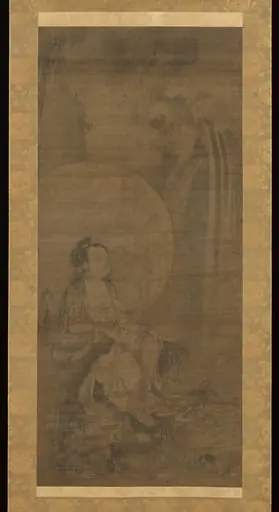
楊柳観音菩薩像 (Yōryū Kannon Bosatsu zō)|The Bodhisattva Willow Kannon (Avalokiteshvara)
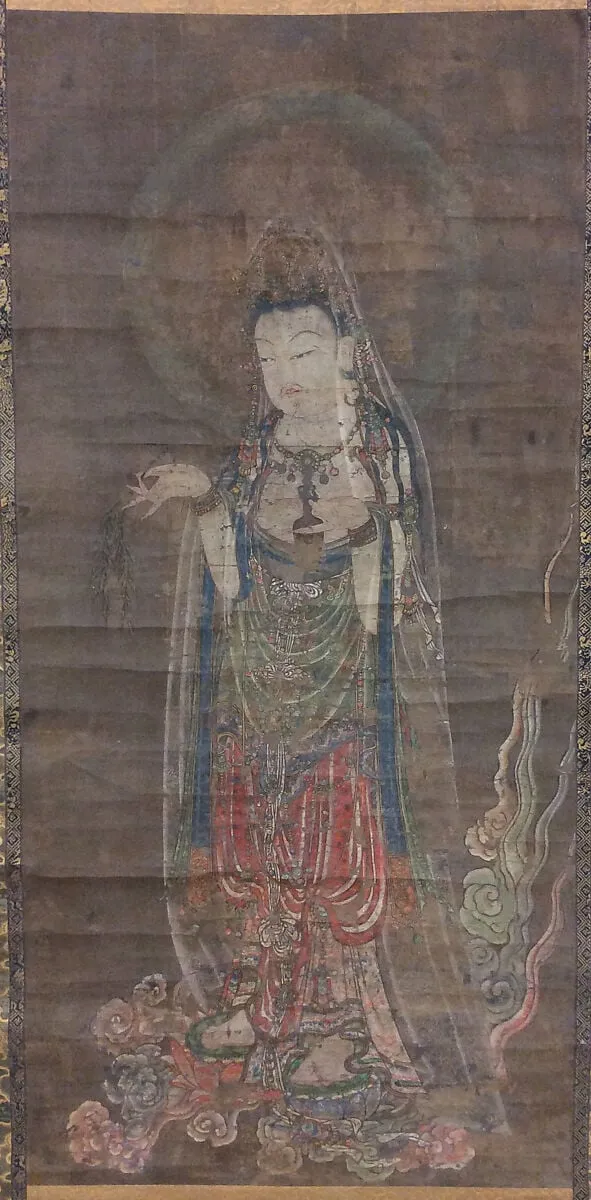
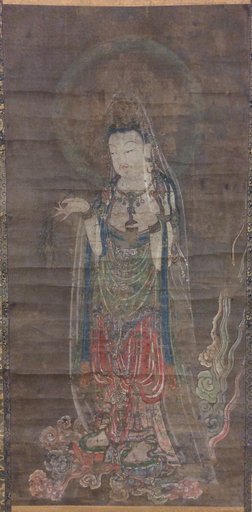
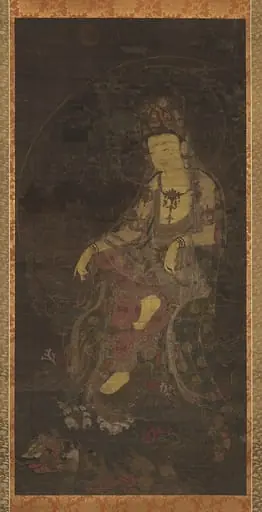
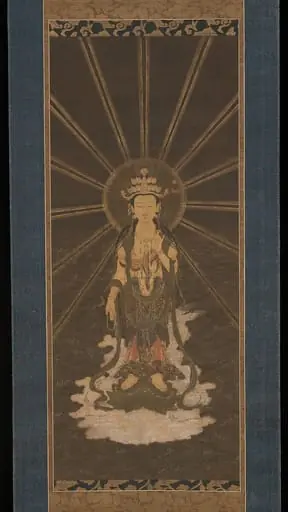
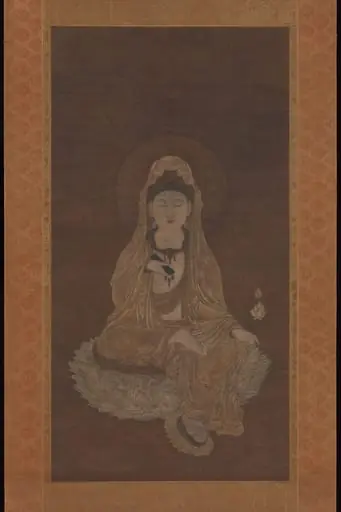
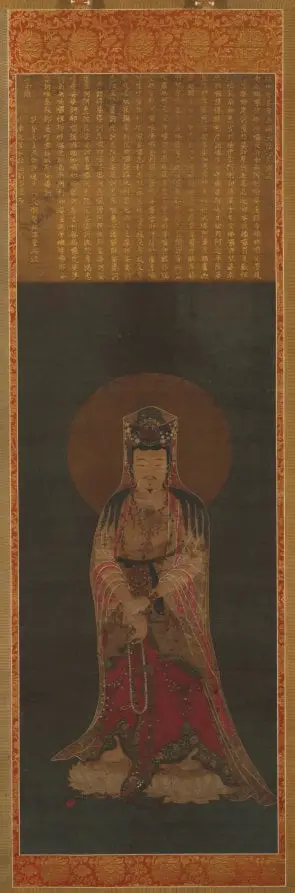
楊柳観音菩薩像 (Yōryū Kannon Bosatsu zō)|The Bodhisattva Willow Kannon (Avalokiteshvara) is an ink painting by the Chinese Orthodox School artist Wu Daozi. It is held in the collection of the Metropolitan Museum of Art. This hanging scroll, titled The Bodhisattva Willow Kannon (Avalokiteshvara), is an ink and color painting on silk.
About this work
Subject & Meaning
The iconography centers entirely on the presence of the Bodhisattva, serving as a focal point for religious veneration within the Buddhist tradition.
The artwork depicts the Bodhisattva Avalokiteshvara, specifically in the form known as Willow Kannon (Yōryū Kannon). As a representation of this compassionate deity, the figure embodies the spiritual capacity to alleviate suffering. The work is executed as a hanging scroll using ink and color on silk, a format traditionally employed for devotional images intended for contemplation or ritual display.
While the piece is attributed to the historical master Wu Daozi, the date of creation is recorded as 1885, and the object was produced in Japan. The iconography centers entirely on the presence of the Bodhisattva, serving as a focal point for religious veneration within the Buddhist tradition.
History & Provenance
The Bodhisattva Willow Kannon is attributed to the artist Wu Daozi and is dated to 1885. The work was created in Japan and is executed as a hanging scroll using ink and color on silk. It is currently held in the collection of the Metropolitan Museum of Art. The painting measures 123.2 cm in height and 58.7 cm in width.
Overview
This hanging scroll, titled The Bodhisattva Willow Kannon (Avalokiteshvara), is an ink and color painting on silk. It portrays Kannon, the Buddhist embodiment of compassion, in a graceful, floating posture. While attributed to the renowned Tang dynasty artist Wu Daozi, this particular rendition was created in 1885, reflecting a long tradition of copying and transmitting influential artistic styles.
Technique & Style
Executed with ink and color on silk, the painting features a serene figure whose robes appear to flow fluidly, suggesting movement and ethereal grace. The soft palette enhances the calm expression of Kannon's face, almost hinting at a smile. This artistic approach, characterized by dynamic lines and a sense of vitality, reflects a style that originated in China and significantly influenced Japanese Buddhist painting traditions.
Context
Bodhisattvas, enlightened beings who defer their own nirvana to assist others, hold a prominent place in Buddhist art across Asia. Figures like Kannon are frequently depicted in various forms, each embodying specific virtues and powers. These representations serve not only as objects of veneration but also as visual guides to spiritual principles, reflecting diverse cultural interpretations of Buddhist teachings.
Artist & collection