Artwork
Frosted Branches and Dwarf Bamboo, in the Style of Su Shih
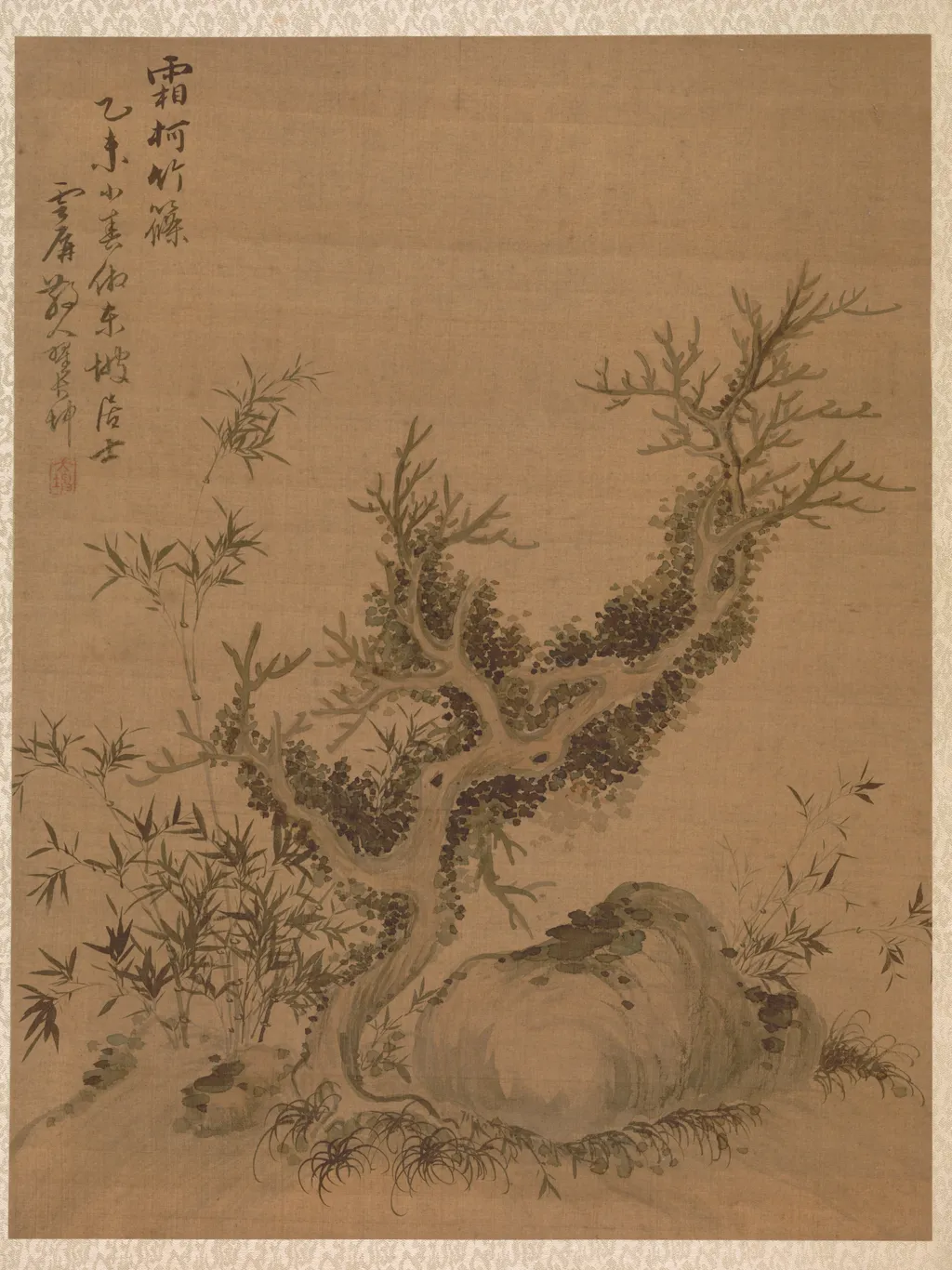
Frosted Branches and Dwarf Bamboo, in the Style of Su Shih is an unspecified painting by the Qing dynasty painting artist Zhai Dakun. It dates from 1775 and is held in the collection of the Cleveland Museum of Art.
About this work
Technique & Style
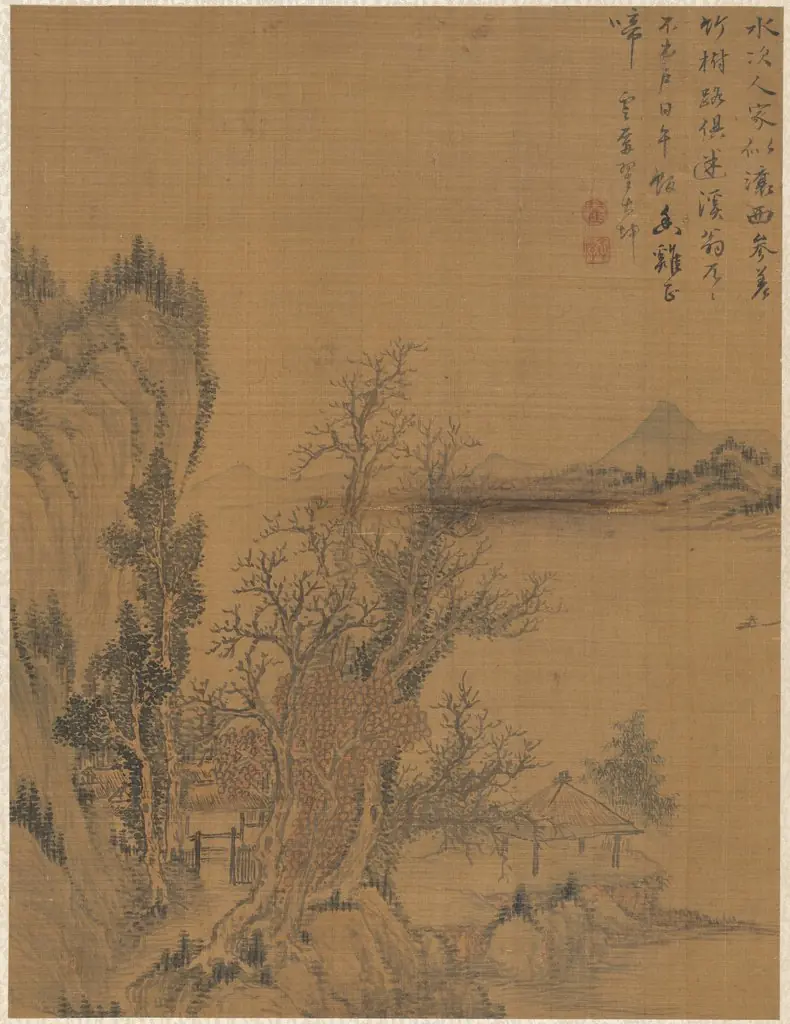
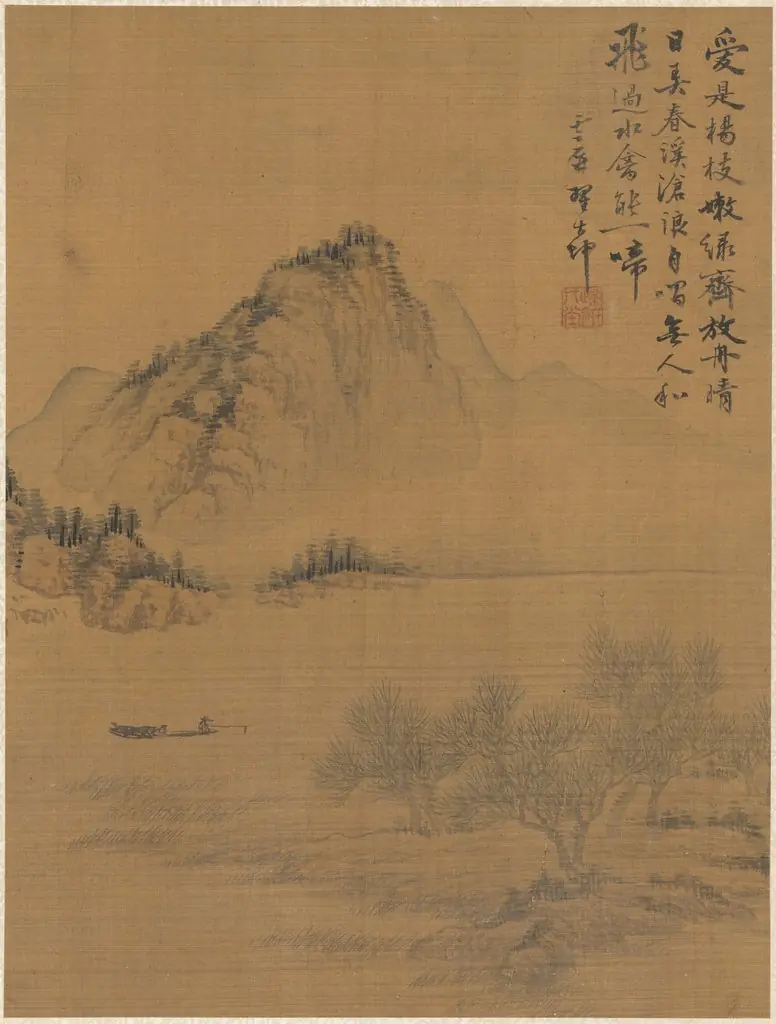
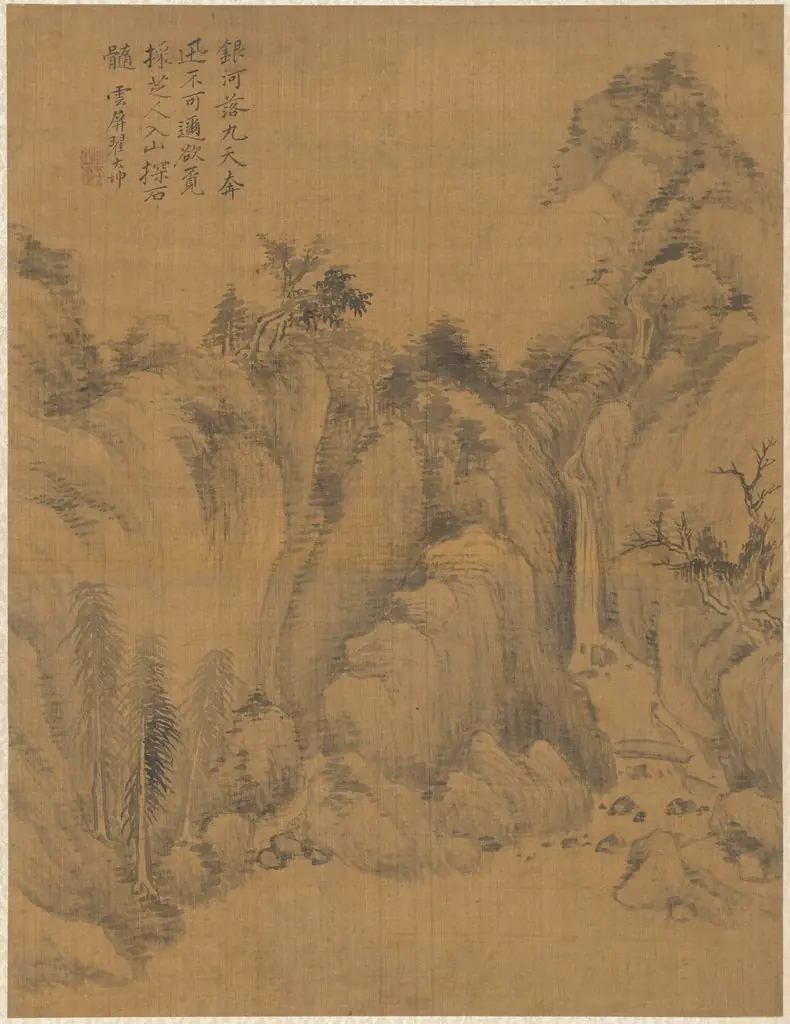
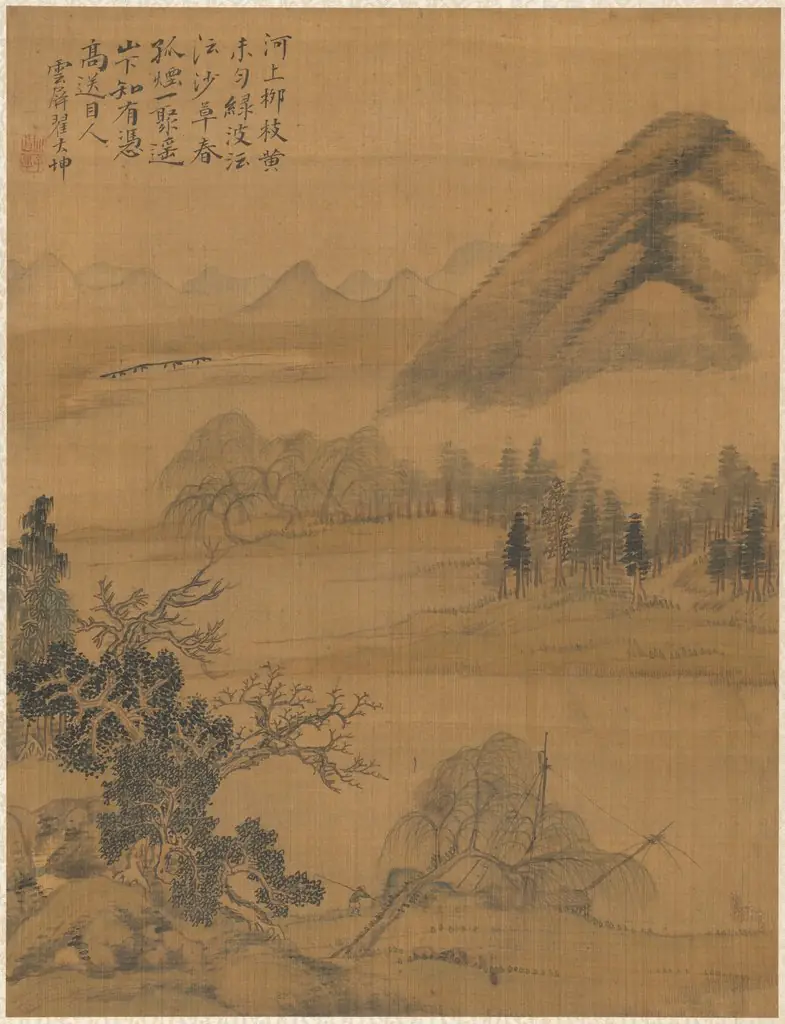
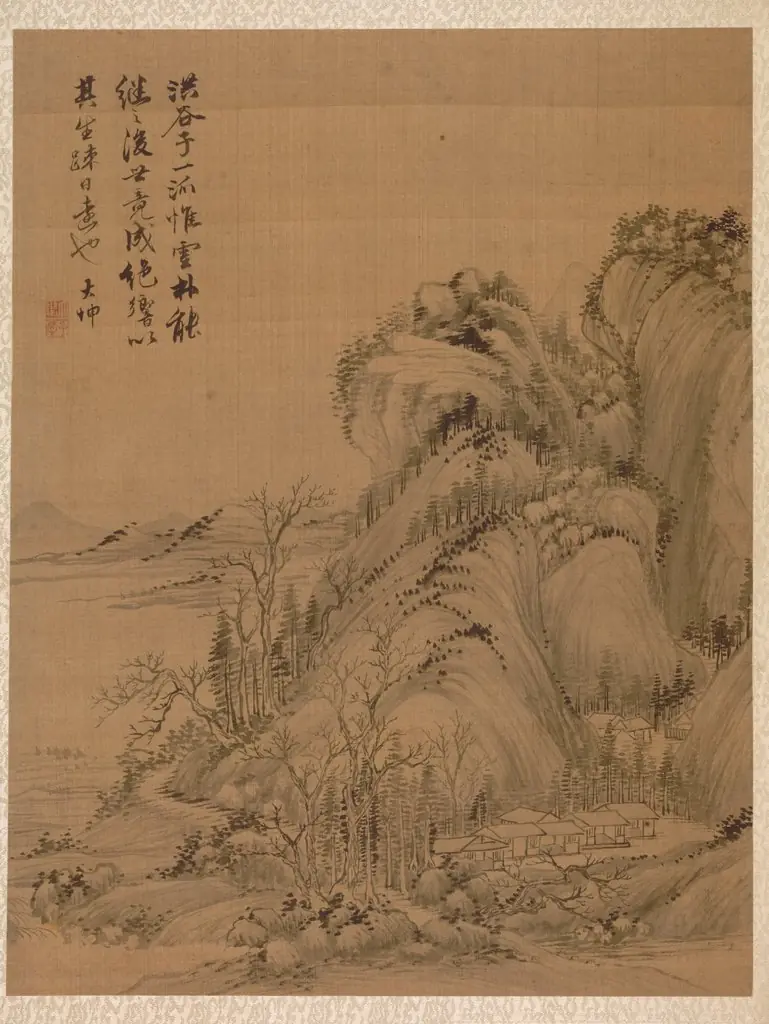
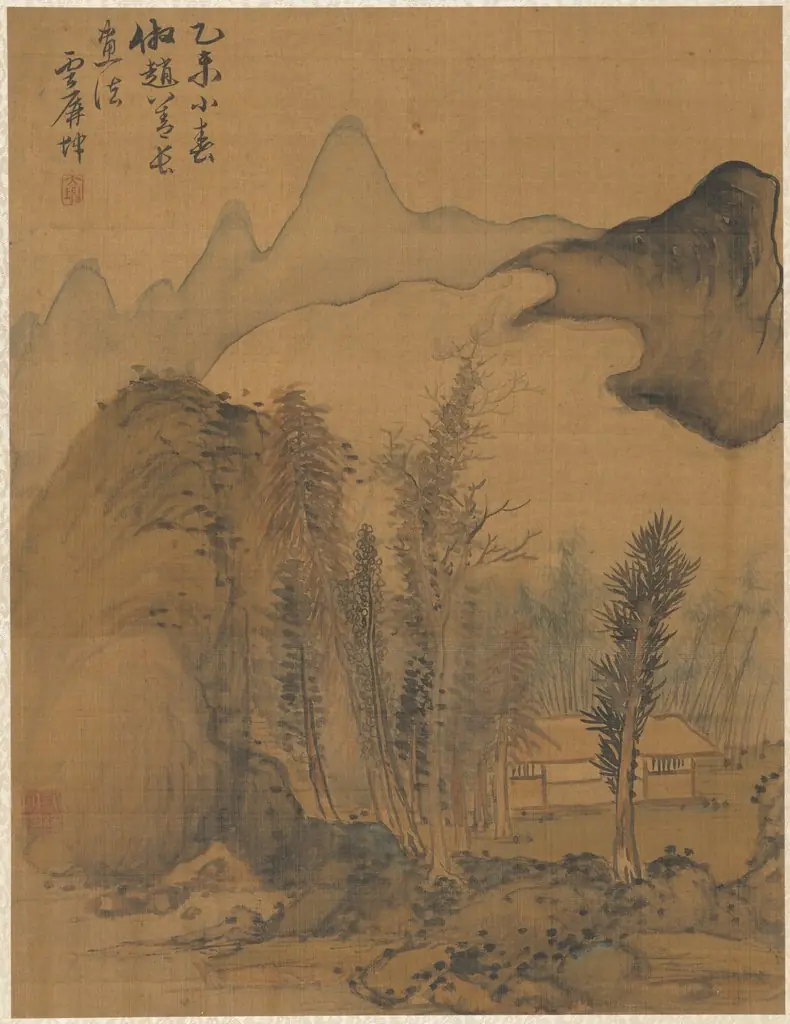
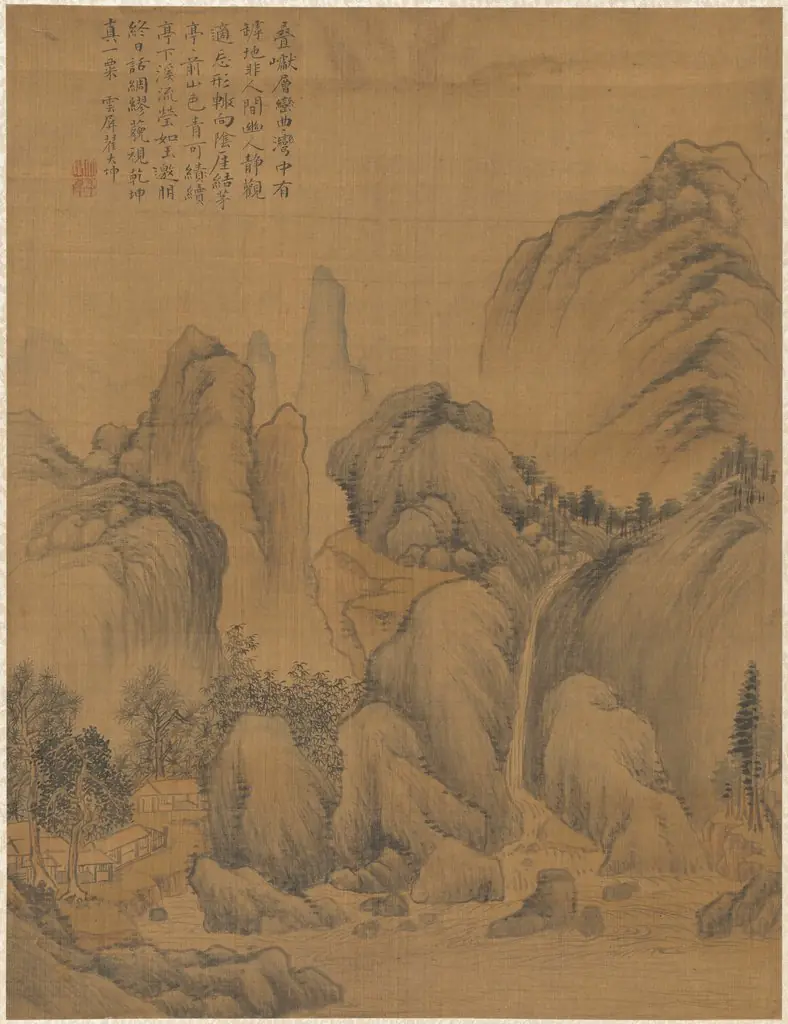
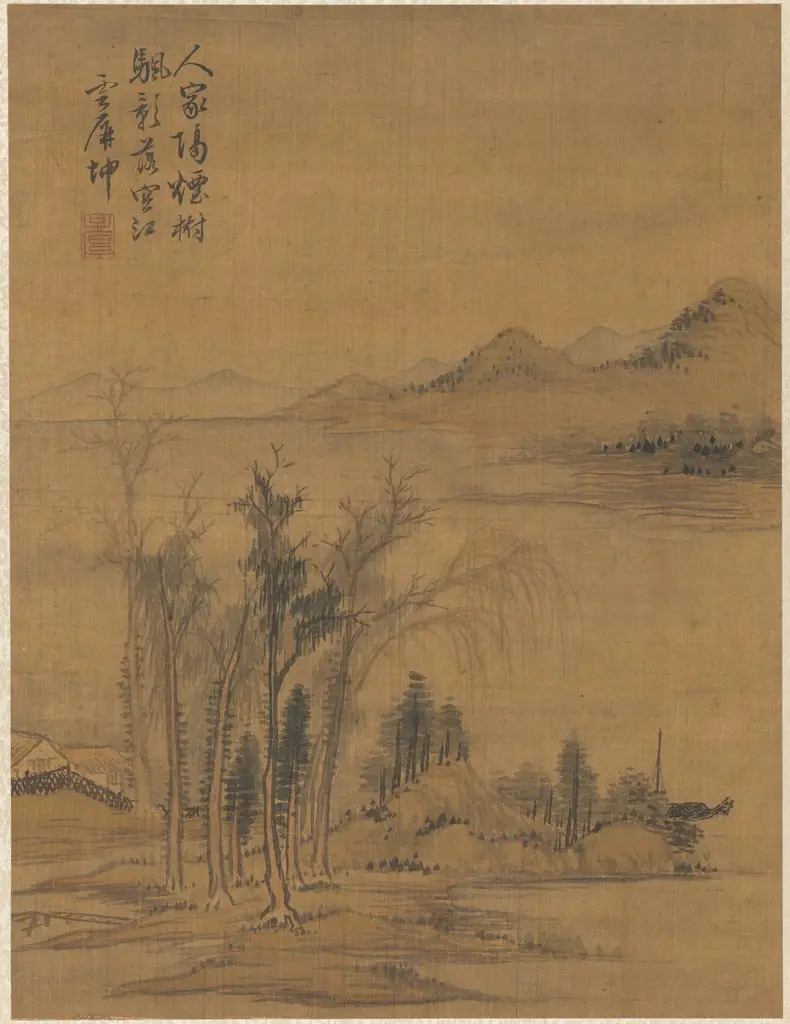
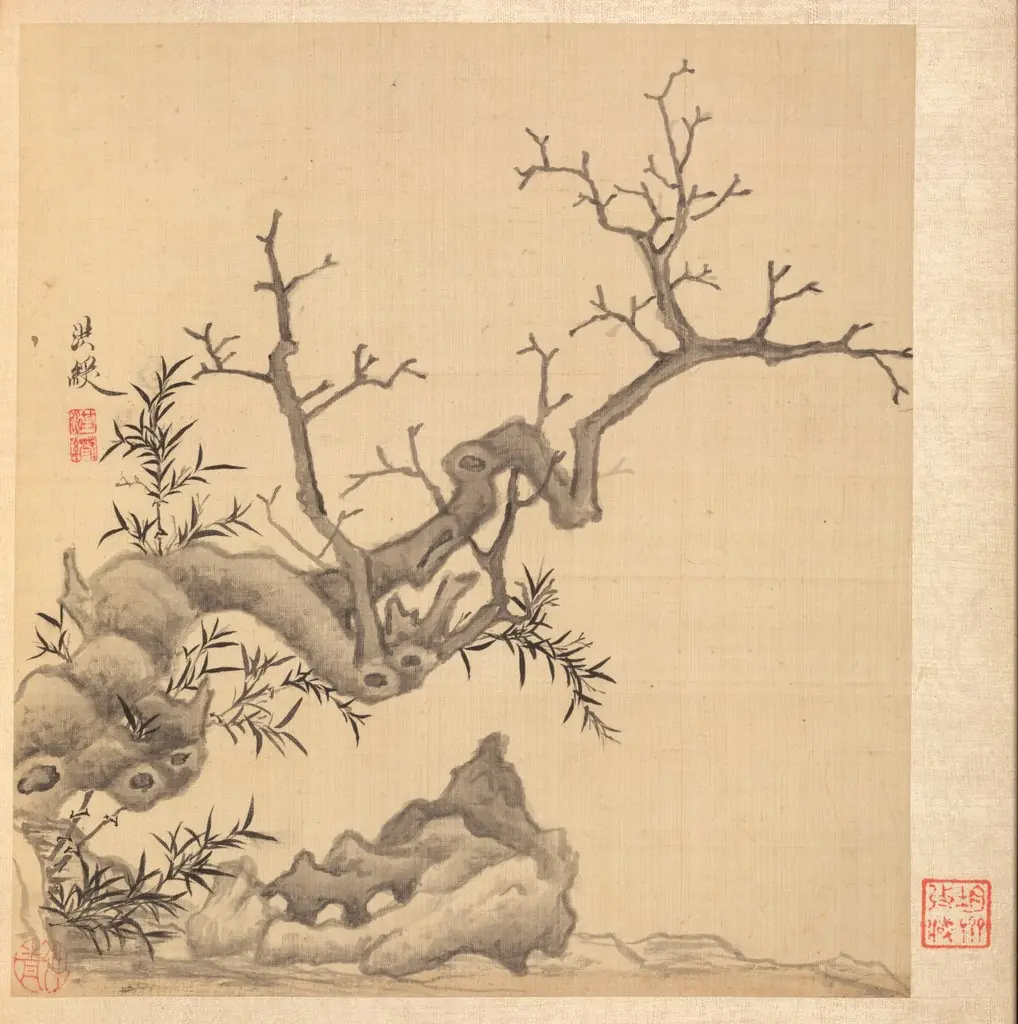
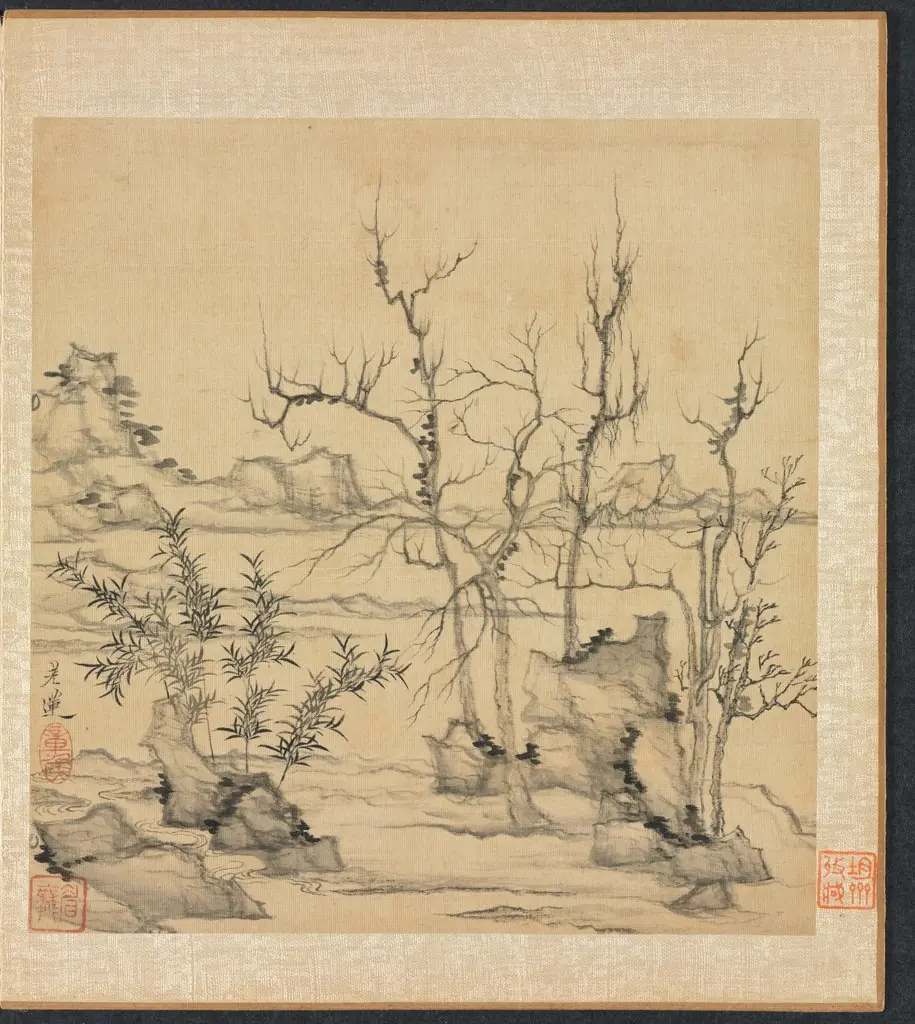
Painted on silk, the work employs ink and color in a hanging-scroll format. Zhai Dakun rendered bamboo and branches with controlled brushstrokes, achieving a delicate, frost-laden texture that references Su Shih's literati style. The composition balances sparse negative space with precise linear detail, emphasizing structural clarity over ornamentation.
History & Provenance
Frosted Branches and Dwarf Bamboo, in the Style of Su Shih was created by Zhai Dakun in 1775 in China. It is part of the Cleveland Museum of Art's collection, accessioned in 1986 under the number 1986.49.12.
Overview
Frosted Branches and Dwarf Bamboo, in the Style of Su Shih is a Chinese ink painting executed in 1775 by Zhai Dakun. The work measures roughly a hand‑scroll format and is part of the collection of the Cleveland Museum of Art. It presents a naturalistic scene rendered on a light, paper‑like background, typical of literati brush painting.
Subject & Meaning
The composition centers on twisted branches bearing dark berries, their roots interlaced with small bamboo shoots. Rocks emerge near the base, while slender grasses fringe the scene. The juxtaposition of hardy branches and delicate bamboo suggests a meditation on resilience and the cycles of growth, a common theme in Chinese nature painting.
Context
Zhai Dakun was active during the Qing dynasty, a period when many artists emulated earlier masters to demonstrate erudition. By referencing Su Shih, Zhai aligned himself with a tradition that prized personal expression over formal representation, reflecting broader literati values of the time.
Own this work as a print
Artist & collection
Artist
Zhai Dakun (died 1804) was a Chinese painter of the Qing dynasty, active in the eighteenth and early nineteenth centuries.