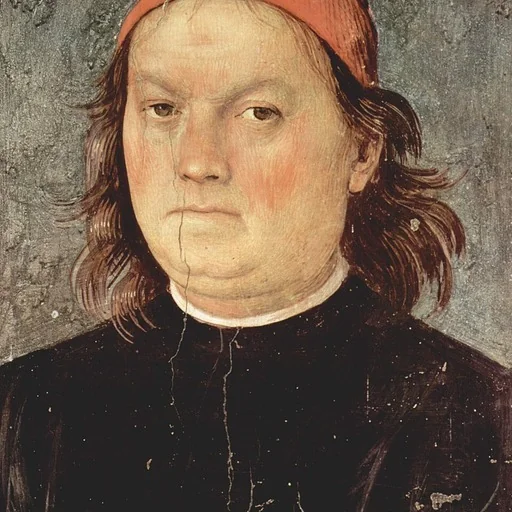
Movement
Umbrian School
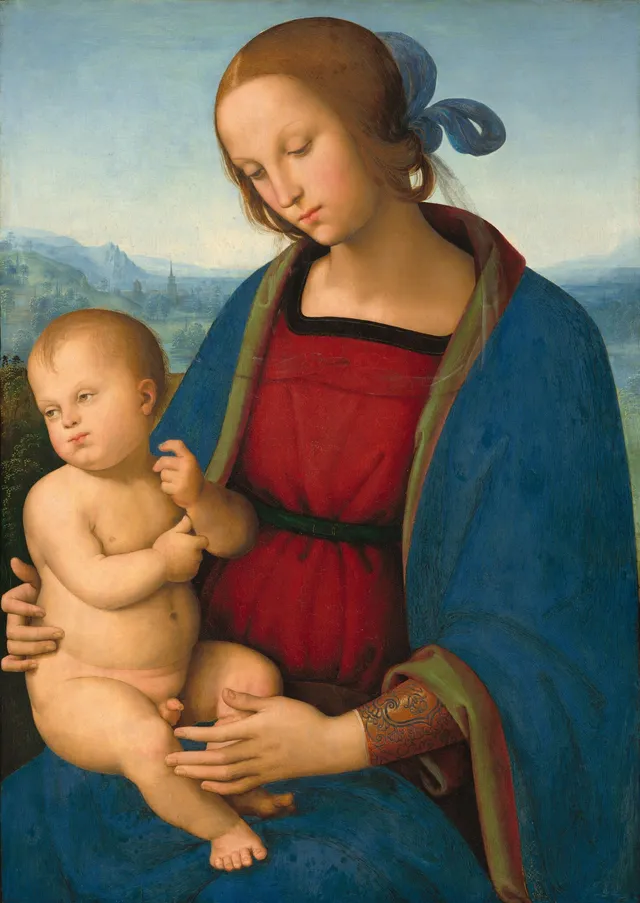
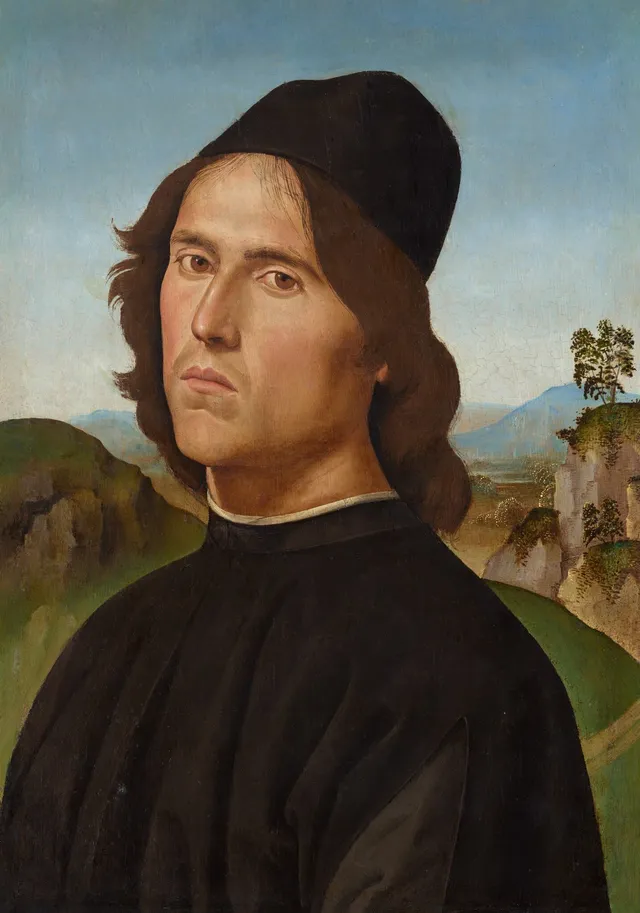
![The Crucifixion with the Virgin, Saint John, Saint Jerome, and Saint Mary Magdalene [right panel] — Pietro Perugino](https://artifactworldgallery.com/img/pietro-perugino--the-crucifixion-with-the-virgin-saint-john-saint-jerome-and--7d9a2b1f47b9fc9b-w640.webp)
![The Crucifixion with the Virgin, Saint John, Saint Jerome, and Saint Mary Magdalene [middle panel] — Pietro Perugino](https://artifactworldgallery.com/img/pietro-perugino--the-crucifixion-with-the-virgin-saint-john-saint-jerome-and--a9b4c312771e3f71-w640.webp)
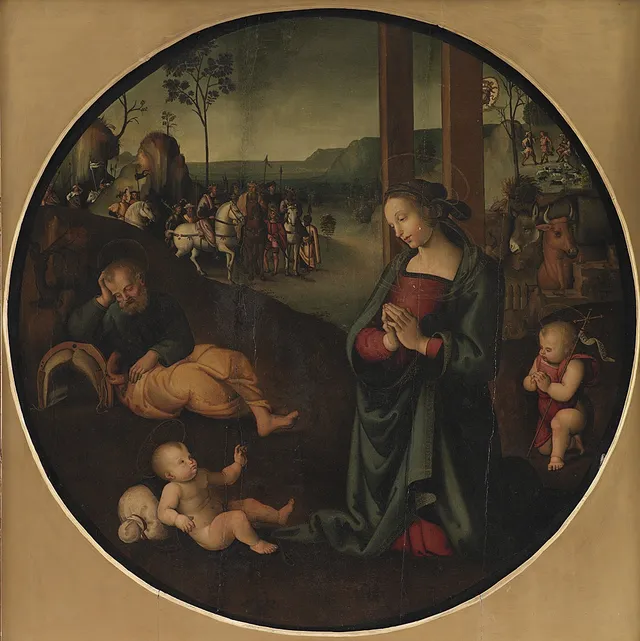
Umbrian School is an art movement. The gallery holds 6 works in this movement, including works by Pietro Perugino, Guiduccio Palmerucci and Giannicola di Paolo. Browse Umbrian School paintings, portraits, pictures and artworks from the world's public-domain museum collections.
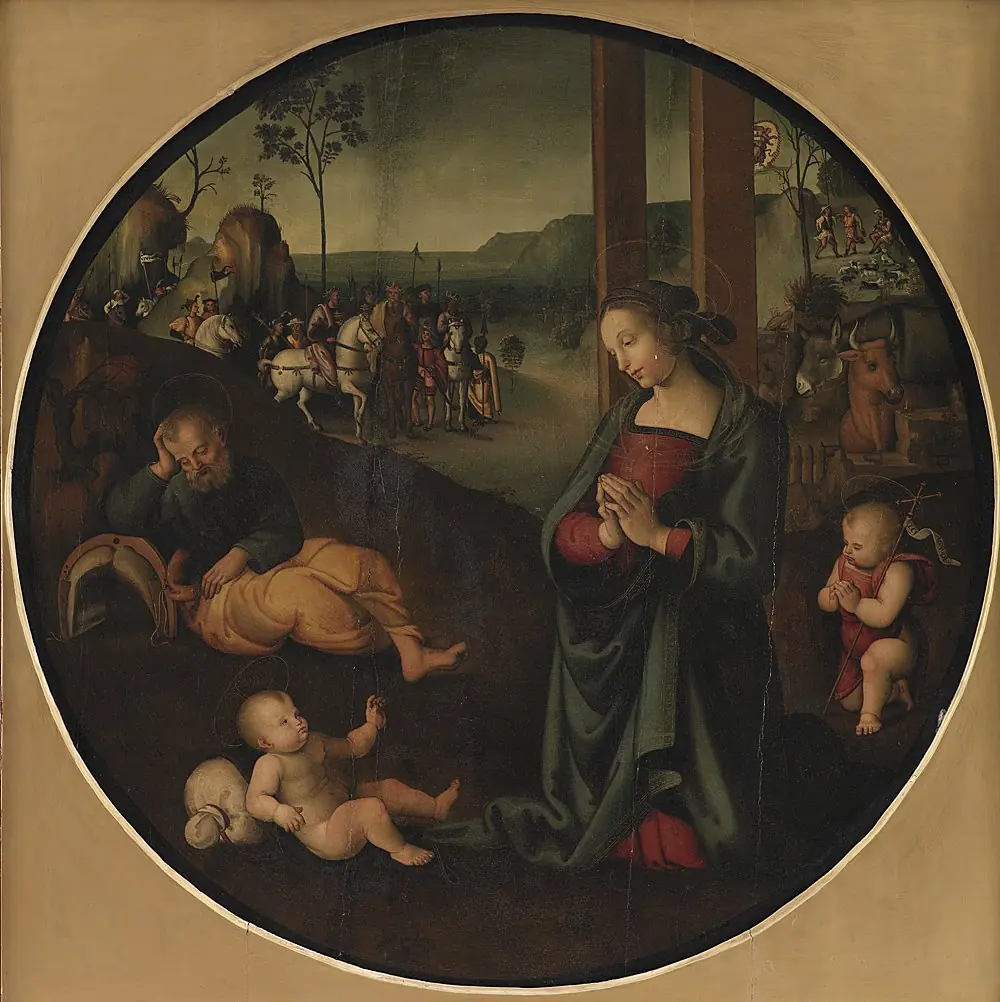
The Umbrian School refers to the tradition of painting that developed in the region of Umbria in central Italy, centered on the cities of Perugia, Foligno, and Gubbio, and flourishing from the late fourteenth century into the early sixteenth. Geographically removed from the Florentine fascination with anatomy and mathematical perspective, Umbrian painters cultivated a gentler, more contemplative idiom shaped by the region's deep Franciscan piety and its luminous, rolling countryside. The school's earliest phase belonged to the Late Gothic, when Umbria became one of Italy's leading centers of the International Gothic style. Ottaviano Nelli of Gubbio (c. 1375–1444), Gentile da Fabriano, and later Niccolò di Liberatore, called L'Alunno (c. 1430–1502), who led a flourishing workshop at Foligno, carried this decorative, gold-ground manner into the Quattrocento.
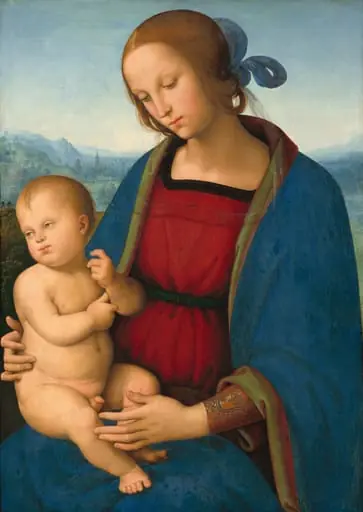
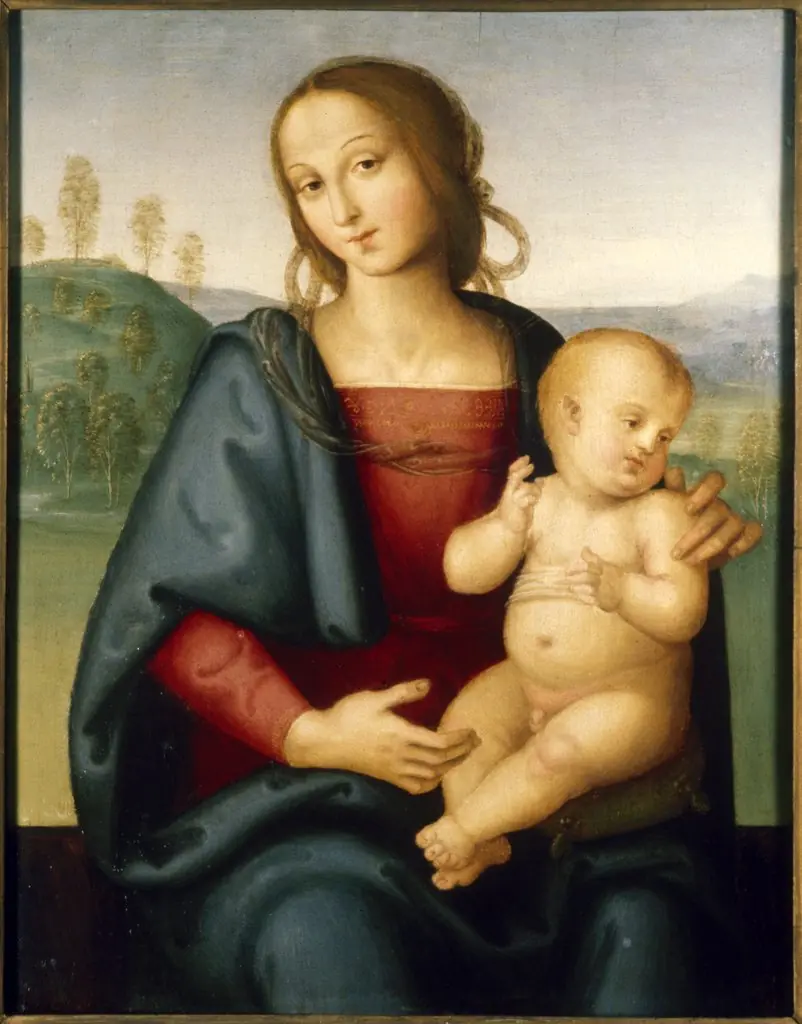
The school reached its classic expression in the late fifteenth century under Pietro Perugino (Pietro Vannucci, c. 1446/1452–1523), born at Città della Pieve and trained in Florence. Perugino distilled the Umbrian sensibility into a recognizable formula: serene, softly modeled saints and Madonnas in tender pastel colors, placed near the picture plane before vast, atmospheric landscapes and precisely drawn architecture. This emphasis on compositional clarity, spaciousness, and economy of means anticipated the balance of the High Renaissance. His fresco the Delivery of the Keys to Saint Peter (1481–82) in the Sistine Chapel and his Marriage of the Virgin (Sposalizio, now in Caen) are the school's touchstones. The present collection holds several of his panels, including a Madonna and Child, The Holy Family, and wings of a Crucifixion altarpiece.
Perugino's contemporary Pinturicchio (1454–1513) extended the school in a more festive direction, relying on brilliant color, gilding, and antique Roman ornament. The Umbrian manner's greatest legacy, however, was its pupil: Raphael of Urbino entered Perugino's bottega around 1500, absorbing his master's grace so completely that Vasari claimed their early hands were indistinguishable. Raphael's own Marriage of the Virgin (1504) openly reworks Perugino's design before surpassing it. Through Raphael, the calm harmony, idealized beauty, and ordered space of the Umbrian School passed directly into the mainstream of the High Renaissance.
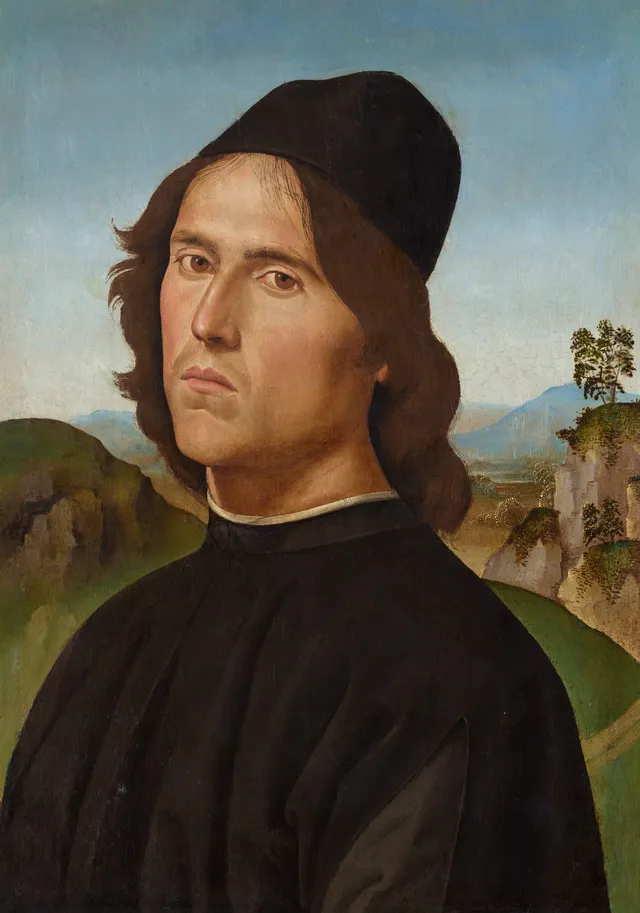
Key artists
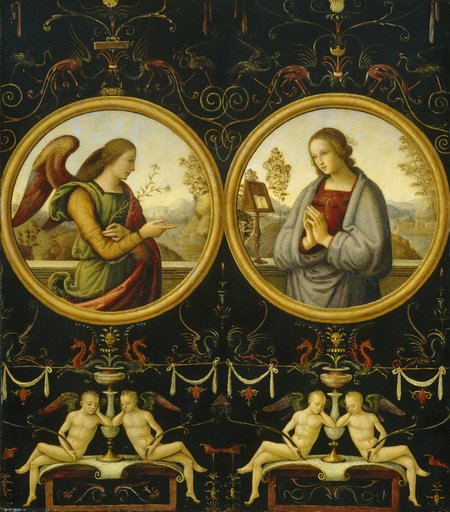

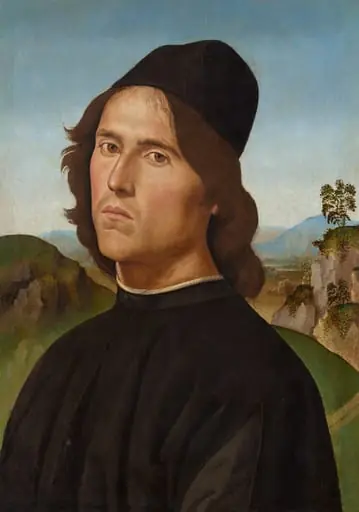
Works
![The Crucifixion with the Virgin, Saint John, Saint Jerome, and Saint Mary Magdalene [right panel], by Pietro Perugino, 1484](https://artifactworldgallery.com/img/pietro-perugino--the-crucifixion-with-the-virgin-saint-john-saint-jerome-and--7d9a2b1f47b9fc9b-w320.webp)
![The Crucifixion with the Virgin, Saint John, Saint Jerome, and Saint Mary Magdalene [middle panel], by Pietro Perugino, 1484](https://artifactworldgallery.com/img/pietro-perugino--the-crucifixion-with-the-virgin-saint-john-saint-jerome-and--a9b4c312771e3f71-w320.webp)
Frequently asked questions
What is Umbrian School?
Umbrian School is an art movement. A Renaissance painting school from Umbria in central Italy, known for serene, softly lit figures and spacious landscapes.
Who are the key Umbrian School artists?
Key Umbrian School artists in the collection include Pietro Perugino, Guiduccio Palmerucci and Giannicola di Paolo.
Where can I see Umbrian School works?
Umbrian School works in the collection are held by National Gallery of Art, Statens Museum for Kunst and Walters Art Museum.