Artwork
The Crucifixion with the Virgin, Saint John, Saint Jerome, and Saint Mary Magdalene [right panel]
![The Crucifixion with the Virgin, Saint John, Saint Jerome, and Saint Mary Magdalene [right panel], by Pietro Perugino, oil, 1484](https://artifactworldgallery.com/img/pietro-perugino--the-crucifixion-with-the-virgin-saint-john-saint-jerome-and--7d9a2b1f47b9fc9b-w1024.webp)
The Crucifixion with the Virgin, Saint John, Saint Jerome, and Saint Mary Magdalene [right panel] is an oil painting by the Early Renaissance artist Pietro Perugino. It dates from 1484 and is held in the collection of the National Gallery of Art.
About this work
History & Provenance
It passed to his son, Theodore Alexandrovich Galitzin, then to his nephew Sergei Mikhailovich Galitzin, who displayed it in Moscow from 1865.
The right panel of The Crucifixion with the Virgin, Saint John, Saint Jerome, and Saint Mary Magdalene was likely commissioned by Bartolommeo Bartoli, Bishop of Cagli, who gifted it to the church of San Domenico in San Gimignano. After the Napoleonic seizure of 1796–97, it was acquired by Dr. Buzzi and sold to Prince Alexander Mikhailovich Galitzin. It passed to his son, Theodore Alexandrovich Galitzin, then to his nephew Sergei Mikhailovich Galitzin, who displayed it in Moscow from 1865. The Imperial Hermitage Gallery purchased the work in 1886 as part of the Galitzin collection.
Andrew W. Mellon acquired the painting in April 1931 through a consortium of dealers including the Matthiesen Gallery and Knoedler & Co. It entered the National Gallery of Art, Washington, D.C., in 1937 as a gift from the A.W. Mellon Educational and Charitable Trust.
Overview
Pietro Perugino's The Crucifixion with the Virgin, Saint John, Saint Jerome, and Saint Mary Magdalene (c. 1484) is the right-hand panel of a polyptych created during the artist's mature period in Perugia. The composition centers on the crucified Christ against a flat, golden sky, a stylistic choice that emphasizes the spiritual rather than the naturalistic setting. At the foot of the cross, the Virgin Mary and Saint John stand in solemn, upright postures to the left, while Saint Mary Magdalene kneels in grief at the lower right.
A smaller figure of Saint Jerome, distinguished by his red cardinal's attire, appears below Saint John. The figures exhibit Perugino's characteristic calmness and geometric clarity, avoiding the dramatic turbulence found in contemporary Florentine works. Painted in oil on panel and later transferred to canvas, this work exemplifies the Umbrian school's focus on serene devotion and balanced spatial arrangement.
It reflects Perugino's significant role in bridging early Renaissance ideals with the High Renaissance, influencing his pupil Raphael. The panel demonstrates the artist's ability to convey profound religious emotion through restrained gesture and harmonious color.
Subject & Meaning
The central image depicts Christ crucified, with the Virgin Mary and Saint John positioned to his left, observing the scene. To the lower right, Mary Magdalene kneels in prayerful contemplation. A smaller figure, identifiable as Saint Jerome by his red attire, stands beneath Saint John, completing the assembly of saints witnessing this pivotal moment in Christian narrative.
Technique & Style
Perugino's artistic choices in this work prioritize a sense of calm over intense emotional expression. The background is distinguished by a flat, golden sky, which imparts an ethereal quality to the scene. The figures are depicted with a notable stillness and composure, their postures conveying a quiet reverence that contrasts with the more dramatic portrayals often found in other crucifixion depictions.
Context
The devotional subject matter and the painting's serene execution strongly indicate its original purpose within a religious environment. Its contemplative and reverent tone would have made it highly suitable for display in a church or chapel, serving as an aid to spiritual reflection and worship, consistent with the function of sacred art of the period.
Artist & collection
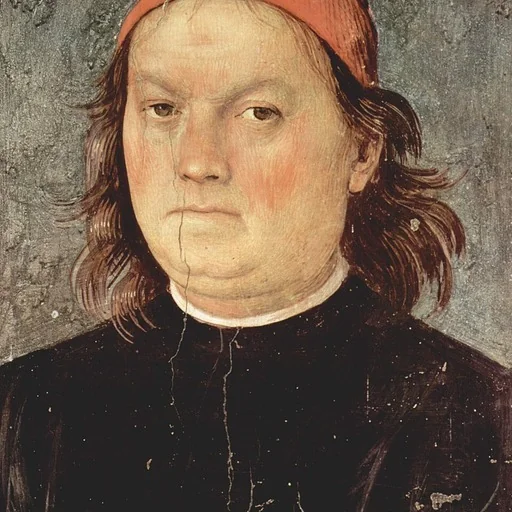
Artist
Pietro Perugino (US: PERR-ə-JEE-noh, -oo-; Italian:; born Pietro Vannucci or Pietro Vanucci; c.

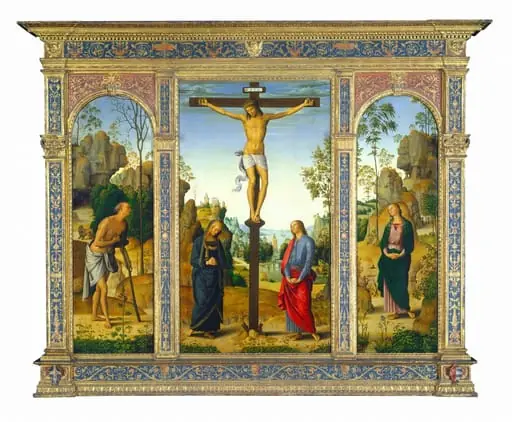 The Crucifixion with the Virgin, Saint John, Saint Jerome, and Saint Mary Magdalene
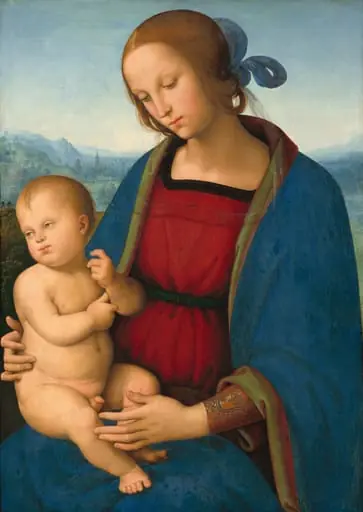 Madonna and Child
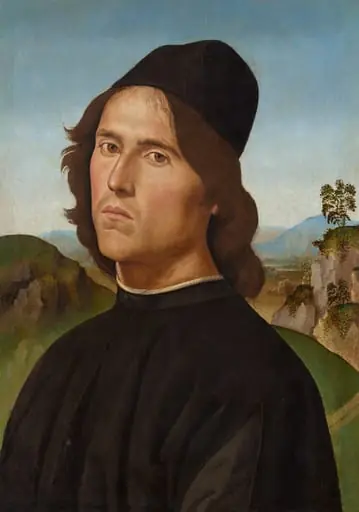 Portrait of Lorenzo di Credi
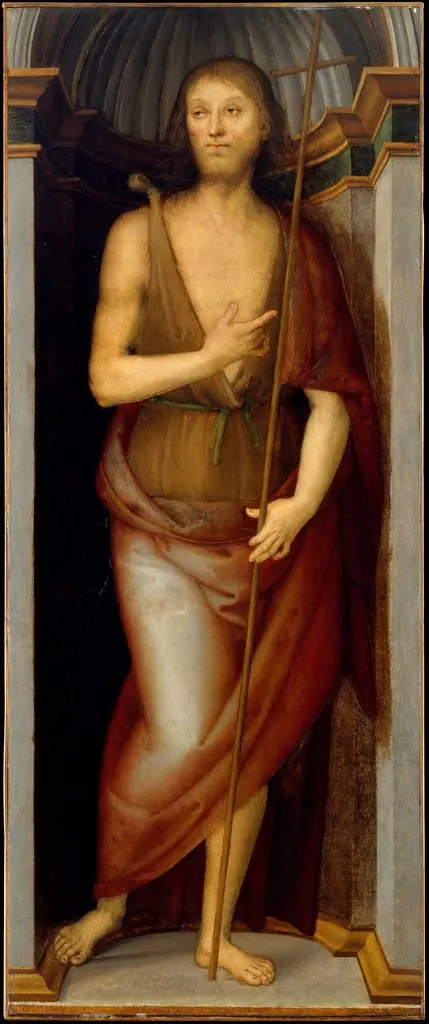 Saint John the Baptist; Saint Lucy
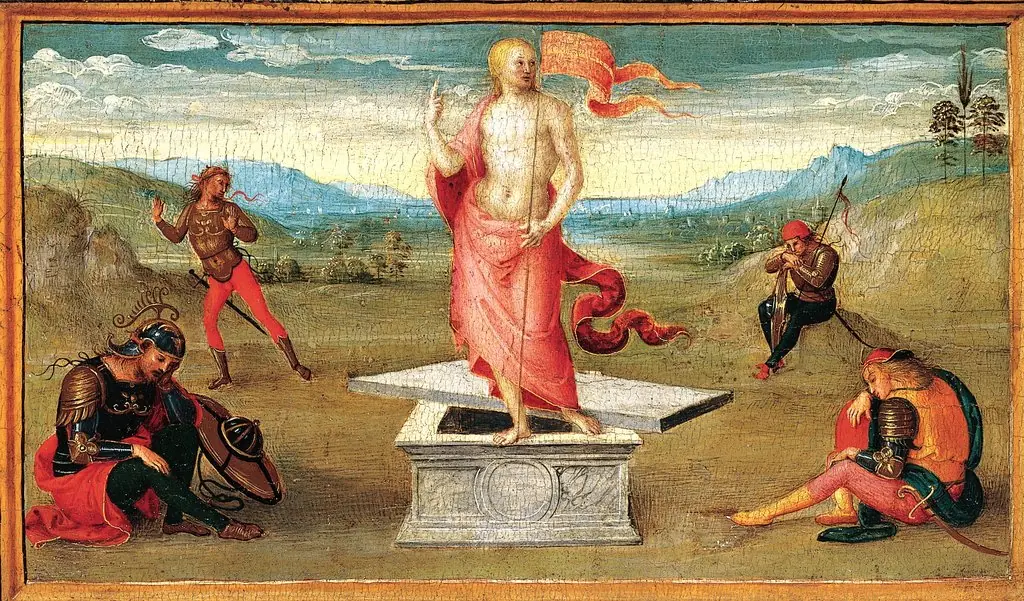 The Resurrection
![The Crucifixion with the Virgin, Saint John, Saint Jerome, and Saint Mary Magdalene [left panel], by Pietro Perugino](https://artifactworldgallery.com/img/pietro-perugino--the-crucifixion-with-the-virgin-saint-john-saint-jerome-and--1017dec17318baa5-w320.webp) The Crucifixion with the Virgin, Saint John, Saint Jerome, and Saint Mary Magdalene [left panel]
The Crucifixion with the Virgin, Saint John, Saint Jerome, and Saint Mary Magdalene [left panel]![The Crucifixion with the Virgin, Saint John, Saint Jerome, and Saint Mary Magdalene [middle panel], by Pietro Perugino](https://artifactworldgallery.com/img/pietro-perugino--the-crucifixion-with-the-virgin-saint-john-saint-jerome-and--a9b4c312771e3f71-w320.webp) The Crucifixion with the Virgin, Saint John, Saint Jerome, and Saint Mary Magdalene [middle panel]
The Crucifixion with the Virgin, Saint John, Saint Jerome, and Saint Mary Magdalene [middle panel] Resurrection of Christ
- Penitent Mary Magdalene
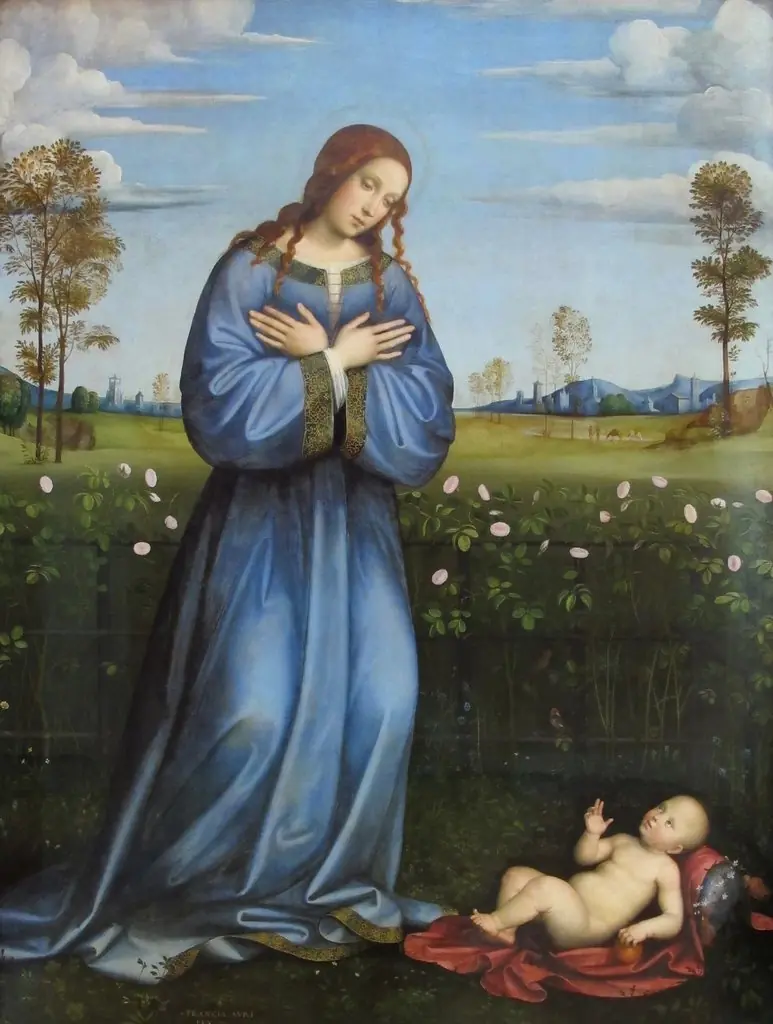 Madonna im Rosenhag
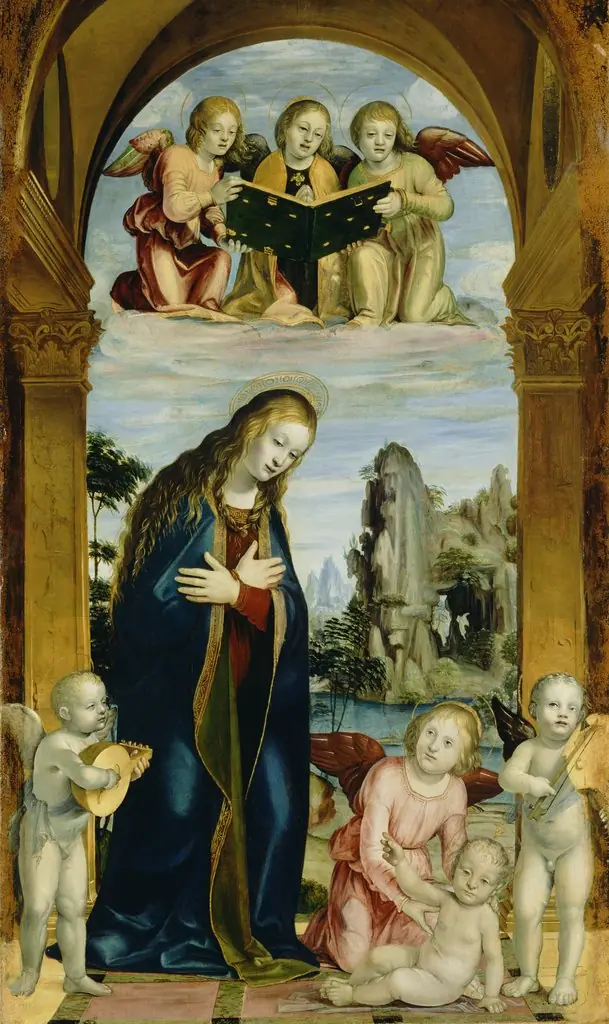 Madonna Adoring the Child with Musical Angels
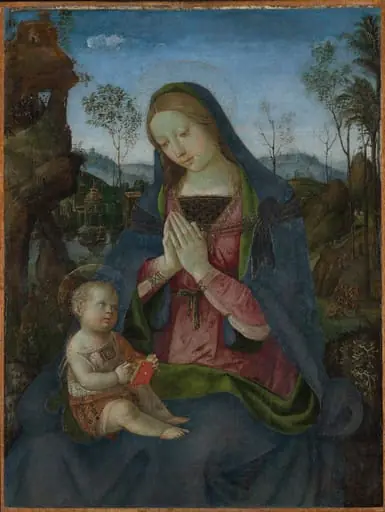 Virgin and Child
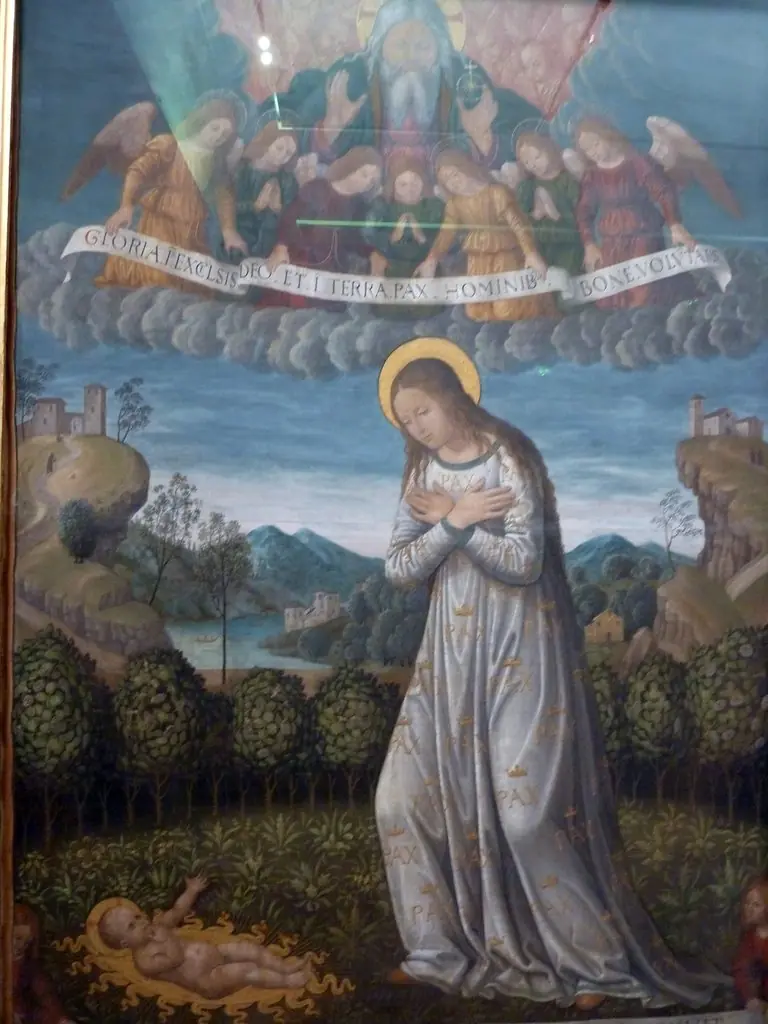 Mary adoring the child
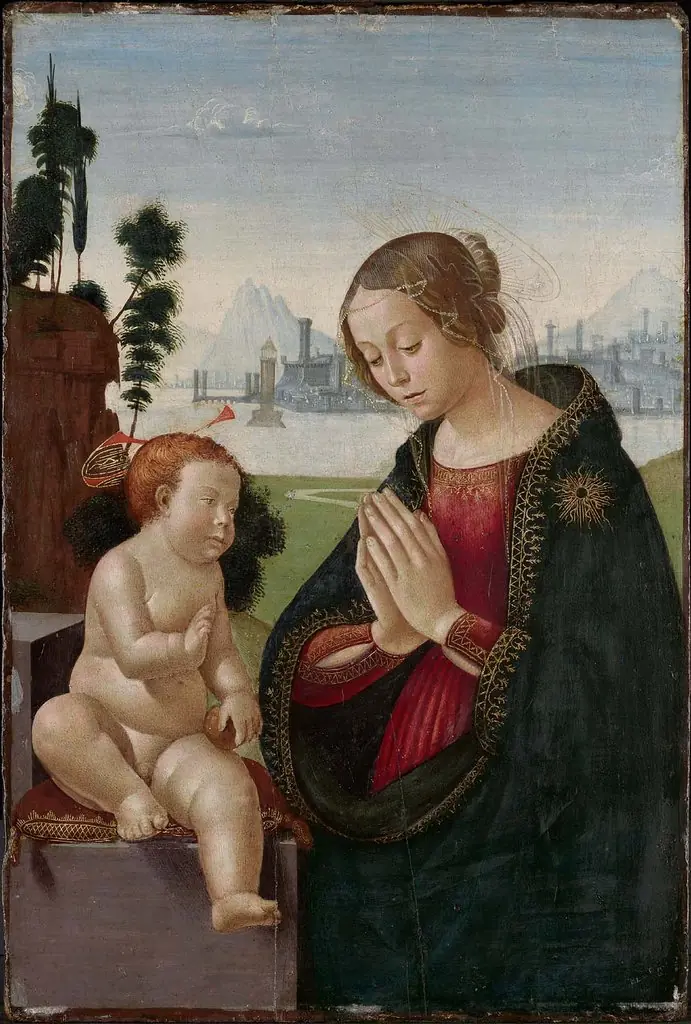 Virgin and Child
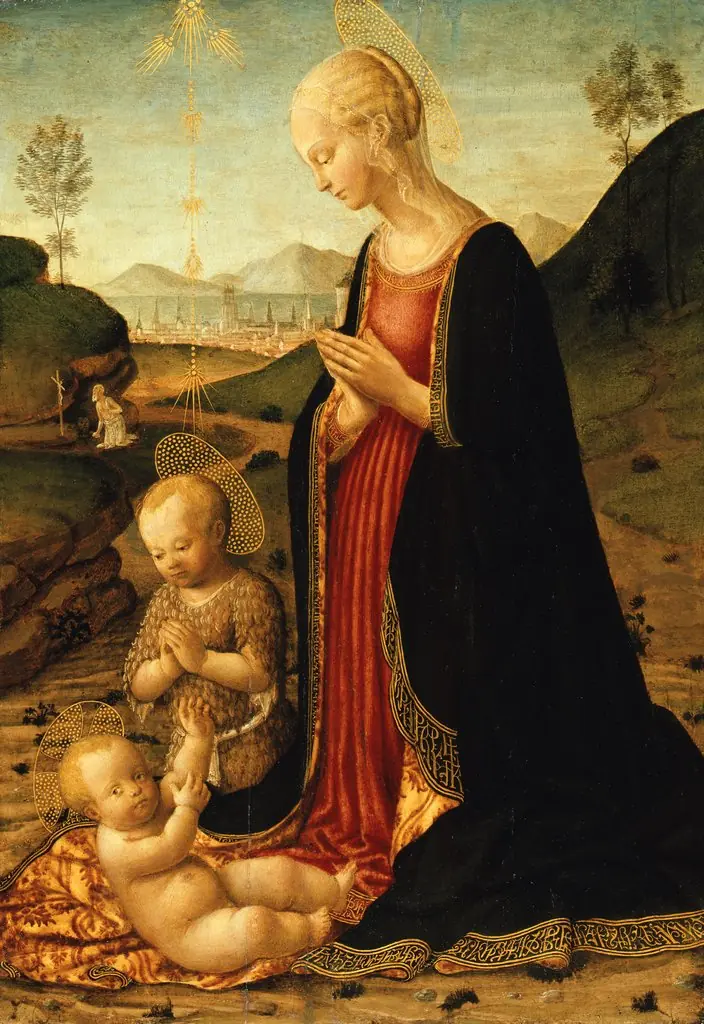 Mary and John Adoring the Child
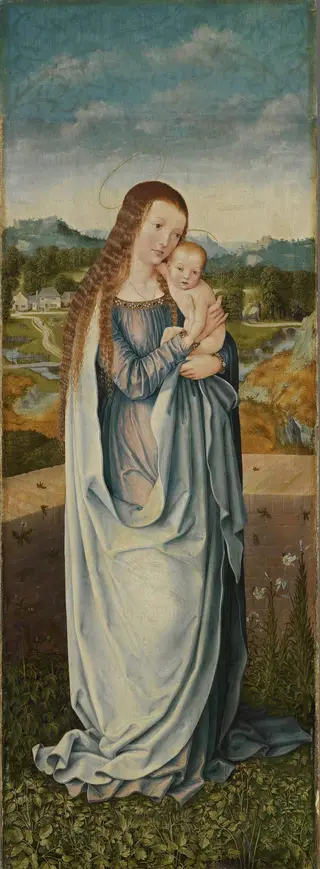 Universitätsaltar: Maria mit dem Kind Rückseite: Hl. Christophorus
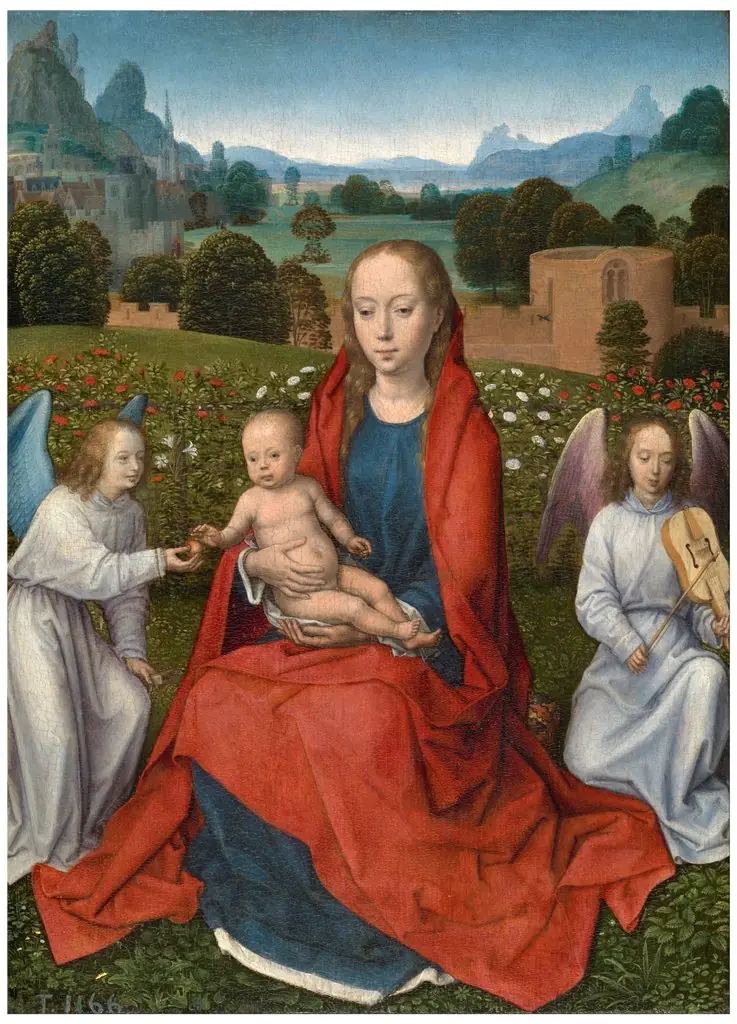 Virgin and Child with two angels
 Procris' Prayer to Diana
 Adoration of the Child
 Madonna and Child with the Infant Saint John the Baptist