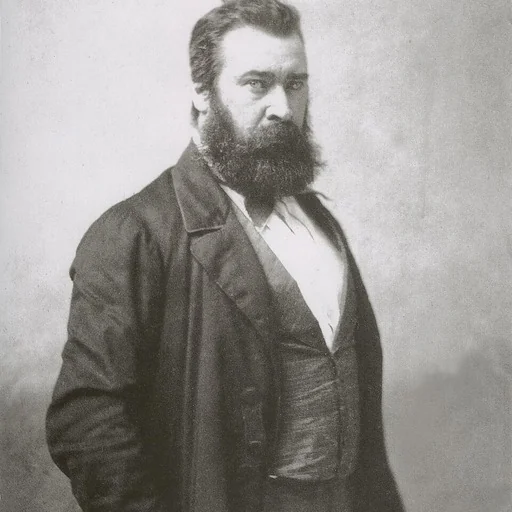
Subject
Character
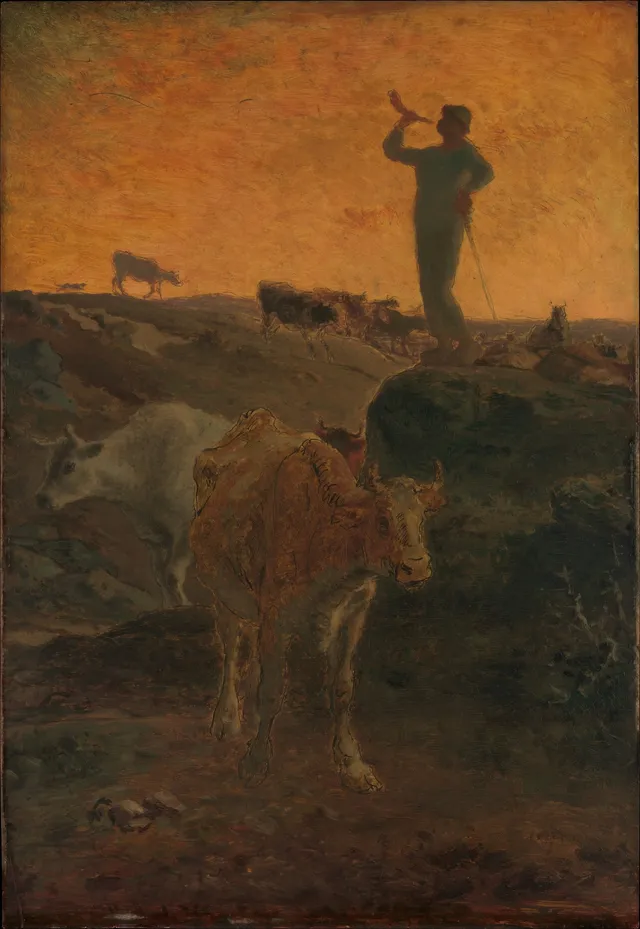
Character is a subject in art. The gallery holds 119 works in this subject in art, including works by Jean François Millet, Max Liebermann and Alexandre Calame.
A character is a person or being in a narrative (such as a novel, play or film). The character may be entirely fictional or based on a real-life person, in which case the distinction of a "fictional" versus "real" character may be made.
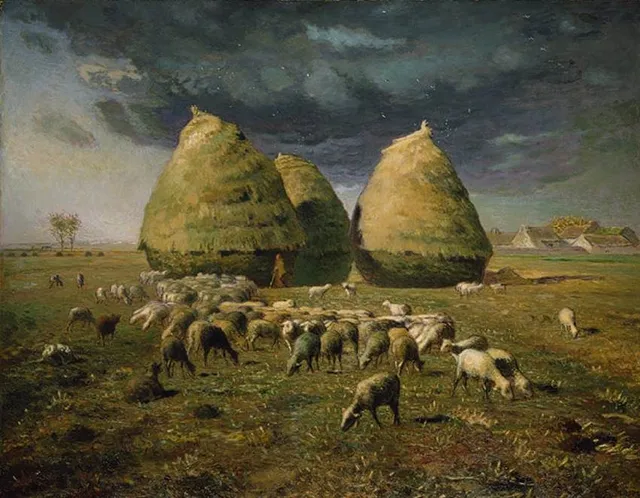
Key artists
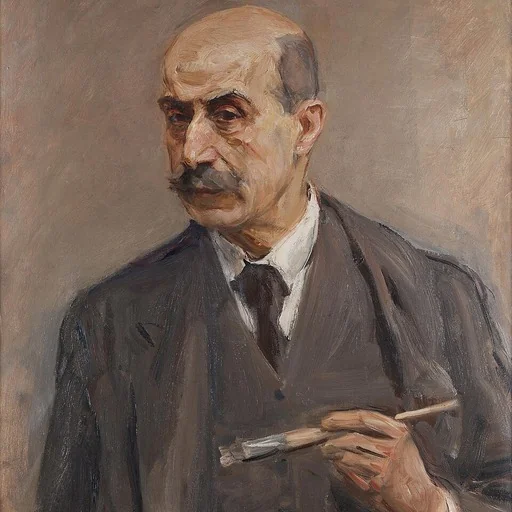
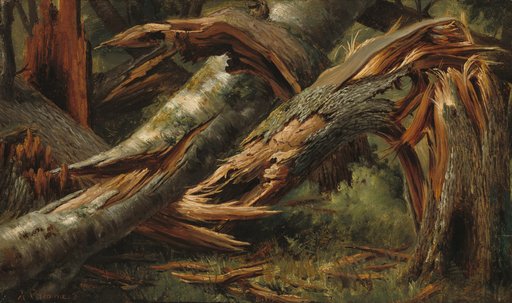

Overview
A character is a person, being, or entity within a narrative work of art, such as a novel, play, or film. Characters may be entirely fictional or based on real individuals, creating a distinction between fictional and real figures within a narrative context. The concept derives from the Ancient Greek word charakter, though the English term gained widespread usage after its appearance in Henry Fielding's 1749 novel Tom Jones. Before this development, the Latin term dramatis personae, meaning masks of the drama, encapsulated the notion of characters from the literal aspect of theatrical masks. Characters serve as the central guides for audiences, leading them through stories, helping them understand plots, and prompting them to ponder broader themes.
Iconography & meaning
The iconography and meaning of a character are rooted in its etymological connection to the theatrical mask. The Latin persona, meaning mask, refers to the actor's mask in antiquity, and the suffix derives from the verb agere, meaning to act. Thus, the character is defined by action and the representation of a type through a mask, allowing the audience to immediately identify the figure. Characters function within a work through a network of oppositions, including pragmatic, linguistic, and proxemic relations with other figures, which define their individual status. Their attributes can convey overarching themes, serving as symbols, allegories, or personifications. Some of these meanings are highly conventionalized, such as the grim reaper as a personification of death, while others remain subtle and specific to the individual work.
Across movements & periods
The treatment of the character has shifted significantly across historical periods, often reflecting changes in societal ideas about individuality, self-determination, and the social order. In the medieval and Renaissance periods, characters emerged from oral traditions and archetypal patterns, with Renaissance dramatists like Shakespeare introducing unprecedented psychological realism and internal conflict. The birth of the modern novel in the 18th century brought new possibilities, such as the omniscient narrator exploring the relationship between character and circumstance. The Romantic movement fundamentally altered character conception by emphasizing individual psychology, emotional intensity, and the relationship between the figure and nature, introducing the charismatic antihero. By the 19th century, the study of a character required analyzing its relations with all other characters in the work, with figures in plays like Henrik Ibsen's 1891 Hedda Gabler representing specific social positions where conflicts between characters revealed ideological divides.
Notable depictions
Notable depictions of characters reveal the evolution of psychological complexity in art. Shakespeare's Hamlet embodies the Renaissance tension between medieval certainty and modern doubt, while King Lear exemplifies profound transformation through suffering. In the 19th century, Charles Dickens created memorable figures who combined social criticism with individual psychology, such as Ebenezer Scrooge, whose journey from miserliness to generosity provided a template for redemptive narratives. The Romantic era produced psychologically complex pairings like Mary Shelley's Victor Frankenstein and his creature, who articulates his malice as a product of misery. Emily Brontë's Heathcliff and Catherine Earnshaw redefined literary love with a psychological fusion bordering on the supernatural, while the Byronic hero introduced the concept of the proud, moody, and cynical antihero that continues to influence modern characterization.
Legacy
The legacy of the character as a concept is defined by the enduring cultural influence of fictional figures and the formalization of characterization as an art. Since the end of the 18th century, the phrase in character has described effective impersonation, and since the 19th century, the creation of characters has been called characterization. Popular characters achieve significant influence across multiple media, eliciting intense emotional responses from audiences who identify with them or view them as role models. The psychological study of characters has also evolved, with round or complex characters analyzed through personality dimensions such as extraversion, agreeableness, openness to experience, conscientiousness, and neuroticism. The ontological debate regarding characters continues, questioning whether they are mere signs in a text, mental constructs in the minds of readers, or communicative products between authors and audiences.
Works
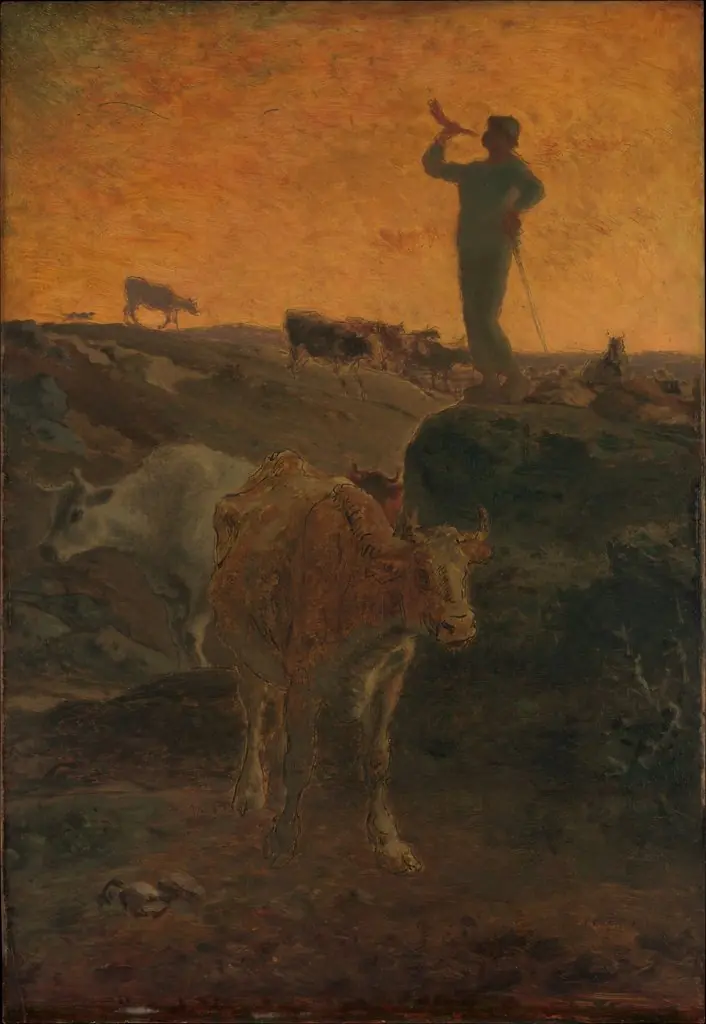 Calling the Cows Home
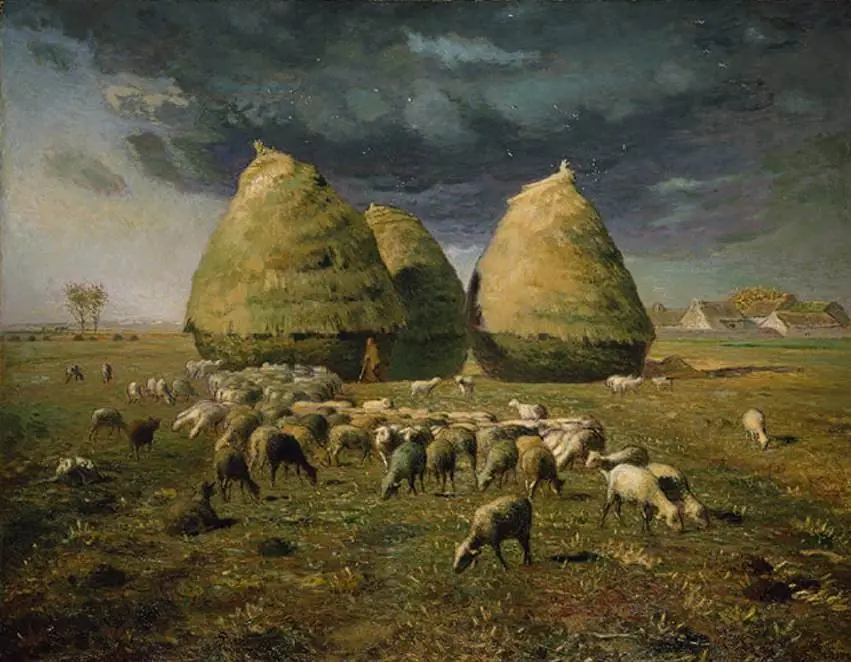 Haystacks: Autumn
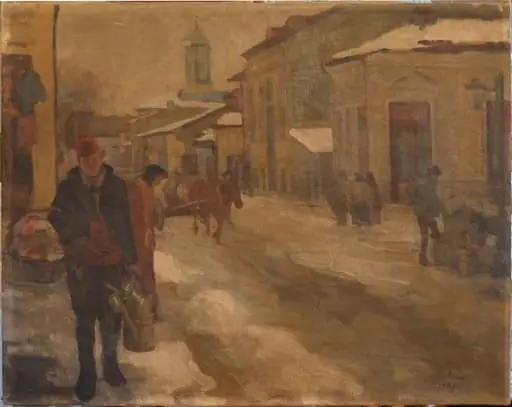 Calea Rahovei
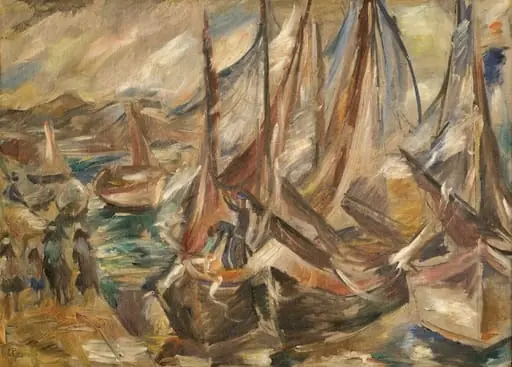 Bărci (Port în Bretania)
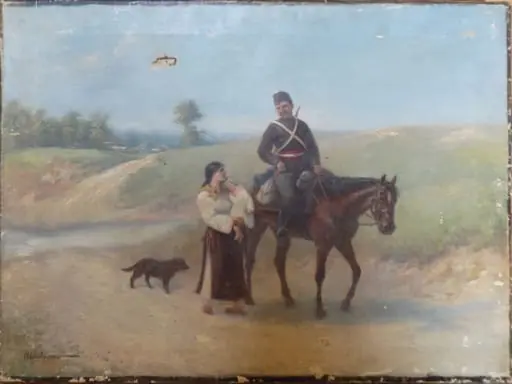 Despărțire de ostaș
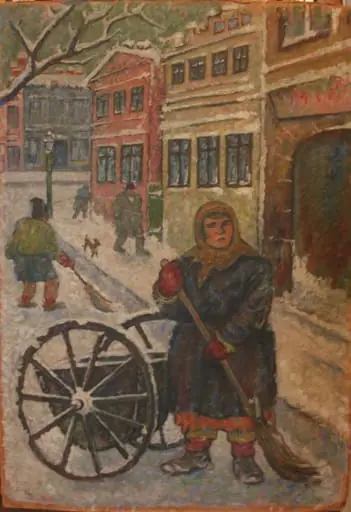 Măturător (Măturătoare)
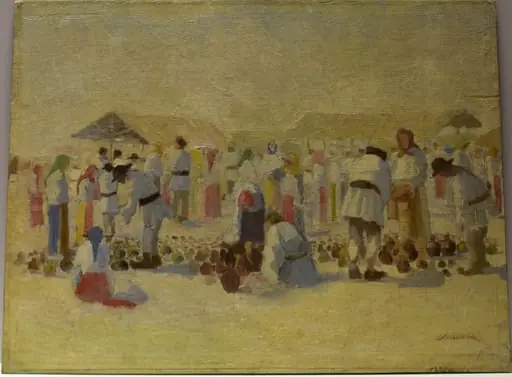 Târg la Olănești
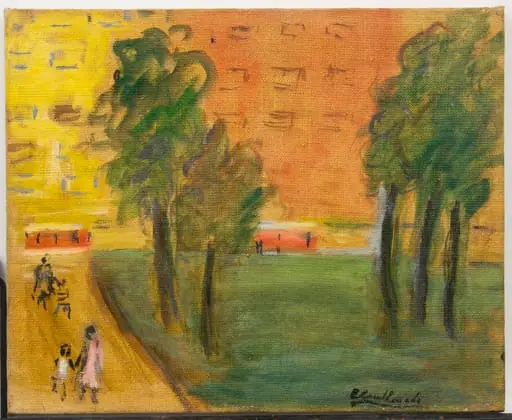 Vedere din Cișmigiu
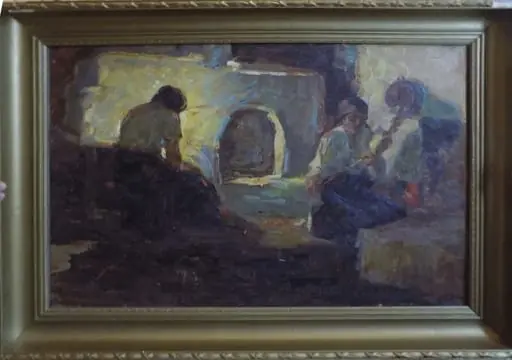 Interior de casă țărănească cu vatră
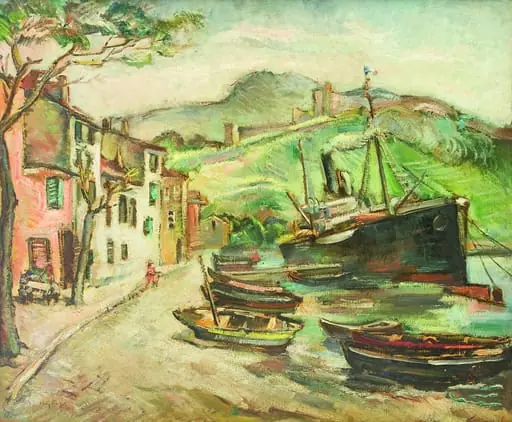 Peisaj
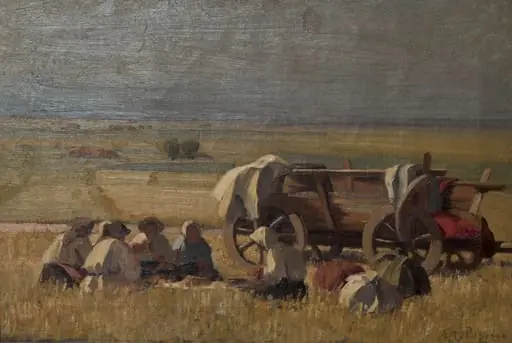 Masă țărănească
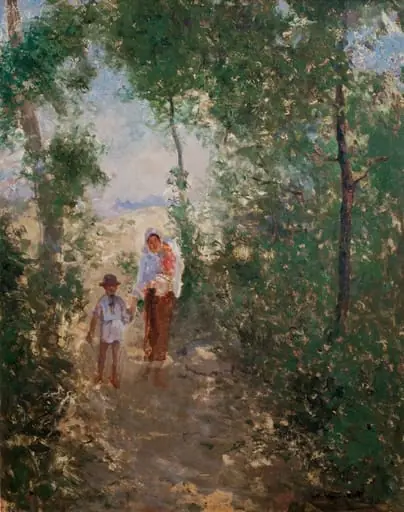 Țărancă cu copii
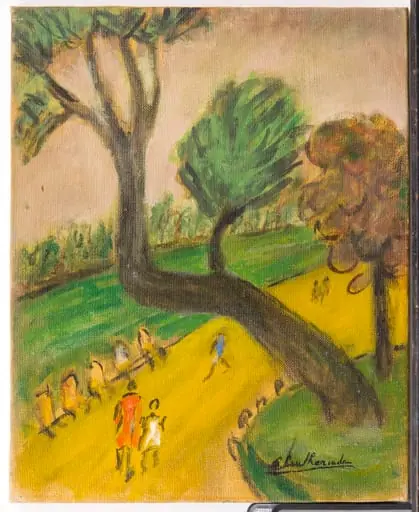 Plimbare în Cișmigiu
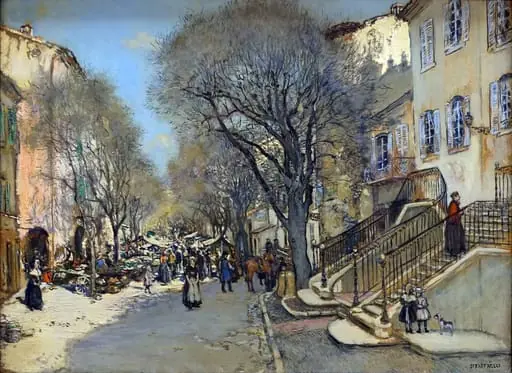 Târgul din Antibes
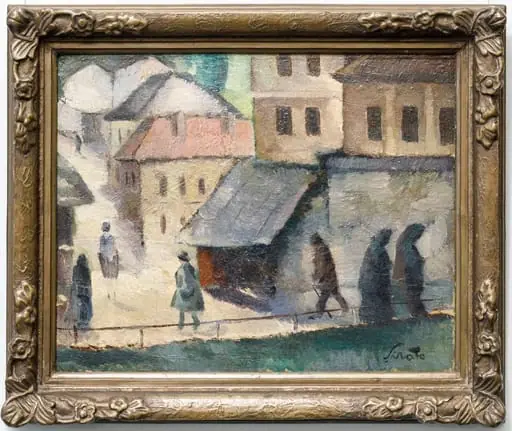 Stradă
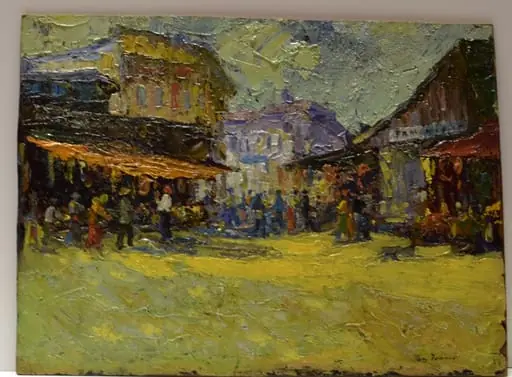 În piață
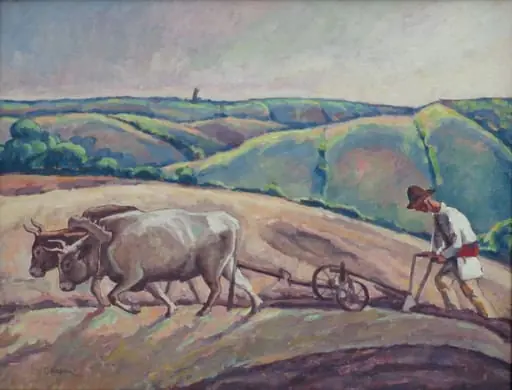 La arat
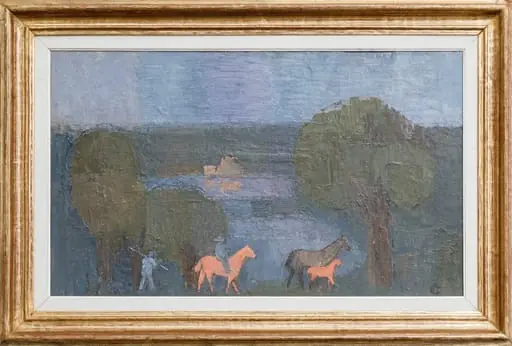 Peisaj cu cai
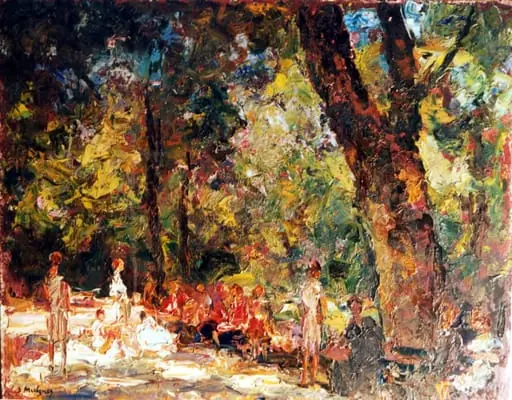 Cișmigiu
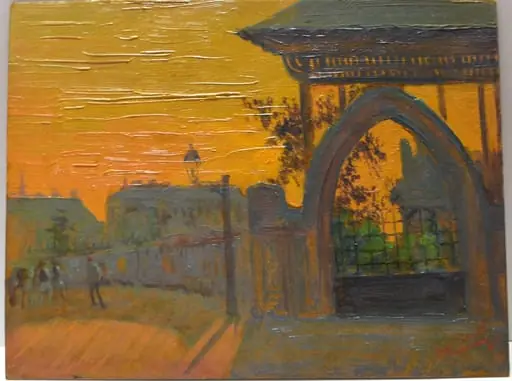 Strada pe înserat
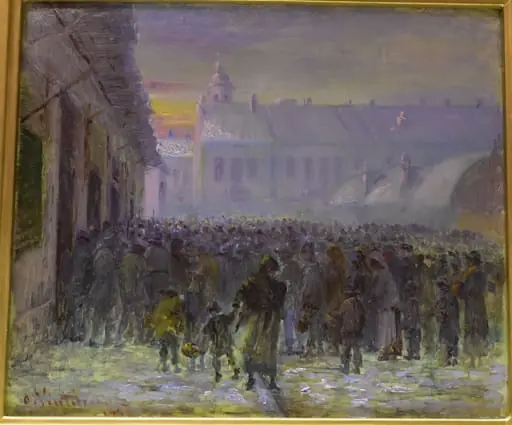 Piața în Iași (Manifestație Piața Spiridon)
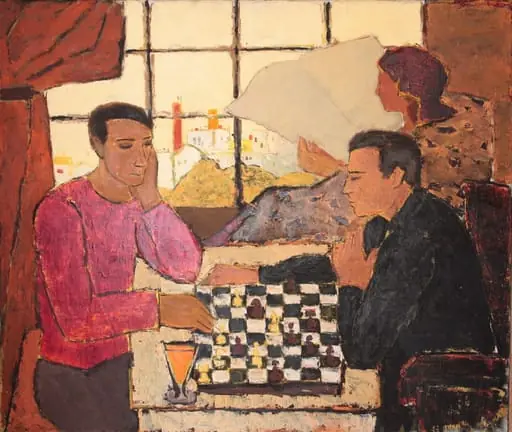 La clubul uzinei
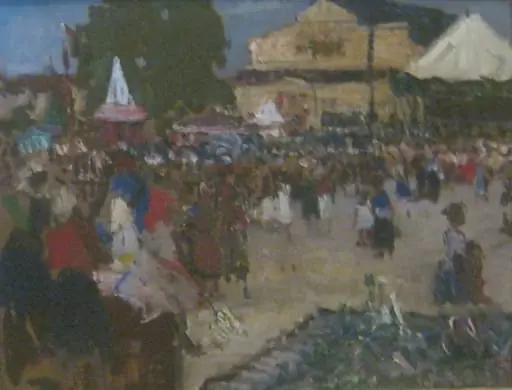 La Obor
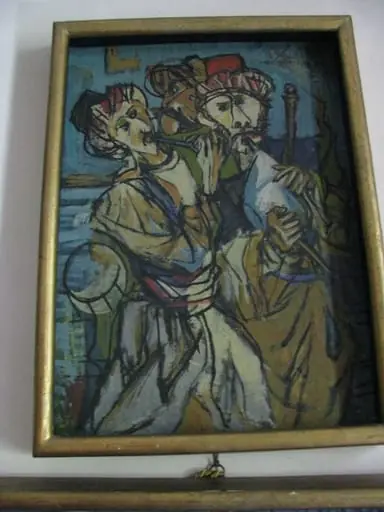 Muzicanți
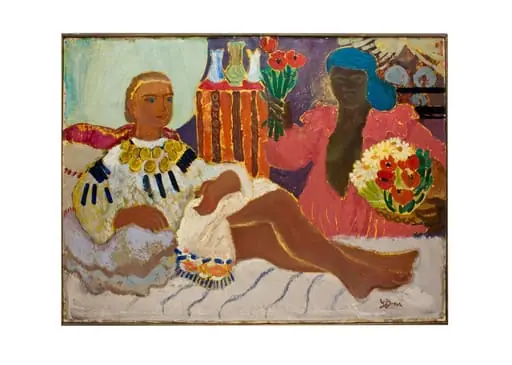 Olimpia românească
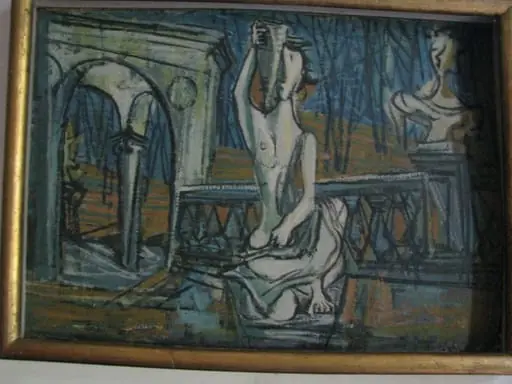 Statui în parc
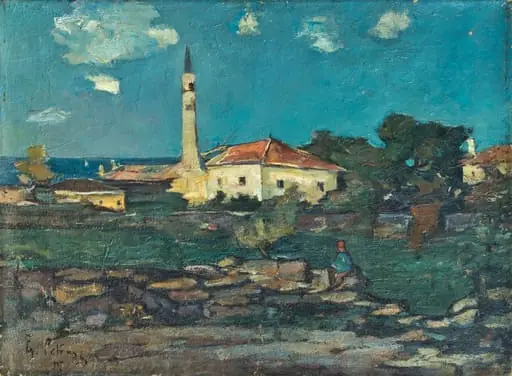 Peisaj cu moschee (Esmahan Sultan, Mangalia)
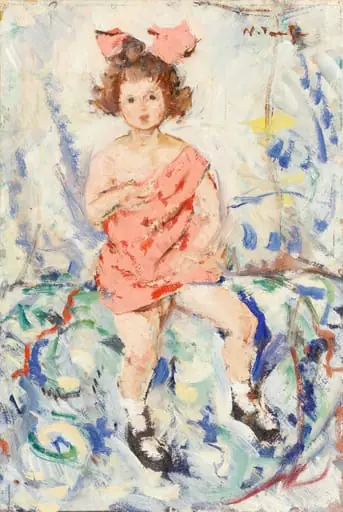 Fetiță cu fundiță roz
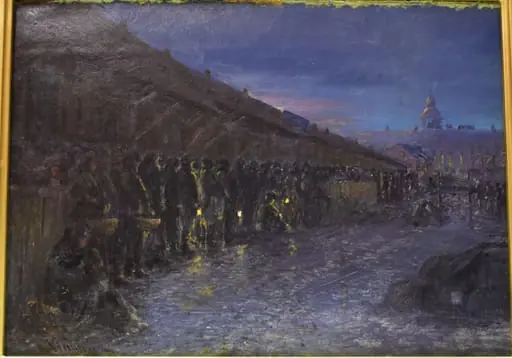 Manifestație (Piața Sf. Spiridon)
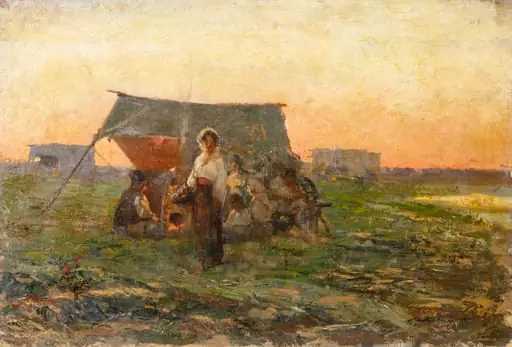 Șatră de țigani
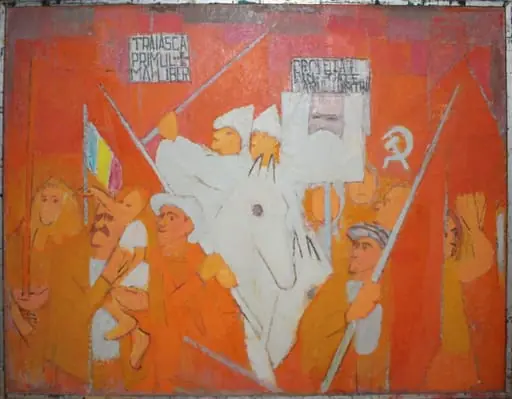 1 Mai (Primul 1 Mai liber)
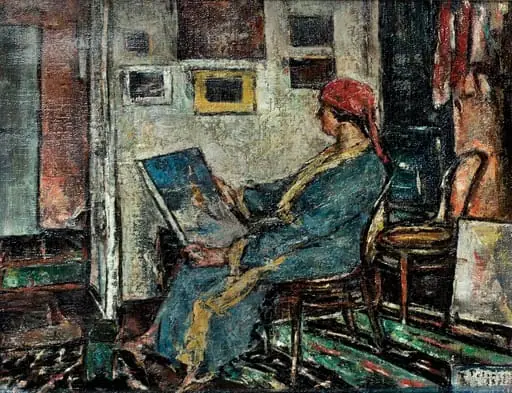 Interior cu femeie privind un tablou (Lucreția Petrașcu)
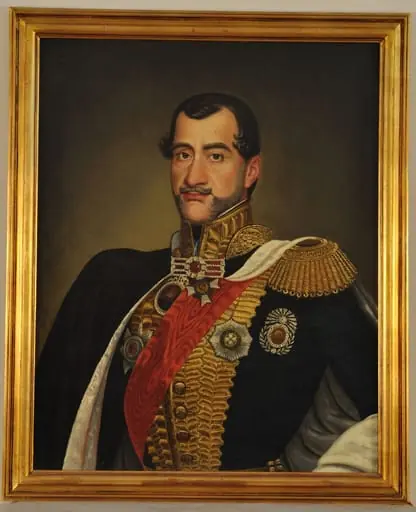 Alexandru Dimitrie Ghica
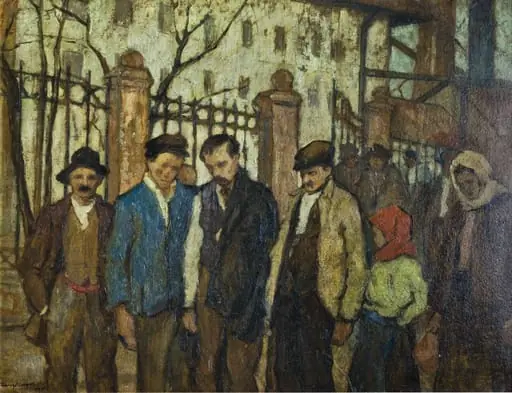 Grevă
Grevă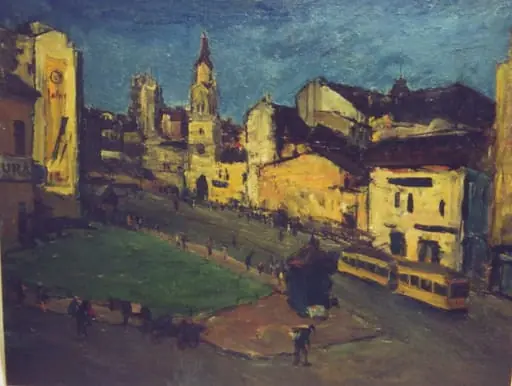 Spre biserica Bărăției
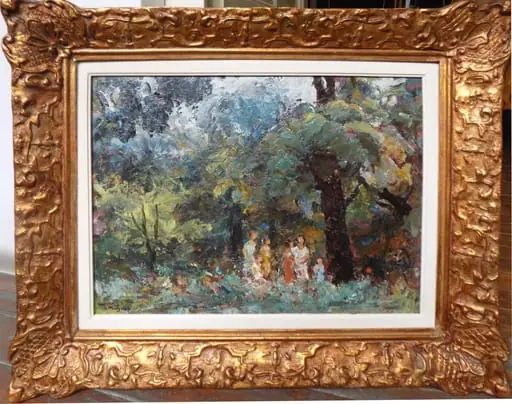 La Băneasa
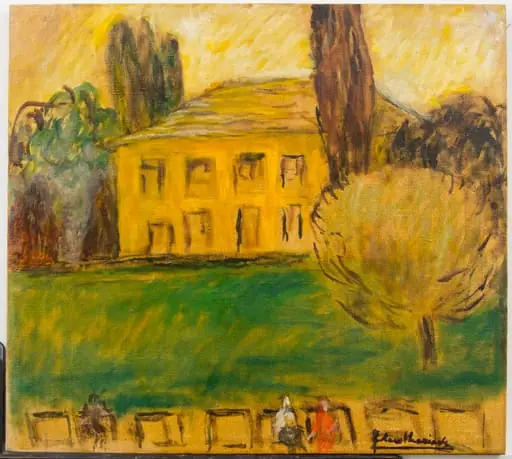 Casă galbenă în Cișmigiu
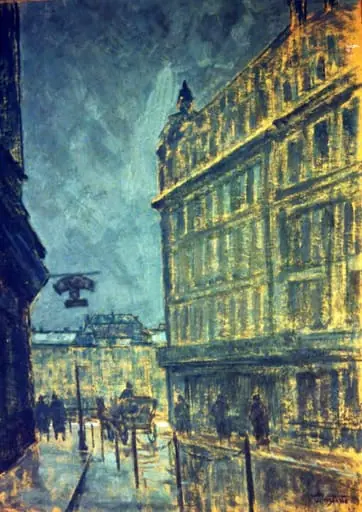 Cal(ea) Vict(oriei) (Hotel Bulevard)
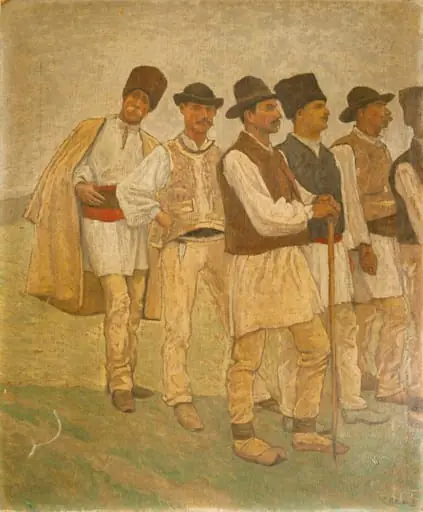 În reculegere din Vlaici - Olt
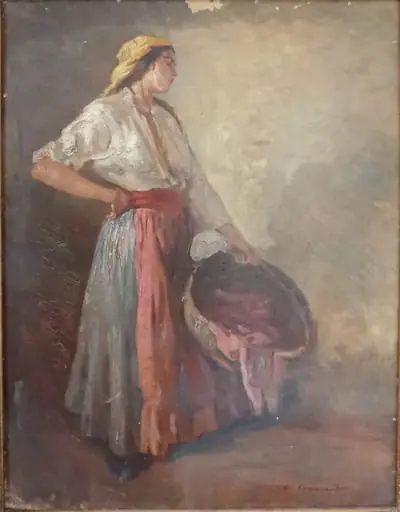 Țărancă cu coș
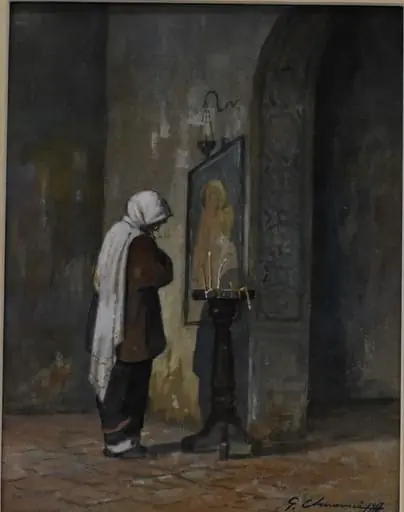 Țărancă în biserică
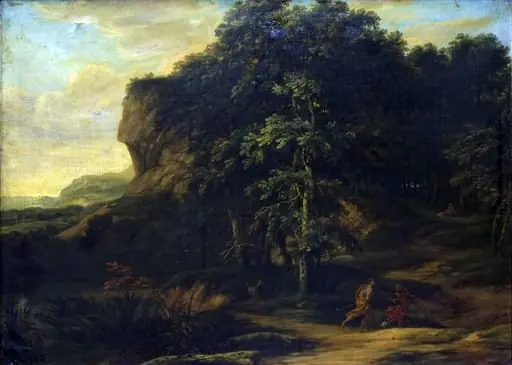 Peisaj cu personaje
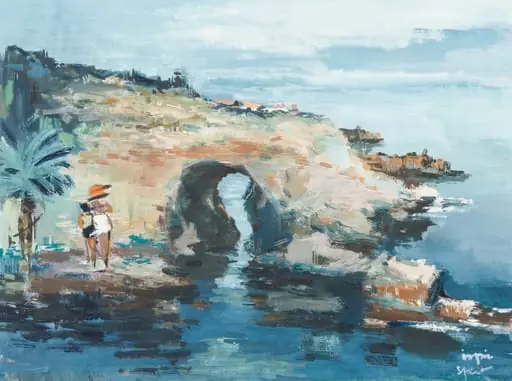 Peisaj la Split
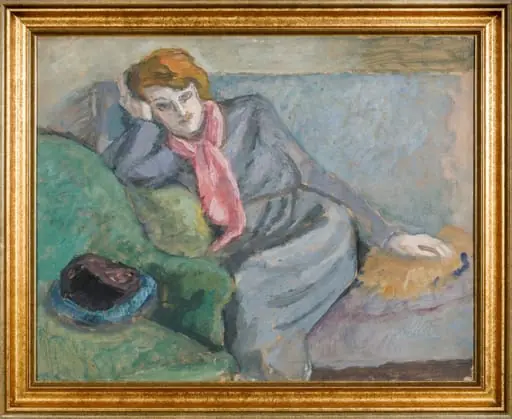 Femeie pe canapea
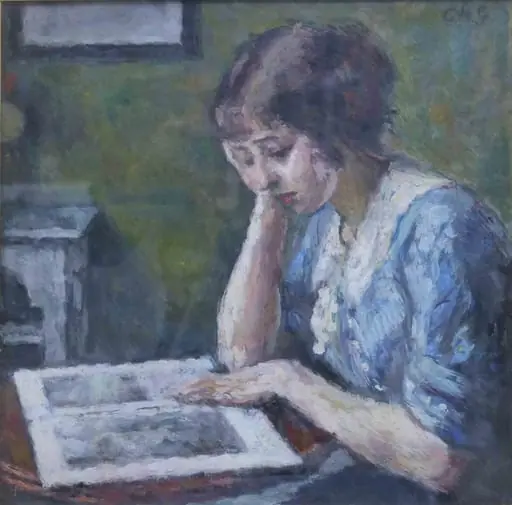 Cititoarea
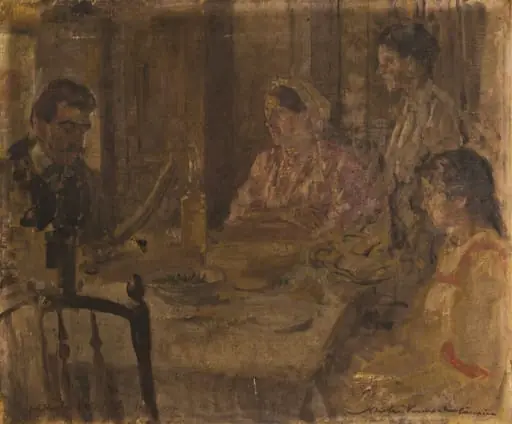 Scenă de familie
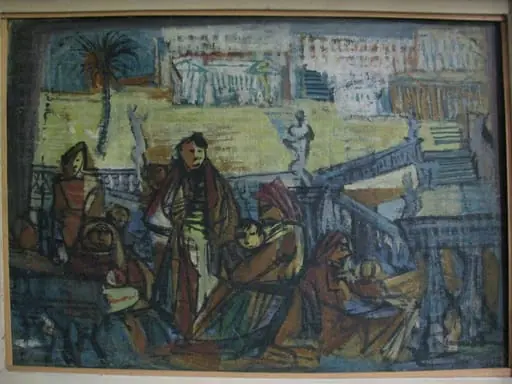 Peisaj oriental
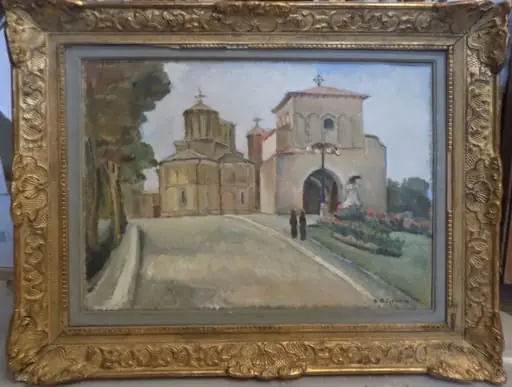 Patriarhia
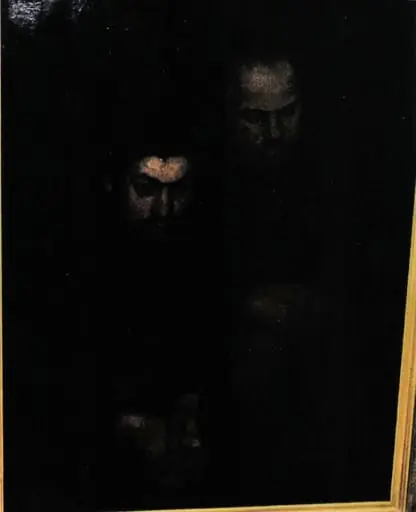 Doi călugări
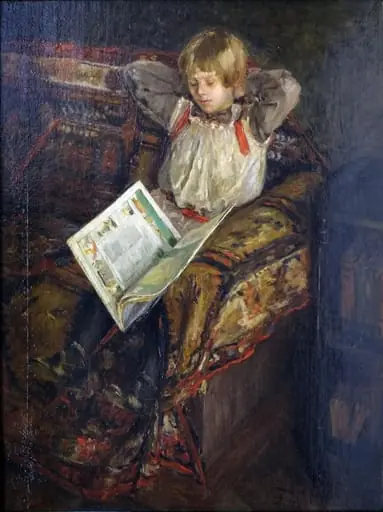 Fetiță citind (Amalia Uhde)
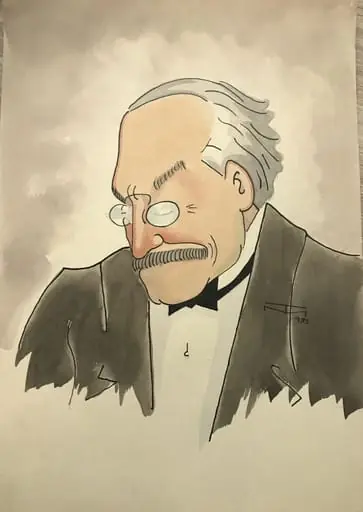 I.G. Duca
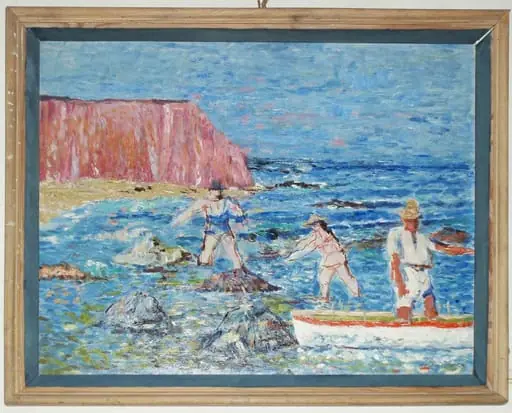 Costinești
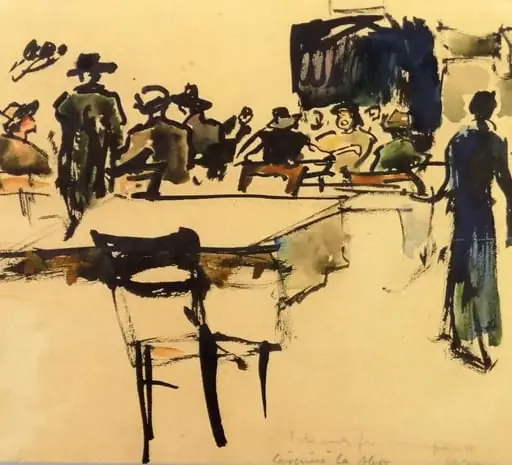 Cârciumă la Obor
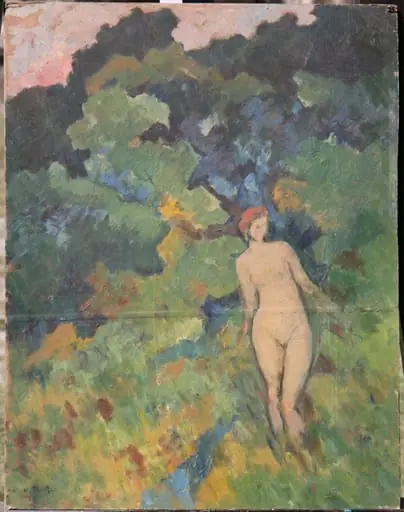 Femeie în pădure
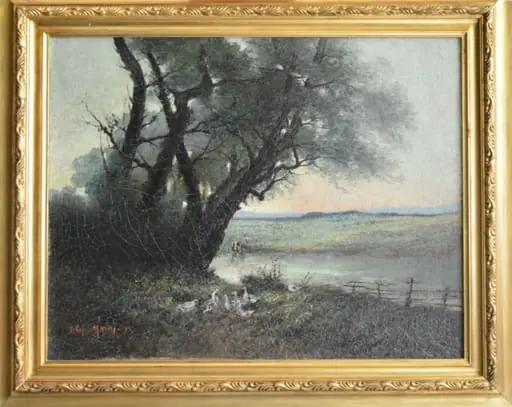 Peisaj cu baltă
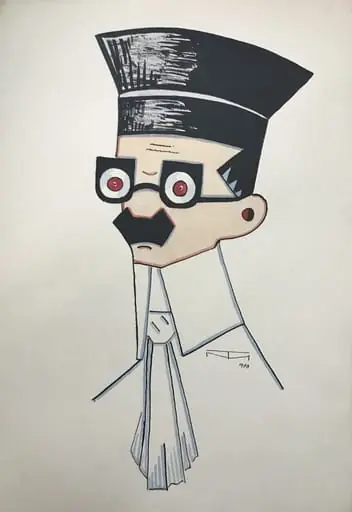 Iuliu Maniu
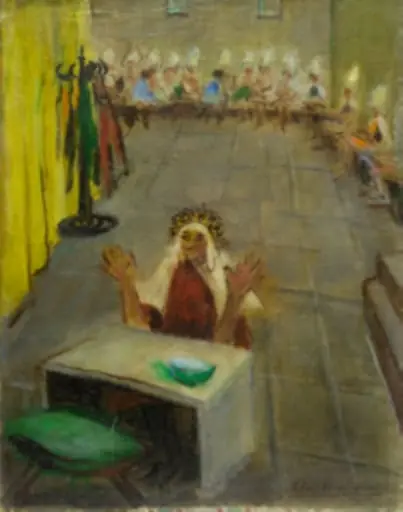 Salon de coafură
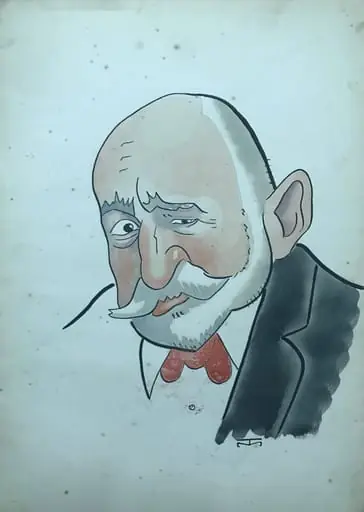 Sturdza
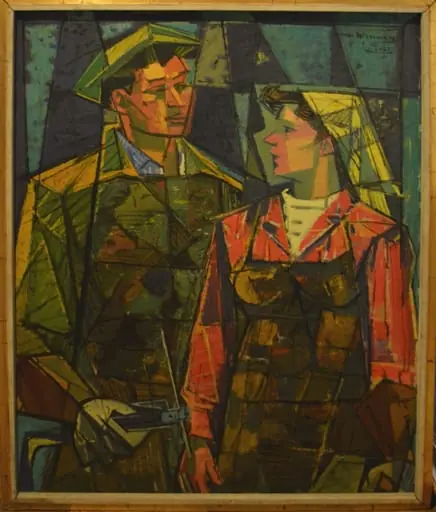 Sudorii
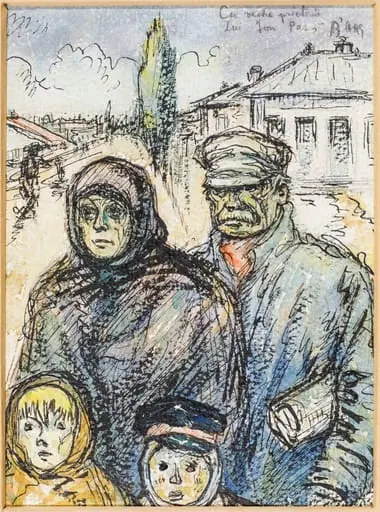 Familie
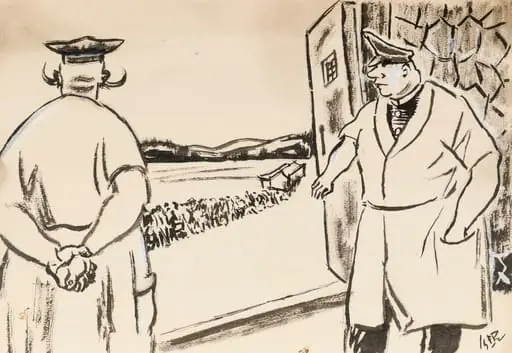 Scenă de război
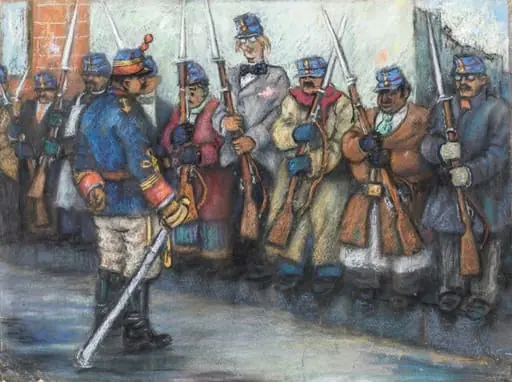 Ilustrație la Caragiale
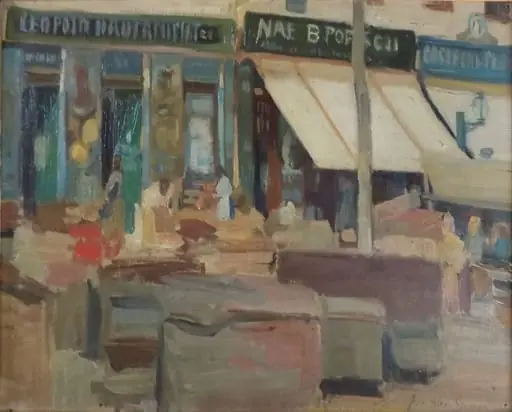 Piața Mare
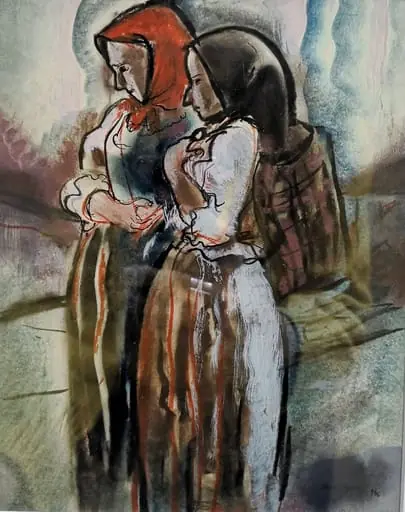 În căutare de angajament
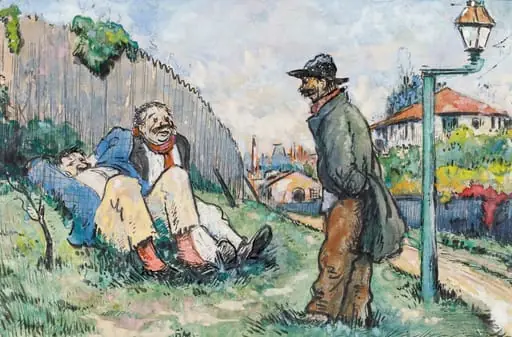 Periferie (București)
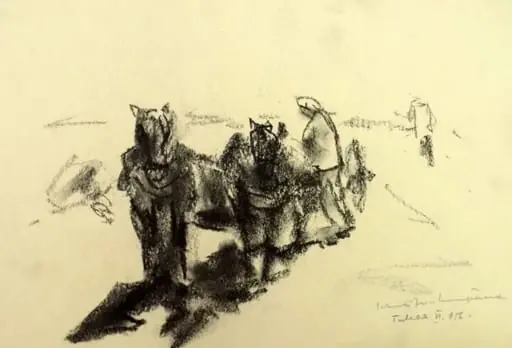 Căruțe Tulcea
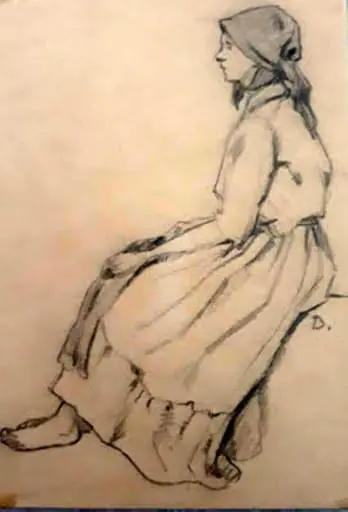 Țărăncuță
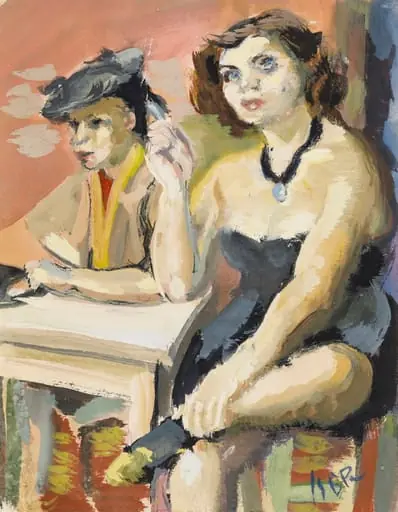 Interior cu două personaje
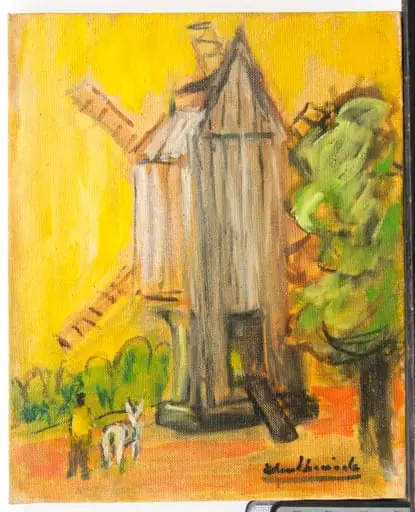 Moară de vânt la Muzeul Satului
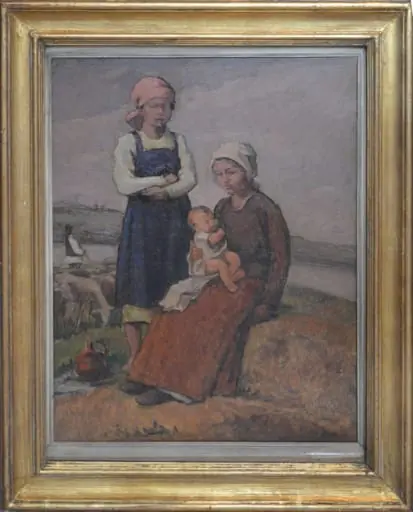 Compoziție cu țărănci
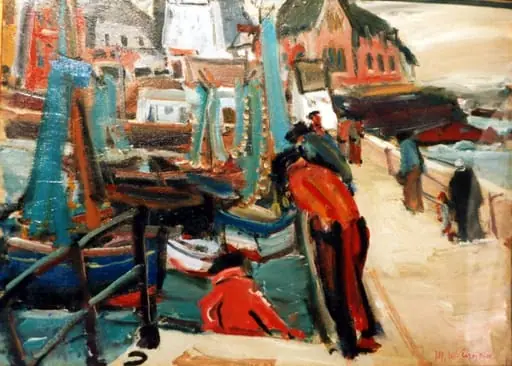 Port
Port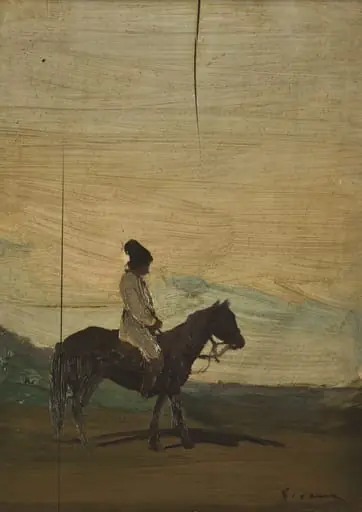 Călăreț
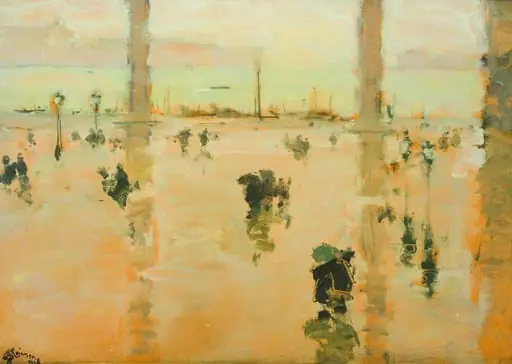 Piața San Marco
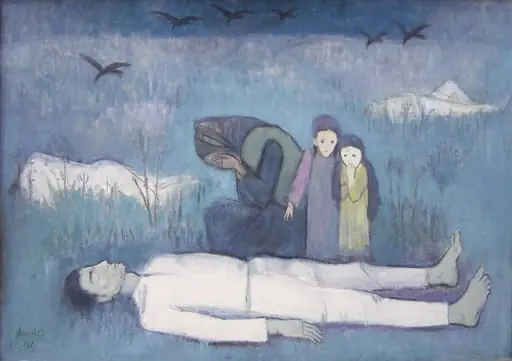 1907 (De ce l-au omorât?)
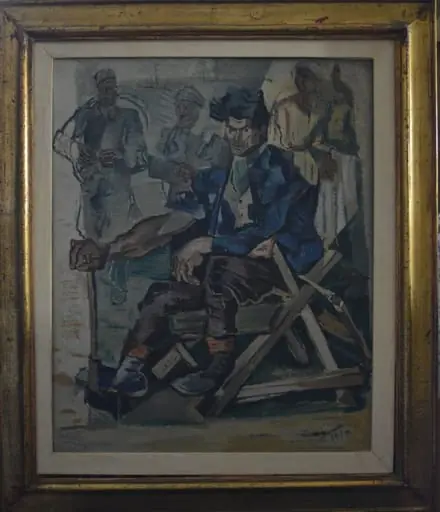 Tăietor de lemne
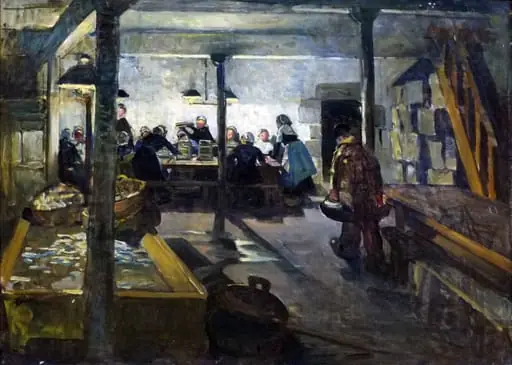 Fabrica de conserve
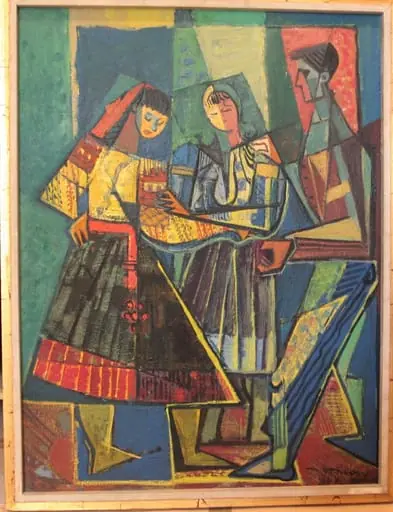 Lecția de dans
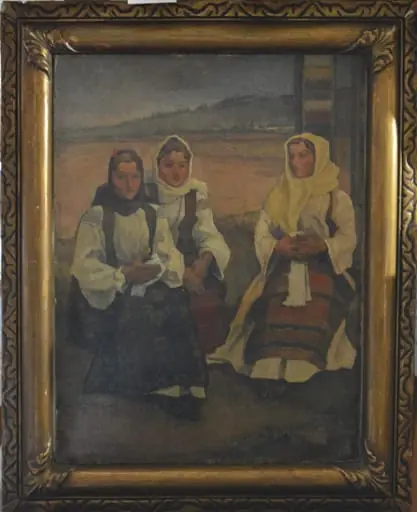 Țărănci din Vlaici (Olt)
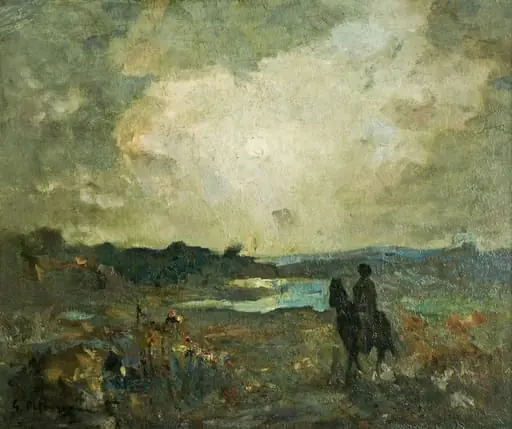 Peisaj cu călăreți
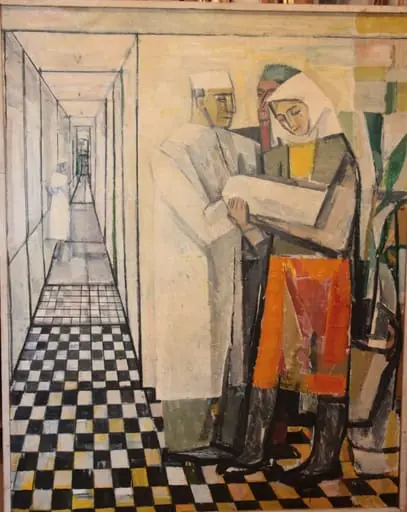 Maternitate
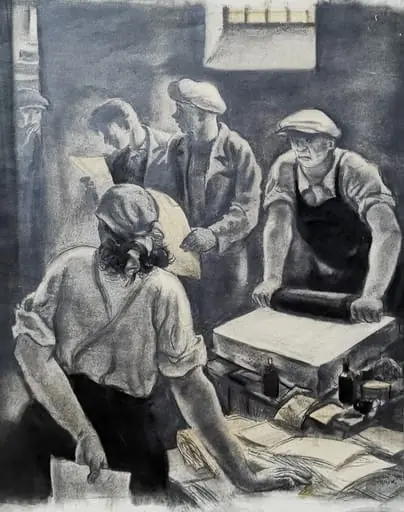 Zile negre
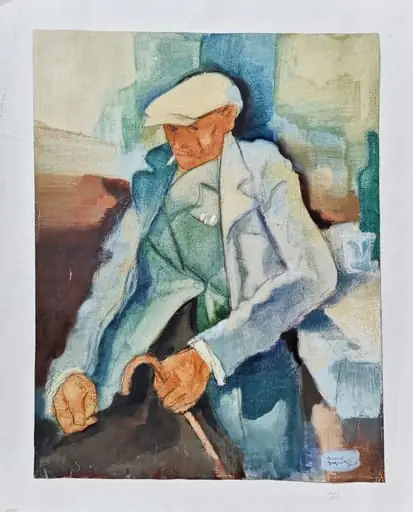 Omul cu țigara
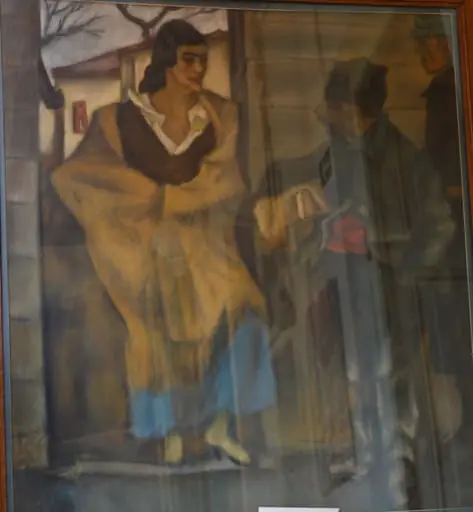 Aspect din vechiul București
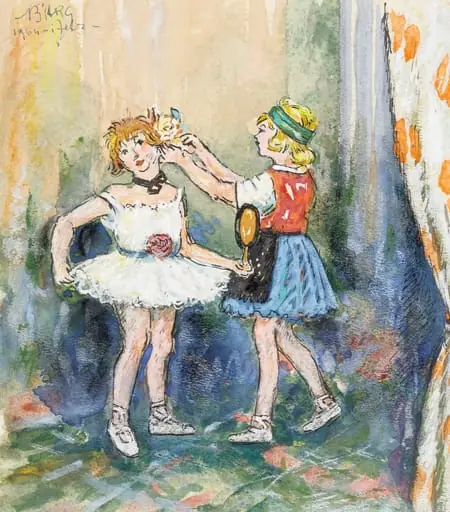 Două fetițe în interior
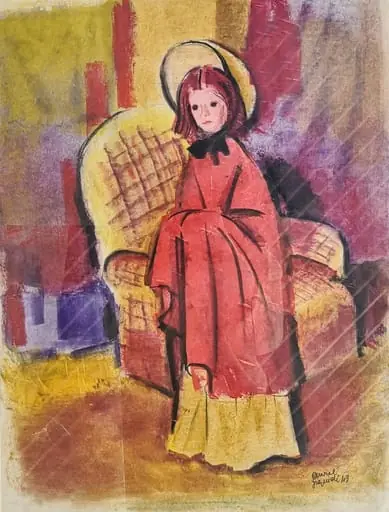 După bal
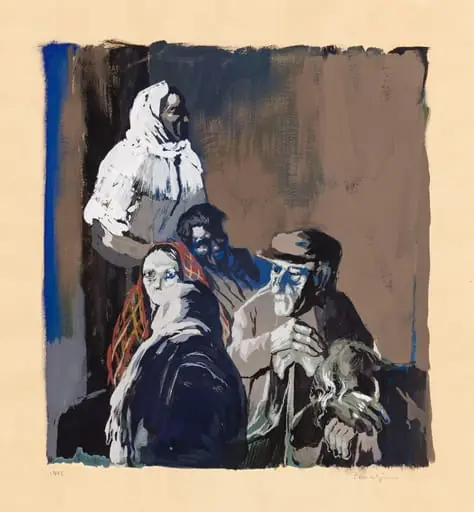 Compoziție cu personaje
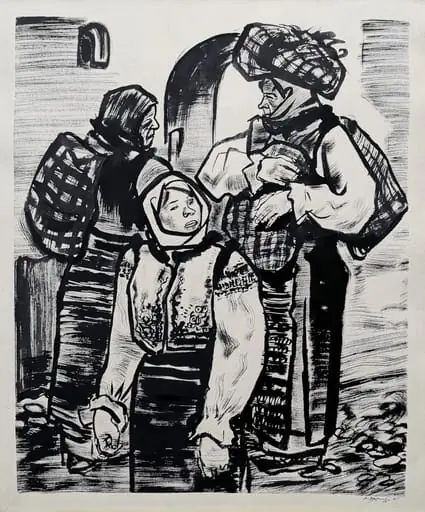 Transilvănence
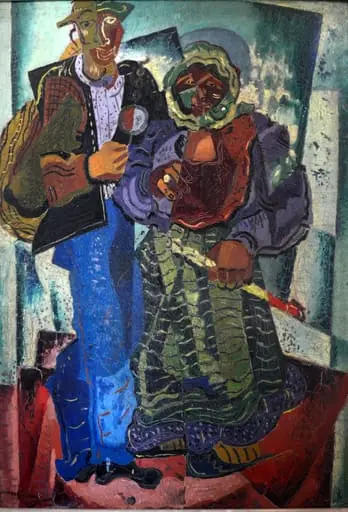 Pereche
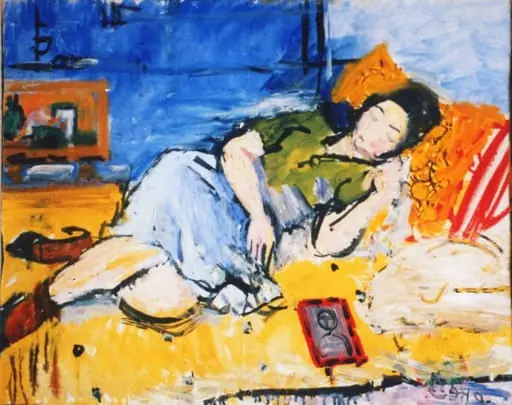 Femeie dormind pe divan
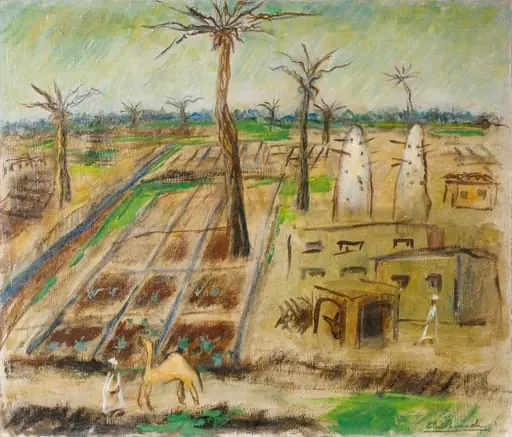 Pe Valea Nilului
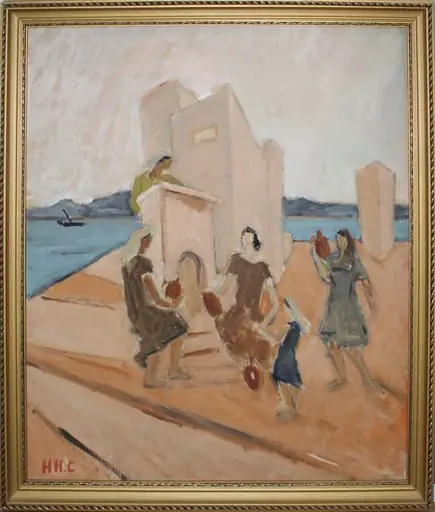 Fete la fântână
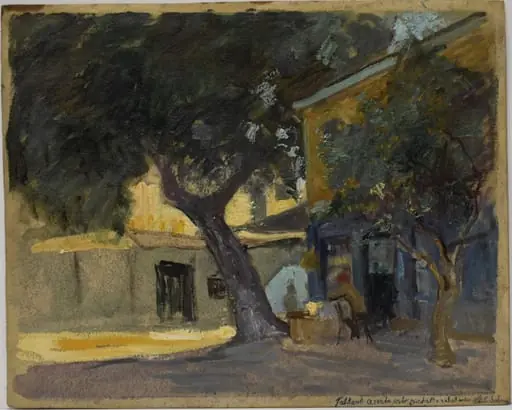 Stradă din Dobrogea (Cafenea la Balcic)
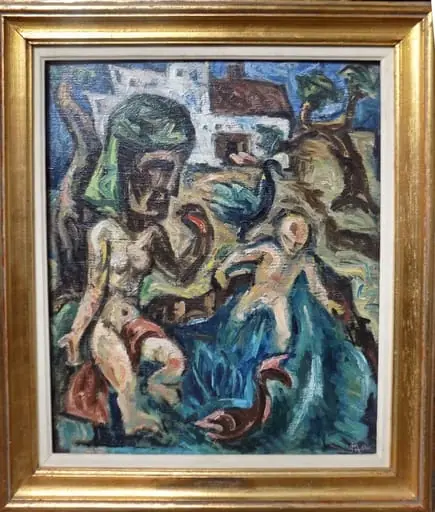 Alegorie
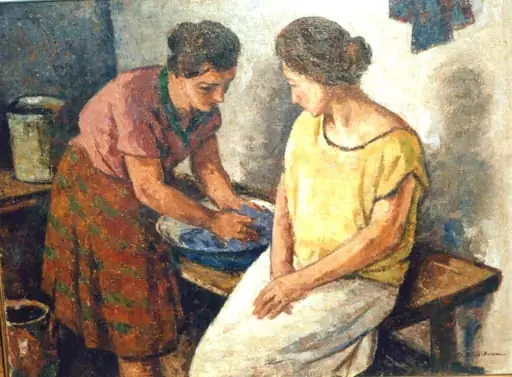 Spălatul rufelor
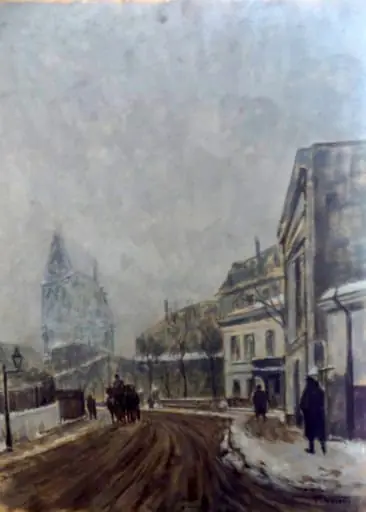 Str(ada) Bărăției
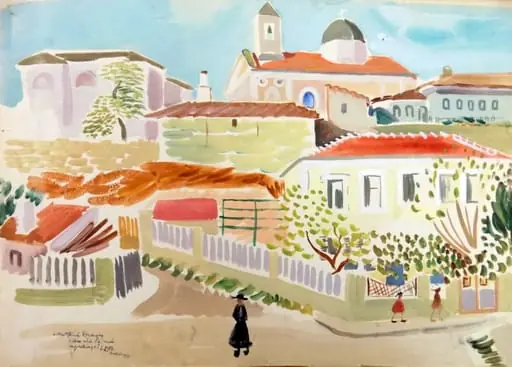 Balcic
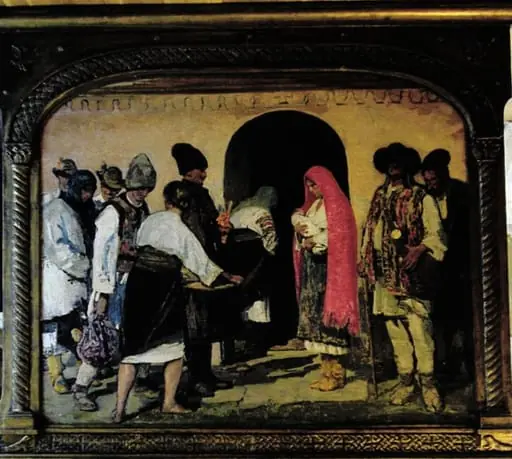 Botez
Botez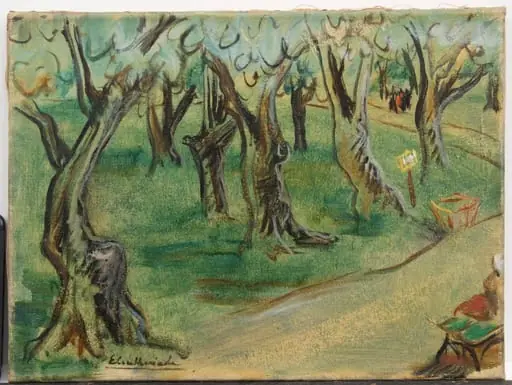 Măslini la Cimiez - Sudul Franței
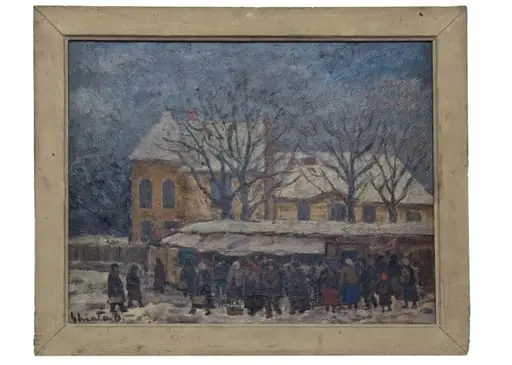 Peisaj (Buc)ureștean
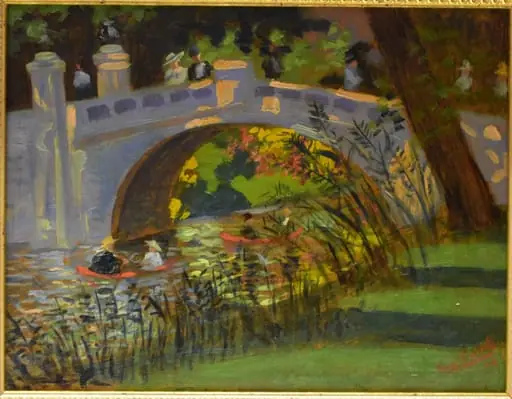 Barca sub pod (Cișmigiu)
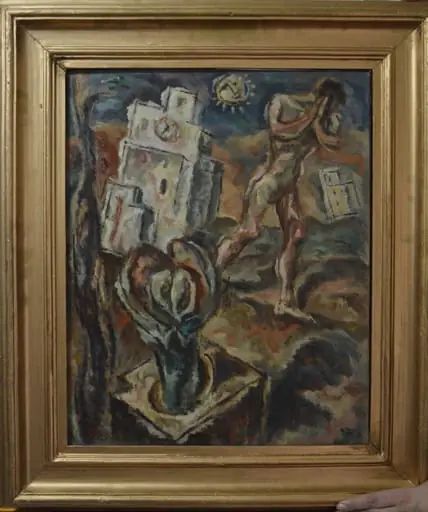 Compoziție suprarealistă
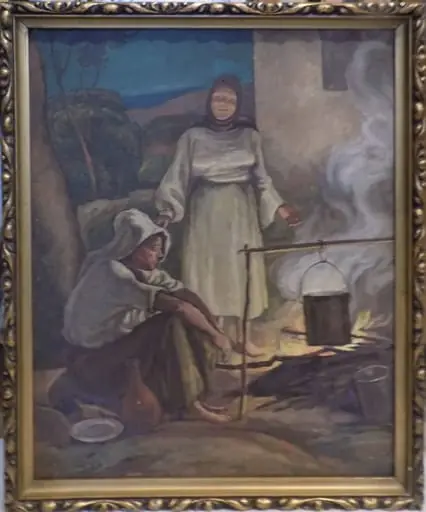 Țărănci
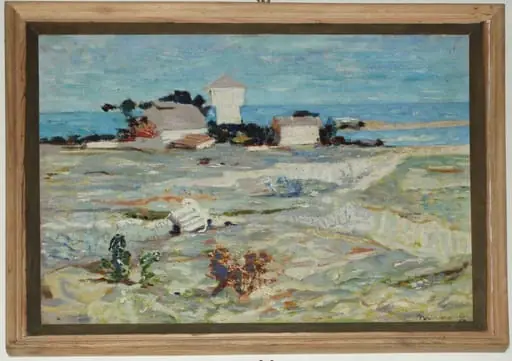 Peisaj marin (Mangalia)
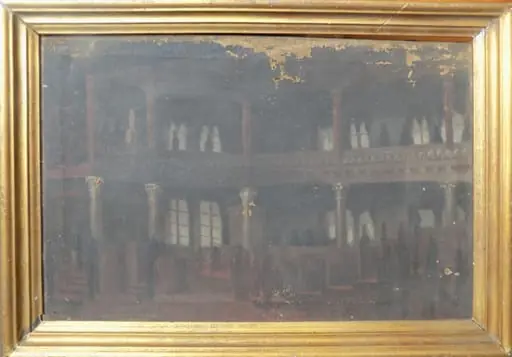 Sala Senatului
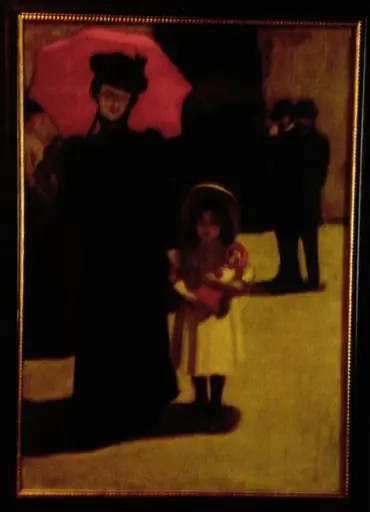 La plimbare
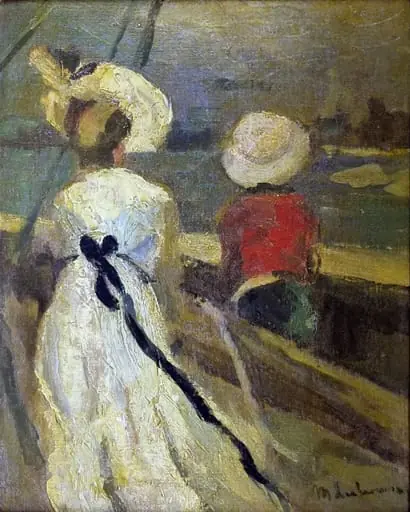 Femeie și copil în barcă
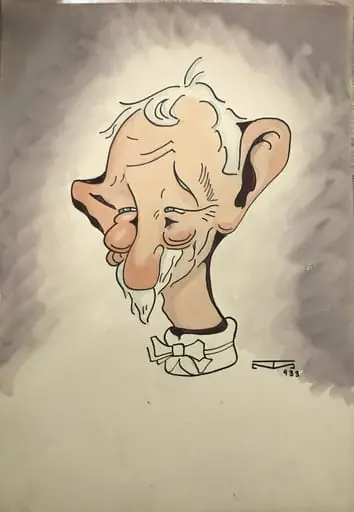 Mareșalul Averescu
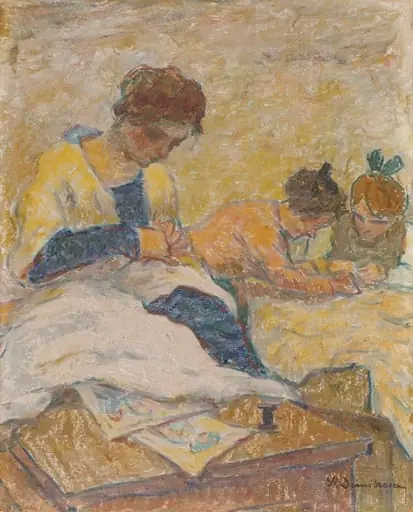 Interior cu personaje
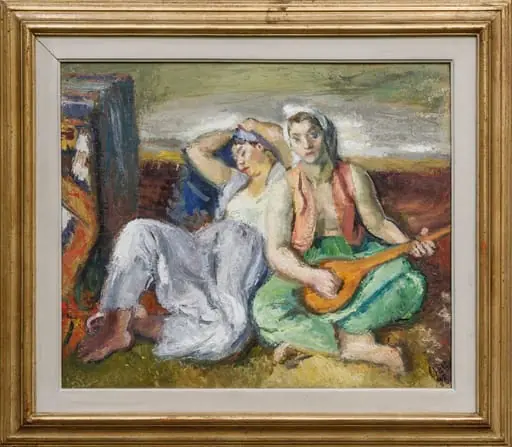 Interior cu două tătăroaice
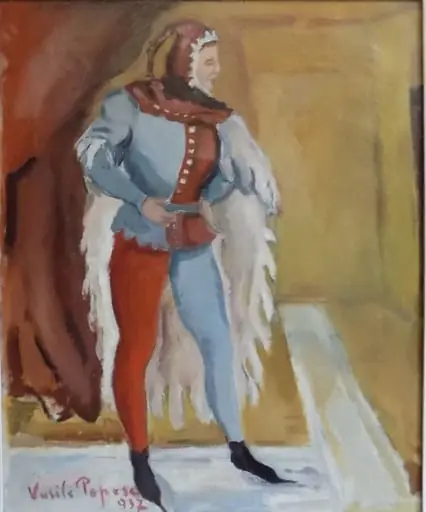 Arlechinul
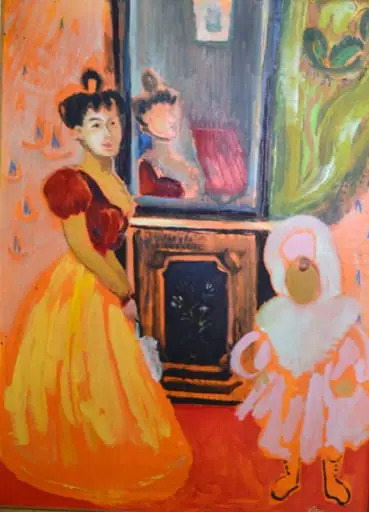 Mama
Mama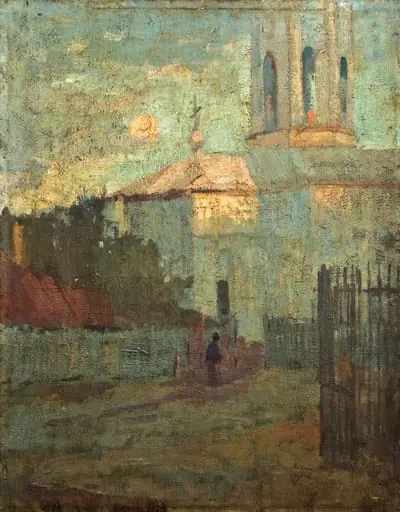 Bis(erica) Popa Tatu
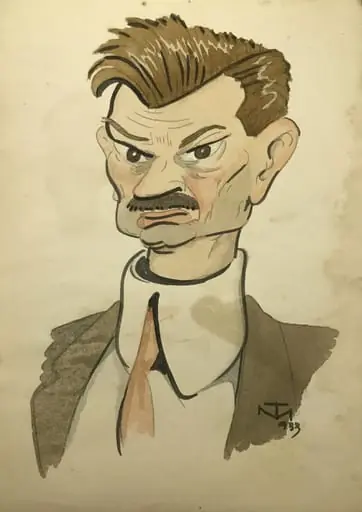 Iuliu Maniu/Dem Dobrescu (verso)
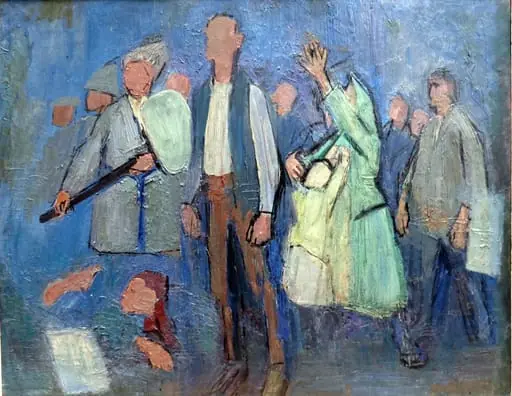 Demonstrație 1907
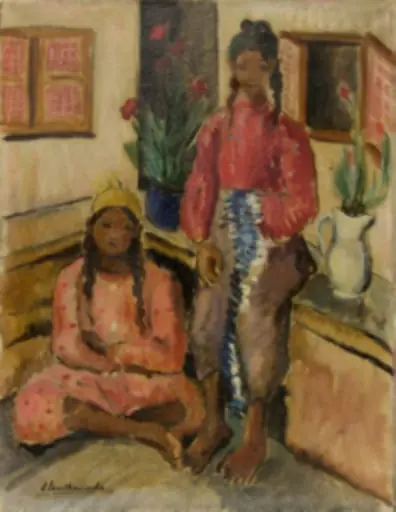 Tătăroaice
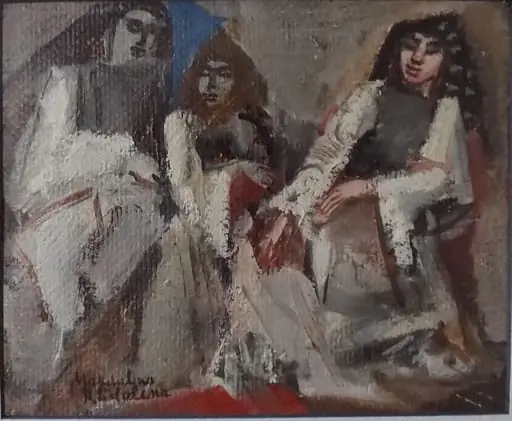 Compoziție
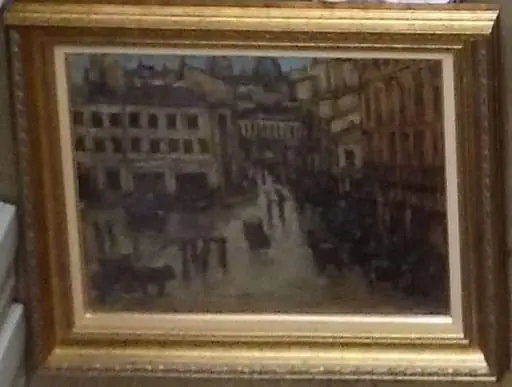 Cal.(-ea) Victoriei
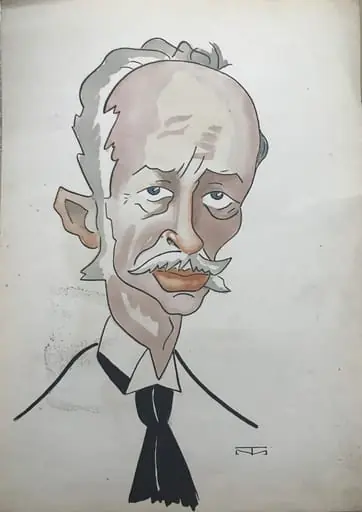 Lascăr Catargiu
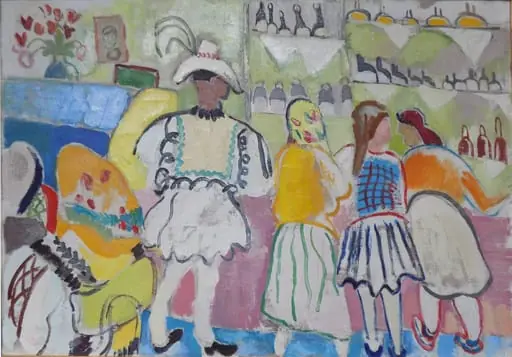 Cofetărie la Putna
Frequently asked questions
What is Character?
Character is a subject in art. A character is a person or being in a narrative (such as a novel, play or film).
How many Character works does Artifact World Gallery have?
Artifact World Gallery holds 119 public-domain Character works, all free to view and download.
Who are the key Character artists?
Key Character artists in the collection include Jean François Millet, Max Liebermann and Alexandre Calame.
Where can I see Character works?
Character works in the collection are held by Bucharest Municipality Museum, National Museum of Art of Romania and Visual Art Museum Galați.