Subject
Delta
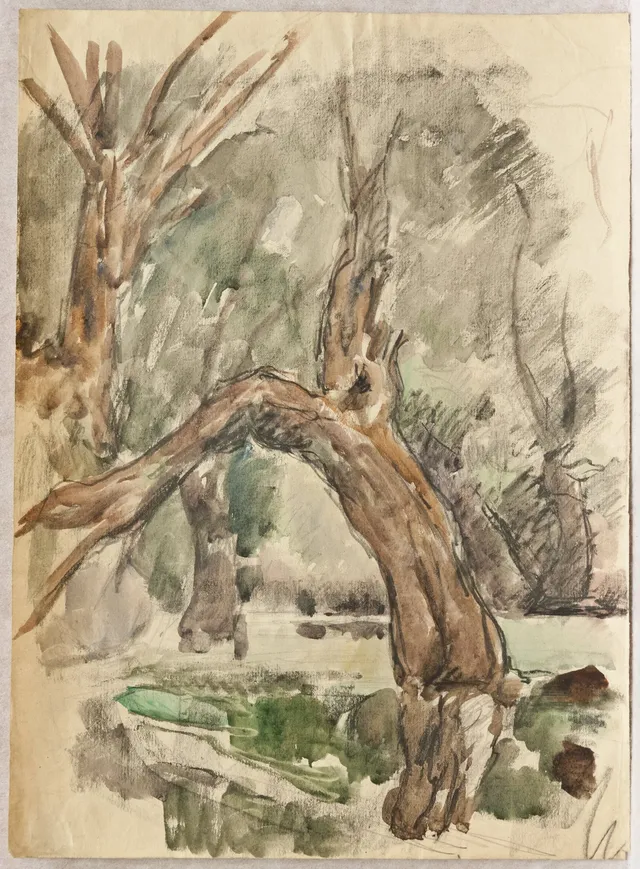
Delta is a subject in art. The gallery holds 26 works in this subject in art, including works by Constantin Găvenea, Rodica Maniu and Podoleanu Adrian.
Delta is an Old World genus of potter wasps with species predominantly distributed through tropical Africa and Asia. Some species are present in the Palearctic region, and a few have been introduced in the Nearctic and Neotropical regions.
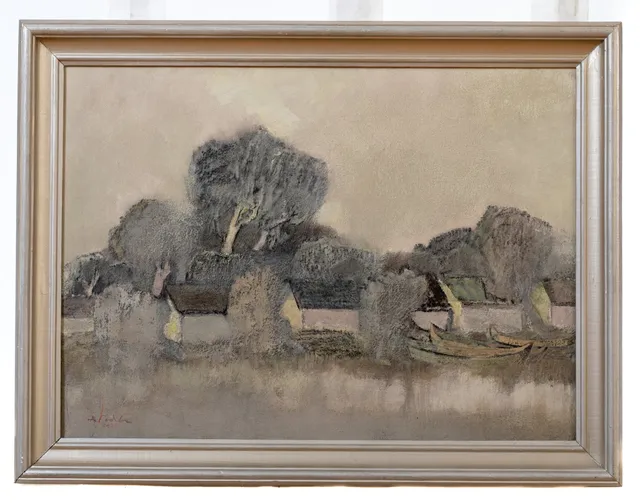
Key artists
Overview
Delta is a genus of Old World potter wasps that has been depicted in 31 works within the collection. The genus belongs to the family Vespidae and is characterized by a long metasomal petiole, a feature shared with related genera Eumenes and Zeta. Species within this genus are predominantly distributed through tropical Africa and Asia, with some presence in the Palearctic region and introductions in the Nearctic and Neotropical regions. The collection features Delta in works such as Pe faleză, Lacul Ciuperca, Bărci, Copaci în deltă, Peisaj cu bărci, Delta, Peisaj, Peisaj din deltă-Calica, Dimineața în deltă, and others, suggesting the motif appears primarily in landscape contexts rather than as scientific illustration of the insect itself.
Iconography & meaning
The delta motif in art carries multiple layers of meaning depending on context. Geographically, a delta represents the triangular landform created where a river deposits sediment as it enters a slower-moving body of water, symbolizing fertility, transition, and the meeting of elements. The Nile Delta, for instance, has served as a breadbasket and supported ancient civilizations, making it a symbol of abundance and the enduring relationship between humanity and riverine landscapes. In the context of the collection's works, Delta appears as a landscape subject, evoking the marshy, water-rich environments of river mouths. The genus Delta, as a potter wasp, carries additional associations with craftsmanship and natural architecture, given these wasps' reputation as masons that construct mud nests. The dual meaning, geographic and biological, creates a rich field for artistic interpretation, though the collection's works appear to emphasize the landscape dimension over entomological representation.
Across movements & periods
The treatment of delta landscapes in art has evolved considerably across movements and periods, though the sources provide limited direct information about the specific movements represented in this collection. More broadly, deltaic landscapes have attracted artists from Romanticism through Impressionism and into modern regional schools. The Romantic period emphasized the sublime power of nature, with delta marshes and wetlands offering opportunities to depict vast, untamed wilderness. Impressionist and post-Impressionist painters were drawn to the unique light conditions of flat water landscapes, where sky and water merge in shifting atmospheric effects. The collection's works with titles like Dimineața în deltă (Morning in the Delta) suggest an interest in precisely these transient light effects. In Eastern European art particularly, the Danube Delta became a significant subject for landscape painters in the late nineteenth and early twentieth centuries, as artists sought to document regional character and natural beauty. The biological genus Delta, by contrast, has rarely served as a primary artistic subject, though natural history illustration of the nineteenth century sometimes featured such wasps in scientific publications.
Notable depictions
Within the collection, notable depictions include the directly titled Delta and Dimineața în deltă (Morning in the Delta), which appear to be canonical treatments of the subject. The specific artists for these works are not identified in the available sources. Beyond the collection, the most significant delta-related artistic and engineering achievement is the Delta Works in the Netherlands, recognized as one of the Seven Wonders of the Modern World by the American Society of Civil Engineers. This massive flood-control project, completed in 1986, shortened the vulnerable Dutch coastline by 700 kilometers and has itself become a subject of documentary and landscape photography. The Oosterscheldedam, the last and most technically sophisticated barrier dam, stretches 2.8 kilometers across three channels and features adjustable gates that allow tidal flow under normal conditions. The Delta Flight Museum in Atlanta, Georgia, while unrelated to landscape art, preserves aviation history including Delta Ship 41, a faithfully restored Douglas DC-3, and The Spirit of Delta, the company's first Boeing 767. These engineering and preservation achievements, while distinct from fine art depictions, demonstrate the broad cultural significance of Delta as a named entity across multiple domains.
Legacy
The legacy of delta as an artistic subject endures through its continued presence in landscape traditions and its expansion into new media and contexts. The collection's 31 works preserve a significant visual record of deltaic environments, contributing to the documentation of regional landscapes and their ecological characteristics. The Delta Works in the Netherlands have achieved iconic status as symbols of human ingenuity in confronting natural forces, attracting visitors from around the world to the Storm Surge Barrier and associated educational facilities at Neeltje Jans. The Oosterscheldekering, sometimes called an eighth wonder of the world by Dutch citizens, has been closed 25 times since its completion in 1986, demonstrating its ongoing protective function. In aviation history, the Delta Flight Museum preserves corporate and technological heritage, with its 2014 public opening and 2011 designation as a Historic Aerospace Site ensuring continued accessibility. The museum's centennial renovation in 2025 reflects sustained institutional commitment to this legacy. The biological genus Delta maintains its scientific significance through continued taxonomic study, with species such as Delta unguiculata, the large mason wasp of 20-25 millimeters with yellow and black coloring, remaining subjects of entomological research. Across these domains, Delta persists as a marker of boundary conditions, whether ecological, geographical, or technological.
Works
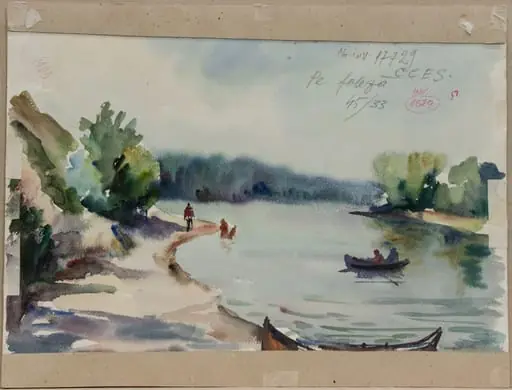 Pe faleză
 Lacul Ciuperca
 Bărci
Bărci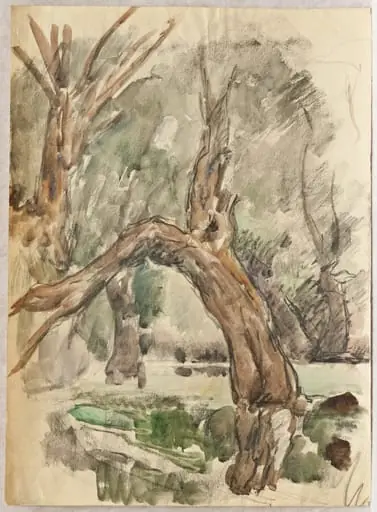 Copaci în deltă
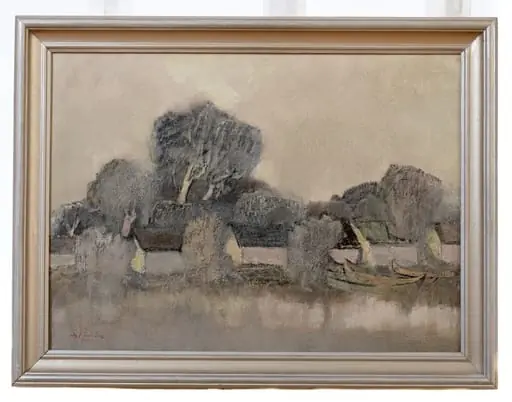 Peisaj cu bărci
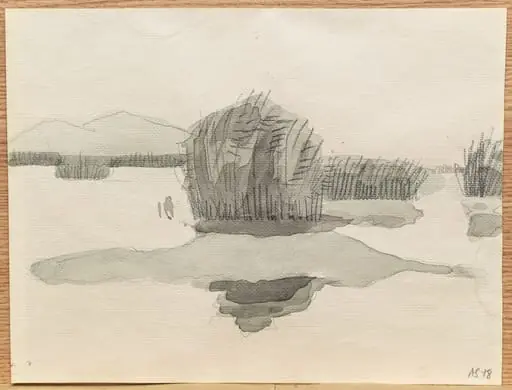 Delta
Delta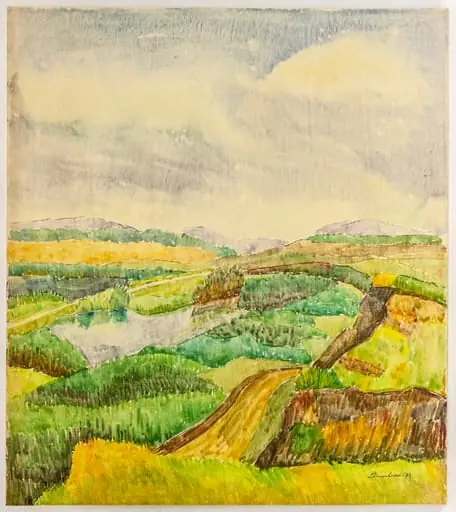 Peisaj
 Peisaj din deltă-Calica
 Delta
Delta Dimineața în deltă
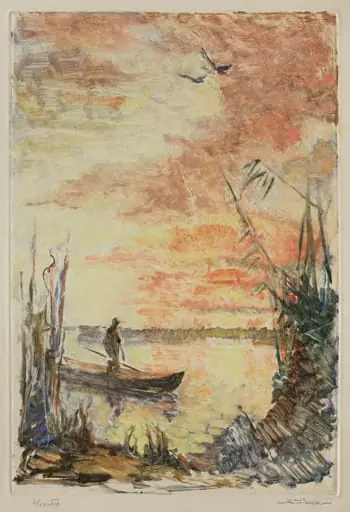 Pe înserat în Deltă
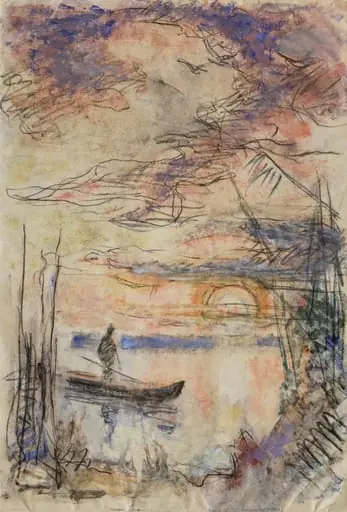 Pe înserat in Deltă
 Calica II
 Peisaj din deltă
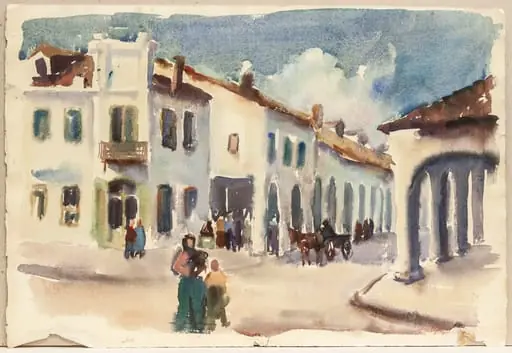 verso: Peisaj cu bărci
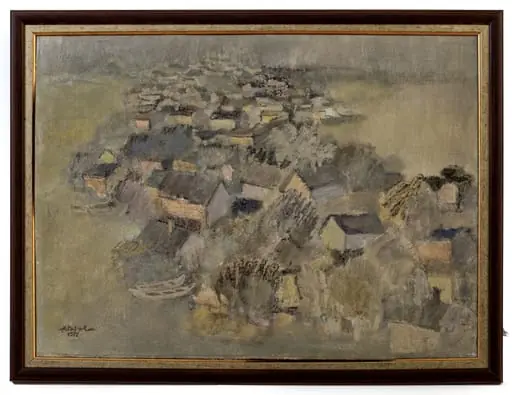 Lacustră
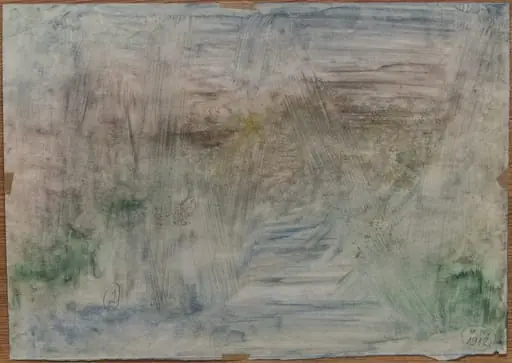 Delta
Delta Barcaze pe Dunăre
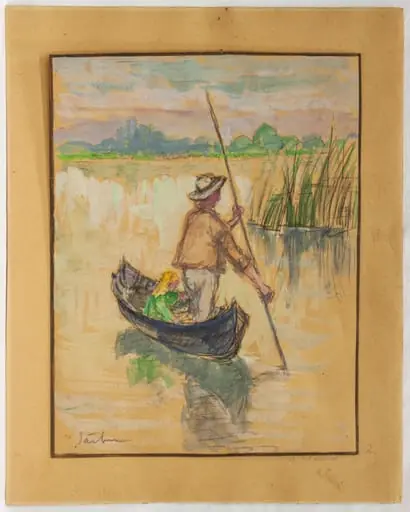 La sat acasă
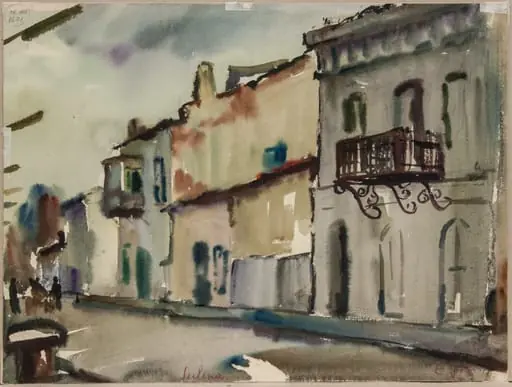 Toamna în deltă
 Delta VI – Dunărea mare. Păsări părelnice-n lumina sonoră
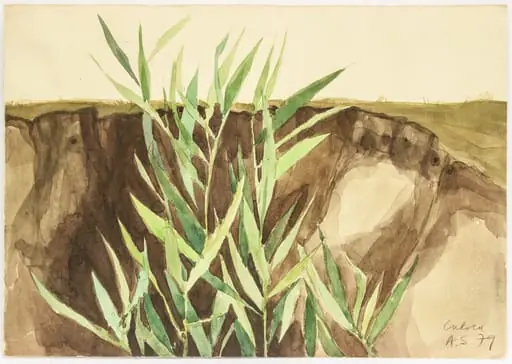 Calica I
 Peisaj de baltă
 Iazurile la Calica
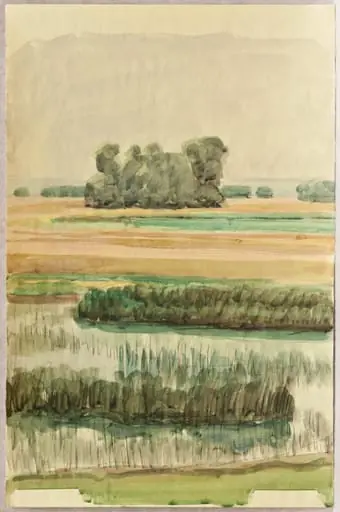 Peisaj de deltă
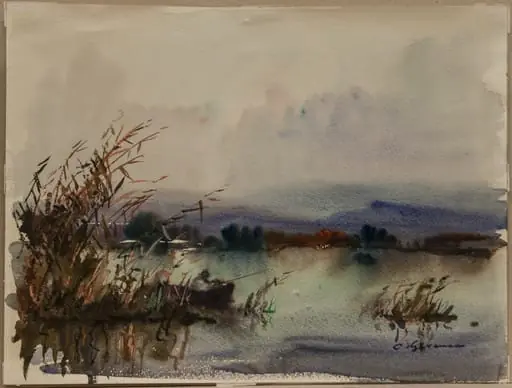 Peisaj deltă
Frequently asked questions
What is Delta?
Delta is an Old World genus of potter wasps with species predominantly distributed through tropical Africa and Asia.
How many Delta works does Artifact World Gallery have?
Artifact World Gallery holds 26 public-domain Delta works, all free to view and download.
Who are the key Delta artists?
Key Delta artists in the collection include Constantin Găvenea, Rodica Maniu and Podoleanu Adrian.
Where can I see Delta works?
Delta works in the collection are held by Gavrila Simion Eco-Museum Research Institute Tulcea, Moldova National Museum Complex and National Museum of Art of Romania.