Subject
Roof
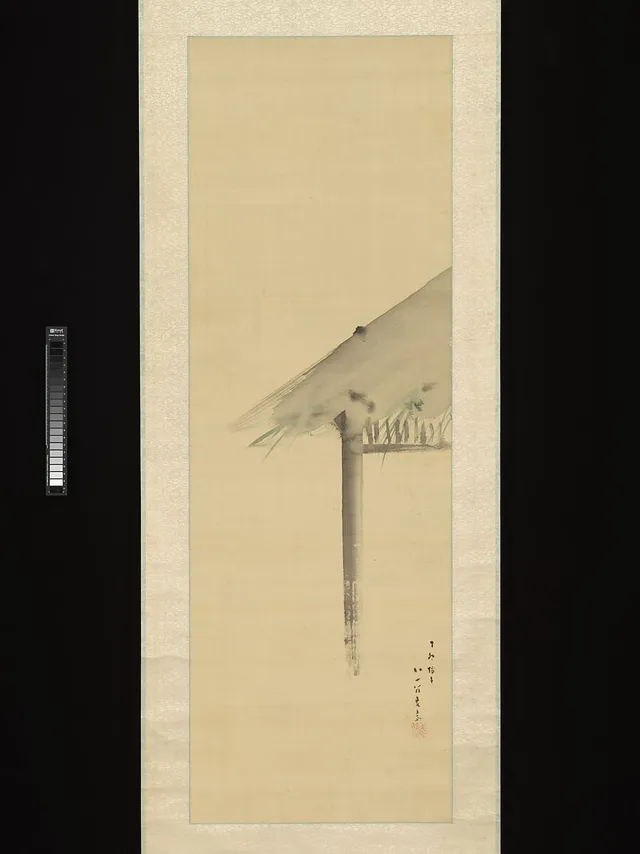
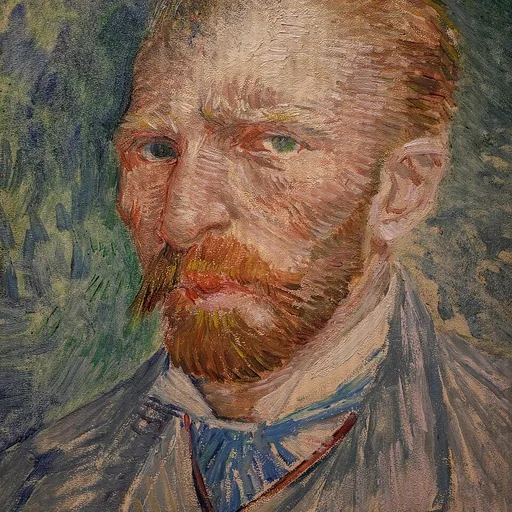
Roof is a subject in art. The gallery holds 75 works in this subject in art, including works by Vincent van Gogh, F.M.E. Fabritius de Tengnagel and Edvard Munch.
As a building's crowning element, the roof is among the most ancient subjects of representation, but as a self-conscious artistic *theme*—the roofscape, a composition built around the geometry of tiled, slated, and gabled tops seen in aggregate—it is largely a creation of the modern city. Roofs appear incidentally throughout Western art: in the steep red gables of Netherlandish townscapes, in Vermeer's *View of Delft* (c. 1660–61), where sunlit and shadowed roofs orchestrate the whole panorama, and across East Asian painting, where the sweeping ceramic-tiled eaves of palaces and temples are rendered with calligraphic precision, as in the work of the Japanese master Kikuchi Yōsai (1781–1878). In each case the roofline registers place, climate, and craft—the material logic of building under rain, snow, and sun.
The roof became a subject in its own right in nineteenth-century Paris, transformed by Baron Haussmann's reconstruction and by new elevated vantage points. The Impressionists, painting from upper-storey windows and balconies, discovered that the city's grey zinc and slate roofs offered an abstract, almost geometric field for studying light and weather. Gustave Caillebotte (1848–1894), trained in engineering, made the definitive statement with *Vue de toits (Effet de neige)* (1878, Musée d'Orsay), a near-monochrome study of snow-laden Montmartre rooftops shown at the fourth Impressionist exhibition in 1879. Claude Monet's *Boulevard des Capucines* (1873–74), painted from the photographer Nadar's balcony—site of the first Impressionist exhibition—shares this downward, roof-level gaze.
Vincent van Gogh took up the motif on arriving in Paris in 1886, painting several views from the apartment he shared with his brother Theo on the rue Lepic. Our *Rooftops in Paris* (National Gallery of Ireland) belongs to this group: a low horizon, an expanse of grey sky, and subdued colour that reveal how rooted he still was in the Dutch Realist tradition, months before Gauguin and Bernard pushed him toward heightened colour and impasto.
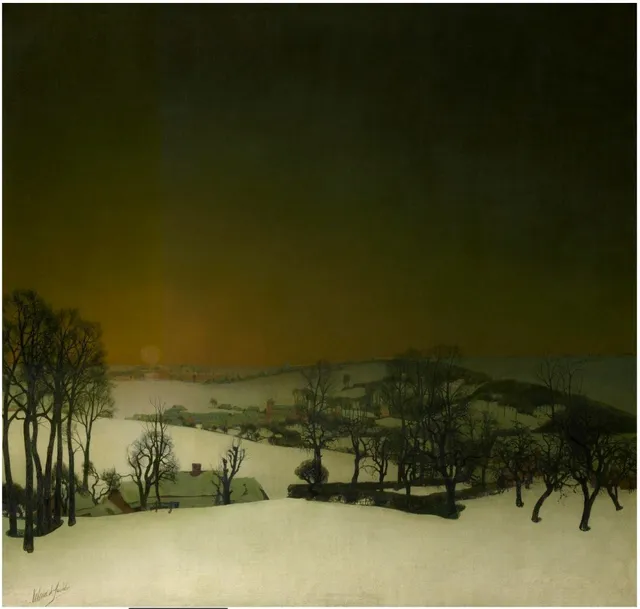
The roofscape thread runs on through Northern landscape and Symbolism—Edvard Munch's *Landscape from Kragerø*, Valerius de Saedeleer's snow-stilled Flemish villages, and the Brussels vedute of Jean-Baptiste Degreef—where clustered roofs anchor a town in its weather and season. As both humble shelter and compositional armature, the roof links topographical realism, Impressionist urban observation, and modern abstraction's love of the flat, patterned plane.
Key artists

Overview
A roof is the top covering of a building, encompassing all materials and constructions necessary to support it on the walls or uprights. As part of the building envelope, its primary function is to provide protection against rain, snow, sunlight, temperature extremes, and wind. In art, the roof recurs as a subject because it defines the silhouette of human habitation and shapes the visual character of the built environment. Its characteristics depend on the purpose of the building, available materials, local construction traditions, and broader architectural design, making it a potent visual marker of geography, climate, and culture.
Iconography & meaning
Beyond its practical function, the roof carries symbolic and aesthetic meaning. In certain traditions, it embodies symbolic ideas of the universe, as seen in the stacked tiers of Chinese pagodas or the sculptural compositions of Far Eastern temples. In Western ecclesiastical architecture, roofs form sculptural masses of masonry, with clochers and pinnacles reaching toward the sky. The roof also serves as a boundary between interior shelter and exterior exposure, a threshold that artists exploit to explore themes of protection, isolation, or the passage between domestic and public spheres.
Across movements & periods
The treatment of the roof in visual culture has shifted alongside architectural and stylistic developments. Historically, roof shapes were dictated by climate and materials, with steep pitches necessary for thatch in rainy regions and low angles suitable for drier climates. The 13th to 16th centuries saw rapid advancement in construction techniques, shifting from heavy rafter roofs to purlin roofs, and later the mansard roof in the 17th century. The 19th century introduced iron beams, allowing for expansive structures like Paxton's Crystal Palace, while modernism embraced the flat roof for its clean lines and functional design. In art, these shifts allowed painters to move from depicting roofs as generalized regional markers to exploring them as geometric abstractions or subjects of atmospheric study.
Legacy
The roof's evolution from a purely protective covering to an active architectural and artistic element reflects its enduring cultural significance. Modern construction, utilizing reinforced concrete and steel, has dissolved the strict boundary between wall and roof in structures like geodesic domes, while the rise of vegetated roofing redefines the surface as an ecological space. In art, the roof remains a vital motif for examining the intersection of nature and the built environment, continuing to serve as a canvas for exploring spatial boundaries, climatic forces, and the visual identity of human settlement across time.
Works
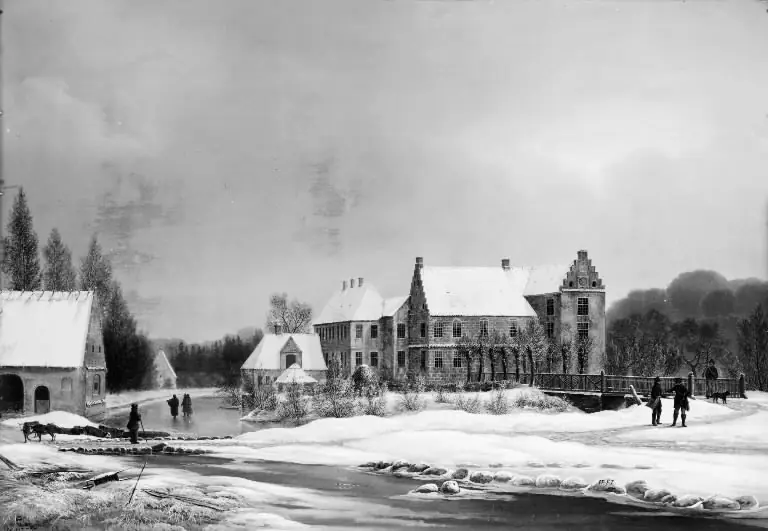 Prospekt af hovedgården Lykkesholm på Fyn. Vinter
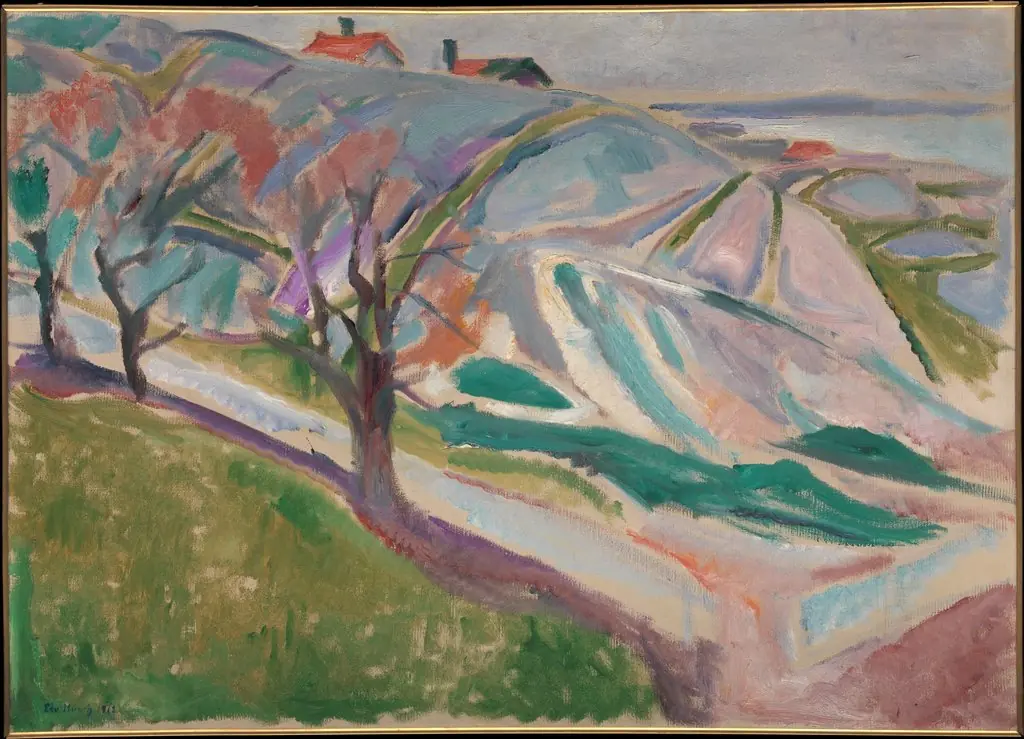 Landscape from Kragerø
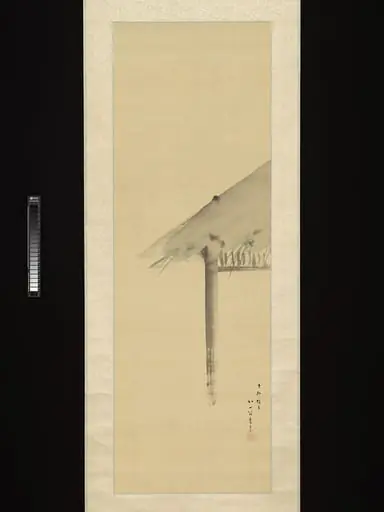 Untitled
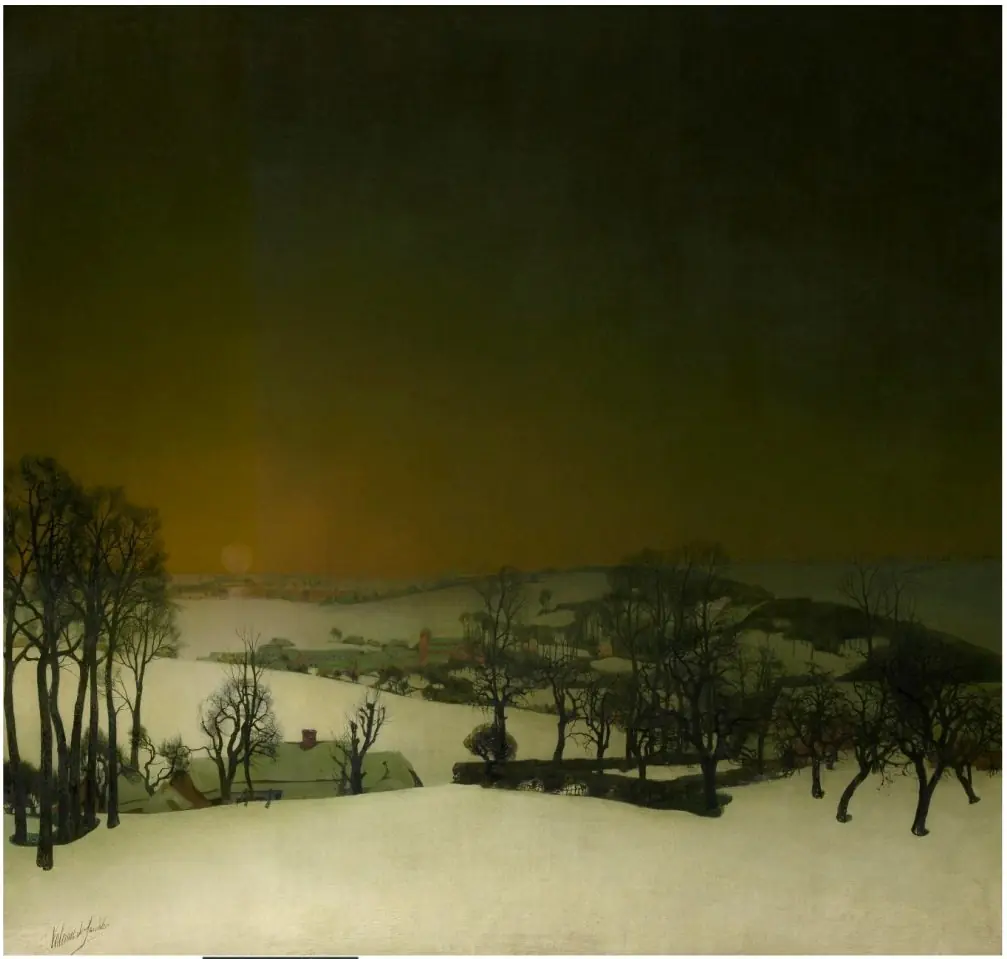 Snow in Flanders
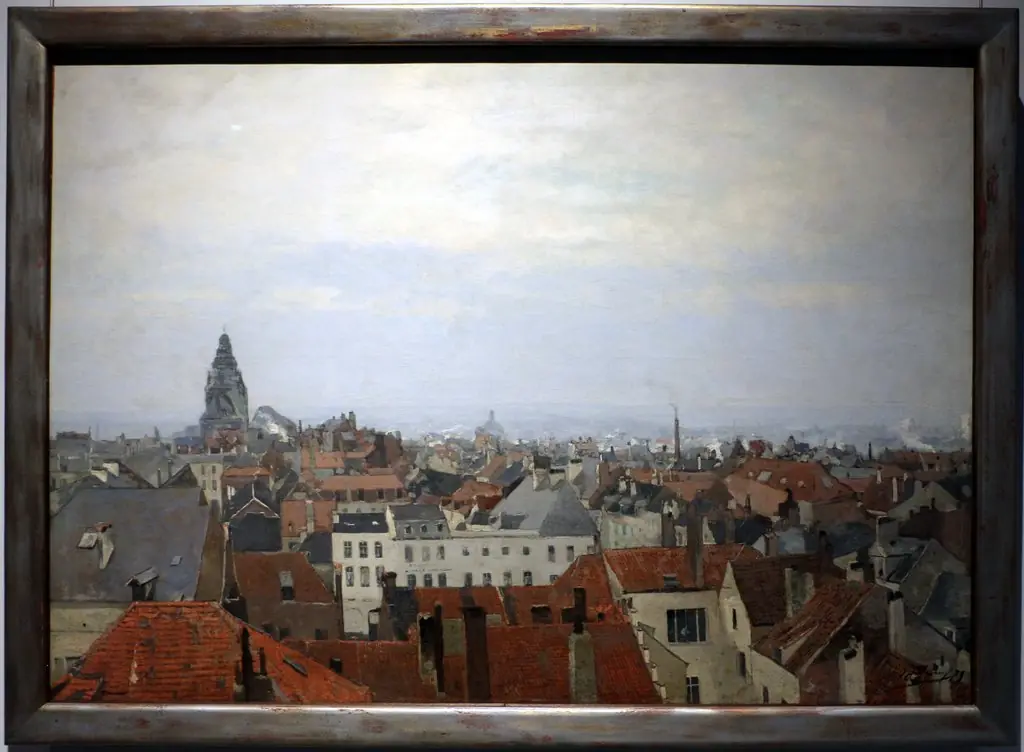 veduta di bruxelles
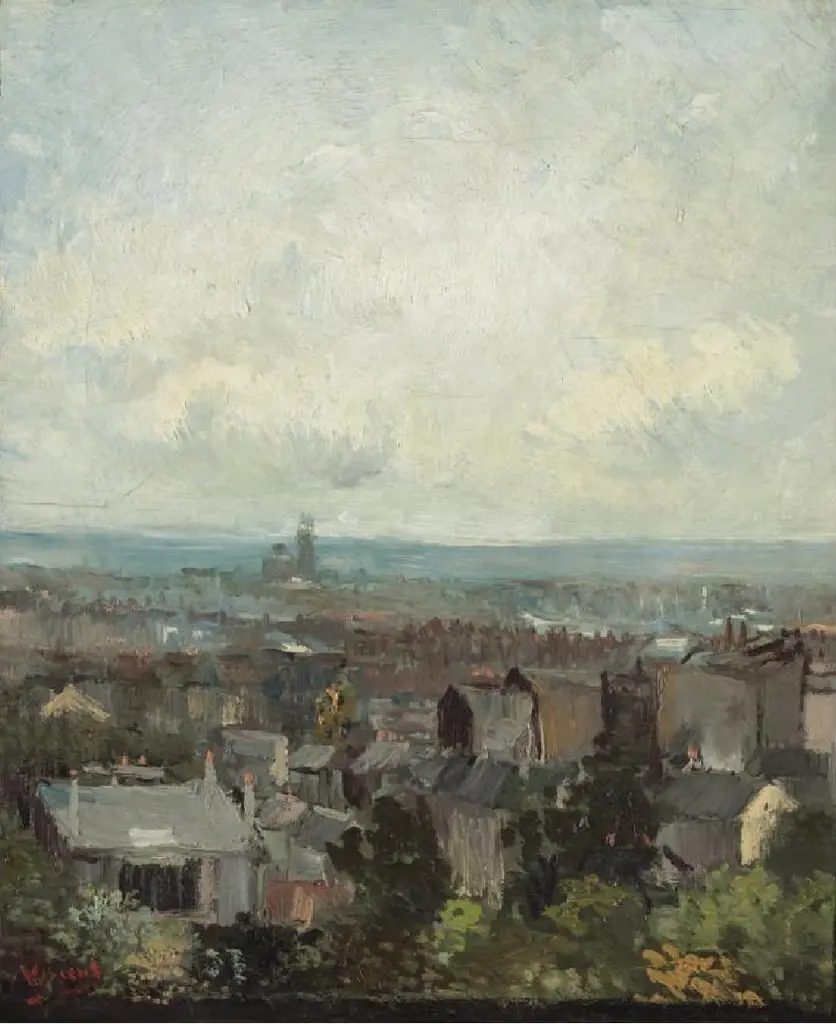 Rooftops in Paris
 冨嶽三十六景 江都駿河町三井見世略図|Mitsui Shop at Surugachō in Edo (Edo Surugachō Mitsui mise ryaku zu), from the series Thirty-six Views of Mount Fuji (Fugaku sanjūrokkei)
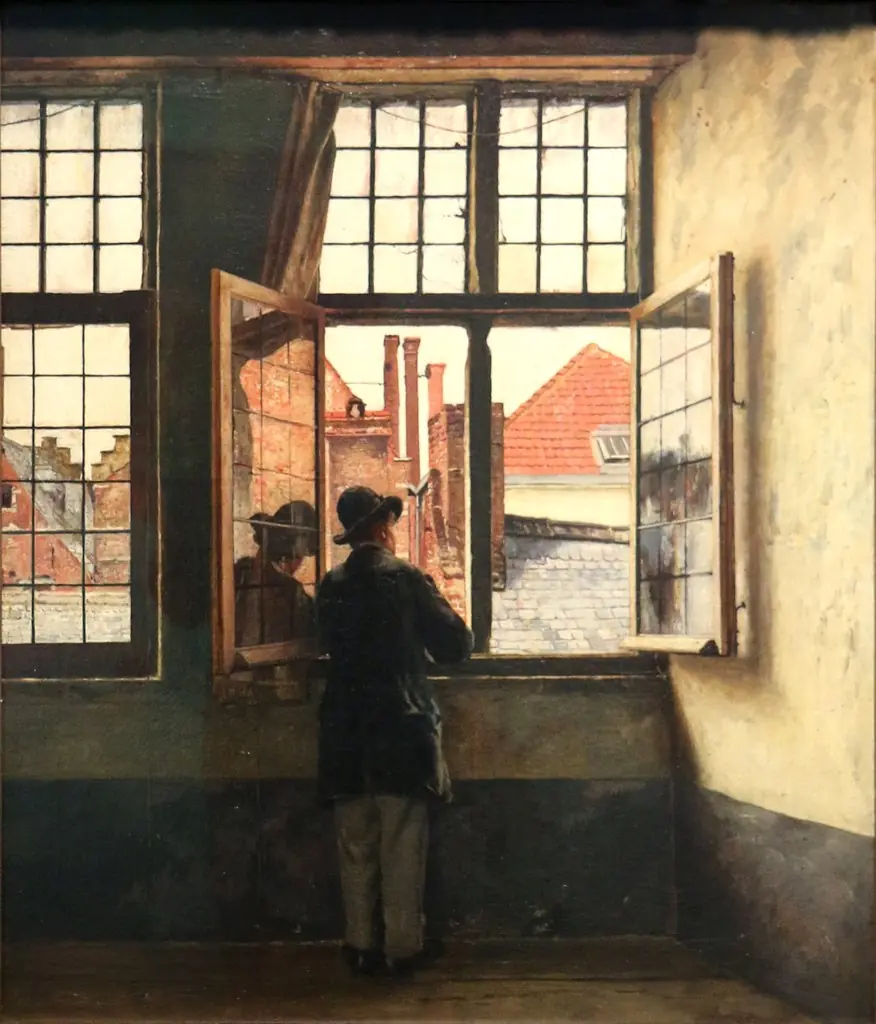 The man at the window
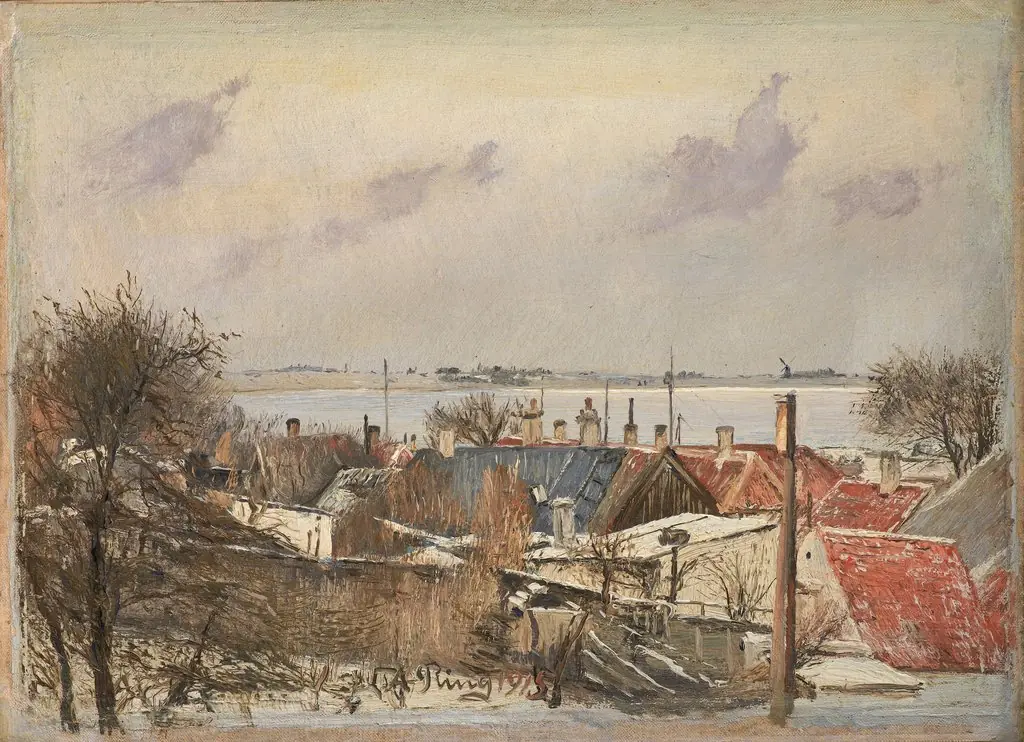 Udsigt over Sankt Jørgensbjerg og Roskilde Fjord. Vinterdag
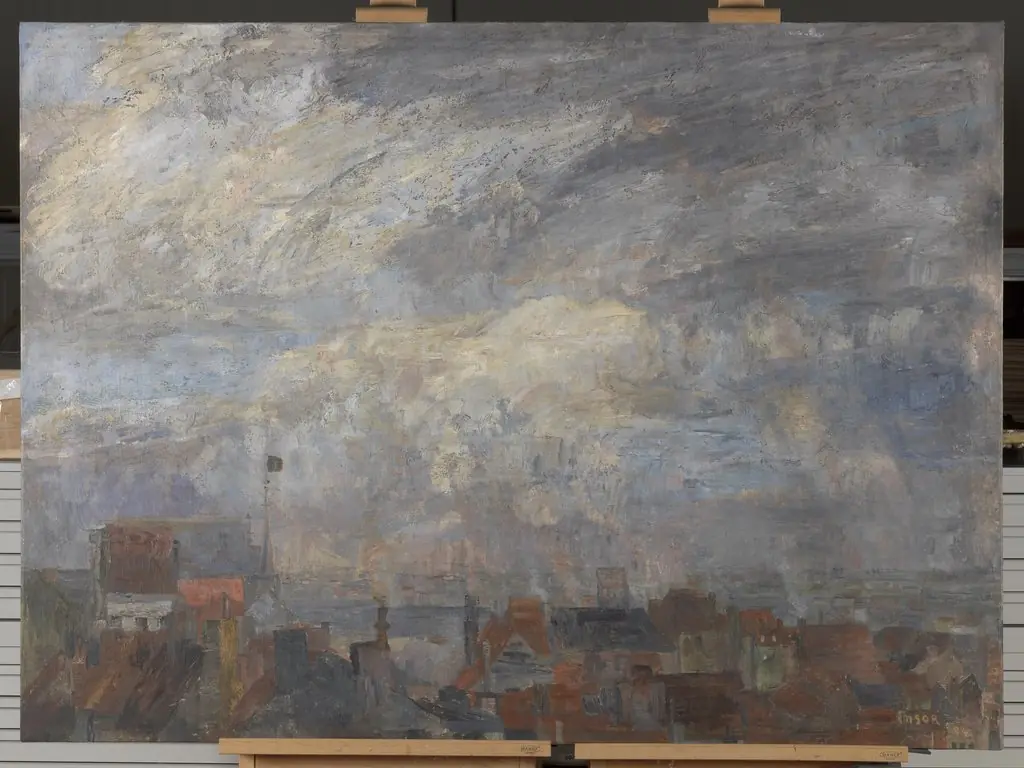 The Rooftops of Ostend
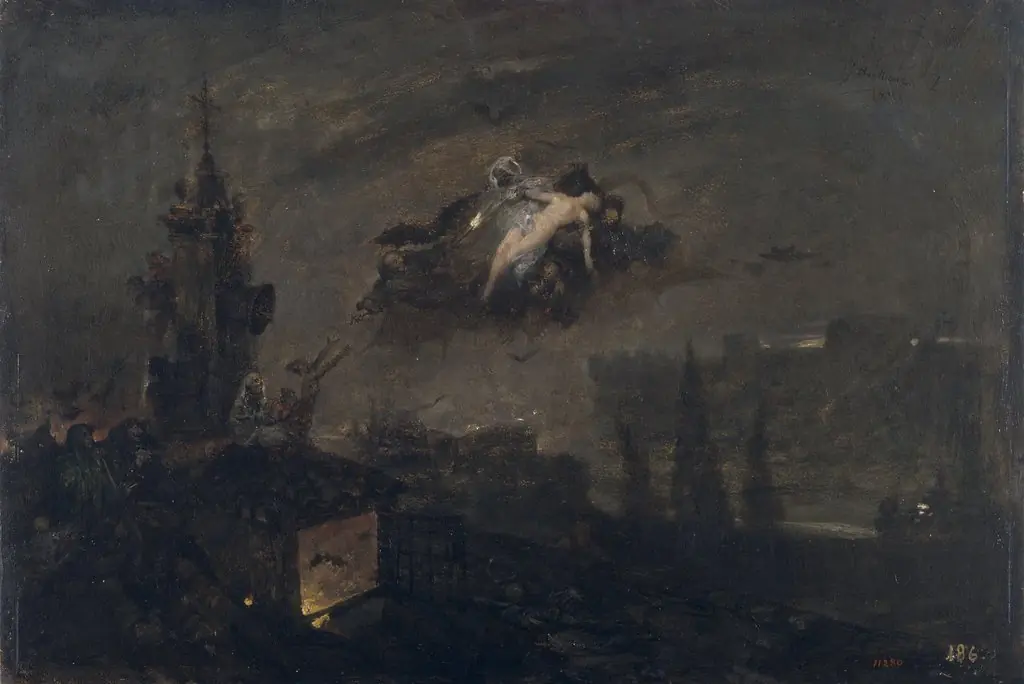 The Witches of the Bell Tower
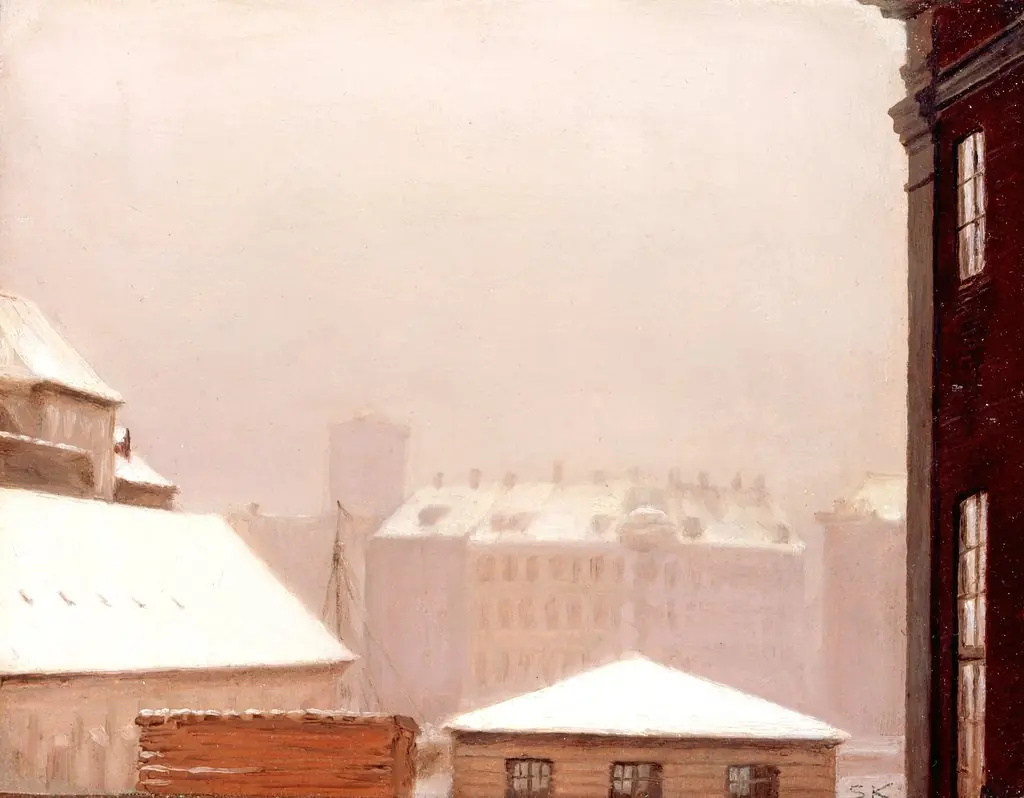 Copenhagen: Roofs Under the Snow
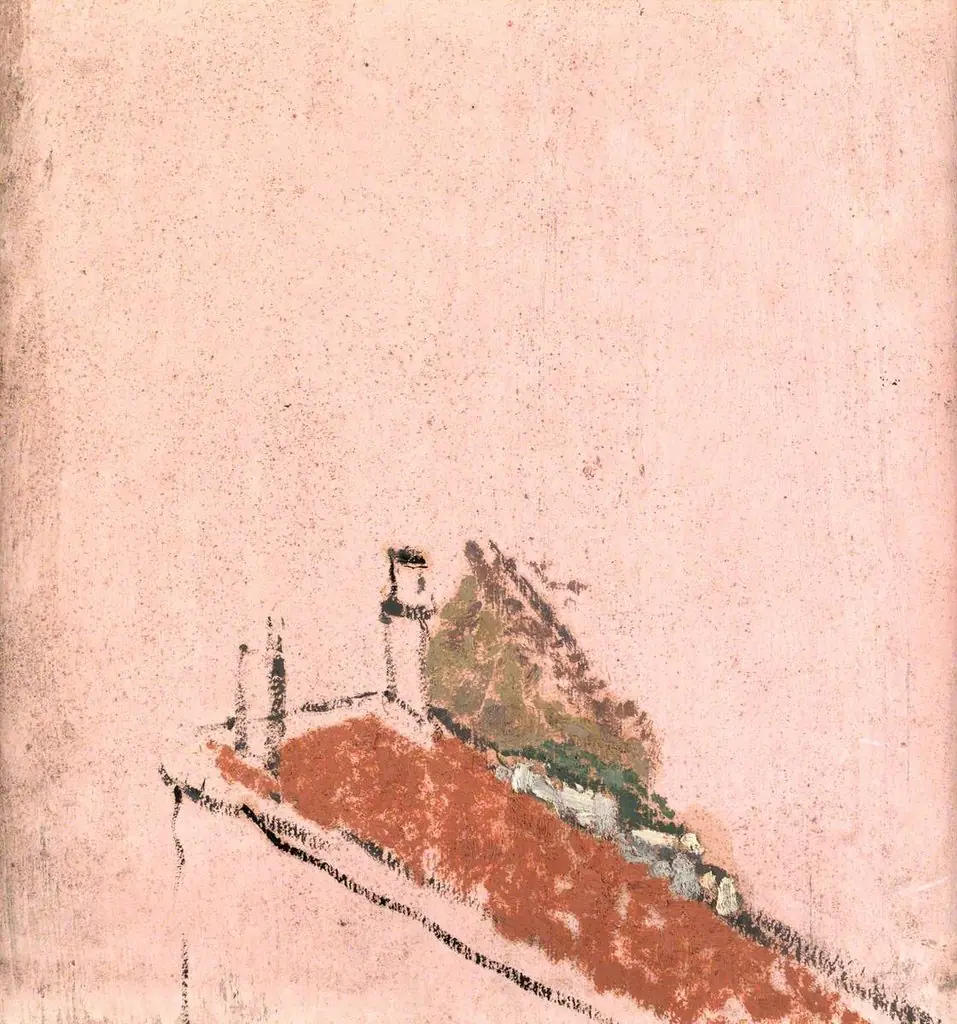 Rooftop: View from the Artist's Studio
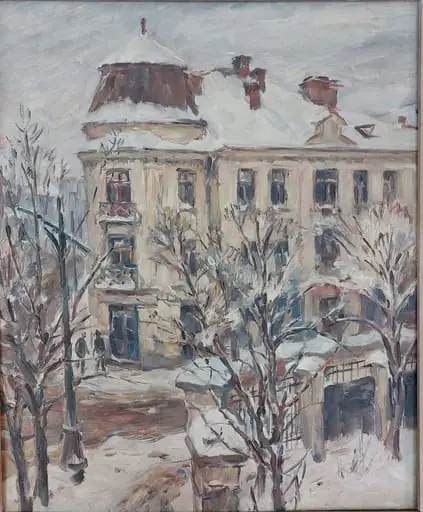 Piața Victoriei
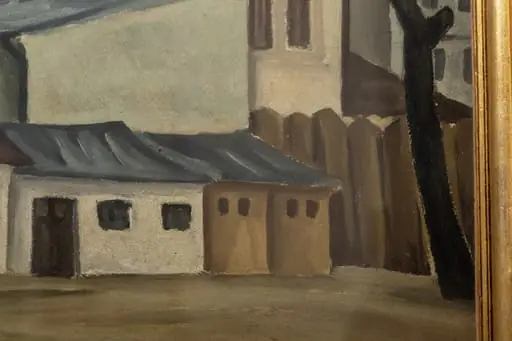 Peisaj urban
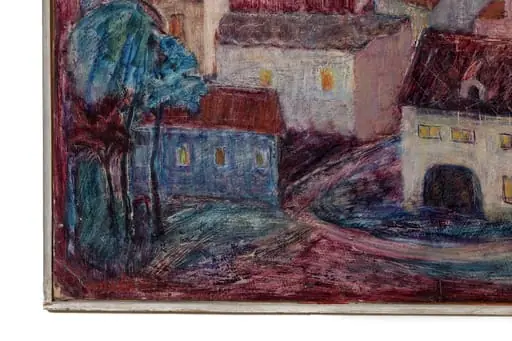 Peisaj urban
 Șcheii Brașovului - strada Cocova de Jos
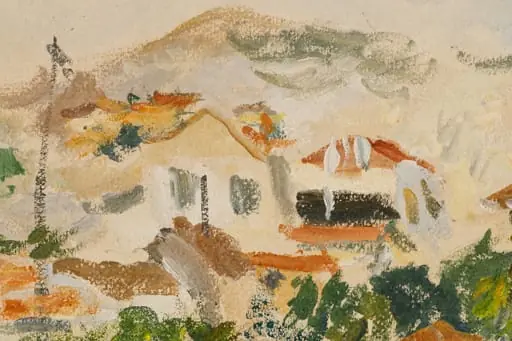 Peisaj. Balcic
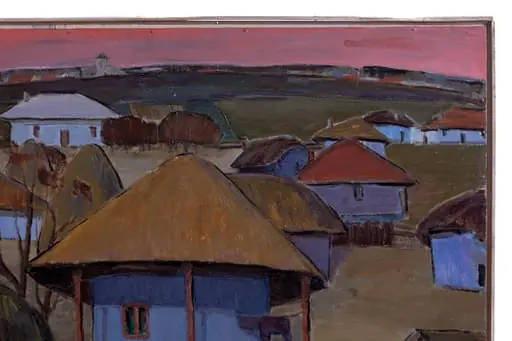 Sat în Moldova
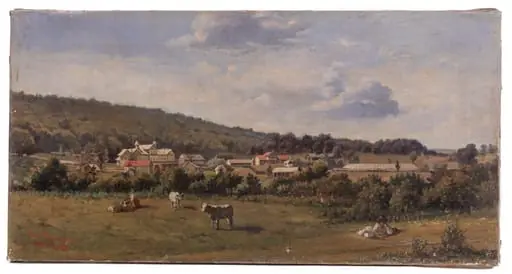 Peisaj
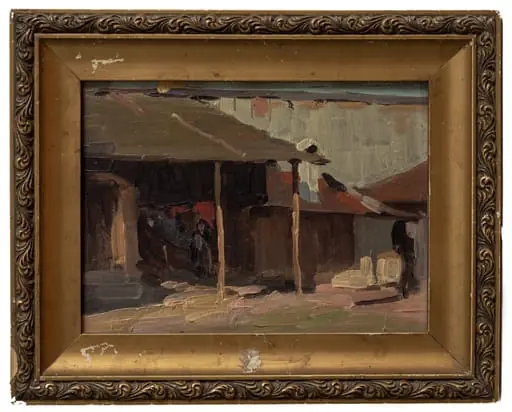 Case la mahala
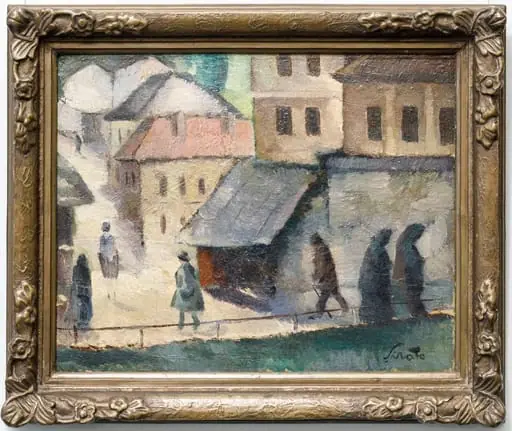 Stradă
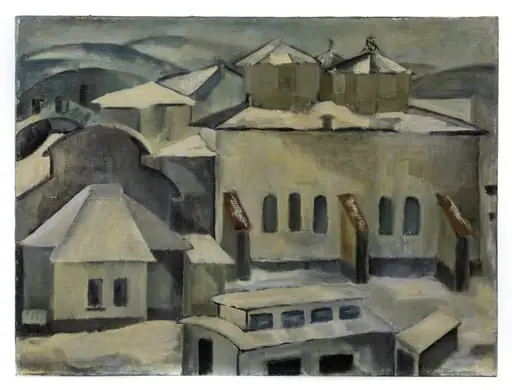 Veche ctitorie Sf. Sava
 Peisaj la Abrud
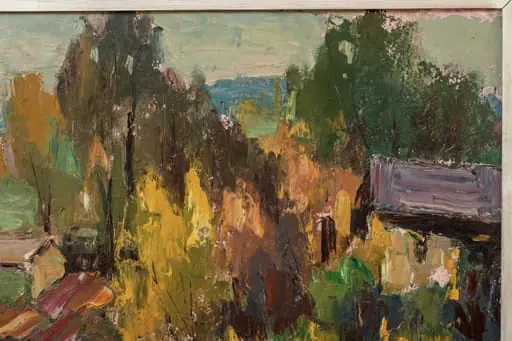 Toamna lângă oraș
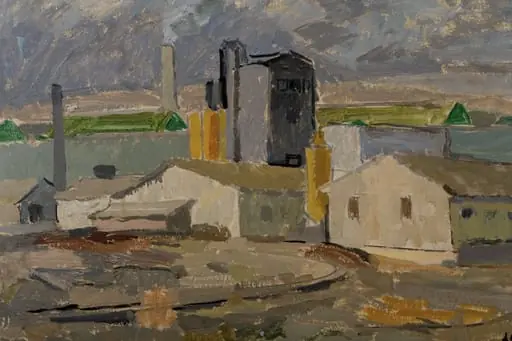 Șantier metalurgic Iași
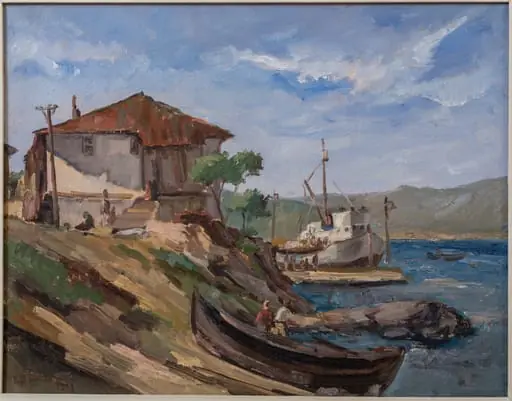 Vedere spre portul Sozopol, 1957
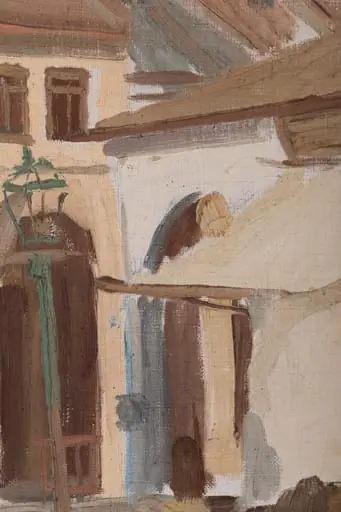 Colț de stradă - Tulcea
 Casă țărănească
 La râu
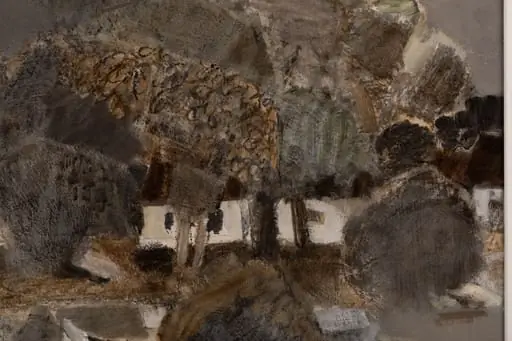 Bărci albe
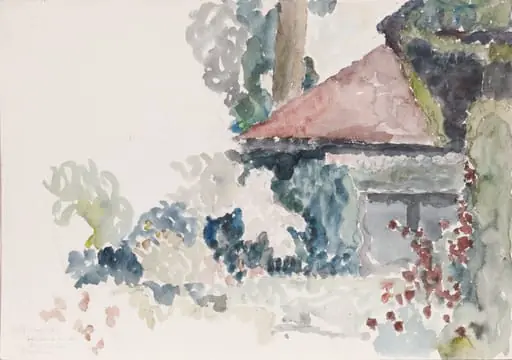 GRĂDINA DIN STRADA ROSMARIN
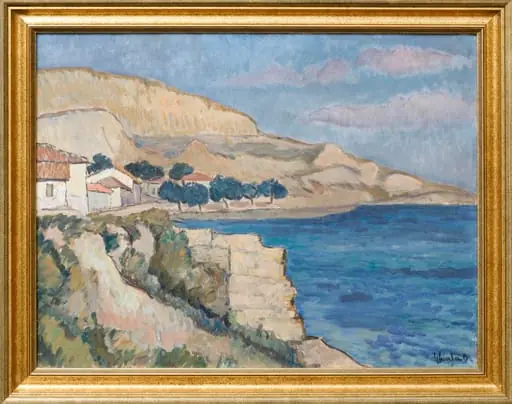 Peisaj la mare
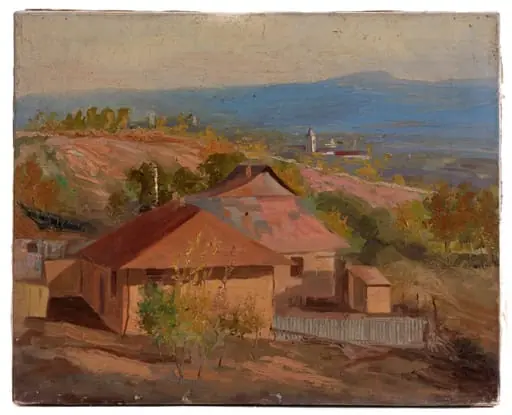 Peisaj
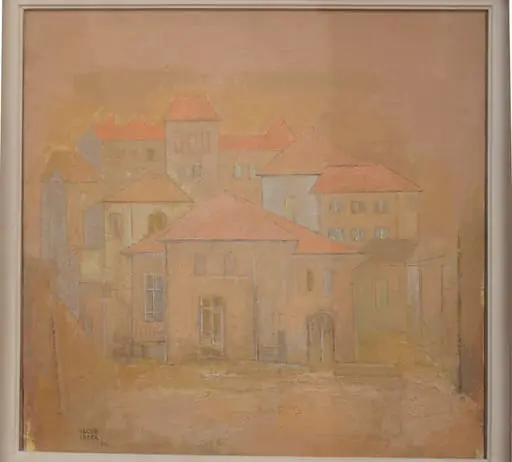 Iarnă
Iarnă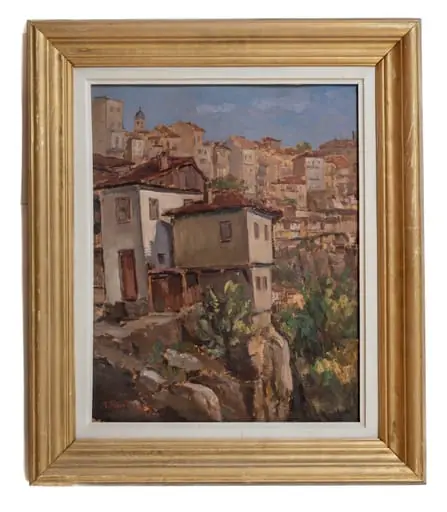 Târgoviște 1957
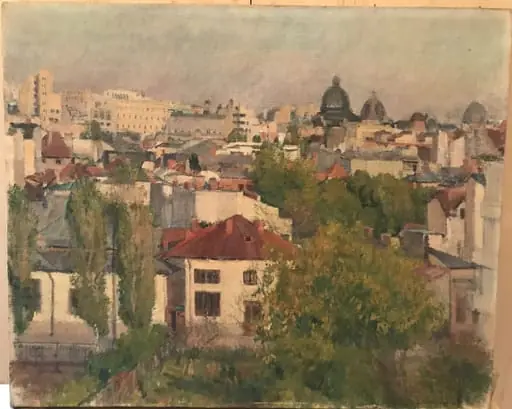 Peisaj din București
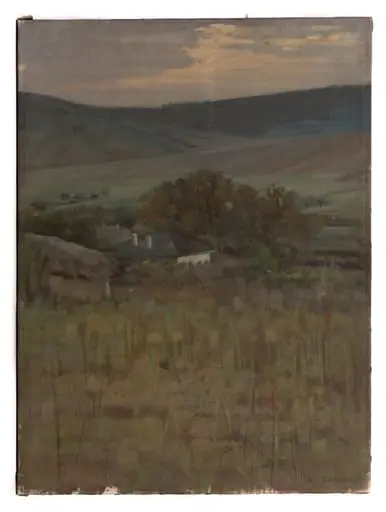 Peisaj din Moldova
 Peisaj ieșean
 Case
Case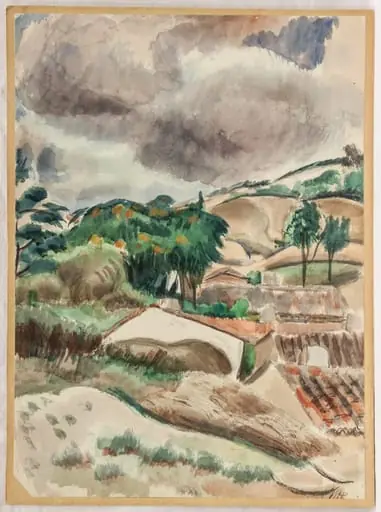 Peisaj dobrogean
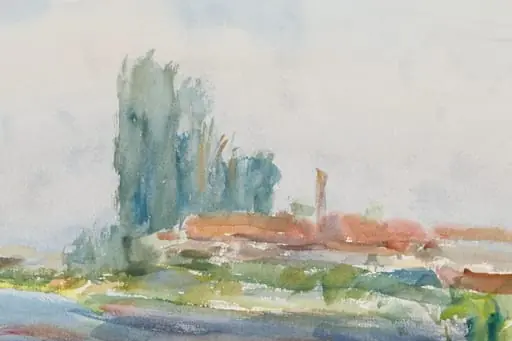 Peisaj cu lac și case
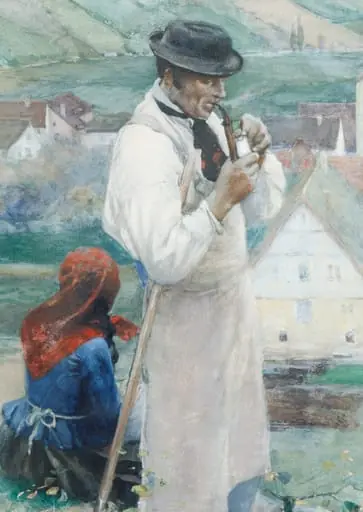 La câmp
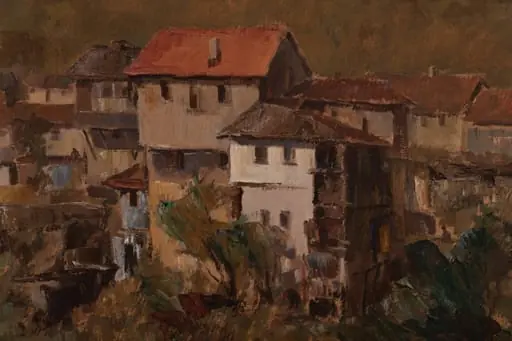 Case din Târnovo
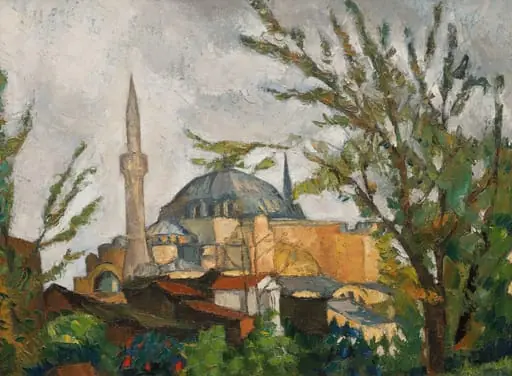 Aja Sofia. Constantinopol
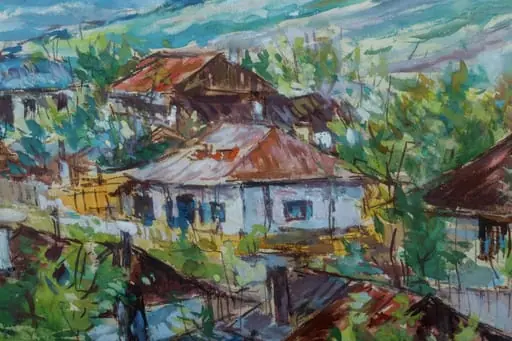 Peisaj
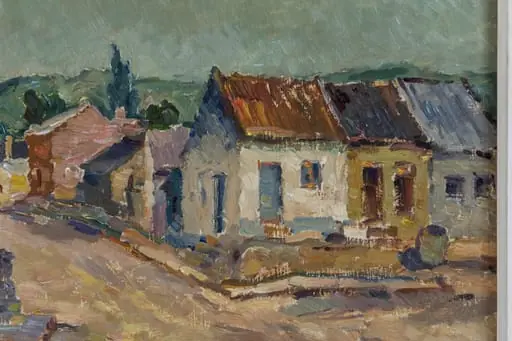 Peisaj din Huși
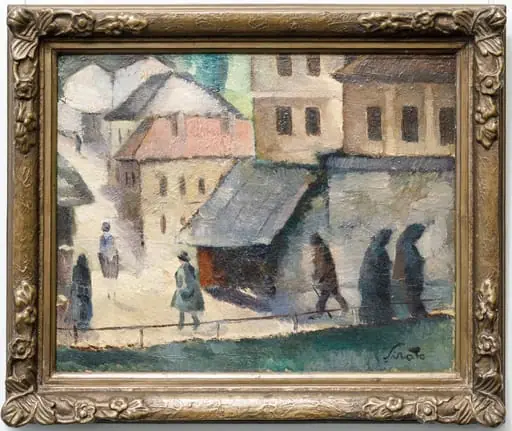 PEISAJ (STRADĂ)
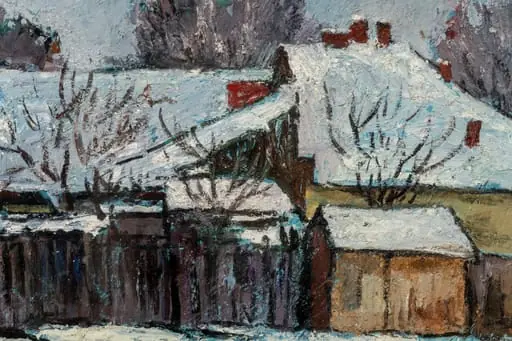 A bătut iarna la poartă
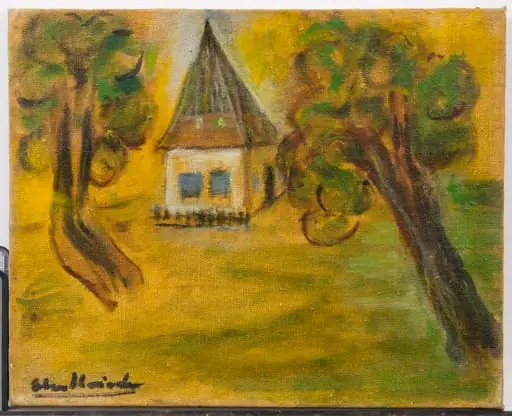 Casă la Muzeul Satului
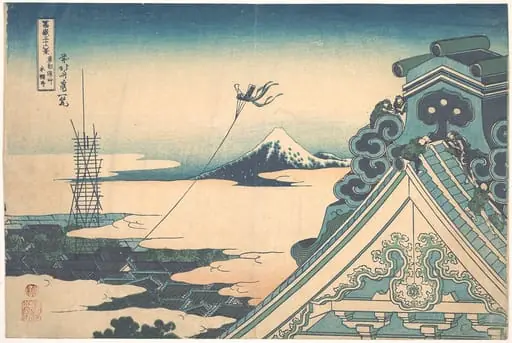 冨嶽三十六景 東都浅草本願寺|Honganji at Asakusa in Edo (Tōto Asakusa Honganji), from the series Thirty-six Views of Mount Fuji (Fugaku sanjūrokkei)
 Ulița Kiril Nektariov din Plovdiv
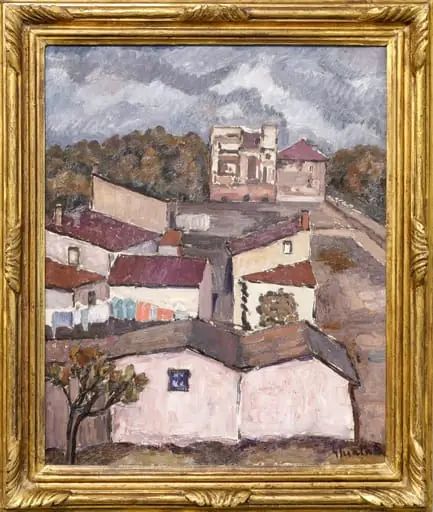 Piața Sfântul Ștefan
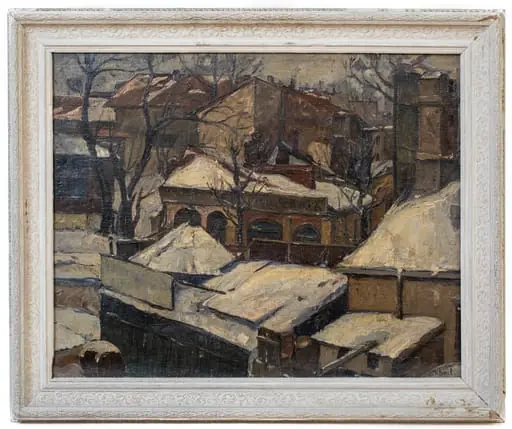 Iarna
Iarna PEISAJ LA MARE
 Peisaj cu case
 Peisaj din Crișana
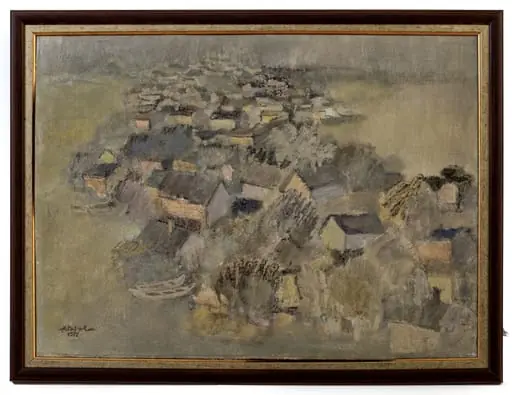 Lacustră
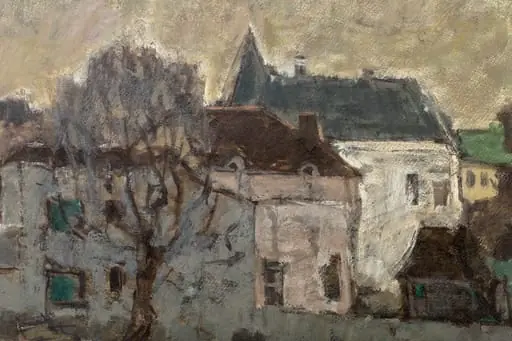 Peisaj în brunuri
 Peisaj din Lugoj
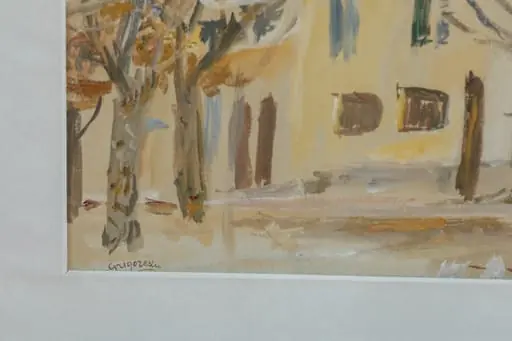 Peisaj
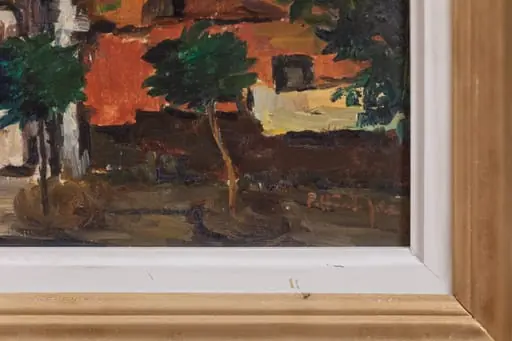 Peisaj cu casă portocalie
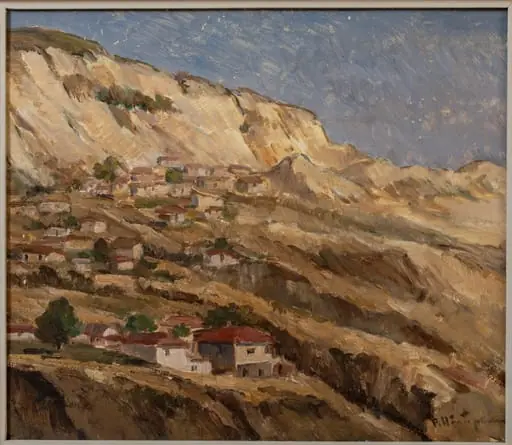 Cartierul țigănesc din Balcic
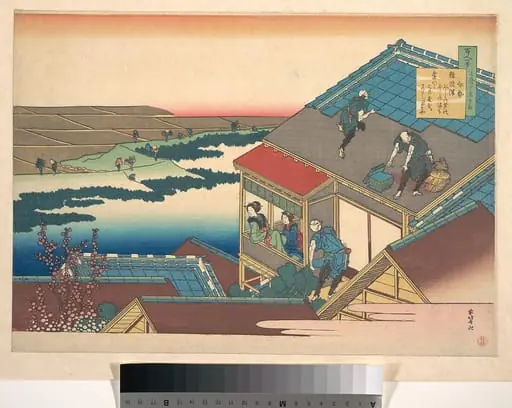 百人一首 うばがゑとき 伊勢|Poem by Ise, from the series One Hundred Poems Explained by the Nurse (Hyakunin isshu uba ga etoki)
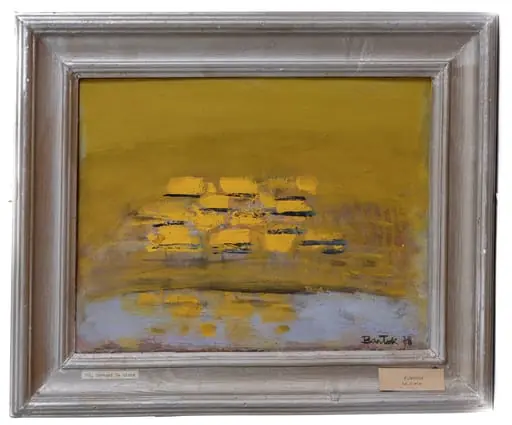 Corturi la Ciric
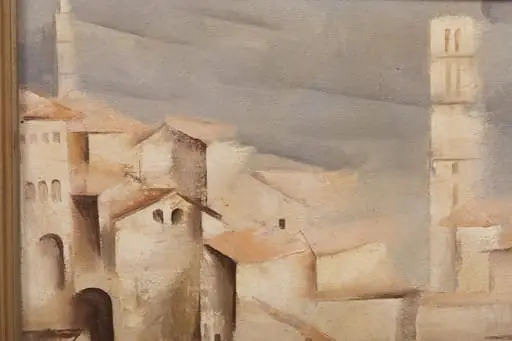 Peisaj
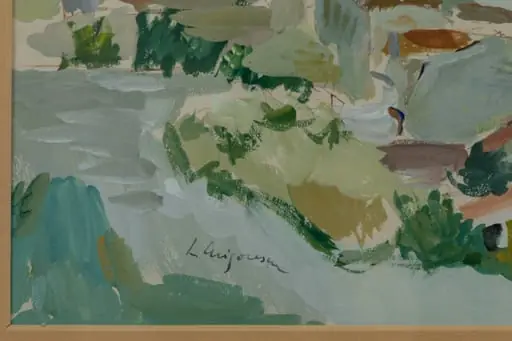 Balcic - peisaj marin
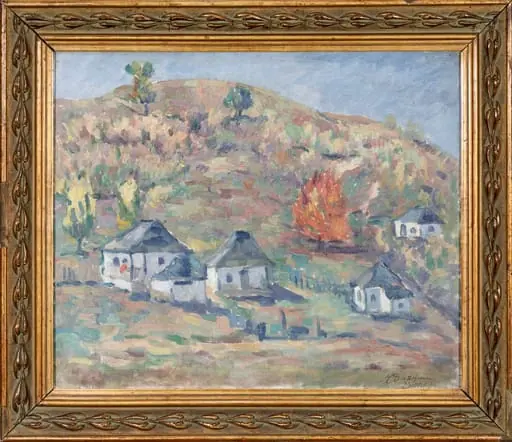 Peisaj din Ilovăț
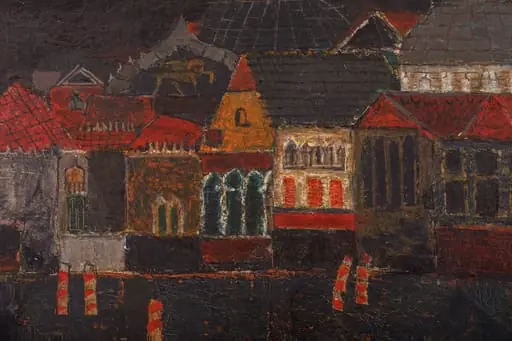 Veneția peisaj
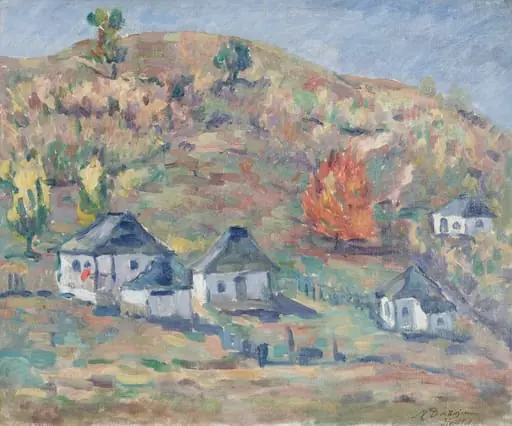 PEISAJ
 Case la mare
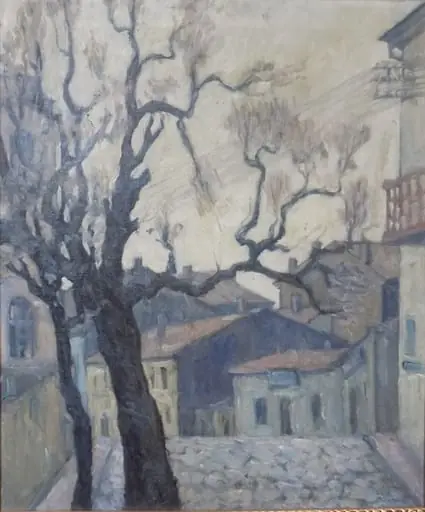 Str. Constanta
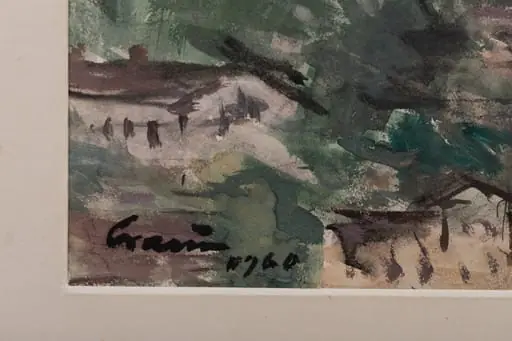 Peisaj industrial la Piatra Neamț
 Untitled
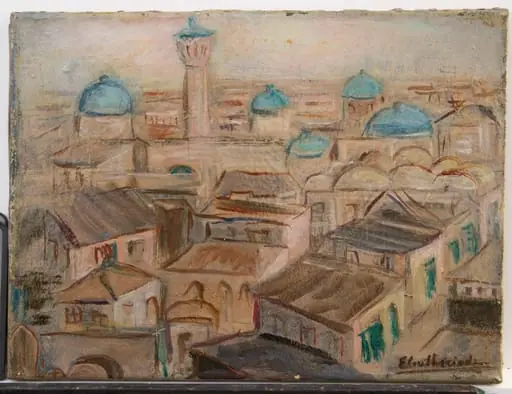 Acoperișuri la Bukhara
Frequently asked questions
What is Roof?
Roof is a subject in art. A roof (pl.: roofs or (rarely) rooves) is the top covering of a building, including all materials and constructions necessary to support it on the walls of the building or on uprights, providing protection against rain, snow, sunlight, extremes of temperature, and wind.
How many Roof works does Artifact World Gallery have?
Artifact World Gallery holds 75 public-domain Roof works, all free to view and download.
Who are the key Roof artists?
Key Roof artists in the collection include Vincent van Gogh, F.M.E. Fabritius de Tengnagel and Edvard Munch.
Where can I see Roof works?
Roof works in the collection are held by Moldova National Museum Complex, National Museum of Art of Romania and Metropolitan Museum of Art.