Subject
Body Armor
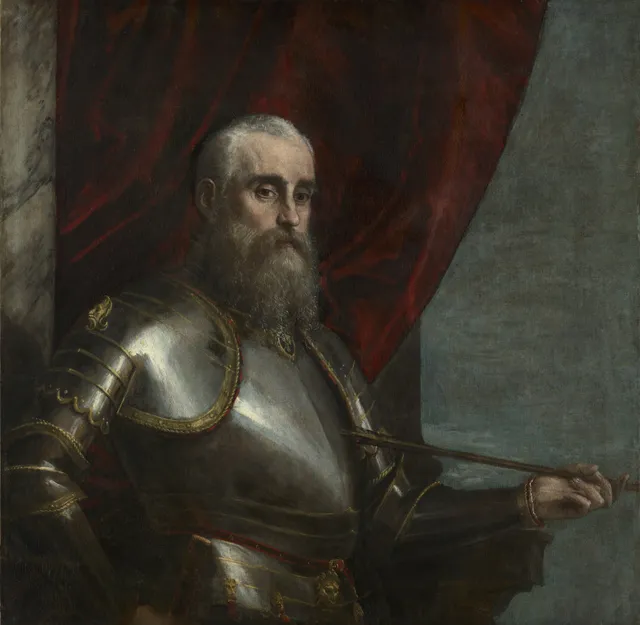
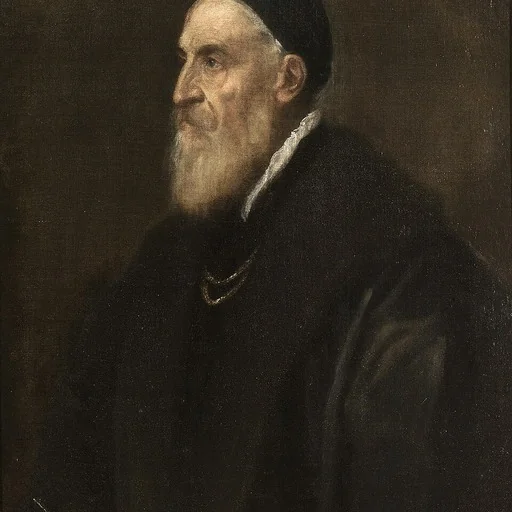
Body Armor is a subject in art. The gallery holds 183 works in this subject in art, including works by Titian, Paolo Veronese and Raphael.
Body armor—protective clothing engineered to absorb or deflect blows to the torso and limbs—has been a recurring subject in art for as long as warriors have been commemorated. Its visual life begins in antiquity. The Greek muscle cuirass (thorax), hammered from bronze and molded to an idealized male physique, appears on a warrior's torso from the Athenian Acropolis of about 470–460 BC and on Attic red-figure pottery from the late sixth century onward; Rome adopted the form, where the ornamented "lorica musculata" became a marker of rank worn by emperors, legates, and deities in sculpture. From the outset, armor in art carried a double charge: it was a real defensive technology and, simultaneously, a sign of heroism, command, and divine favor.
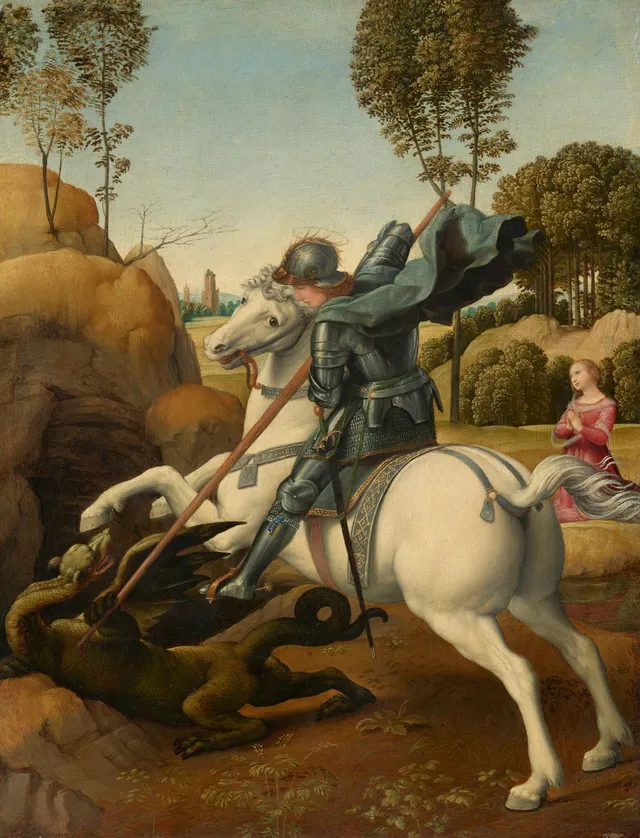
In the Christian West, the armored figure fused with the chivalric ideal of the knight. The patron saint of soldiers, George, became its great emblem, depicted in gleaming plate astride a white horse as he lances the dragon—as in Raphael's small panel "Saint George and the Dragon" (c. 1505, National Gallery of Art, Washington), where the saint wears the blue garter of the English Order of the Garter, a nod to the honor awarded in 1504 to the artist's Urbino patrons. Such images turned steel into a moral language of virtue triumphing over evil.
The Renaissance transformed armor itself into a fine art. In Milan, the Negroli family—above all Filippo Negroli (c. 1510–1579)—pioneered lavish parade armor all'antica: steel embossed in high relief, gilt and damascened, drawing Medusa heads, lions, sirens, and acanthus scrolls from Roman antiquity. Negroli's signed burgonet of 1543 (Metropolitan Museum of Art), patinated to resemble bronze and crowned by a siren gripping Medusa, is sculpture in steel, made for ceremony rather than battle. Painters answered in kind: Titian's "Equestrian Portrait of Charles V" (1548) records the emperor's actual Mühlberg armor to project Catholic, imperial authority.
This catalogue holds works across that arc. Negroli's craft survives in the armor worn by Guidobaldo II della Rovere; armor signals sovereignty in Philippe de Champaigne's portrait of Charles II of England and martial valor in Zurbarán's "Defense of Cádiz." In mythological registers, Piero di Cosimo's "Venus, Mars and Cupid" and Tintoretto's "Venus and Mars Surprised by Vulcan" play armor's hardness against the vulnerability of love—a tension the theme has explored ever since, from Baroque allegory to modern reflections on protection and war.
Key artists
Overview
Body armor, also known as personal armor, armored suit, or coat of armor, is protective clothing or close-fitting hands-free shields designed to absorb or deflect physical attacks. As a subject in art, body armor recurs across centuries and cultures because it embodies the fundamental tension between protection and vulnerability, between the human body and the technologies designed to preserve it. The motif appears in diverse contexts: martial, mythological, religious, and portrait. In the collection under discussion, body armor is depicted in 211 works, ranging from scenes of Saint George and the Dragon to portraits of rulers such as King Charles II of England and Guidobaldo II della Rovere, Duke of Urbino, as well as mythological narratives including Venus and Mars Surprised by Vulcan and Perseus and Andromeda. The persistence of body armor in visual art reflects its deep symbolic resonance as a marker of status, virtue, power, and mortality.
Iconography & meaning
The iconography of body armor carries multiple layers of meaning. Fundamentally, armor represents the dialectic between mobility and protection, two opposing demands that have shaped its design throughout history. In religious art, armor signifies spiritual fortitude; the breastplate becomes a metaphor for faith itself, as in depictions of Saint George, where the knight's physical defense mirrors his spiritual defense of Christianity against the dragon. In portraiture, armor functions as an assertion of power, legitimacy, and martial authority. Rulers such as Charles II of England and the Duke of Urbino are depicted in armor to project sovereignty and readiness to defend their realms. In mythological contexts, armor complicates narratives of love and war: Venus and Mars Surprised by Vulcan exploits the contrast between Mars's martial gear and the vulnerability of the lovers' exposed affair. The Judgement of Paris and The Defense of Cadiz Against the English demonstrate how armor signals civic and heroic virtue. Materials themselves carry iconographic weight, from the textile gambesons of medieval infantry to the polished steel plate of the Renaissance elite, each indicating social rank and technological sophistication.
Across movements & periods
The treatment of body armor in art evolved substantially across movements and periods, tracking changes in both military technology and aesthetic priorities. In antiquity, the Dendra panoply from the Mycenaean era around 1400 BC represents early heavy plate armor, while Greek hoplites wore bronze cuirasses and greaves that artists rendered with attention to anatomical form. Roman adaptations included the lorica hamata, lorica segmentata, and lorica squamata, each offering distinct visual possibilities. In East Asia, laminated armor such as lamellar and brigandine styles developed independently, with Chinese influence shaping Japanese samurai armor from the Heian period onward. The medieval European transition from mail hauberk to full steel plate harness, developed particularly in Lombardy by about 1400, marked a watershed in both military technology and its artistic representation. Renaissance armorers such as those in Milan and Augsburg produced increasingly refined and decorated pieces, with Filippo Negroli's work exemplifying the fusion of functional protection with sculptural artistry. The Dutch sources note that in the 15th and 16th centuries, armor production reached industrial scale in these cities, with specialized craftsmen and guild systems ensuring quality. However, the 17th century brought decline as firearms rendered plate armor obsolete for battlefield use; artists then increasingly depicted armor in portraits and ceremonial contexts rather than active combat. The 19th century saw Napoleon's revival of the cuirass for cavalry, briefly returning armor to actual warfare before its final obsolescence in World War I. Modern artistic treatments reference armor primarily through historical reconstruction, film, and ceremonial tradition.
Notable depictions
Several works in the collection stand as particularly significant depictions of body armor. Guidobaldo II della Rovere, Duke of Urbino (1514-1574), With his Armor by Filippo Negroli holds special importance as the product of one of history's most celebrated armorers. Negroli, working in Milan, transformed armor into high art through elaborate embossed and sculpted decoration that rivaled contemporary bronze statuary. The portrait thus documents not merely a noble subject but an object that itself constitutes a major artistic achievement. Portrait of King Charles II of England represents the Baroque tradition of monarchical portraiture in armor, a convention that persisted even when actual battlefield use had diminished, underscoring armor's symbolic rather than practical function. Saint George and the Dragon, appearing in multiple versions across art history, establishes the armored knight as a foundational image of Christian virtue and chivalric heroism. Venus and Mars Surprised by Vulcan, notably treated by multiple artists, exploits the visual and thematic contrast between Mars's discarded armor and the god's exposed vulnerability. The Defense of Cadiz Against the English represents historical painting's use of armor to authenticate and dramatize national narrative. These works collectively demonstrate how armor serves as a nexus of artistic, technological, and social concerns.
Legacy
The legacy of body armor in art extends far beyond its functional obsolescence. As military technology rendered plate armor impractical, its afterlife in visual culture intensified. The 17th-century Dutch observation that it remained popular to portray people in armor, with ever finer and more elegant executions, indicates a shift toward armor as pure signifier of status and virtue. Napoleon's 19th-century revival of the cuirass for fourteen regiments of cavalry in his Grande Armée, including their dramatic appearance at Waterloo, generated enduring visual and literary associations. The sound of musket balls on cuirasses, described by an English observer as like hail on a tin roof, became part of collective military memory. In the modern era, armor persists in ceremonial contexts: the Swiss Guard of the Vatican wears historical armor on church holidays, and the British cavalry maintains traditional uniform elements. The renewed interest in historical reenactment and living history has stimulated a revival of armor craftsmanship, with approximately 300 armorers active worldwide. Film has contributed substantially to this revival, with elaborate sword combat featuring armored actors. The linguistic legacy also endures; Dutch preserves numerous idioms involving harnas, including in het harnas sterven (to die in active service) and het harnas aantrekken voor iemand (to take someone's defense). In contemporary art and popular culture, body armor continues to symbolize the fragility beneath apparent strength, the individual against overwhelming force, and the enduring human impulse to fashion protection against an uncertain world.
Works
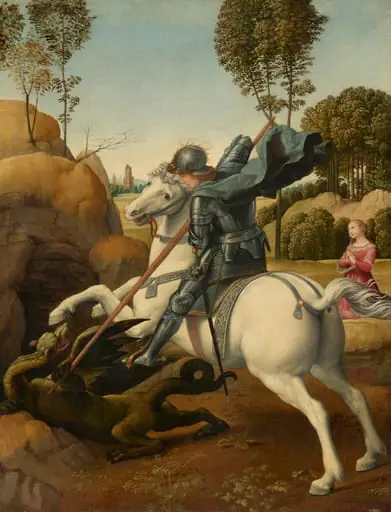 Saint George and the Dragon
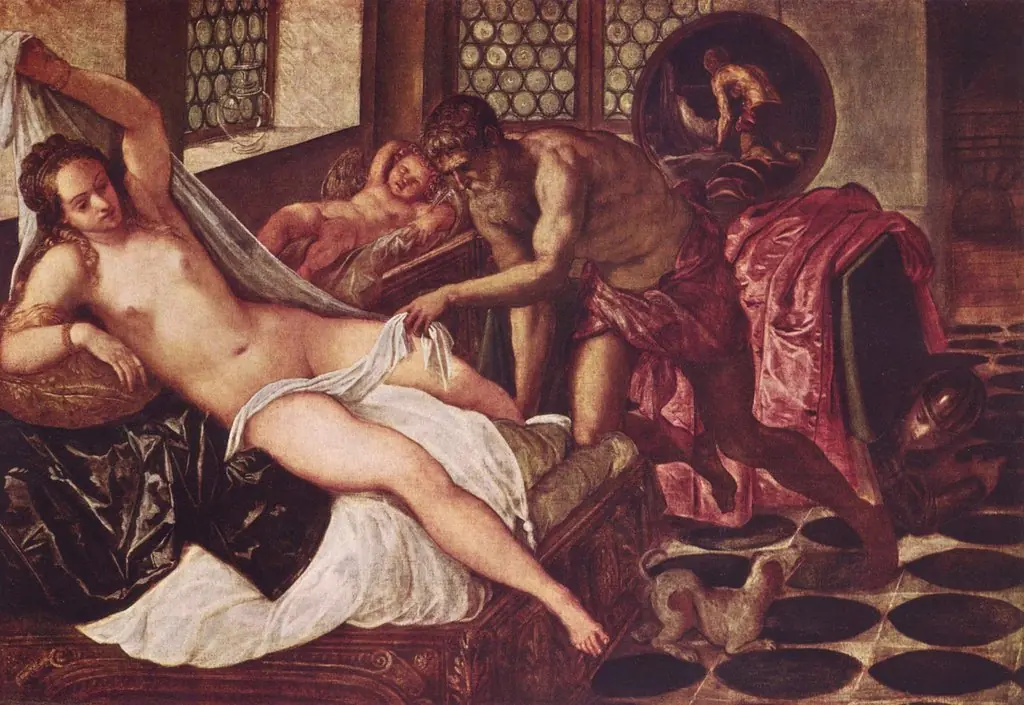 Venus and Mars Surprised by Vulcan
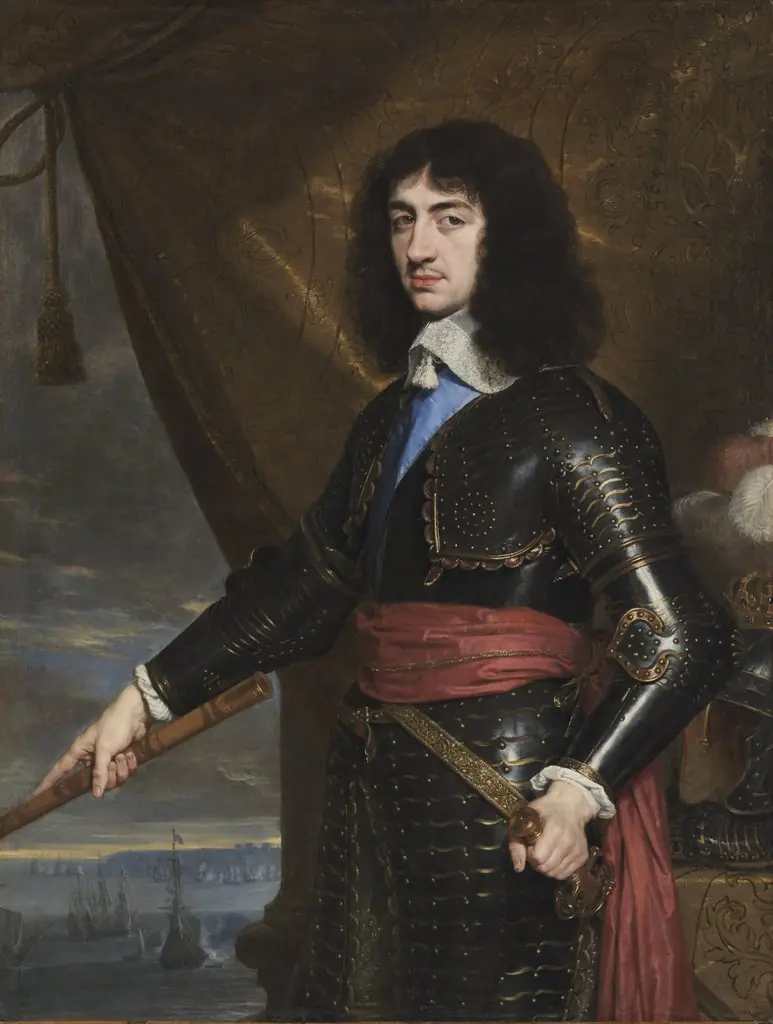 Portrait of King Charles II of England
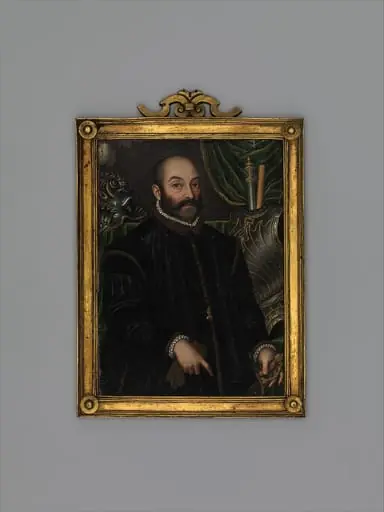 Guidobaldo II della Rovere, Duke of Urbino (1514–1574), With his Armor by Filippo Negroli
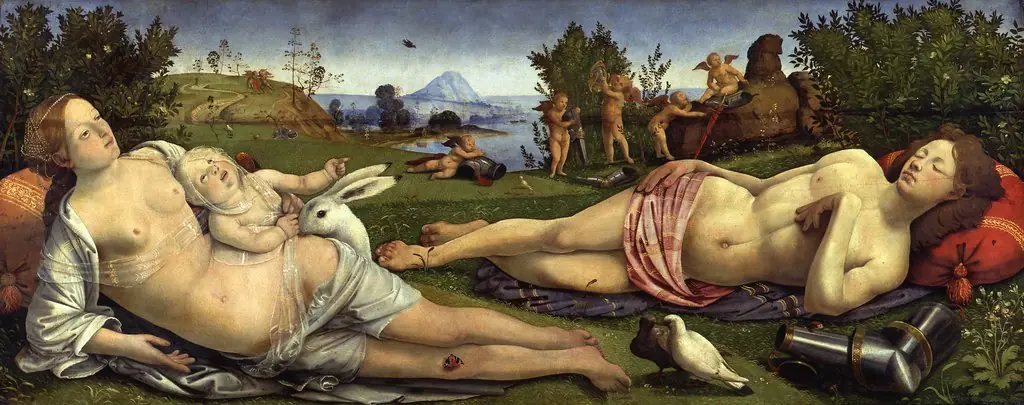 Venus, Mars and Cupid
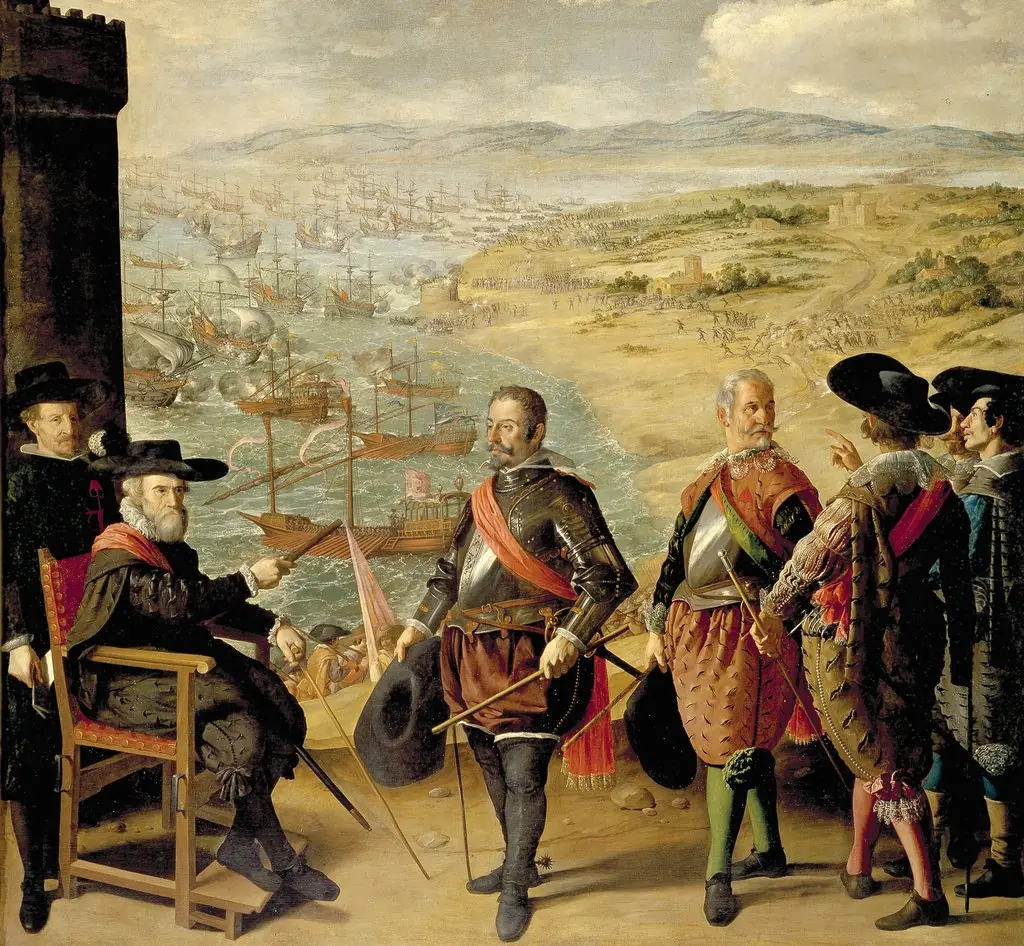 The Defense of Cadiz Against the English
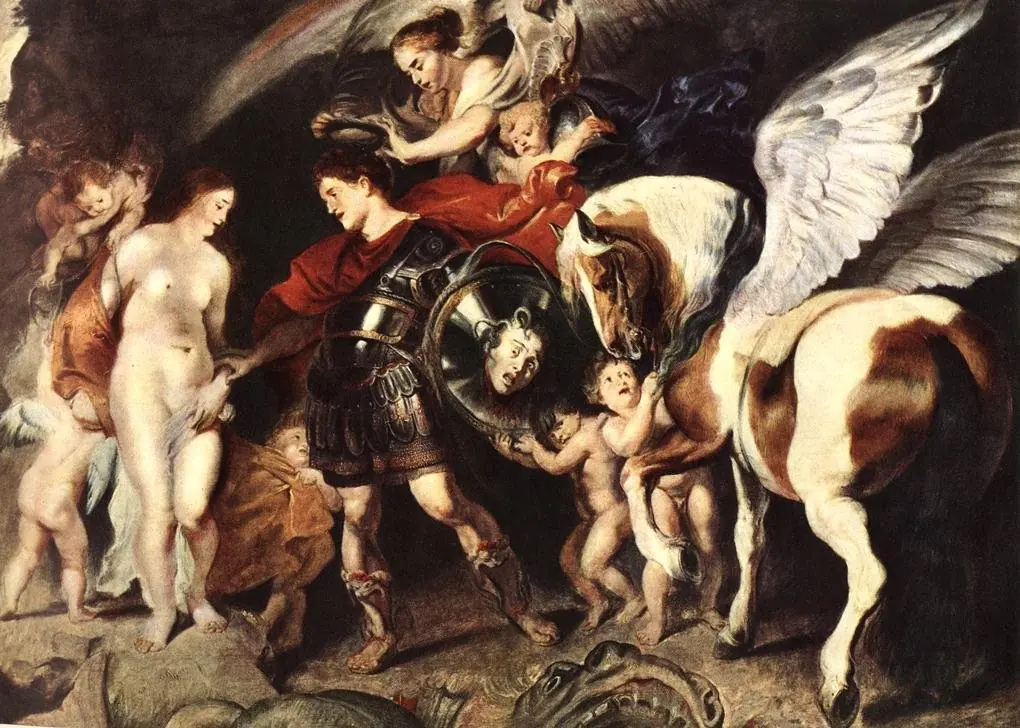 Perseus and Andromeda
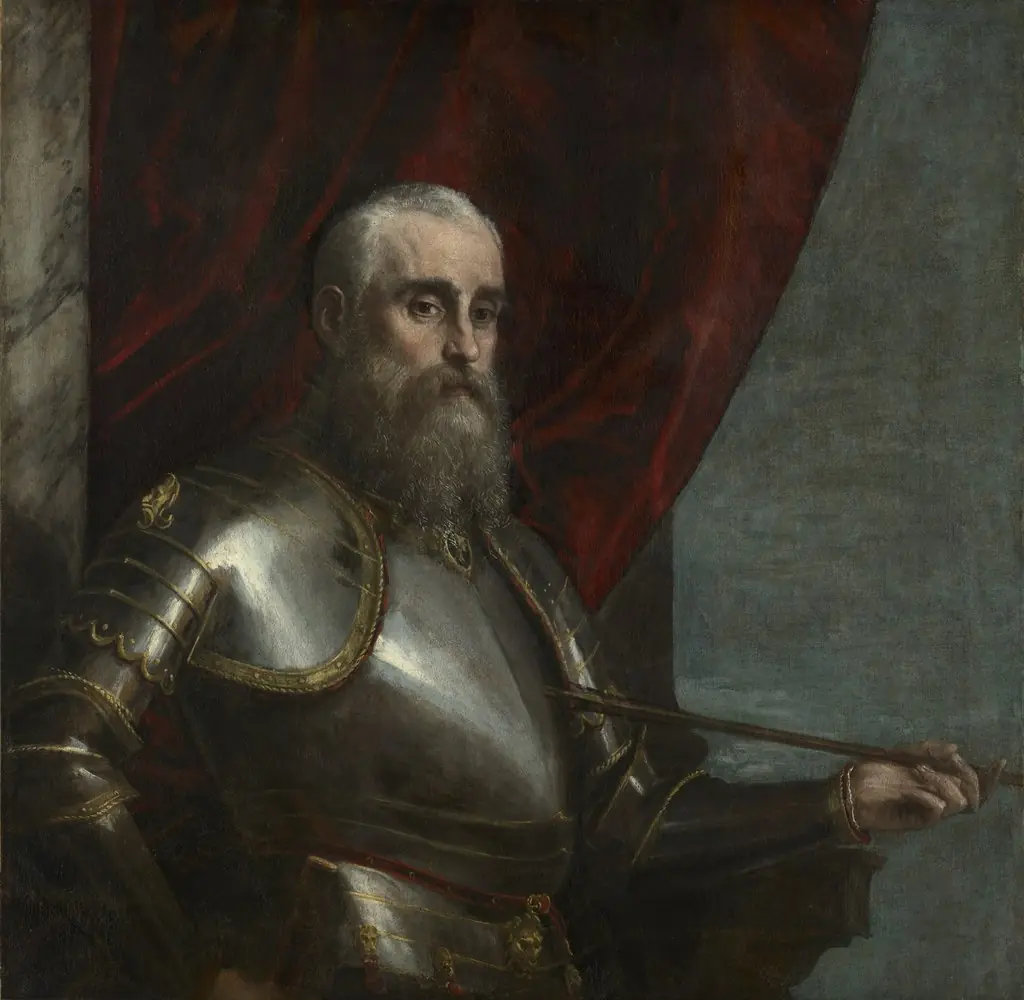 Portrait of Agostino Barbarigo
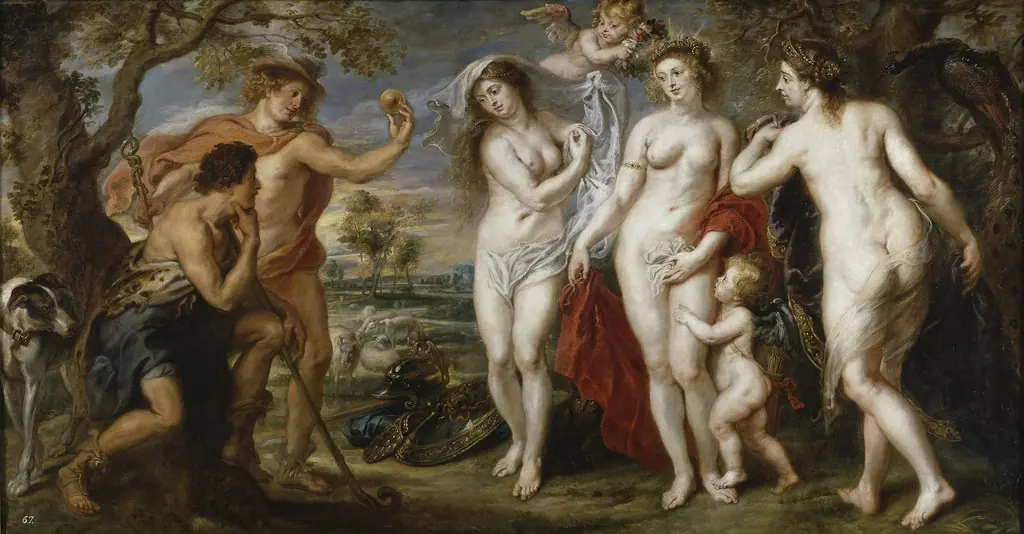 The Judgement of Paris
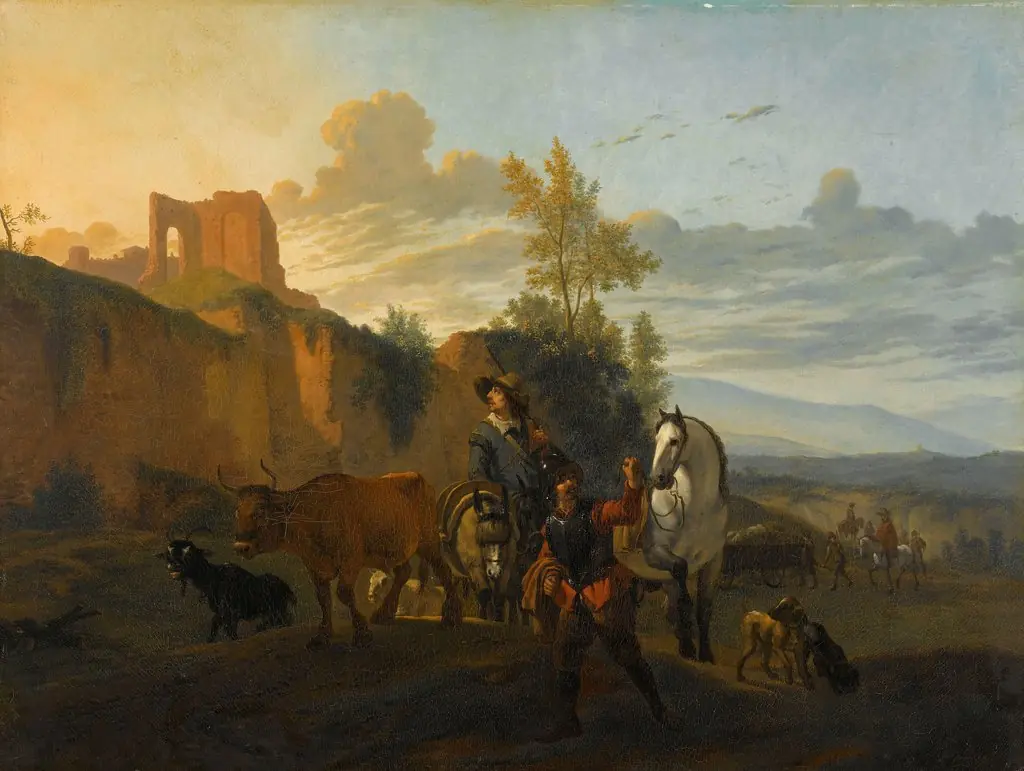 Italian landscape with soldiers
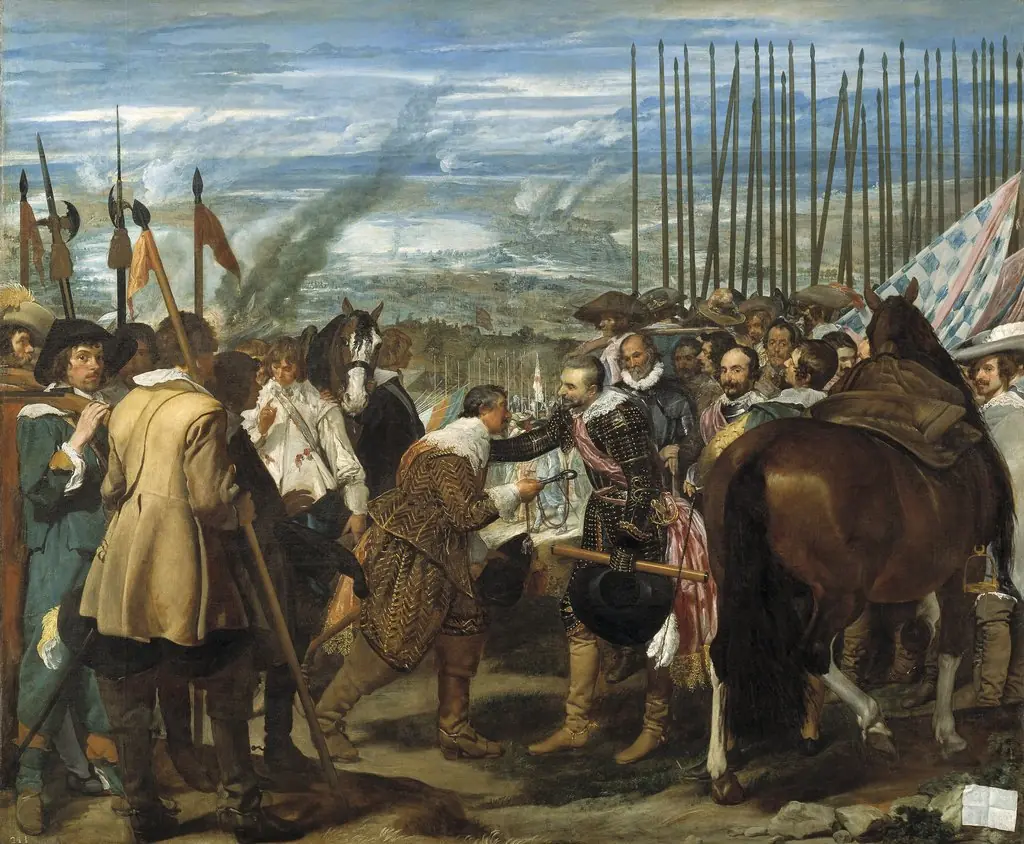 The Surrender of Brea
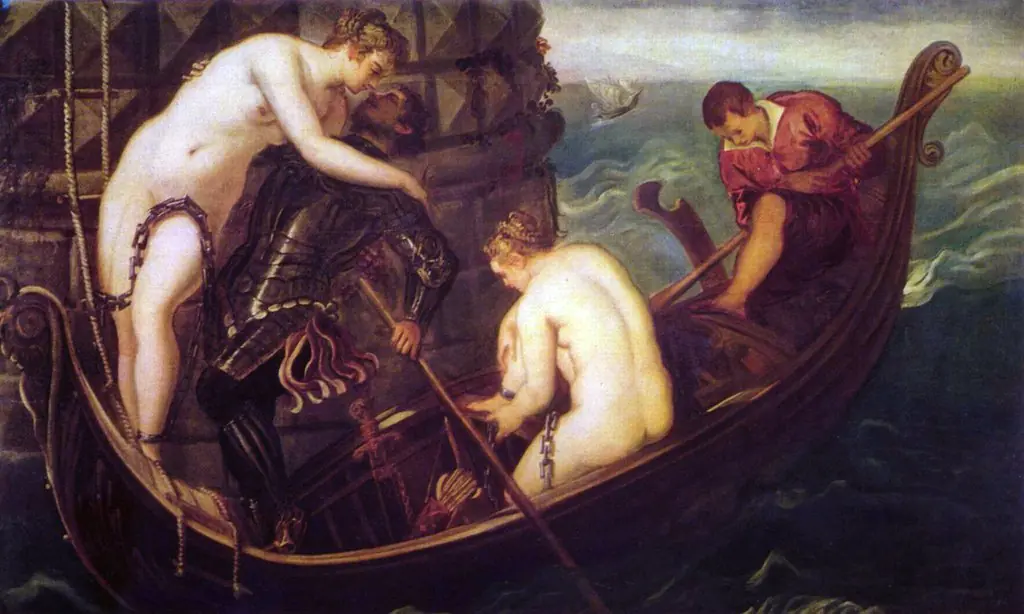 The Deliverance of Arsinoe
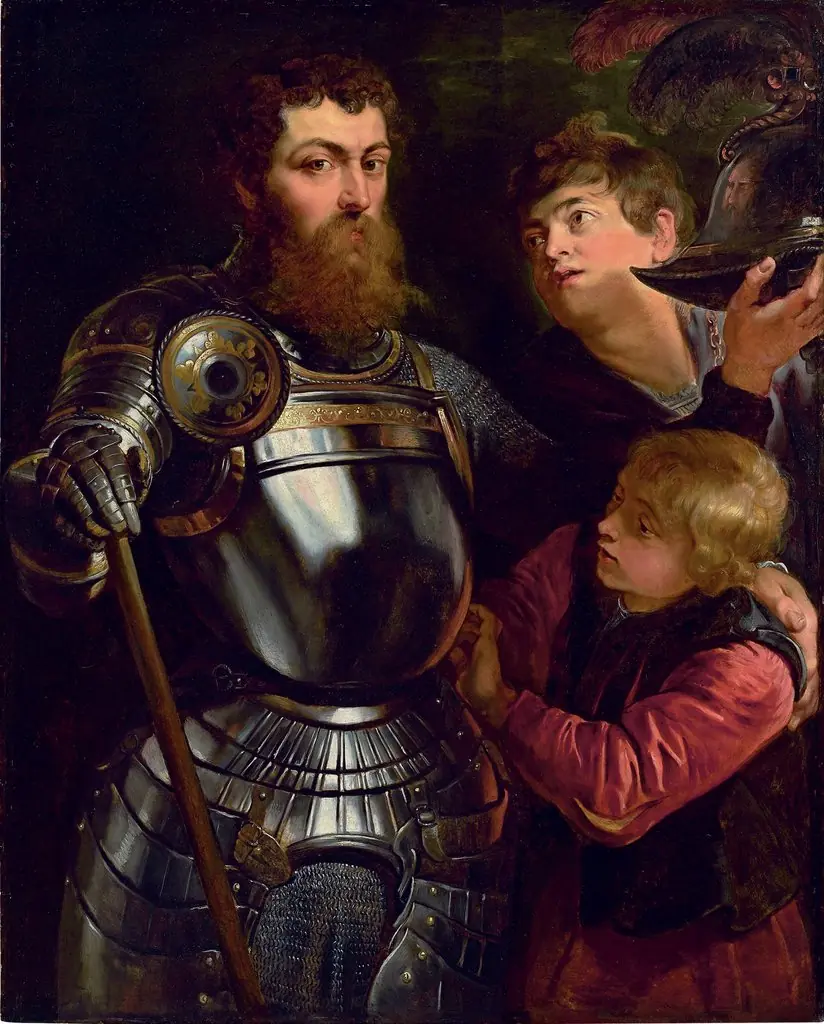 Portrait of a Commander
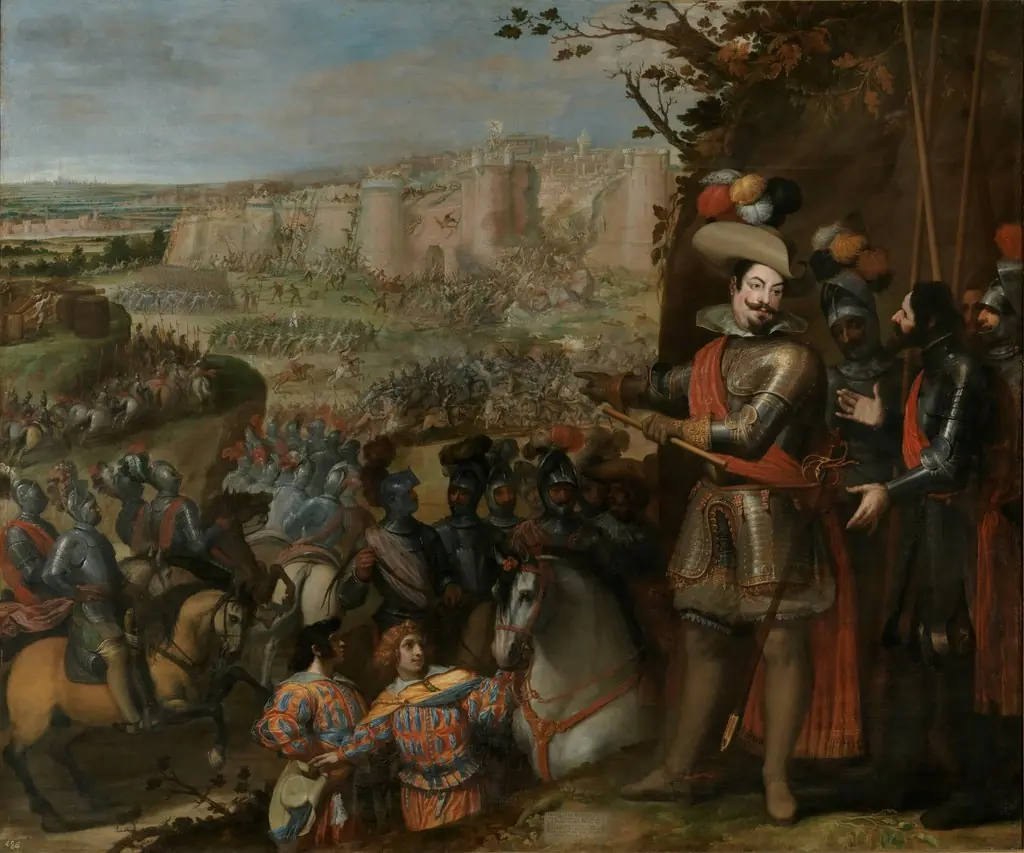 The Storming of Rheinfelden
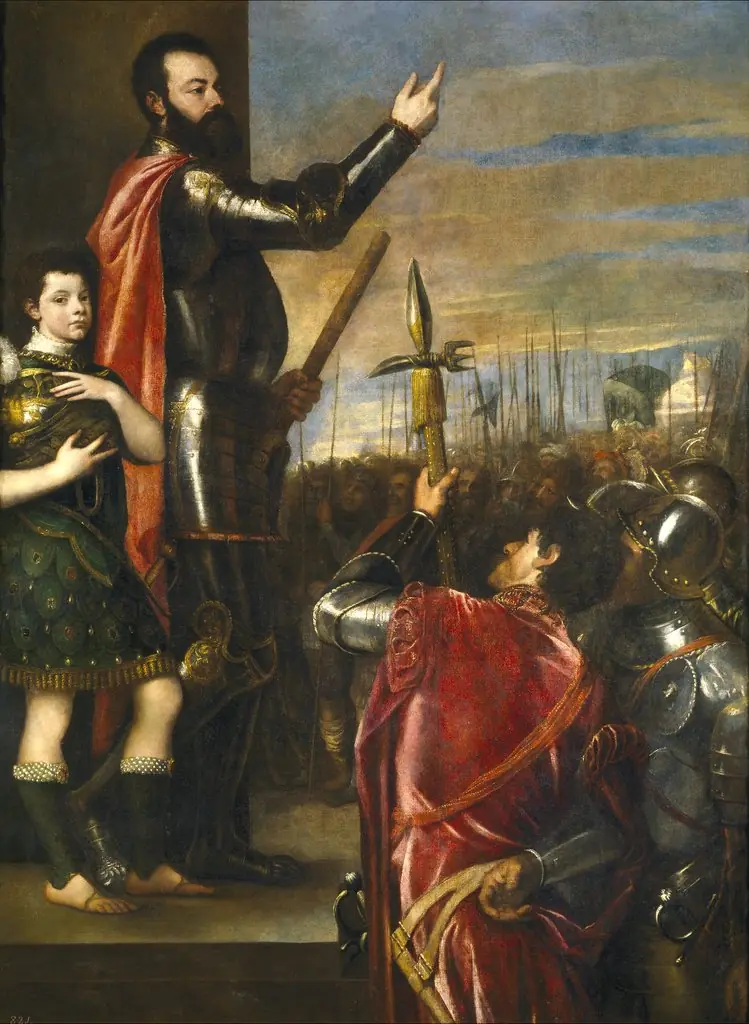 Alfonso d'Avalos Addressing his Troops
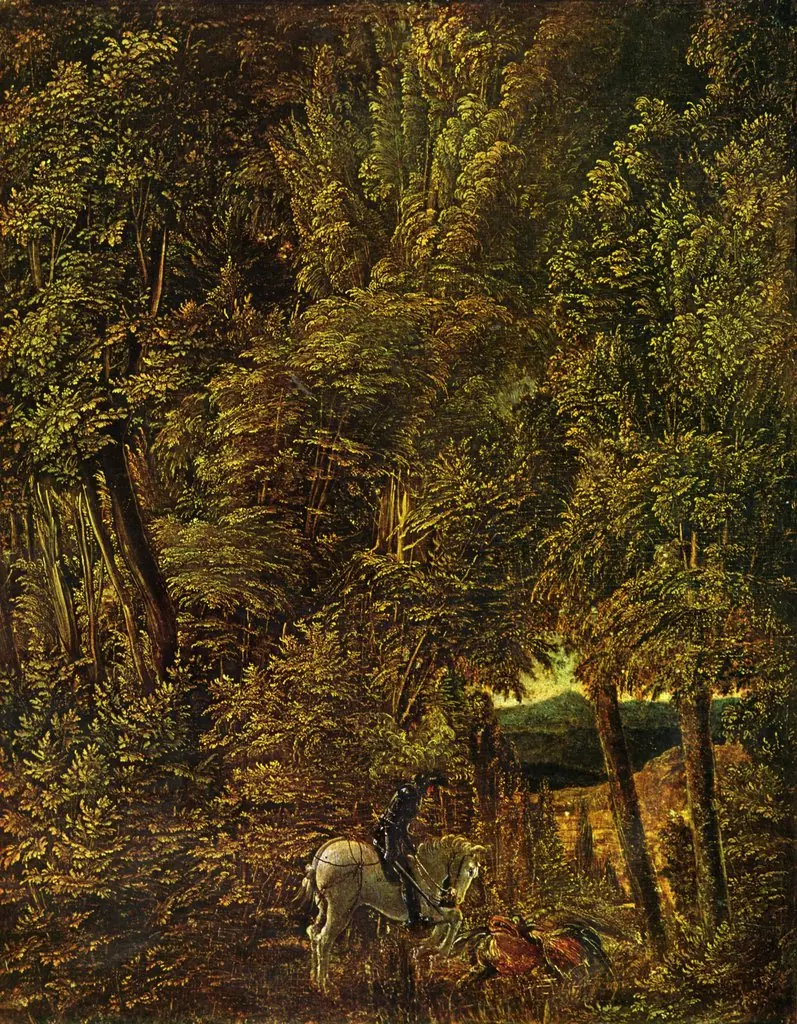 Countryside of Wood With Saint George Fighting the Dragon
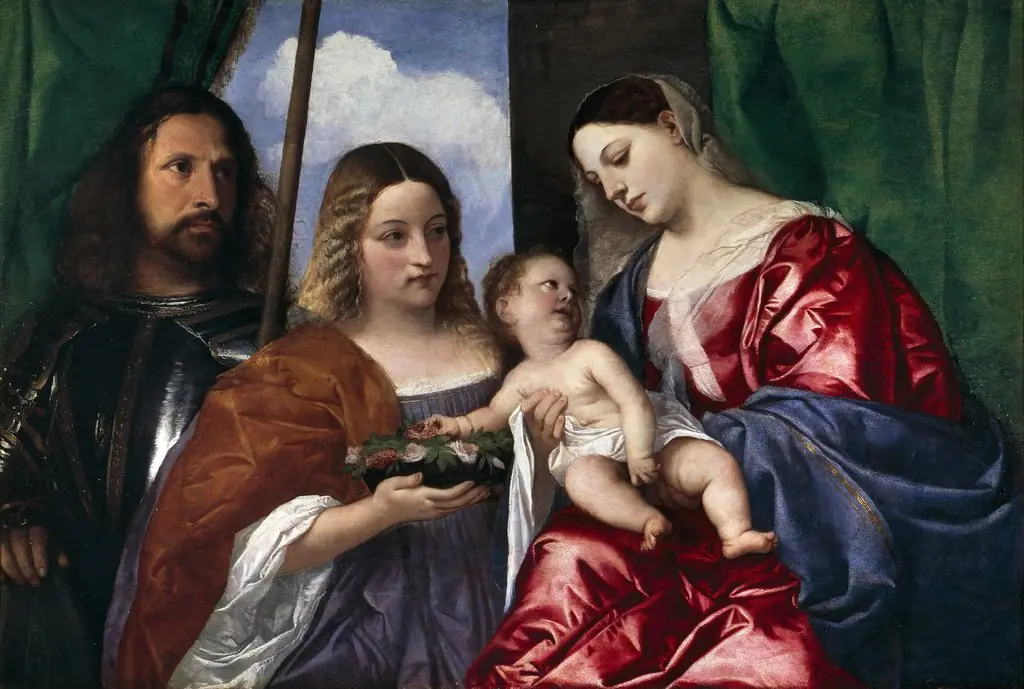 Madonna and Child with Saints Dorothy and George
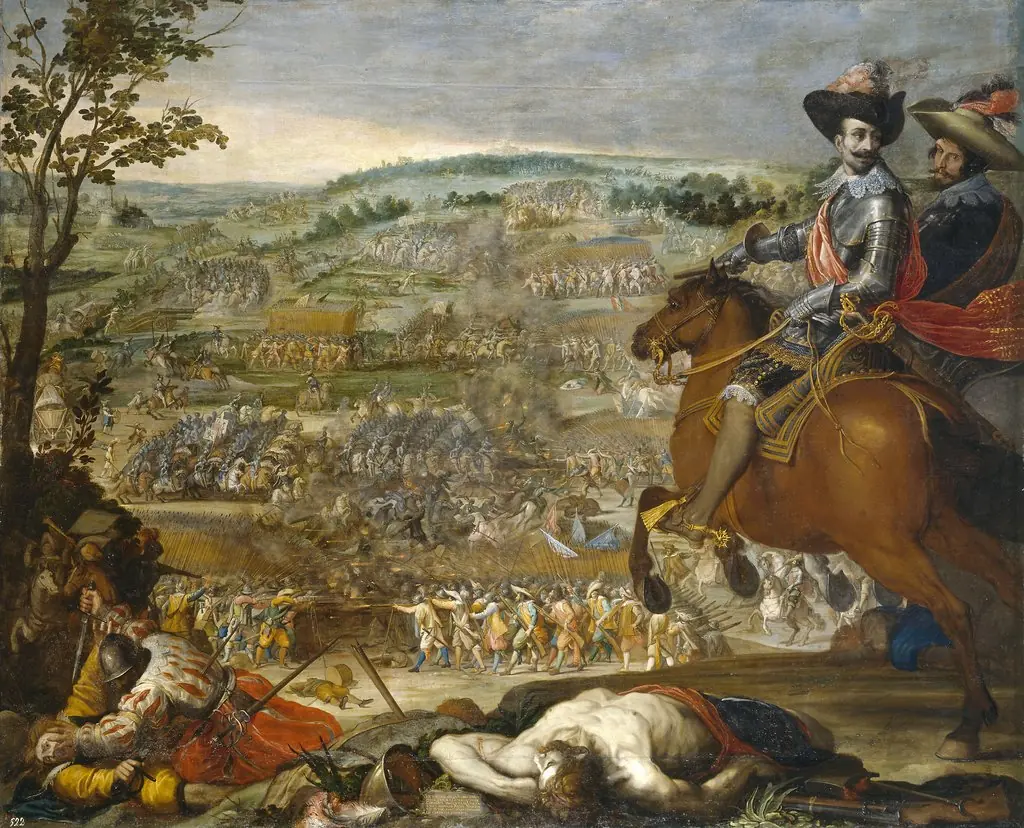 The Victory of Fleurus
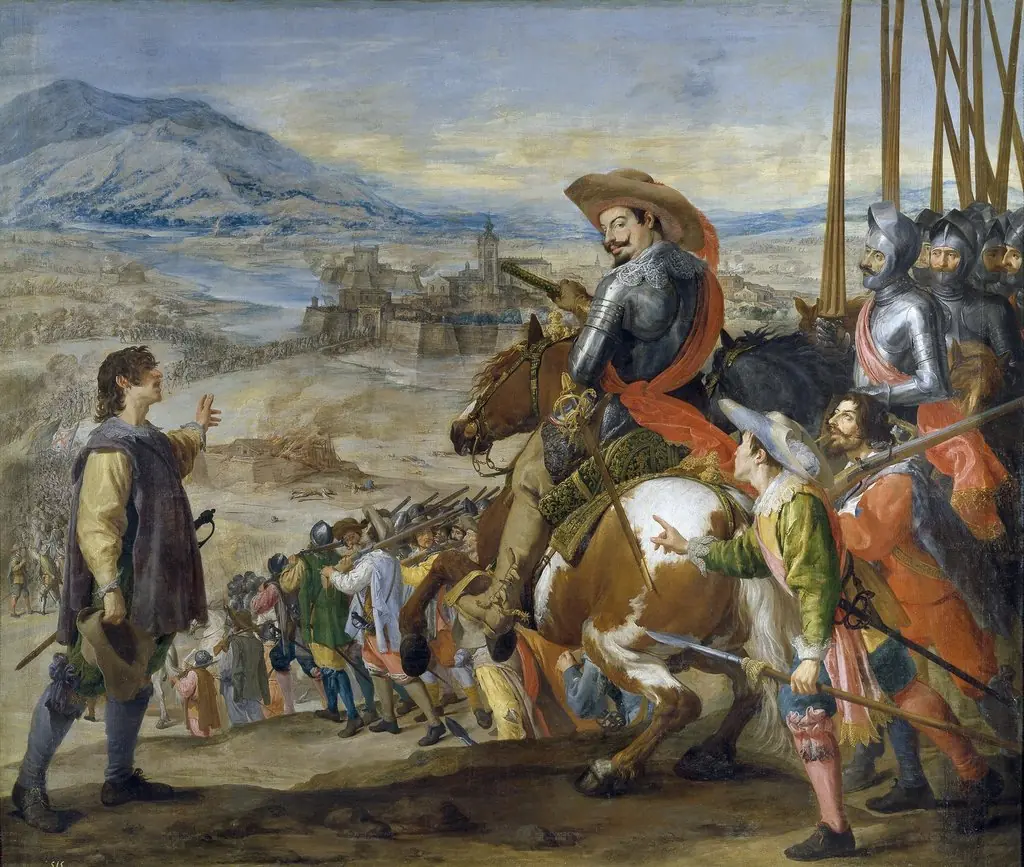 The Liberation of Brisach
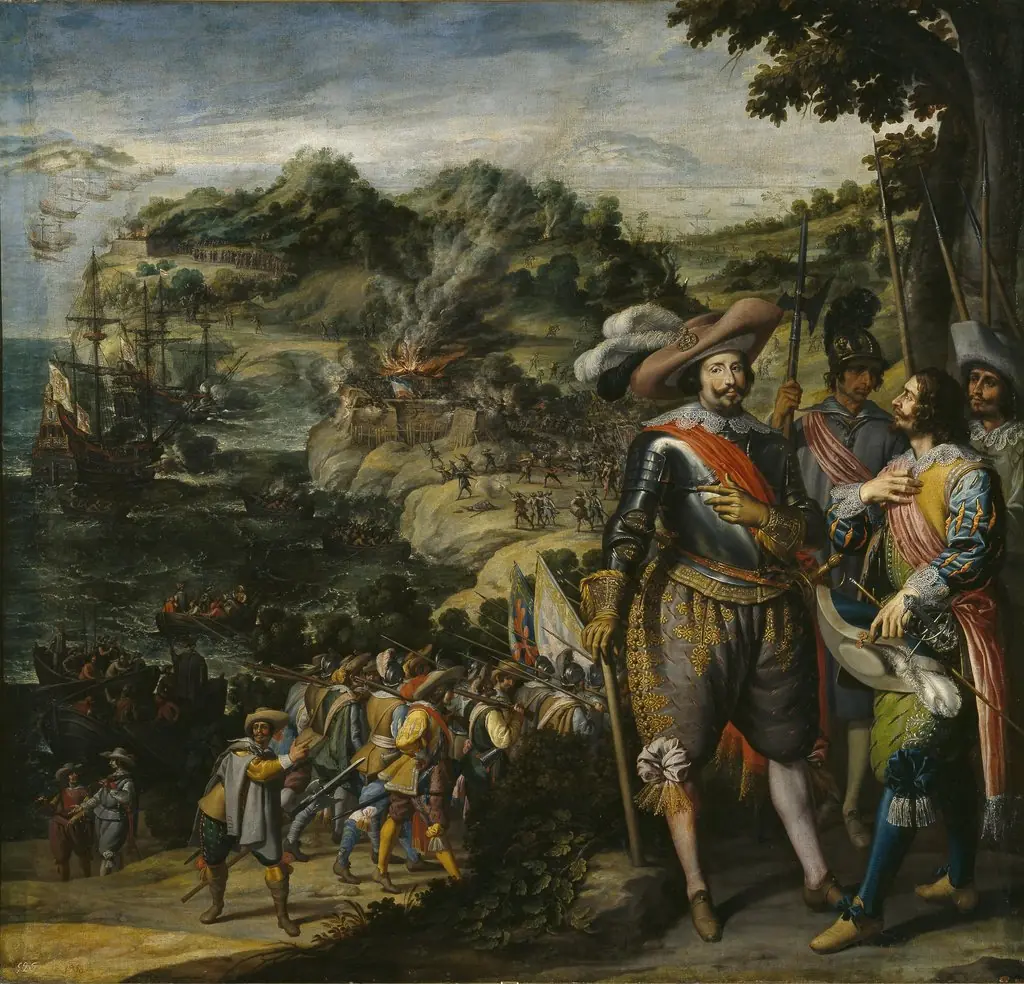 The recovery of the island of San Cristobal by Don Frederic of Toledo
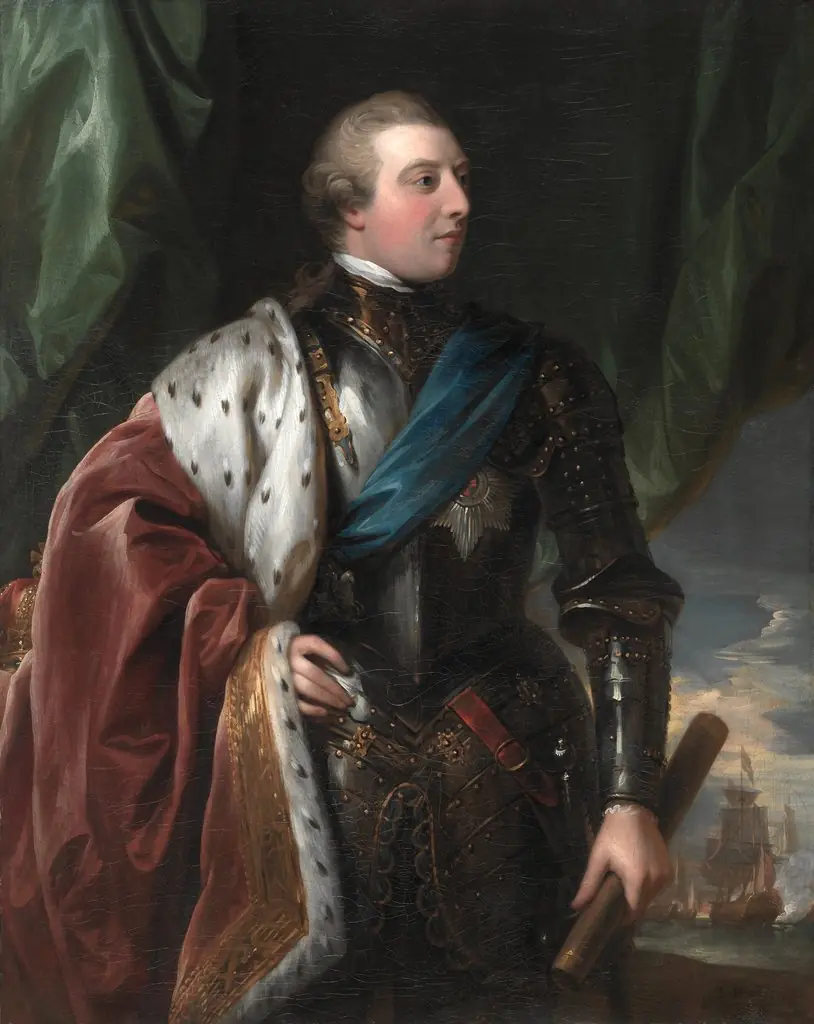 George III
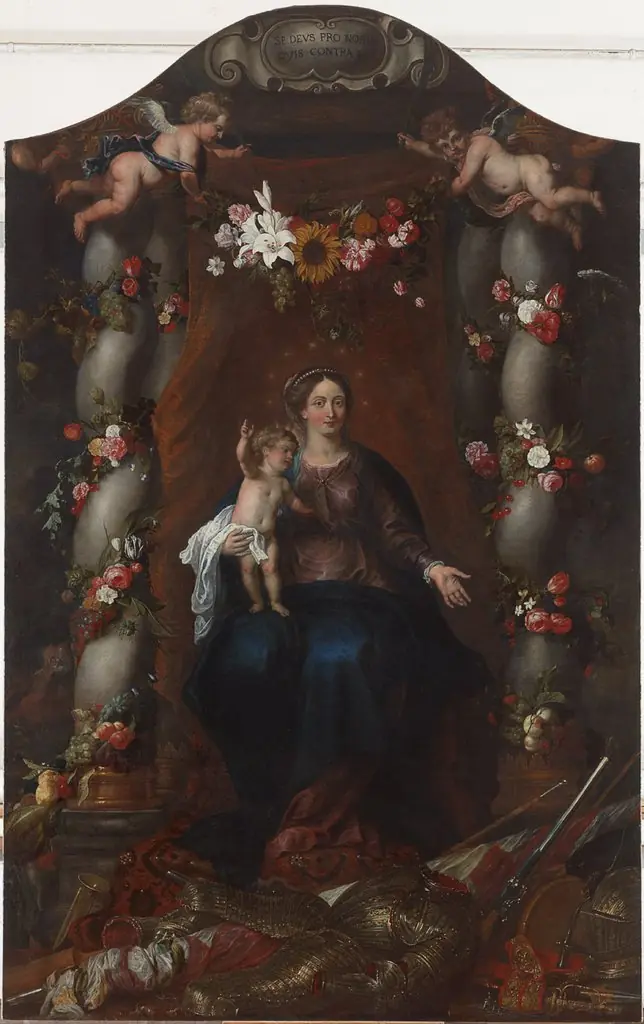 Madonna and Child Enthroned in a Fruit & Flower Garland
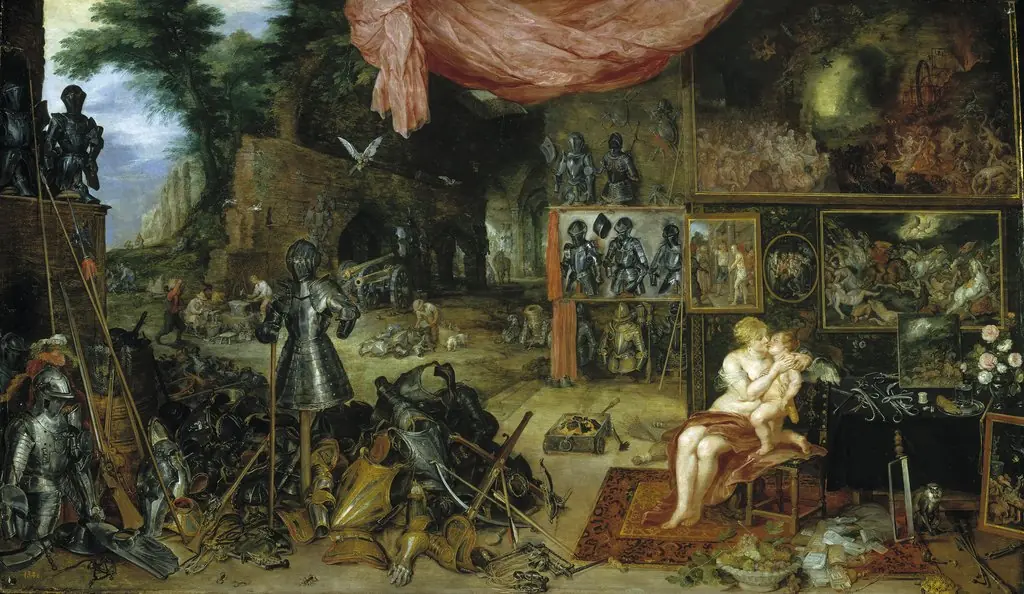 Touch
Touch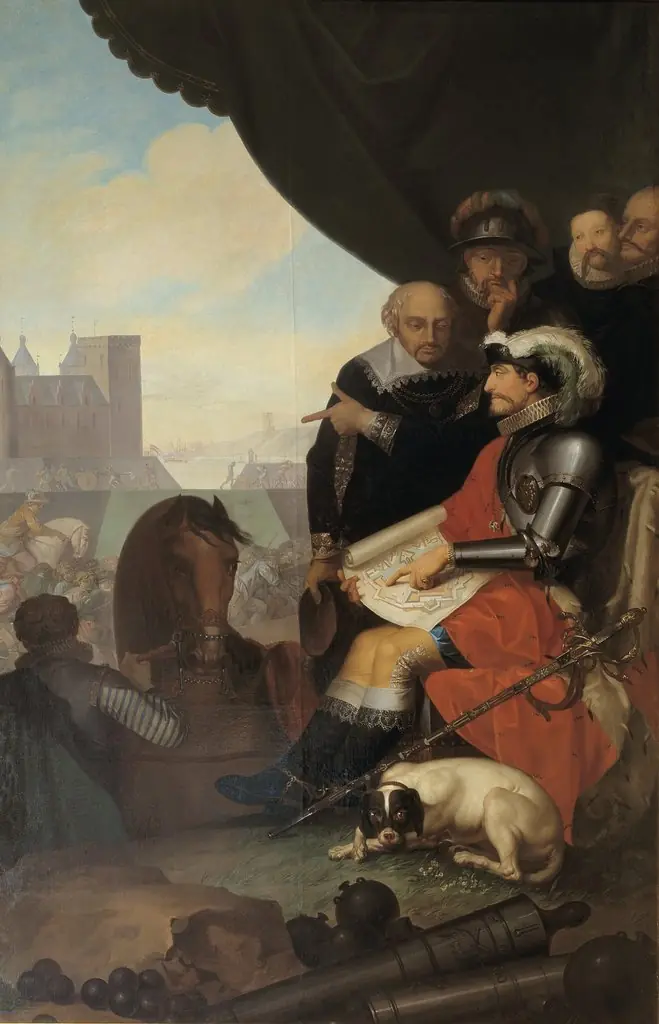 Frederik II Builds Kronborg Castle at Elsinore
 Frederik II Builds Kronborg Castle at Elsinore
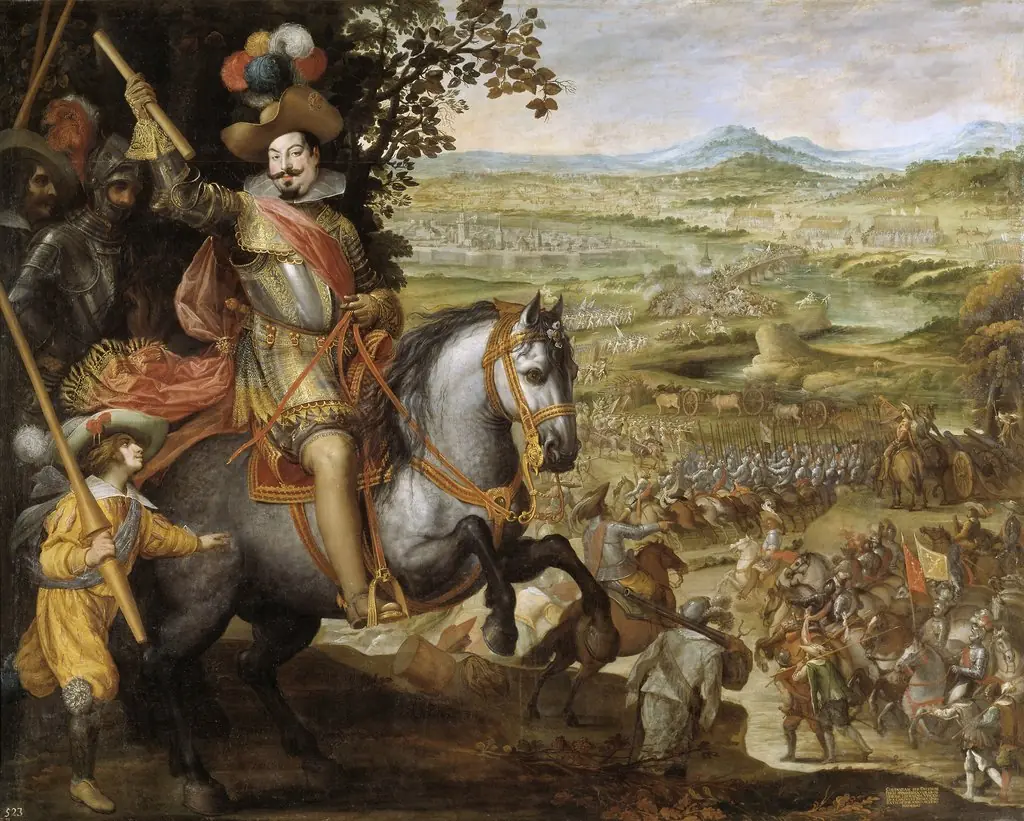 The Relief of Constance
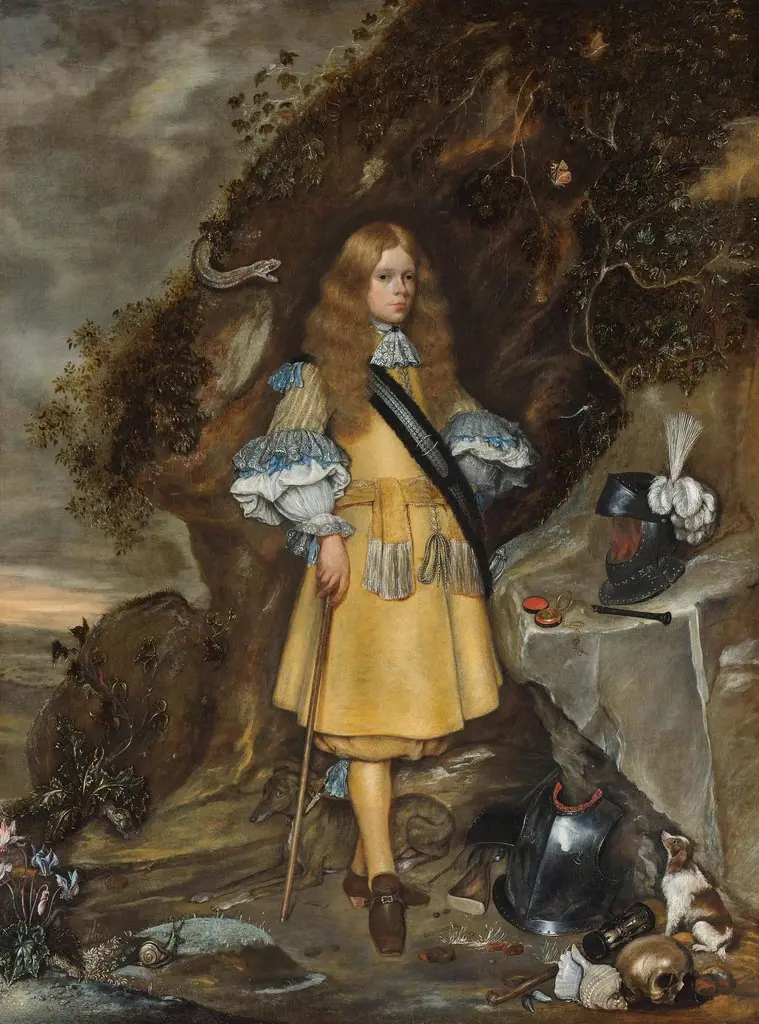 Memorial Portrait of Moses ter Borch
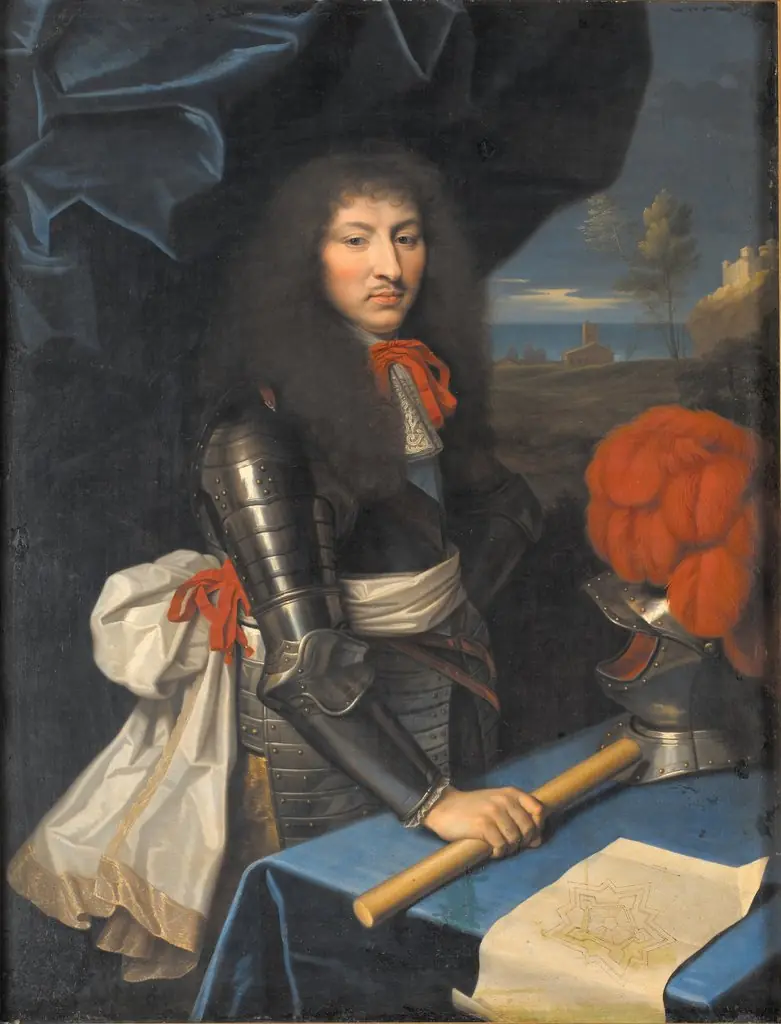 The Young Louis XIV
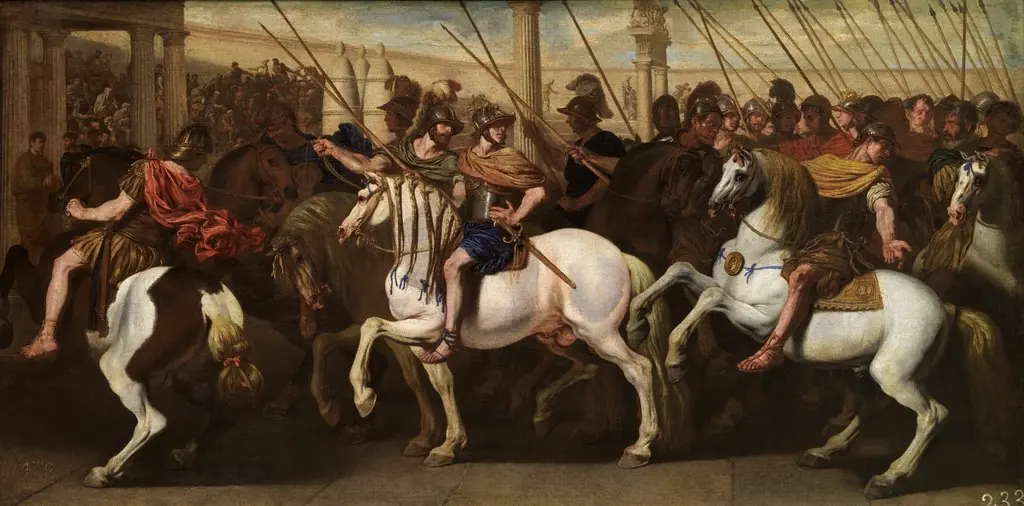 Roman Soldiers in the Circus
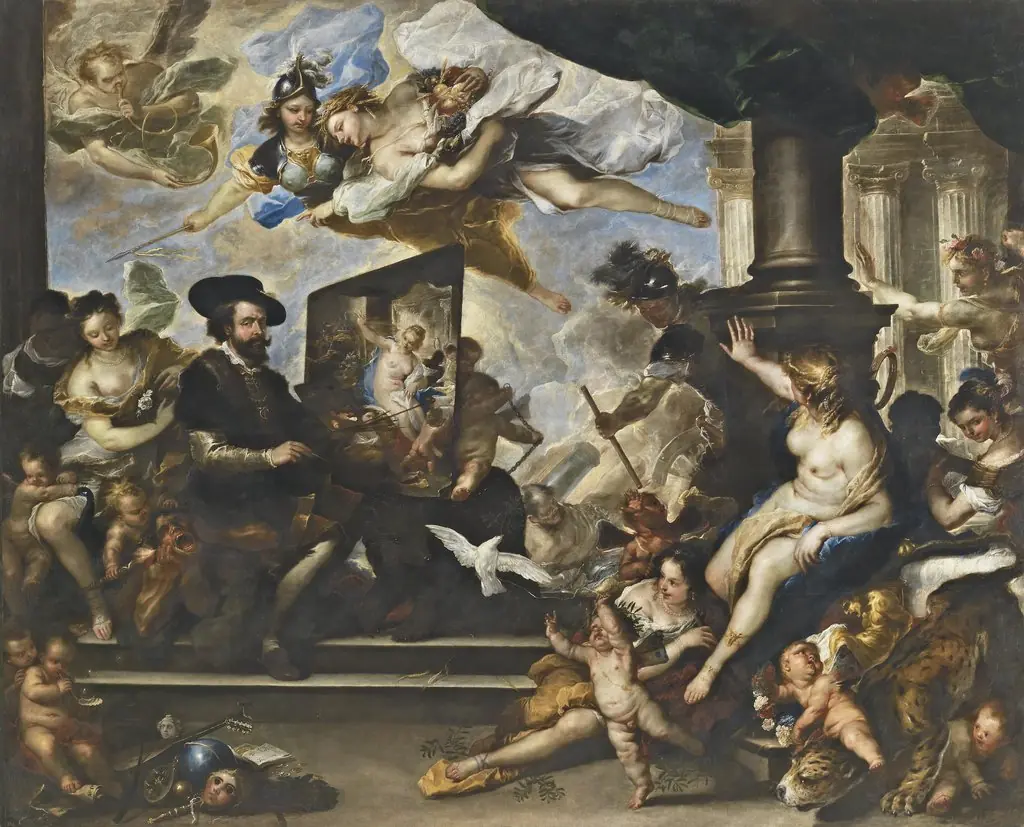 Rubens painting ‘The Allegory of Peace’
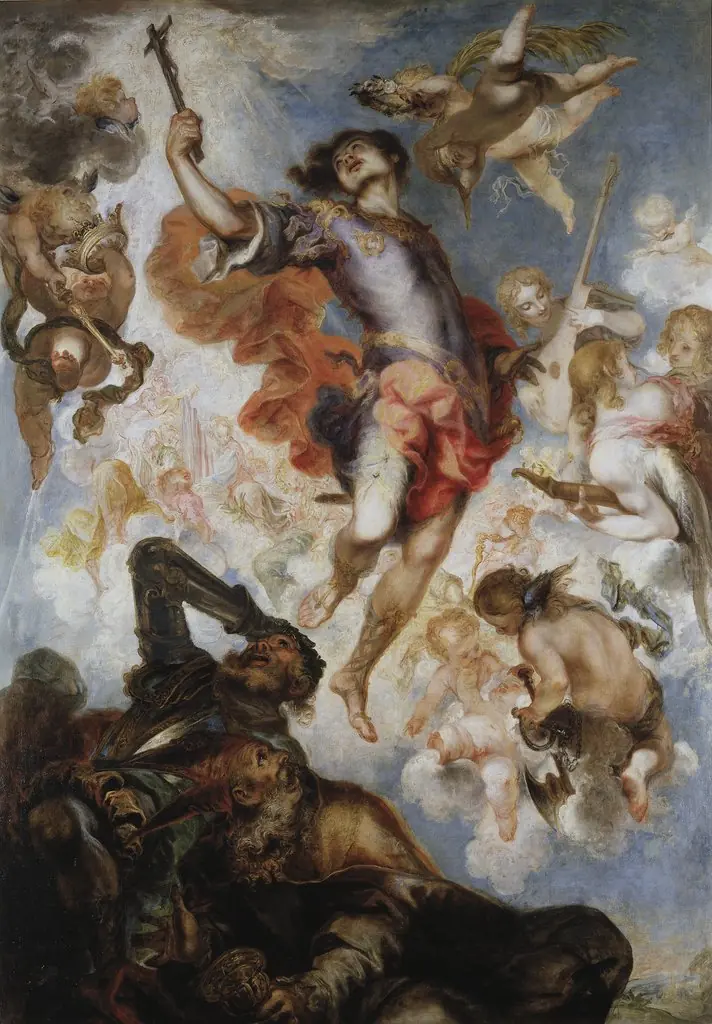 The Triumph of Saint Hermenegildo
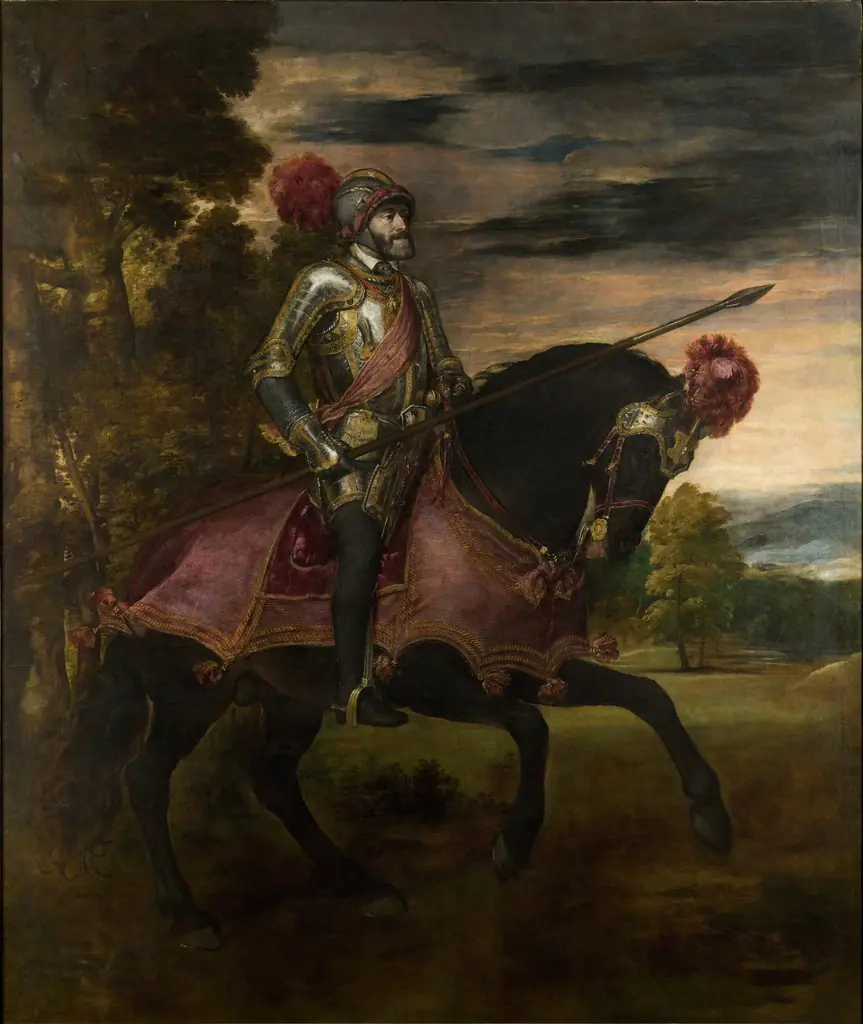 Equestrian Portrait of Charles V
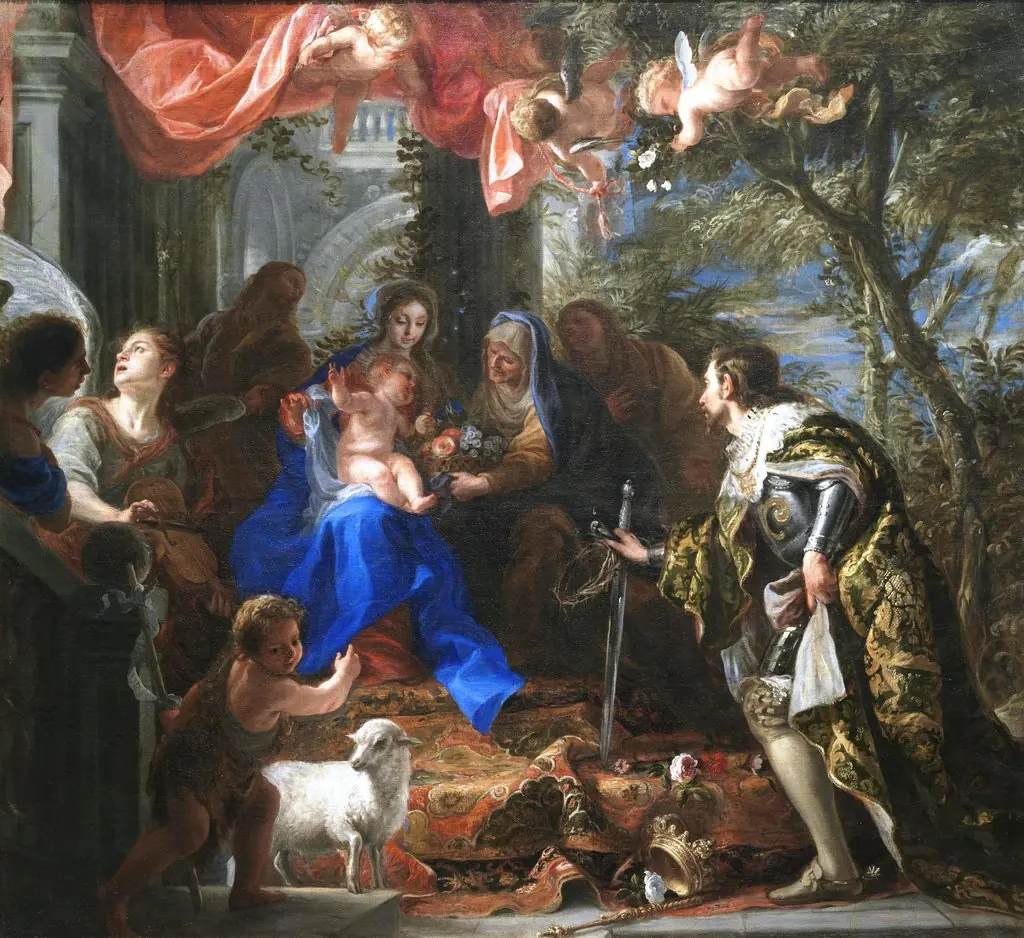 The Virgin and Child adored by Saint Louis, King of France
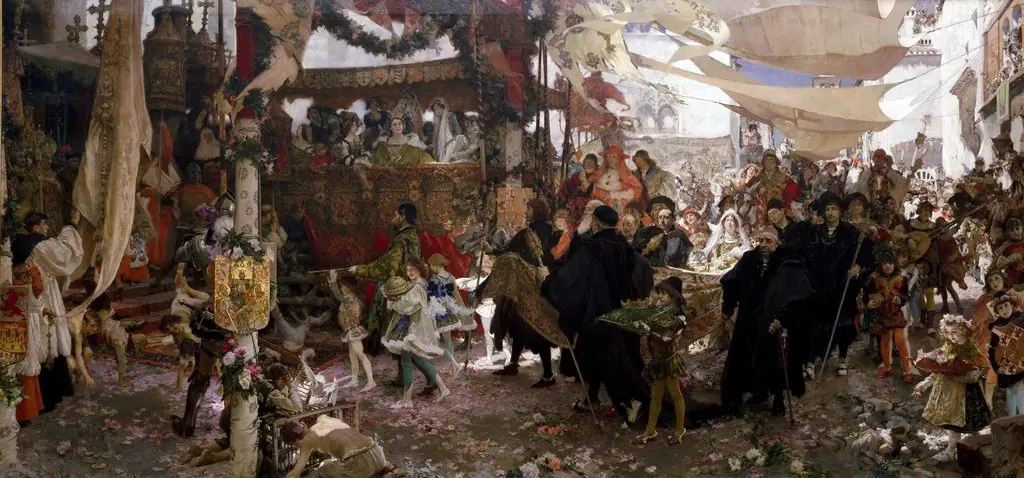 The Baptismal procession of Prince Juan, son of the Catholic Kings, through the streets of Seville
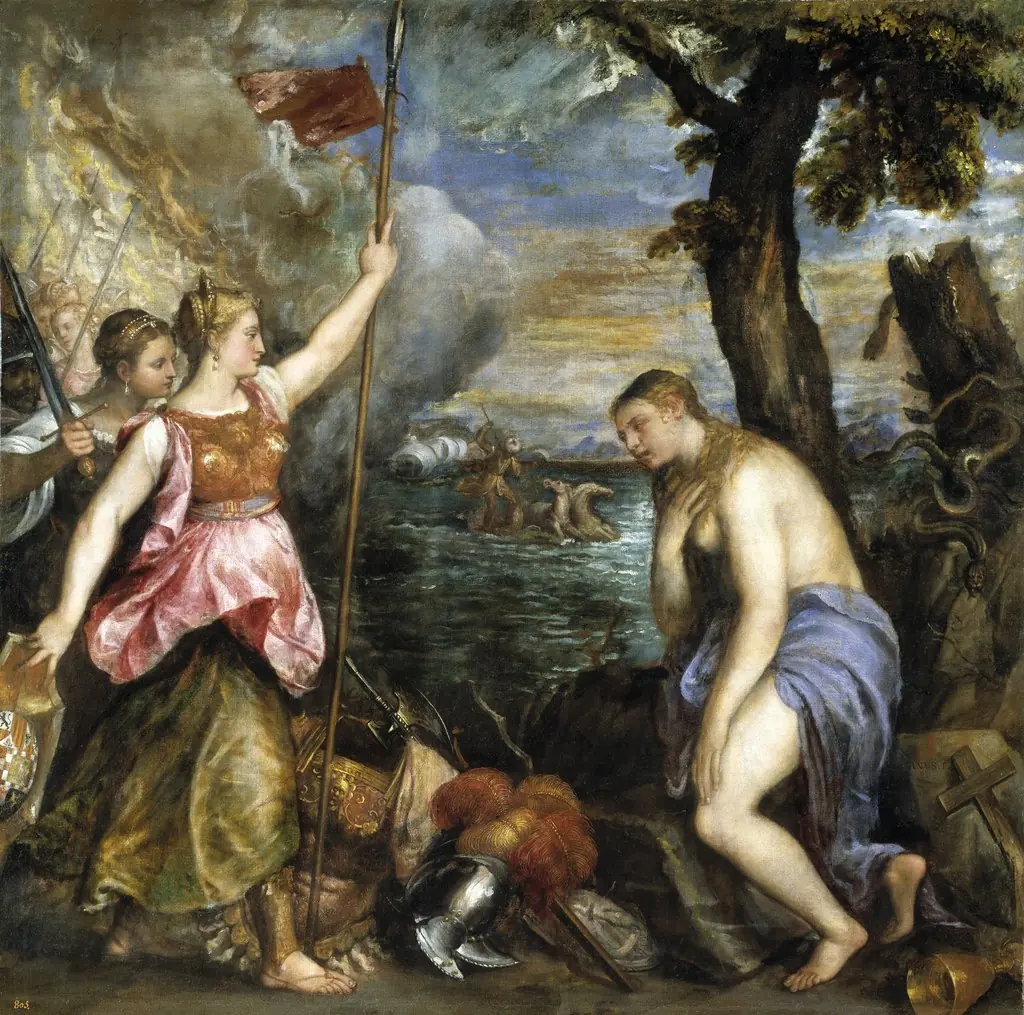 Religion saved by Spain
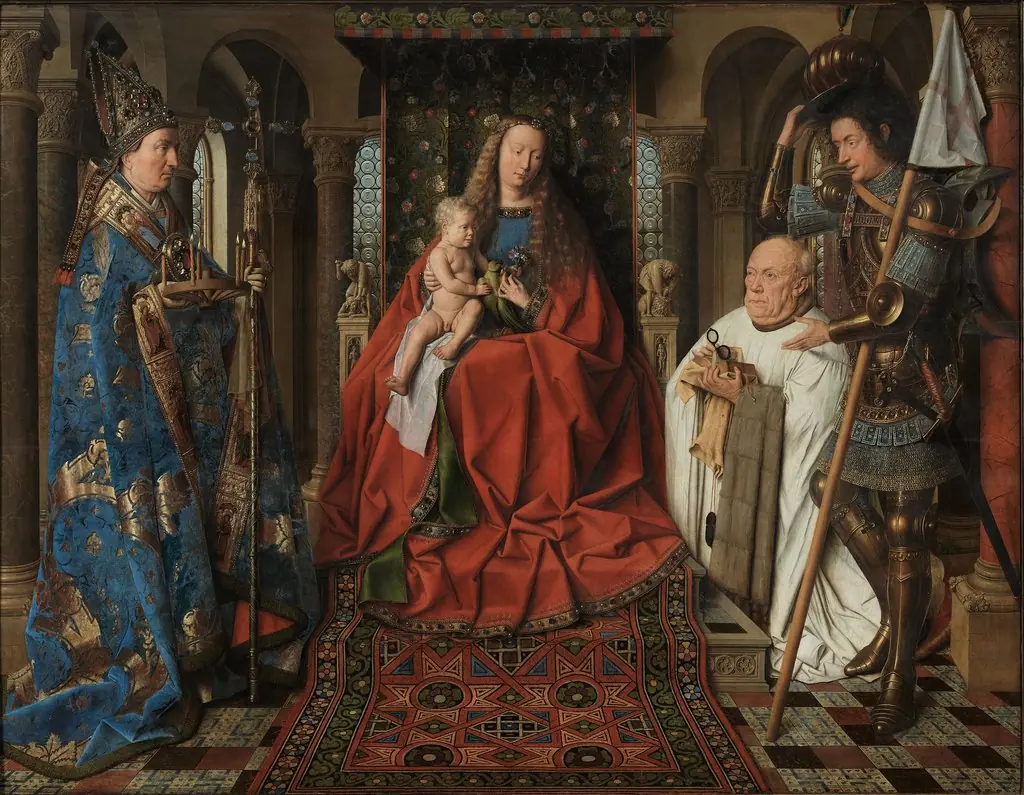 Madonna with Canon Joris van der Paele
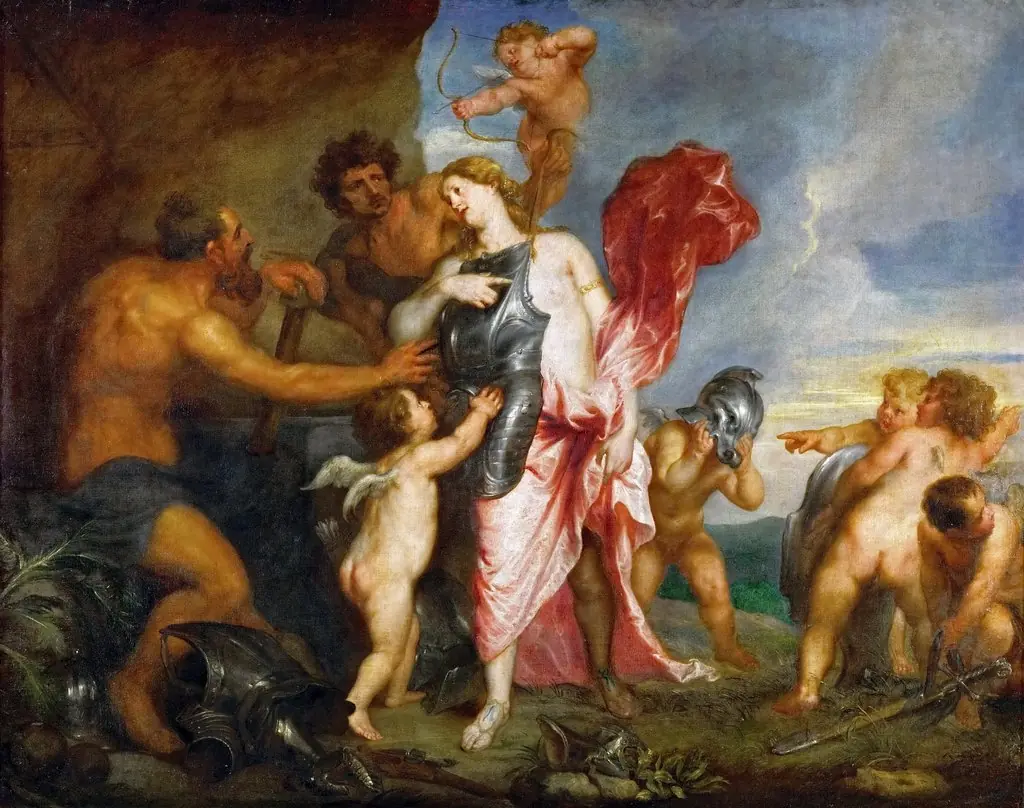 Thetis Receiving the Weapons of Achilles from Hephaestus
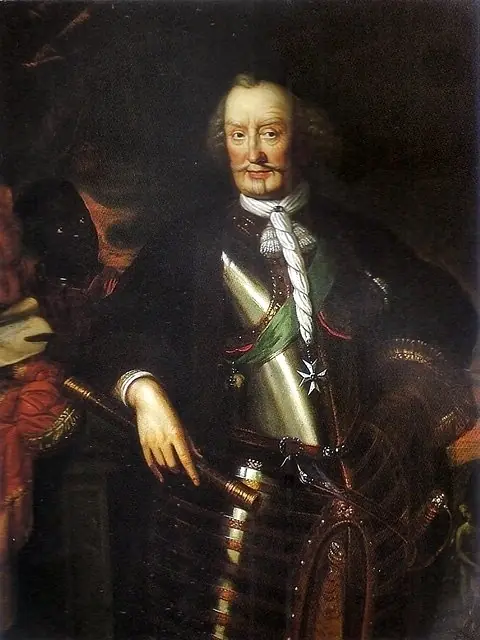 Portrait of John Maurice, Prince of Nassau-Siegen
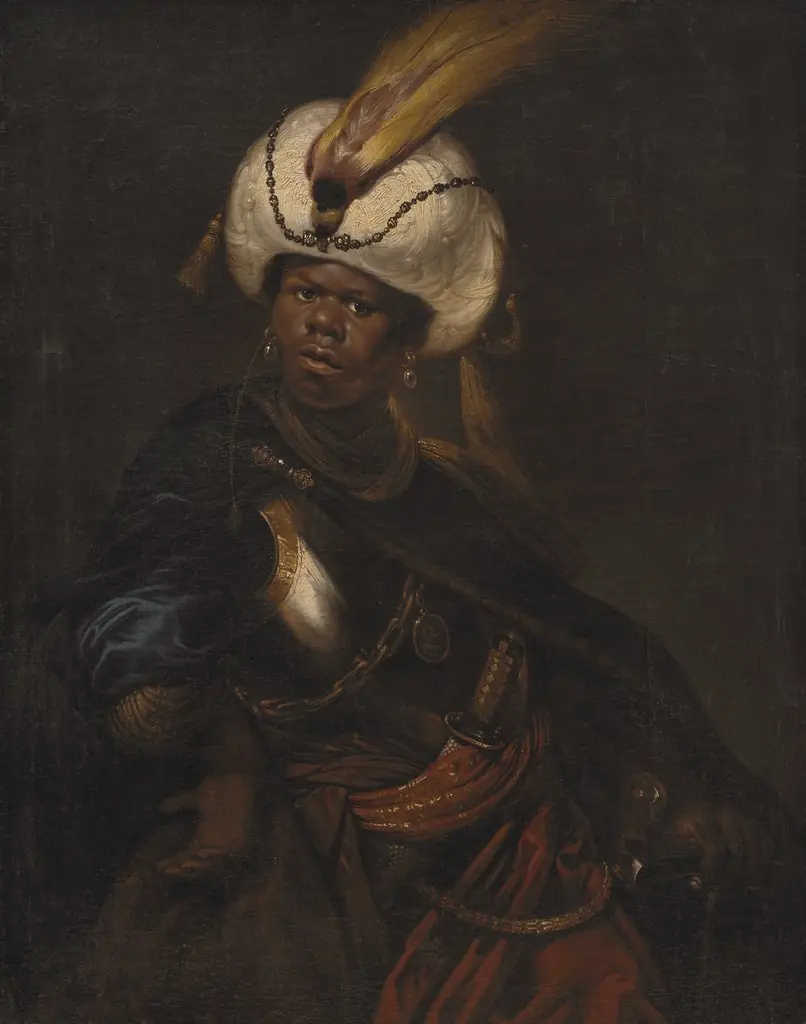 A Man Wearing a Turban and Armour
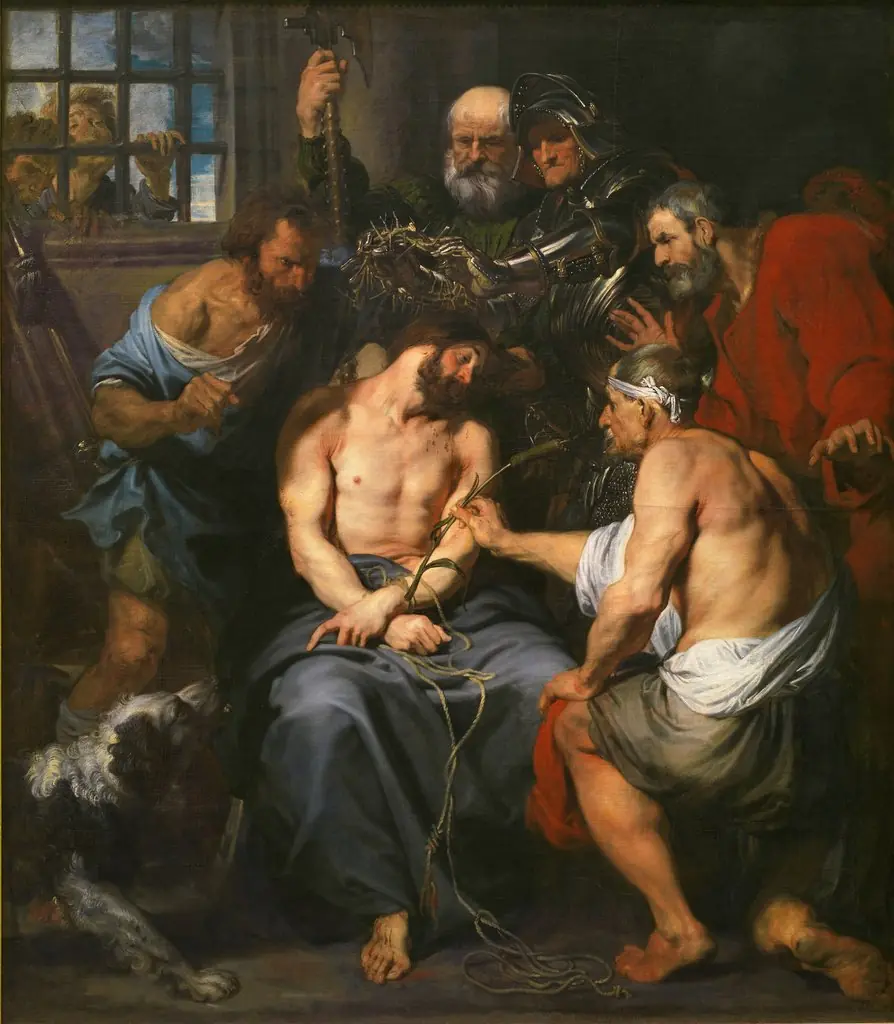 The Crown of Thorns
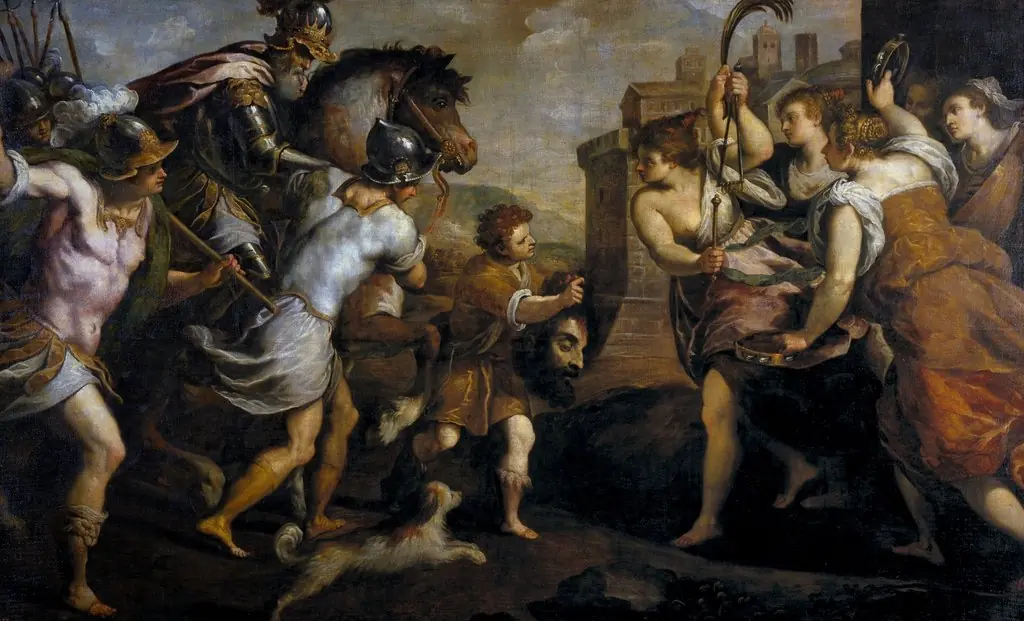 David with Goliath's Head
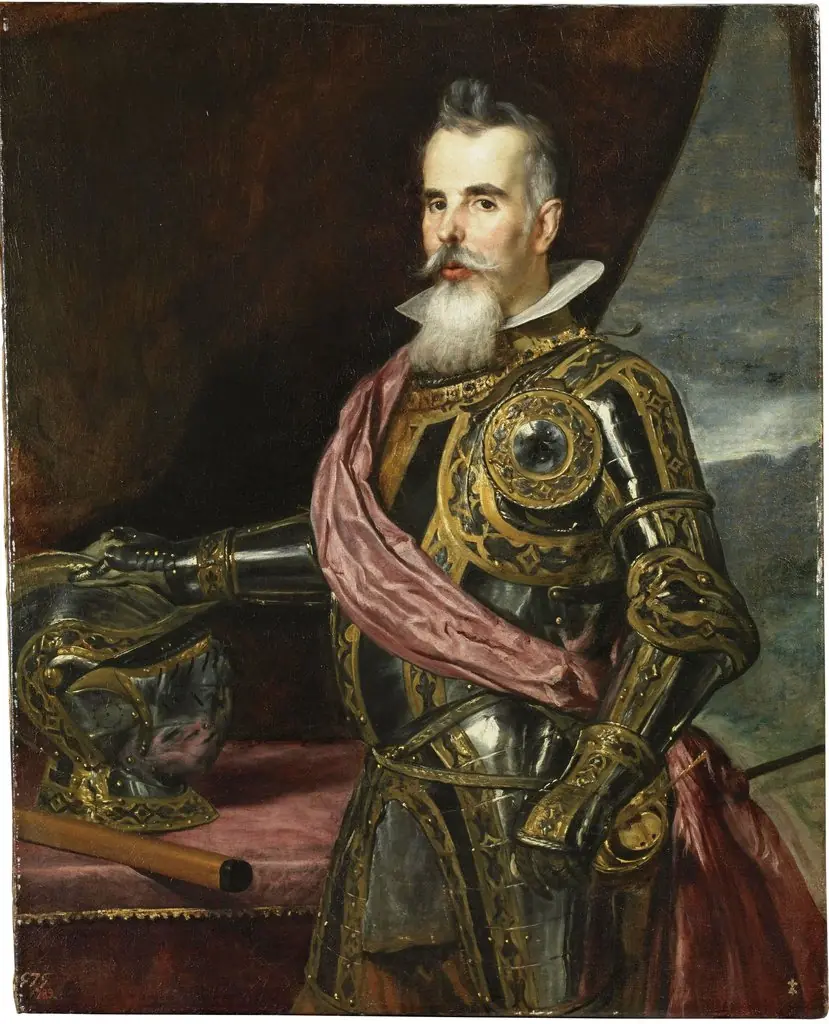 Juan Francisco Pimentel, conde de Benavente
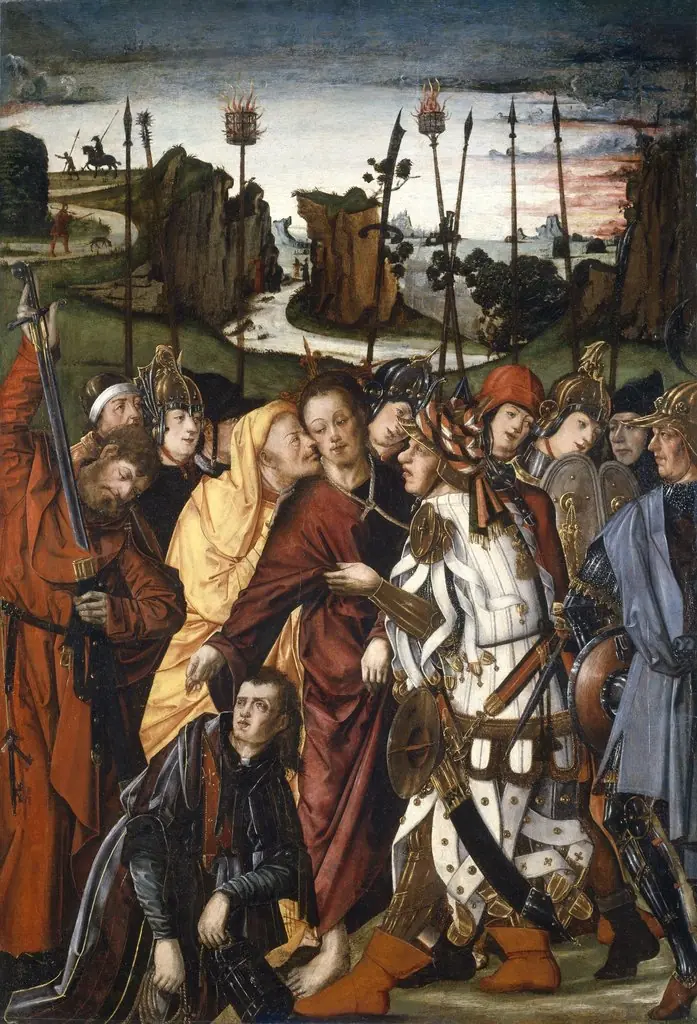 The Taking of Christ
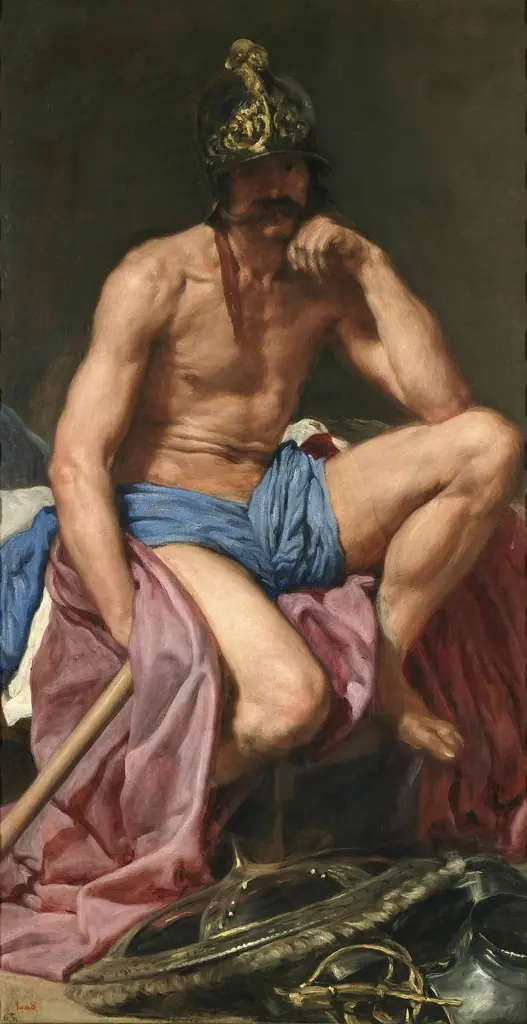 Mars Resting
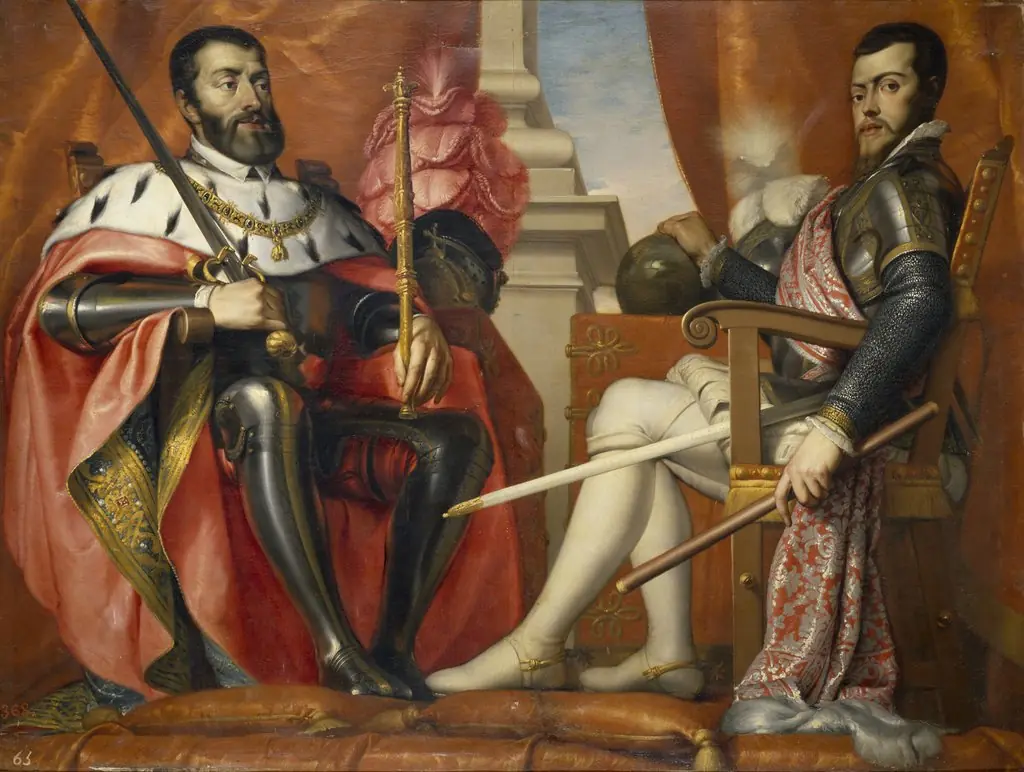 Charles V and Philip II
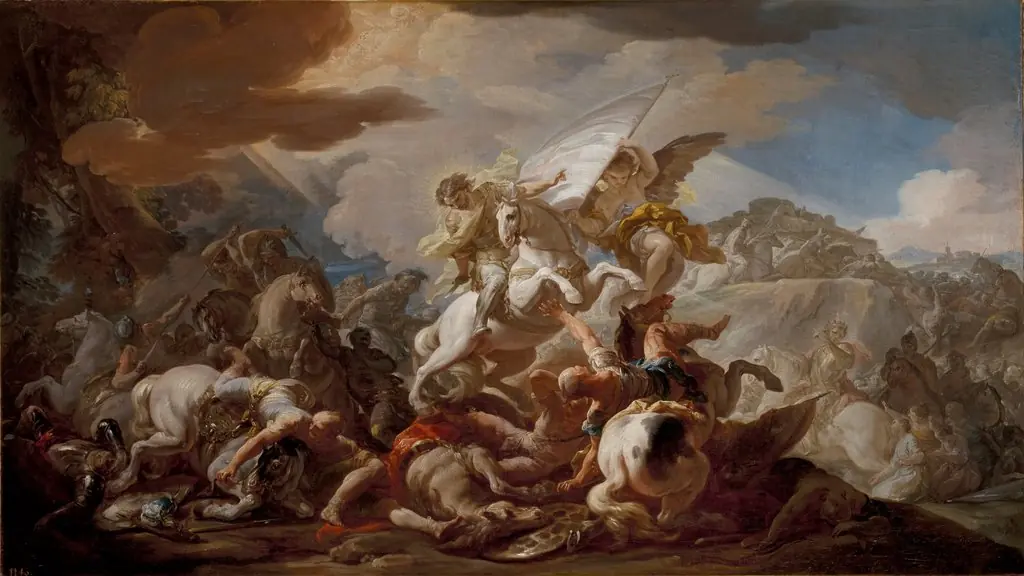 Battle of Clavijo
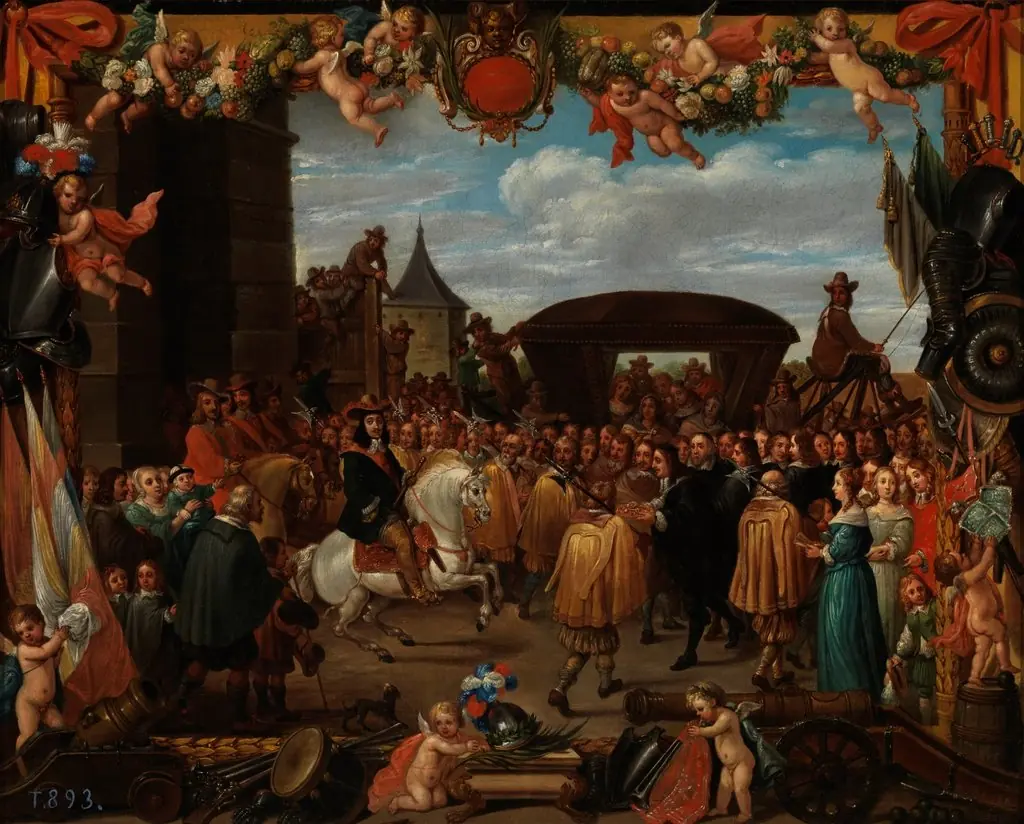 Entrada triunfal de don Juan José de Austria (?)
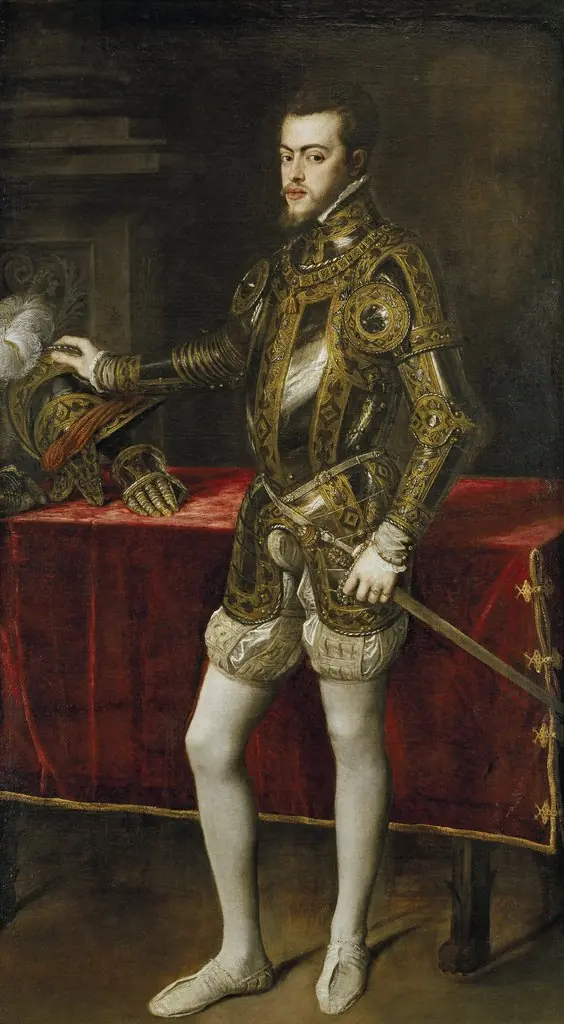 Philip II in Armour
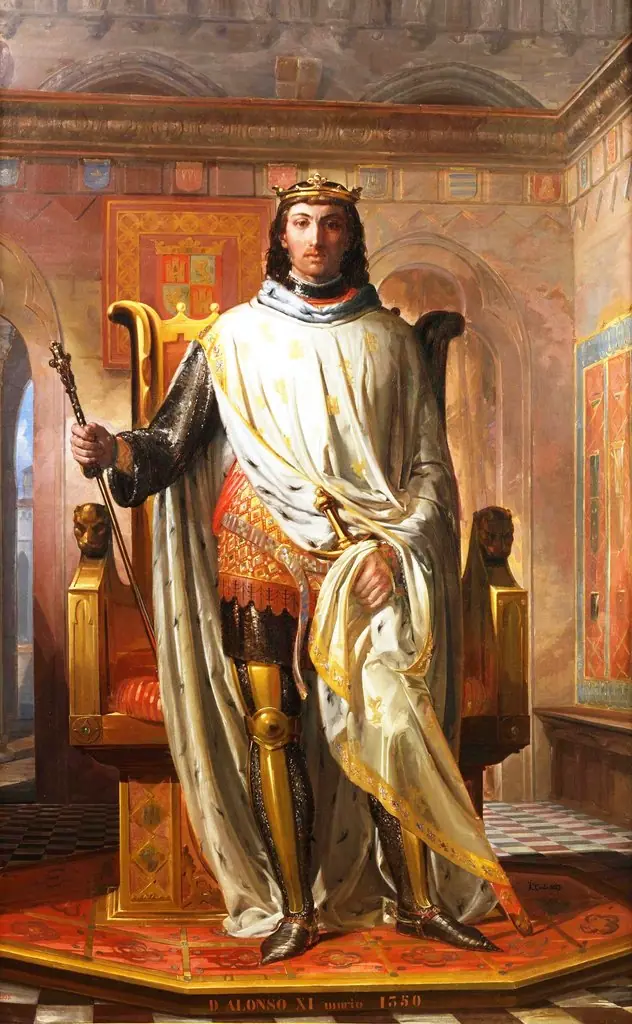 Alfonso XI
 Rest during the Flight to Egypt
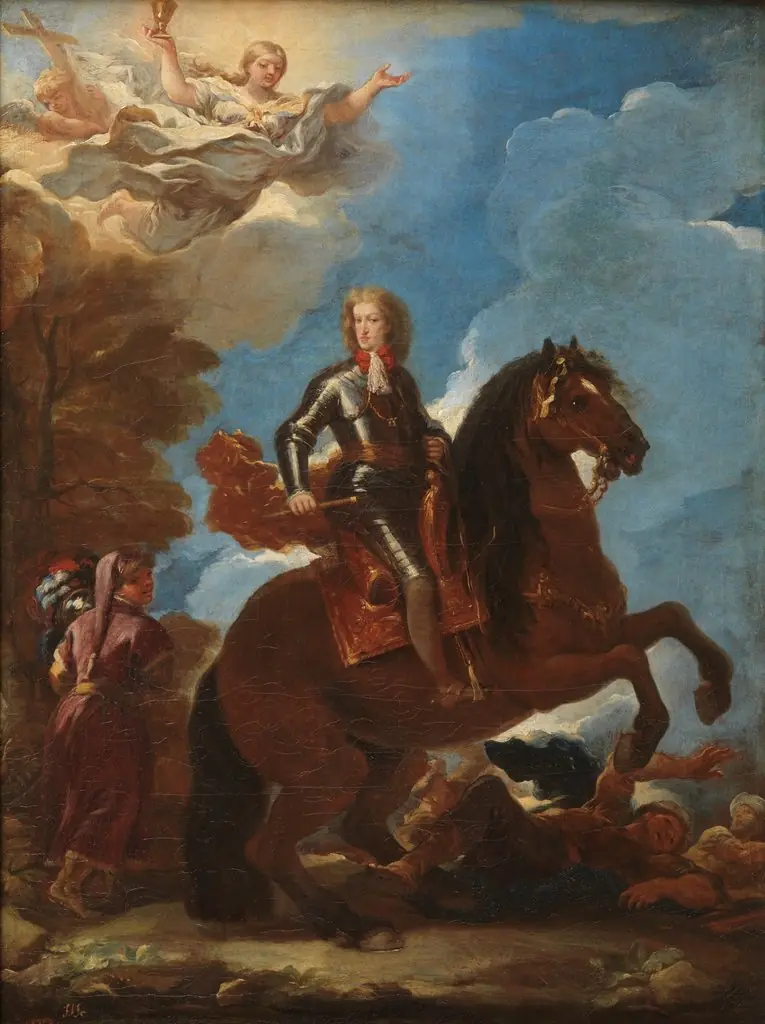 Charles II, King of Spain, on Horseback
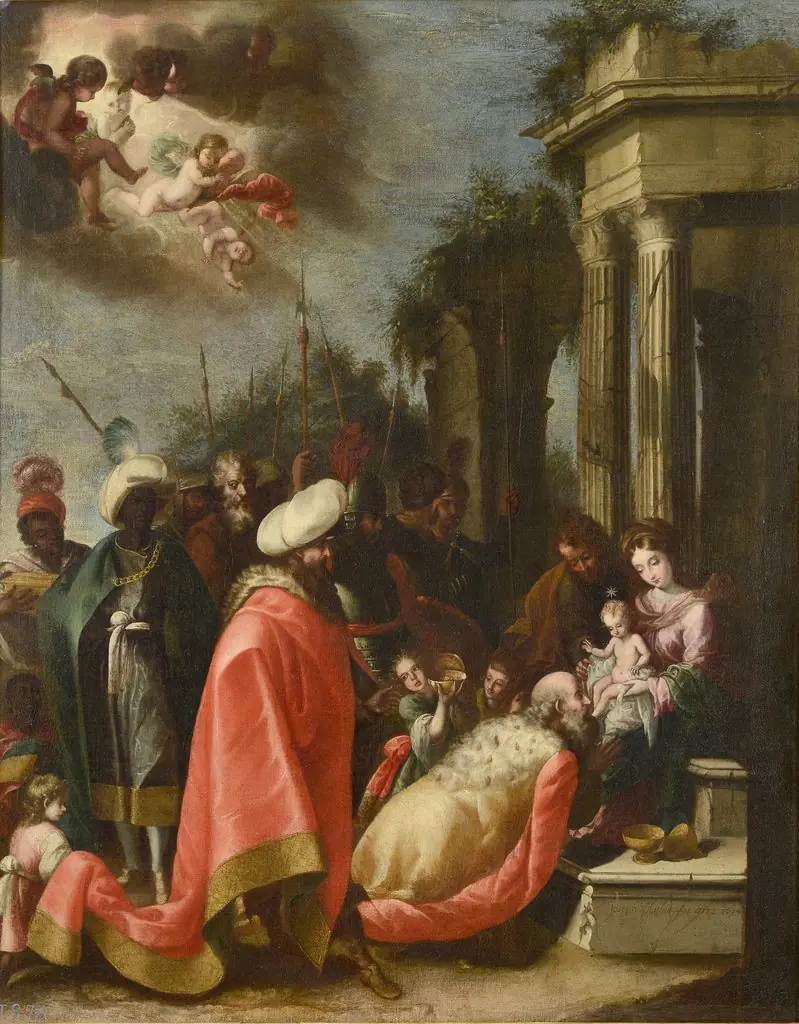 Adoración de los Reyes Magos
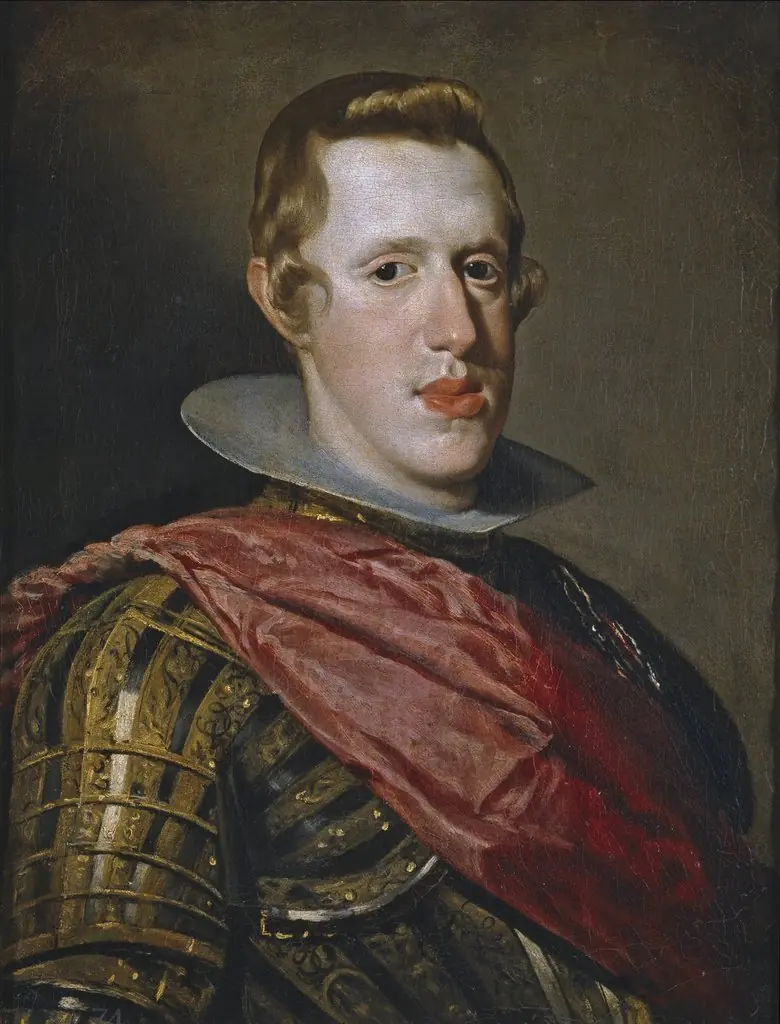 Portrait of Philip IV in Armour
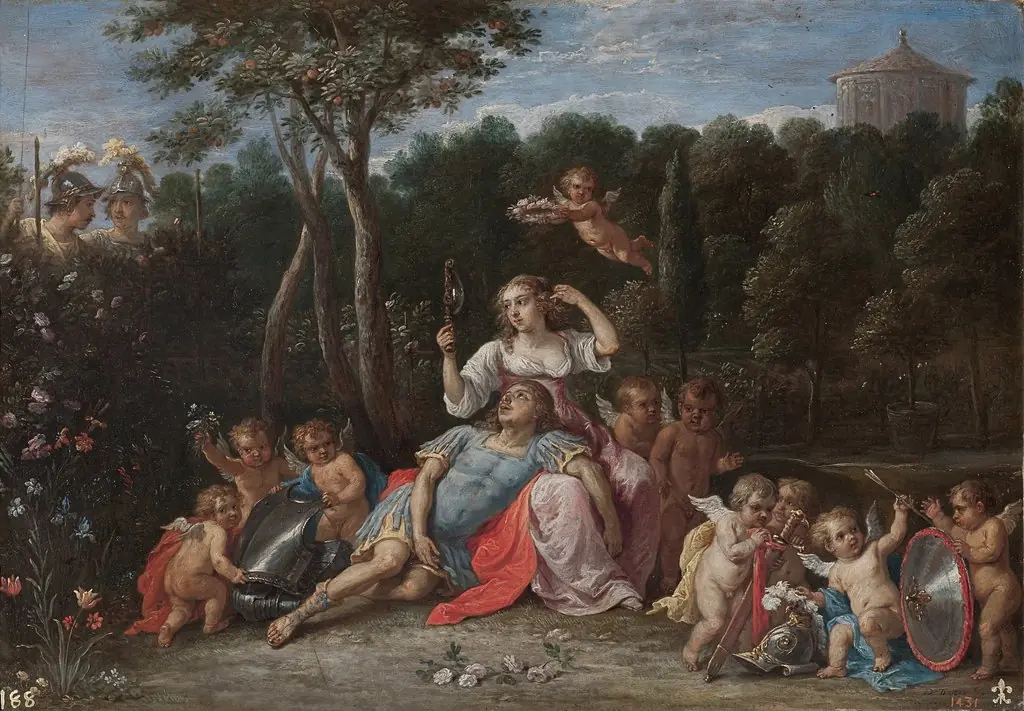 El jardín de Armida
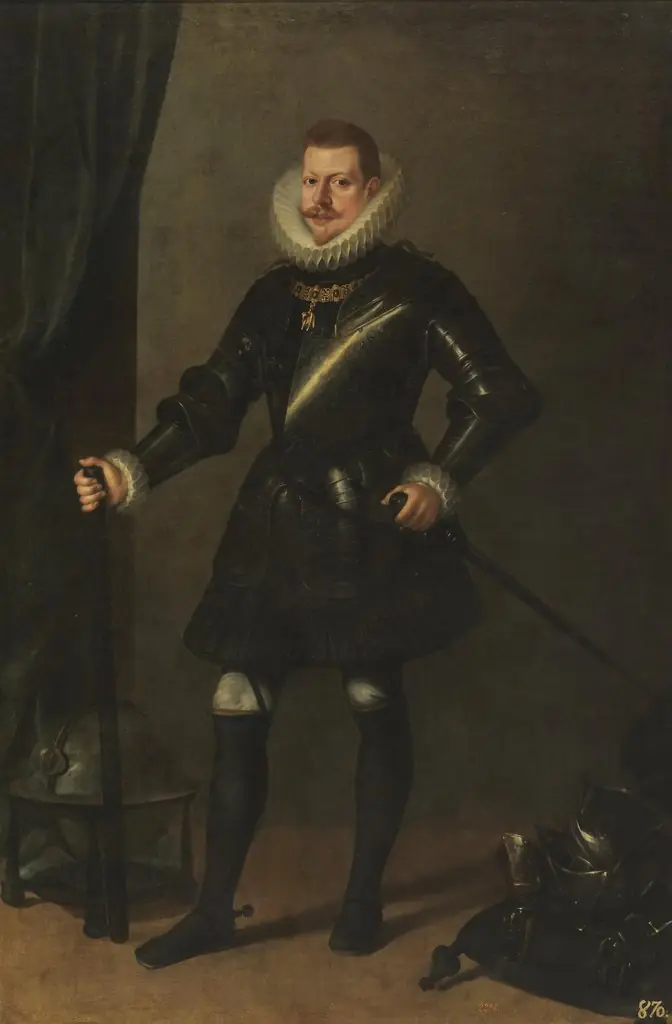 Philip III in Armour
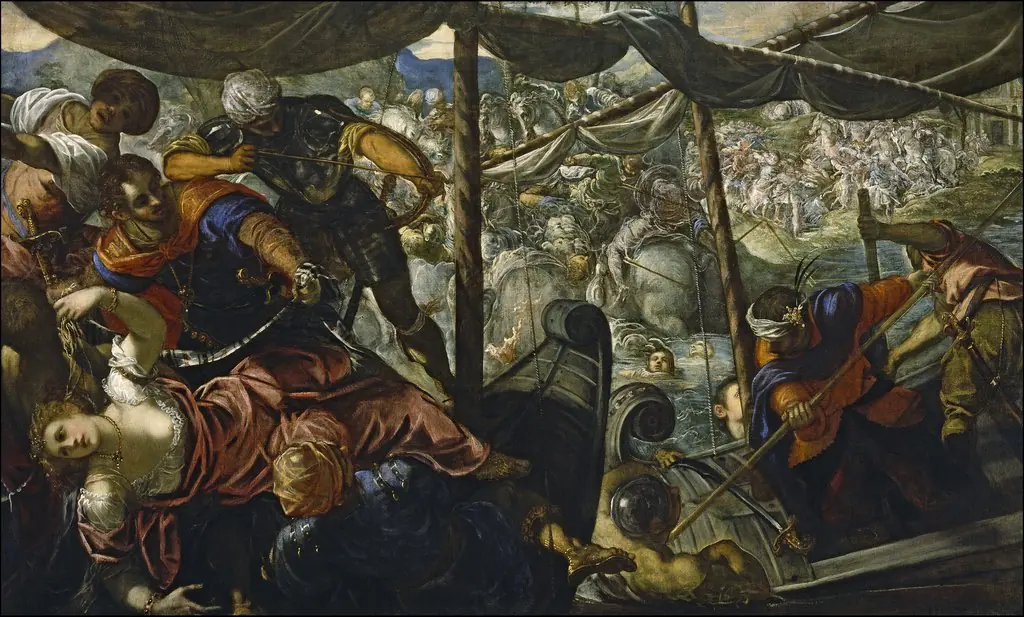 The Rape of Helen
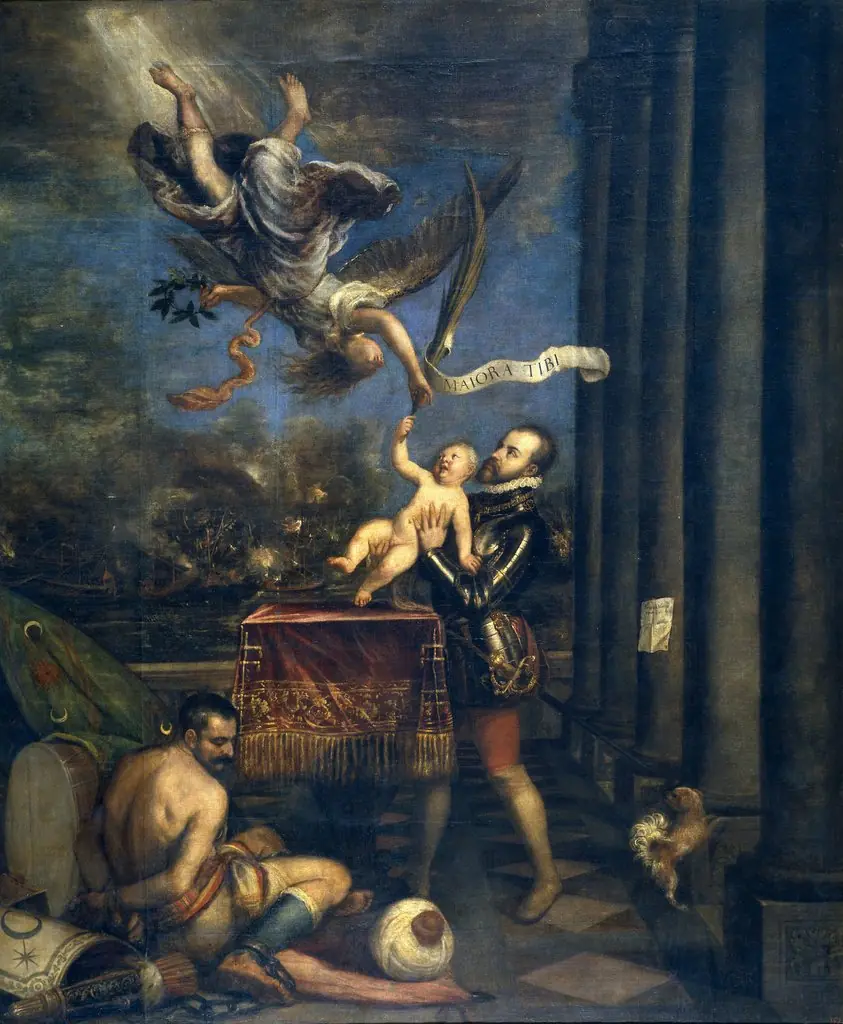 Philip II offering the Infante don Fernando to the Heavens
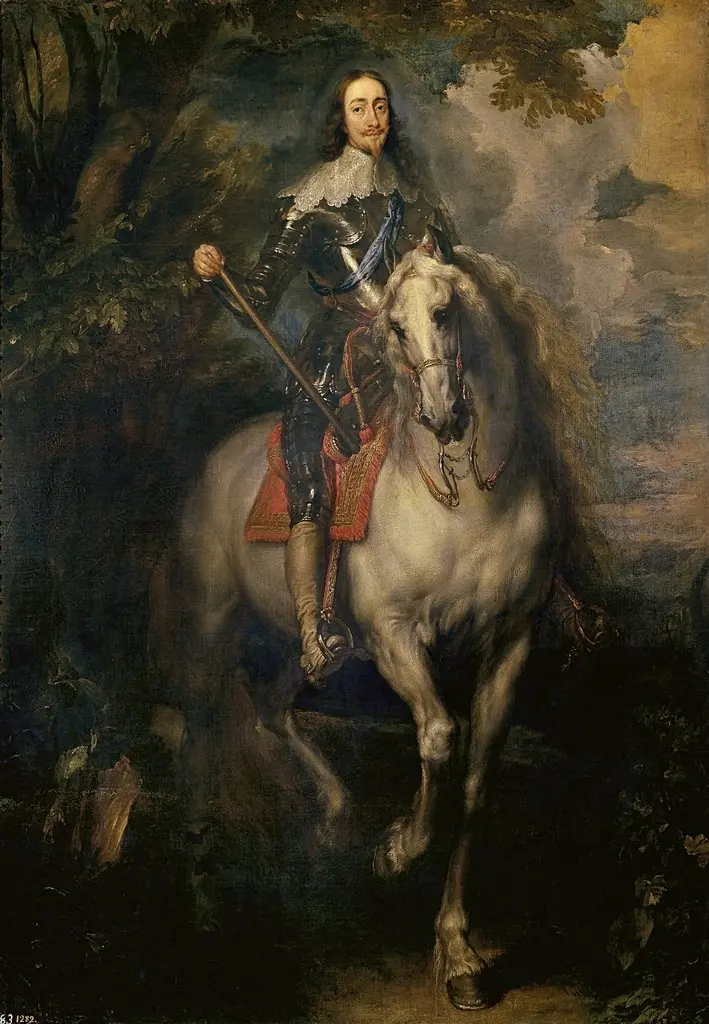 Equestrian portrait of Charles I of England
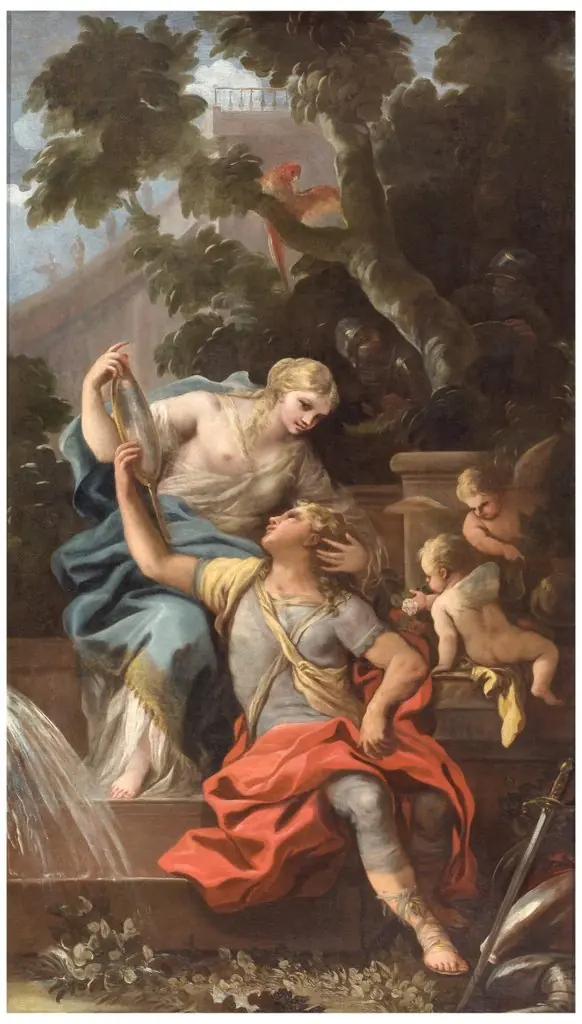 Armida and Rinaldo
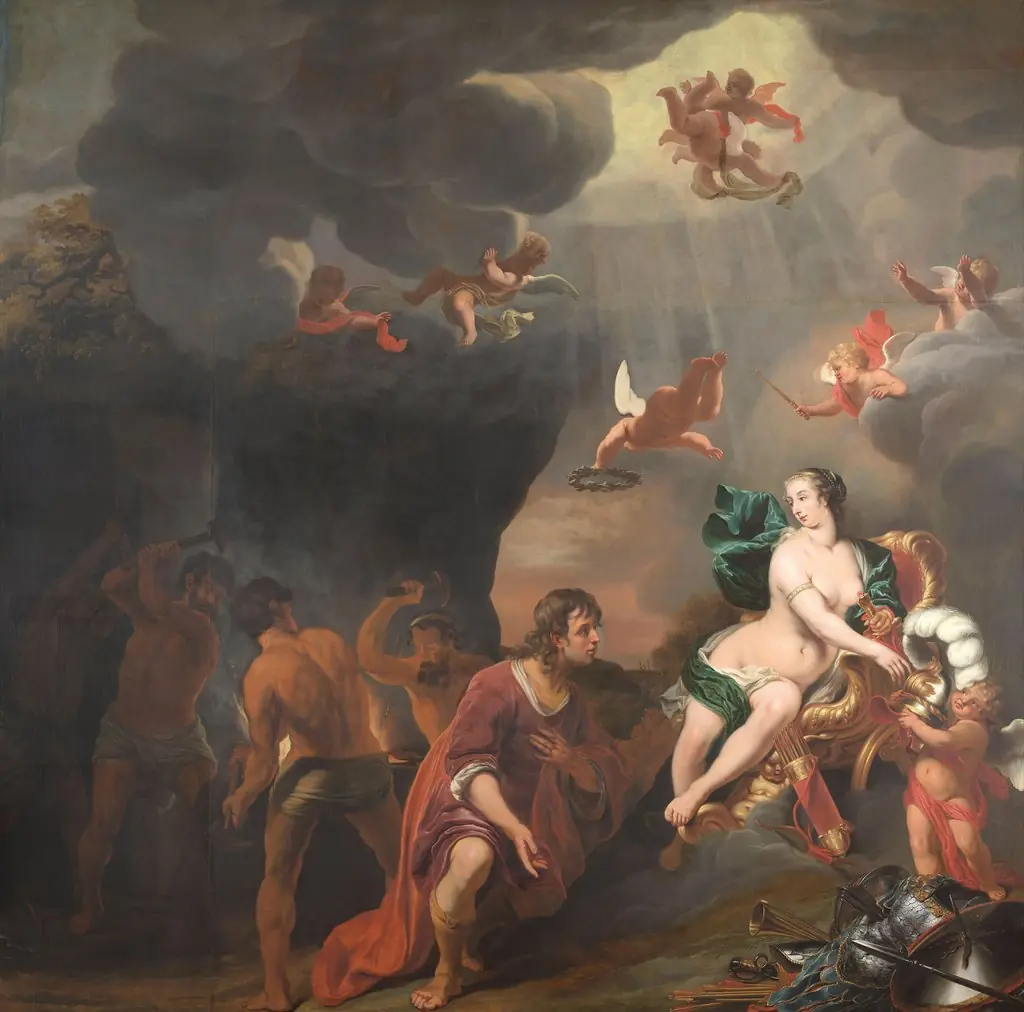 Achilles ontvangt van Thetis een nieuwe wapenrusting uit de smidse van Vulcanus
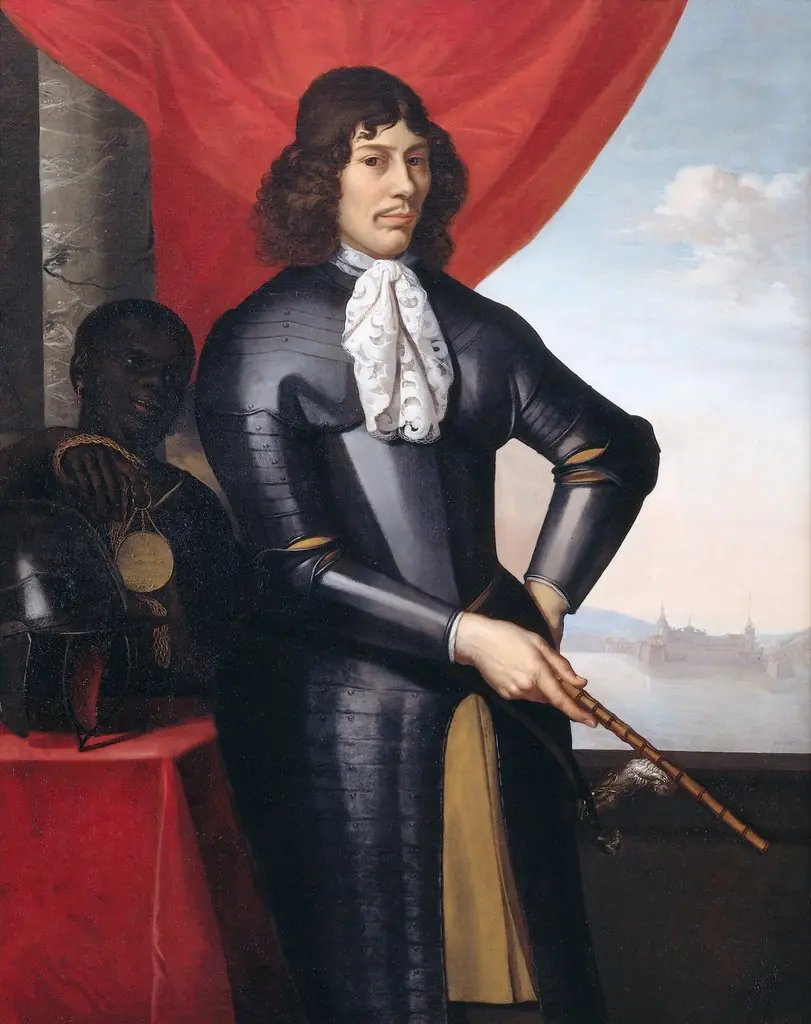 Portrait of Jan Valckenburgh
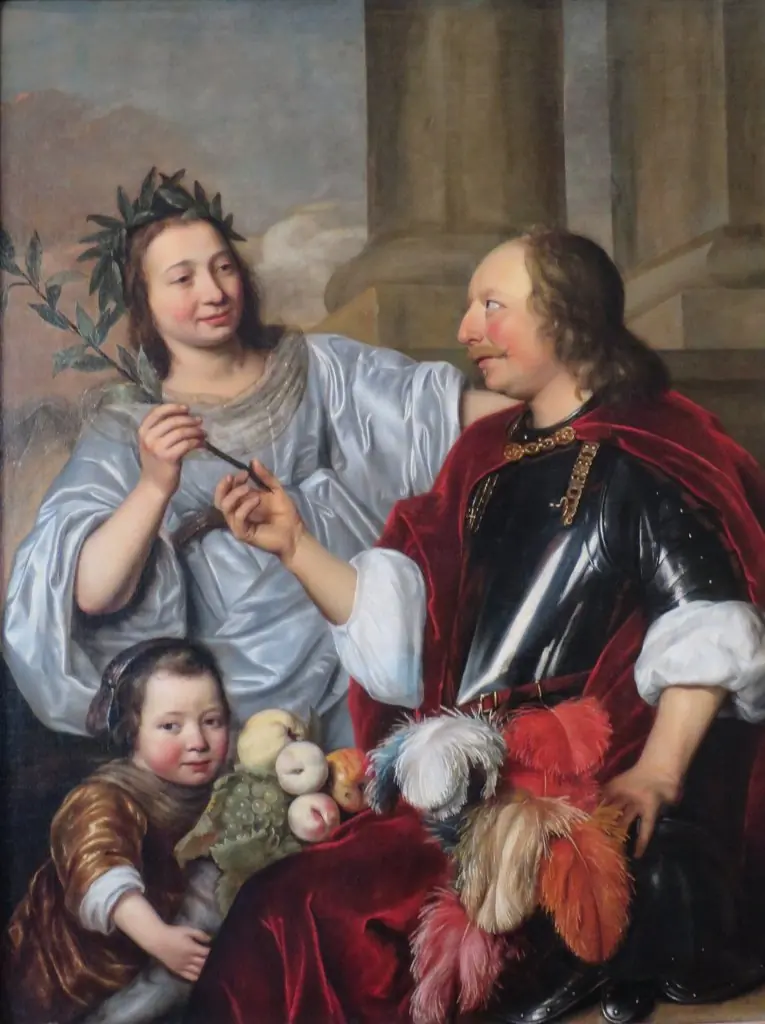 Allegorical Family Portrait
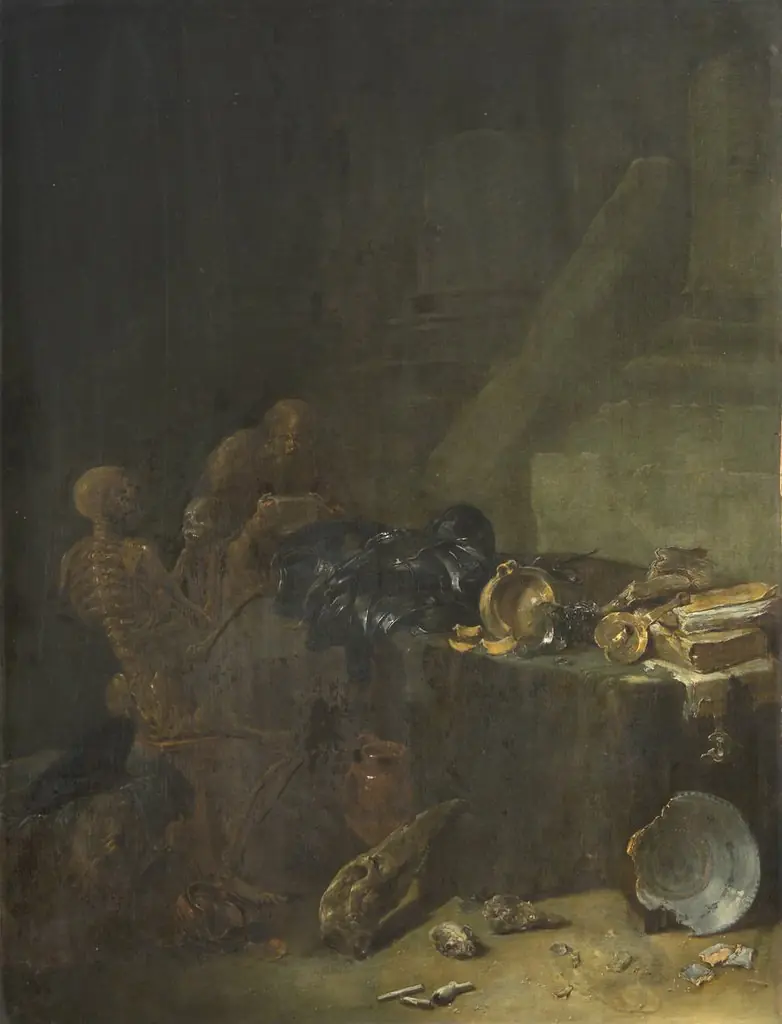 Allegory of Transitoriness
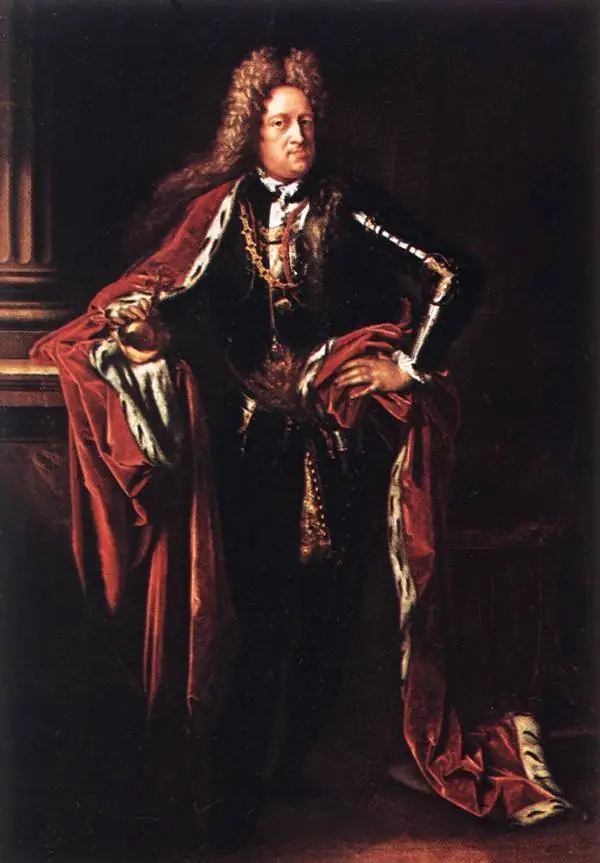 Portrait of Johann Wilhelm Elector of Palatine (1658-1716)
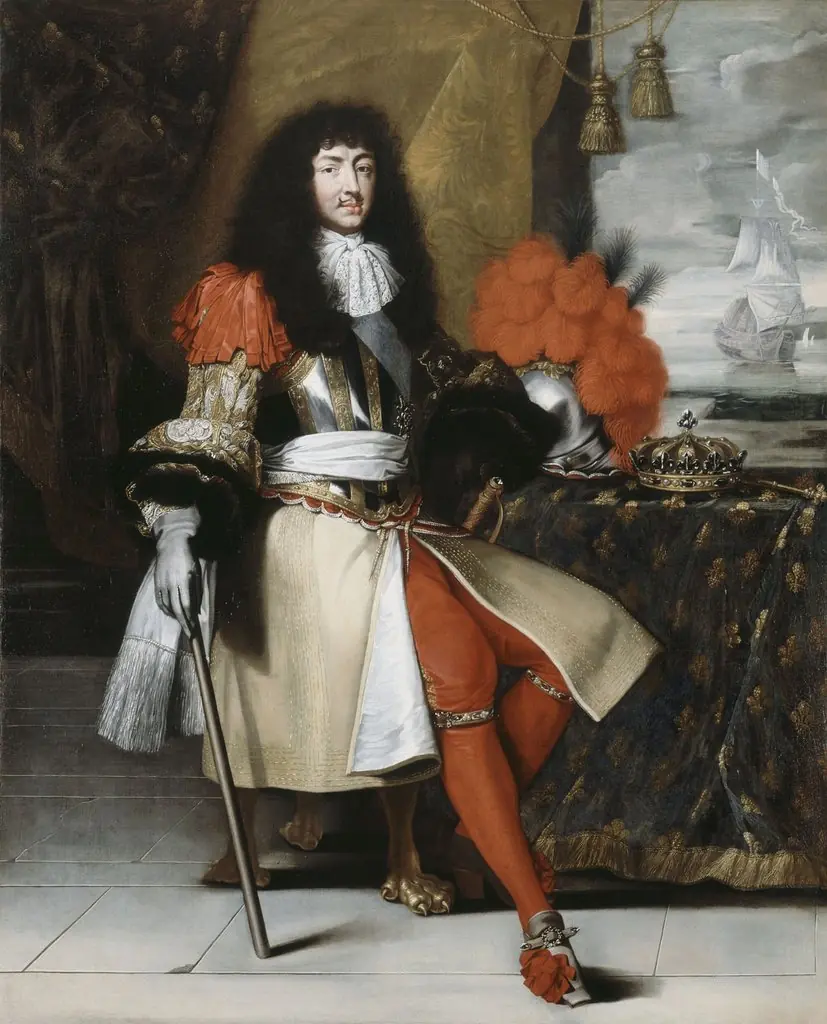 Portrait of Louis XIV of France
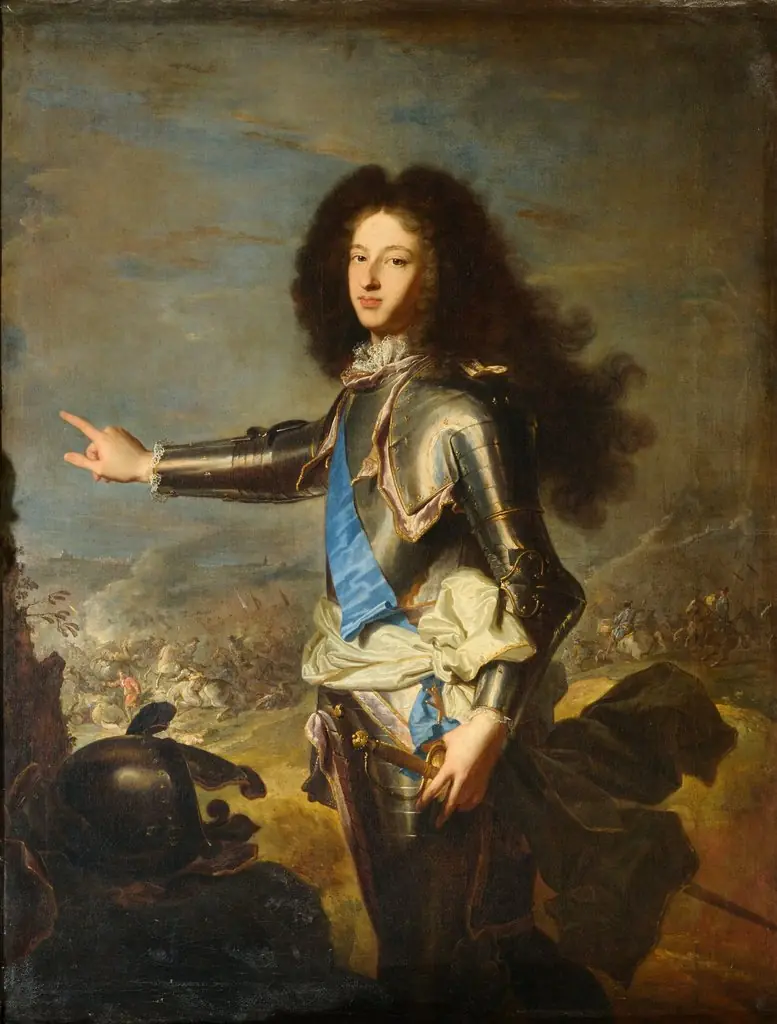 Louis de France, Duke of Burgundy
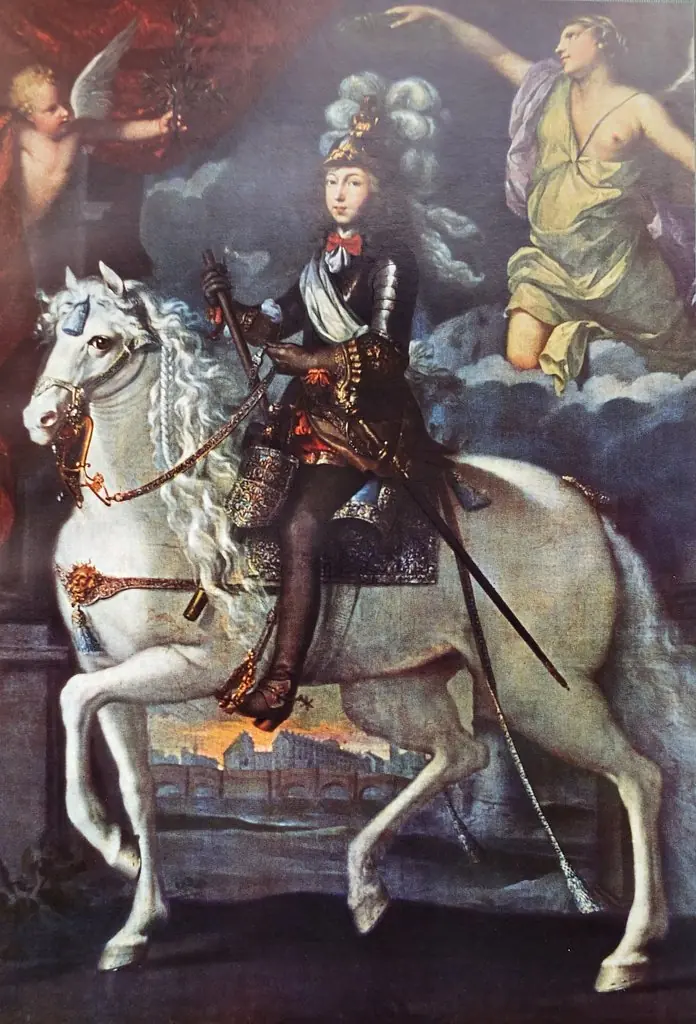 Louis XIV, King of France
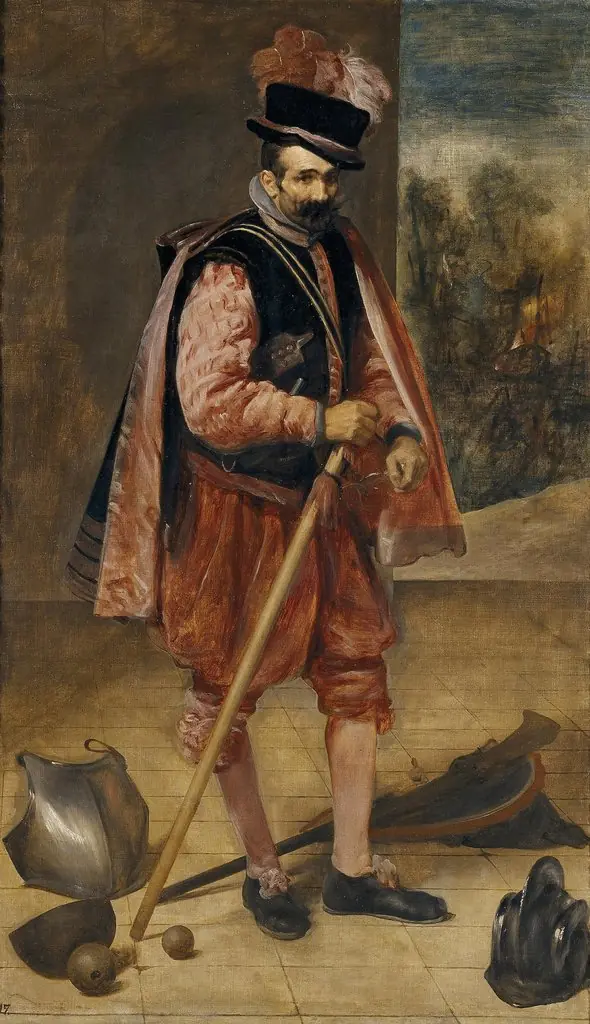 The Jester Named Don John of Austria
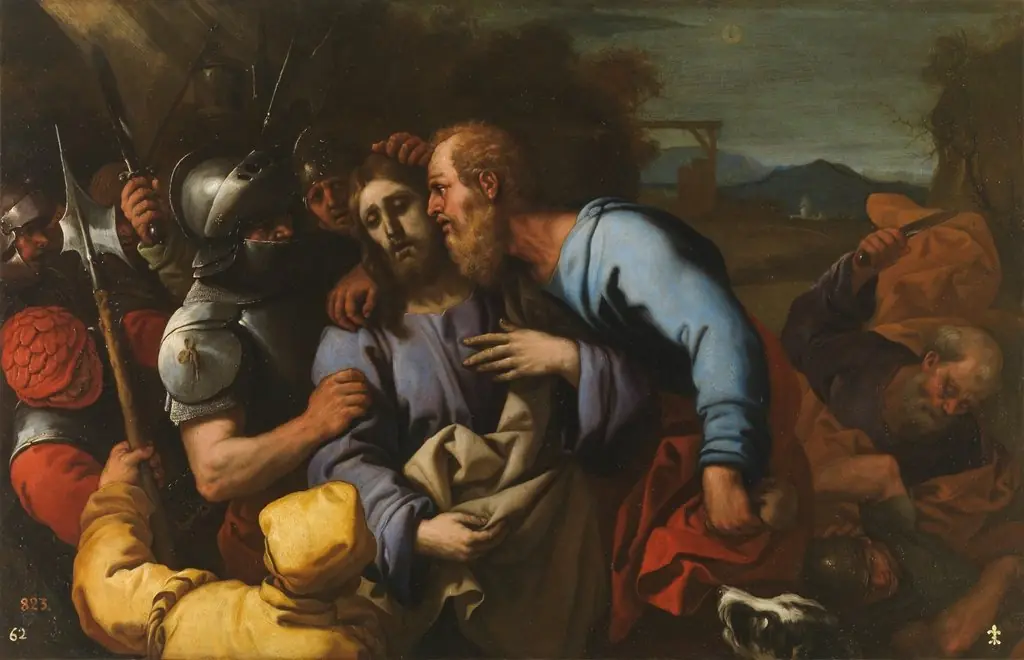 The Kiss of Judas
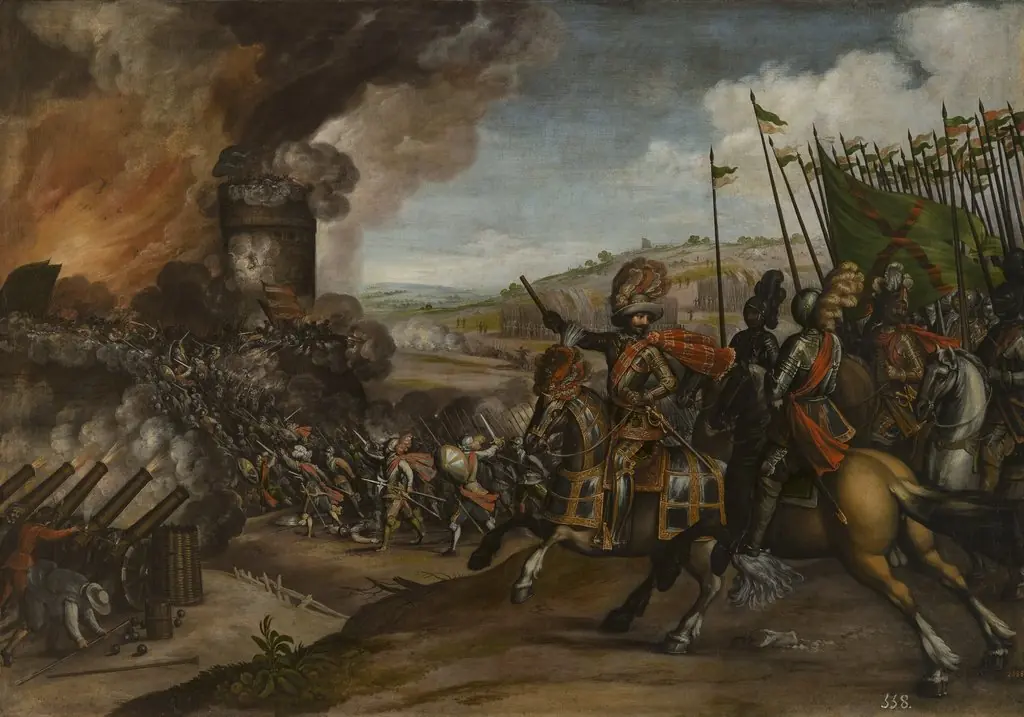 Battle of Gascona and battery in a castle
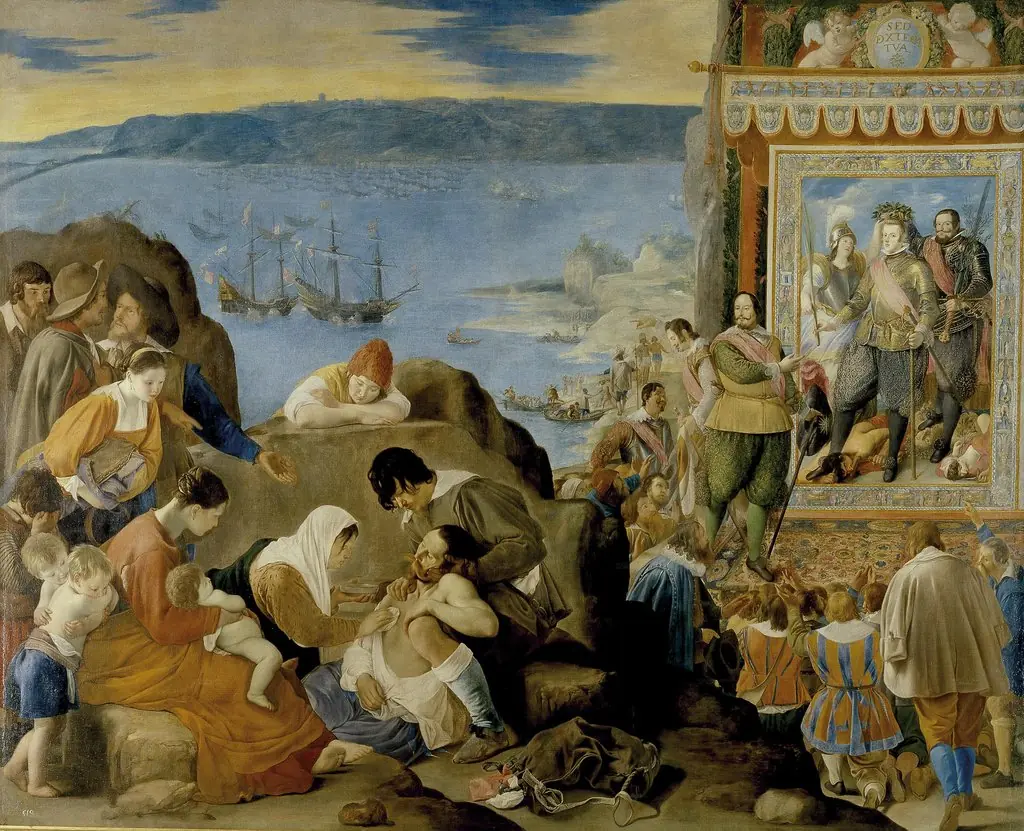 The Recovery of Bahía de Todos los Santos
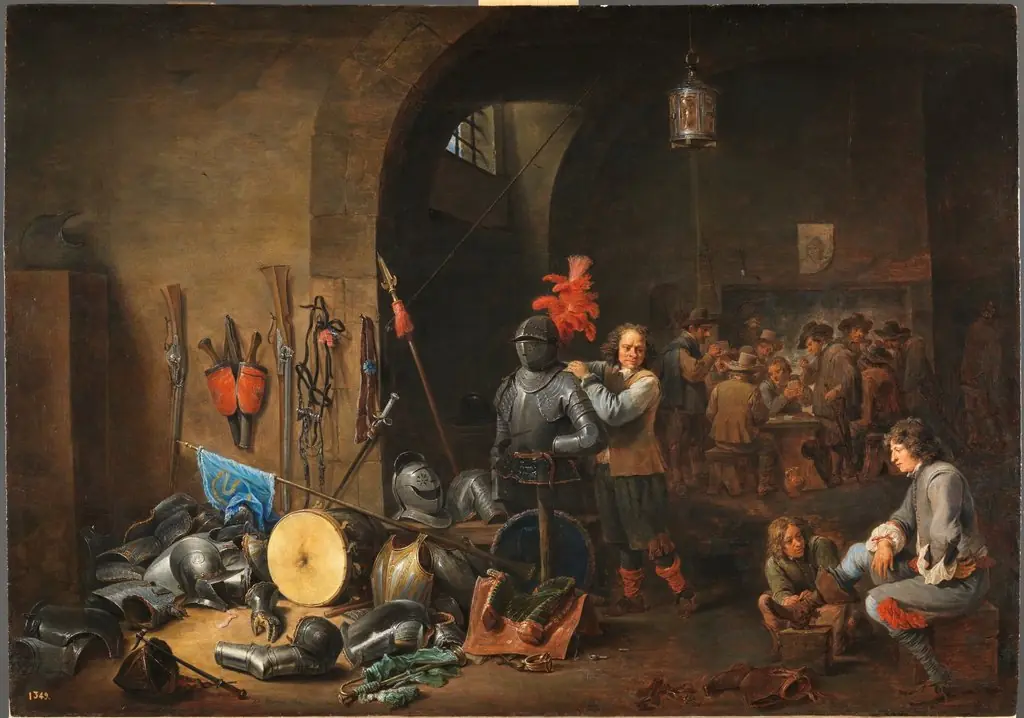 The Bivouac
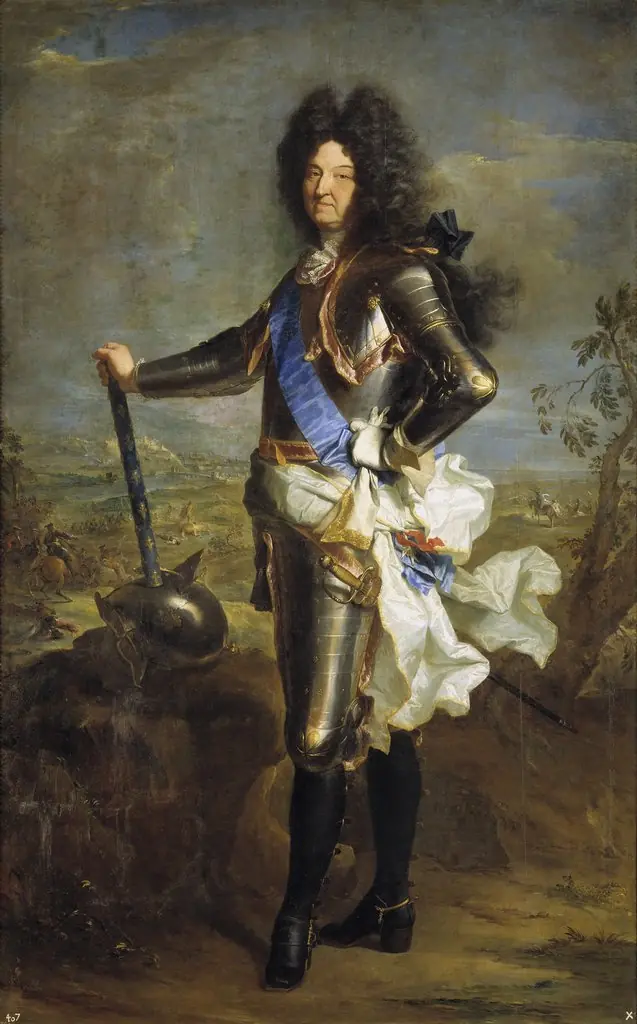 Louis XIV
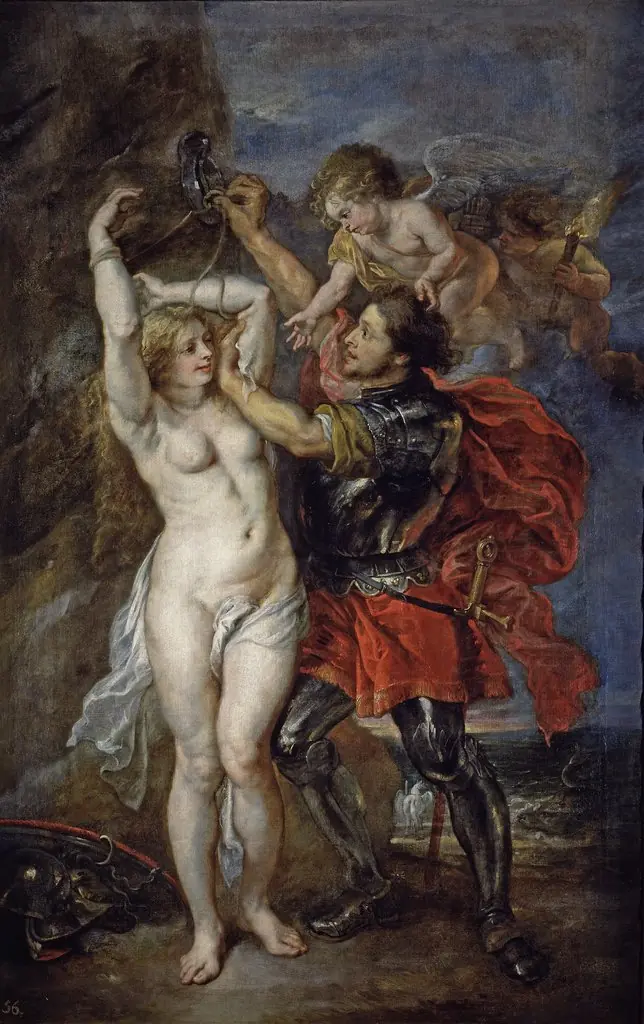 Perseus Freeing Andromeda
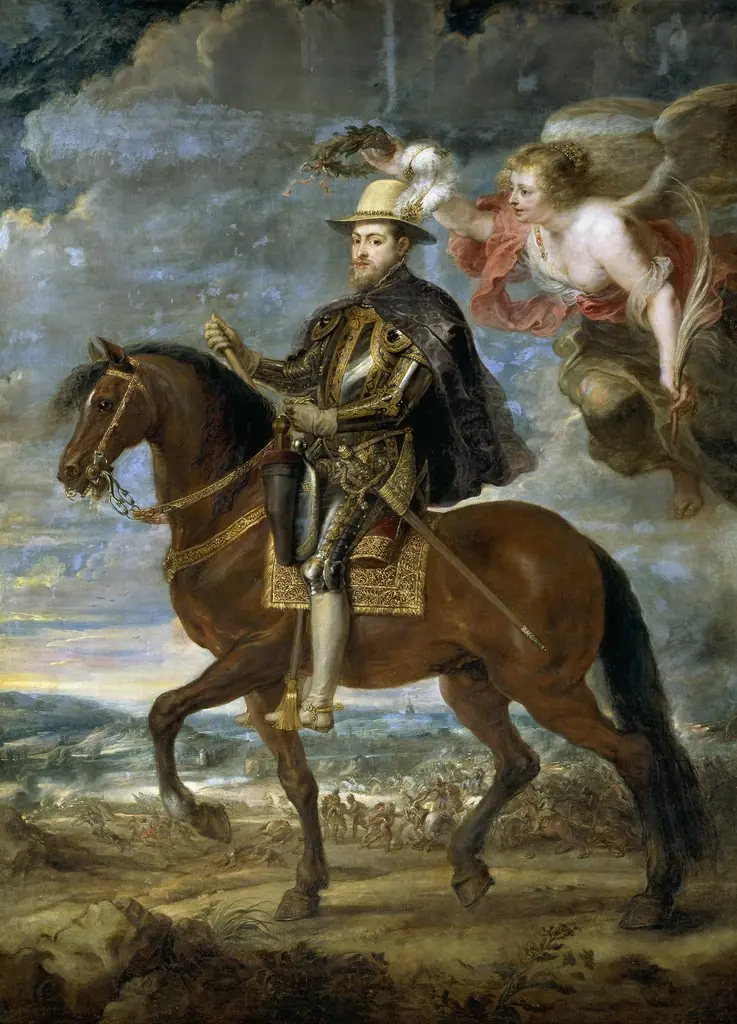 Philip II on Horseback
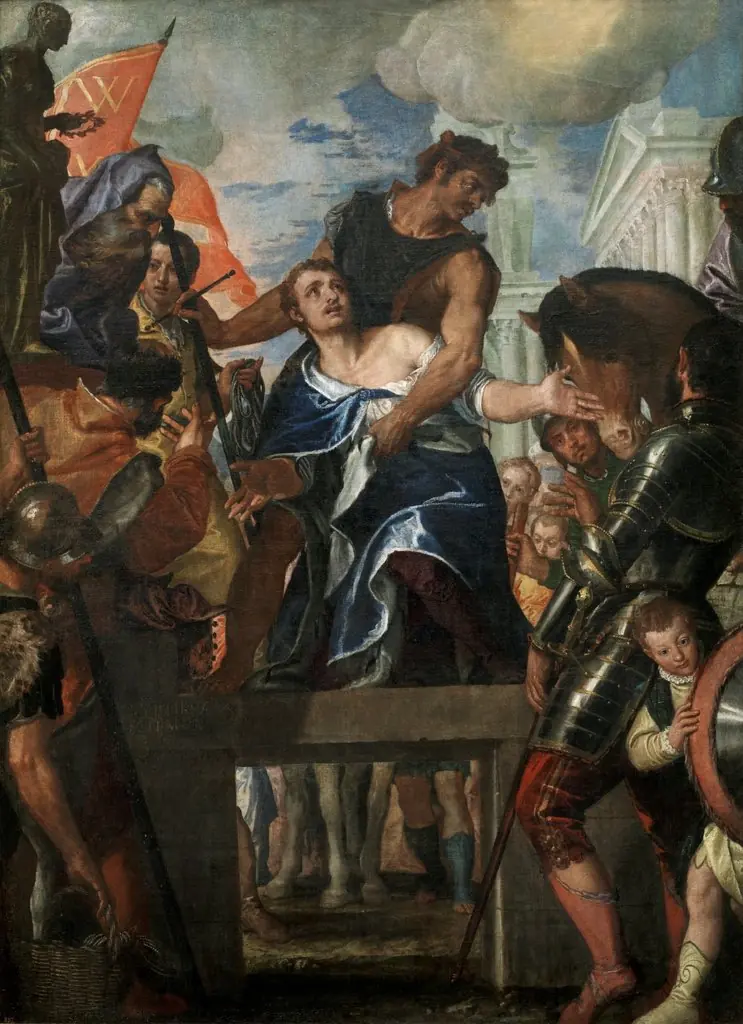 The Martyrdom of Saint Mennas
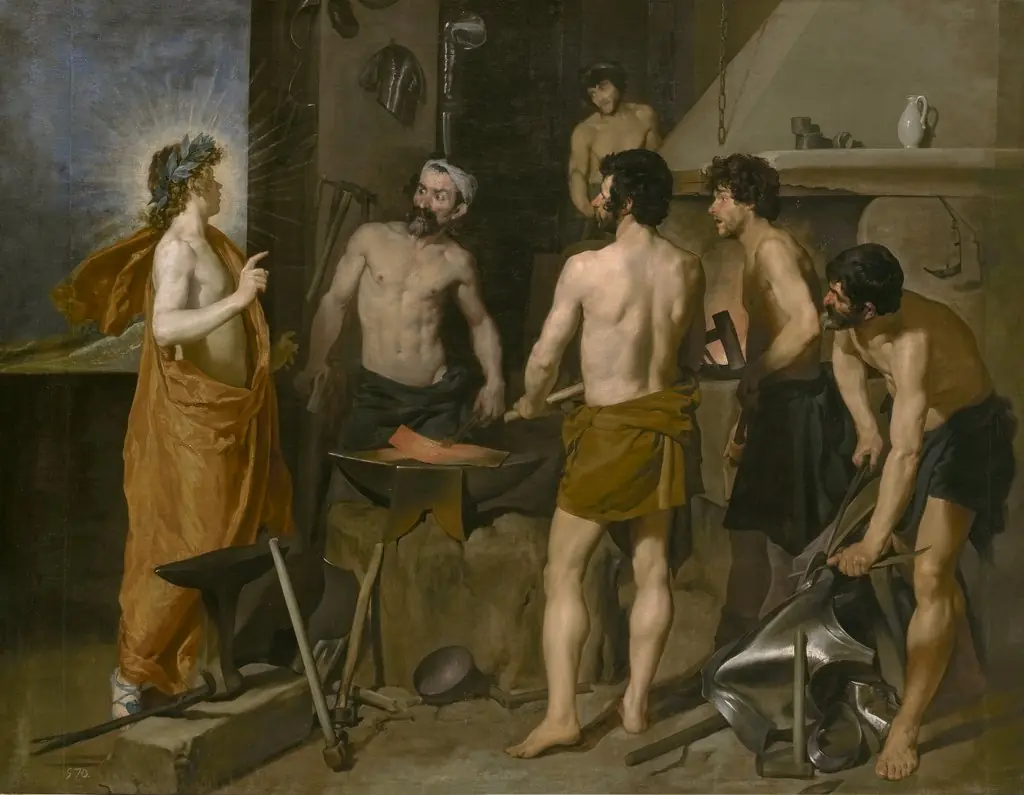 Apollo in the Forge of Vulcan
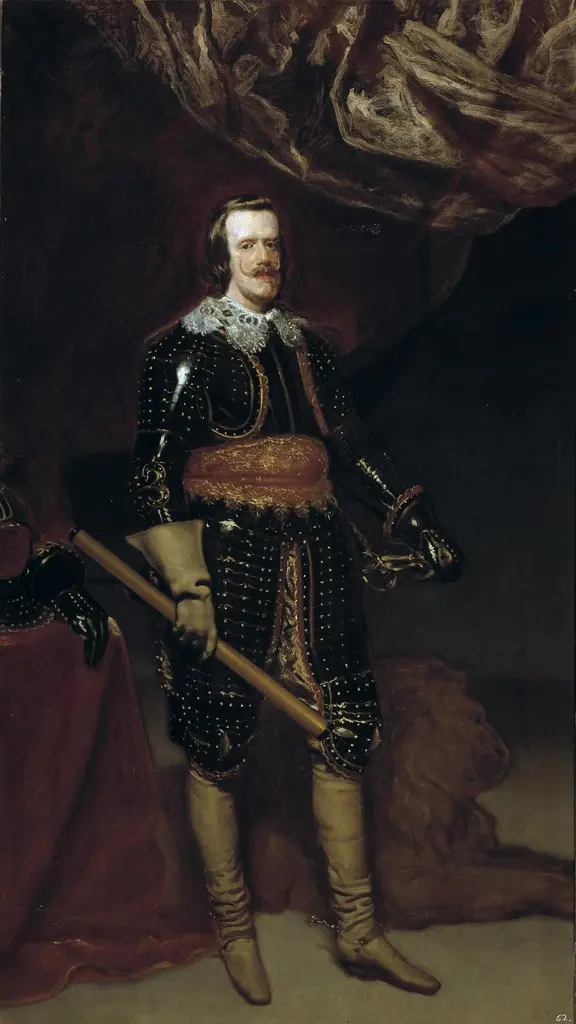 Philip IV in Armour, with a Lion at his Feet
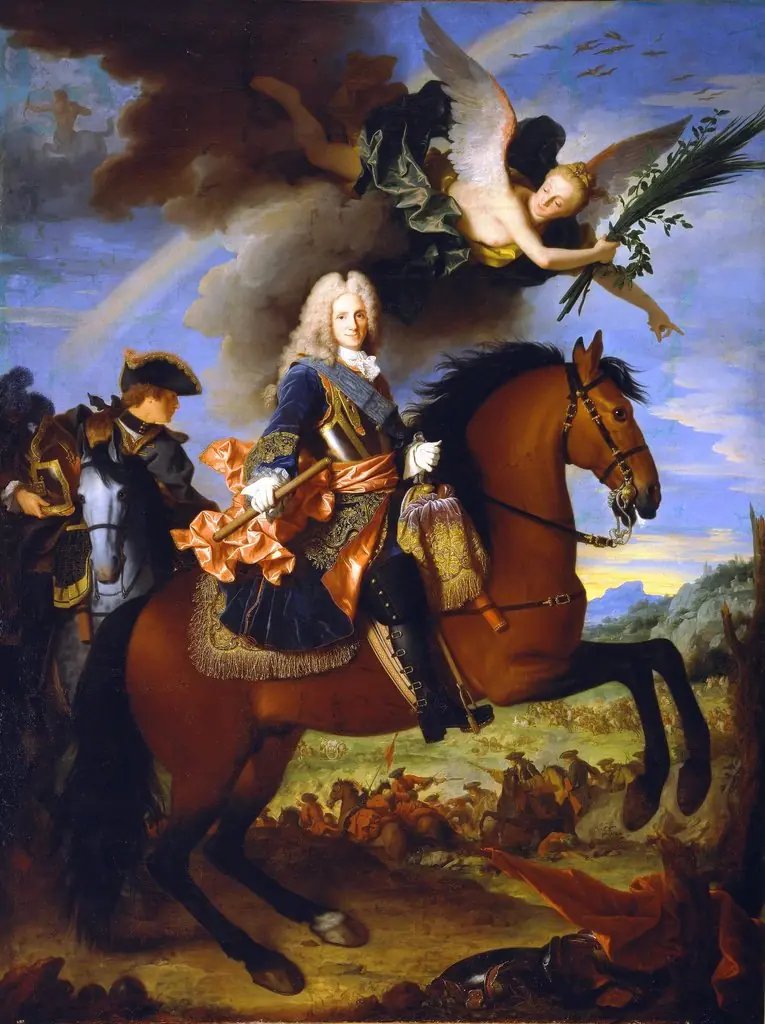 Philip V on Horseback
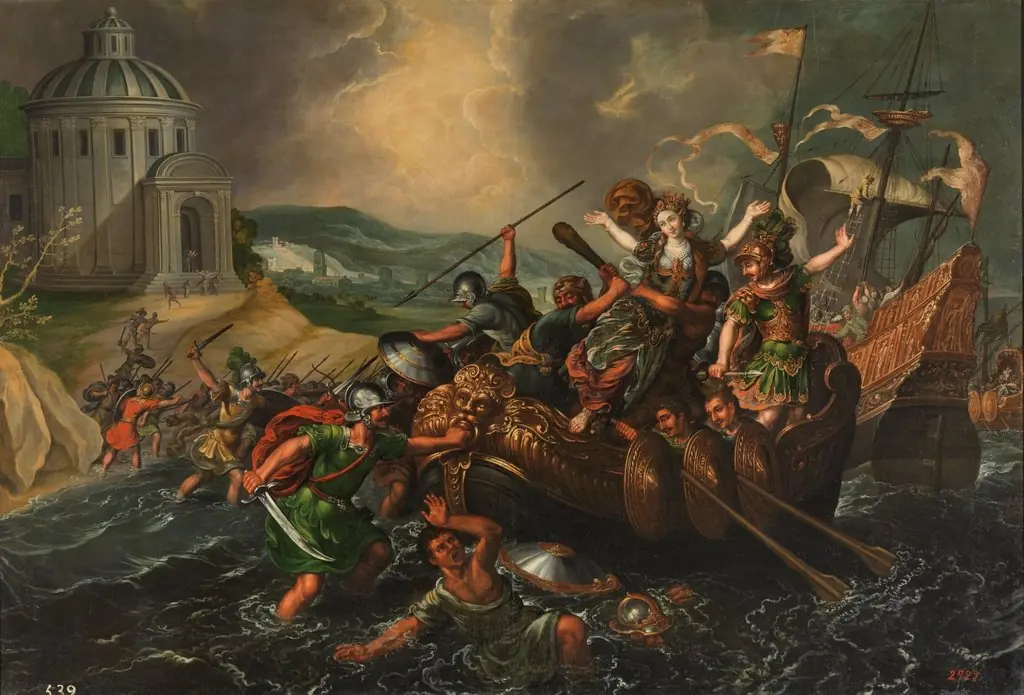 The Rape of Helen by Juan de la Corte
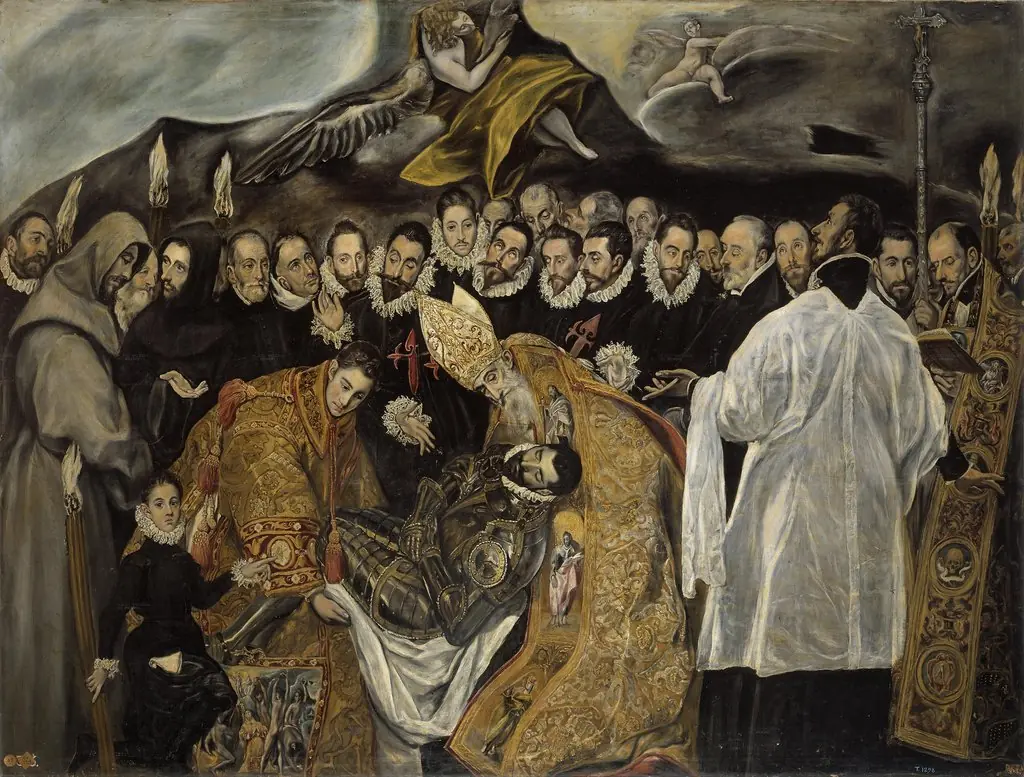 The Burial of the Count of Orgaz
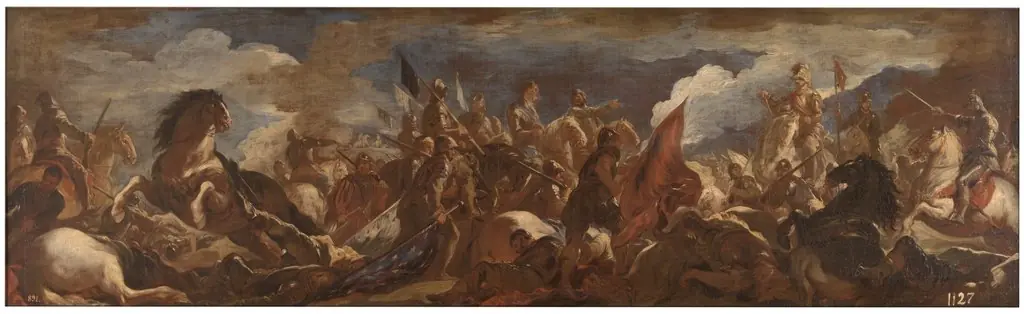 Prisión del condestable de Montmorency, en la Batalla de San Quintín
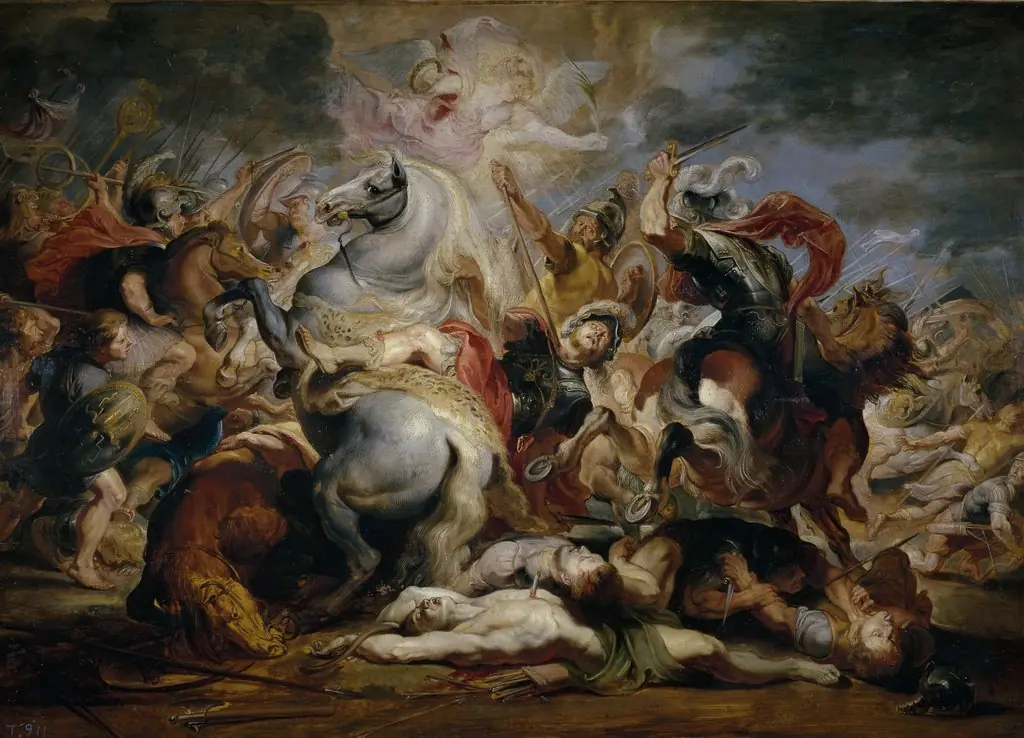 The Death of the Consul Decius
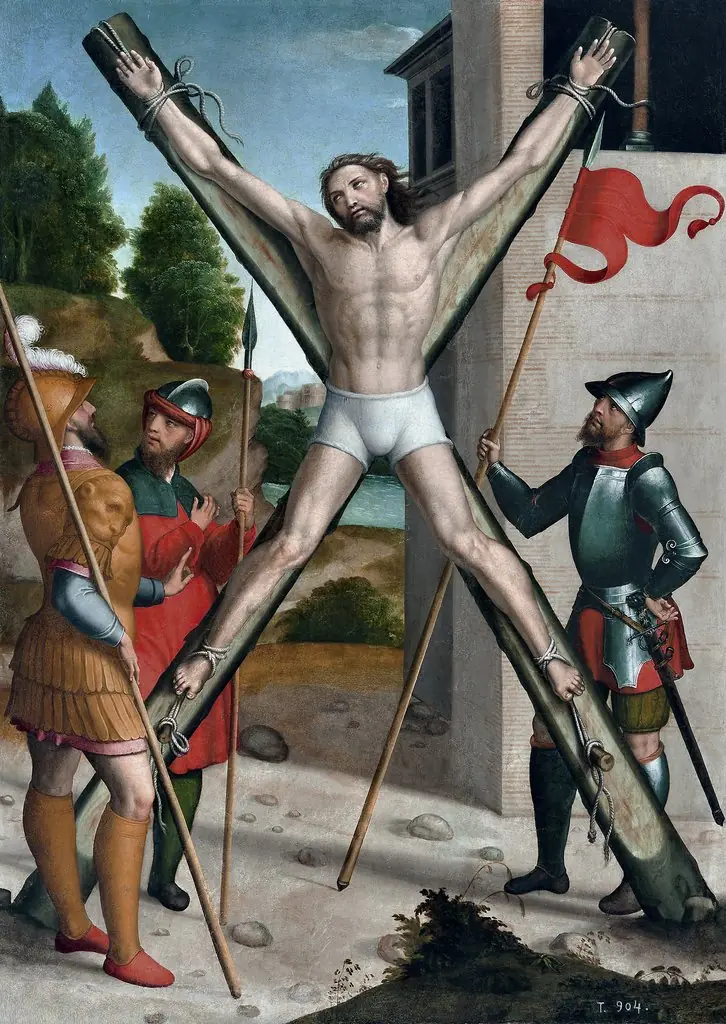 Martirio de San Andrés
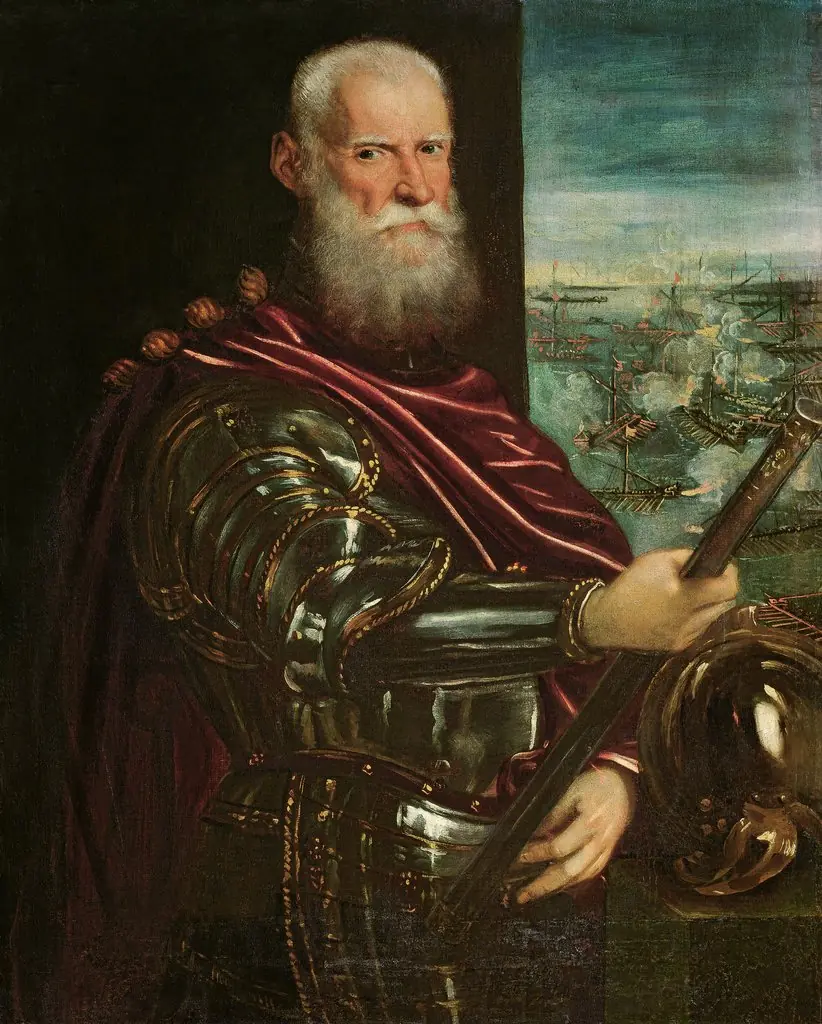 Portrait of the Doge Sebastiano Venier
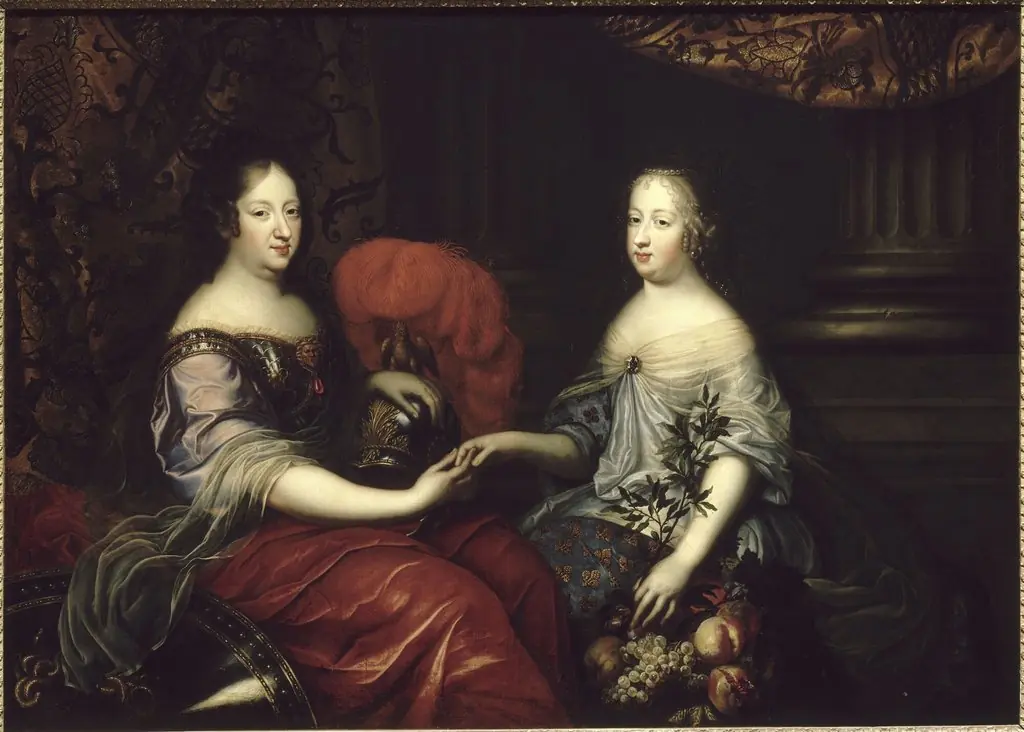 Anne of Austria and Marie-Thérèse of Austria, queens of France
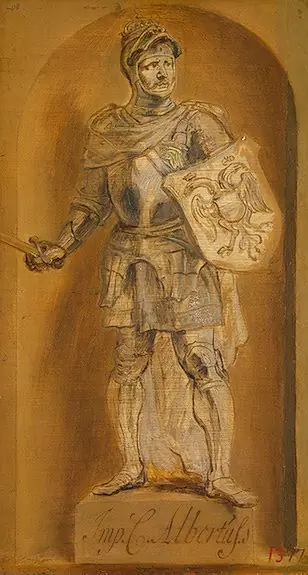 Statue of Albert I in a niche
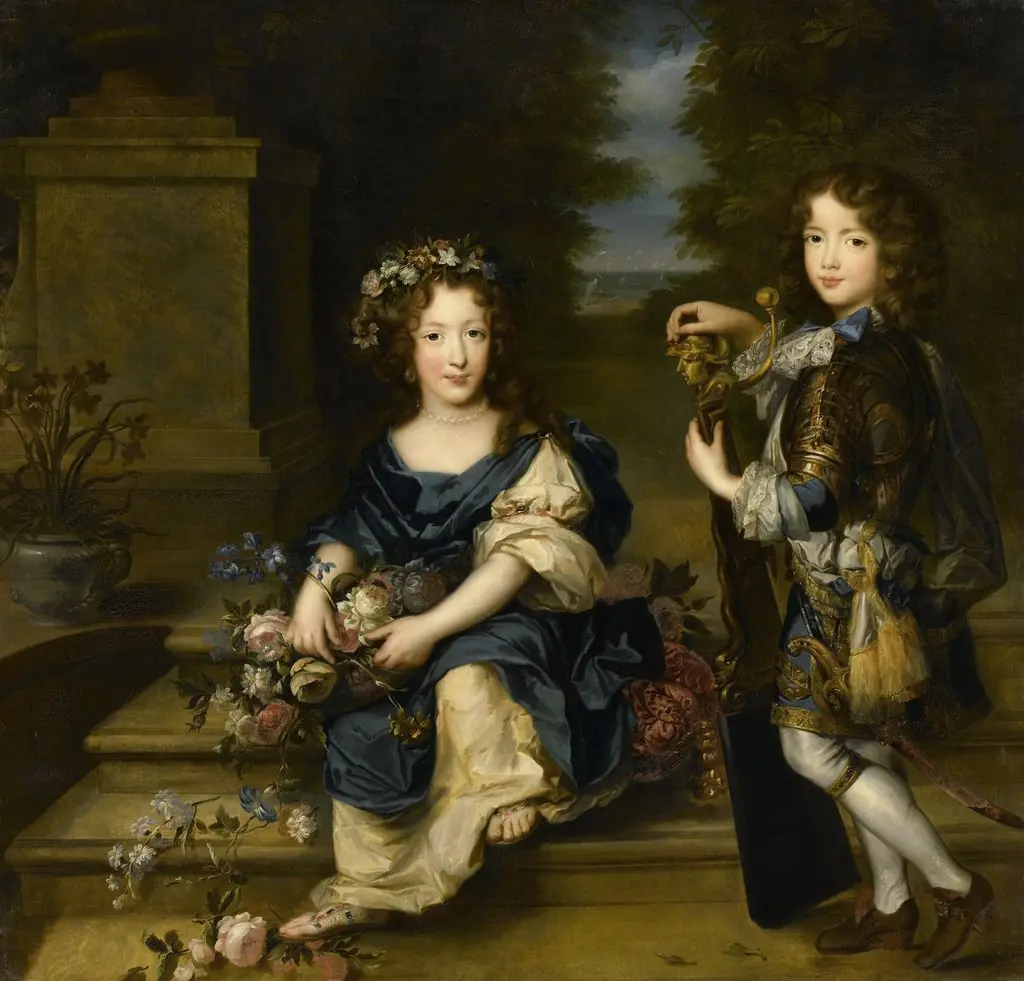 Anne-Marie de Bourbon, future princess of Conti and Louis de Bourbon, count of Vermandois
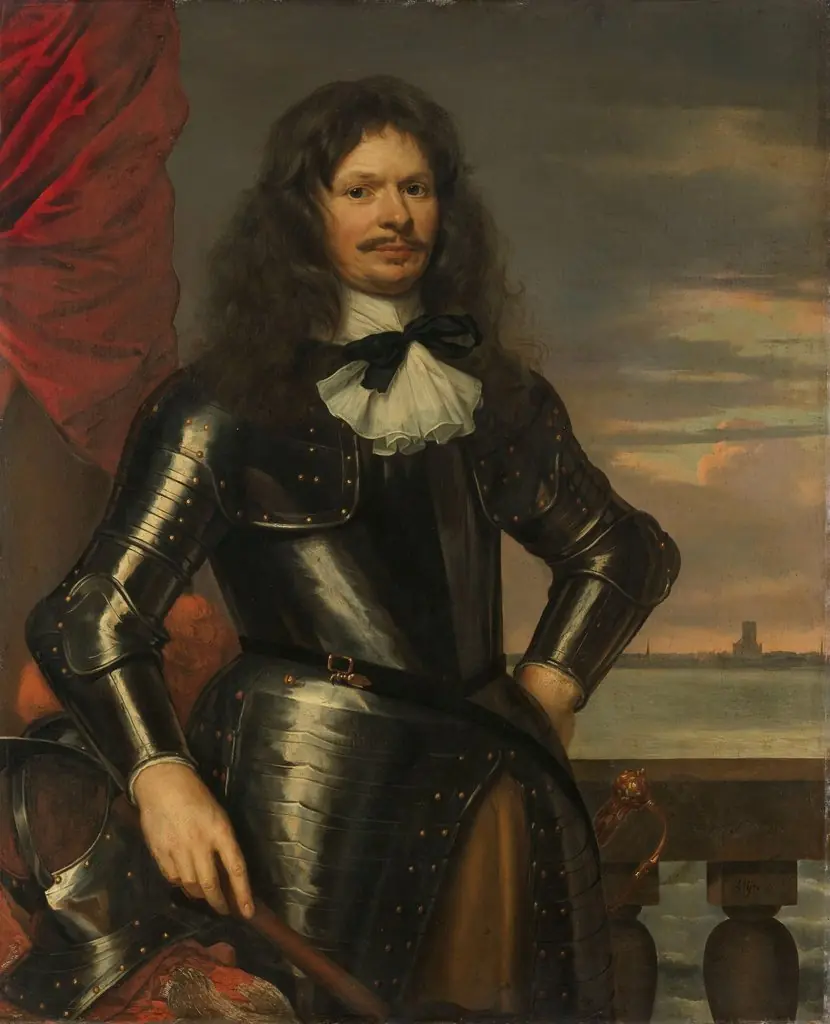 Portrait of Johan van Beaumont. Colonel in the Holland guards and commander of Den Briel
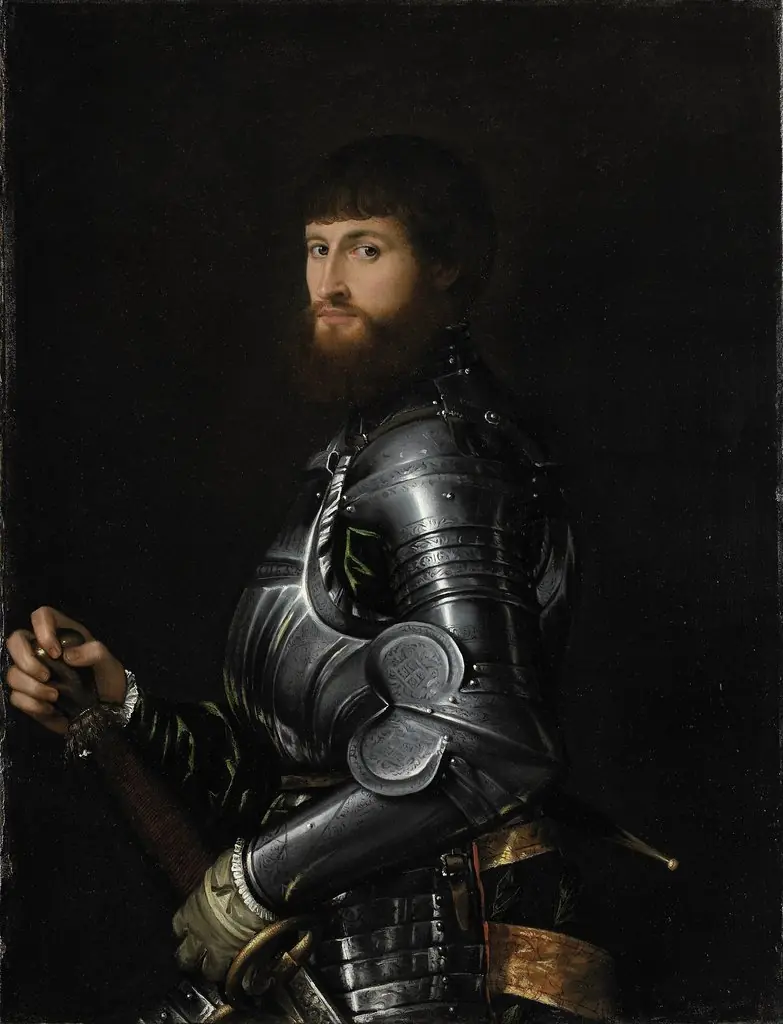 Portrait of a Nobleman in Armor
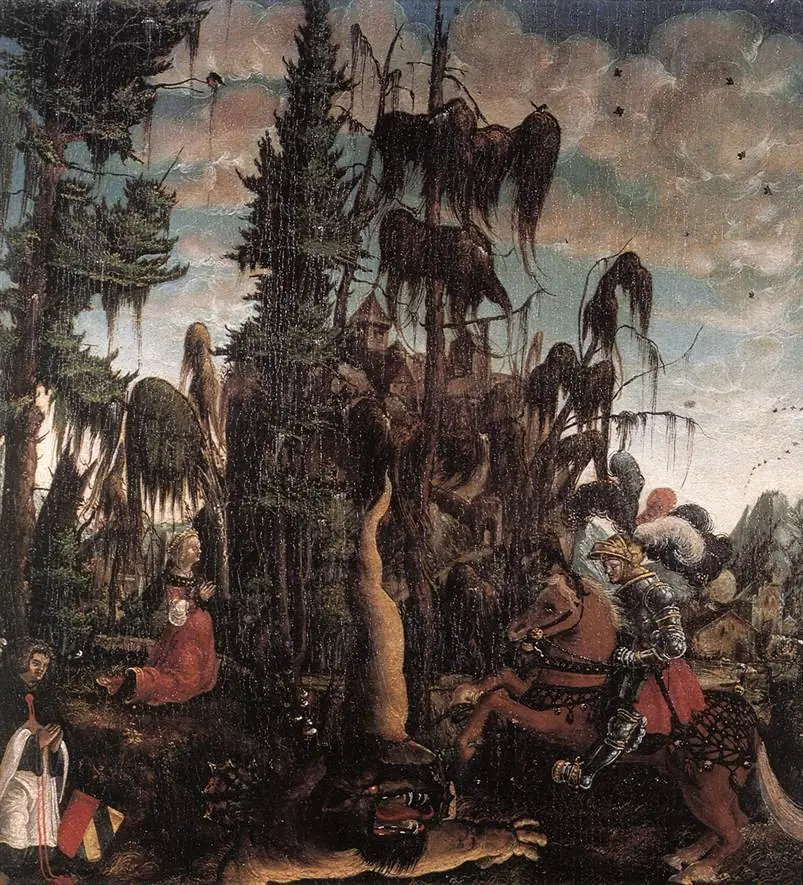 St George Freeing the Princess
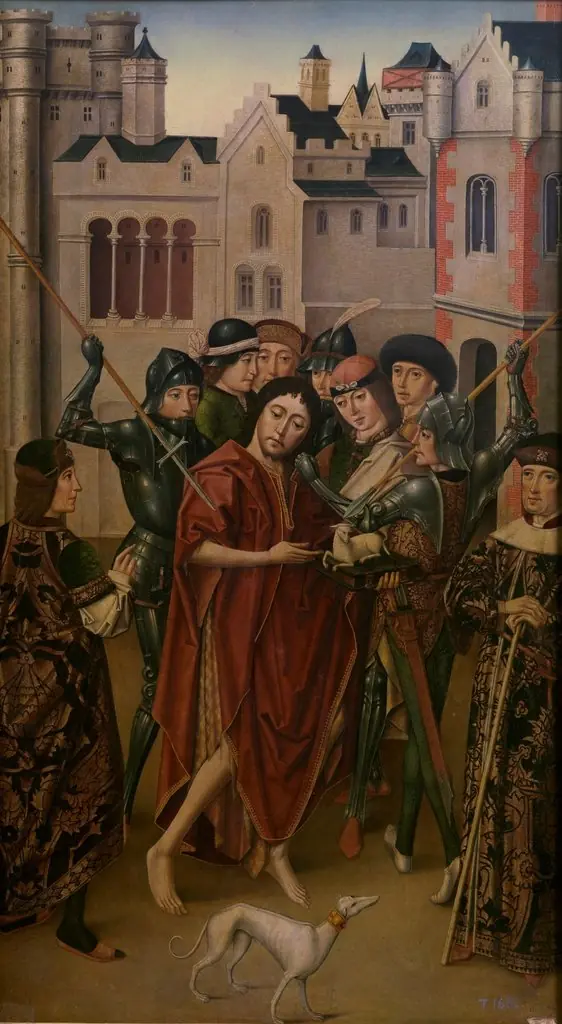 The Arrest of Saint John the Baptist
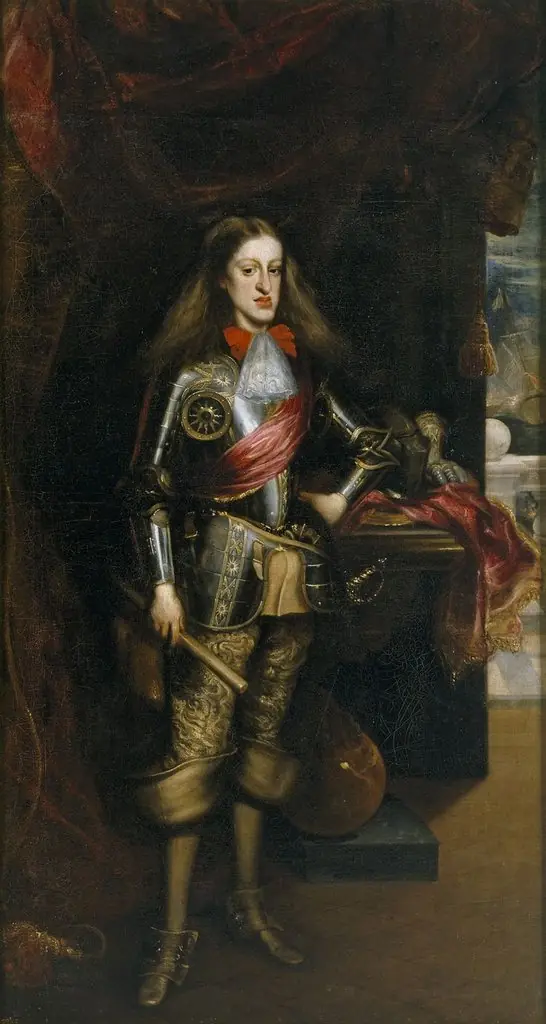 Charles II in armour
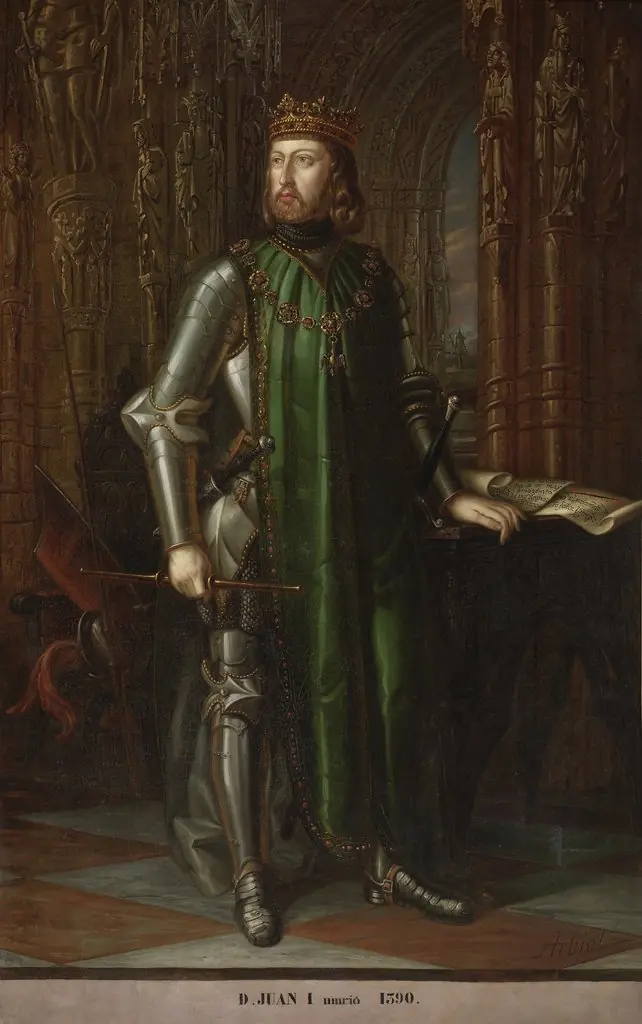 Portrait of John I of Castile
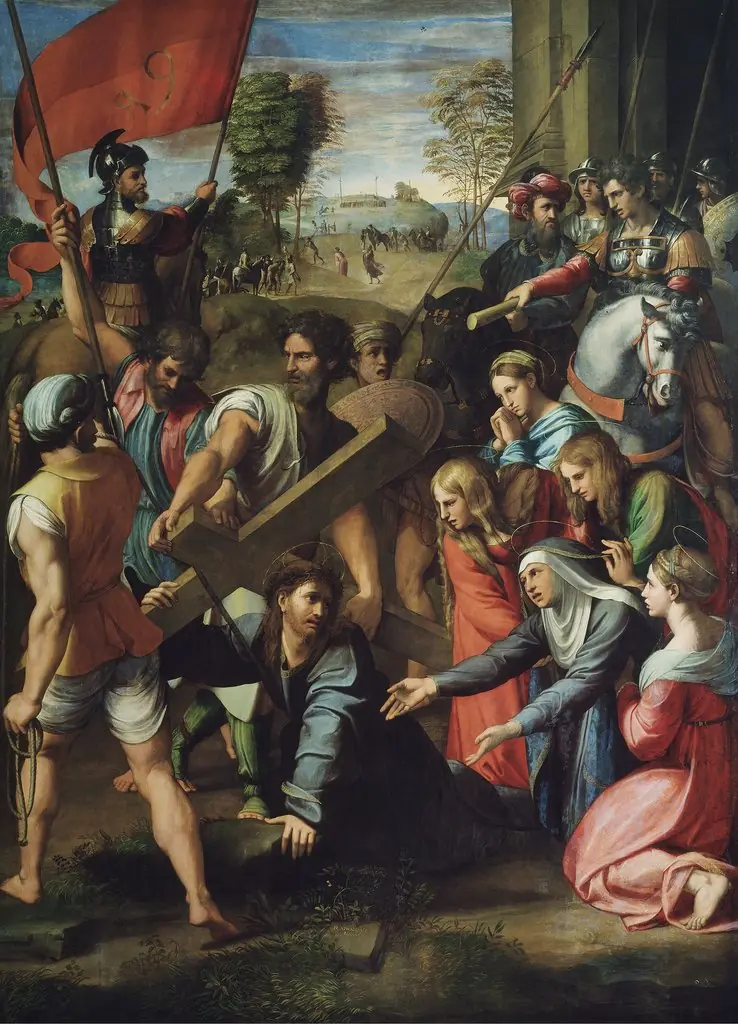 Christ Falling on the Way to Calvary
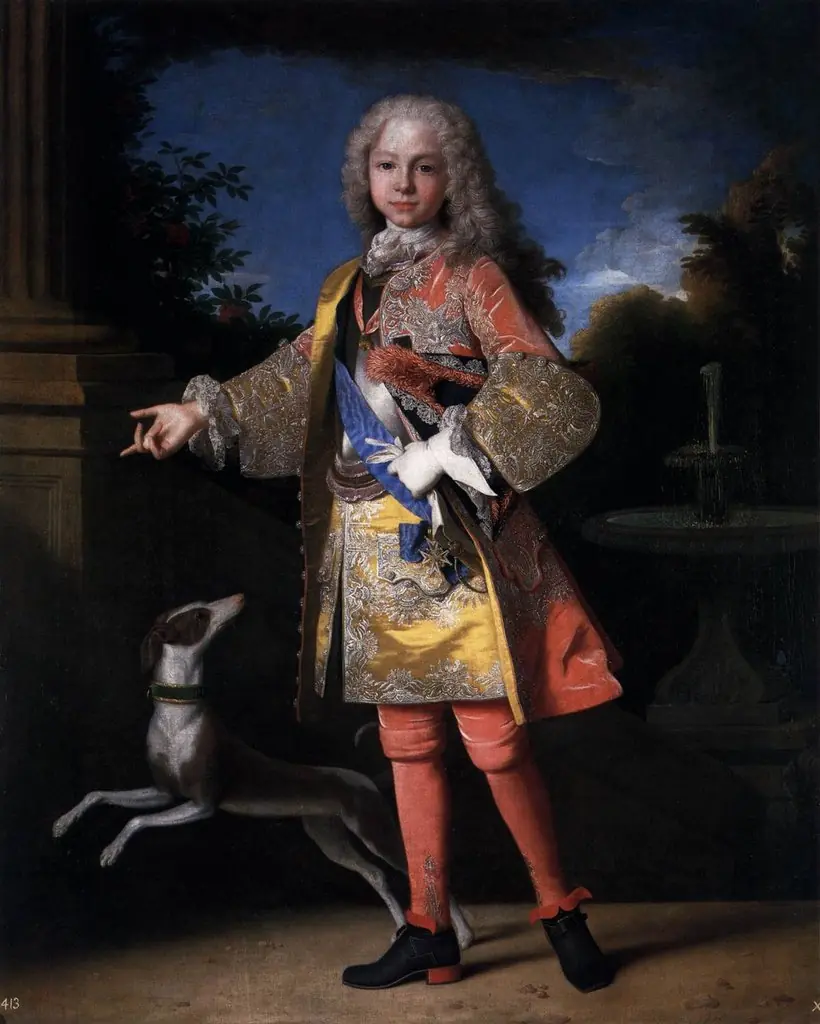 Portrait of Ferdinand VI as a Boy
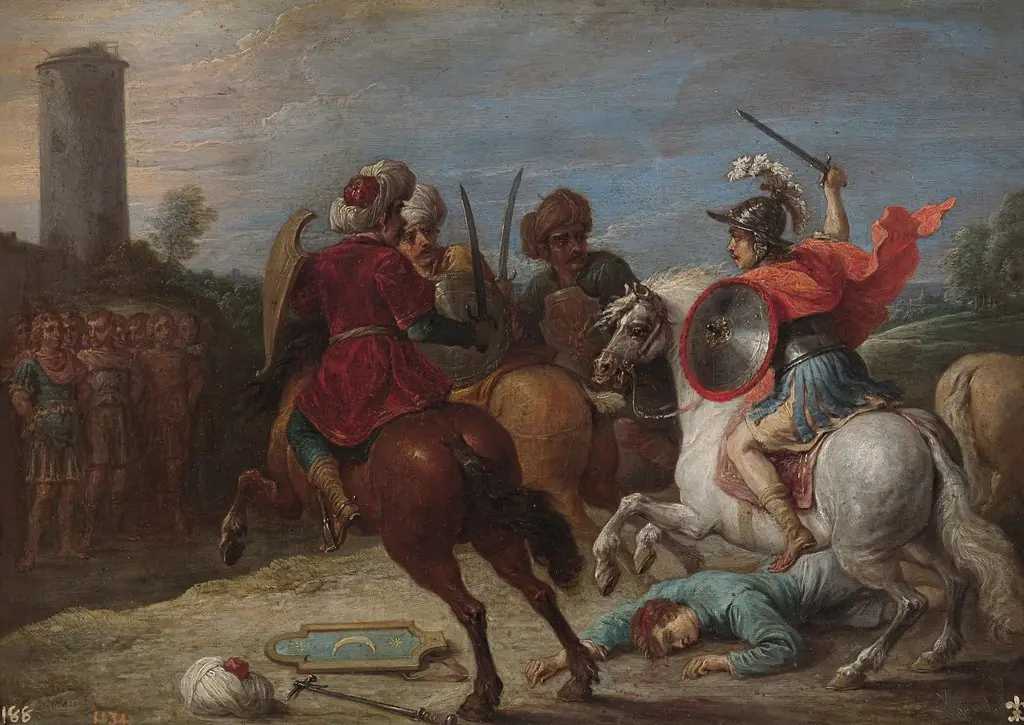 Proezas de Reinaldo frente a los egipcios
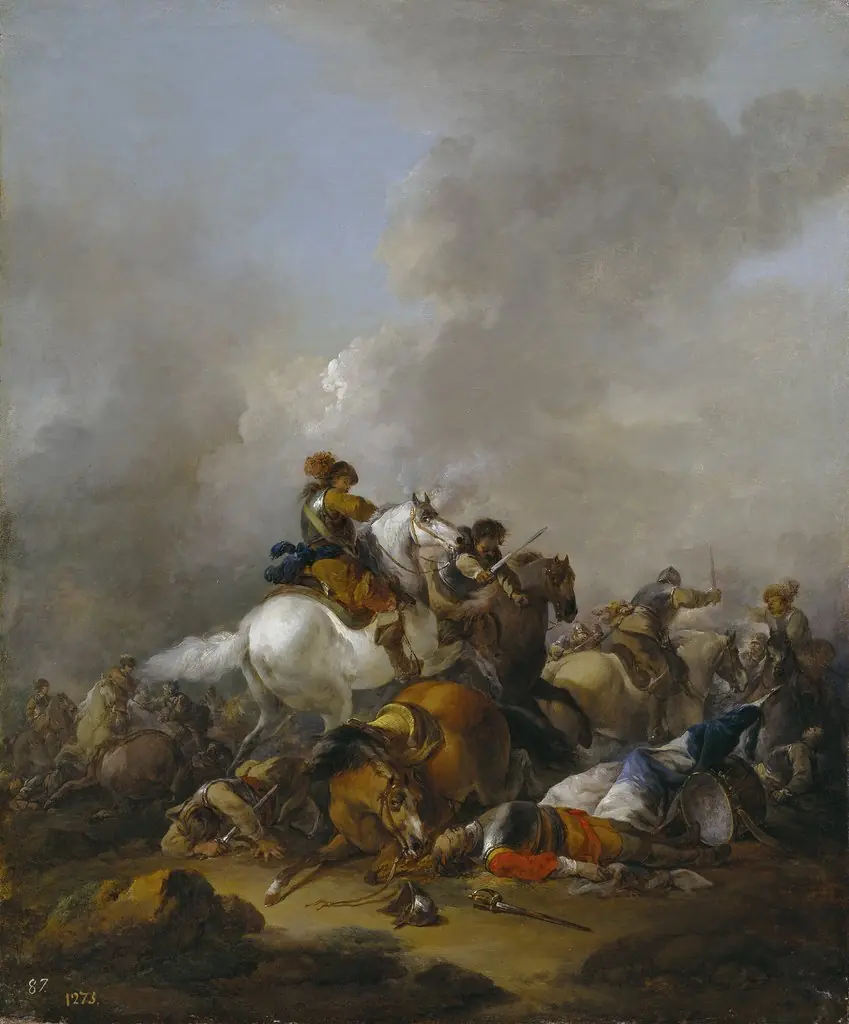 Cavalry Battle
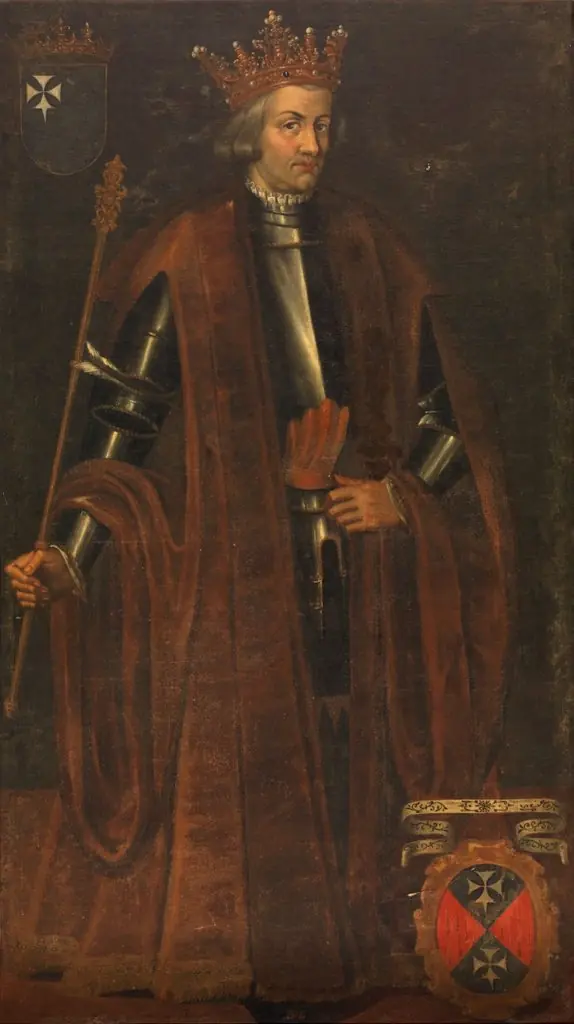 Alfonso IV El Benigno
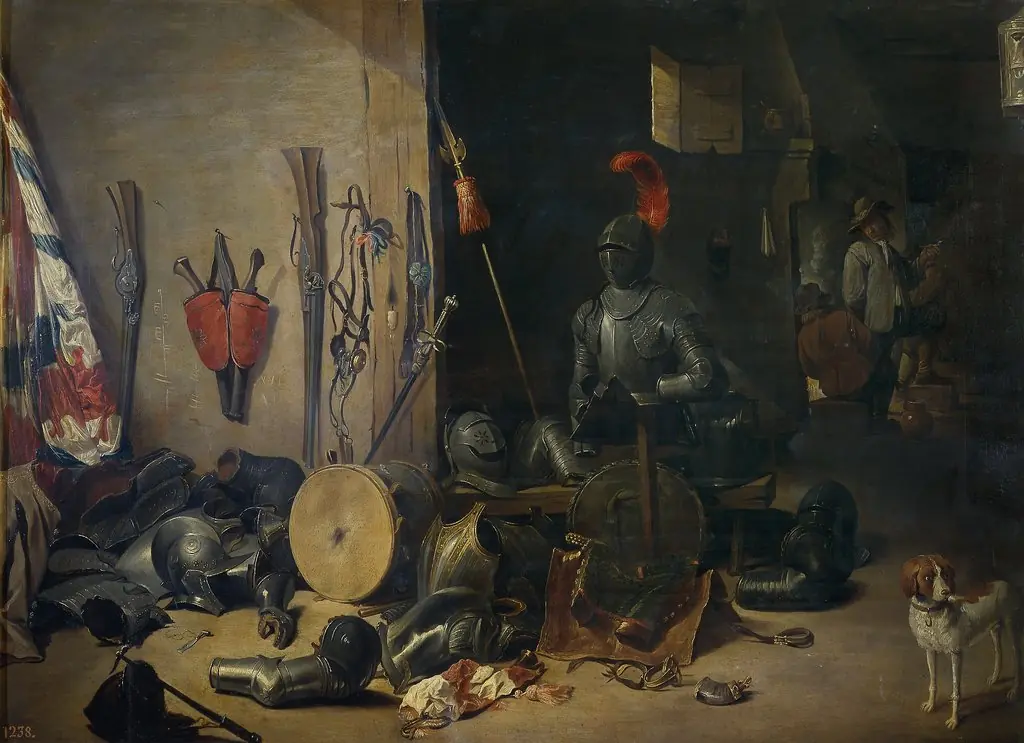 Le Corps de Garde
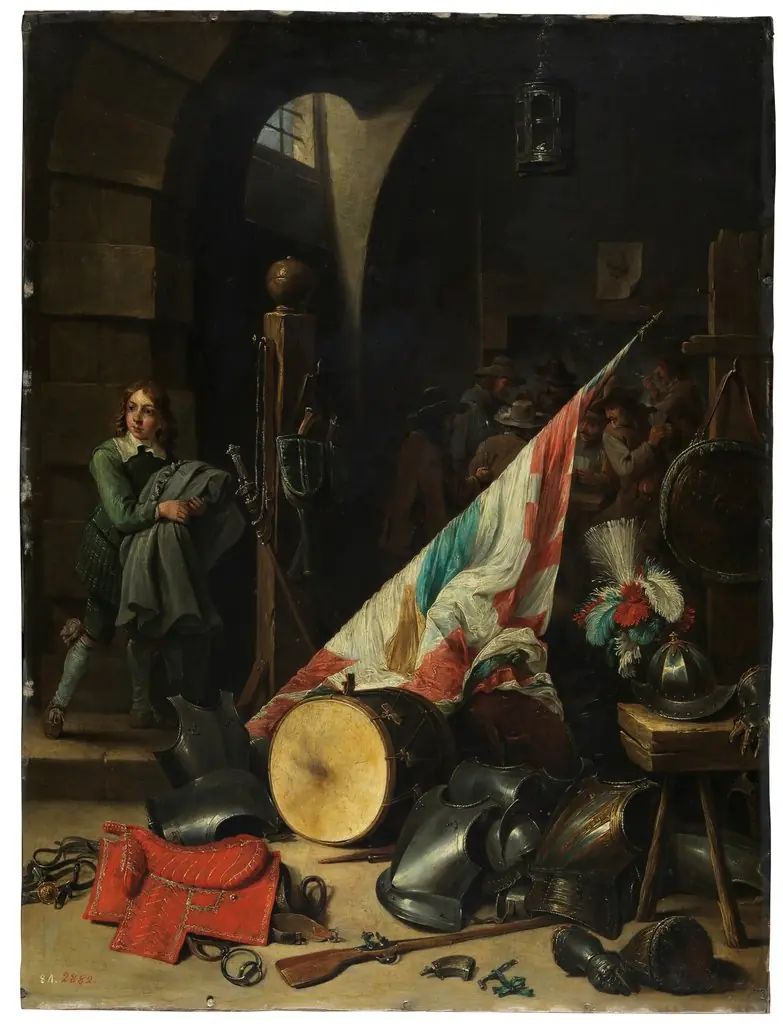 The Guard-Room
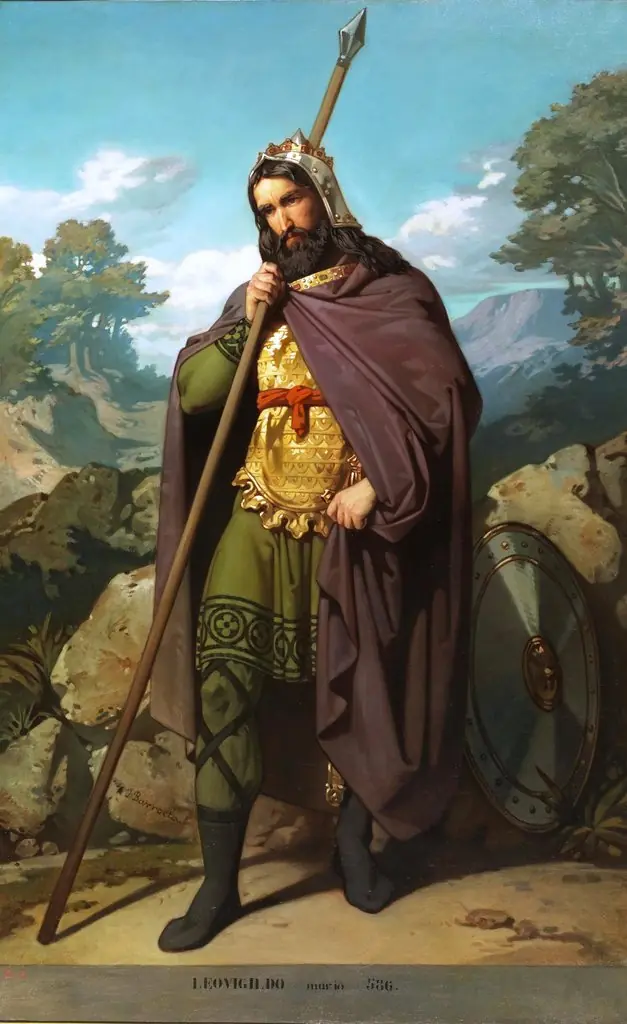 Leovigildo
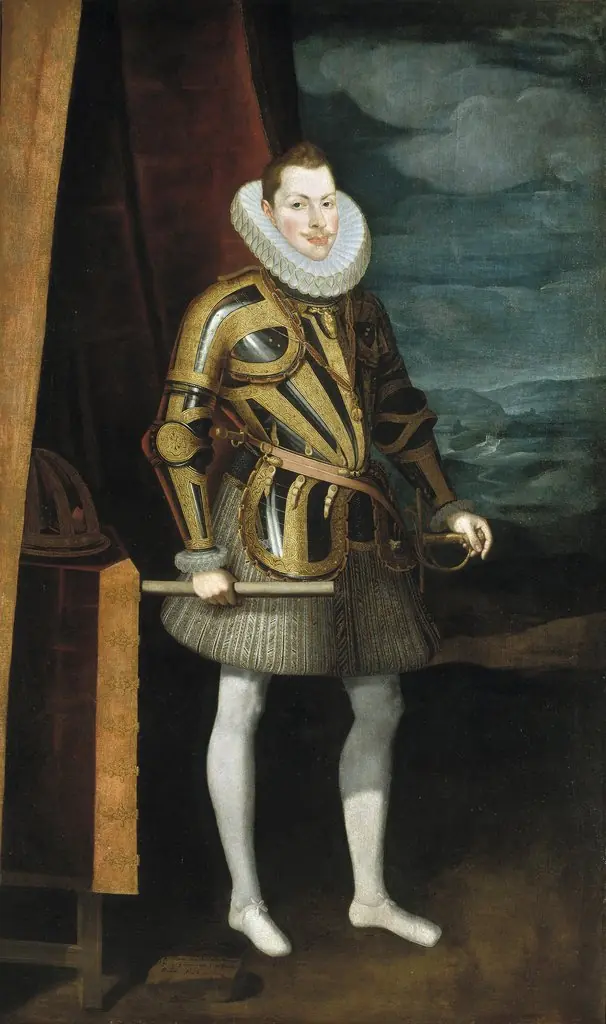 Philip III
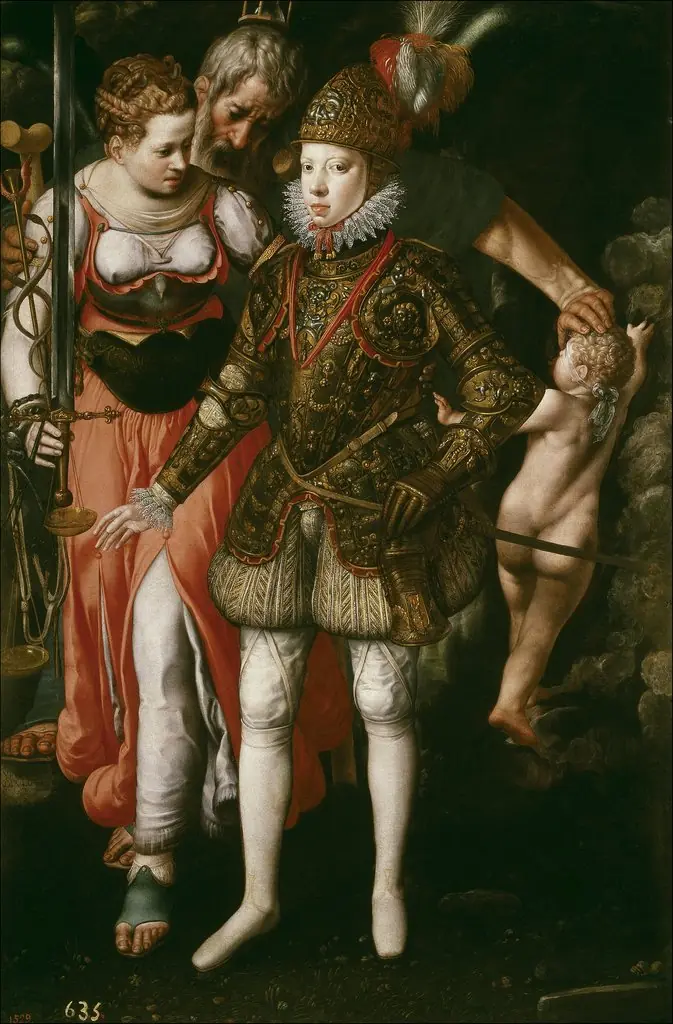 Allegory of the Education of Philip III
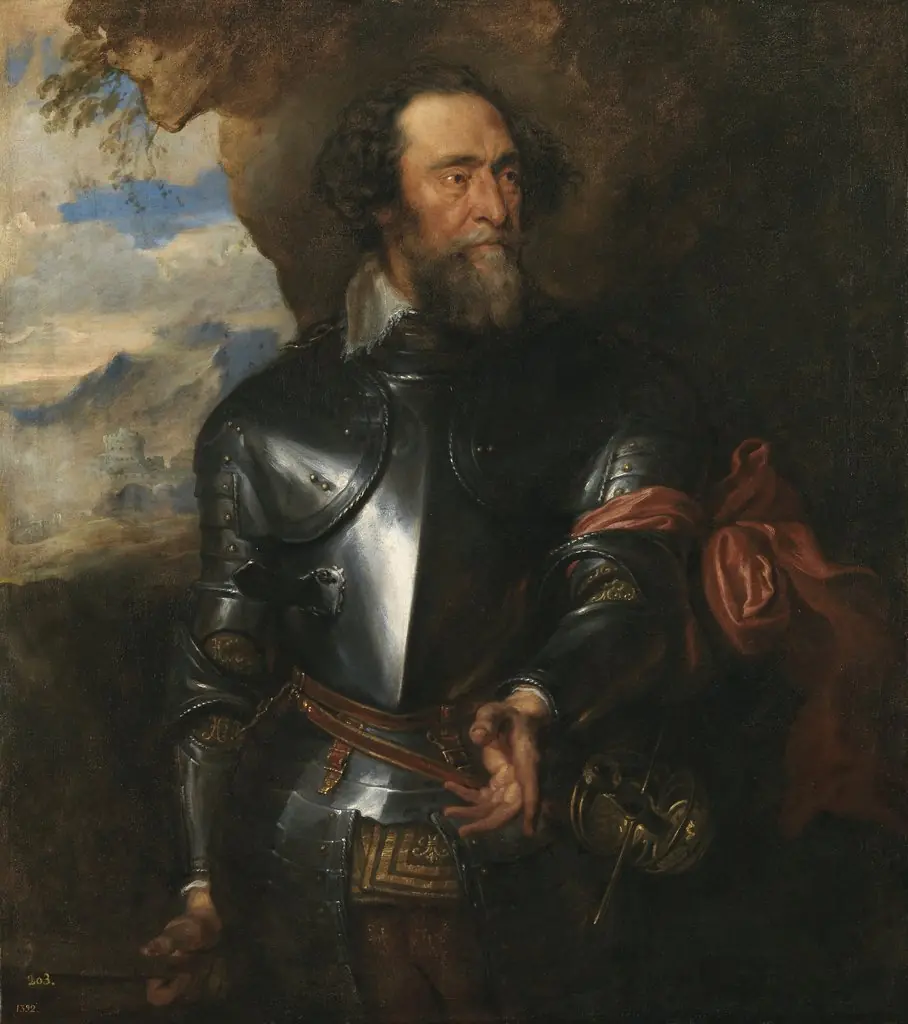 Count Hendrik van den Bergh
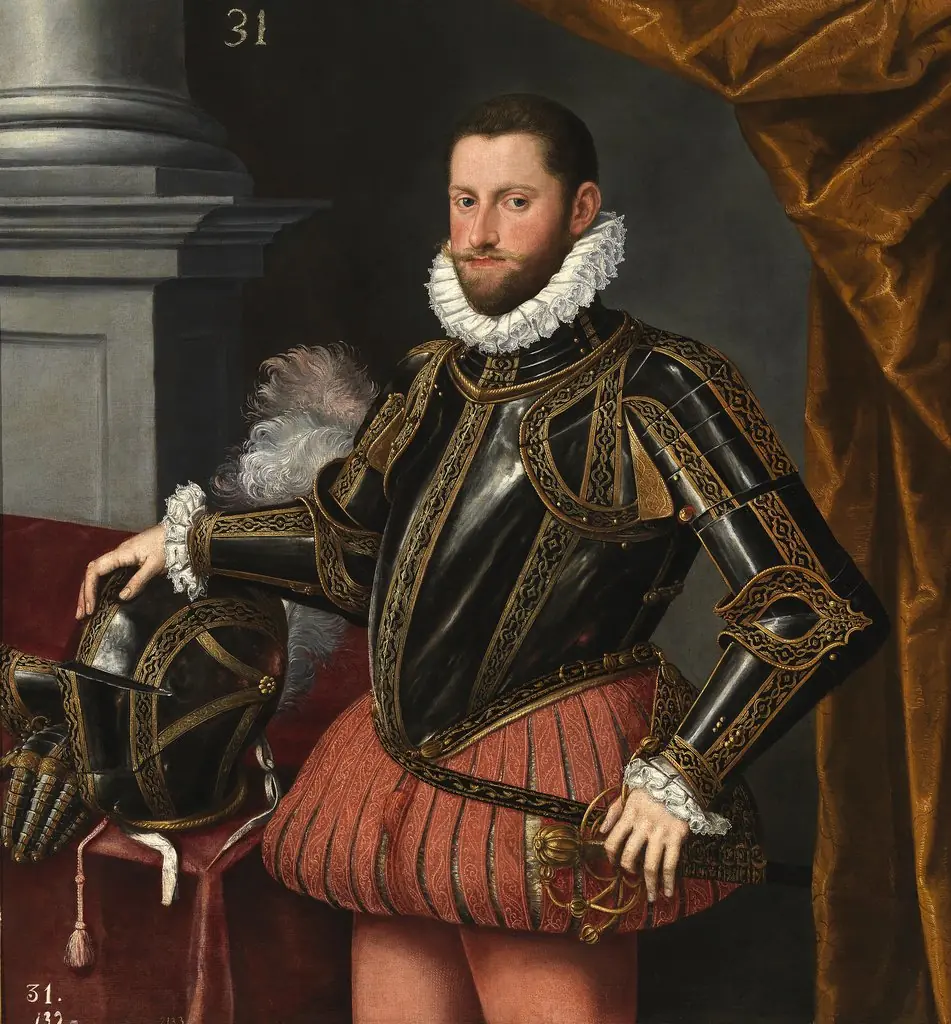 El archiduque Diego Ernesto de Austria
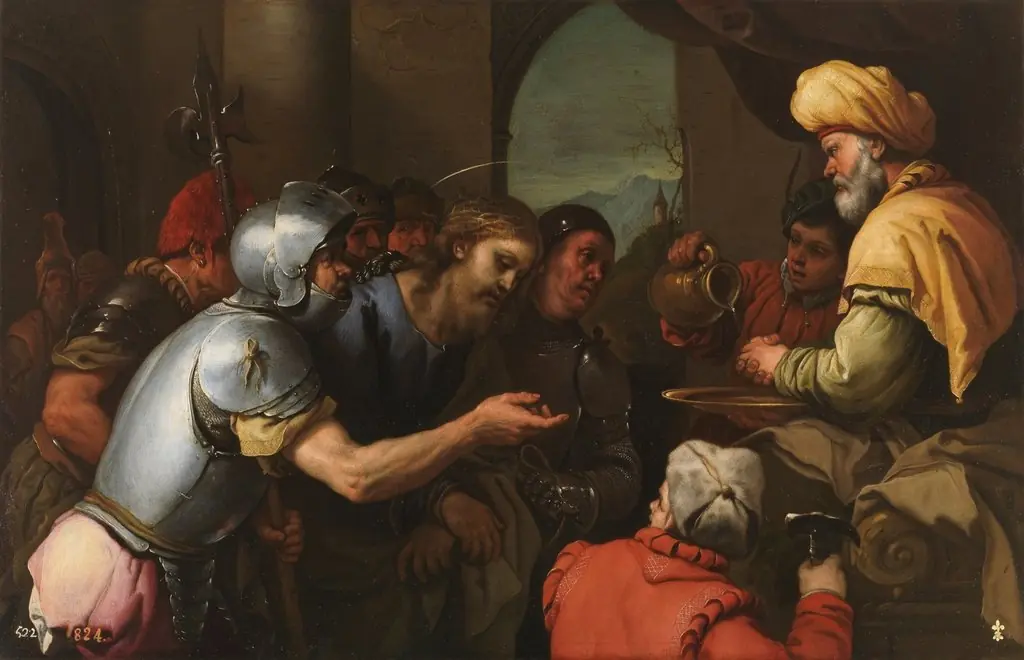 Pilate washing his Hands
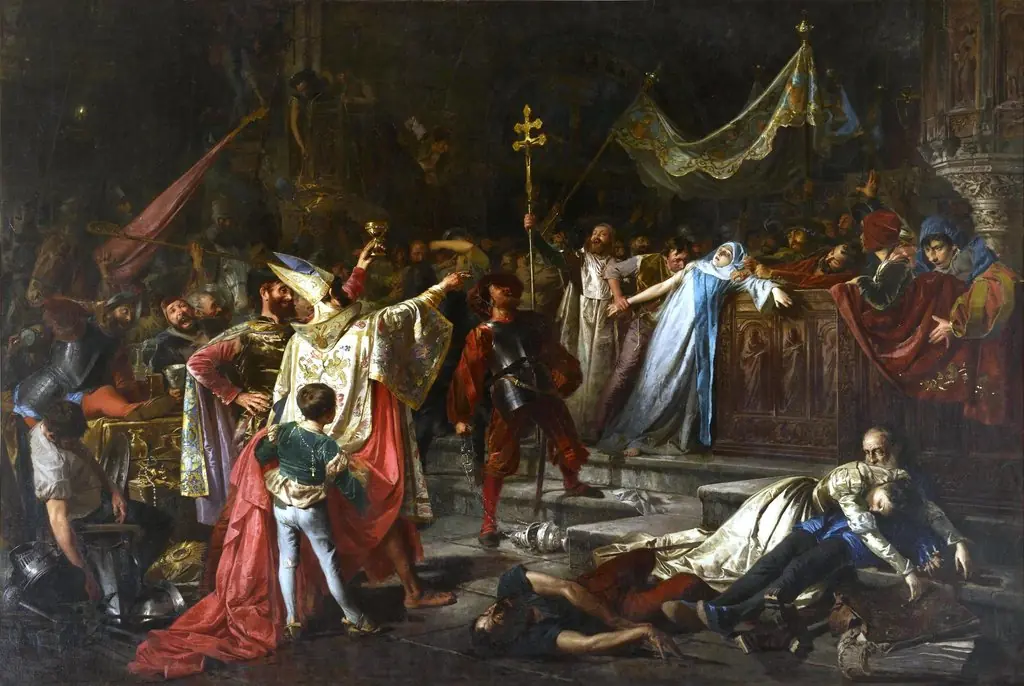 The Sack of Rome
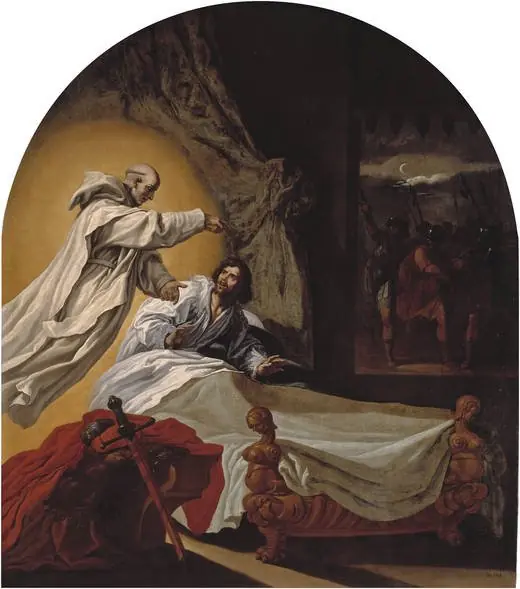 Saint Bruno Appears to Rogerio Guiscardo Count of Apulia and Calabria
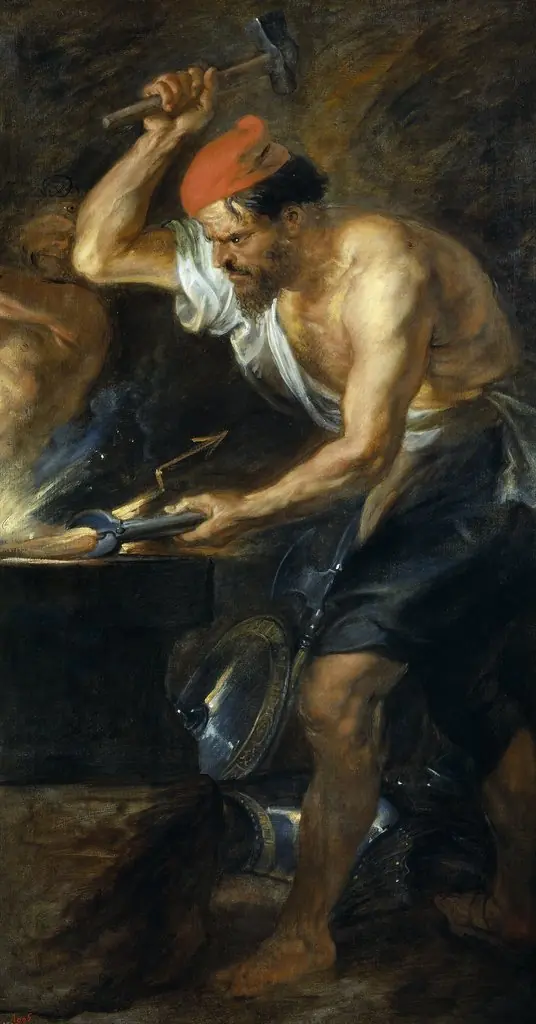 Vulcan forging the Thunderbolts of Jupiter
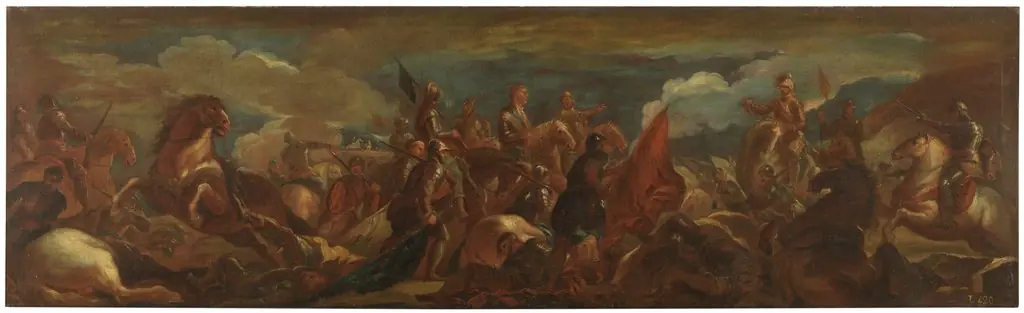 Prisión del condestable de Montmorency, en la Batalla de San Quintín
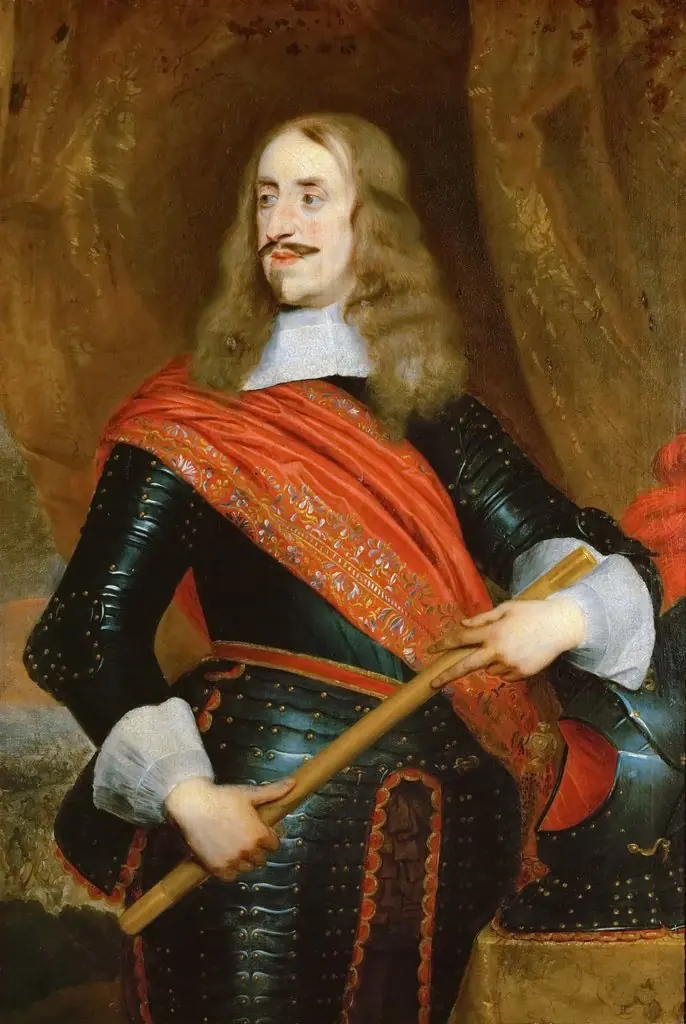 Portrait of Archduke Leopold Wilhelm (1614-1662)
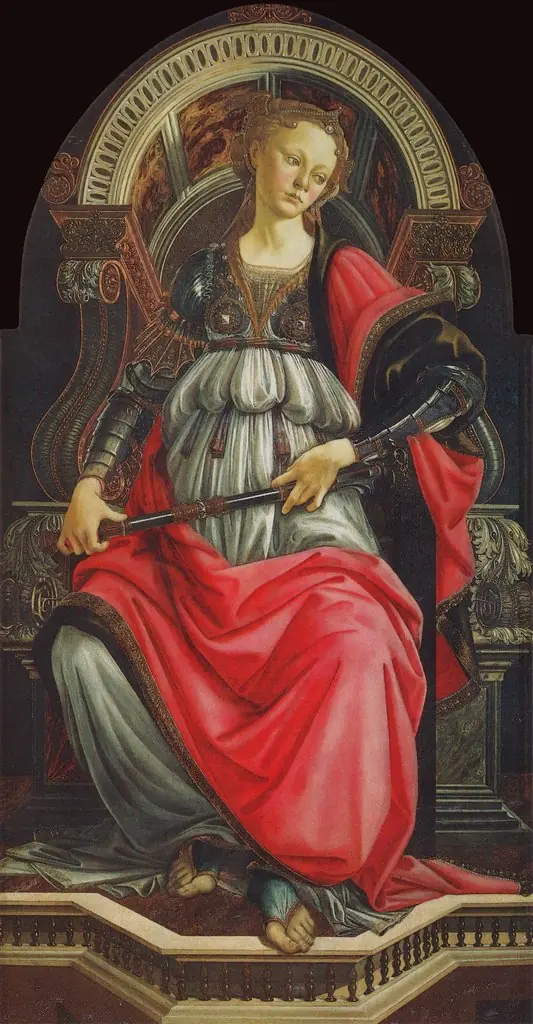 Fortitude
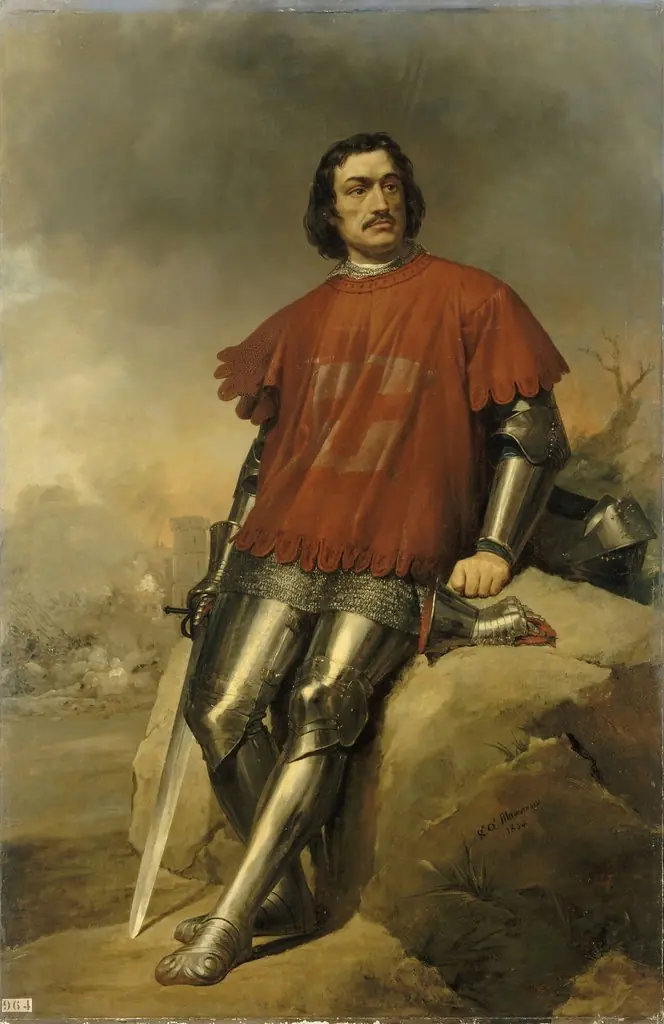 Jean, dit Poton, seigneur de Xaintrailles (?-1461)
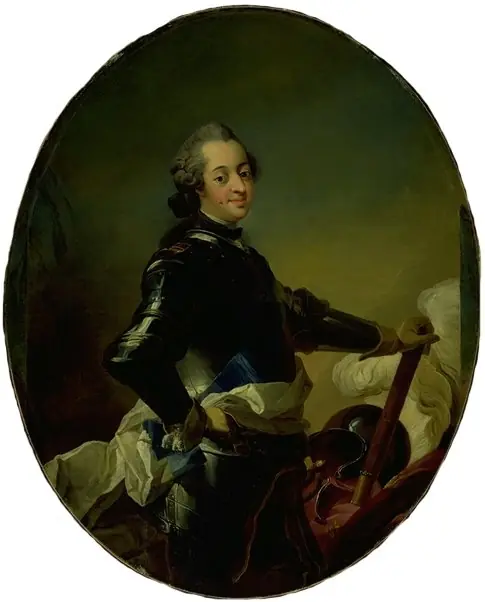 Portræt af Frederik V i rustning
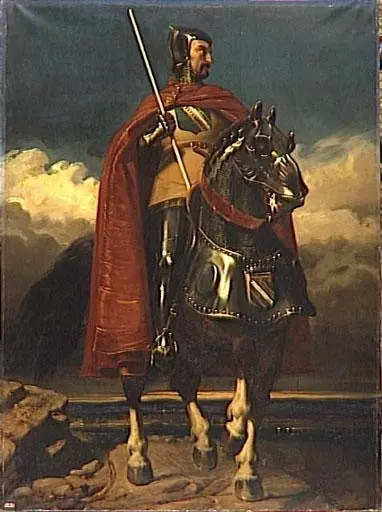 Louis de Champagne, comte de Sancerre, connétable de France en 1397
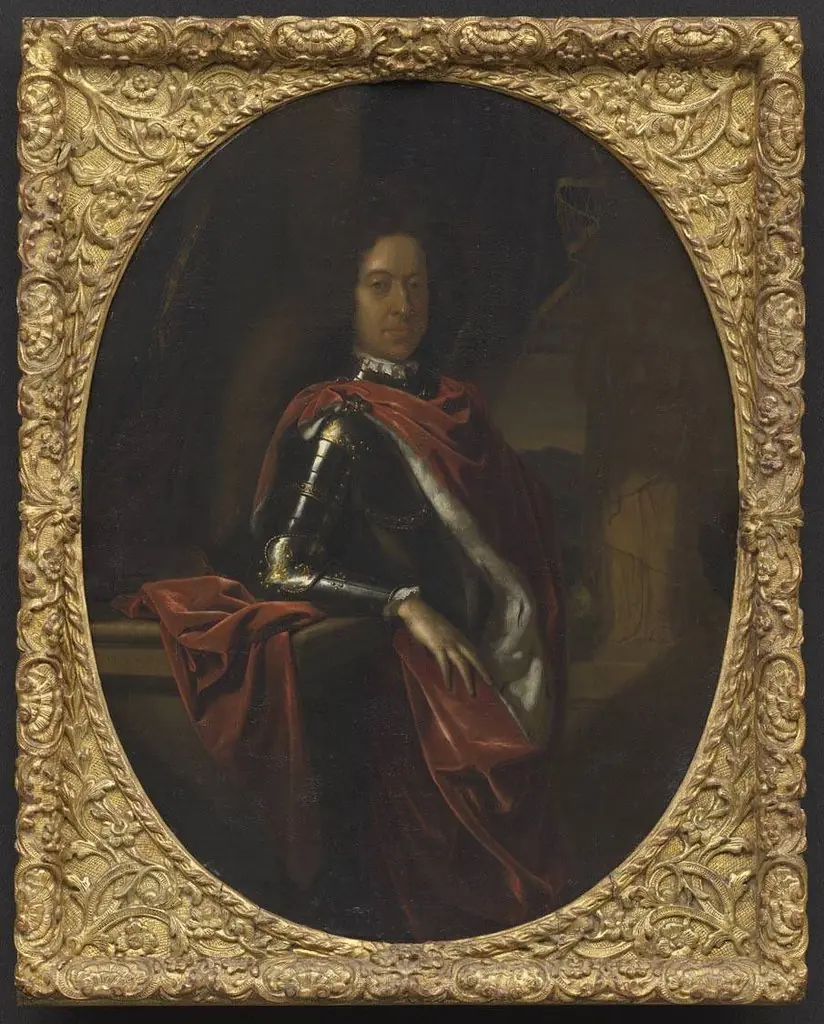 Portrait of Duke Giovanni Gastone de' Medici (1671-1737)
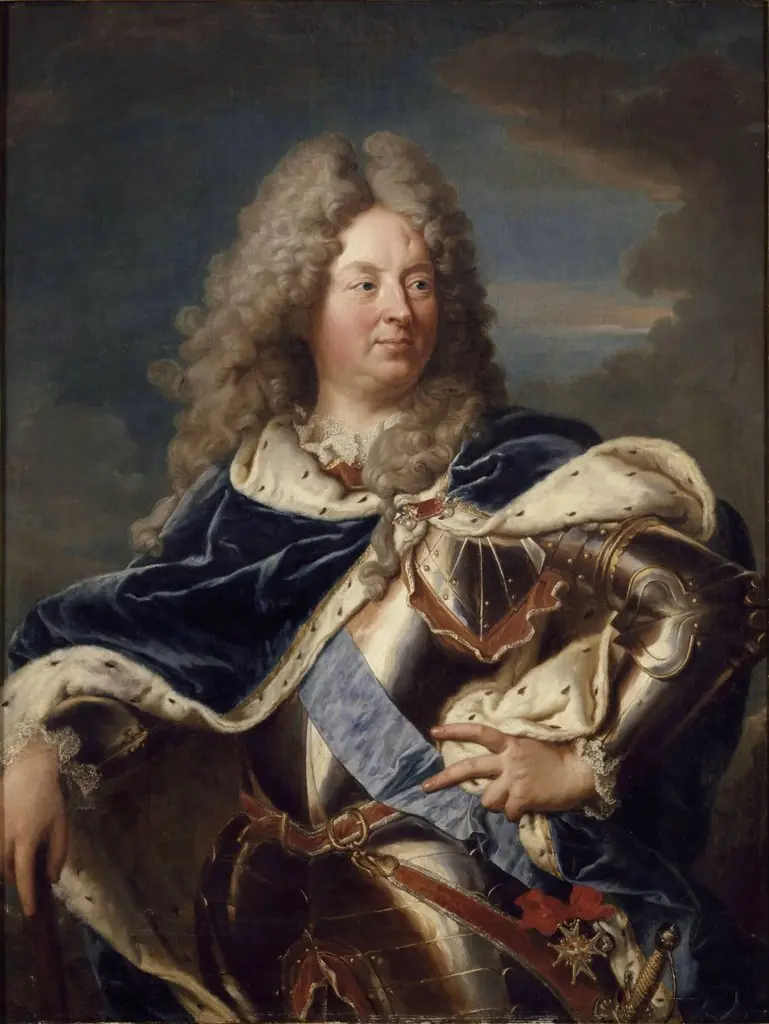 Portrait of the Duke of Antin
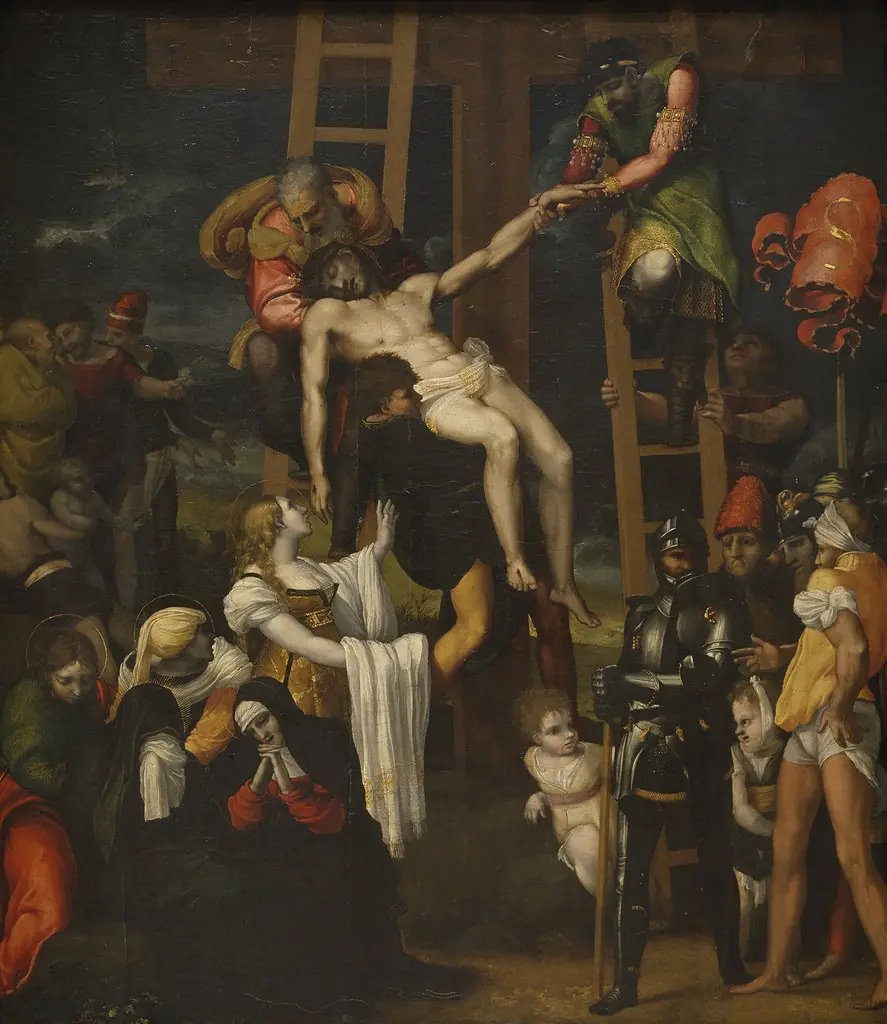 The Descent from the Cross
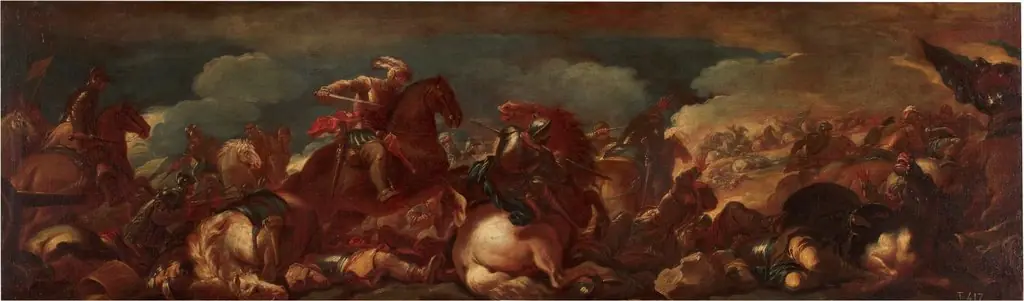 Batalla de San Quintín
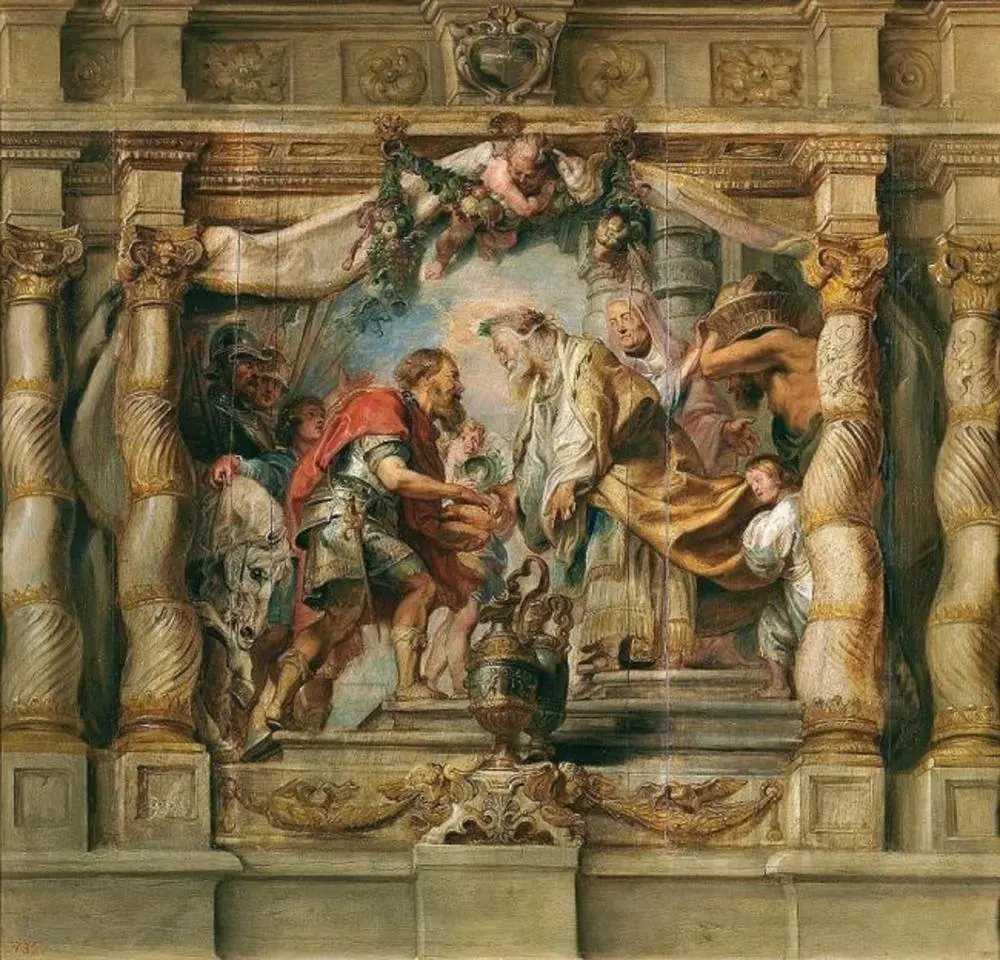 The Meeting of Abraham and Melchizedek
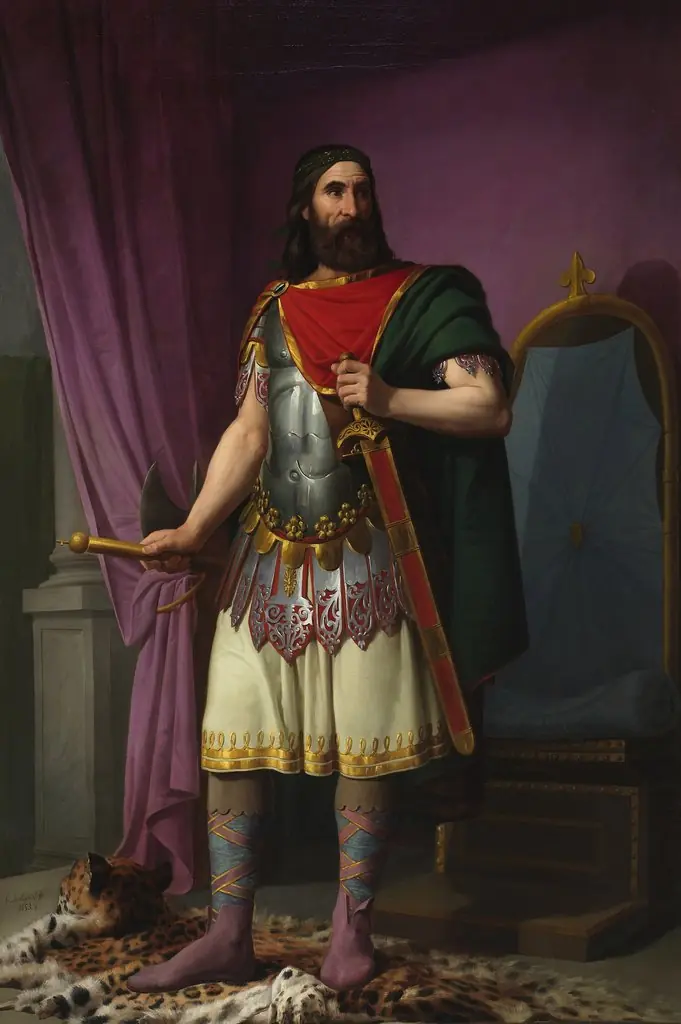 Egica
Egica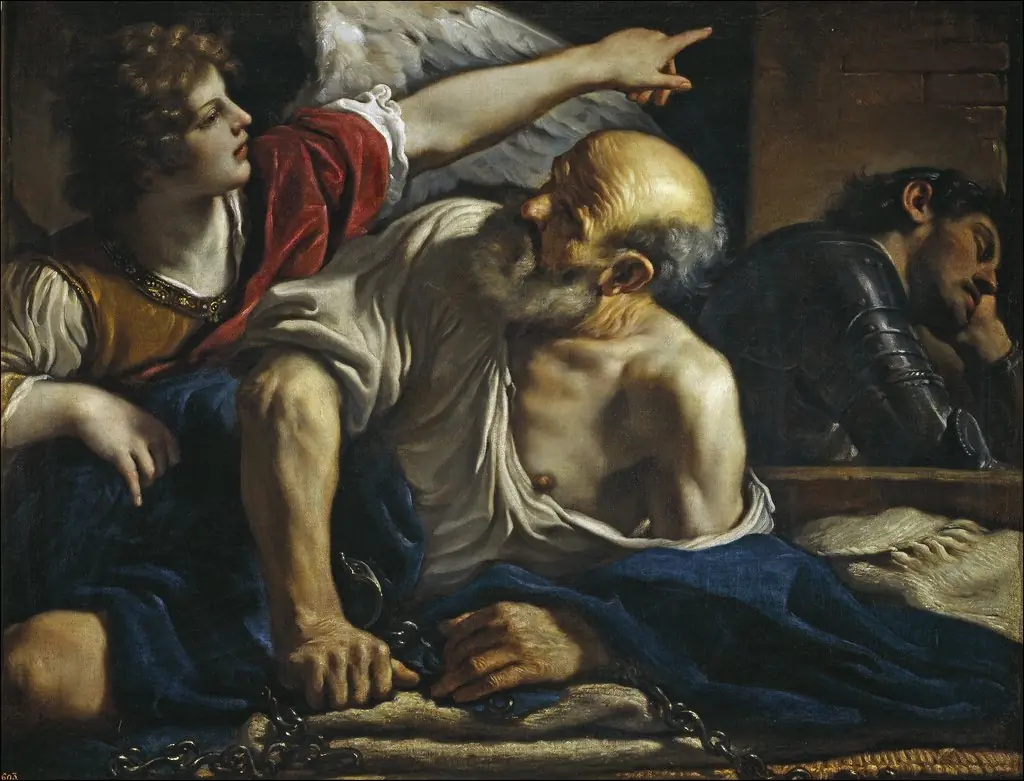 Saint Peter freed by an Angel
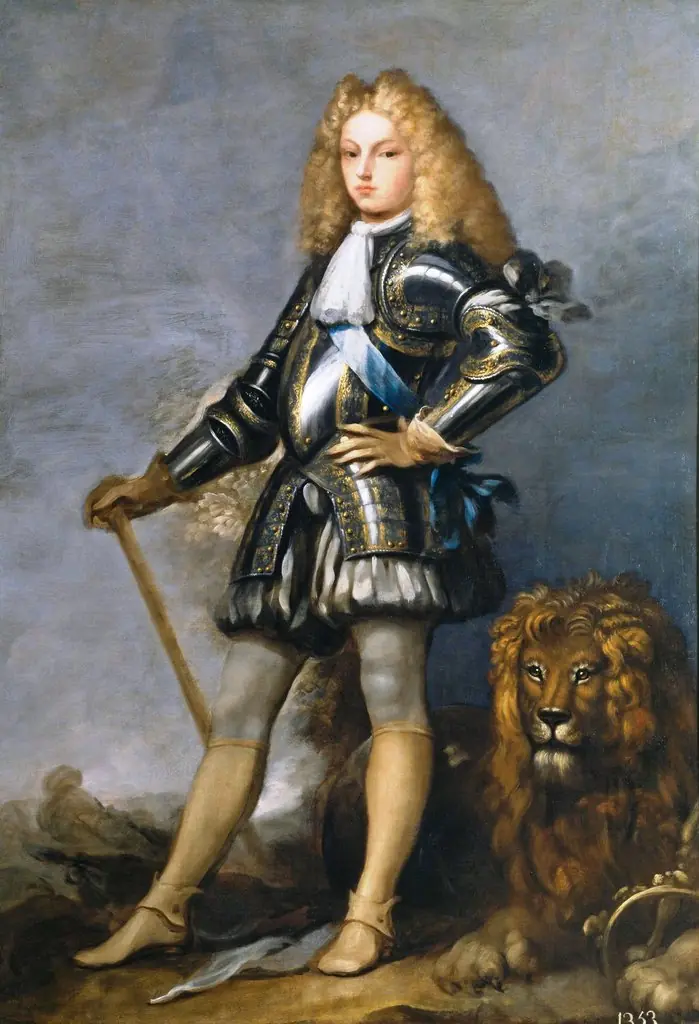 Felipe V
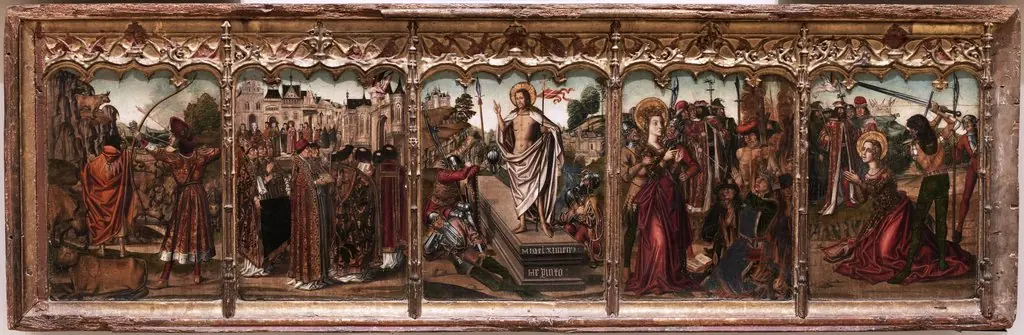 Predella with the Resurrection of Christ
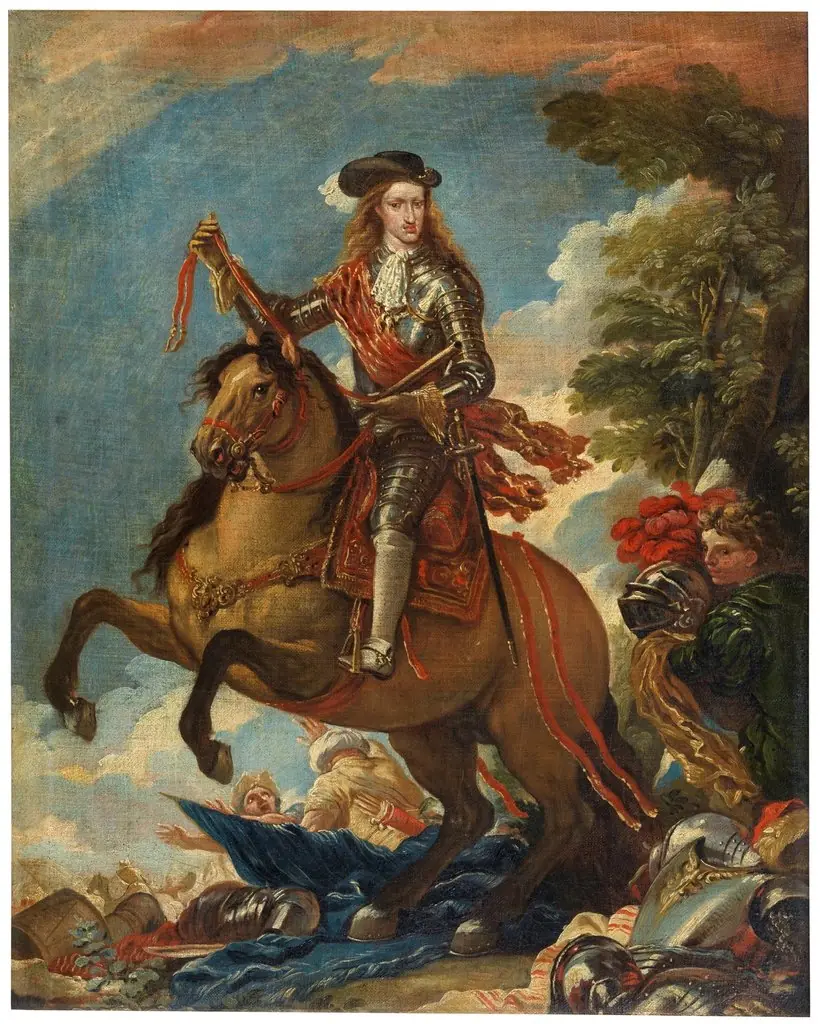 Charles II by horse
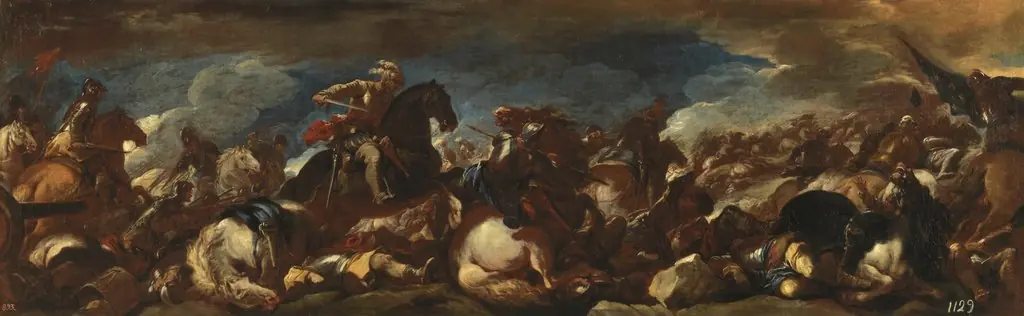 Batalla de San Quintín
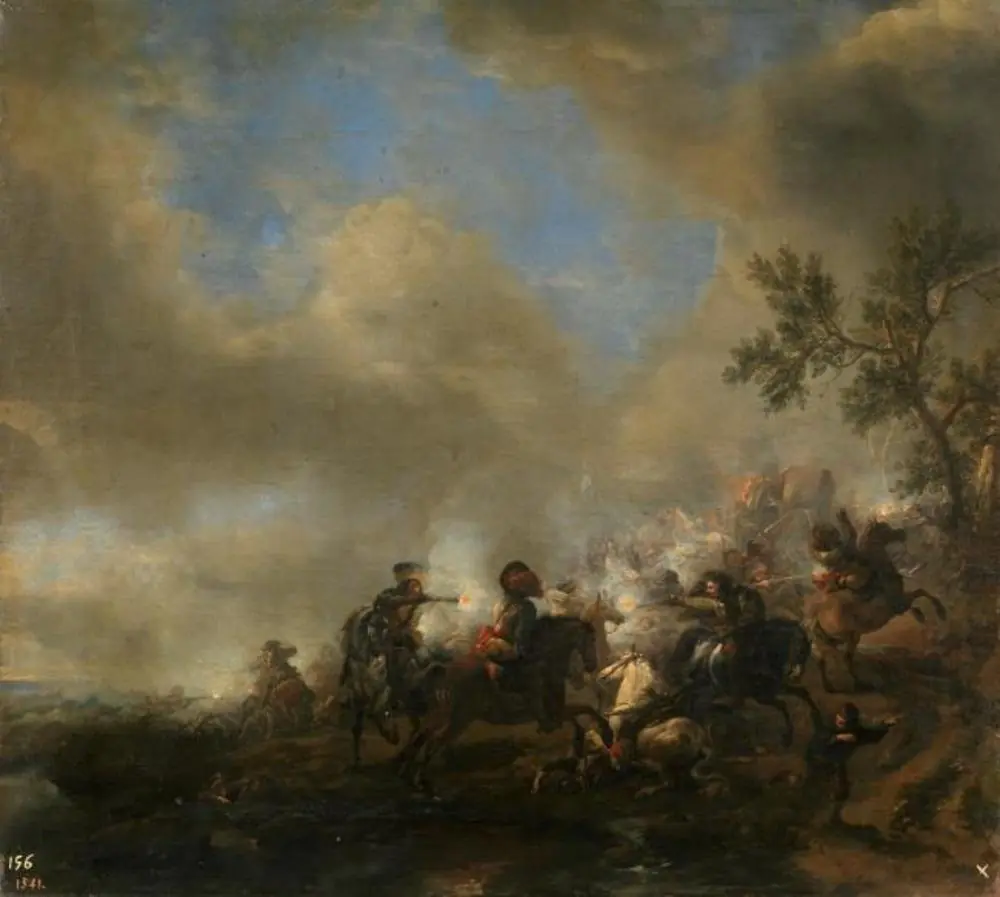 Cavalry Combat
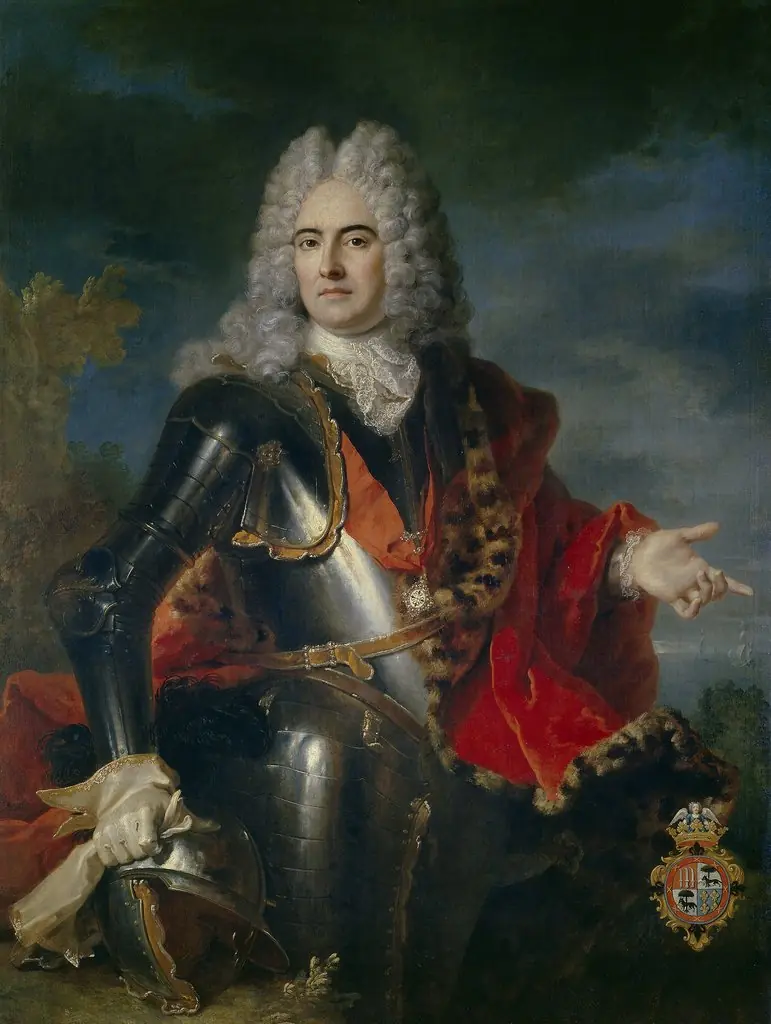 Don José de Rozas y Meléndez de la Cueva, first Count of Castelblanco
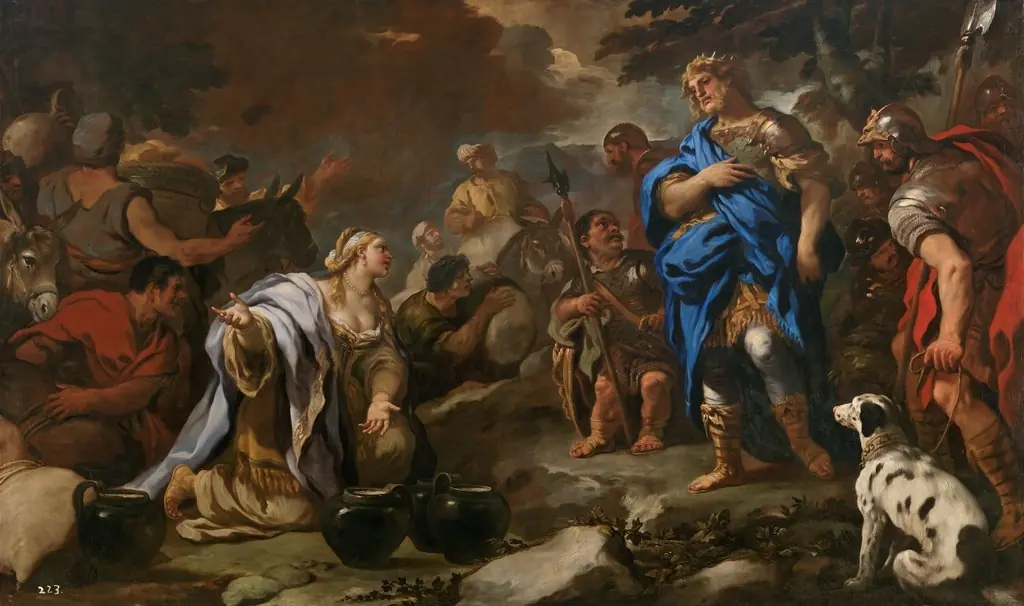 La prudente Abigail
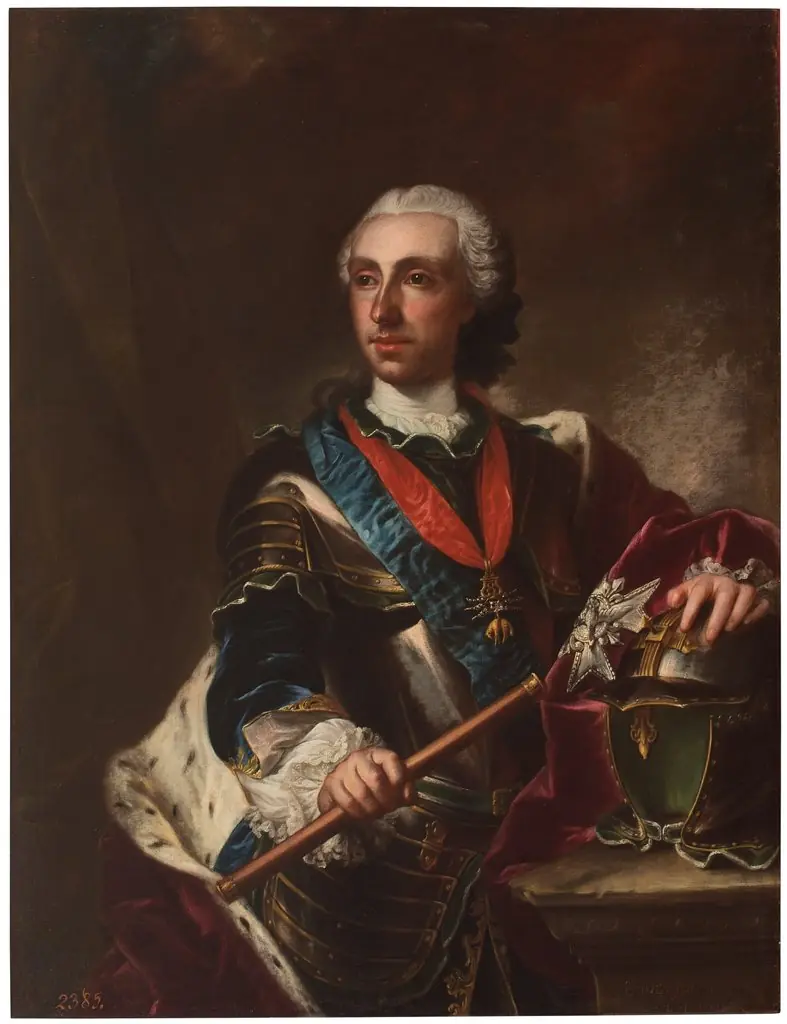 Felipe de Borbón duque de Parma
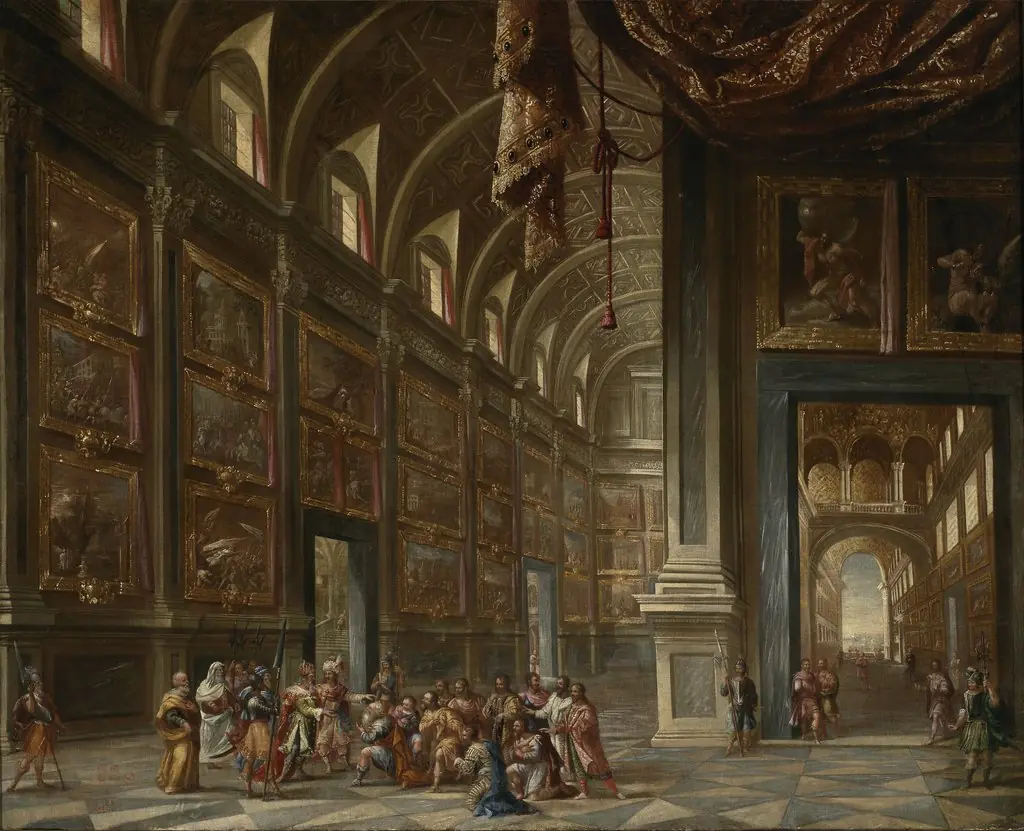 José mostrando a su padre y sus hermanos al Faraón
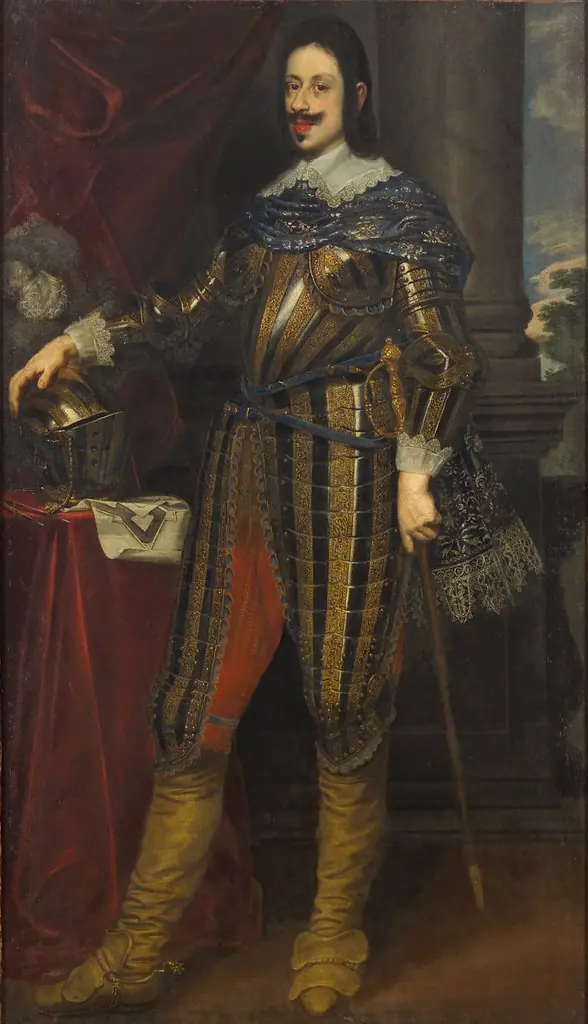 Grand-duke Ferdinand II of Tuscany (1610-1670) in Armour
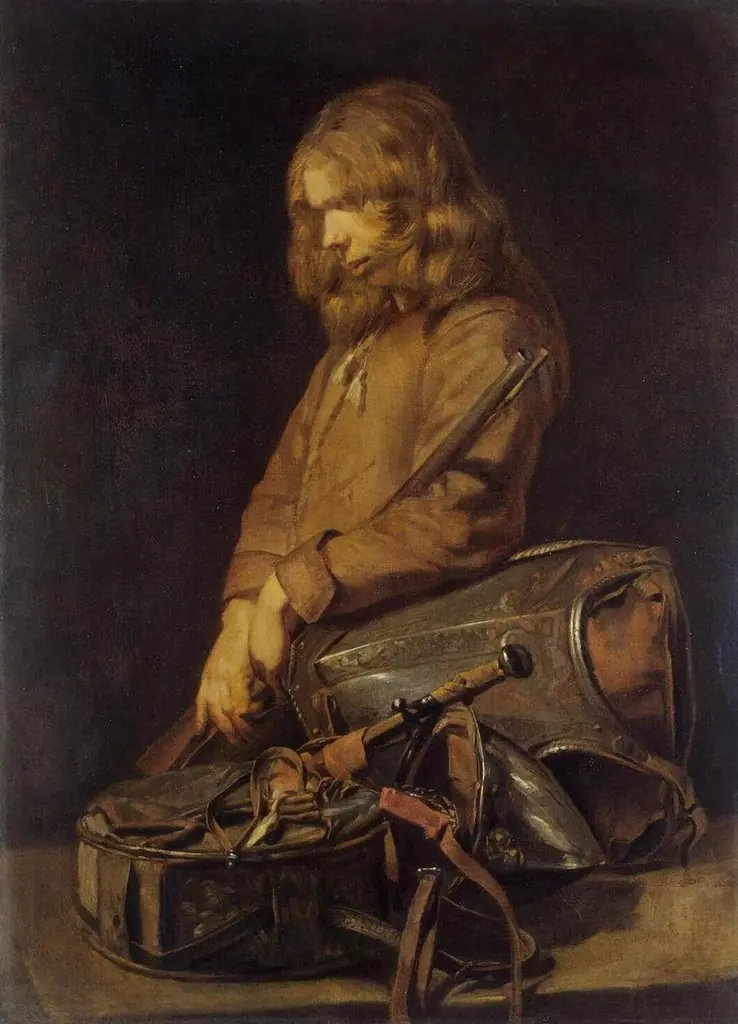 Young Soldier
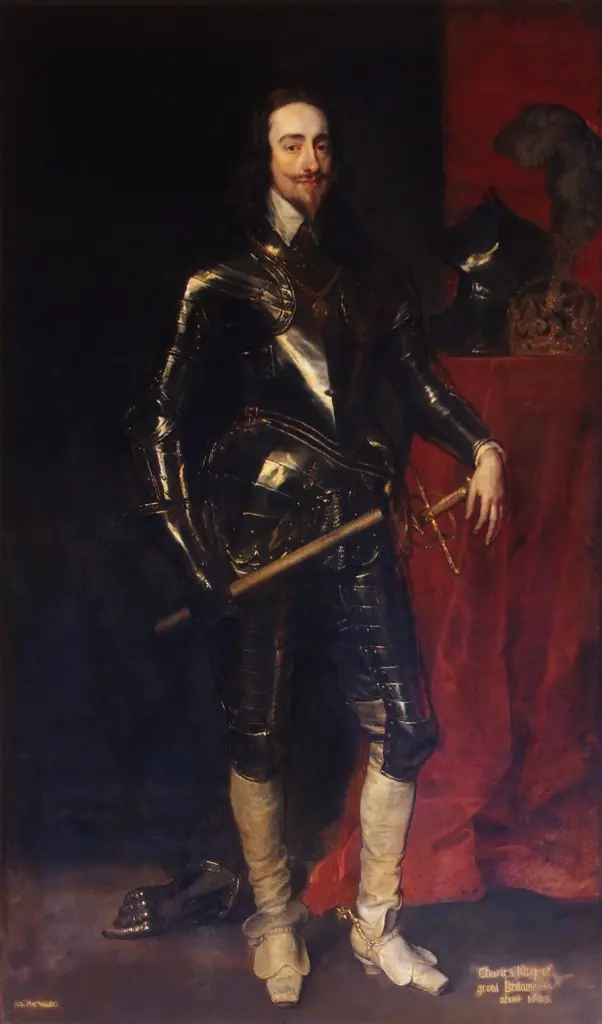 Portrait of Charles I, King of the Great Britain (1600-1649)
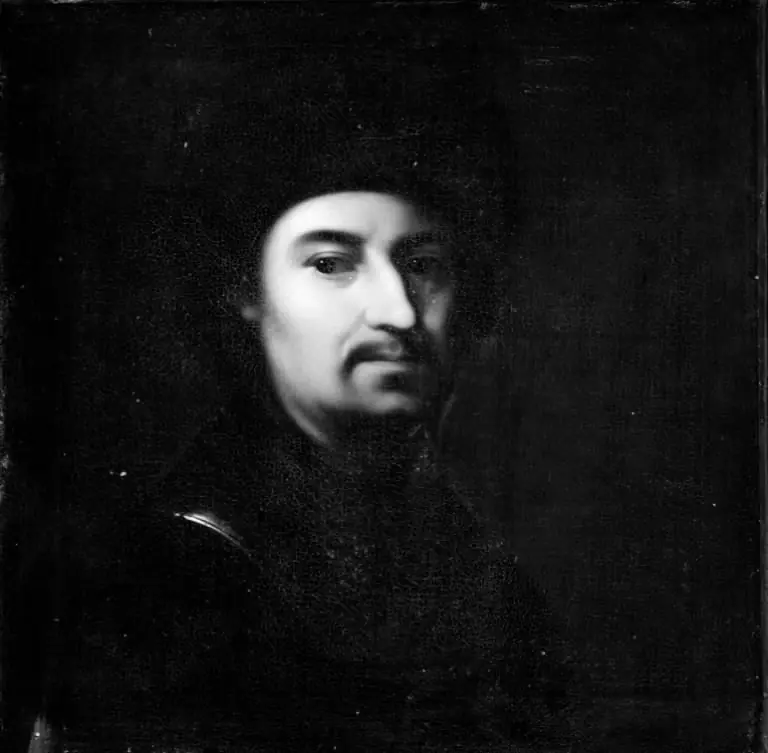 Portrait of a Man in Armour
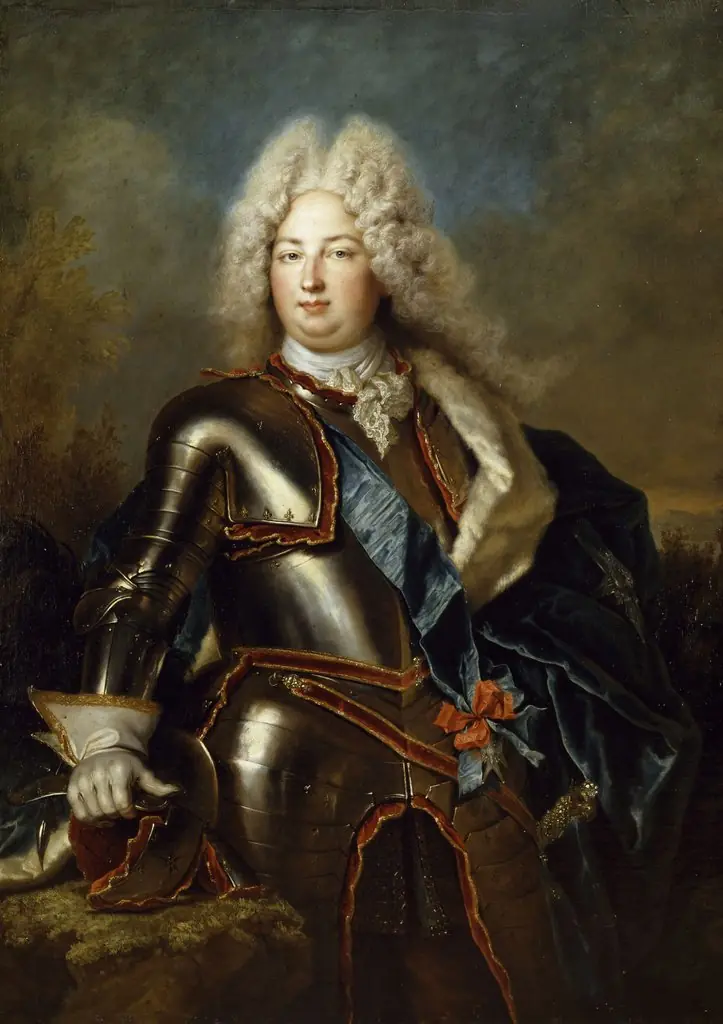 Charles of France, Duke of Berry
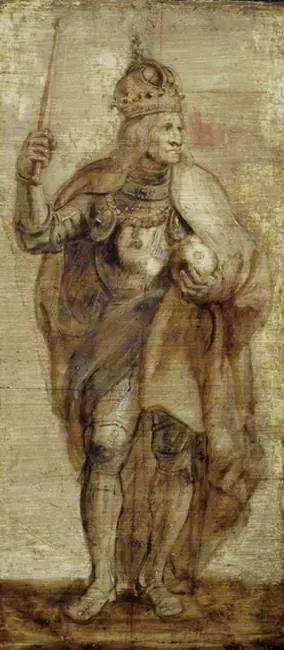 The Emperor Maximilian I
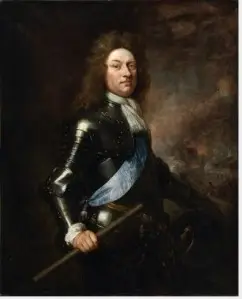 Portrait of Godert de Ginkel (1630-1703), 1st Earl of Athlone (1630-1703), with the Taking of Athlone, County Westmeath
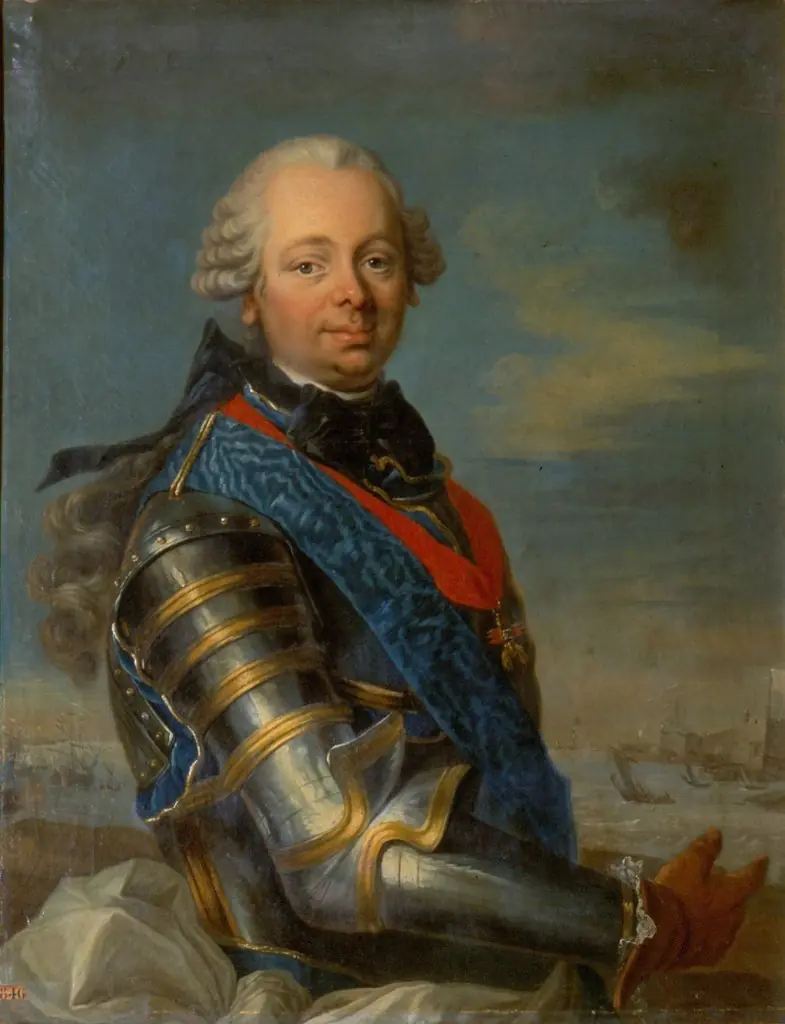 Portrait of Étienne-François de Choiseul (1719-1785)
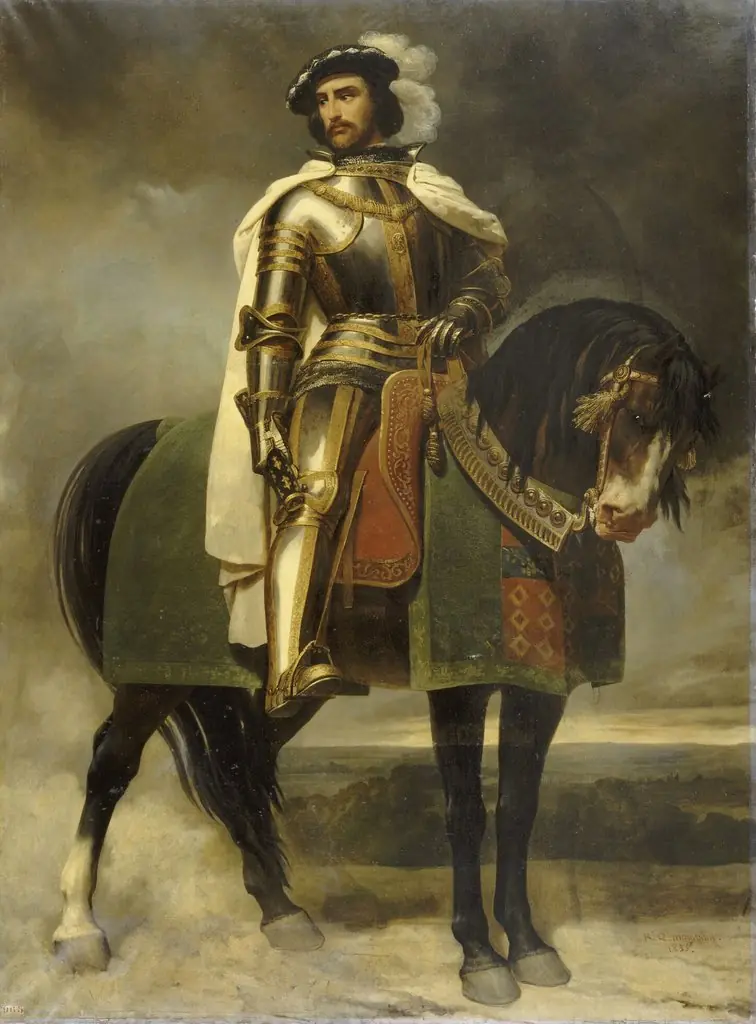 Pierre de Rohan, seigneur de Gye
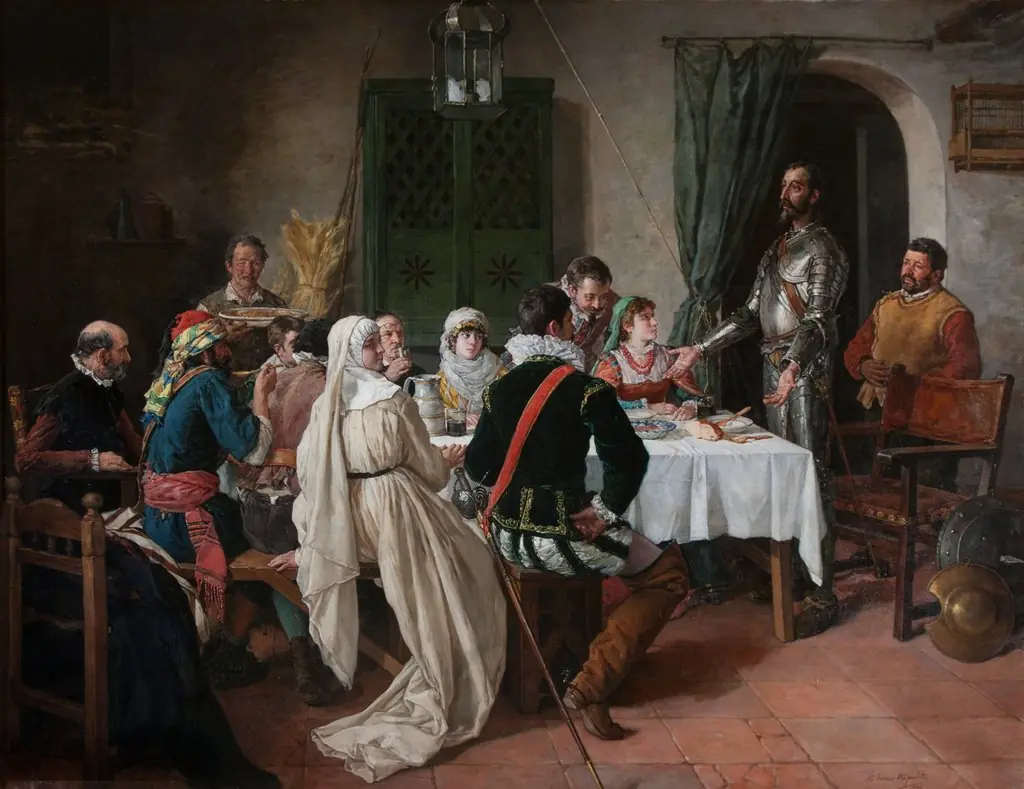 Don Quixote's Speech of Arms and Letters
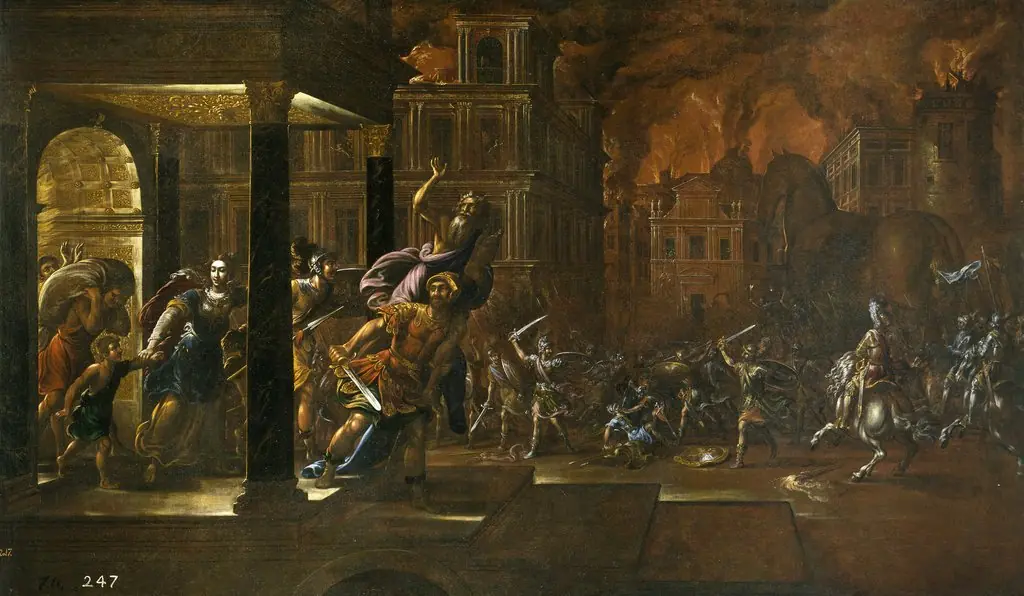 Aeneas flees the burning Troy with his family
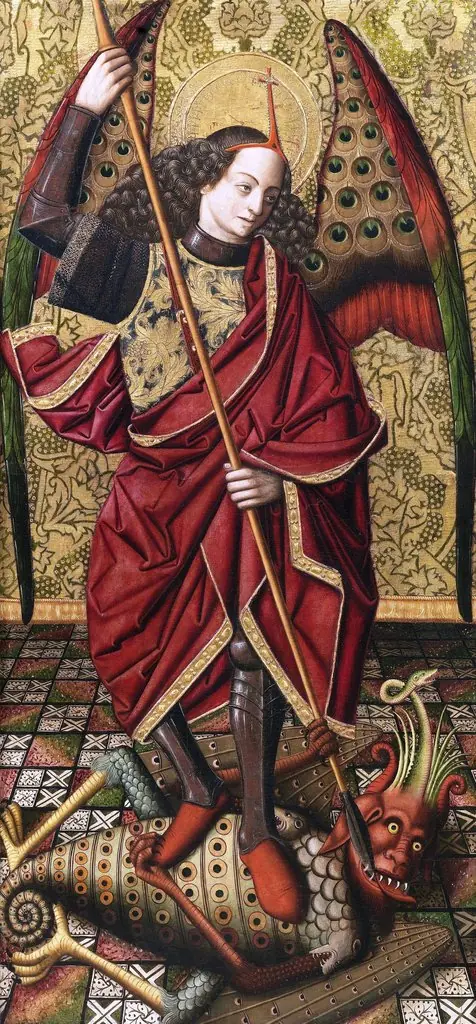 Saint Michael
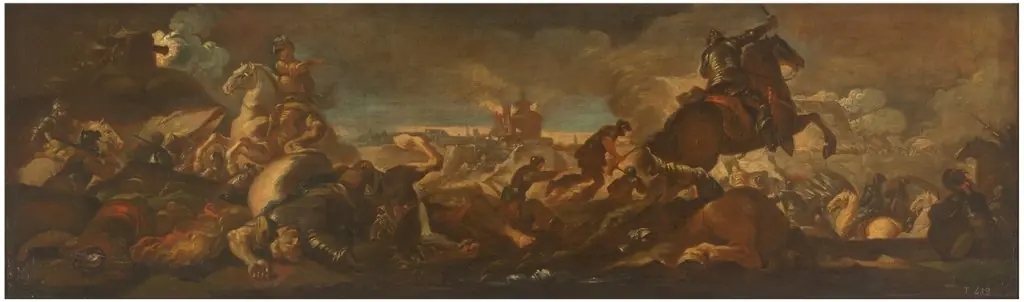 El Sitio de San Quintín
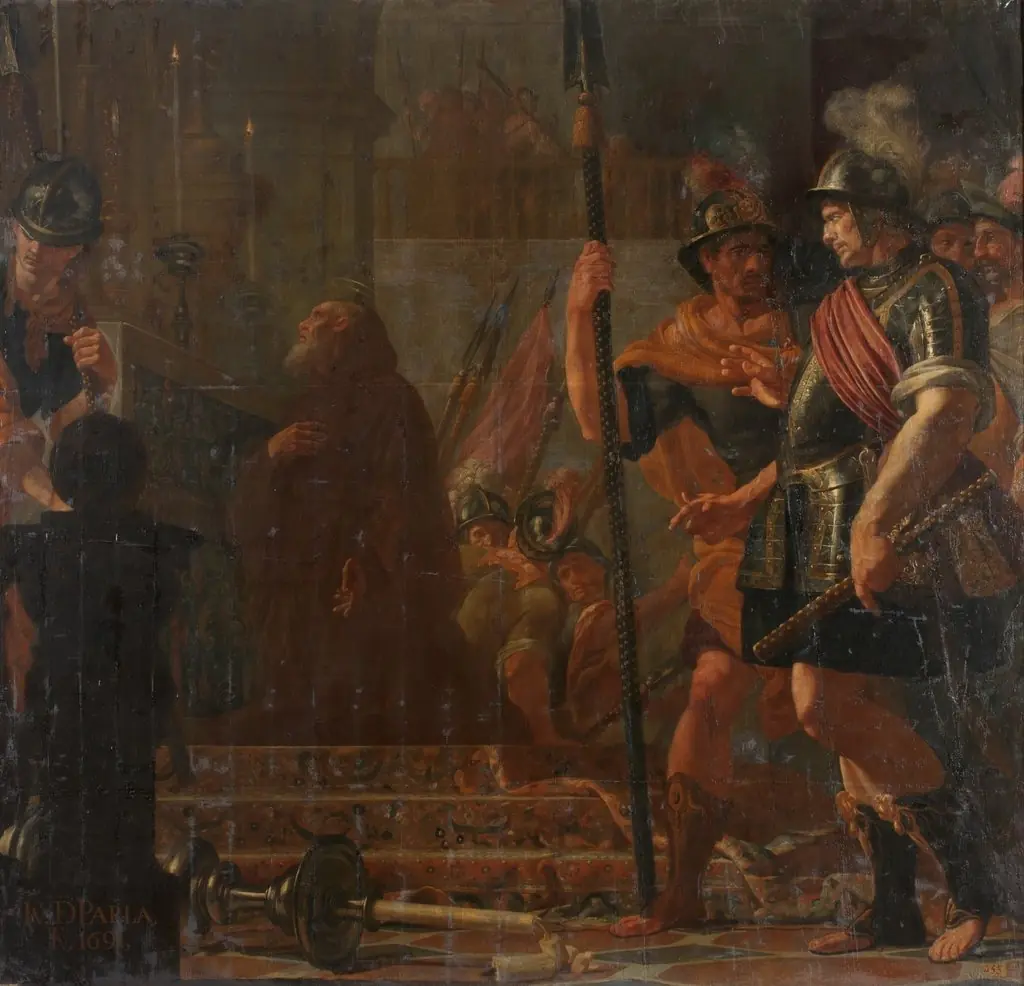 Saint Francis of Paola
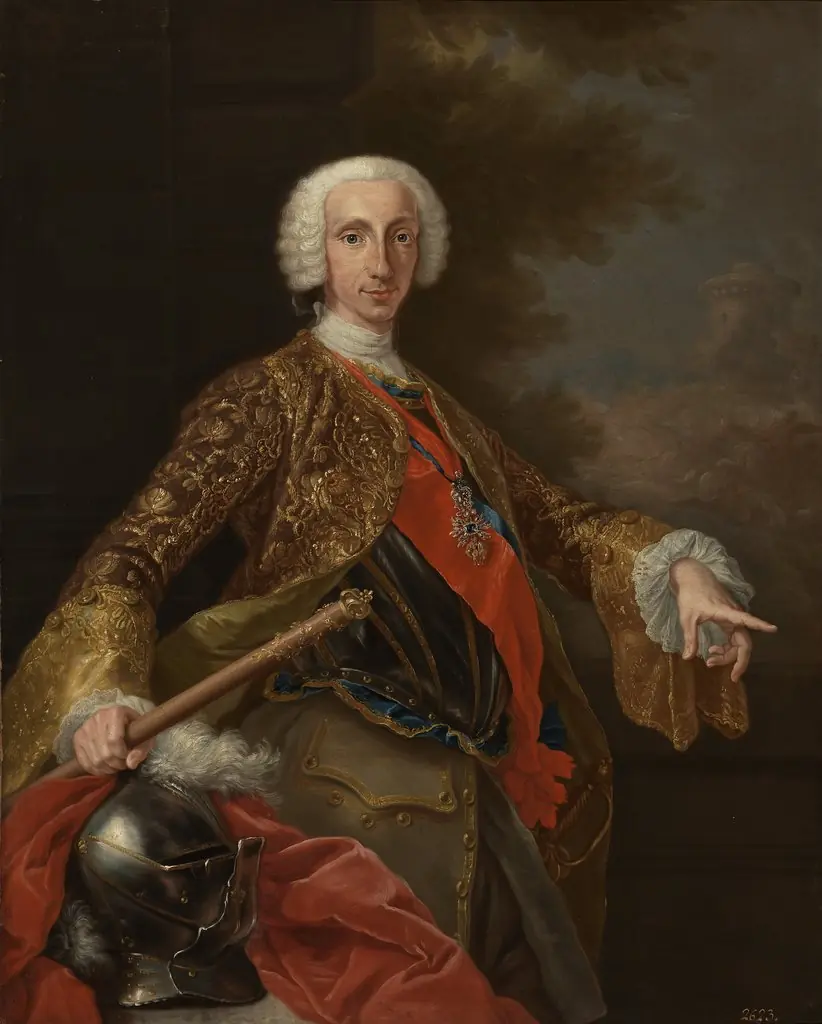 Carlos de Borbón rey de las Dos Sicilias
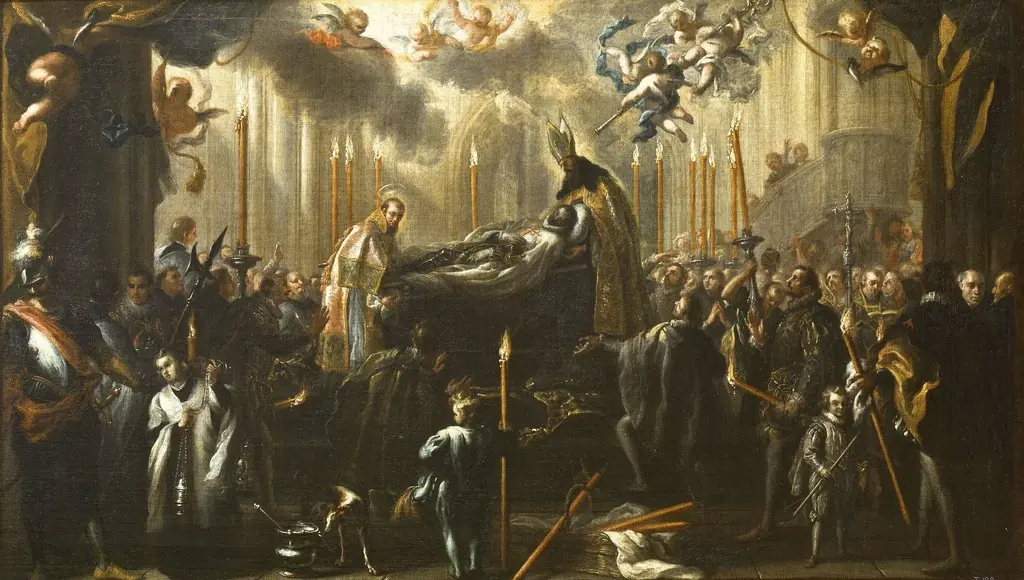 The Burial of the Count of Orgaz
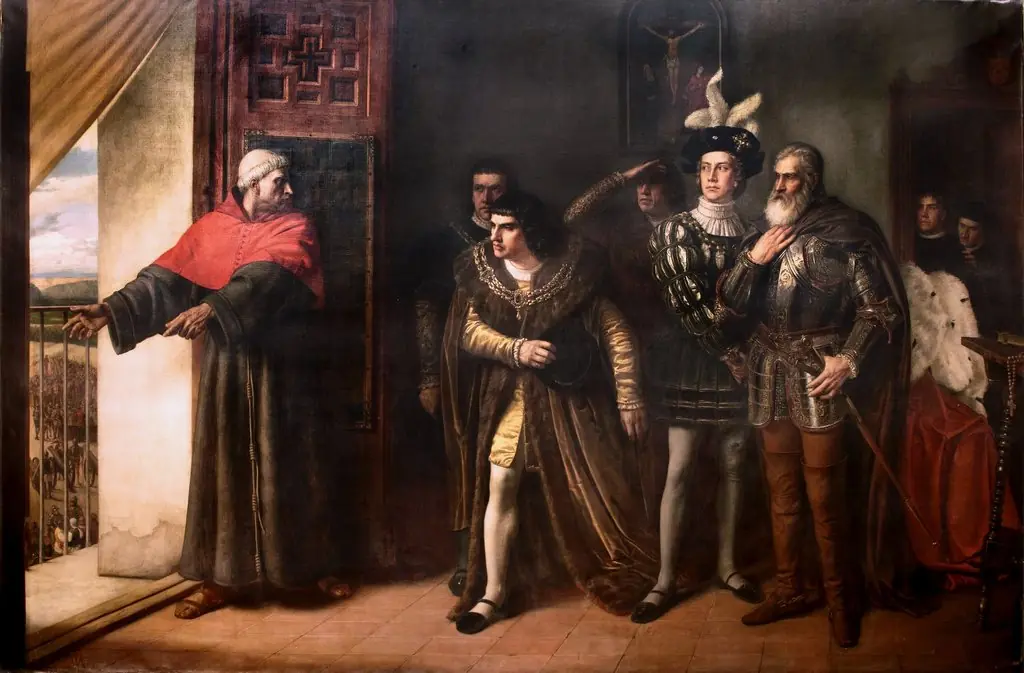 Cisneros y los Grandes
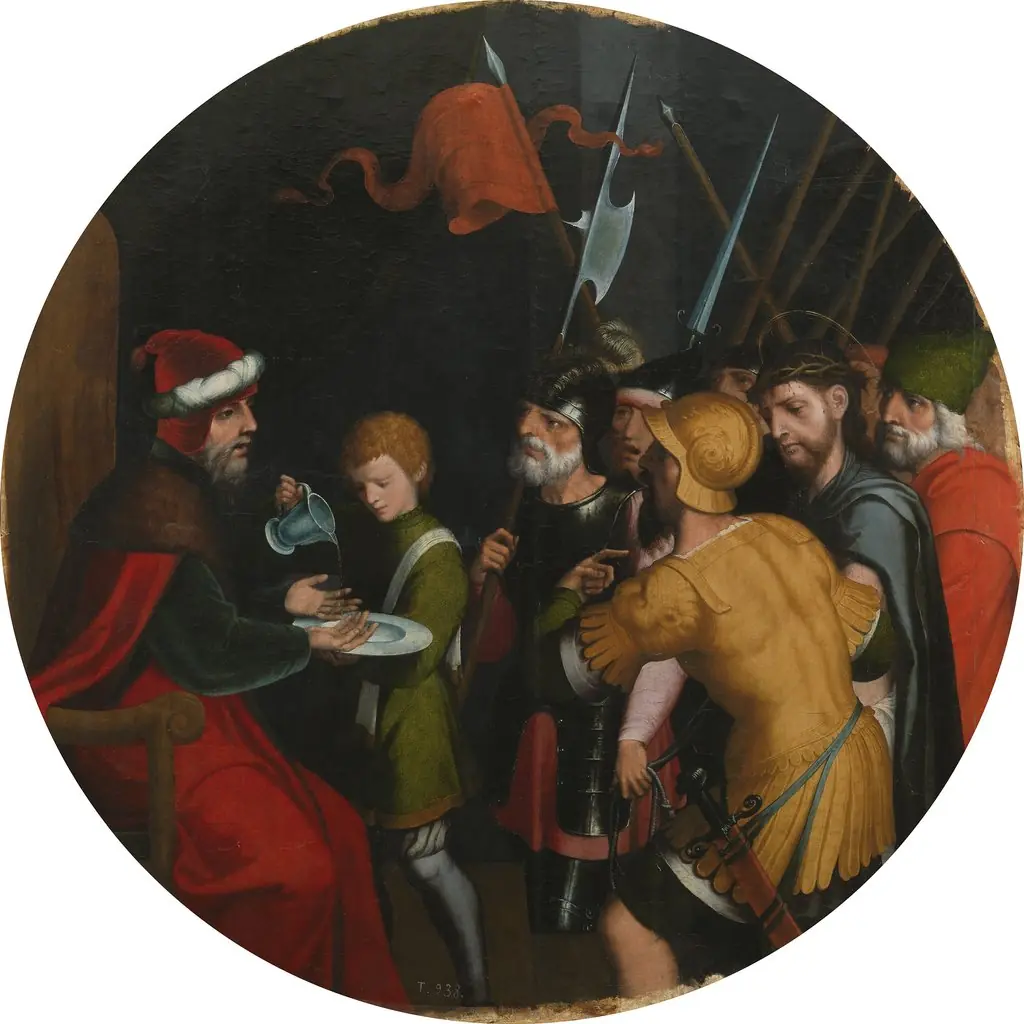 Pilatos lavándose las manos
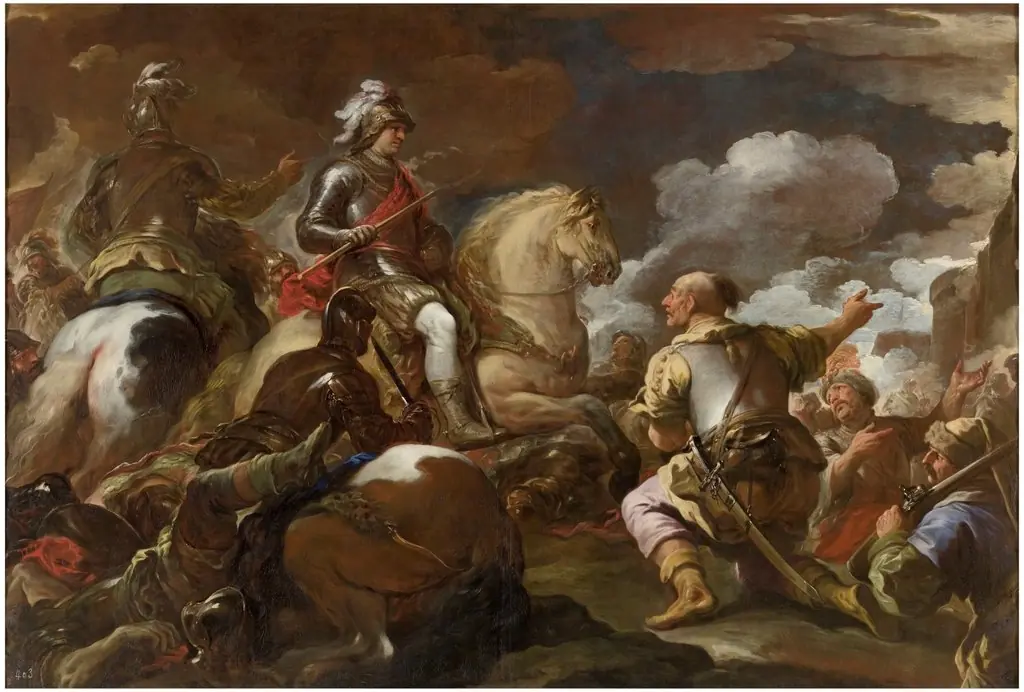 The taking of a stronghold
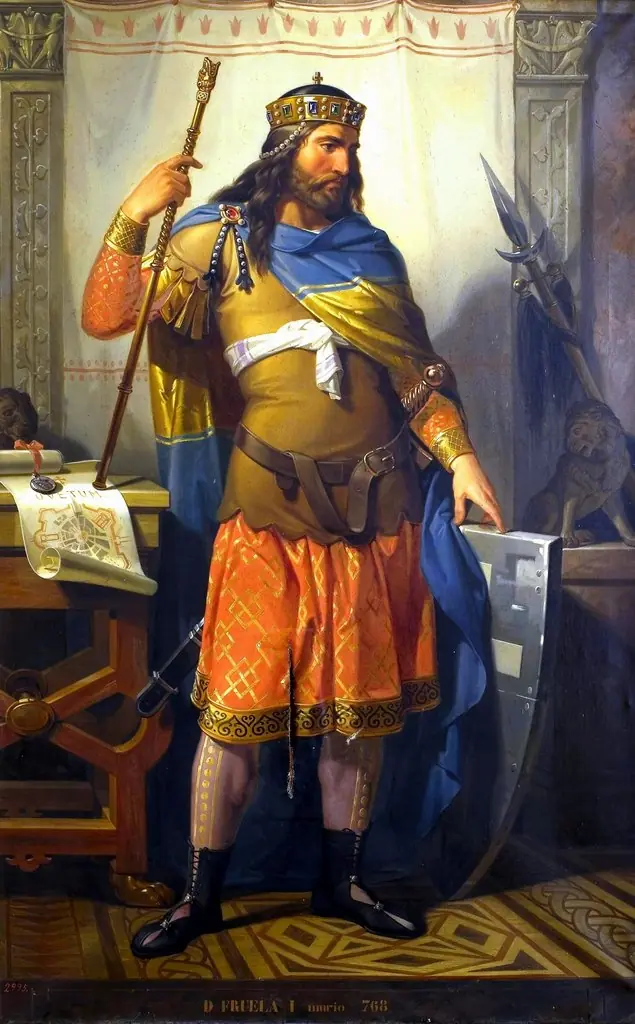 Fruela I
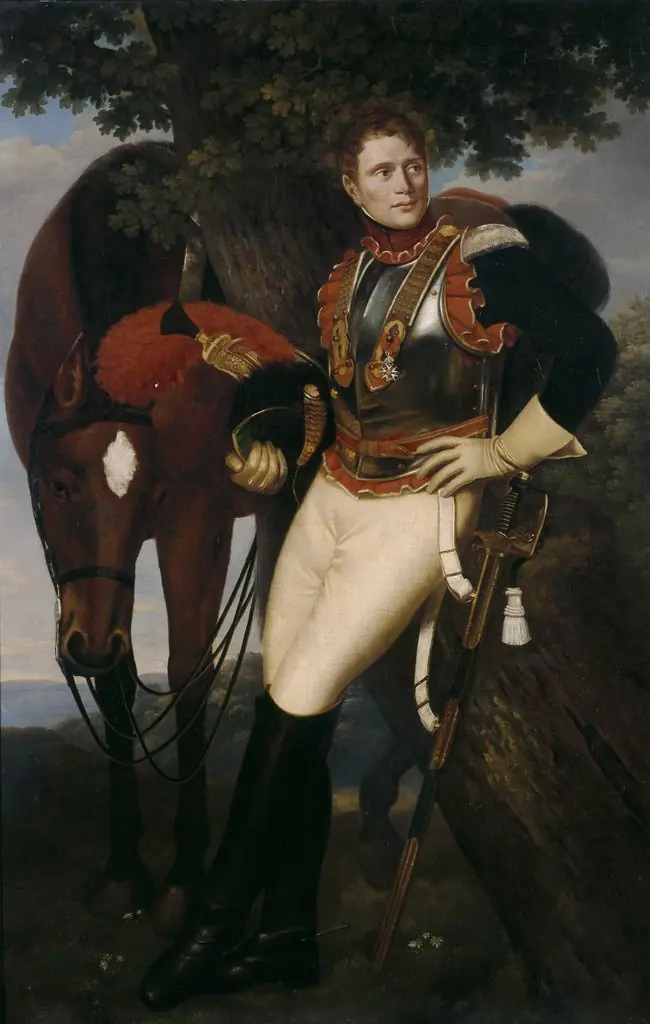 El coracero Jean Baptiste Poret-Dulongval
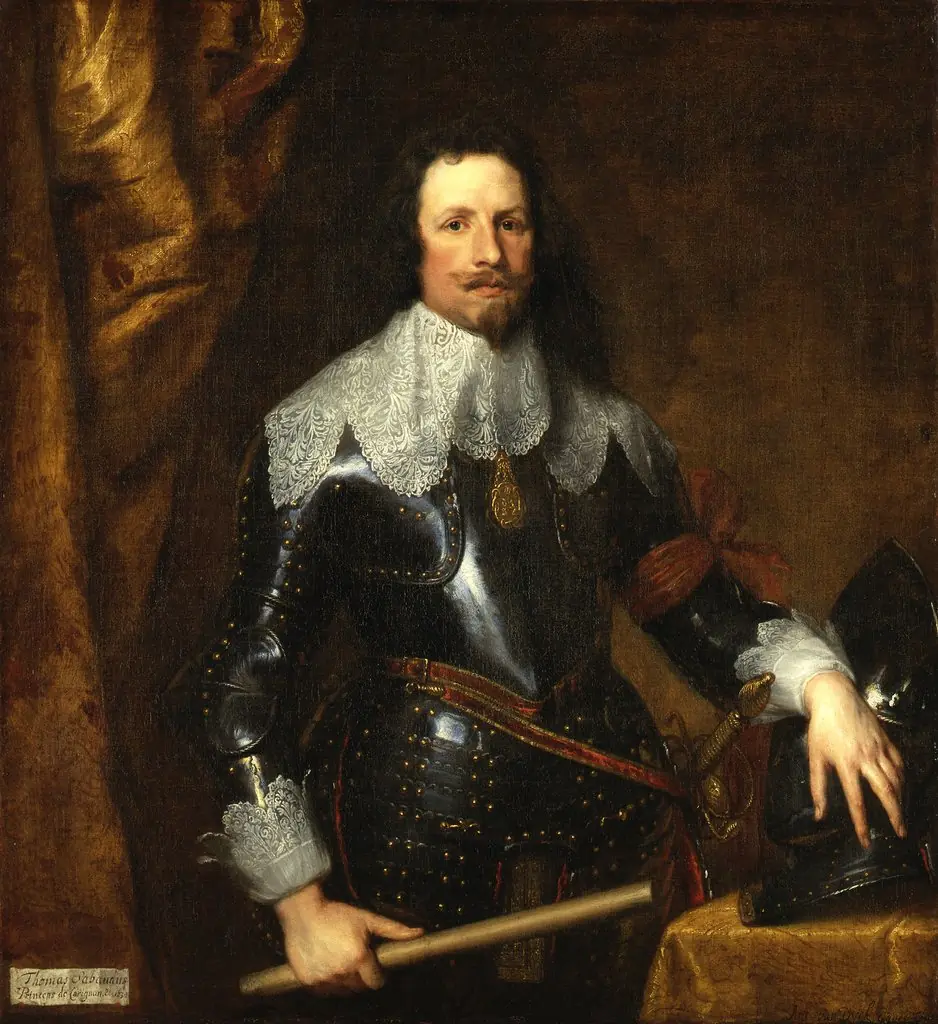 Portrait of Tomaso di Savoia-Carignano
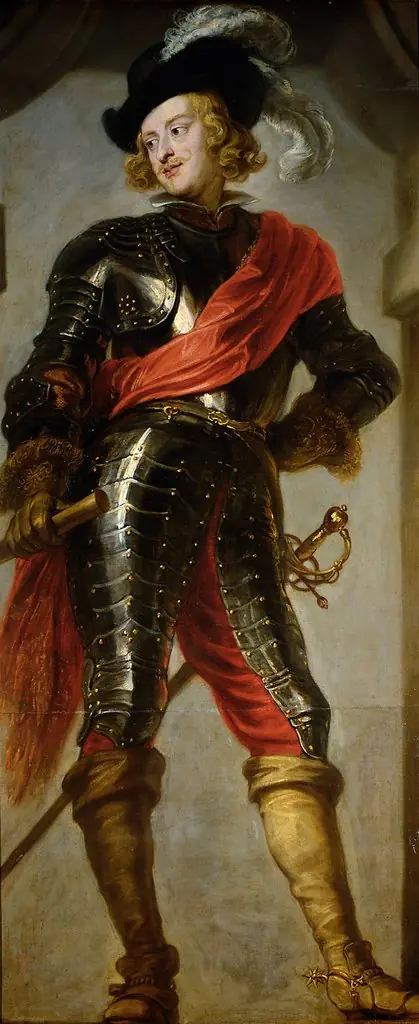 Cardinal-Infante Ferdinand of Austria
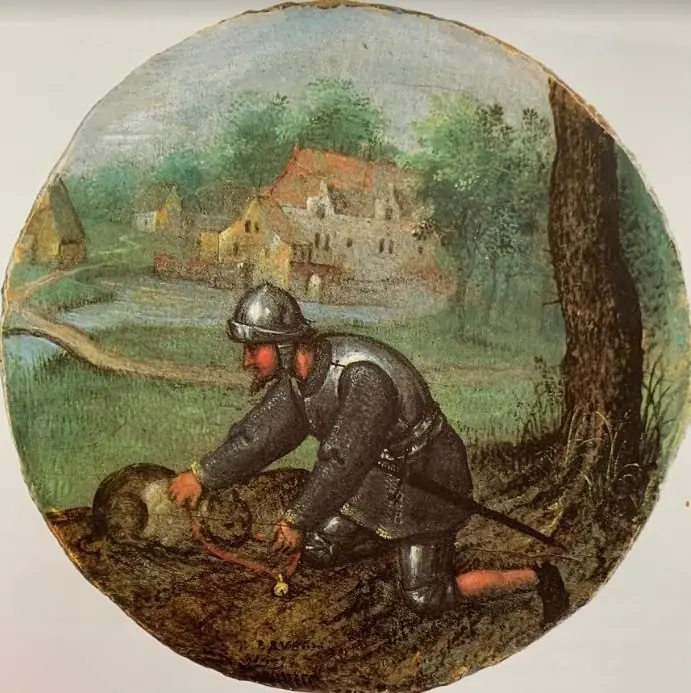 Belling the cat
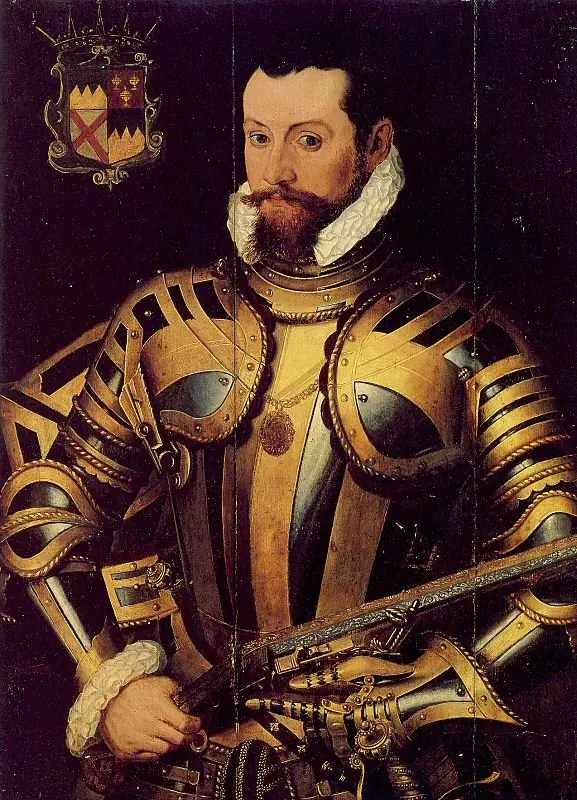 Portrait of Thomas Butler, 10th Earl of Ormonde (1532-1614)
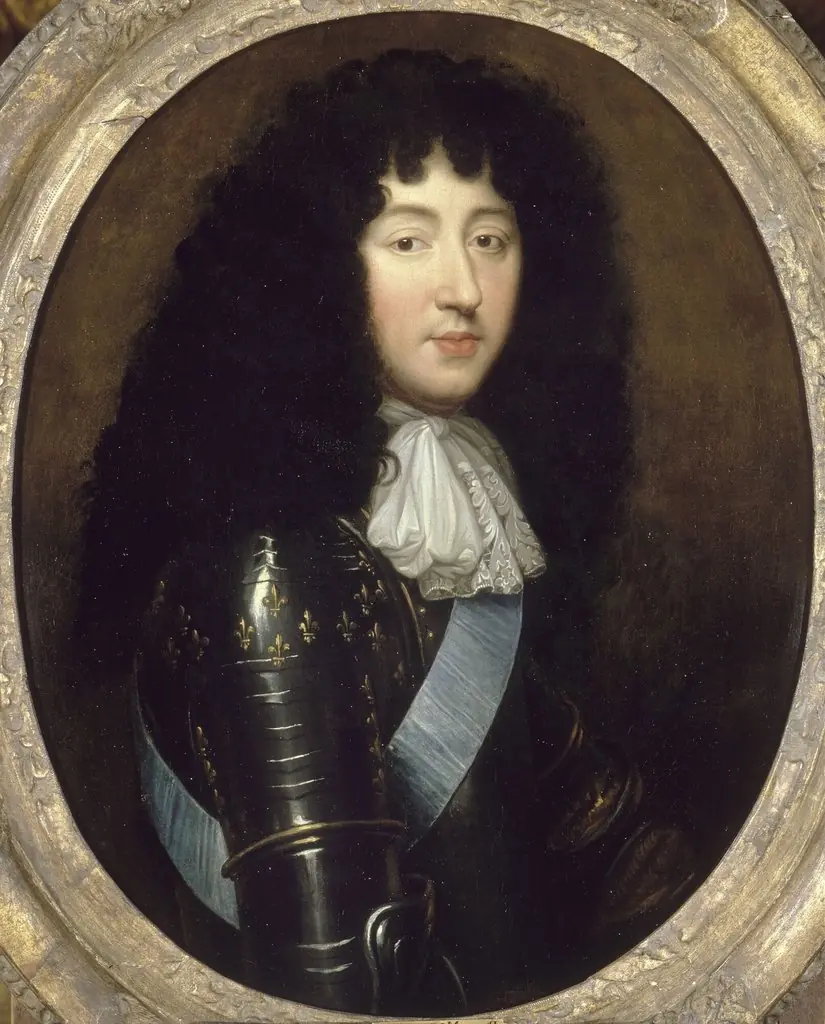 Philippe of France, Duke of Orleans
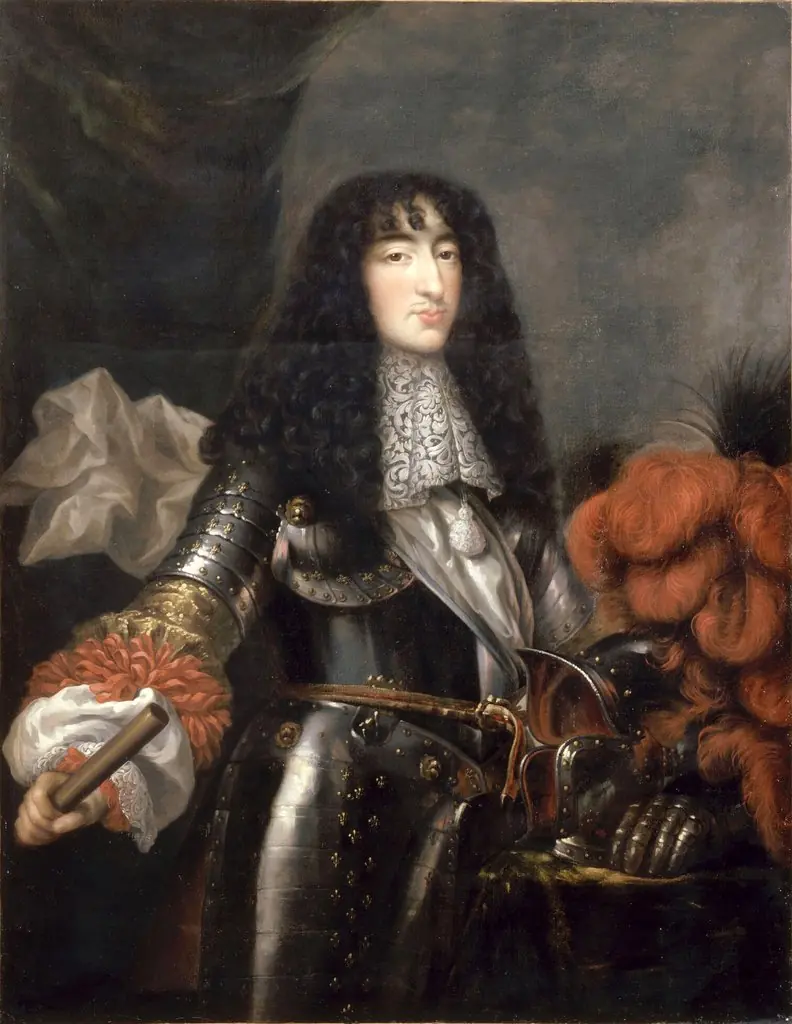 Philippe of France, Duke of Orleans
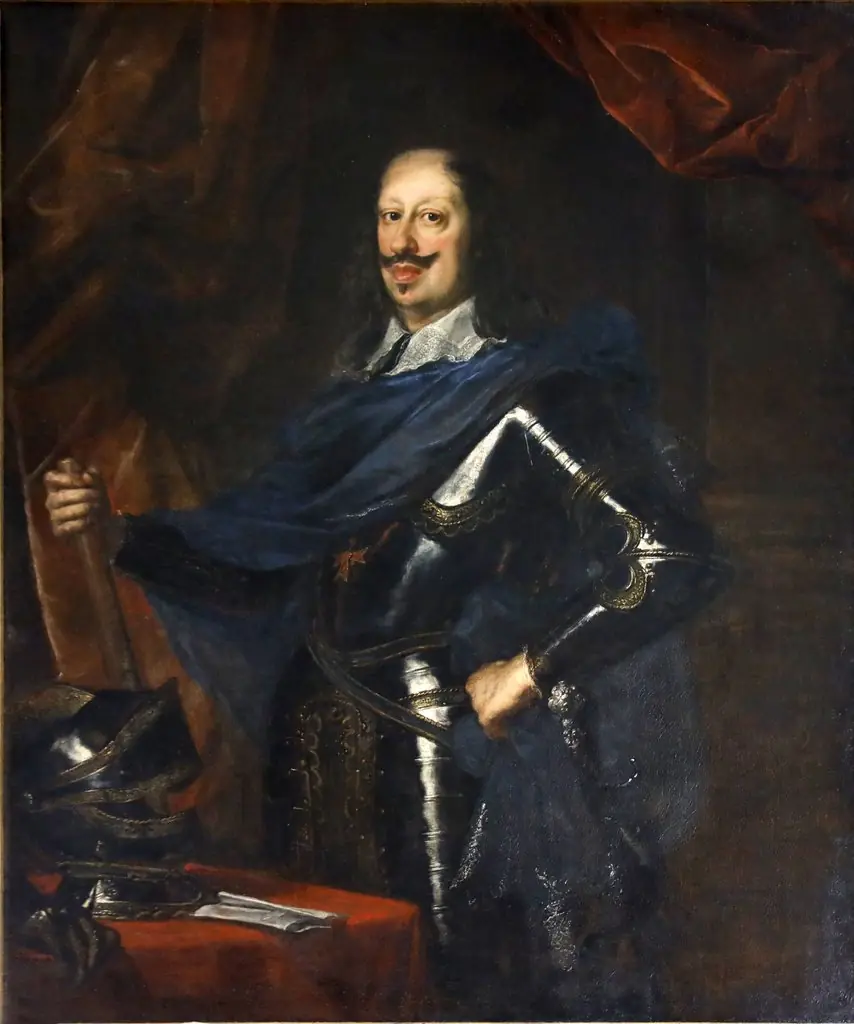 Portrait of Ferdinando II de'Medici
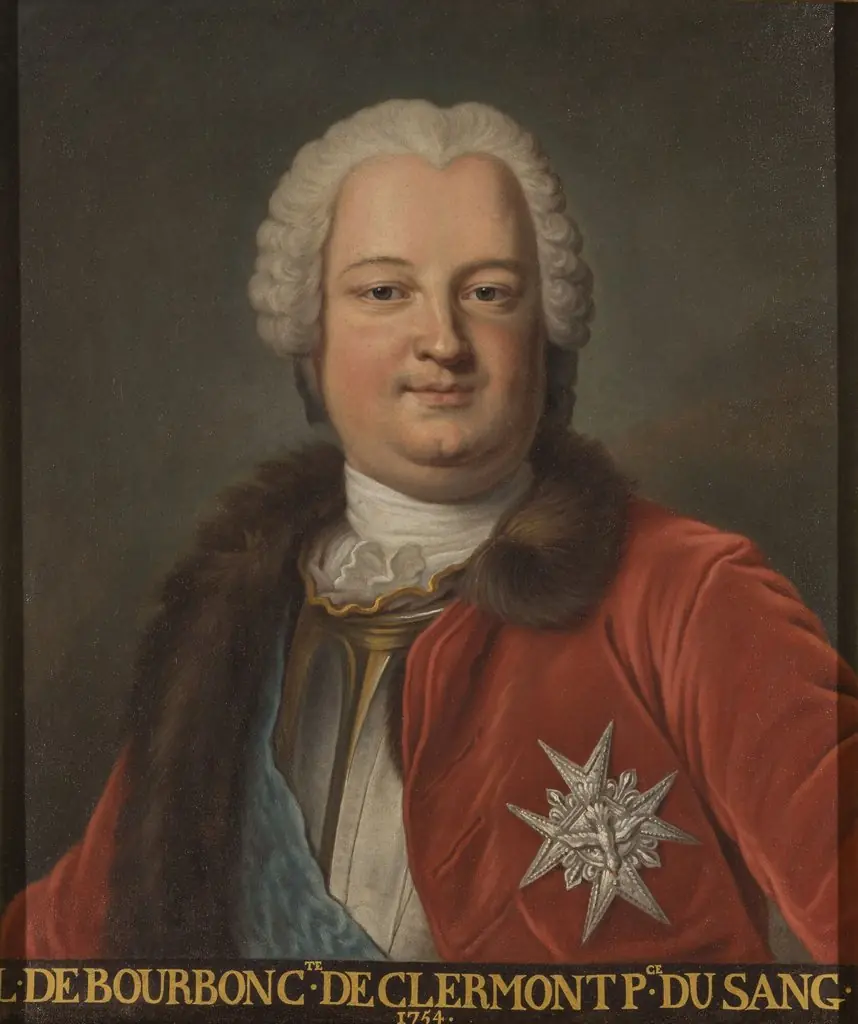 Louis de Bourbon-Condé, Count of Clermont
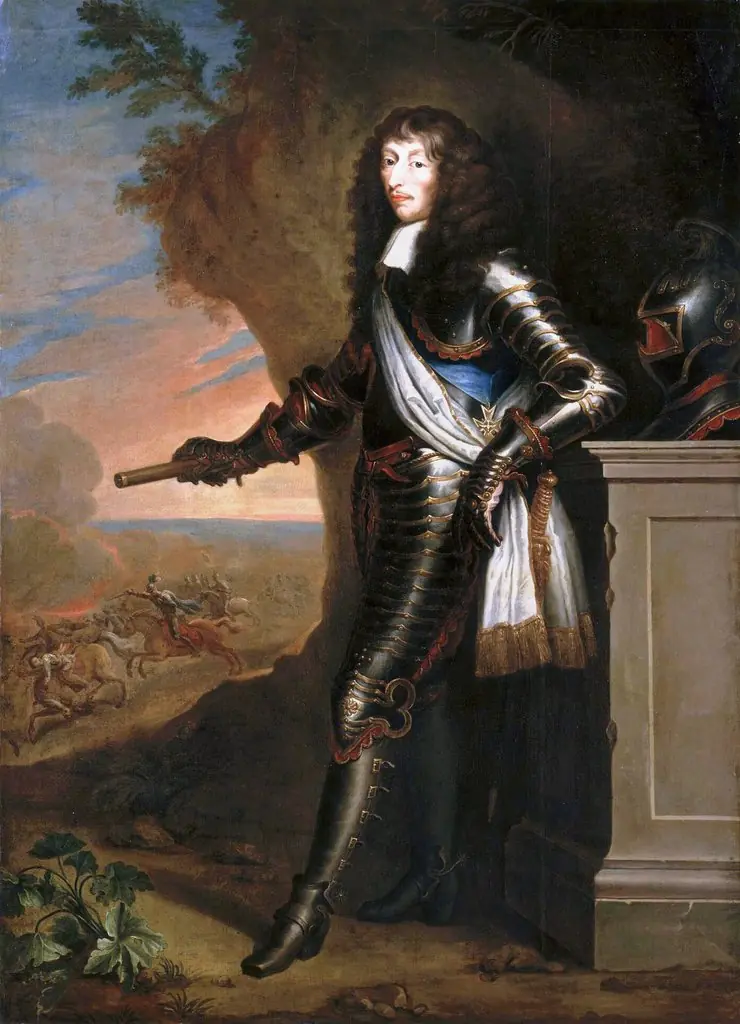 Portrait of Louis de Bourbon, Prince of Condé (1621-1686)
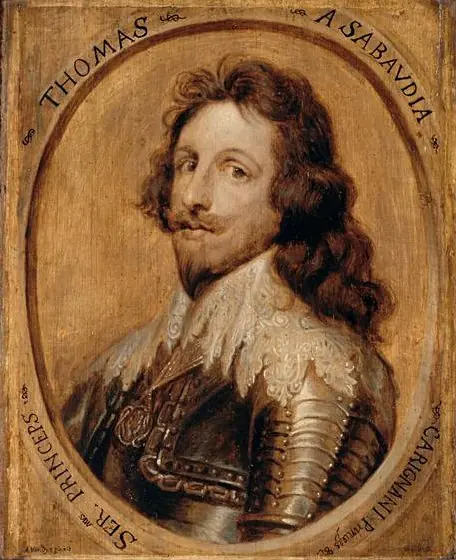 Portrait of Thomas de Savoie, prince de Carignan
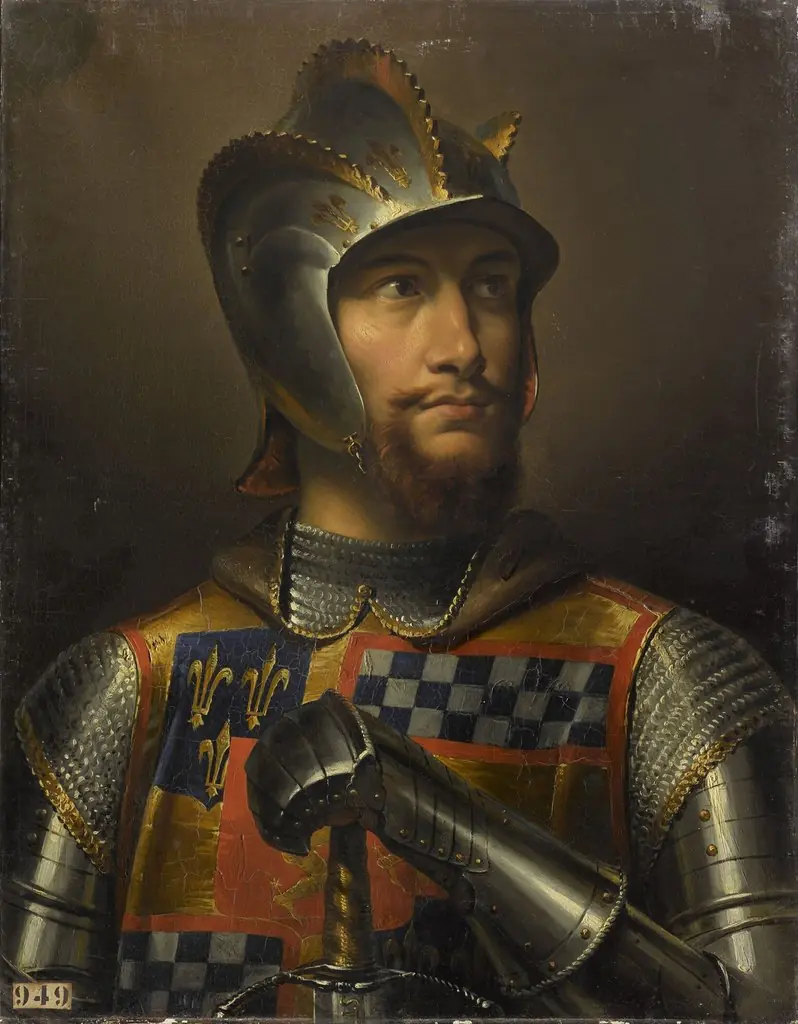 Jean II Stuart, connétable de Buchan (+ 1424)
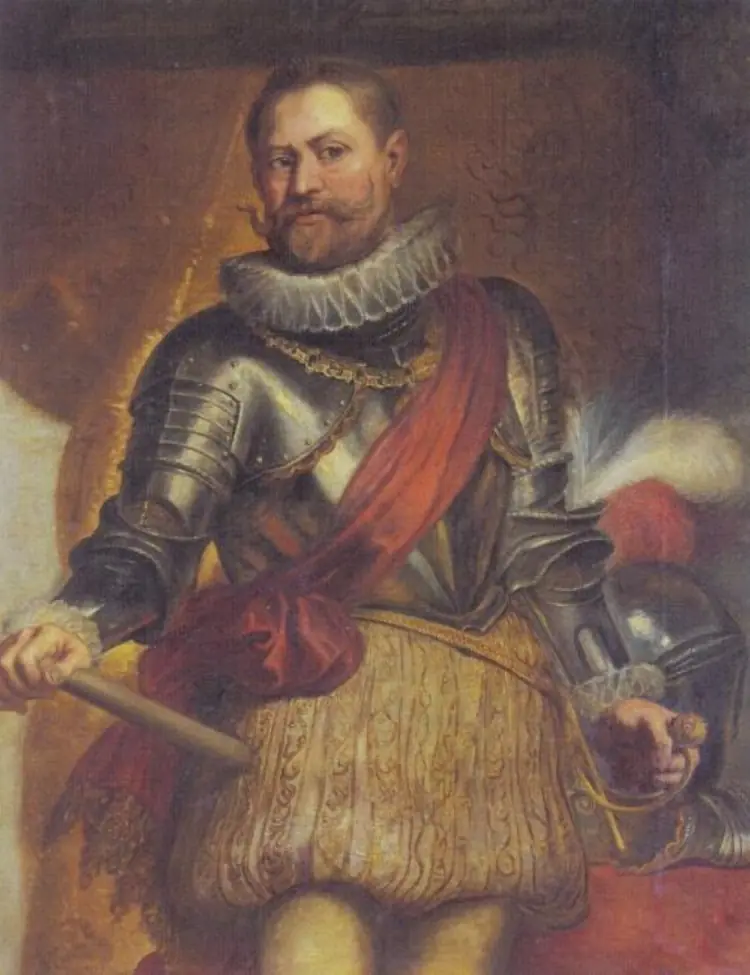 Portrait of Ernest, Archduke of Austria (1553-1595)
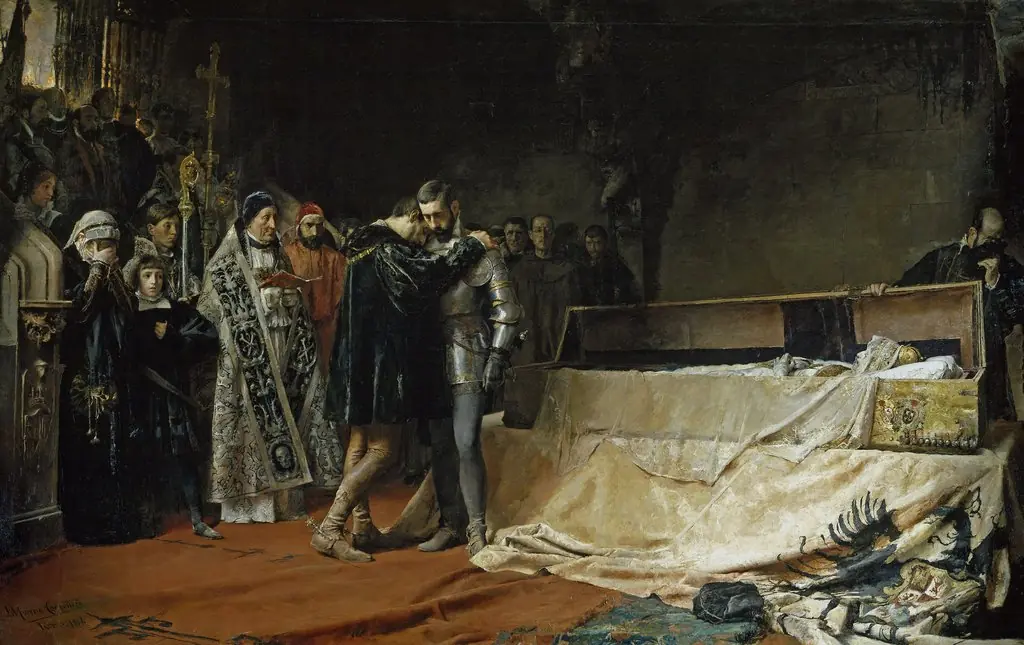 The Conversion of the Duke of Gandía
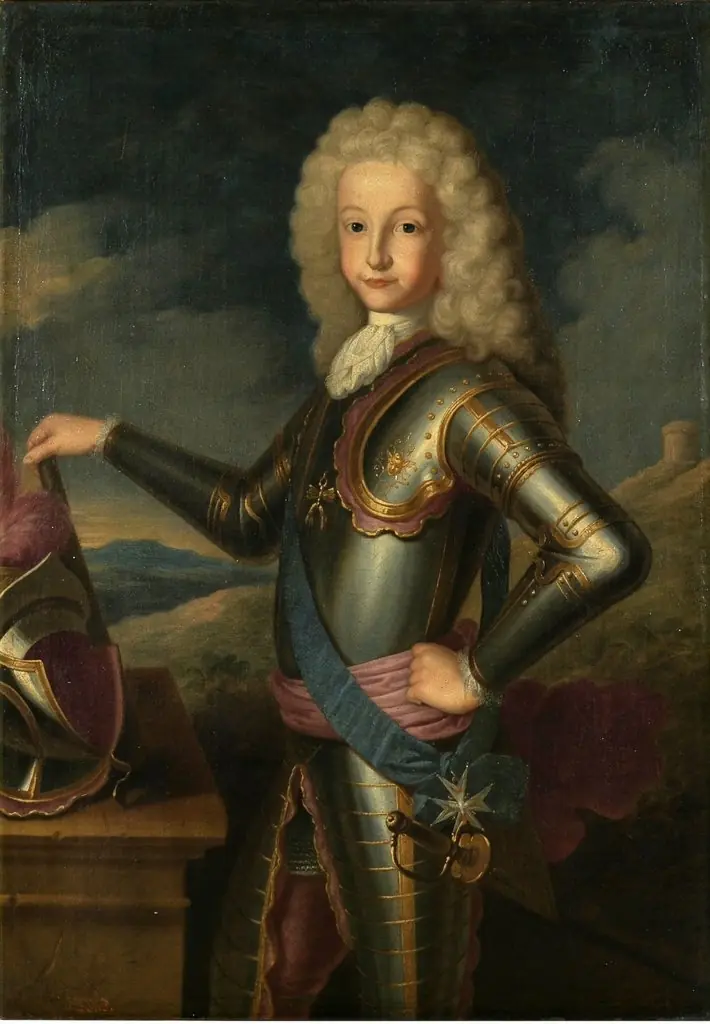 Luis I con armadura a los 10 años
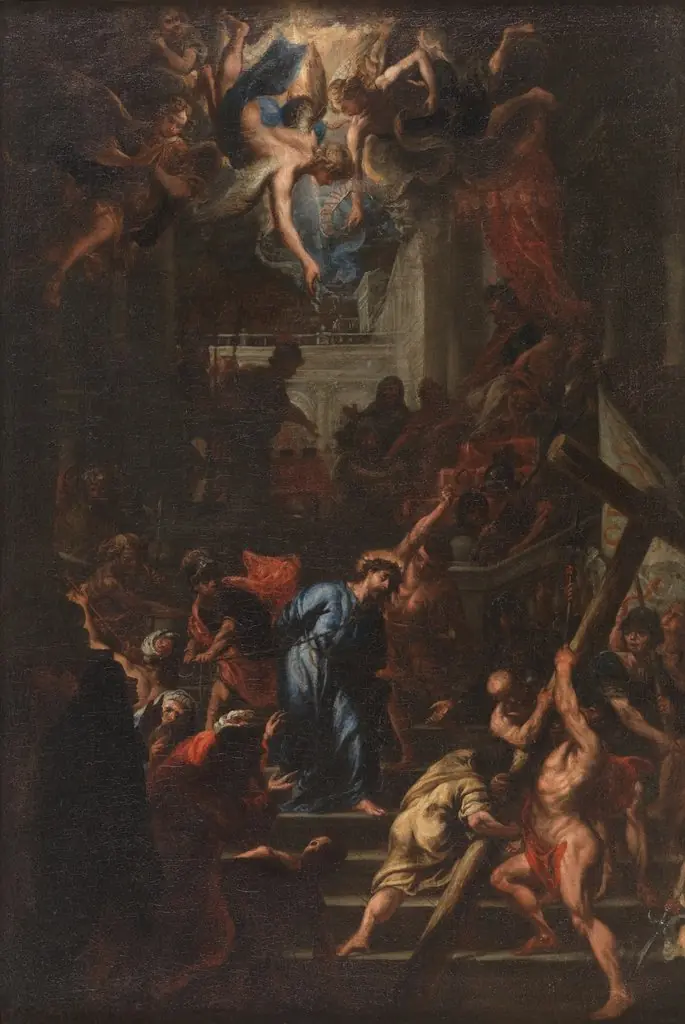 Christ in the Praetorium
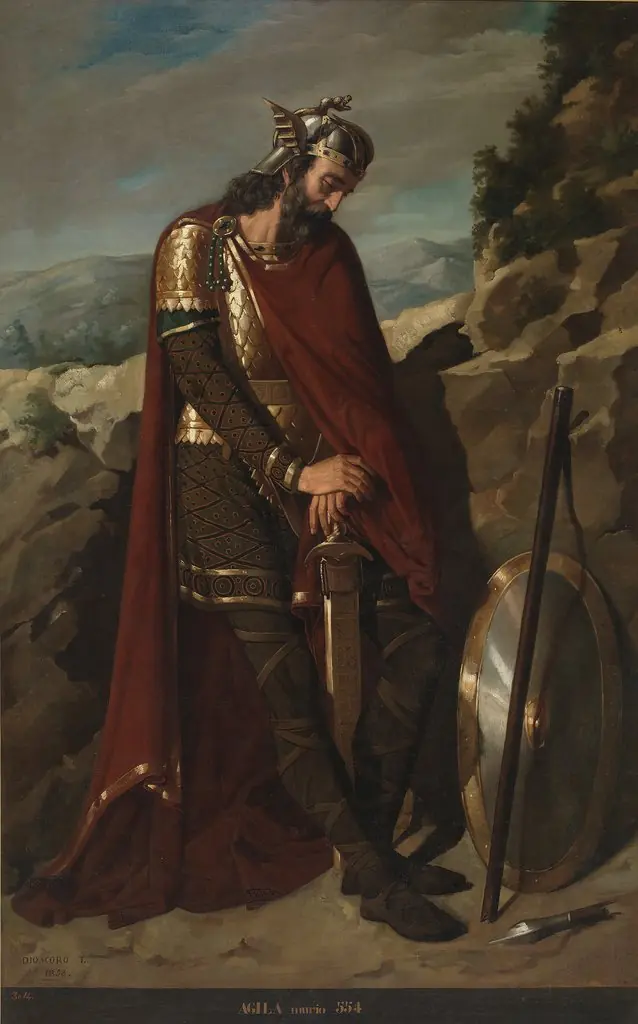 Agila I
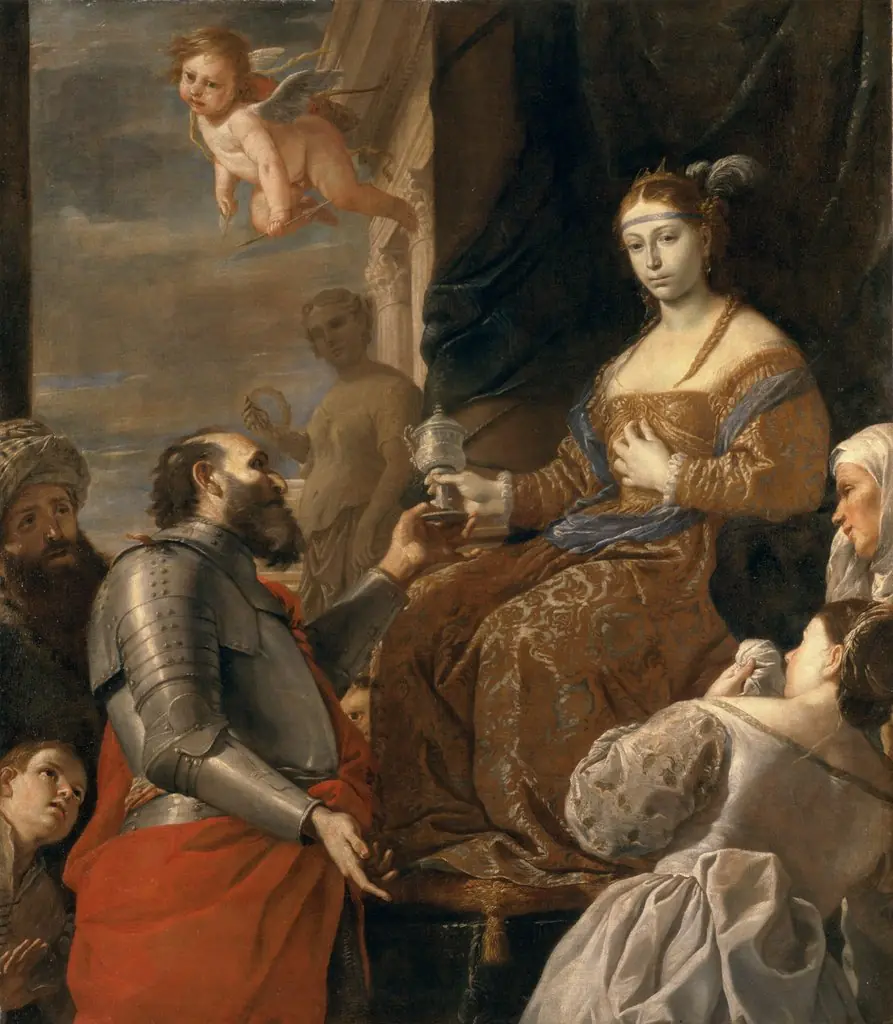 Death of Sophonisbe
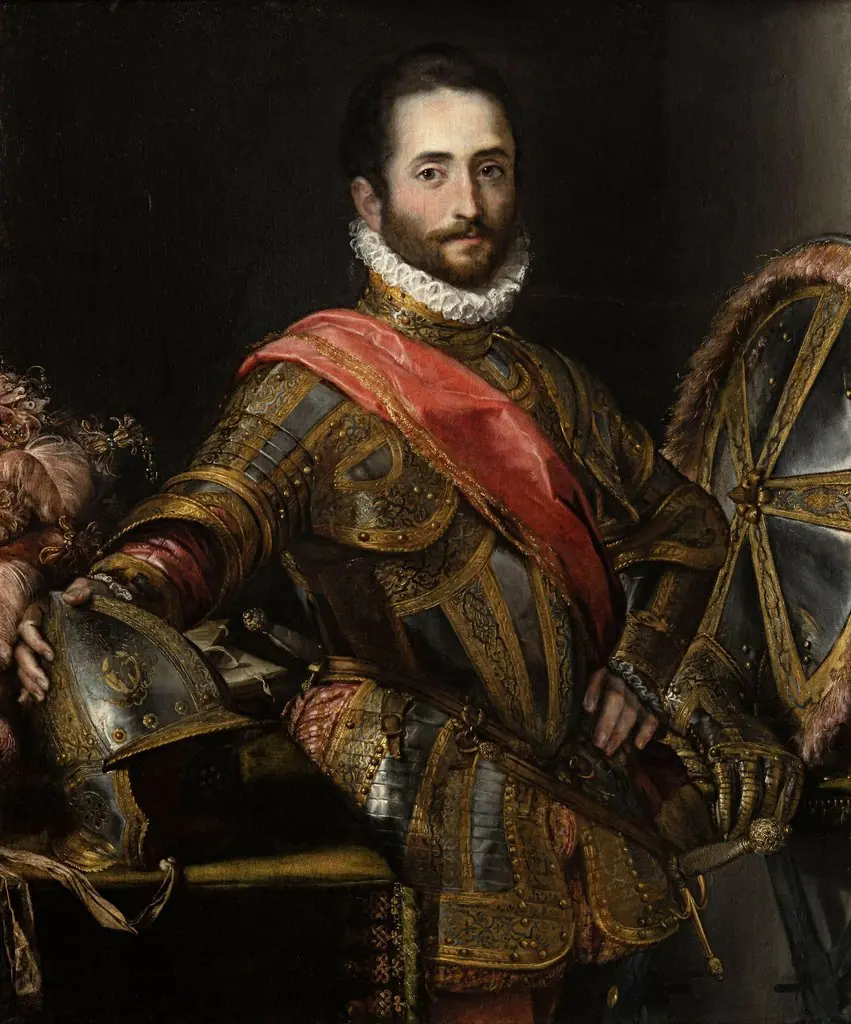 Portrait of Francesco Maria II della Rovere
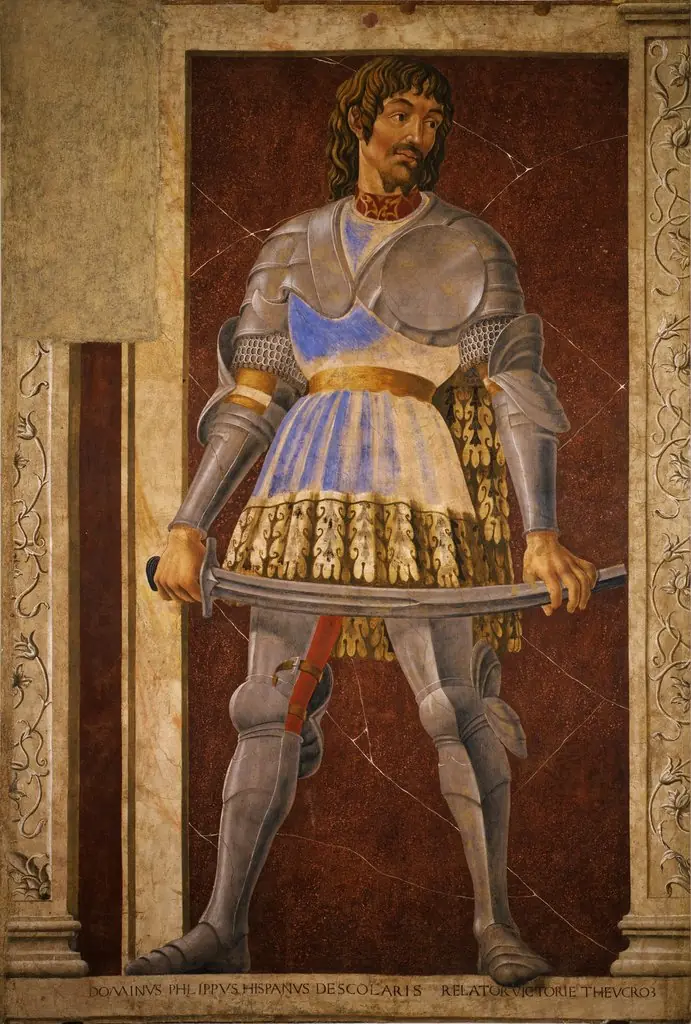 Pippo Spano from the cycle Famous People
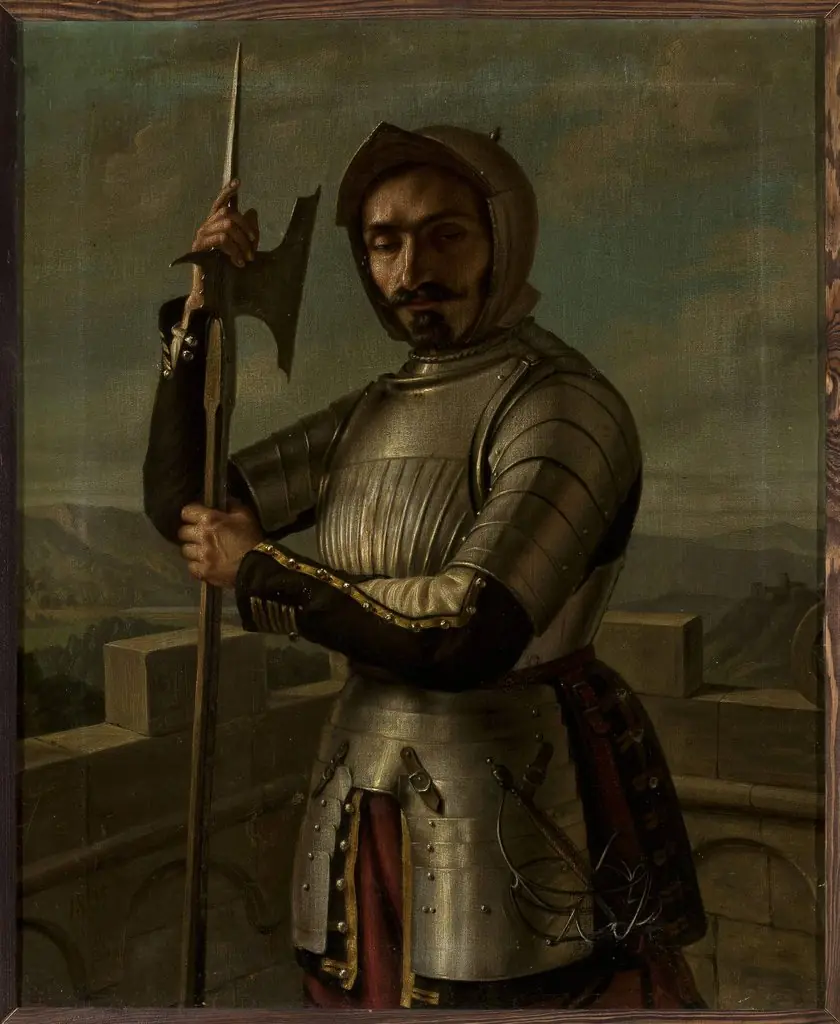 Knight in armour
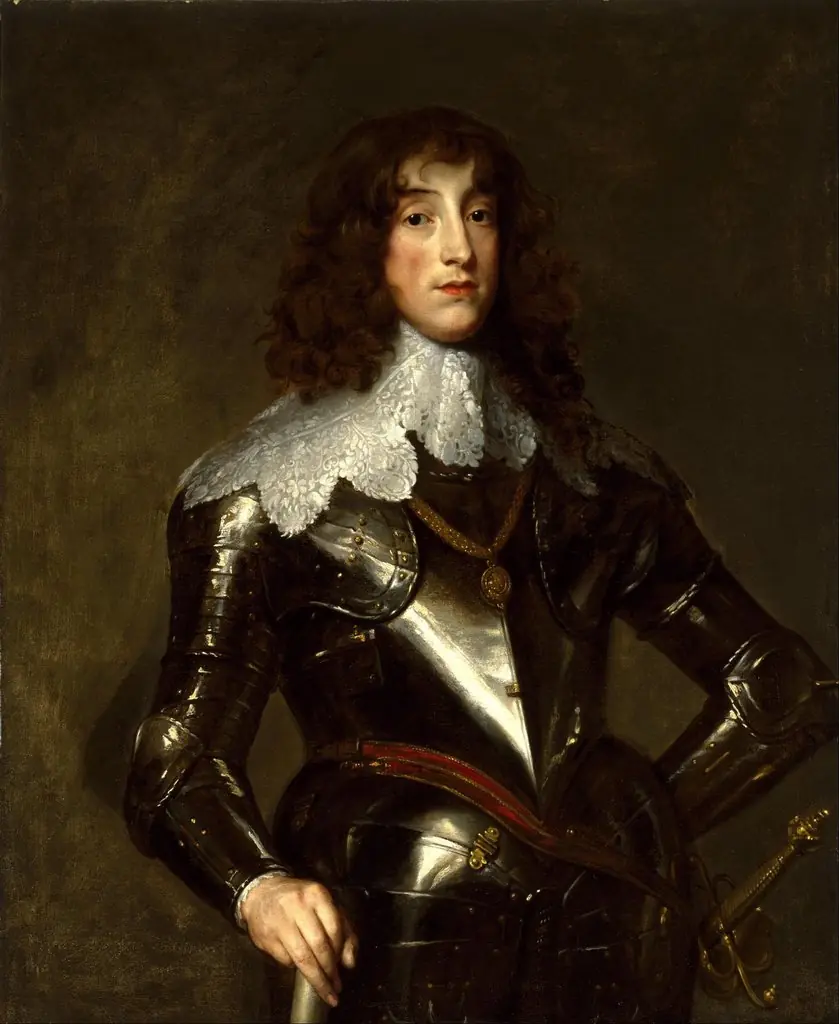 Charles Louis, Elector Palatine
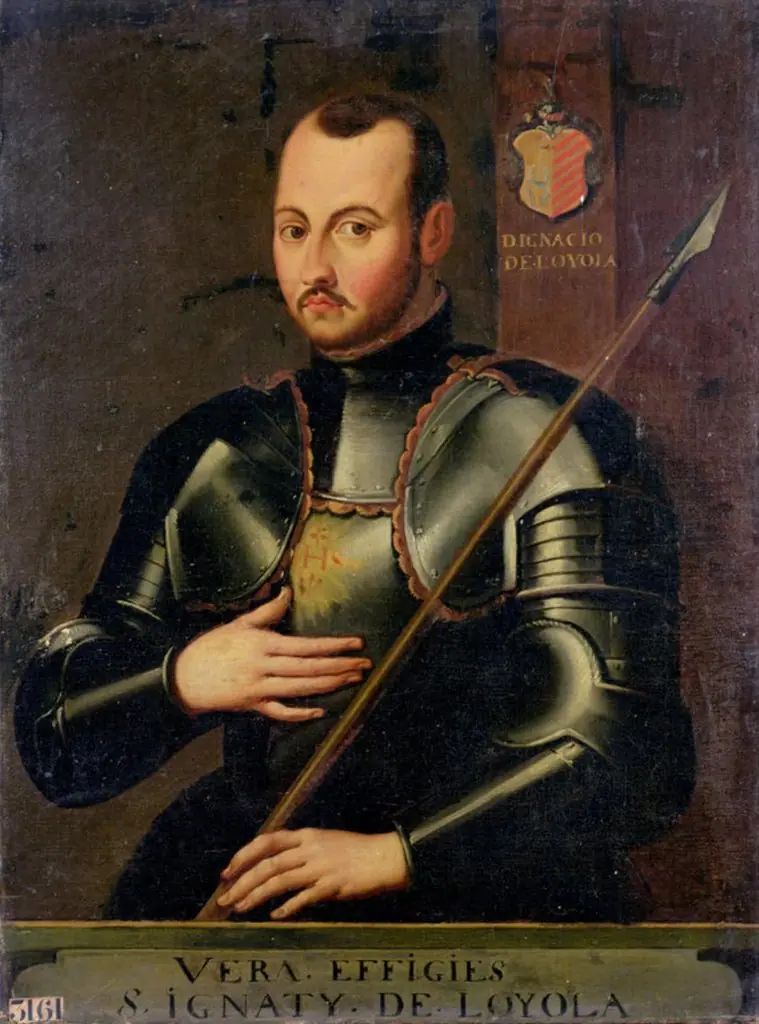 Saint Ignace de Loyola (1491-1556), fondateur de l'ordre des Jésuites
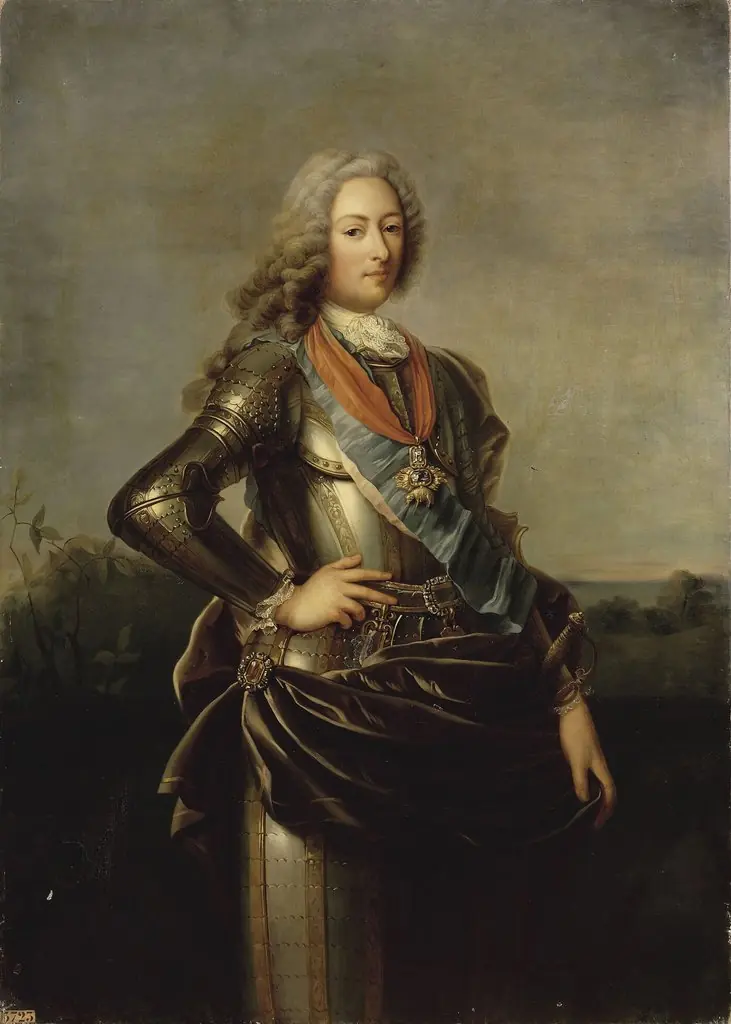 Louis of Orleans, Duke of Orleans
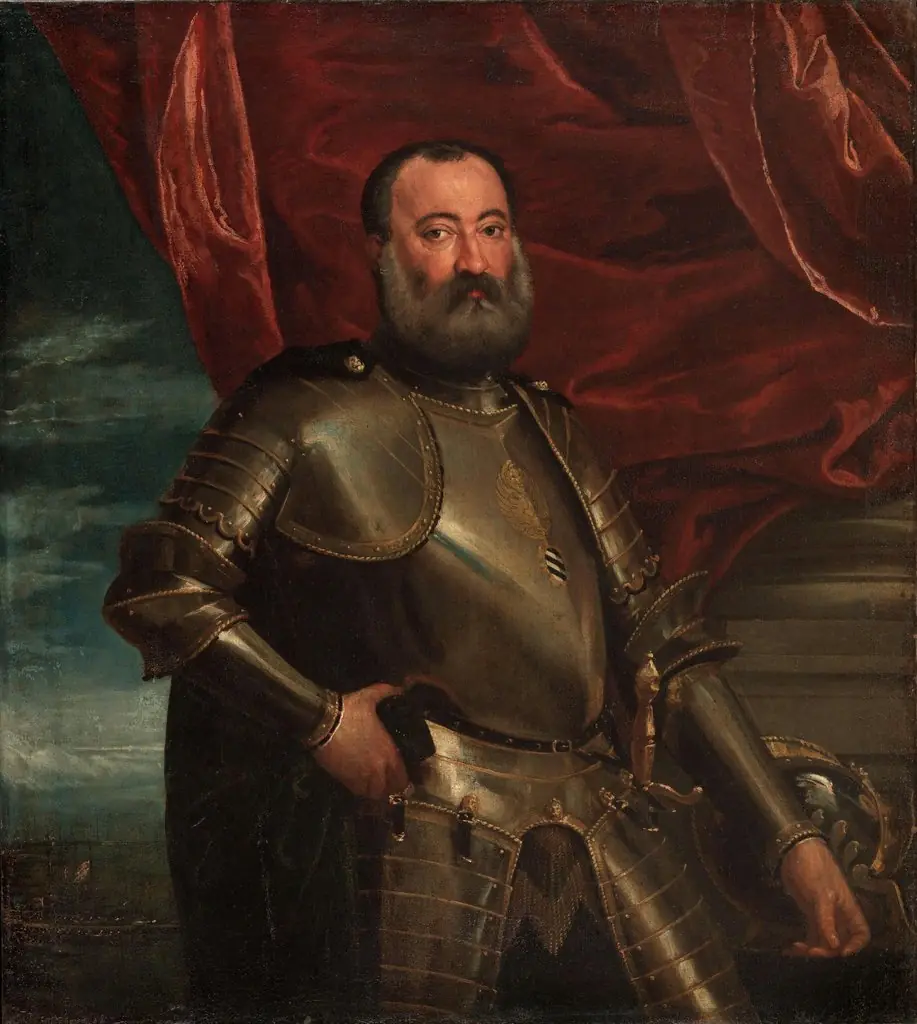 Portrait of Girolamo Contarini
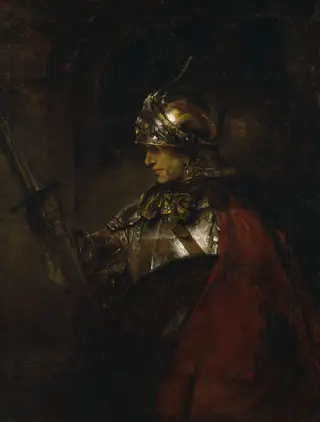 Man in Armour
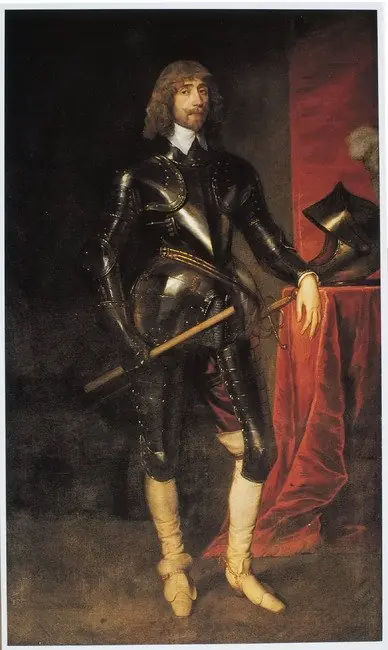 George Hay, 2nd Earl of Kinnoull, d. 1644. Statesman
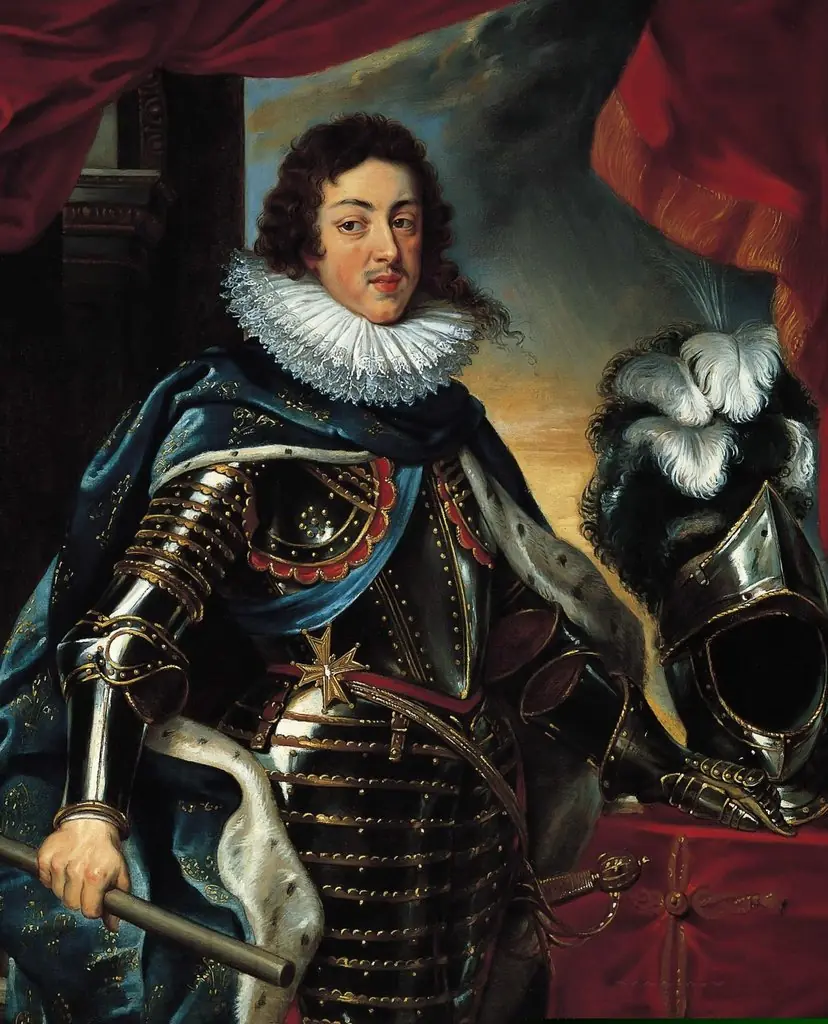 Portrait of Louis XIII in Armour
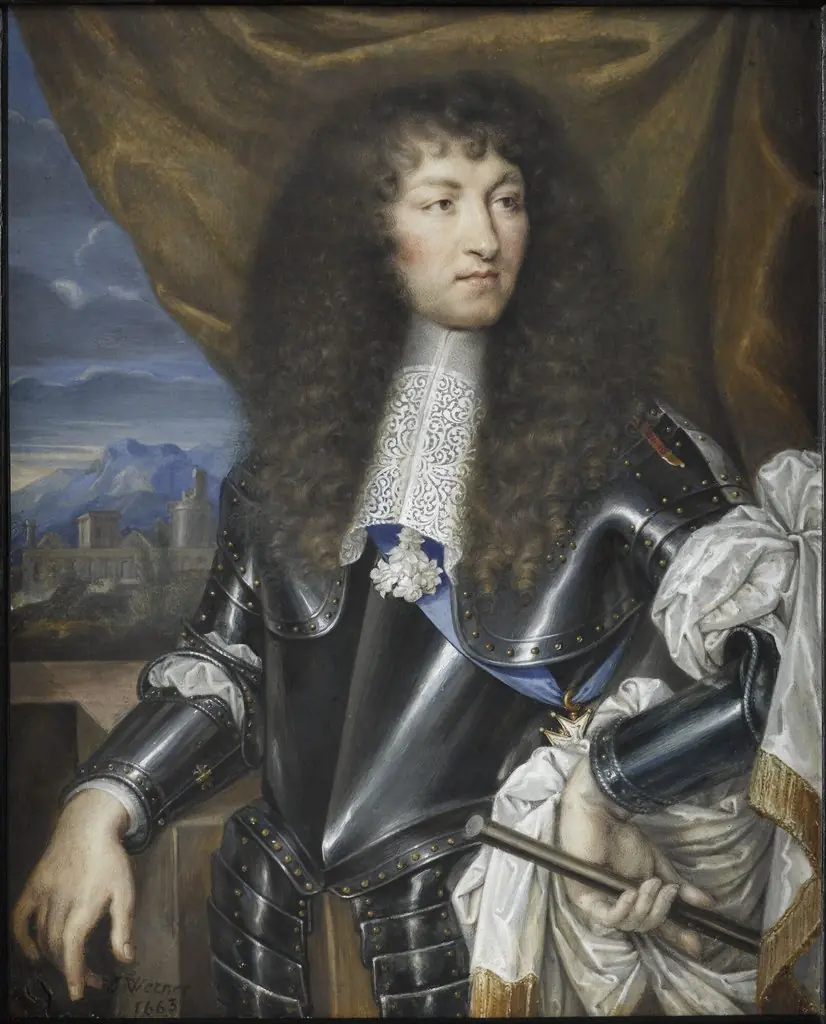 Louis XIV in Armor
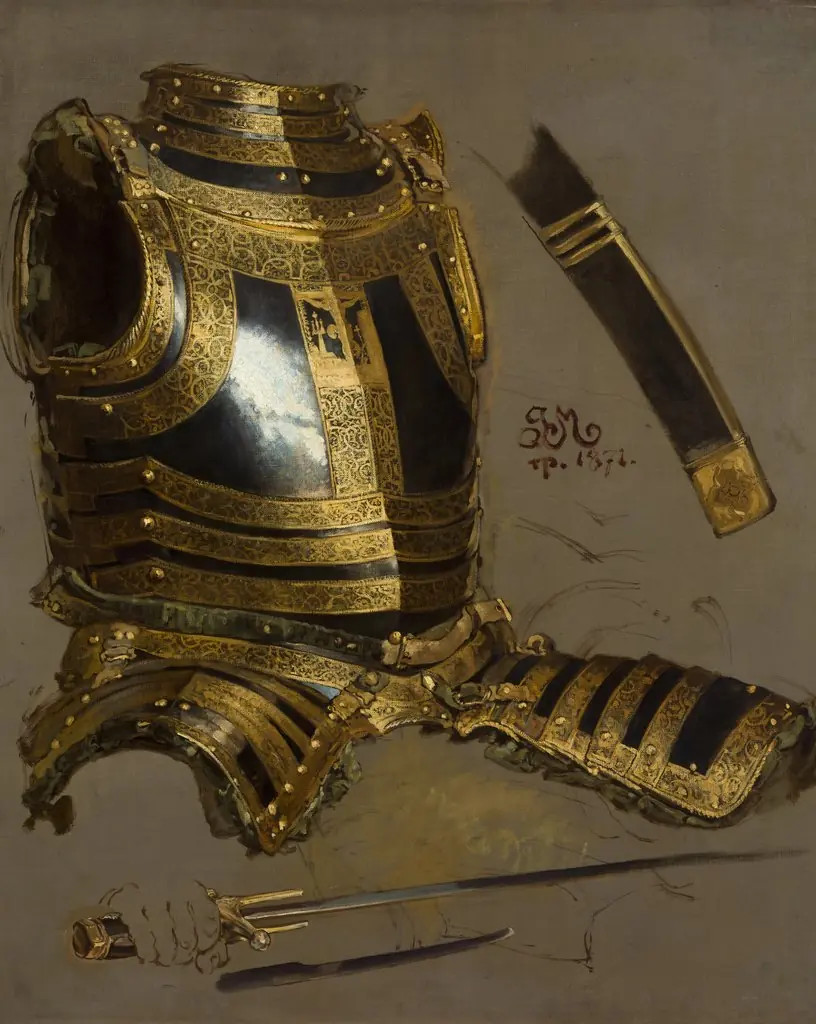 Studium zbroi Stefana Batorego
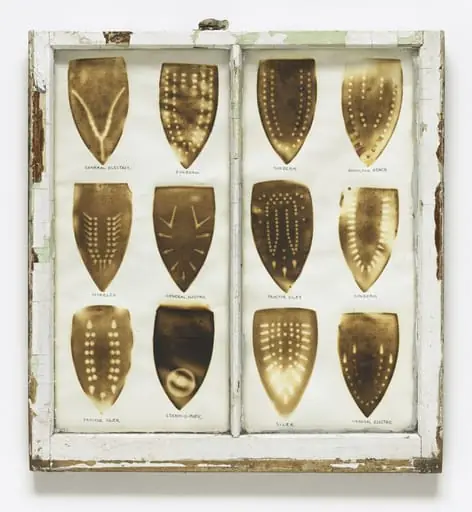 Untitled
Frequently asked questions
What is Body Armor?
Body armor, personal armor (also spelled armour), armored suit (armoured) or coat of armor, among others, is armor for a person's body: protective clothing or close-fitting hands-free shields designed to absorb or deflect physical attacks.
How many Body Armor works does Artifact World Gallery have?
Artifact World Gallery holds 183 public-domain Body Armor works, all free to view and download.
Who are the key Body Armor artists?
Key Body Armor artists in the collection include Titian, Paolo Veronese and Raphael.
Where can I see Body Armor works?
Body Armor works in the collection are held by Museo del Prado, Palace of Versailles and Kunsthistorisches Museum.