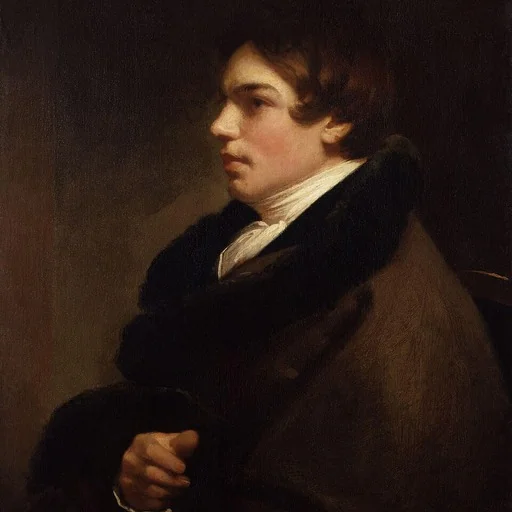
Subject
Bustier
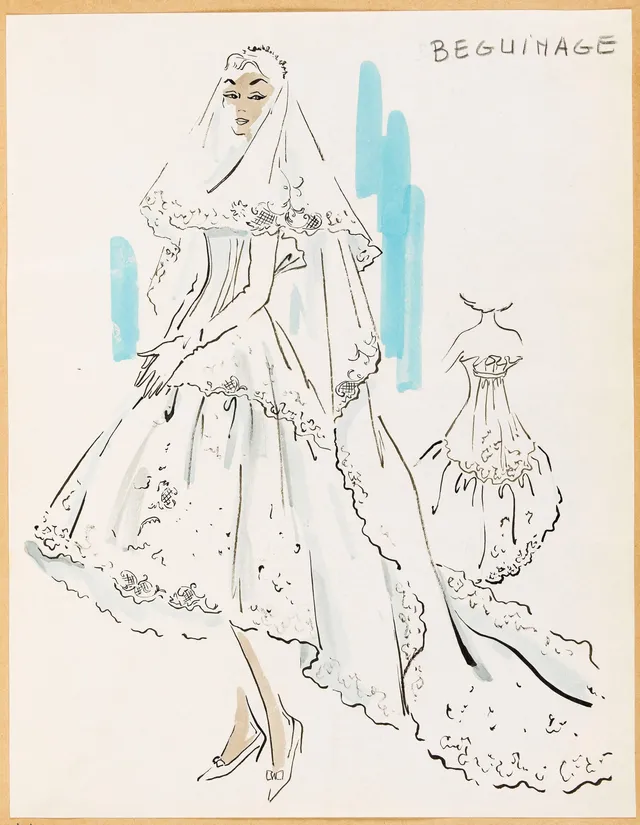
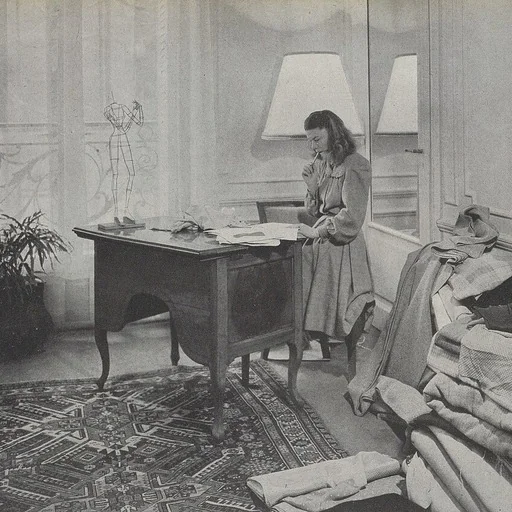
Bustier is a subject in art. The gallery holds 88 works in this subject in art, including works by Charles Robert Leslie, Honoré Daumier and Marie-Louise Carven.
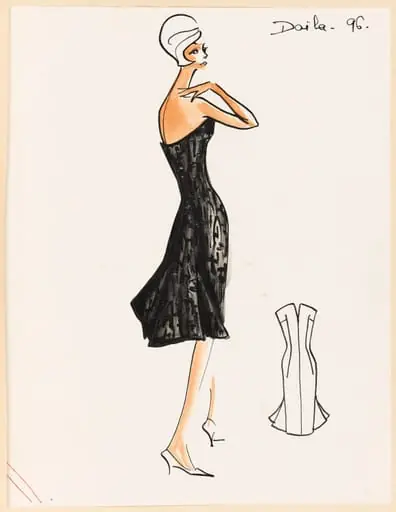
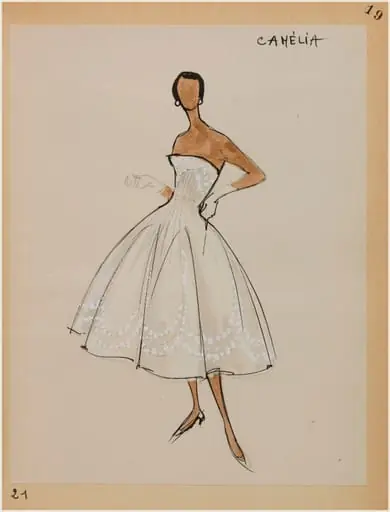
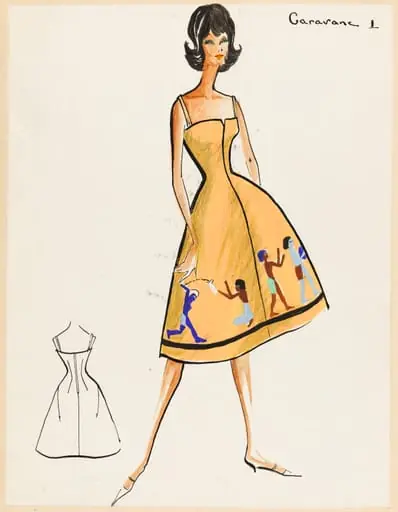
As a subject in art, the bustier sits at the crossroads of fashion history, the female body, and social commentary. A close-fitting, often boned garment that shapes the torso, lifts the bust, and narrows the waist, it descends directly from the corset—corset-like garments appear as early as the Minoan civilization, whose frescoes show women in waist-slimming bodices. The modern bustier emerged in mid-twentieth-century Paris haute couture. Marcel Rochas designed a wasp-waisted, Chantilly-lace corset for Mae West in 1942 and showed bustiers in 1943, anticipating by several years the cinched silhouette that Christian Dior made famous with his 1947 "New Look." By the 1950s the guêpière—also called the waspie or bustier—was an essential foundation for that exaggerated hourglass figure.
Before it became a couture object, restrictive female dress was already a target for artists. In nineteenth-century France, Honoré Daumier turned the tight-laced body into satire across his roughly four thousand lithographs, mocking the painful artifice of fashionable shaping; our catalogue holds two impressions of his print C'est unique! j'ai pris quatre tailles... Earlier still, narrative painters used such garments to evoke character and period, as in Charles Robert Leslie's Dulcinea del Toboso, a literary subject drawn from Cervantes.
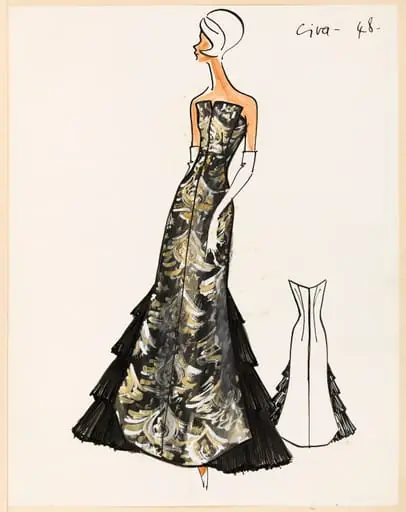
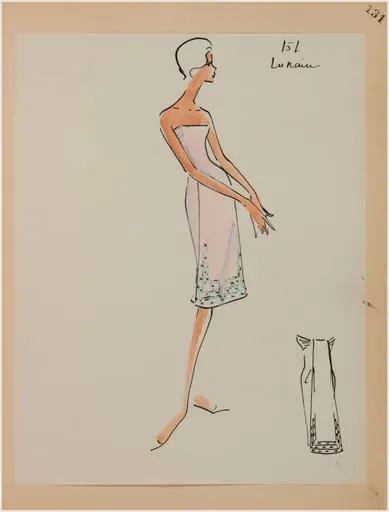
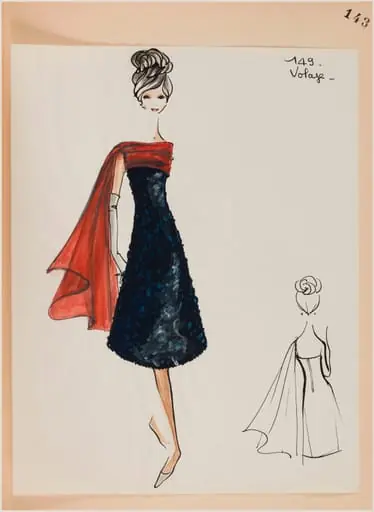
Visually, the bustier as motif is defined by structure made visible: vertical boning channels, laced or hooked closures, a sculpted décolletage, and a hard contrast between the rigid carapace and soft flesh. Artists and designers exploit this tension between constraint and display, the garment simultaneously armoring and exposing the wearer.
The house of Carven, founded in 1945 by Marie-Louise Carven (born Carmen de Tommaso), belongs to this couture lineage; trained in architecture, she brought a constructive sensibility to women's dress and was the first Paris designer to patent a push-up bra. Works in our collection such as Cachemire, Béguinage, and Hortensia reflect that tradition. In the later twentieth century the bustier migrated from underwear to outerwear and into performance: Jean Paul Gaultier's conical corsets, worn by Madonna on her 1990 Blond Ambition tour, turned the intimate garment inside out, making it a defiant emblem of female agency and cementing the bustier's place as both fashion artifact and enduring artistic subject.
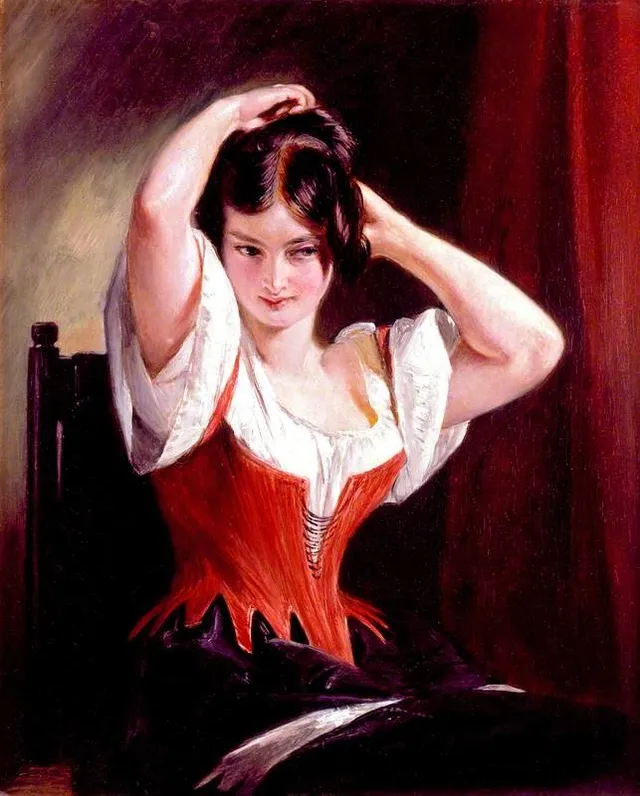
Key artists
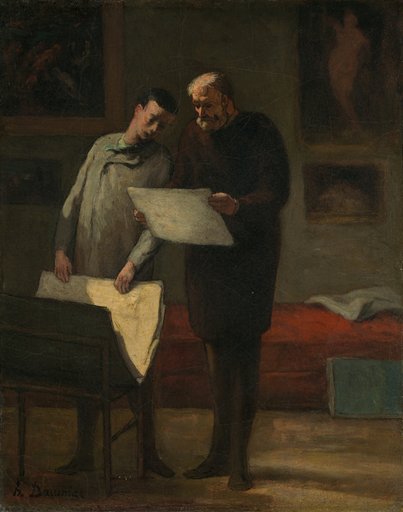
Overview
A bustier is a form-fitting, strapless undergarment for women, traditionally worn as lingerie, designed to push up the bust by tightening against the upper midriff while gently shaping the waist. The garment reaches only to the ribs or waist, distinguishing it from the longer basque. In art, the bustier appears as a recurring motif in depictions of feminine dress, intimate apparel, and costume, with 98 works in the collection featuring the garment. Example works include Dulcinea del Toboso, C'est unique! j'ai pris quatre tailles..., Cachemire, Béguinage, Hortensia, Pavot, Pagne, Rosière, and Thèbes. The term derives from the French buste, meaning upper body or bust, and the garment occupies a significant place in visual culture as both an undergarment and, in contemporary usage, an visible element of outerwear.
Iconography & meaning
The bustier carries layered iconographic significance in art. As a garment that sculpts and reveals the female torso, it functions symbolically as an instrument of bodily modification and idealized femininity. Its structure, employing boning or stays to rigidify the garment, represents the cultural construction of the female form rather than its natural state. In French sources, the bustier is carefully distinguished from the corset: while the corset aims primarily to constrain the waist, the bustier focuses on supporting and shaping the bust. This distinction matters iconographically, as the bustier suggests a different visual economy, one of presentation and uplift rather than constriction. The strapless construction, requiring precise fit and sometimes boning to maintain structure, renders the shoulders and arms bare, contributing to its association with intimacy, vulnerability, and display. In Indian cultural contexts, the bustier takes on additional meaning as a decorated, embroidered garment typically made by male tailors of the Shimpi caste, never by the wearer herself, introducing dimensions of caste labor and gendered production into its significance.
Across movements & periods
The treatment of the bustier has shifted significantly across periods and cultures. Its origins trace to the late nineteenth-century corset cover, a white linen or cotton garment worn over the corset to protect clothing from abrasion by the corset clasp. By the 1920s, these covers had evolved into forms barely distinguishishable from early brassieres. In sixteenth-century Venice, a precursor fashion of abbreviated bustiers for brides exposed substantial dcolletage, attracting foreign criticism and moral condemnation despite their ornamentation with precious stones and gold cloth. The modern bustier emerged as a distinct garment, shorter than the basque or torsolett, reaching only to the ribs or waist. Contemporary construction often employs mesh panels rather than traditional boning, though boning persists for structural purposes, typically using 8mm plastic stays finer and less rigid than those in petticoats. The garment's evolution from protective underlayer to visible fashion item, and its appearance in art across these transformations, charts changing attitudes toward the display and construction of the female body.
Legacy
The bustier's legacy extends from functional undergarment to cultural symbol of feminine self-presentation. Its transformation from nineteenth-century corset protector to twentieth-century lingerie and contemporary outerwear reflects broader shifts in the visibility and acceptability of intimate apparel. The garment's persistence in art, across 98 works in this collection alone, testifies to its enduring value as a subject for artistic exploration. The technical vocabulary that has developed around it, heart-shaped cuts, balconette forms, draped constructions in mousseline, organza, or tulle, indicates a sophisticated craft tradition that artists have drawn upon and responded to. The bustier's afterlife includes its role in fashion as a garment that can be worn under low-backed dresses or as a camisole for outerwear, blurring boundaries between private and public, concealed and revealed. Its continued presence in visual culture, whether in depictions of Indian embroidery traditions, Venetian bridal costume, or modern lingerie, demonstrates the adaptability of this garment as a site where questions of gender, labor, body modification, and aesthetic ideals intersect.
Works
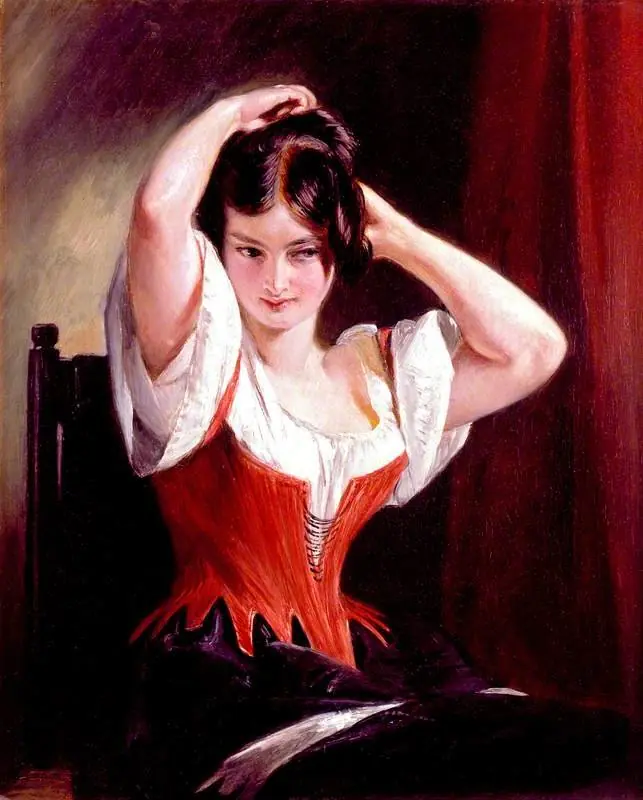 Dulcinea del Toboso
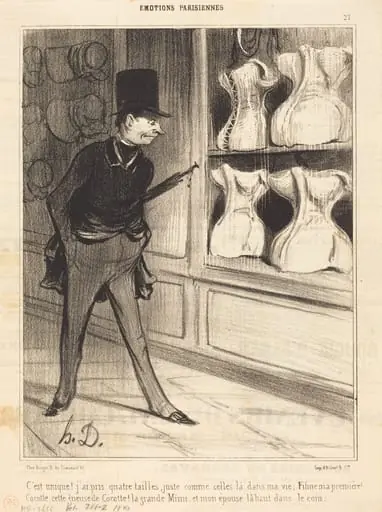 C'est unique! j'ai pris quatre tailles...
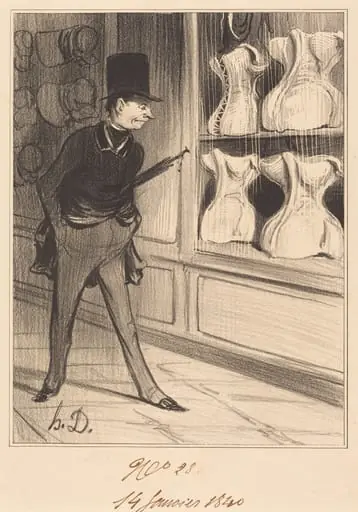 C'est unique! j'ai pris quatre tailles...
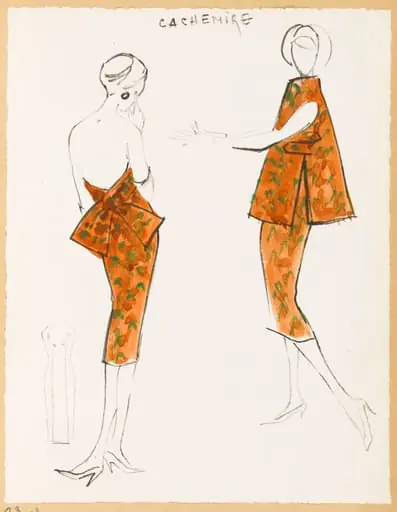 Cachemire
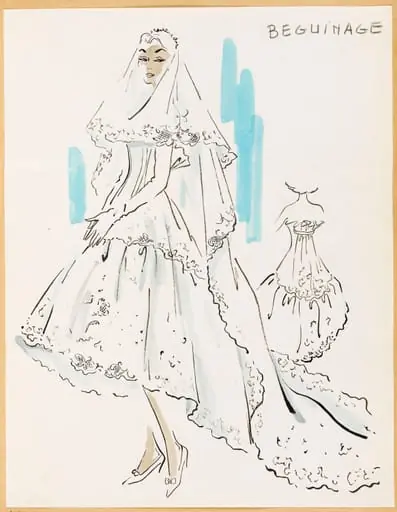 Béguinage
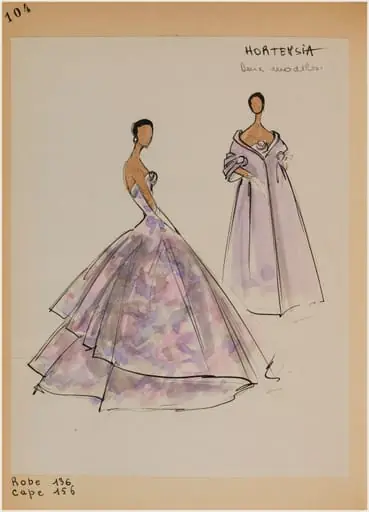 Hortensia
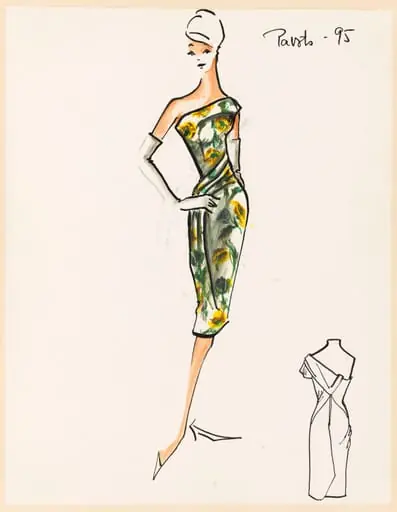 Pavot
Pavot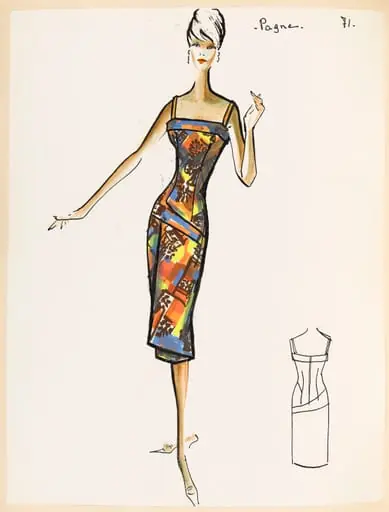 Pagne
Pagne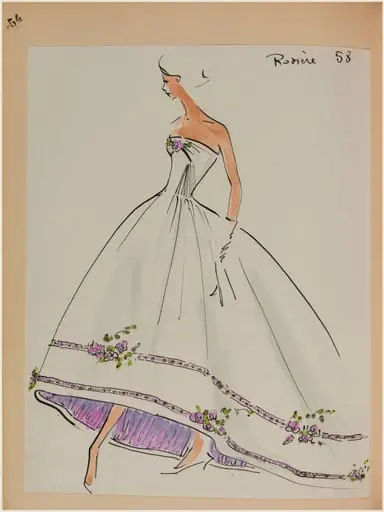 Rosière
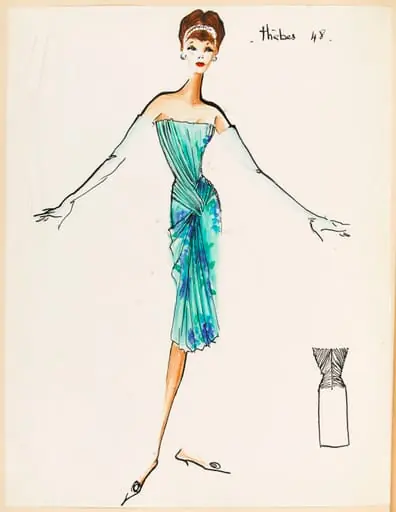 Thèbes
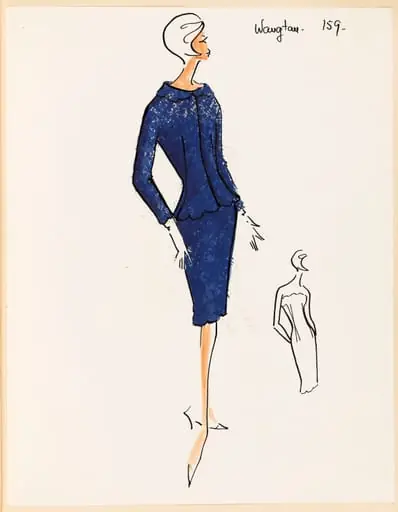 Wangtan
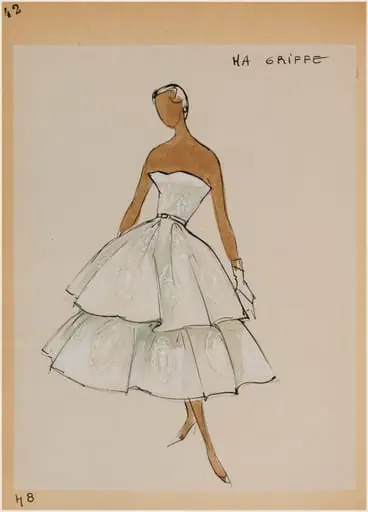 Ma griffe
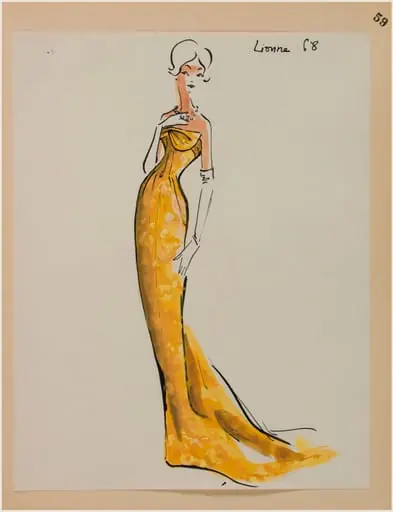 Lionne
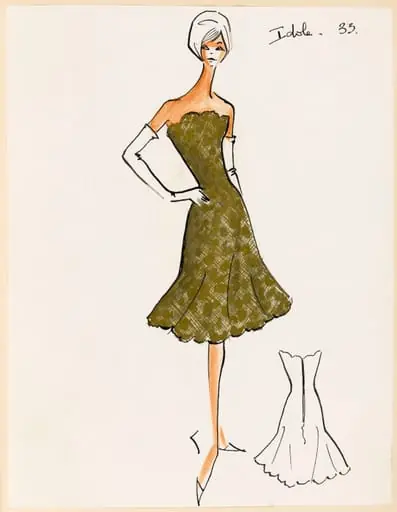 Idole
Idole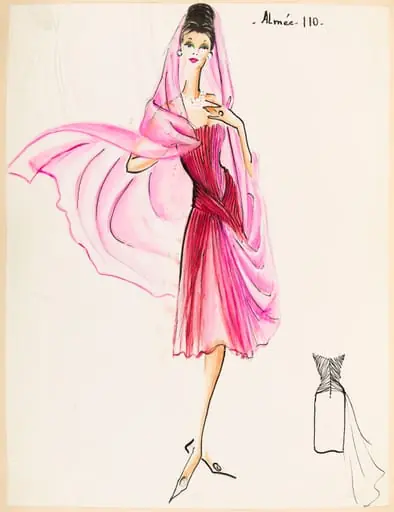 Almée
Almée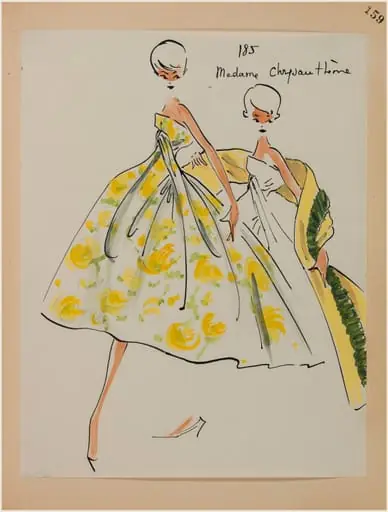 Madame Chrysanthème
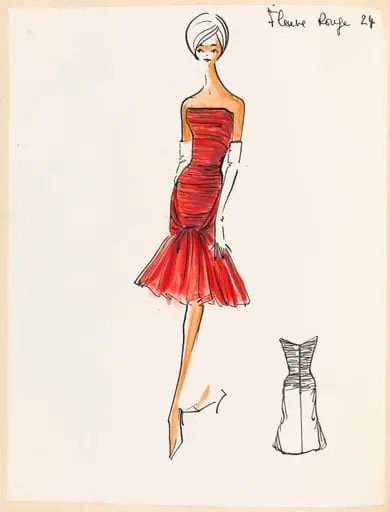 Fleuve rouge
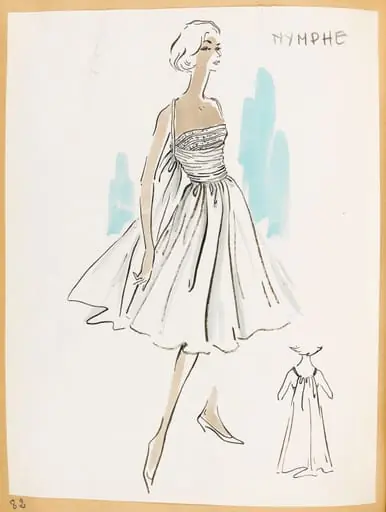 Nymphe
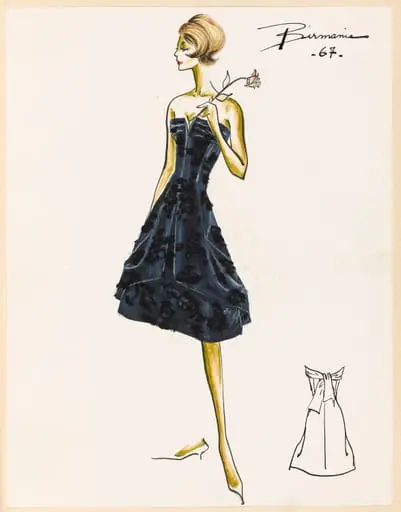 Birmanie
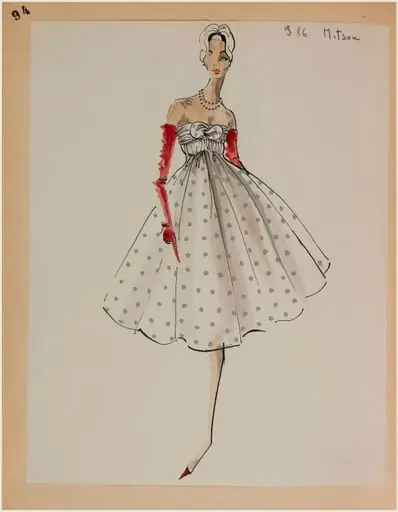 Mitsou
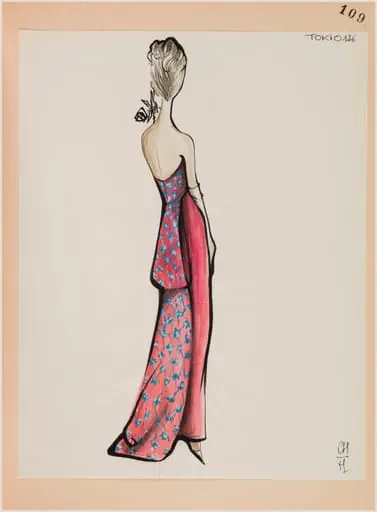 Tokyo
Tokyo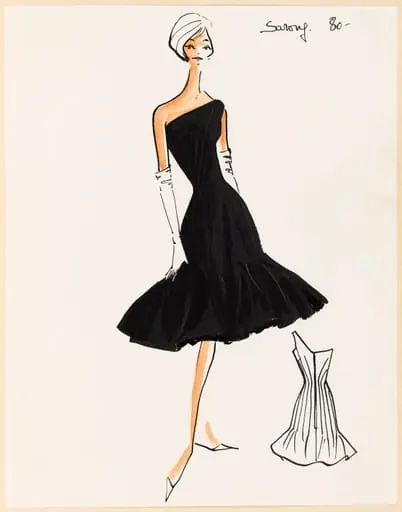 Sarong
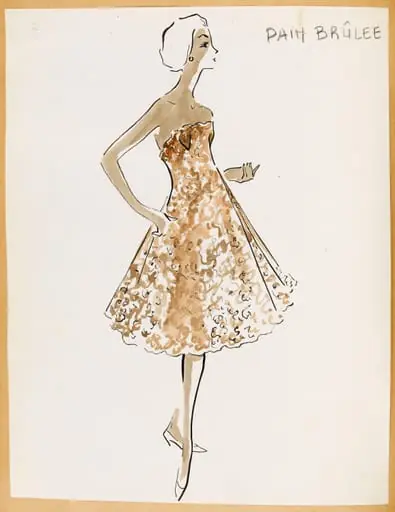 Pain brûlée
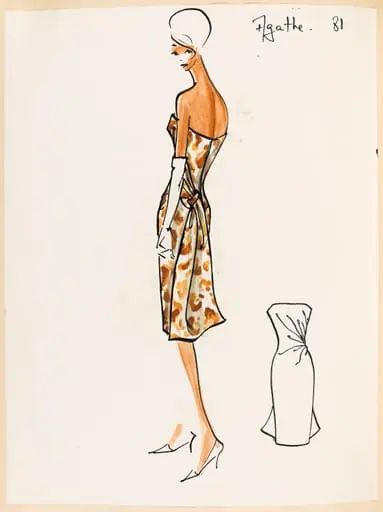 Agathe
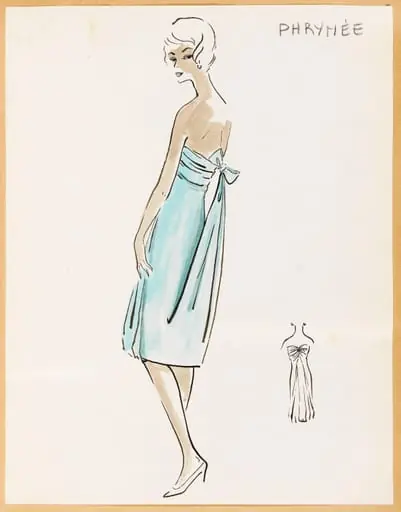 Phrymée
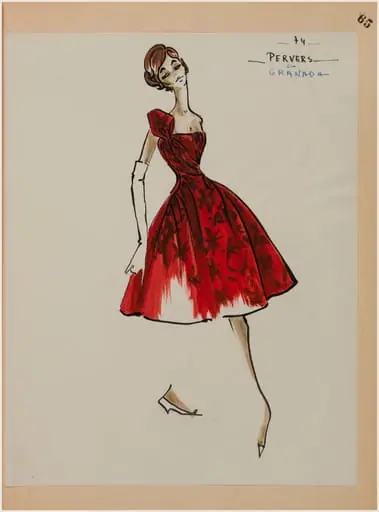 Pervers ou Granada
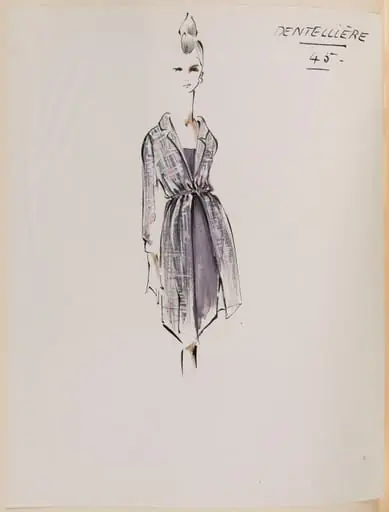 Dentellière
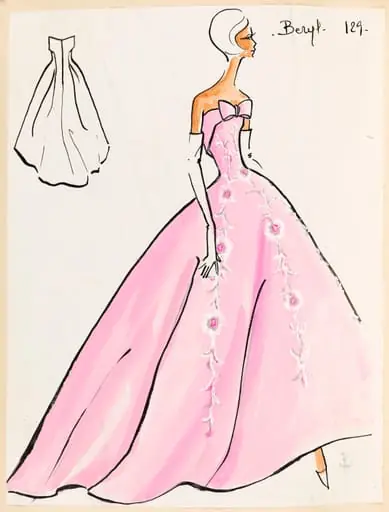 Beryl
Beryl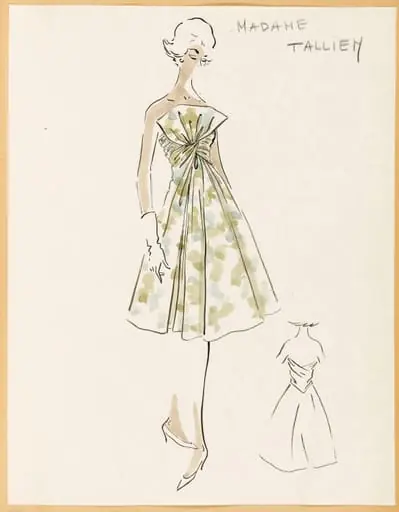 Madame Tallien
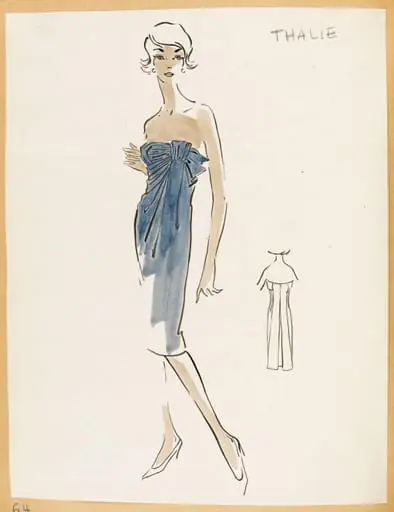 Thalie
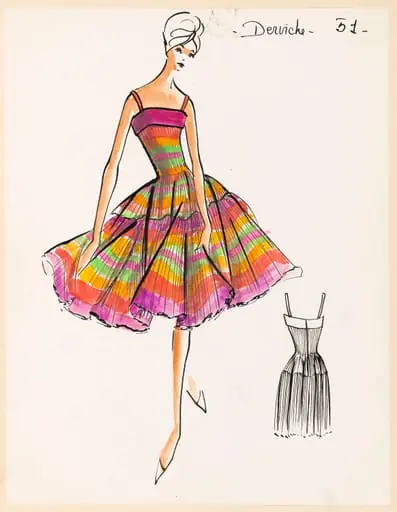 Derviche
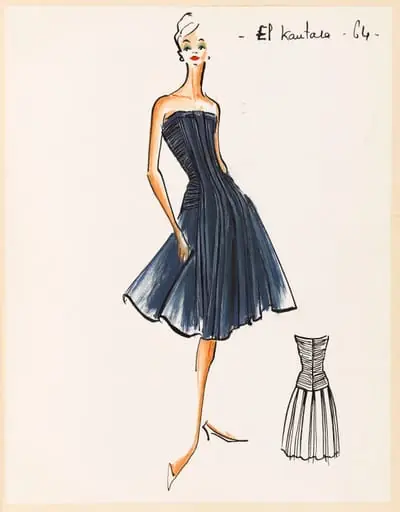 El kantara
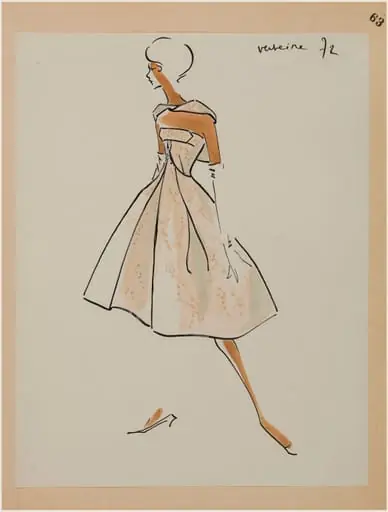 Verveine
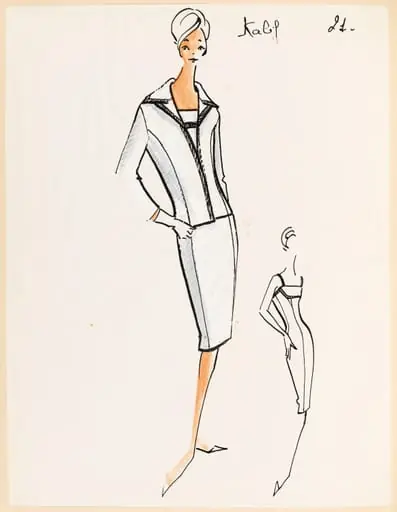 Kalif
Kalif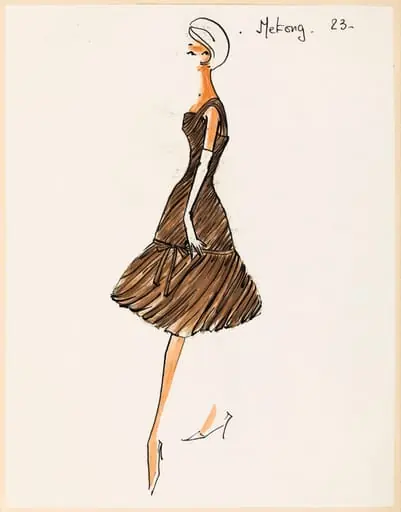 Mékong
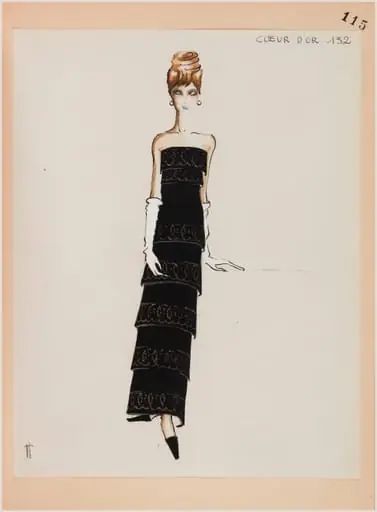 Coeur d'or
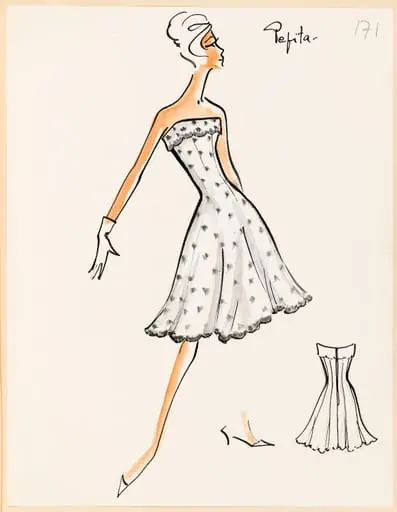 Pépita
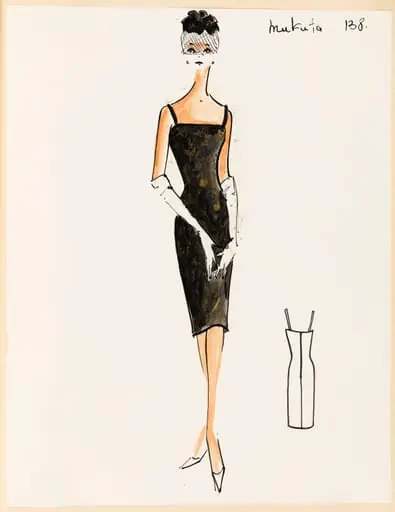 Mukuta
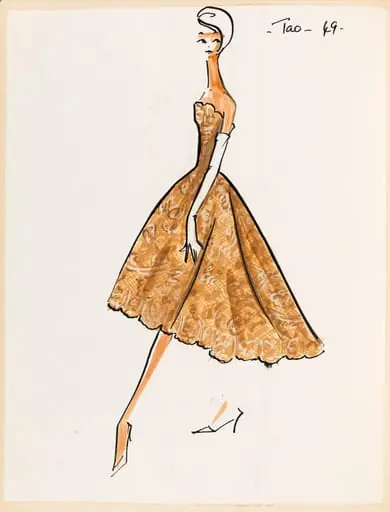 Tao
Tao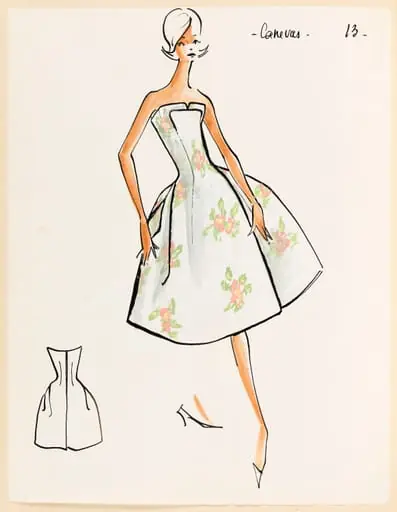 Canevas
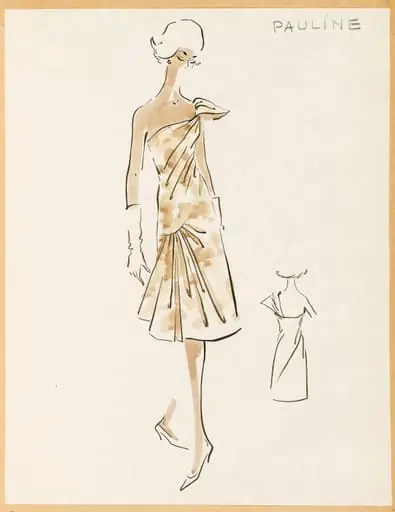 Pauline
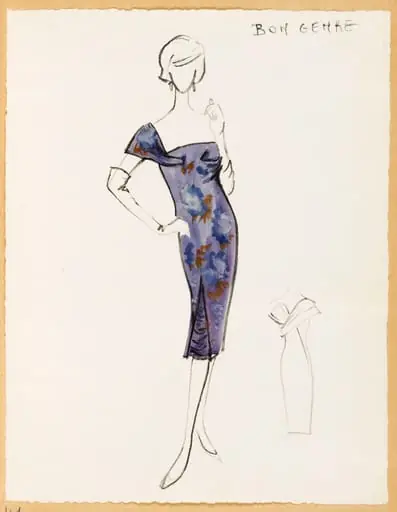 Bon genre
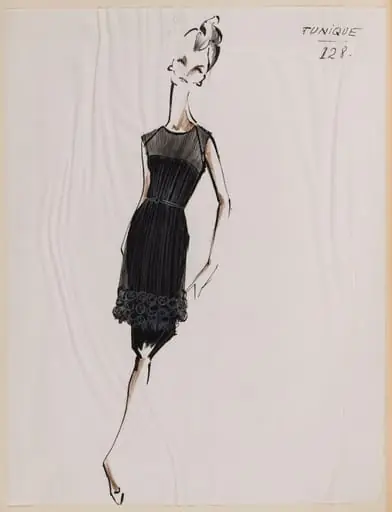 Tunique
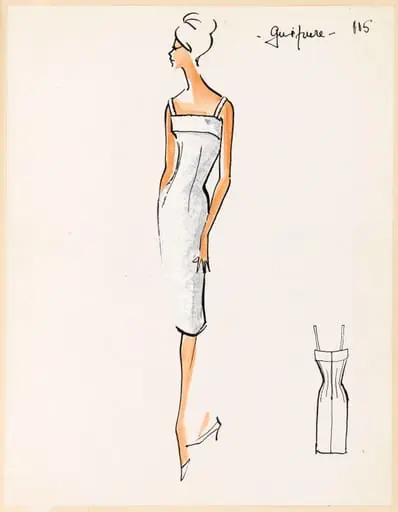 Guipure
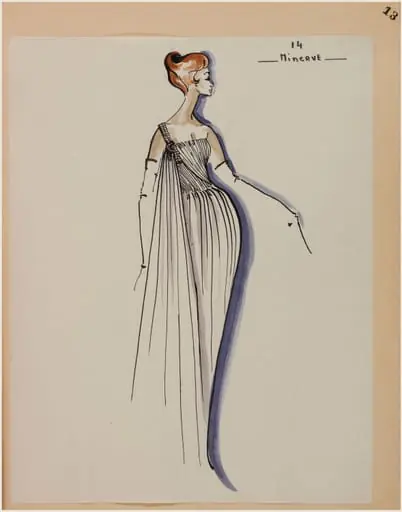 Minerve
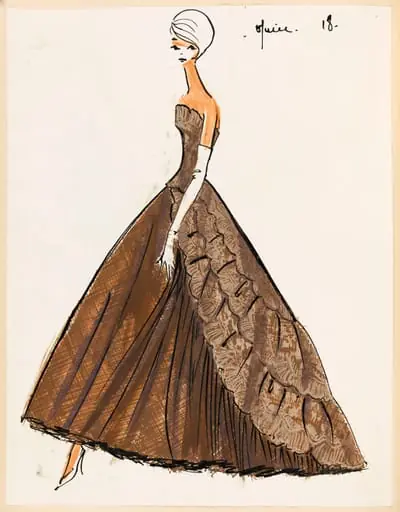 Murier
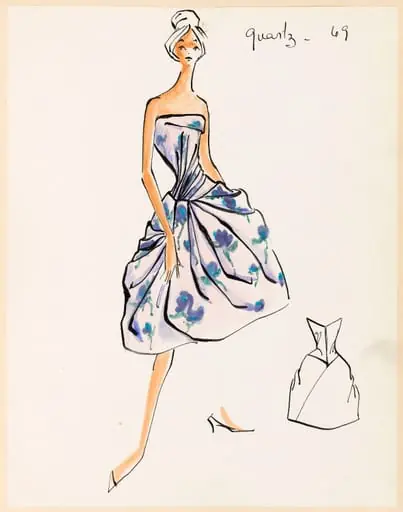 Quartz
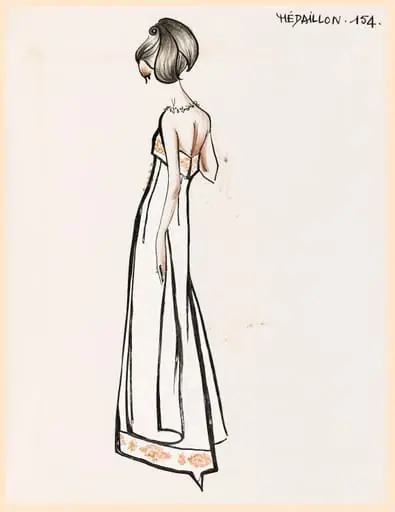 Médaillon
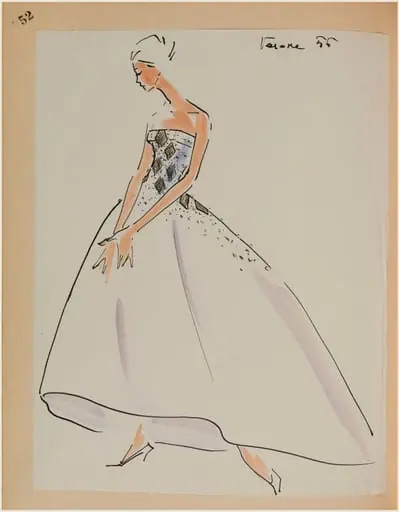 Vérone
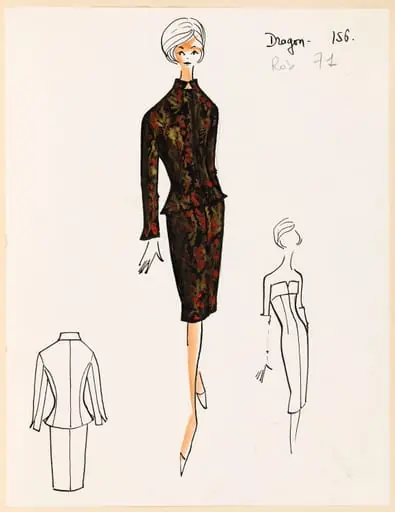 Dragon
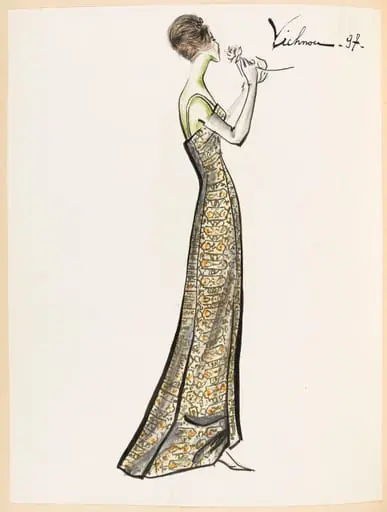 Vichnou
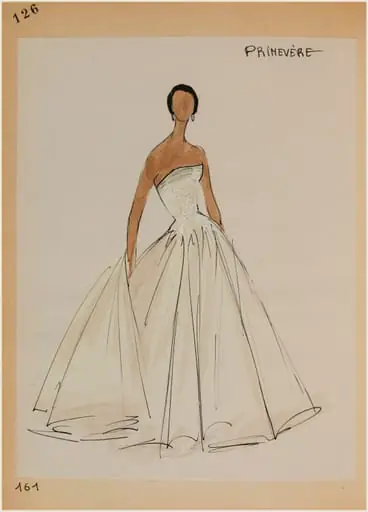 Primevère
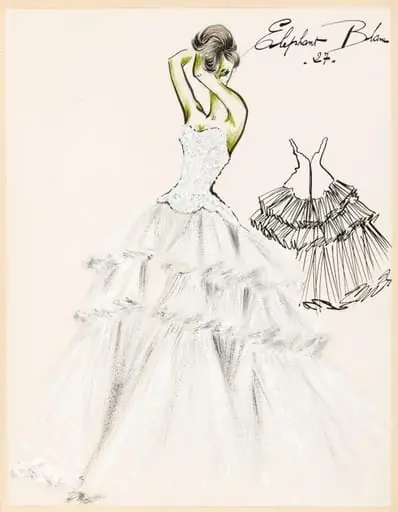 Eléphant blanc
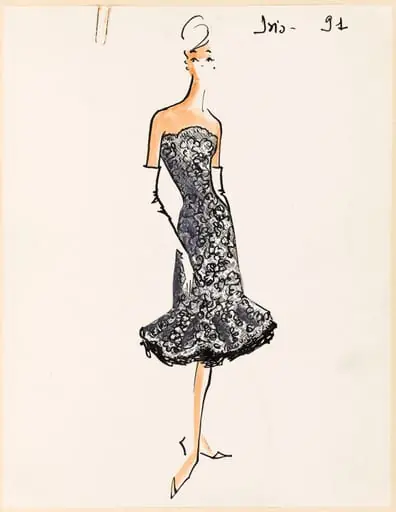 Isis
Isis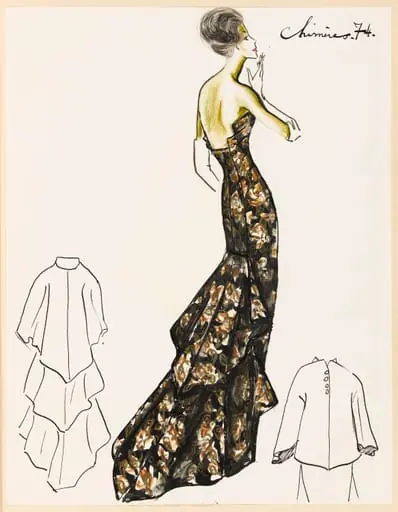 Chimères
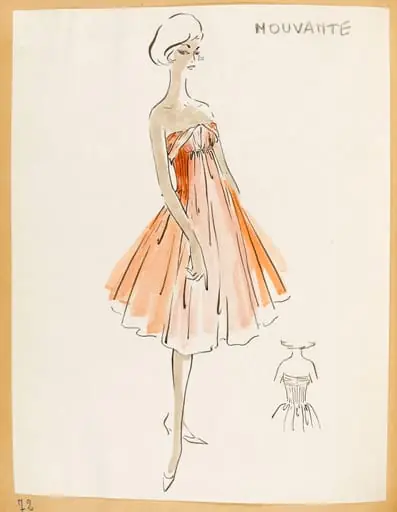 Mouvante
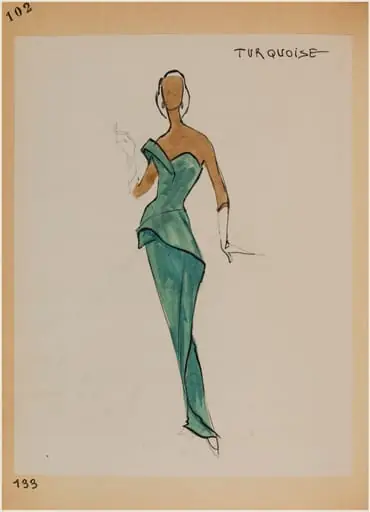 Turquoise
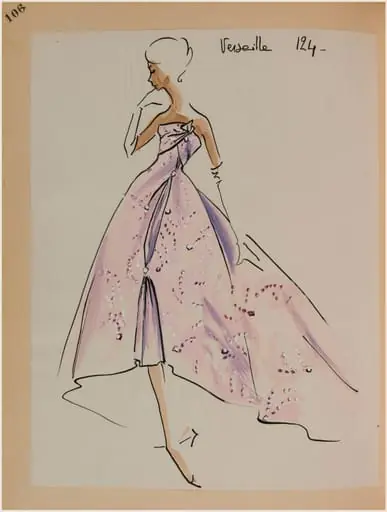 Versaille
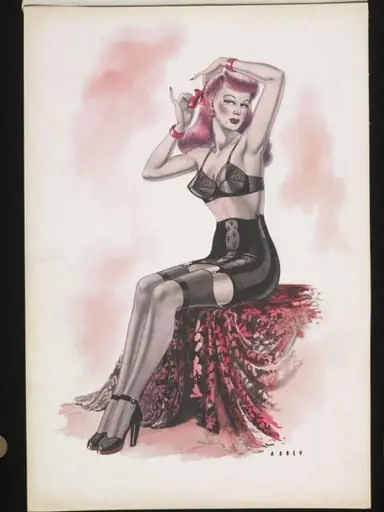 'Pin-up' with pink hair in brassiere, corset and black stockings
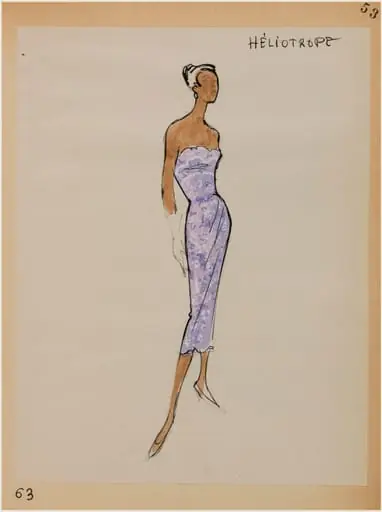 Héliotrope
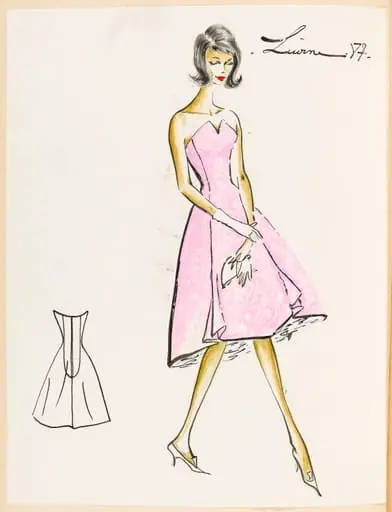 Licorne
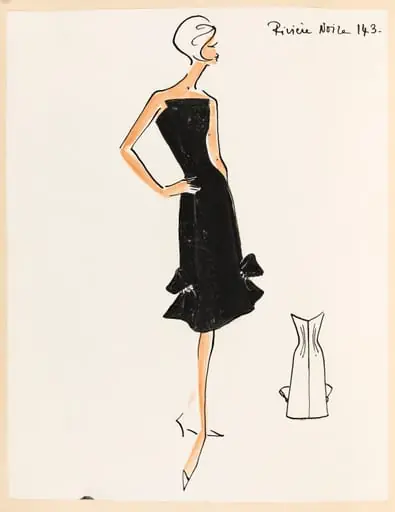 Rivière noire
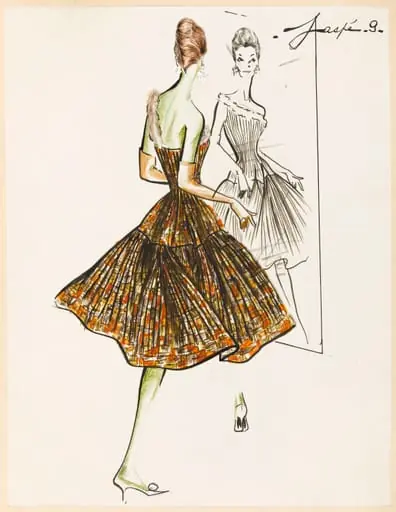 Jaspé
Jaspé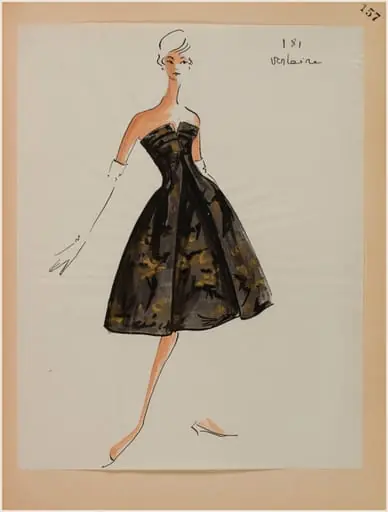 Verlaine
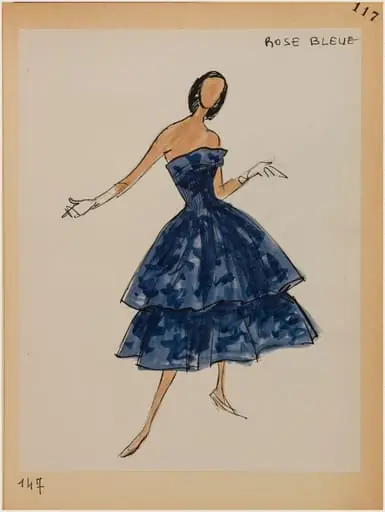 Rose bleue
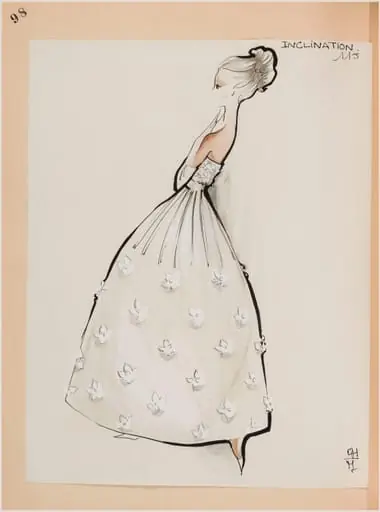 Inclination
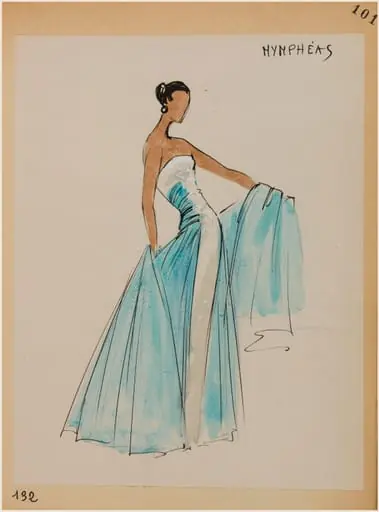 Nymphéas
 Daïla
Daïla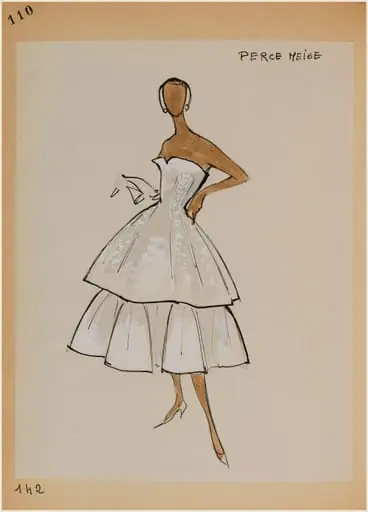 Perce-neige
 Camélia
 Caravane
 Civa
Civa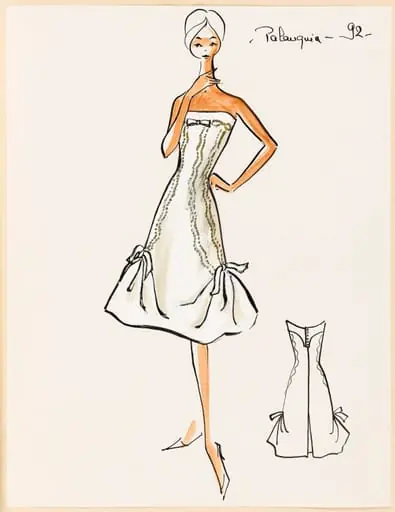 Palanquin
 Lunaire
 Volage
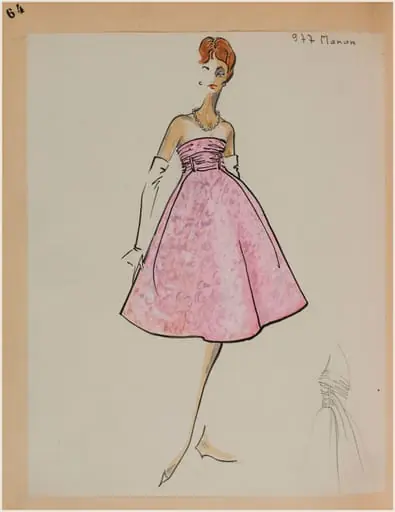 Manon
Manon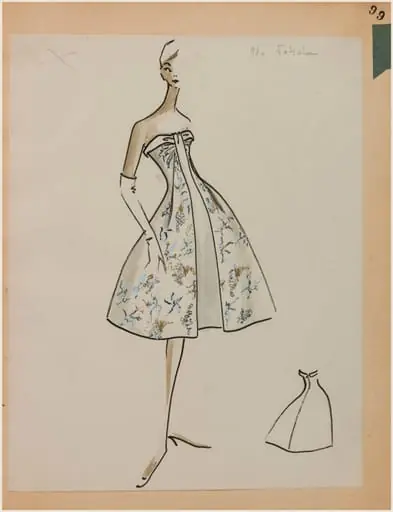 Fabiola
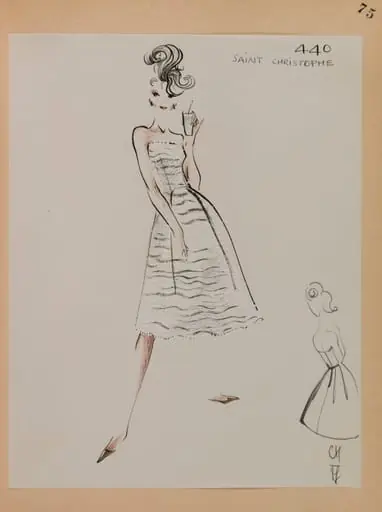 Saint Christophe
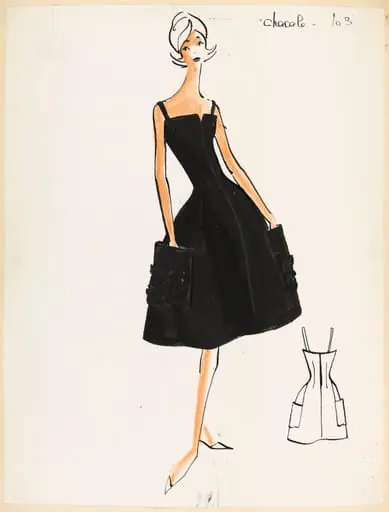 Chacale
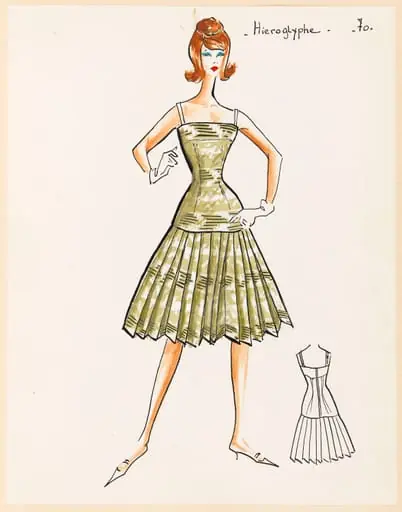 Hiéroglyphe
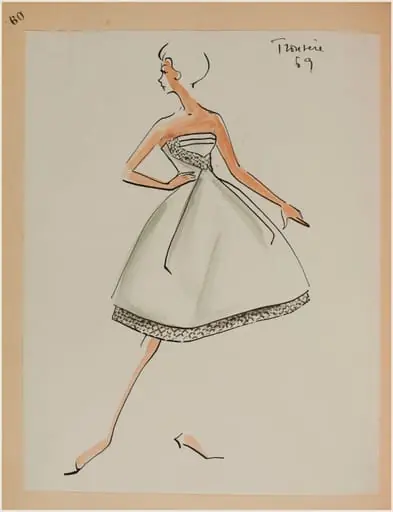 Trouvère
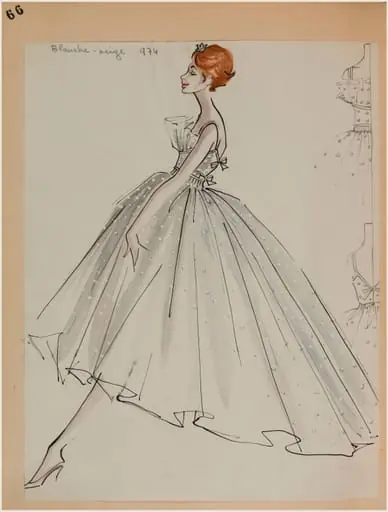 Blanche-Neige
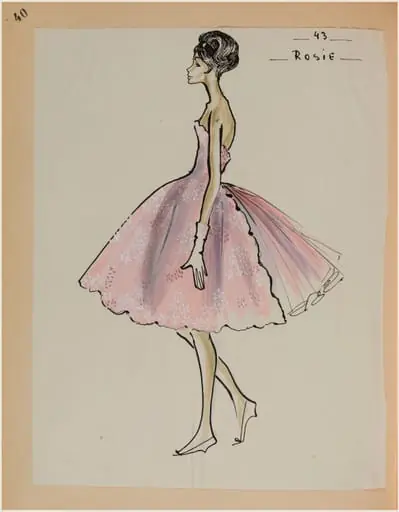 Rosie
Rosie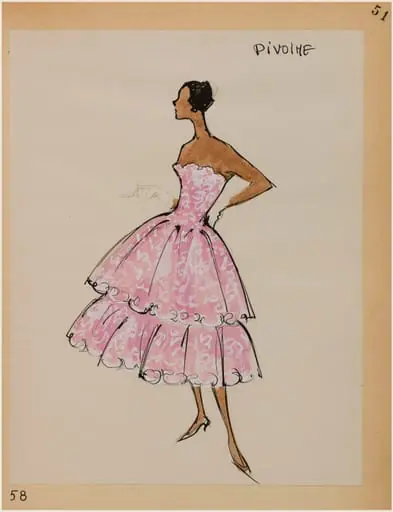 Pivoine
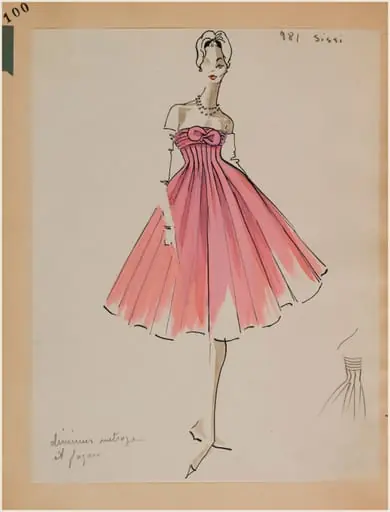 Sissi
Sissi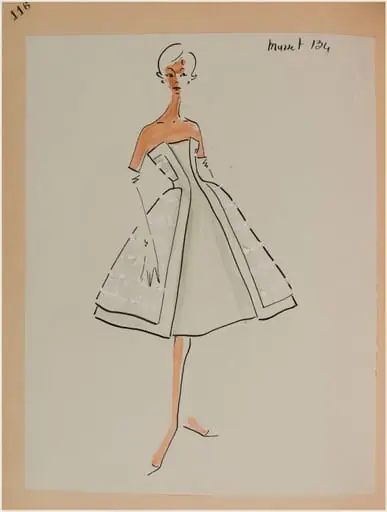 Musset
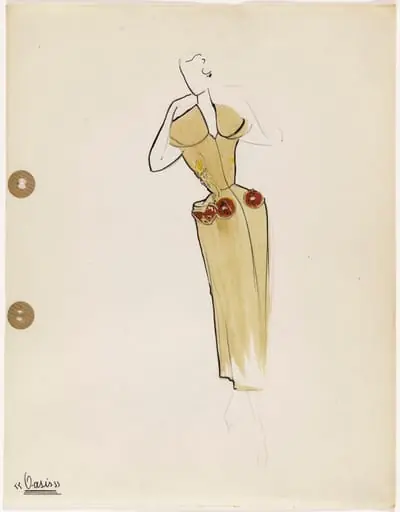 'Oasis'
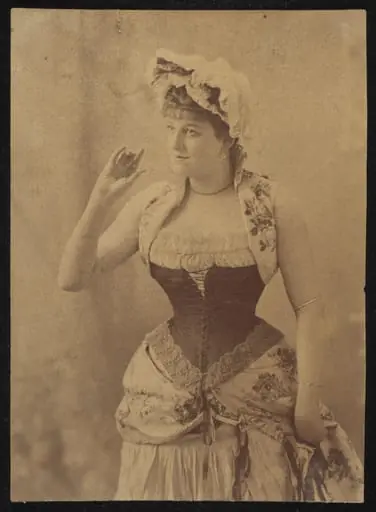 Guy Little Theatrical Photograph
Frequently asked questions
What is Bustier?
Bustier is a subject in art. A bustier (UK: BOO-stee-ay, BUST-ee-ay, US: boo-STYAY, BOO-stee-AY, BUST-ee-AY) or bustiere is a form-fitting garment for women traditionally worn as lingerie.
How many Bustier works does Artifact World Gallery have?
Artifact World Gallery holds 88 public-domain Bustier works, all free to view and download.
Who are the key Bustier artists?
Key Bustier artists in the collection include Charles Robert Leslie, Honoré Daumier and Marie-Louise Carven.
Where can I see Bustier works?
Bustier works in the collection are held by Palais Galliera - Musée de la Mode de la Ville de Paris, Victoria and Albert Museum and National Gallery of Art.