Subject
Polo Neck
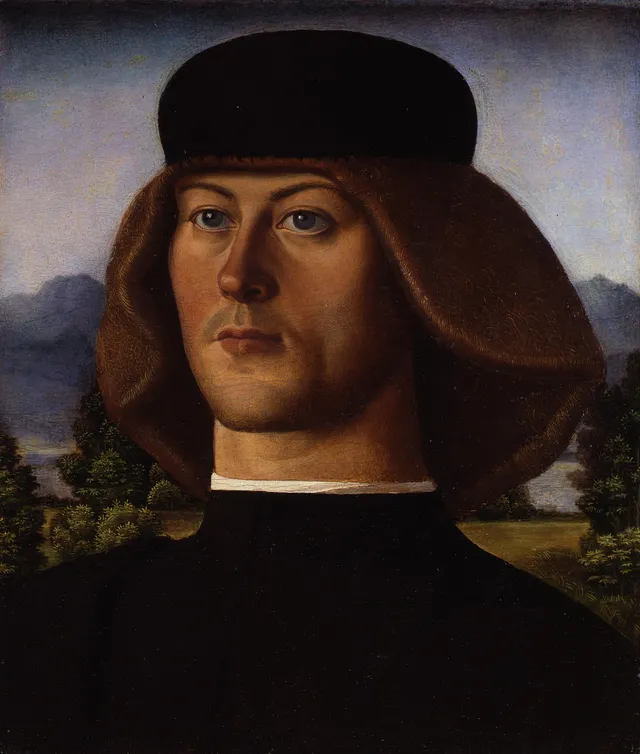
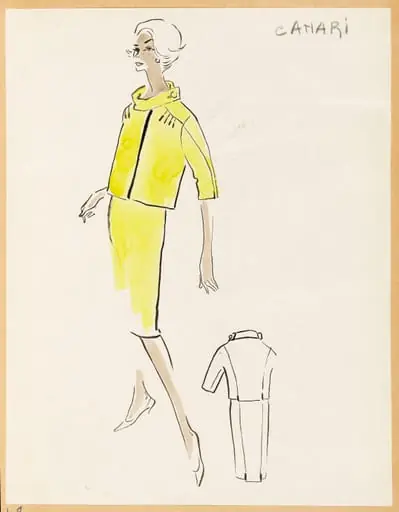
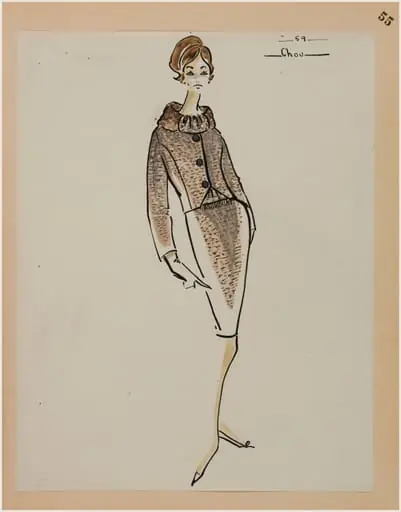
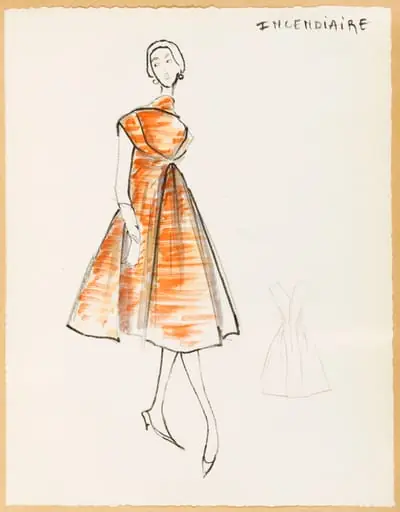
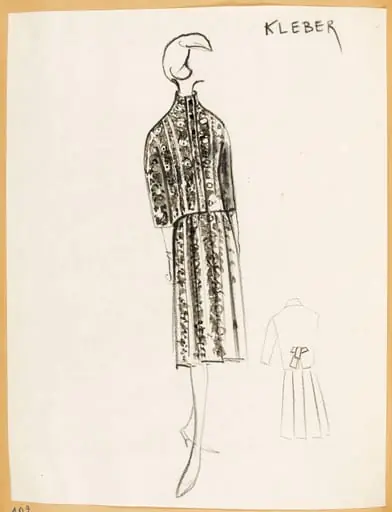
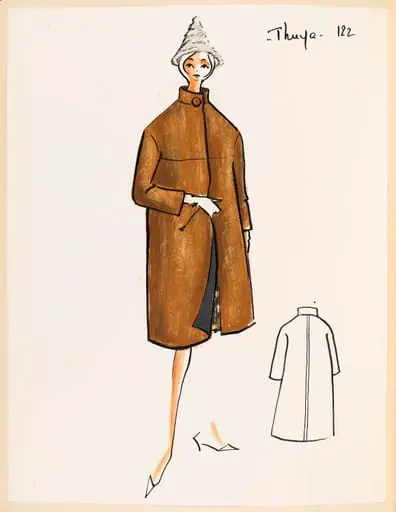
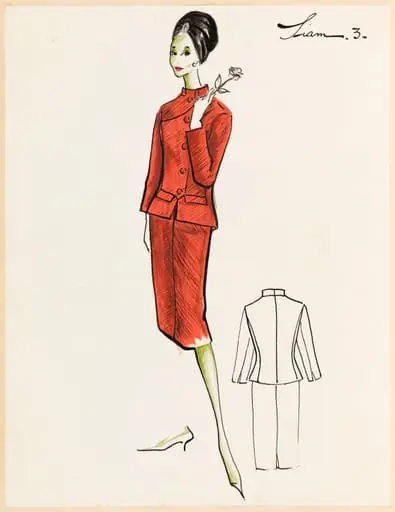
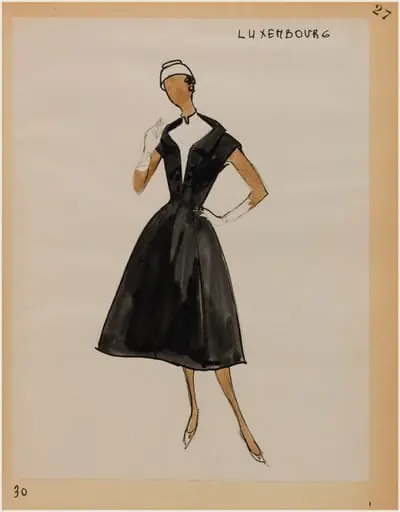
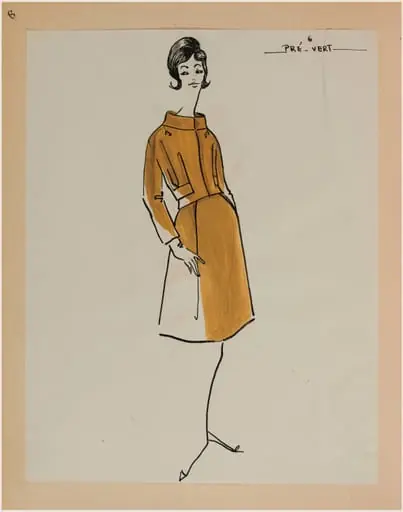
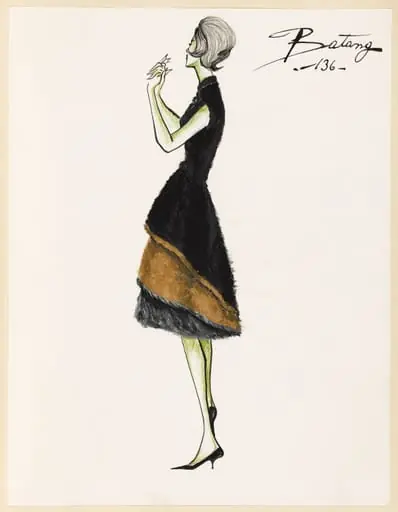
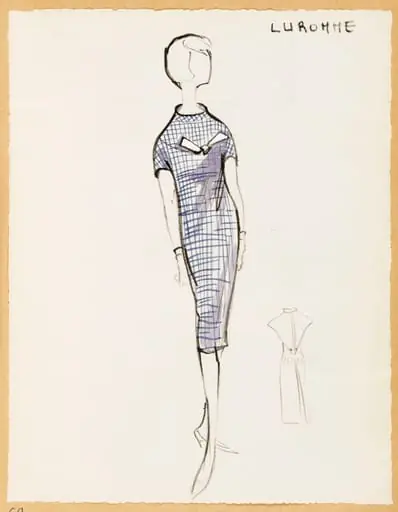
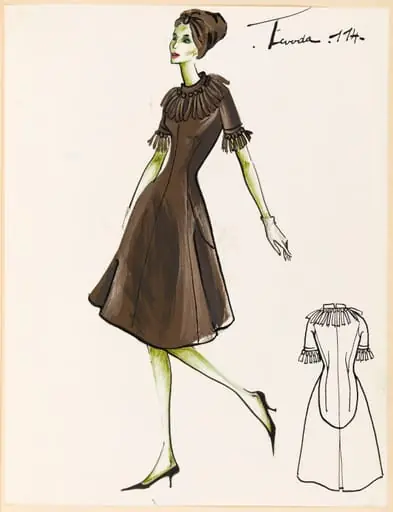
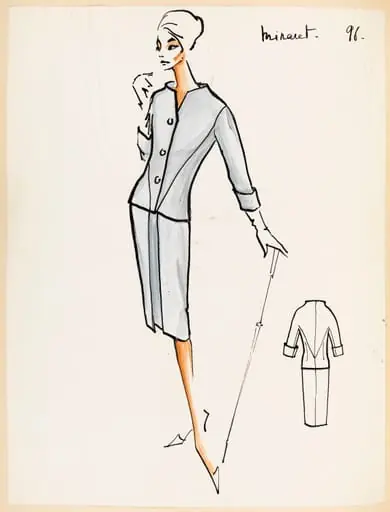
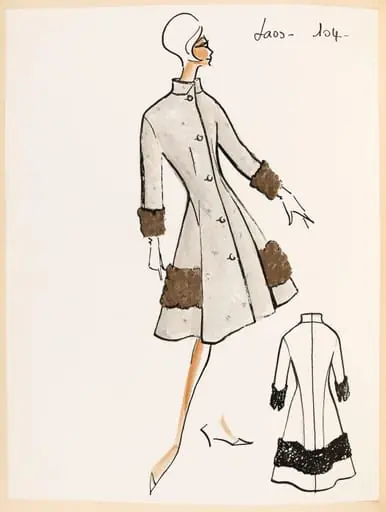
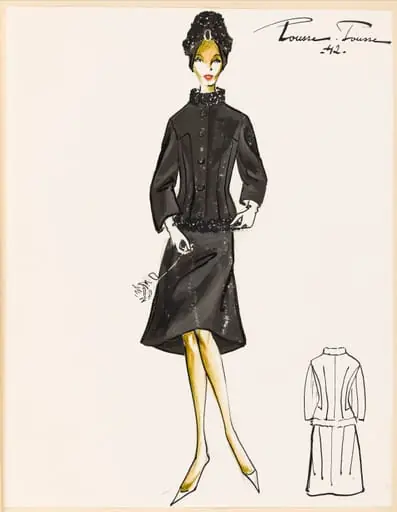
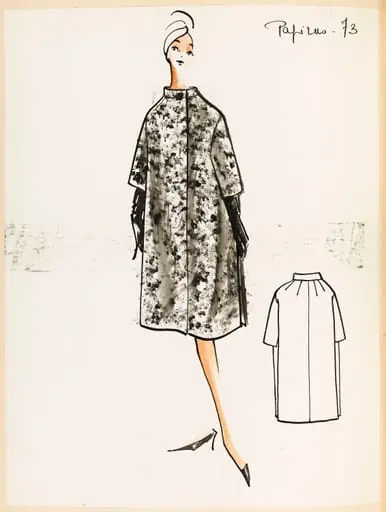
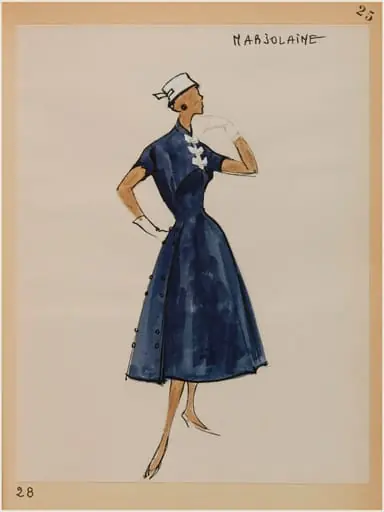
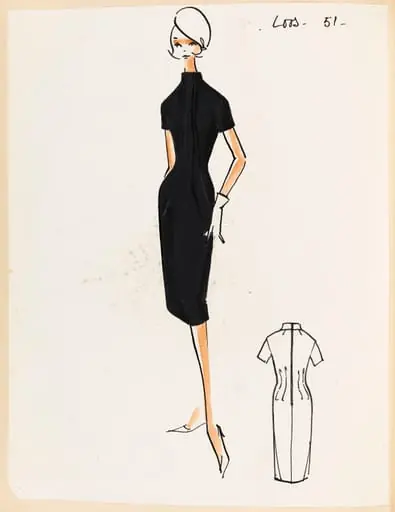
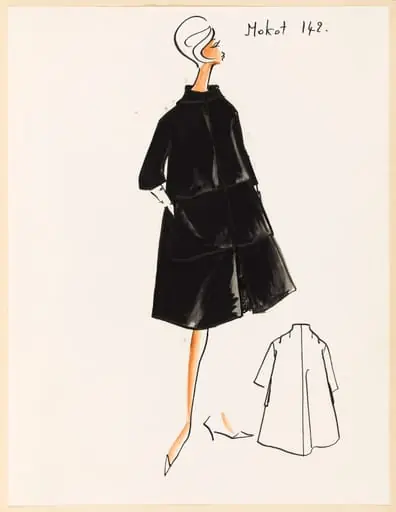
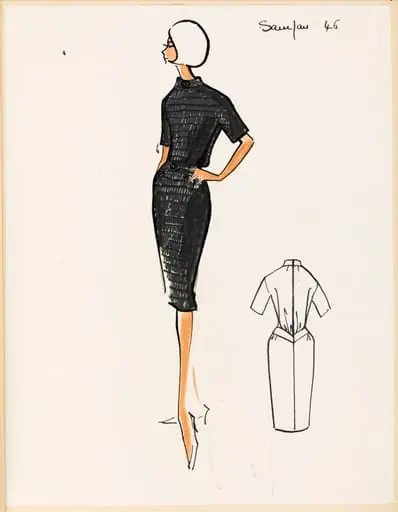
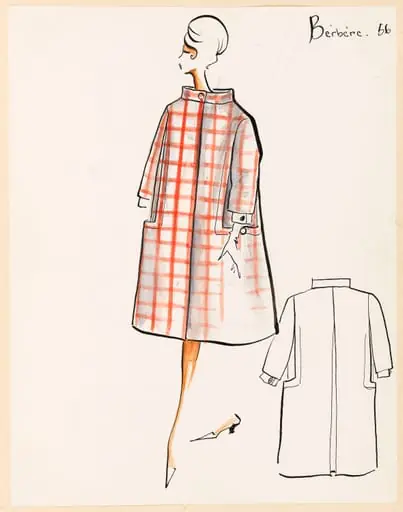
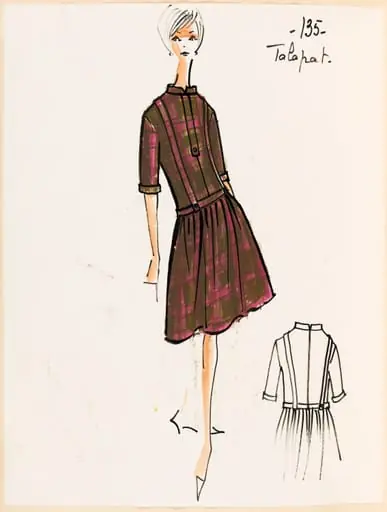
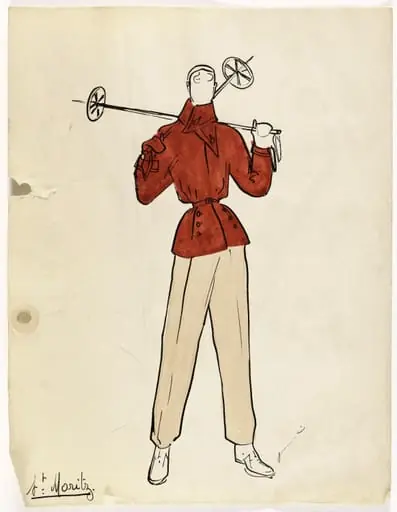
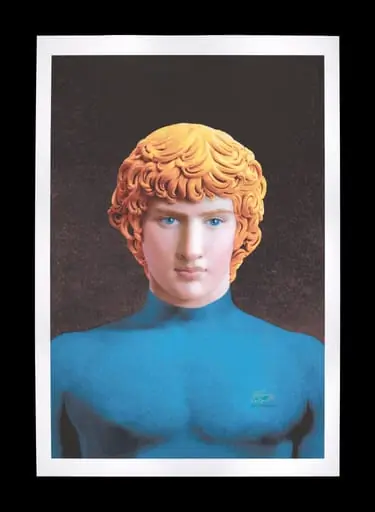
Polo Neck is a subject in art. The gallery holds 36 works in this subject in art, including works by Lattanzio da Rimini, Marie-Louise Carven and Carven.
A polo neck, roll-neck (South Africa), turtleneck (United States, Canada), or skivvy is a garment—usually a sweater—with a close-fitting collar that folds over and covers the neck. It can also refer to the type of neckline, the style of collar itself, or be used as an adjective ("polo necked").
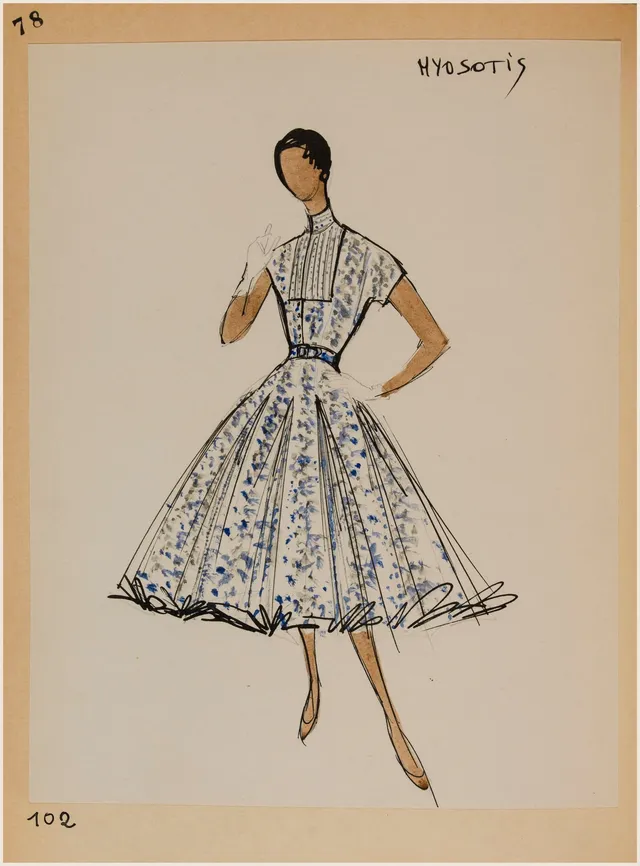
Key artists
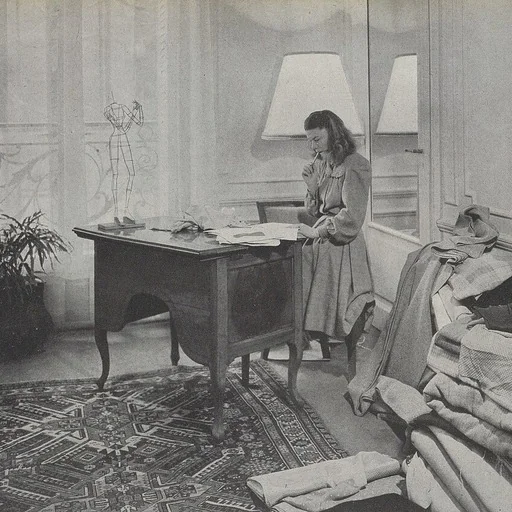

Overview
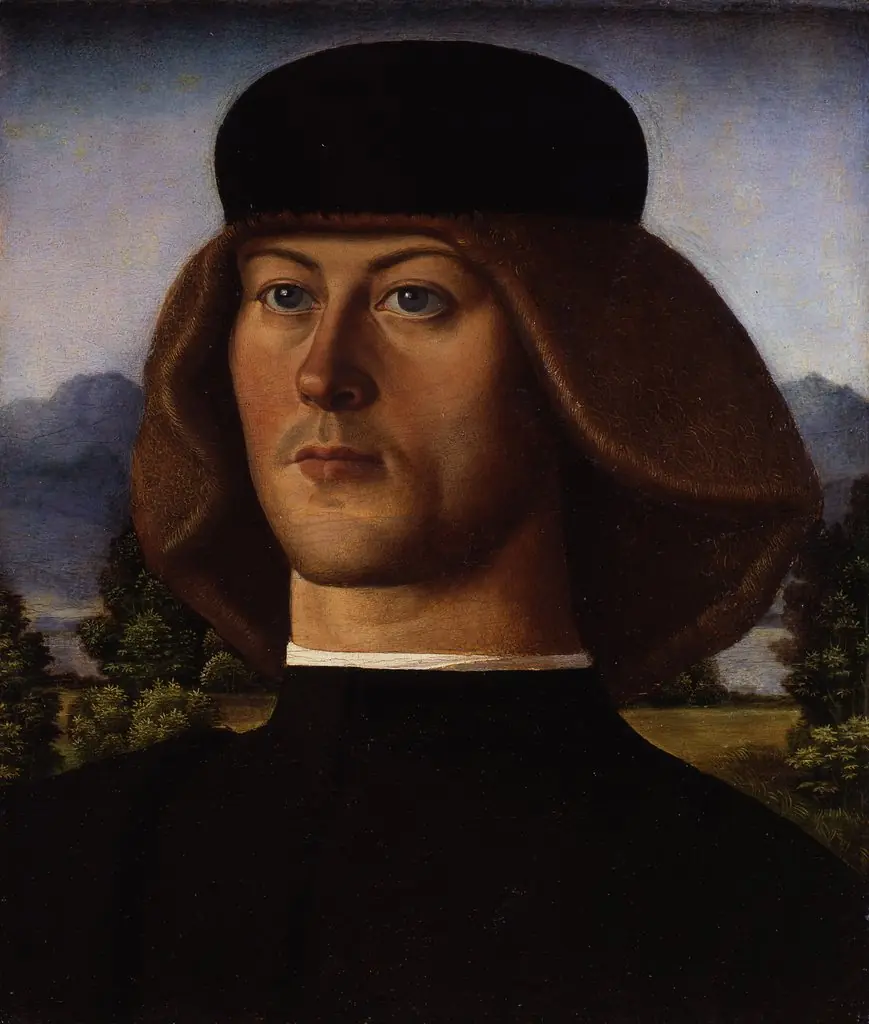
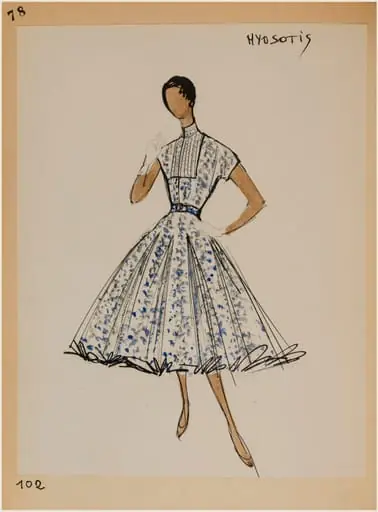
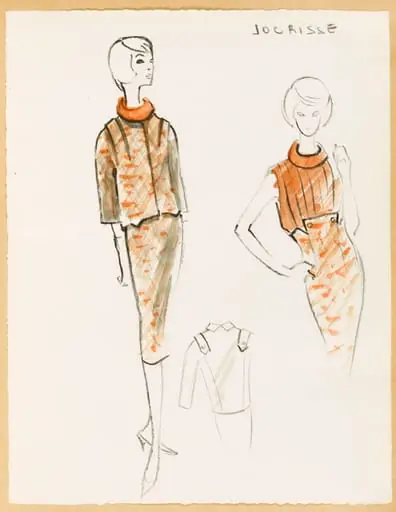
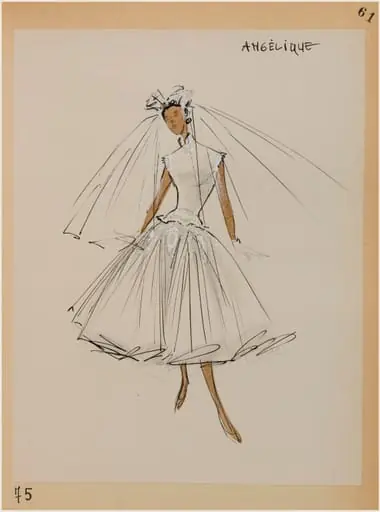
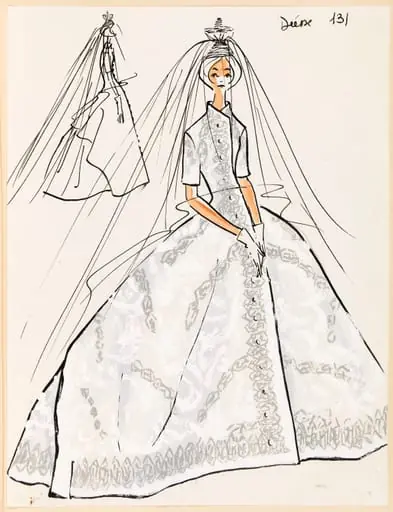
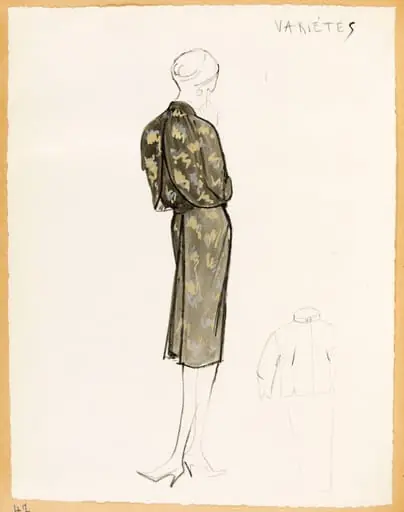
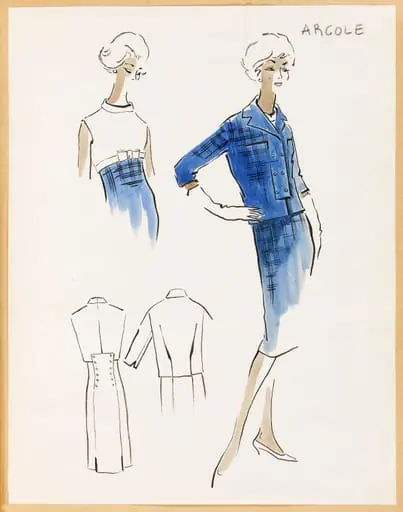
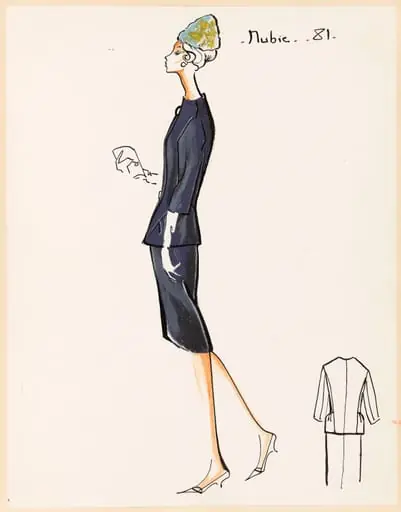
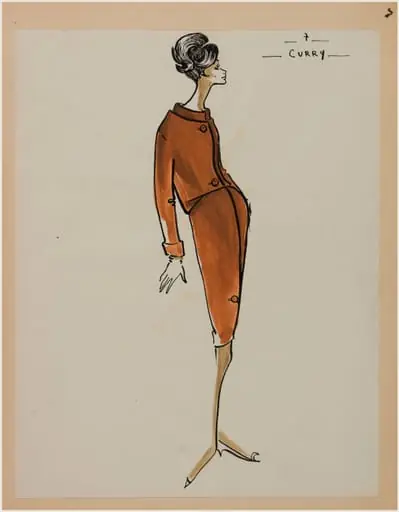
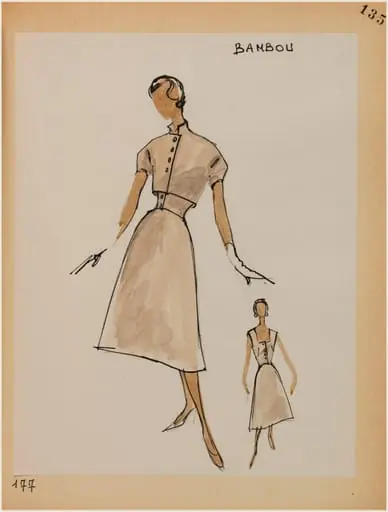
A polo neck, also known as a roll-neck, turtleneck, or skivvy, is a garment, typically a sweater, distinguished by a close-fitting collar that folds over and covers the neck. The term can refer to the neckline itself, the collar style, or function as an adjective describing the cut. In the collection under discussion, the polo neck appears in 36 works, including pieces titled Portrait of a Young Man, Myosotis, Jocrisse, Angélique, Déesse, Variétés, Arcole, Nubie, Curry, and Bambou. Its recurrence across these works signals the garment's sustained life as a visual motif, one that carries layered meanings of class, gender, intellect, and rebellion.
Iconography & meaning
The iconography of the polo neck shifts dramatically across contexts. Originally, its high collar served practical purposes: medieval knights wore similar neck coverings beneath chainmail to prevent chafing, while 19th-century sailors, fishermen, and manual workers relied on it for warmth and protection against harsh weather. By the late 19th century, the garment's meaning began to expand. In the 20th century, black polo necks became closely associated with leftist radical academics, philosophers, artists, and intellectuals; the French philosopher Michel Foucault notably adopted the polo neck jumper as an iconic personal symbol. Feminists in the mid-20th century championed it as a unisex item, challenging gendered dress conventions. The garment also acquired connotations of rebellion and counterculture: beatniks, hippies, and activists including Dorothy Pitman Hughes, Gloria Steinem, and members of the Black Panthers wore it as a statement of independence and anti-establishment identity. Conversely, the tight-fitting version became associated with Hollywood glamour and the "sweater girl" look, emphasizing the female form. Its adoption as an anti-tie, a substitute for formal shirt-and-tie combinations since the 1920s, positioned it as a garment of masculine poise and understated arrogance.
Across movements & periods
The treatment of the polo neck has evolved considerably across movements and periods. Medieval and early modern origins were purely functional, with high-neck garments protecting knights and later warming laborers and seafarers. The 1860s saw polo players adopt the style, giving the British variant its name. By the 1920s, Noël Coward's popularization transformed it into a middle-class fashion statement and an alternative to formal wear. The mid-20th century brought divergent paths: in the 1950s and 1960s, it entered preppy student style and beatnik counterculture simultaneously; by the 1960s and 1970s, hippies and feminists claimed it for radical and progressive movements. The 1970s saw synthetic materials broaden its accessibility, while the 1980s brought an eclipse in popularity, only for the 1990s and 2000s to restore it as a chic, versatile basic. In American fashion, it became an anti-tie symbol; in French intellectual circles, a marker of philosophical seriousness; in German and British contexts, a staple of student and later mainstream fashion. The Beatles wore black roll-necks collectively on the cover of their 1963 album With The Beatles, cementing its place in youth culture.
Notable depictions
While the collection's 36 works constitute significant depictions in their own right, broader visual culture offers canonical examples that illuminate how artists and image-makers have treated the polo neck. Greta Garbo wore polo necks and trousers in private life, as Audrey Hepburn later did in official photographs, establishing a template of elegant, androgynous sophistication. Steve Jobs made the black polo neck his daily uniform, designed by Issey Miyake, creating one of the most recognizable personal styles in contemporary culture. European film stars Marcello Mastroianni and Yves Montand popularized it among wealthy young men. In Woody Allen's films, the black roll-neck served as a deliberate visual shorthand for intellectual character types. Political figures including Vladimir Putin, Andreas Papandreou, and Emmanuel Macron have been noted wearers, as have cultural figures from Carl Sagan and Barry Manilow to Elizabeth Holmes, who deliberately emulated Jobs's style. The garment's appearance in fashion campaigns by Pringle, Lanvin, Raf Simons, and E. Tautz demonstrates its continued life in high fashion.
Legacy
The polo neck's legacy resides in its remarkable capacity to absorb and reflect changing cultural values while retaining its essential form. From medieval armor undergarment to symbol of intellectual rebellion, from working-class utility to haute couture staple, it has traversed class boundaries with unusual fluidity. Its association with Steve Jobs has given it particular resonance in technology and innovation culture, where it signifies minimalist focus and creative authority. The garment's unisex history, championed by feminists and adopted across gender expressions, anticipates contemporary conversations about fluid fashion. Its recent runway appearances and continued presence in collections suggest that the polo neck functions not as a passing trend but as a permanent element of the Western wardrobe, what one commentator called a "fundamental" rather than revolutionary item. In the collection of 36 works, its persistence as a motif testifies to artists' recognition of this versatility: the polo neck frames the face, elongates the figure, and carries enough semiotic weight to signal intellect, rebellion, elegance, or modesty depending on context. Its afterlife in fashion, film, politics, and art confirms that a simple tube of fabric around the neck can become one of the most eloquent garments in visual culture.
Works
Frequently asked questions
What is Polo Neck?
Polo Neck is a subject in art. A polo neck, roll-neck (South Africa), turtleneck (United States, Canada), or skivvy is a garment—usually a sweater—with a close-fitting collar that folds over and covers the neck.
How many Polo Neck works does Artifact World Gallery have?
Artifact World Gallery holds 36 public-domain Polo Neck works, all free to view and download.
Who are the key Polo Neck artists?
Key Polo Neck artists in the collection include Lattanzio da Rimini, Marie-Louise Carven and Carven.
Where can I see Polo Neck works?
Polo Neck works in the collection are held by Palais Galliera - Musée de la Mode de la Ville de Paris, Victoria and Albert Museum and Museum of Modern Art.