Artist
Subject
Sleeveles
Sleeveles is a subject in art. The gallery holds 122 works in this subject in art, including works by Count of St. Germain, Marie-Louise Carven and Carven.
The sleeveless garment occupies a peculiar place in the history of dress: born of utility, it migrated from the swimming pool and the gymnasium to the street, and finally to the couture salon. The modern English term "tank top" derives from the 1920s "tank suit," the one-piece bathing costume worn in a "tank," then the common word for a swimming pool. Women's swimming had entered the Olympic programme at Stockholm in 1912, and the straps of those early racing suits closely anticipate the cut of the garment we know today. The sleeveless undershirt followed a parallel, athletic lineage: nineteenth-century gymnasts wore armless tops for freedom of movement, and by 1919 the U.S. Navy had adopted the cotton undershirt as standard issue, helping to popularise it among American servicemen.
The form is defined by its radical economy. With the shoulders, arms, and often the upper chest left bare, the garment reduces a shirt to its load-bearing essentials—two straps and a tube of fabric—maximising ventilation and range of motion. This logic explains its enduring role in sport, from the athletics and triathlon vest to the wrestler's singlet. In France the ribbed cotton version became the "marcel," after Marcel Eisenberg, whose Établissements Marcel popularised it; in colloquial American English the close-cut "A-shirt" acquired the unlovely nickname "wife-beater," a label cemented by mid-century Hollywood's habit of dressing brutish husbands in a grubby singlet.
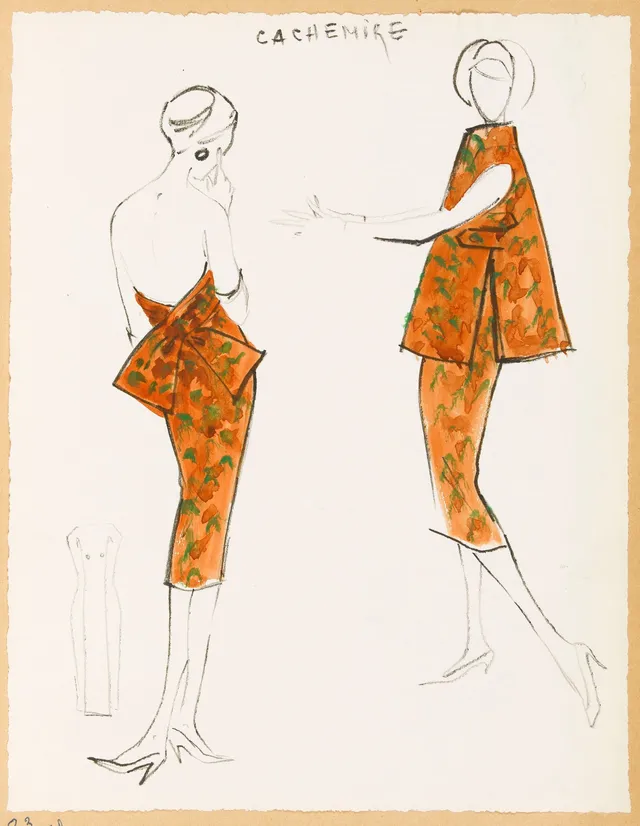
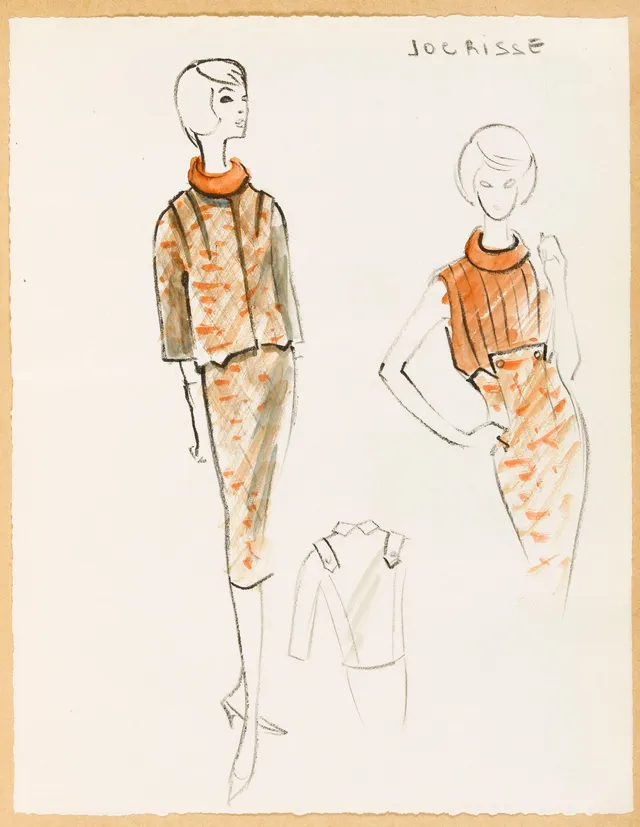
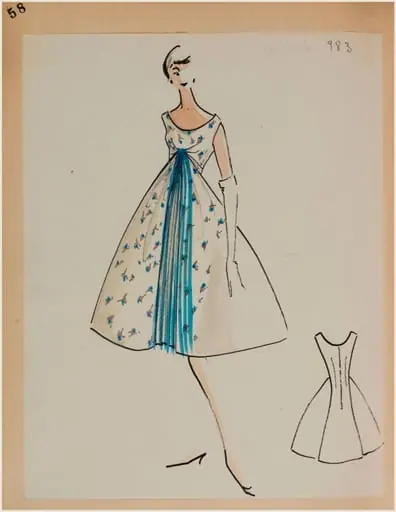
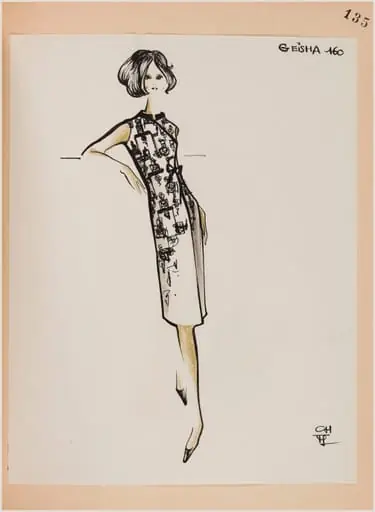
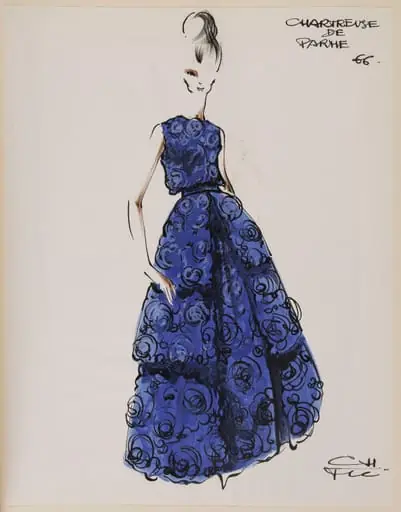
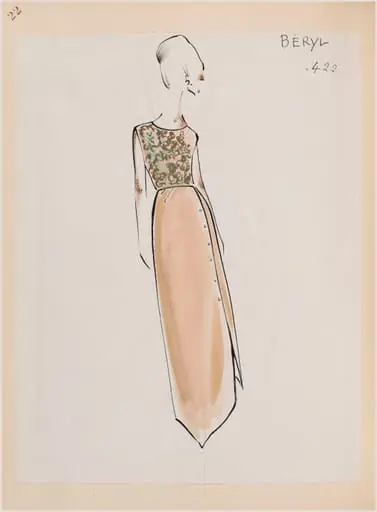
In high fashion the sleeveless line was claimed for elegance rather than labour. The Paris house of Carven, founded in 1945 by Marie-Louise Carven (born Carmen de Tommaso, 1909–2015), built its reputation on light, structured clothing tailored to the petite figure—Carven herself stood barely five feet—favouring crisp cottons, gingham, and the bare-armed summer dress. The catalogue's holdings of Carven designs, among them Cachemire, Jocrisse, Angélique, Saint Honoré, Fabullite, and Fakir, exemplify how couture absorbed the sleeveless silhouette into refined daywear.
By the 1980s, propelled by gym culture and a new frankness about the body, the sleeveless top completed its journey from hidden undergarment to confident outerwear. Today it spans the spectrum from disposable basic to designer statement, a quietly radical piece of clothing whose very absences—of sleeve, of formality, of concealment—account for its lasting cultural reach.
Key artists

Overview
The sleeveless shirt is a garment manufactured without sleeves or with sleeves that have been cut off, appearing across art and visual culture as an emblem of athleticism, labor, casual leisure, and at times social transgression. Known variously as the tank top, vest, singlet, débardeur, or marcel depending on region, it exposes the arms and shoulders while covering the torso. Its presence in artistic collections and media reflects both functional utility and evolving cultural symbolism, from early twentieth-century swimwear to cinematic icons of working-class masculinity and beyond. The garment's inception dates to around 1800, though its widespread cultural visibility accelerated in the twentieth century, particularly as sportswear and as a marker of informal identity.
Iconography & meaning
The sleeveless shirt carries layered iconographic meanings shaped by context. In athletic settings, its bare-armed design signifies physical exertion, freedom of movement, and bodily discipline, with reinforced neck and armholes suggesting durability and restraint. The dropped armhole and ribbed cotton construction of the A-shirt variant evoke working-class labor and masculine brawn, associations reinforced by its colloquial American name "wife beater" and its link to the violent character Stanley Kowalski in cinema. In French culture, the débardeur or "marcel" carries connotations of dockworker strength and later of working-class virility, though the term has been contested for its association with violence. The garment's exposure of skin also renders it a vehicle for displaying the body, whether in athletic prowess, erotic appeal, or vulnerability. Women's variants, including the camisole, halter top, and tube top, shift these meanings toward intimacy, leisure, and fashion, with narrower straps and lighter fabrics suggesting delicacy rather than labor. The dudou and related East Asian forms introduce medicinal and modest functions, flattening the figure and preserving stomach qi.
Across movements & periods
The treatment of the sleeveless shirt has shifted markedly across periods and cultures. Its origins in Western sportswear trace to the early twentieth century, when women's competitive swimming at the 1912 Stockholm Olympics introduced the "tank suit," named after the swimming tank or pool. This athletic function persisted as basketball jerseys and track uniforms adopted the form. In postwar Europe, Marcel Eizenberg's 1949 mass production of the débardeur in Roanne democratized the garment, while the 1984 dictionary entry for "Marcel" marked its linguistic institutionalization. American culture of the 1980s saw the sleeveless T-shirt or "muscle shirt" become associated with bodybuilding, surfing, and gym culture, often bearing commercial logos. Cinema then elevated the garment to iconic status: Marlon Brando's tight-fitting undershirt in A Streetcar Named Desire (1951) and Bruce Willis's in Die Hard (1988) inscribed it as a signifier of volatile masculinity, while Bruce Lee's in The Way of the Dragon (1972) channeled athletic prowess. British retail briefly rejected the garment as anti-aesthetic in 2007, only to see it rehabilitated by public figures. The Australian "Jackie Howe," named after a record-breaking shearer, and the Philippine "sando" demonstrate regional adaptations that embed the garment in national labor histories.
Notable depictions
Canonical depictions of the sleeveless shirt cluster in twentieth-century cinema and photography rather than traditional painting, reflecting the motif's modern cultural emergence. Marlon Brando's portrayal of Stanley Kowalski in Elia Kazan's A Streetcar Named Desire (1951) remains the most analyzed, with the sweat-stained, clinging garment becoming inseparable from the character's brute physicality and the film's exploration of desire and violence. Brando reprised a similar aesthetic in On the Waterfront (1954), cementing the association between the sleeveless undershirt and working-class male intensity. James Dean contributed to this iconography, while Bruce Lee's adoption in The Way of the Dragon (1972) redirected the garment toward martial arts discipline and Asian cinematic identity. Bruce Willis's John McClane in Die Hard (1988) updated the type for the action-hero era, the dirty undershirt signaling endurance under duress. In political imagery, Barack Obama was photographed in a sleeveless garment, briefly normalizing it within elite public life. The collection's own works, including those titled after Jocrisse and Fakir, suggest earlier artistic traditions may have employed analogous garments in characterological or ethnographic representation, though specific attributions and artists for these works are not provided in the available sources.
Legacy
The sleeveless shirt's legacy encompasses linguistic evolution, contested symbolism, and persistent reinvention. The term "wife beater," derived from Brando's cinematic embodiment, generated a 2005 hoax by filmmaker Paul Davidson claiming medieval origins as "waif-beater," exposed only in 2018, demonstrating the garment's capacity to generate and propagate cultural myth. The French preference for "débardeur" over "marcel" reflects ongoing efforts to distance the garment from violent masculine stereotyping, particularly among women wearers. In fashion, the form has proved remarkably durable, absorbing transformations in material technology, from ribbed cotton to lycra and spandex blends, while fragmenting into specialized variants: the camisole as feminine underlayer, the halter top as back-baring leisurewear, the tube top as minimalist statement. The garment's afterlife in art collections, as evidenced by the 123 works examined here, suggests its continued utility as a signifier of bodily presence, social position, and historical moment. Its very lack of sleeves, originally a practical adaptation for swimming and labor, has become a loaded visual shorthand, open to readings of strength, vulnerability, class, and gender that shift with each cultural deployment.
Works
 Cachemire
 Jocrisse
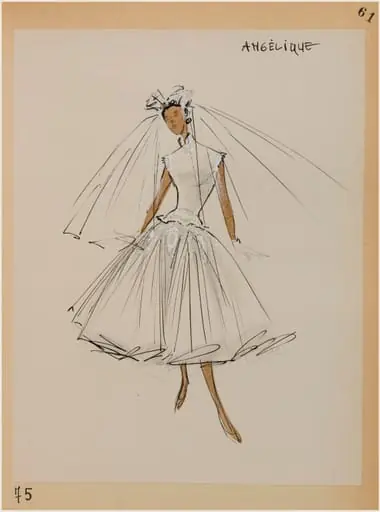 Angélique
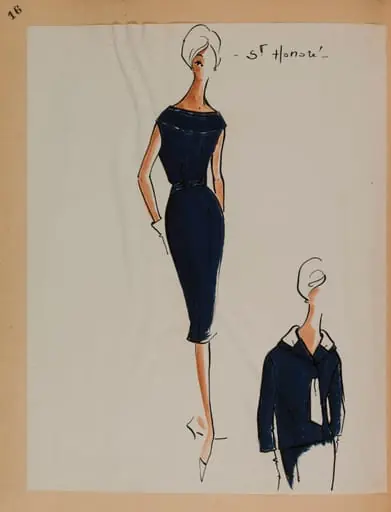 Saint Honoré
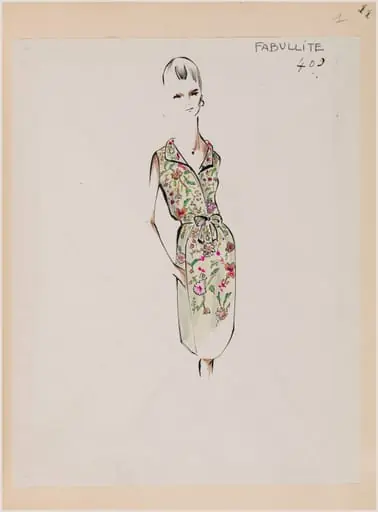 Fabullite
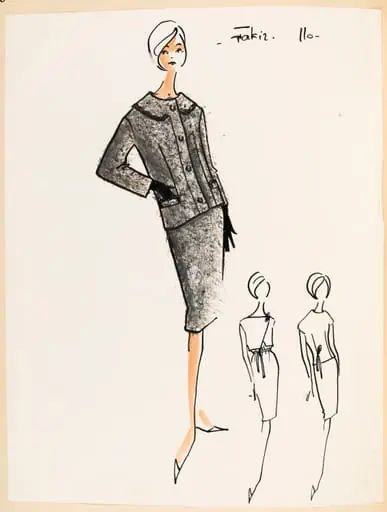 Fakir
Fakir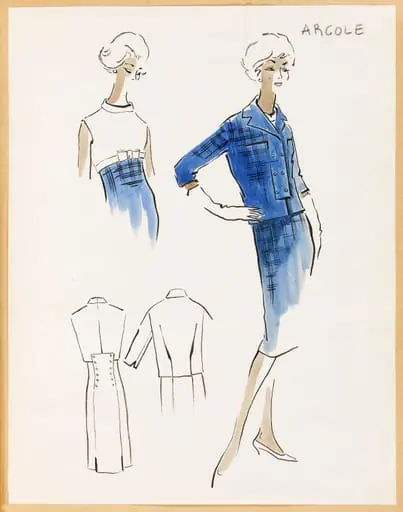 Arcole
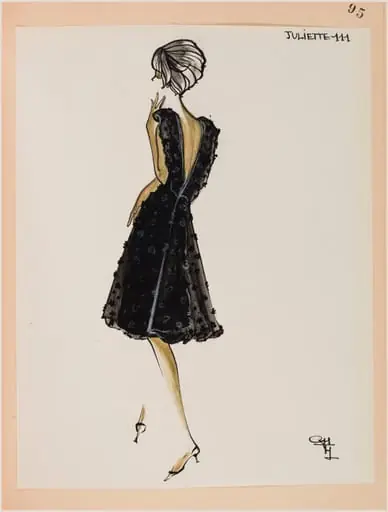 Juliette
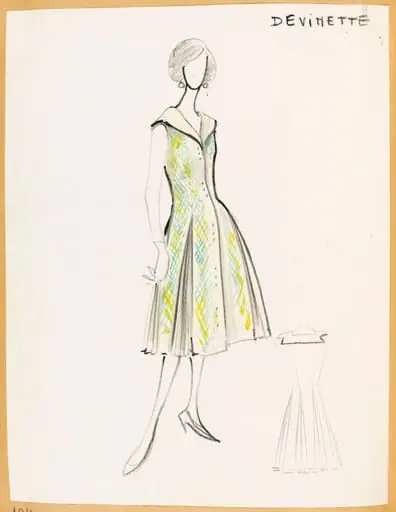 Devinette
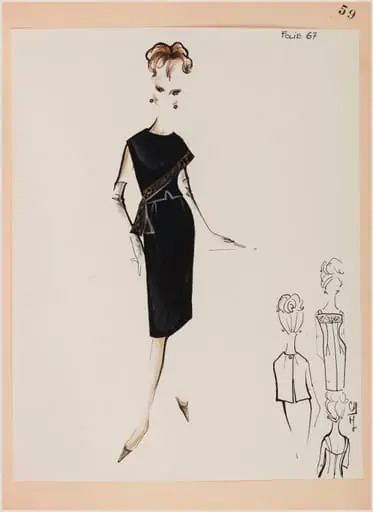 Folie
Folie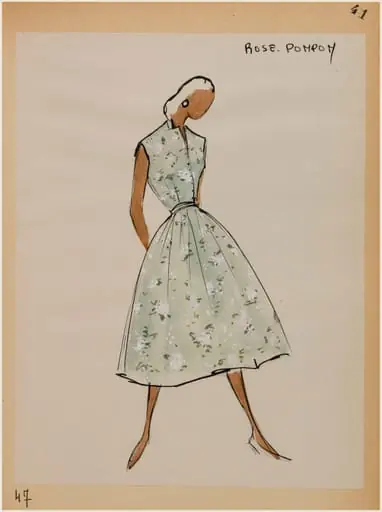 Rose Pompon
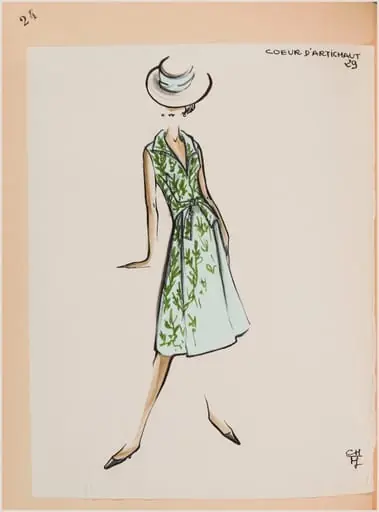 Coeur d'artichaut
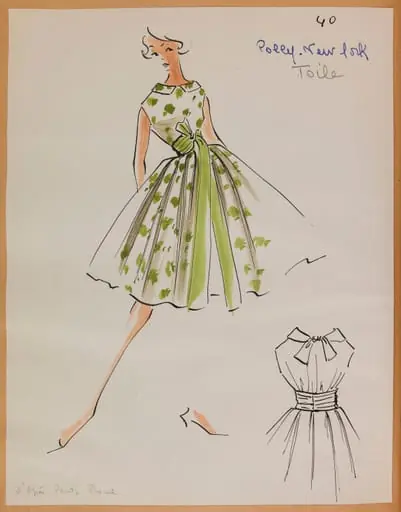 Robe sans manches blanche à motif pistache et grande ceinture pistache
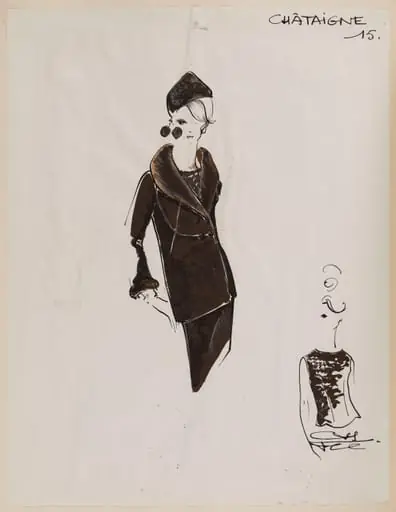 Châtaigne
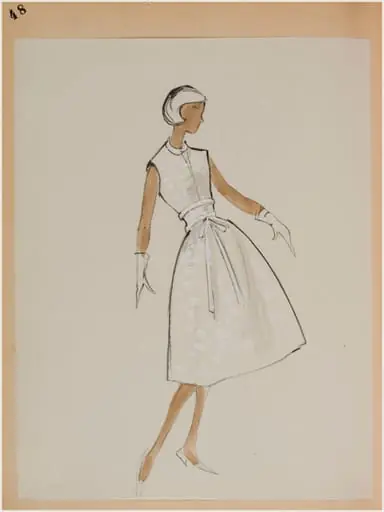 Robe sans manches blanche avec ceinture nouée à la taille
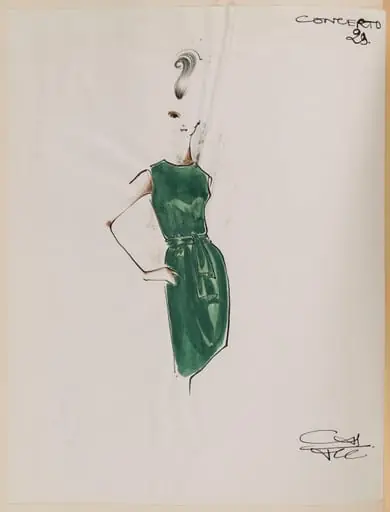 Concerto
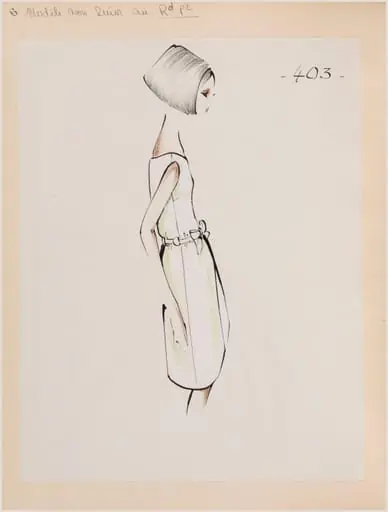 Robe sans manches vert pâle avec ceinture nouée
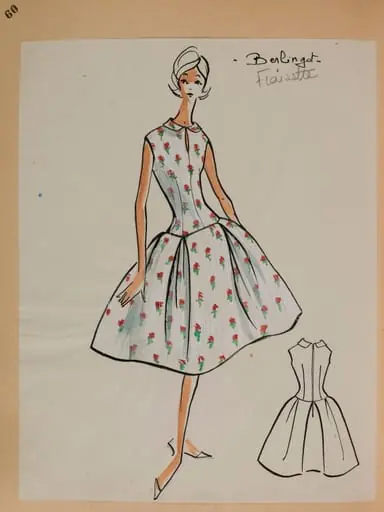 Berlingot Fraisette
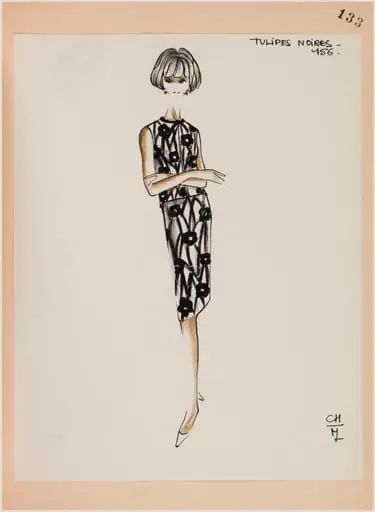 Tulipes noires
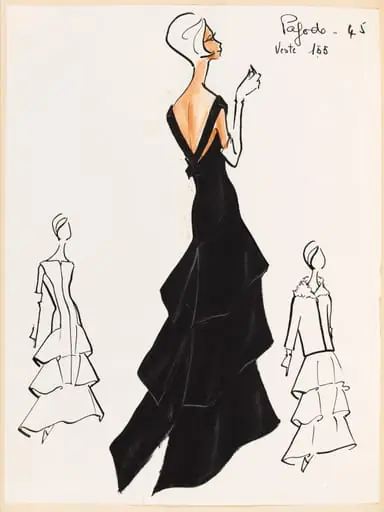 Pagode
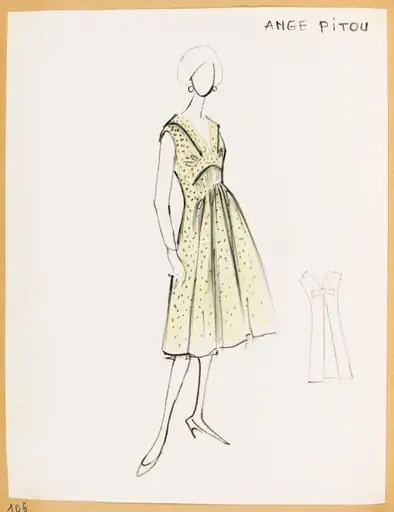 Ange pitou
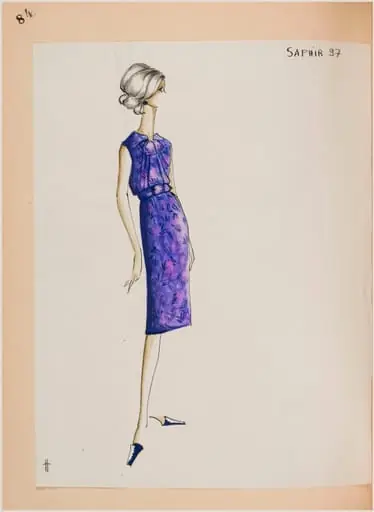 Saphir
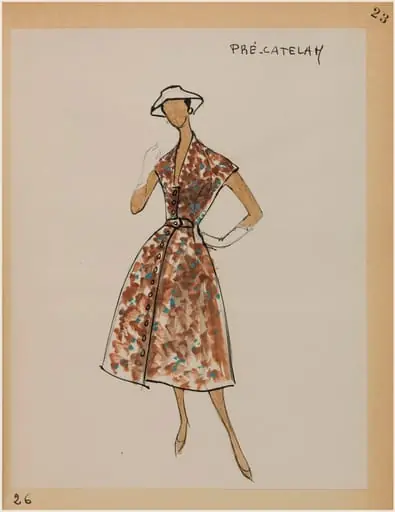 Pré-Catelan
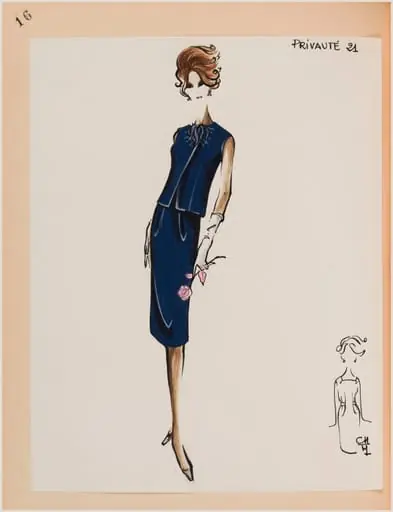 Privauté
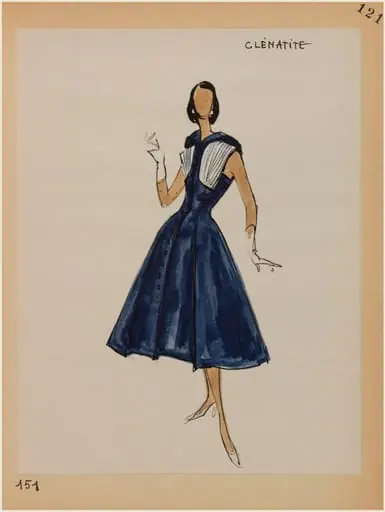 Clématite
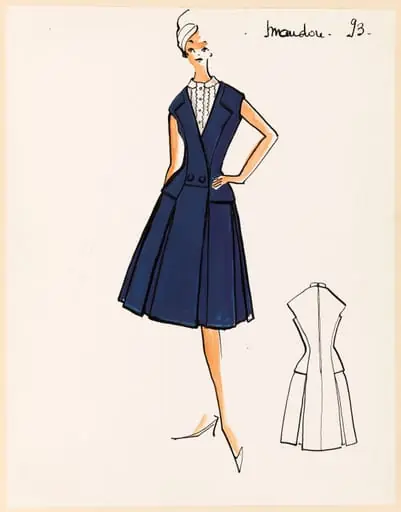 Mandore
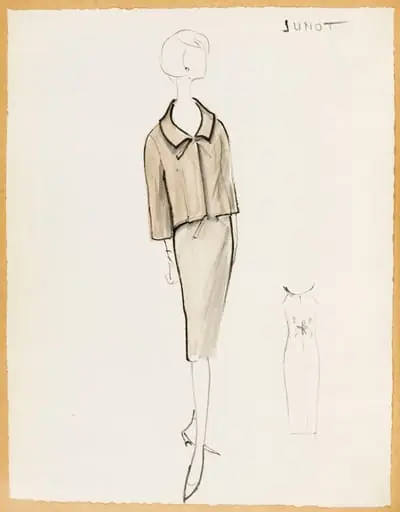 Junot
Junot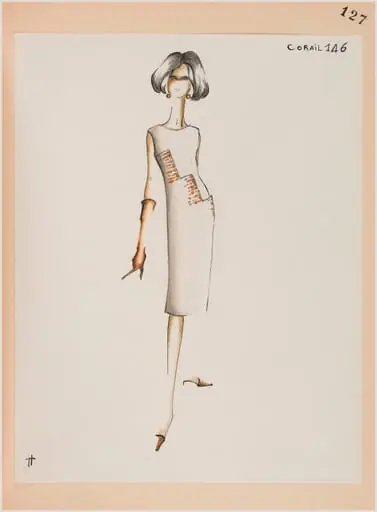 Corail
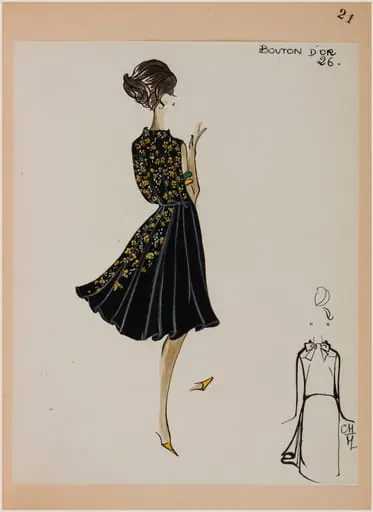 Bouton d'or
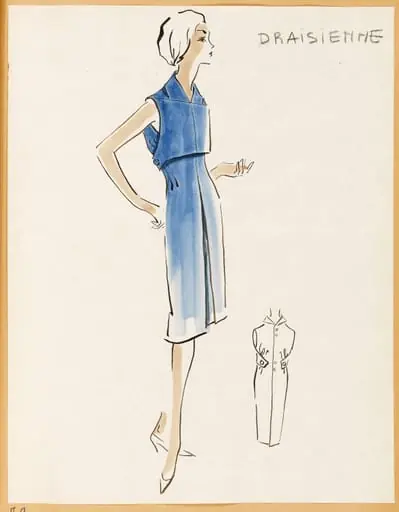 Draisienne
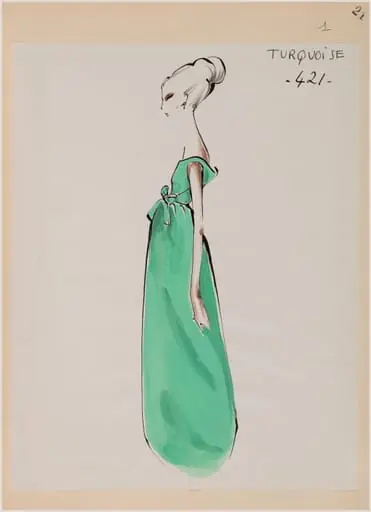 Turquoise
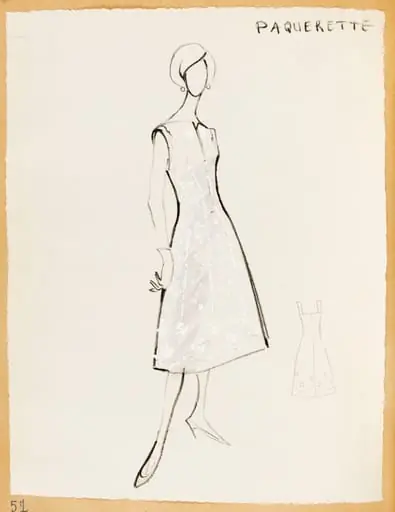 Pâquerette
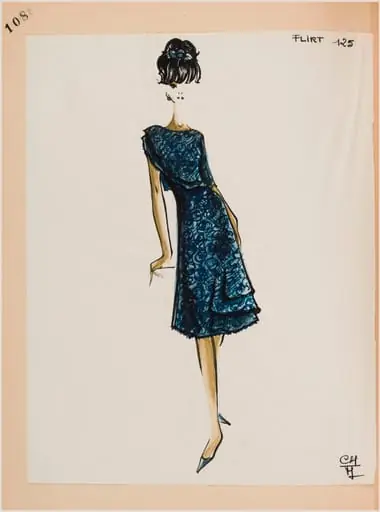 Flirt
Flirt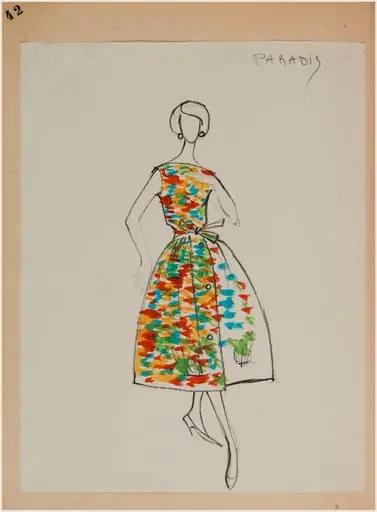 Paradis
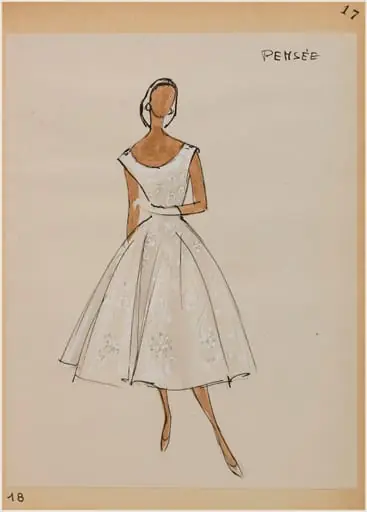 Pensée
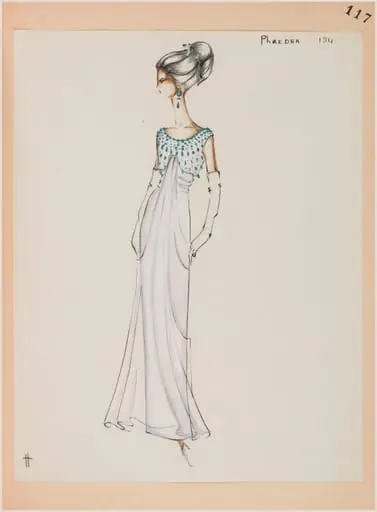 Phaedra
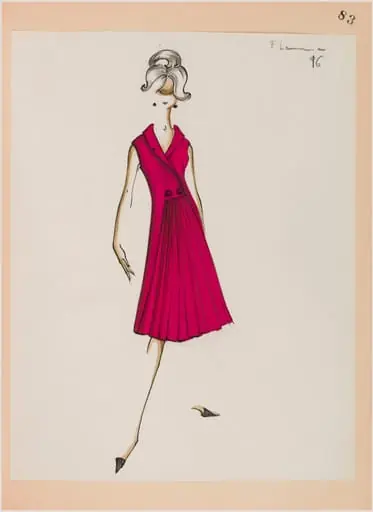 Flamme
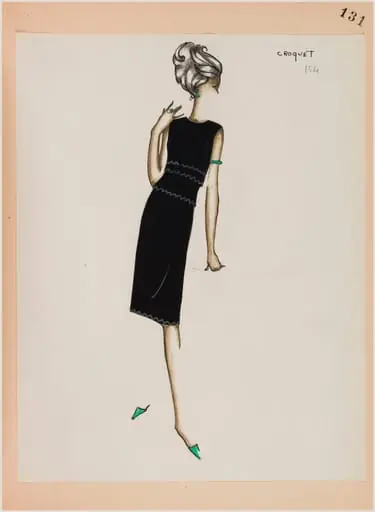 Croquet
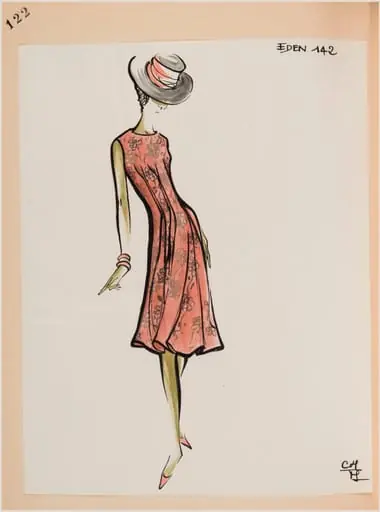 Eden
Eden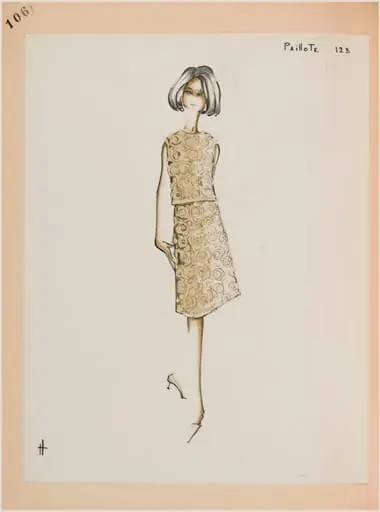 Paillote
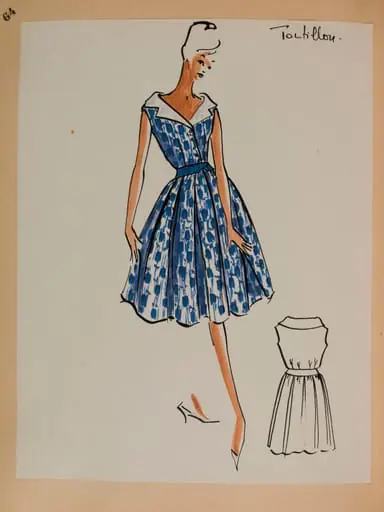 Tortillon
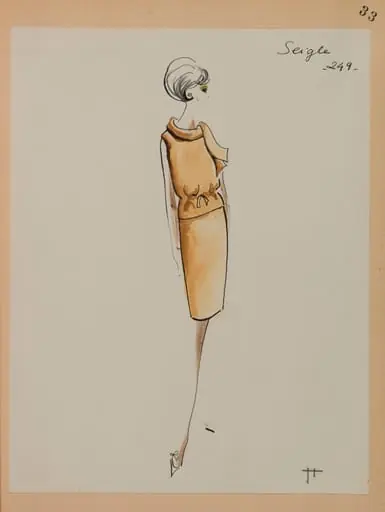 Seigle
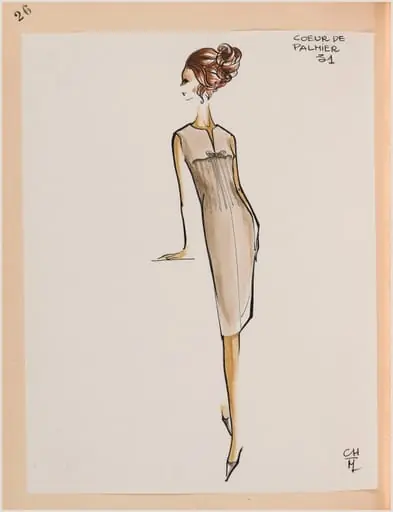 Coeur de palmier
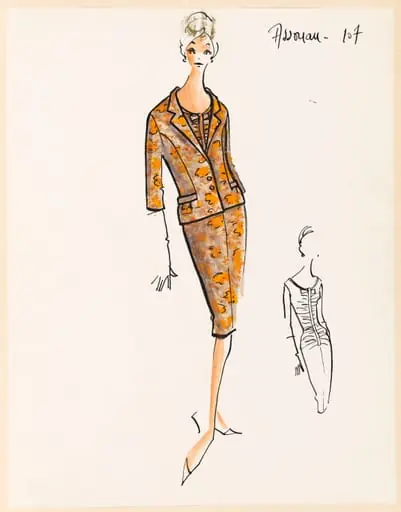 Assouan
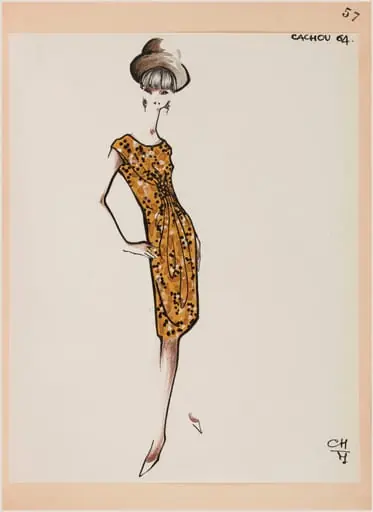 Cachou
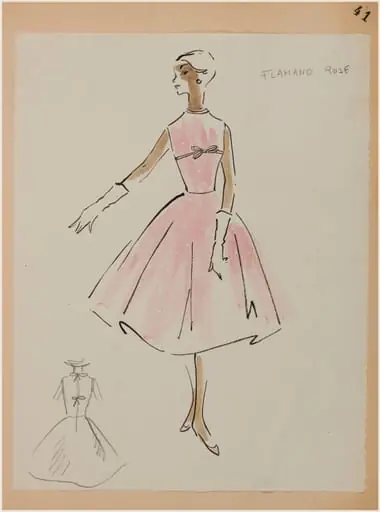 Flamand rose
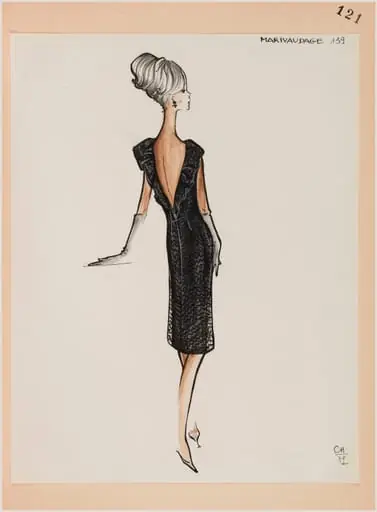 Marivaudage
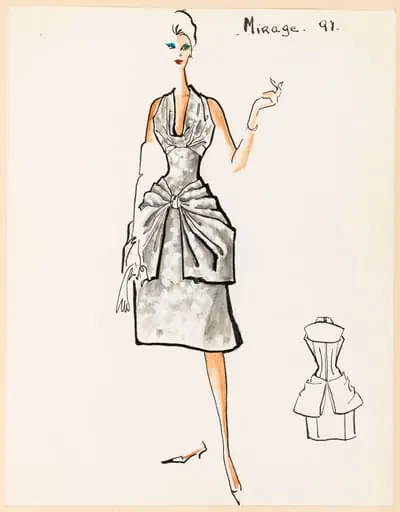 Mirage
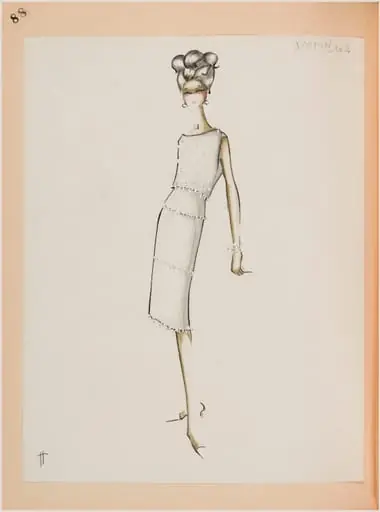 Jasmin
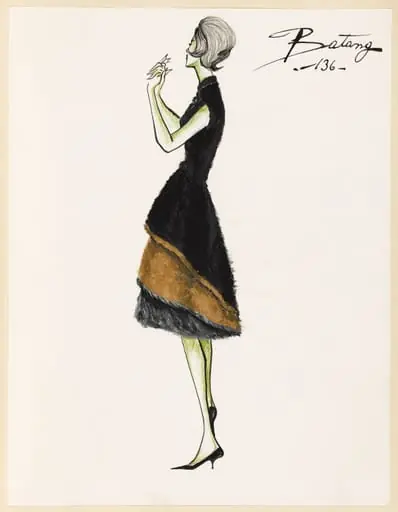 Batang
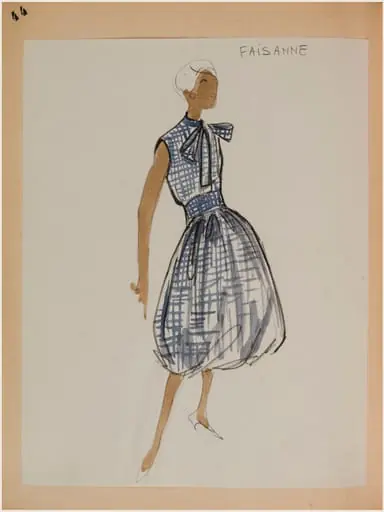 Faisanne
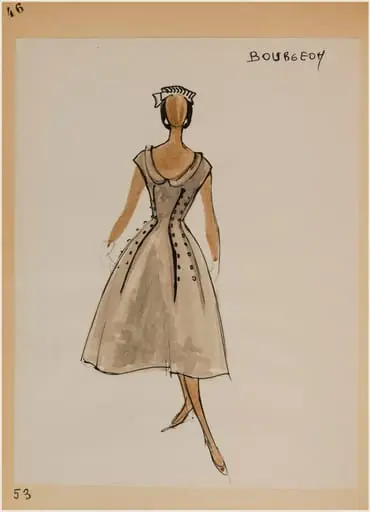 Bourgeon
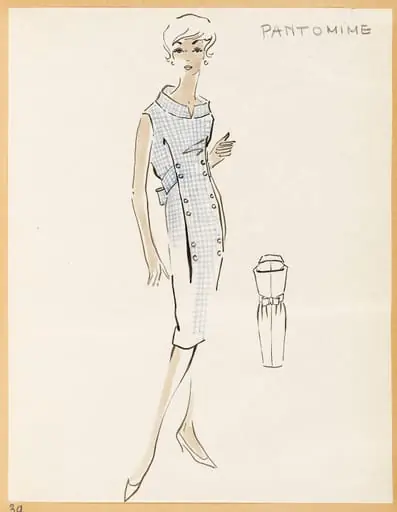 Pantomime
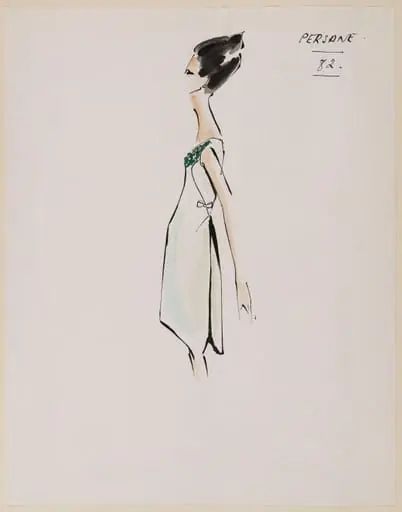 Persane
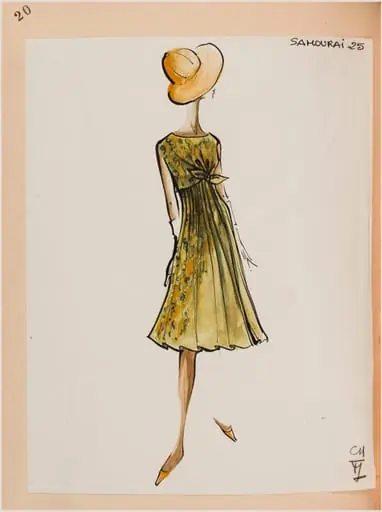 Samourai
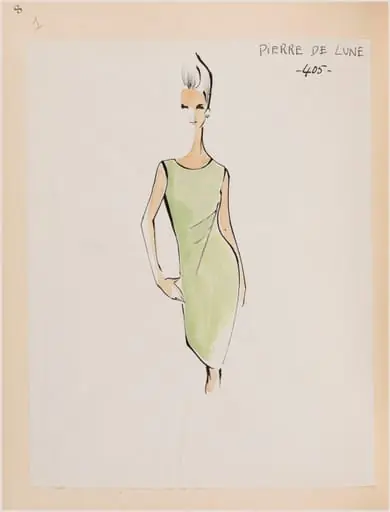 Pierre de lune
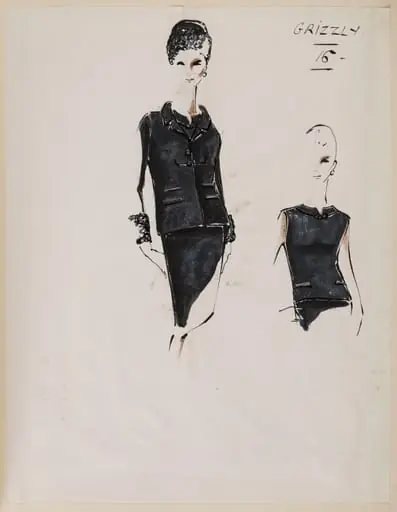 Grizzly
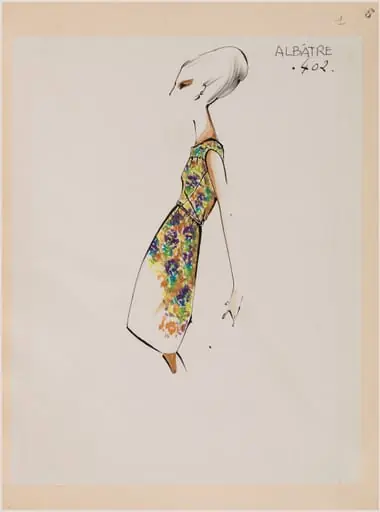 Albâtre
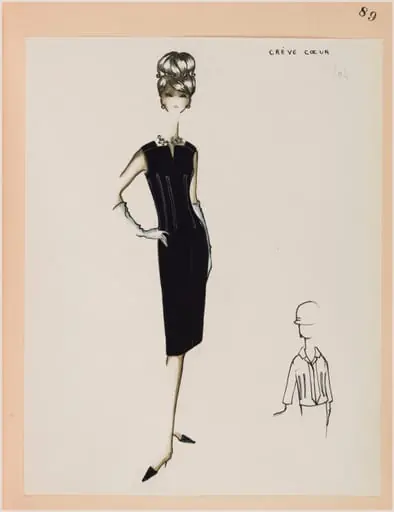 Crève coeur
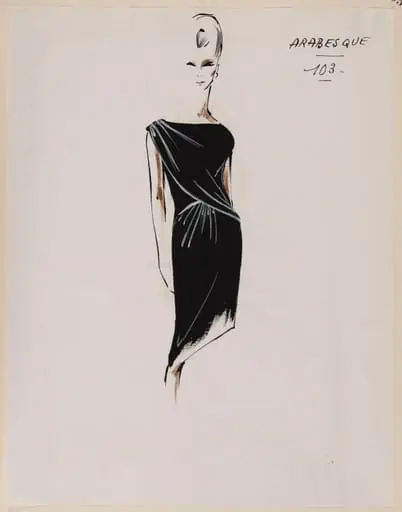 Arabesque
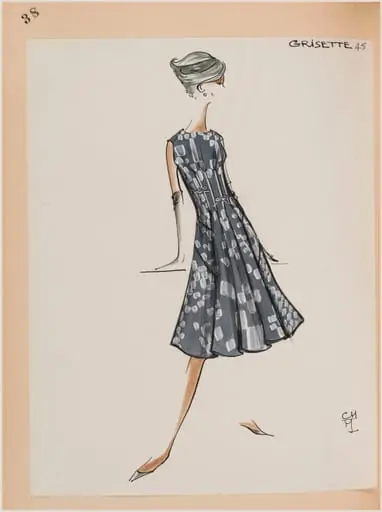 Grisette
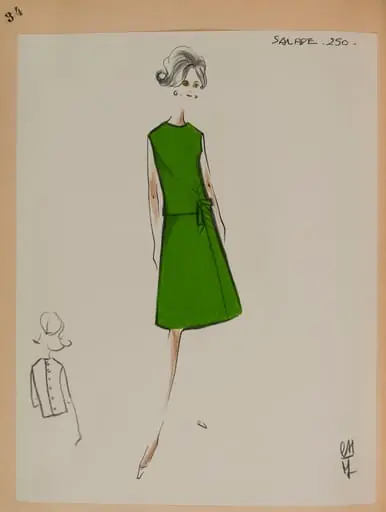 Salade
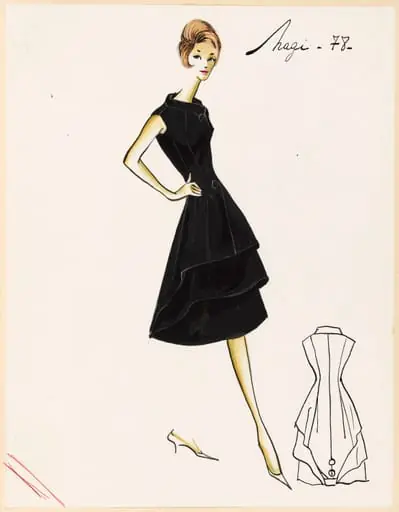 Nagi
Nagi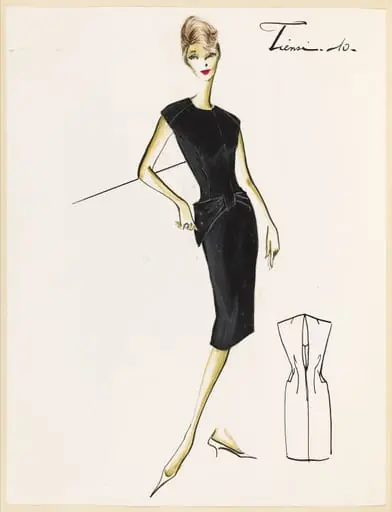 Tiensi
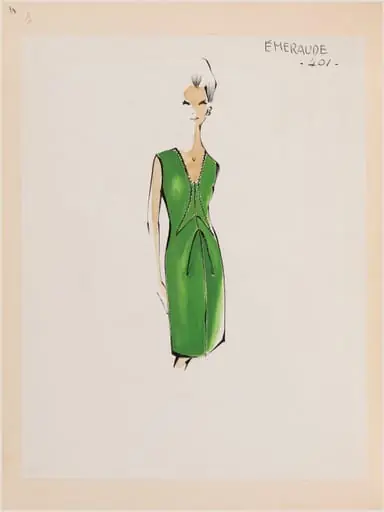 Emeraude
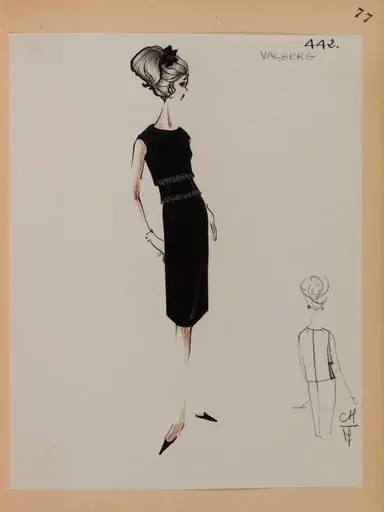 Valberg
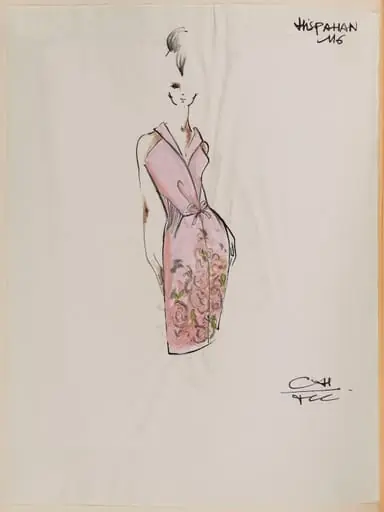 Hispahan
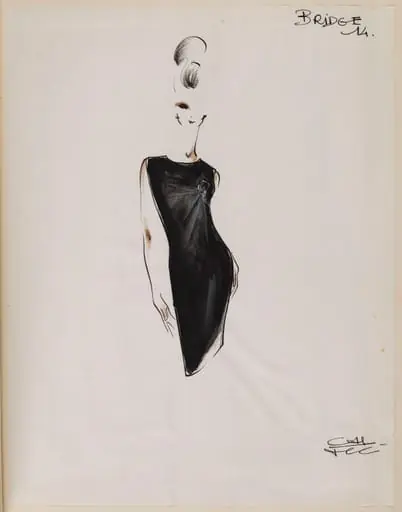 Bridge
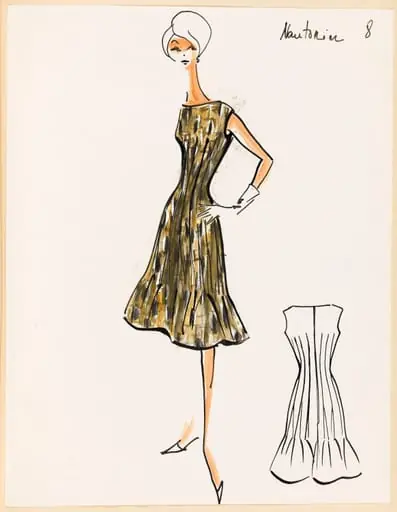 Nautonier
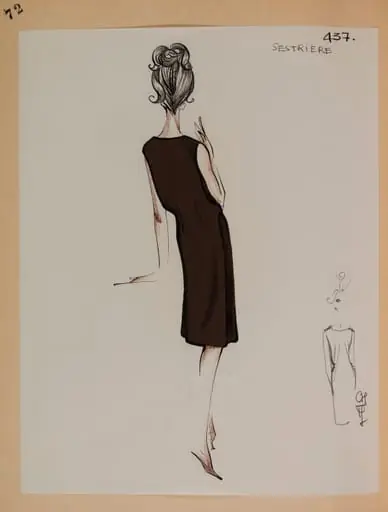 Sestrière
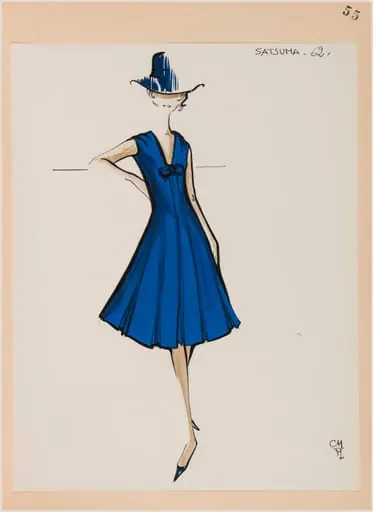 Satsuma
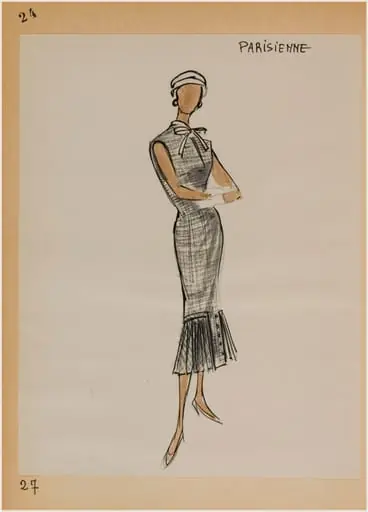 Parisienne
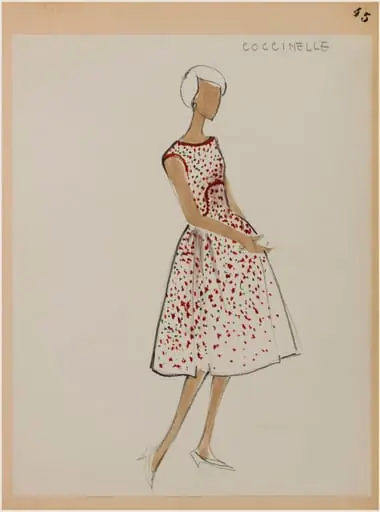 Coccinelle
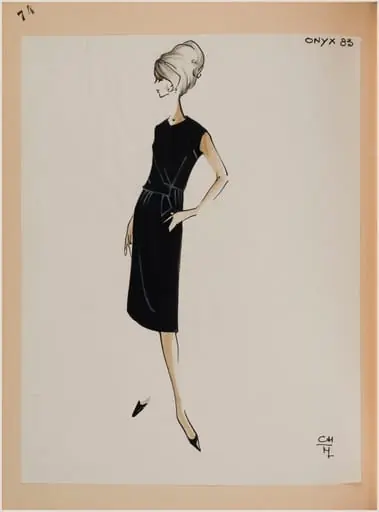 Onyx
Onyx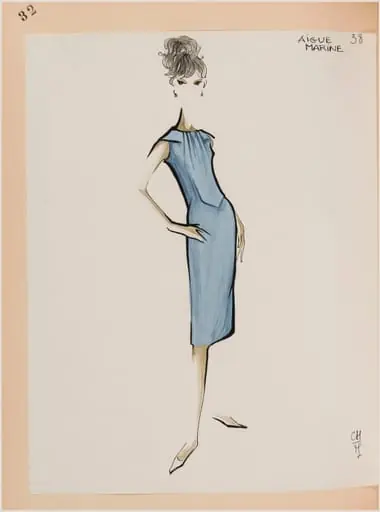 Aigue-marine
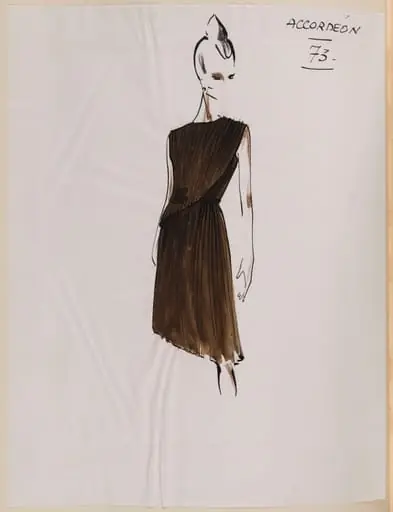 Accordéon
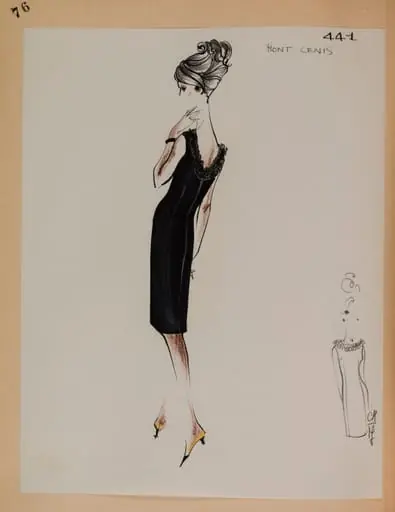 Mont Cenis
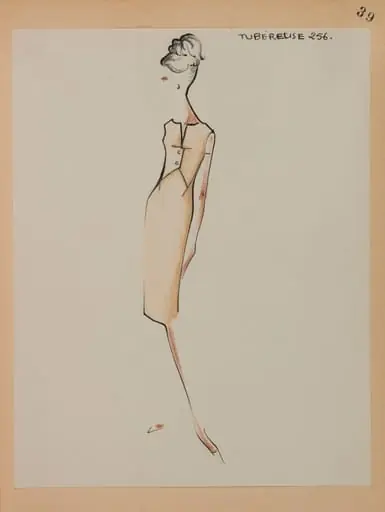 Tubéreuse
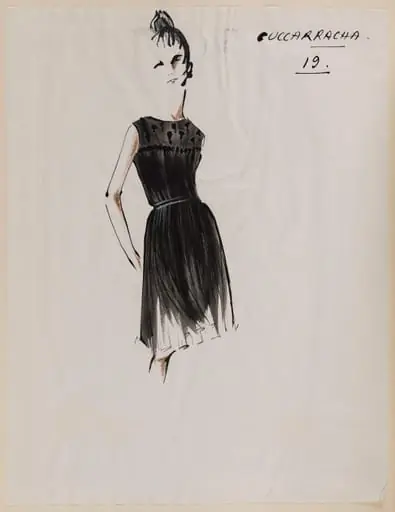 Cuccarracha
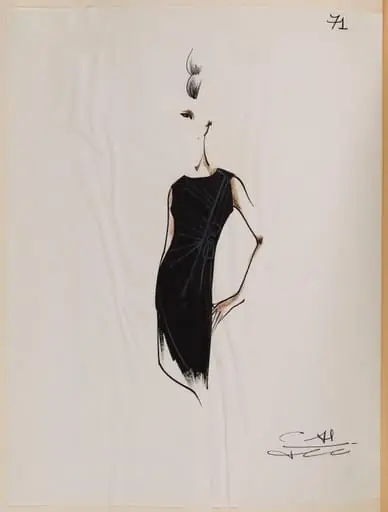 Sans titre
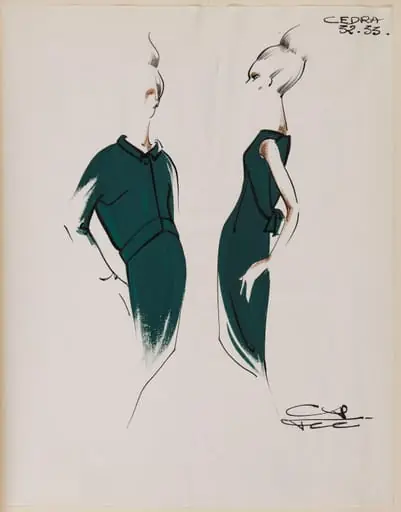 Cédra
Cédra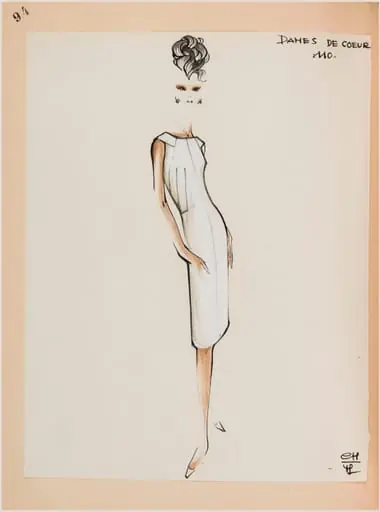 Dames de coeur
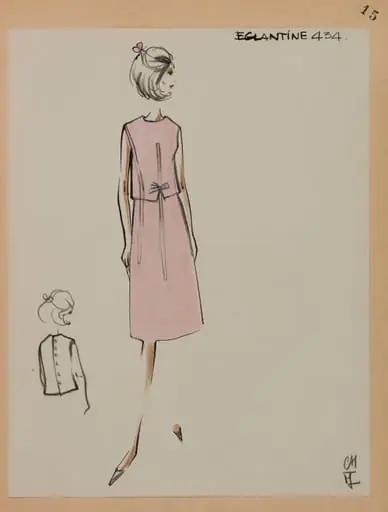 Eglantine
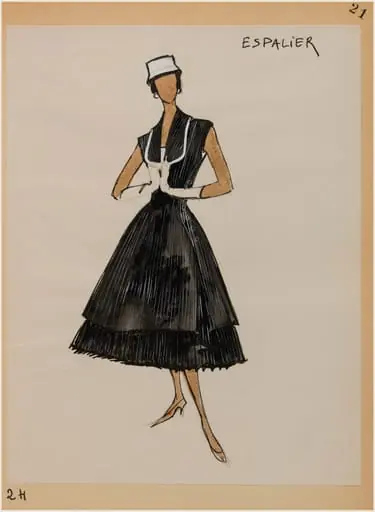 Espalier
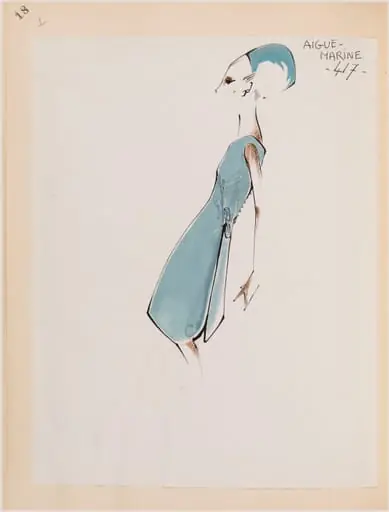 Aigue-marine
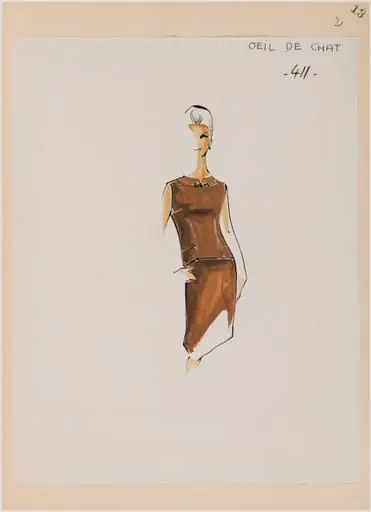 Oeil de chat
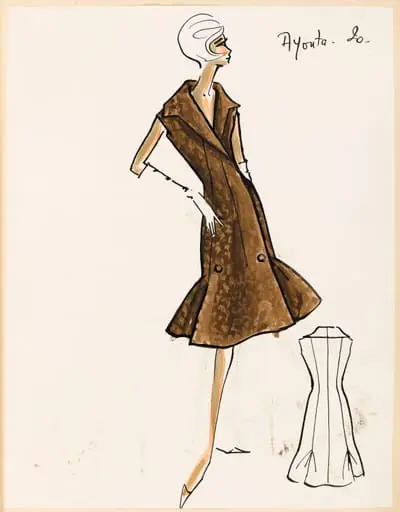 Ayouta
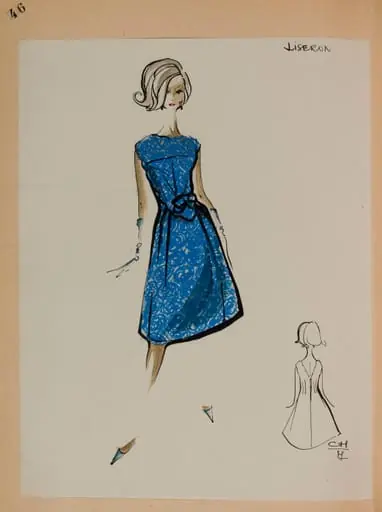 Liseron
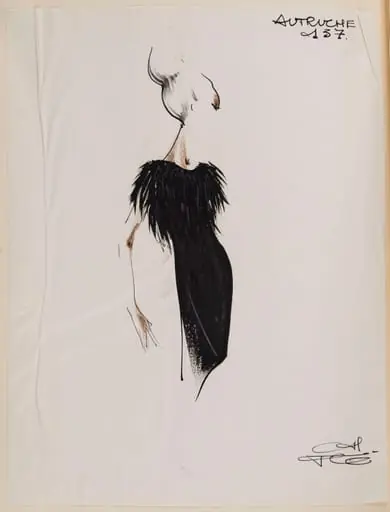 Autruche
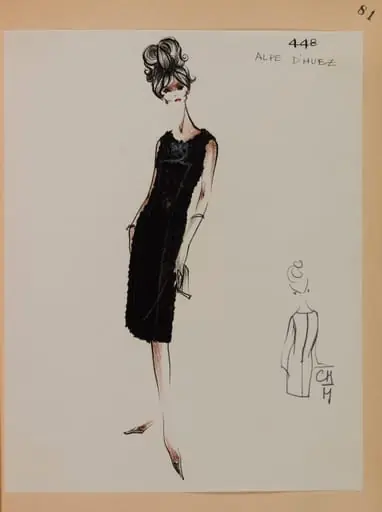 Alpe d'Huez
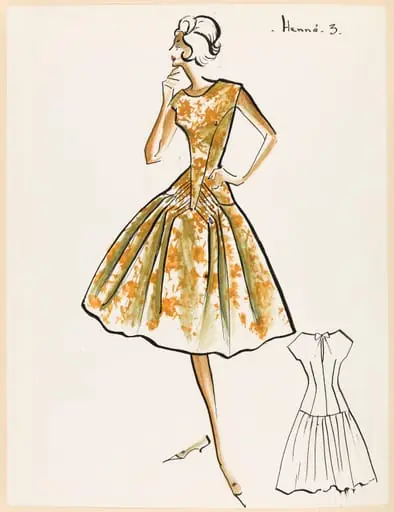 Henné
Henné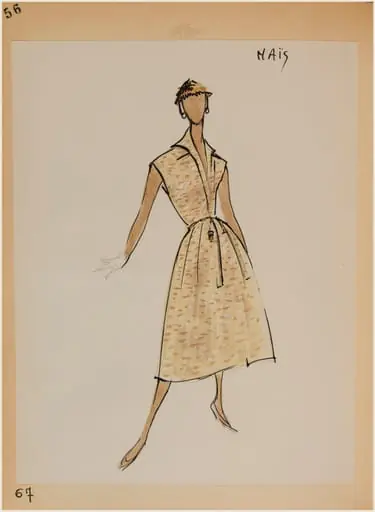 Maïs
Maïs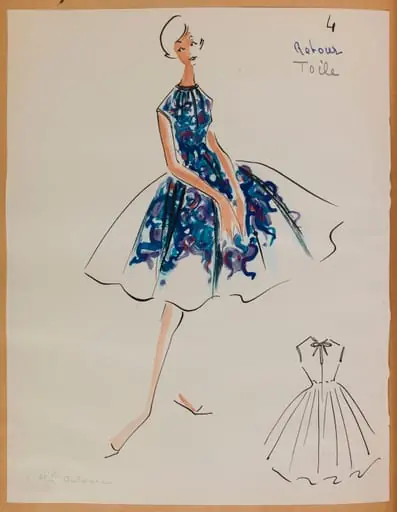 Robe sans manches à motif bleu et violet
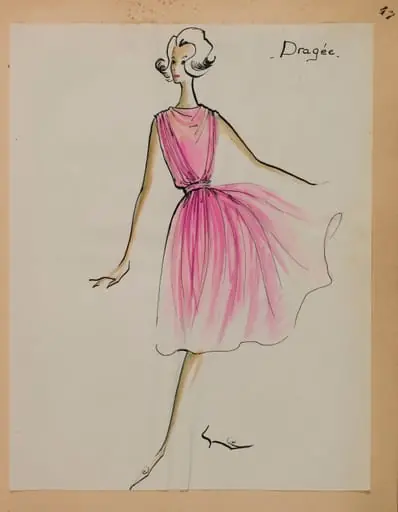 Dragée
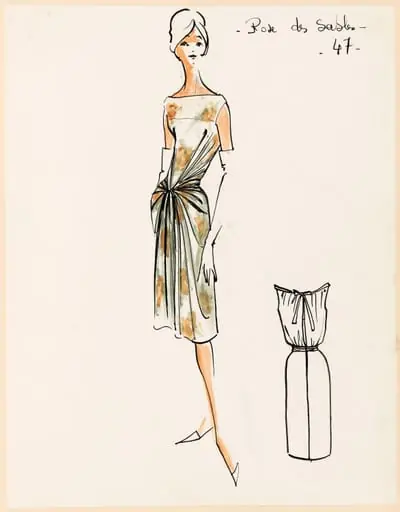 Rose des sables
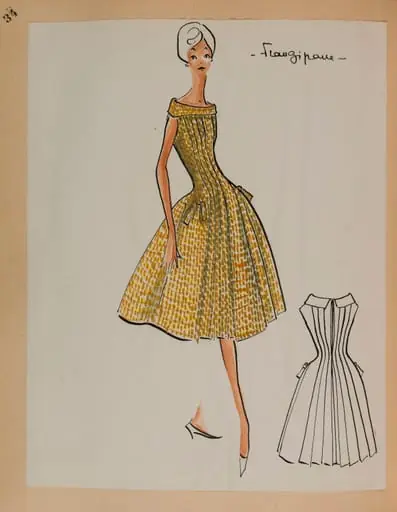 Frangipane
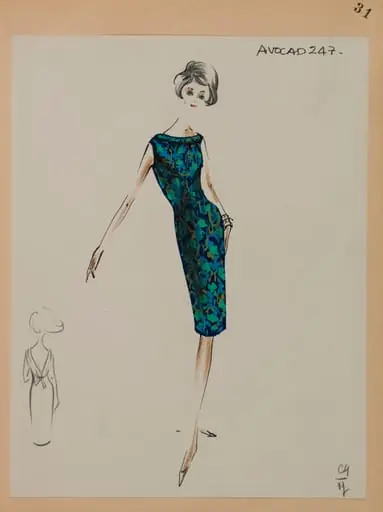 Avocat
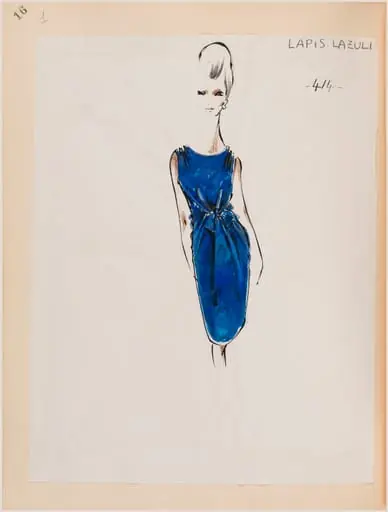 Lapus lazuli
 Lysistrata
 Geisha
 Chartreuse de Parme
 Béryl
Béryl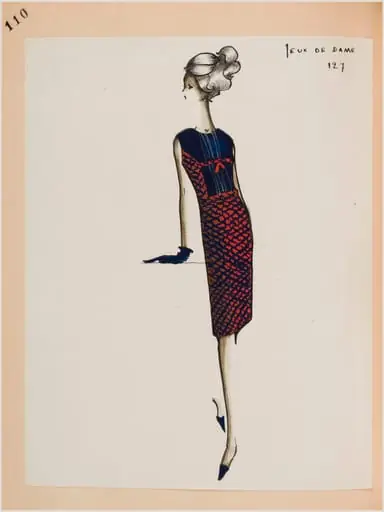 Jeux de dame
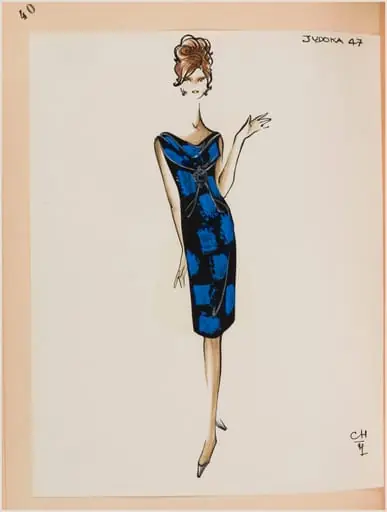 Judoka
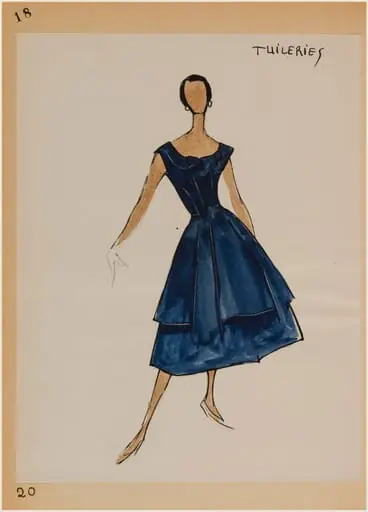 Tuileries
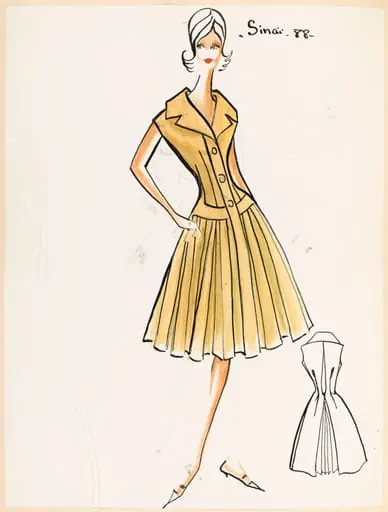 Sinaï
Sinaï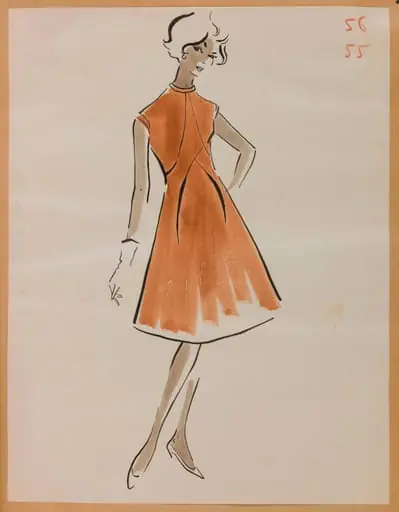 Robe sans manches rouille
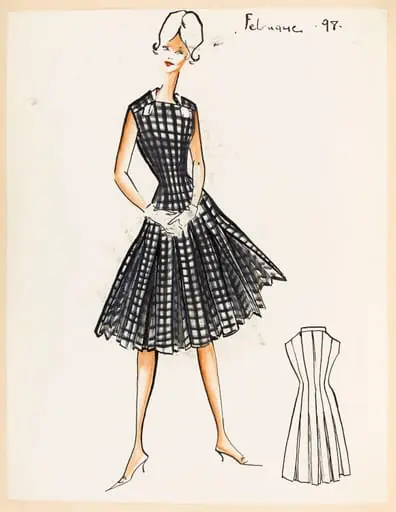 Felouque
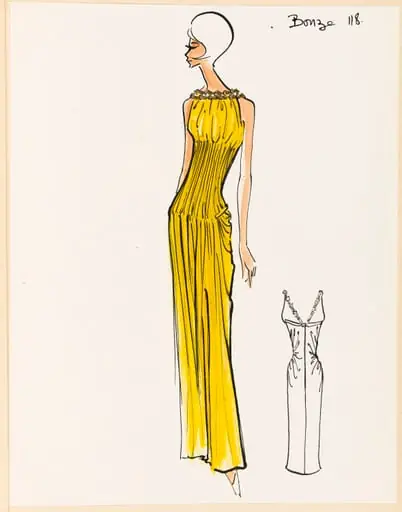 Bonze
Bonze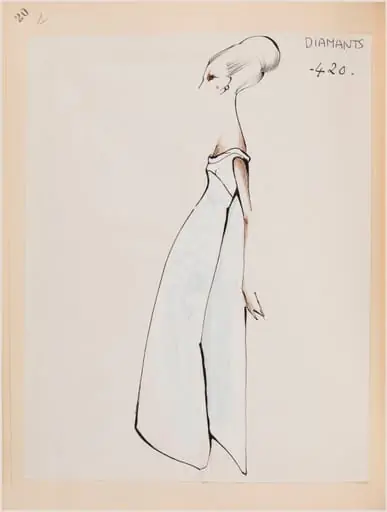 Diamants
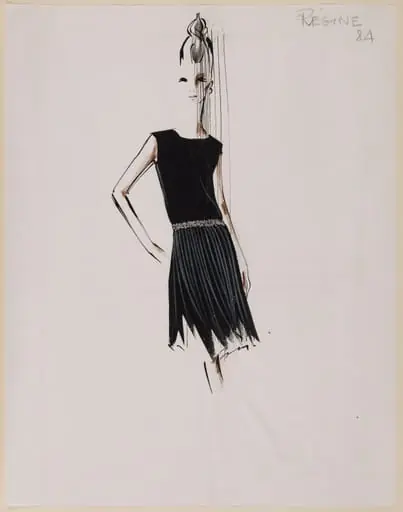 Régine
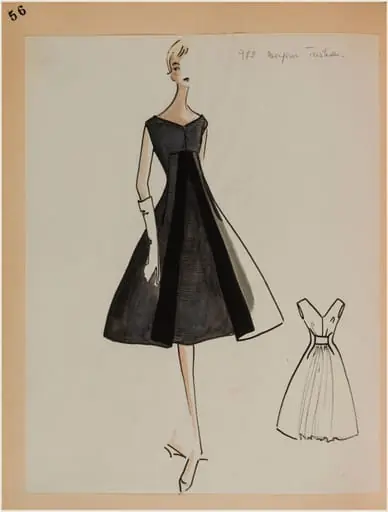 Bonjour tristesse
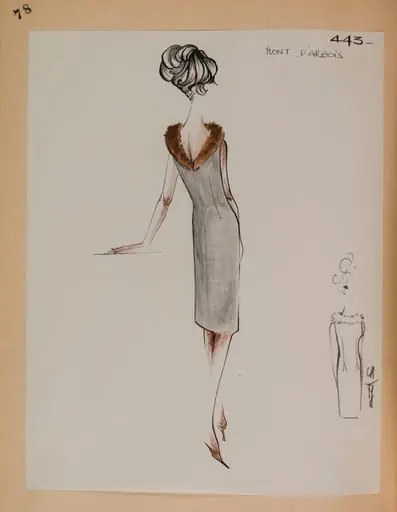 Mont d'Arbois
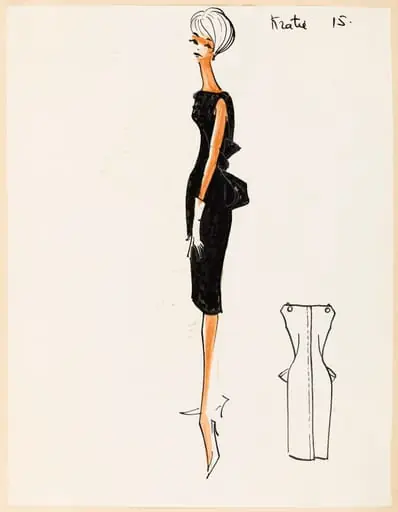 Kratie
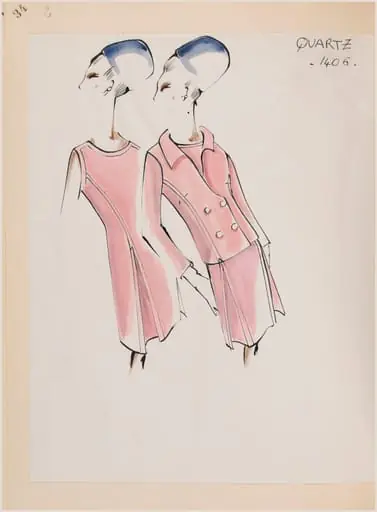 Quartz
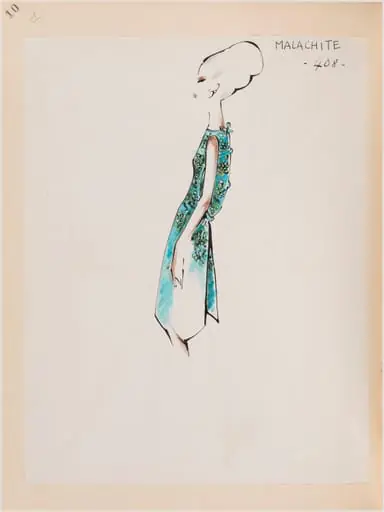 Malachite
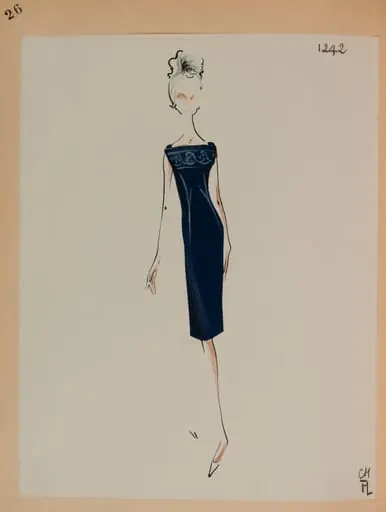 Robe sans manches bleu marine à motif sur la poitrine
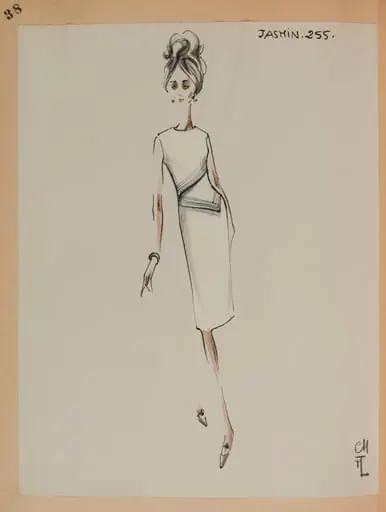 Jasmin
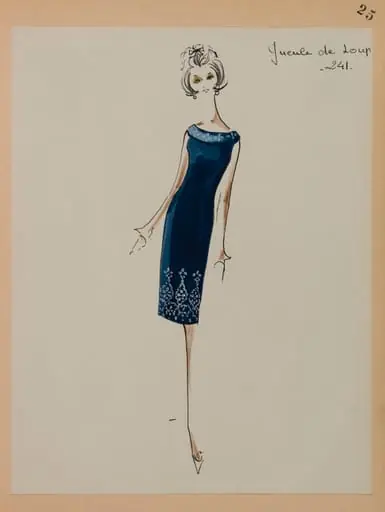 Gueule de loup
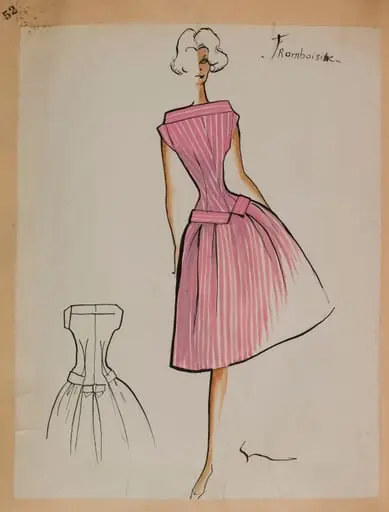 Framboisine
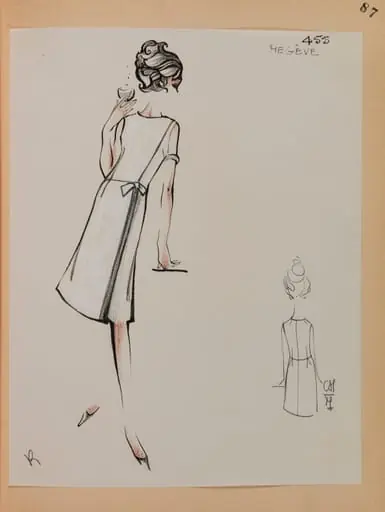 Megève
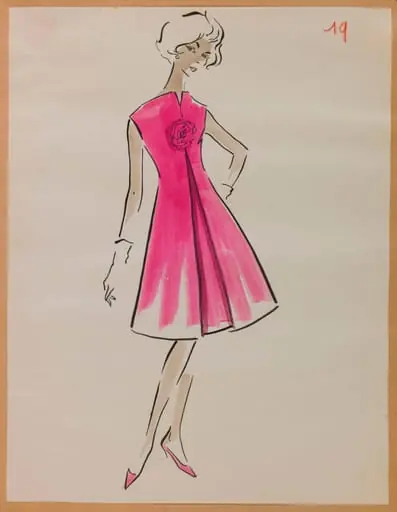 Robe sans manches rose
Frequently asked questions
What is Sleeveles?
Sleeveles is a subject in art. A sleeveless shirt, also known as a tank top, "wife beater", among other names, is a shirt that is manufactured without sleeves or with sleeves that have been cut off.
How many Sleeveles works does Artifact World Gallery have?
Artifact World Gallery holds 122 public-domain Sleeveles works, all free to view and download.
Who are the key Sleeveles artists?
Key Sleeveles artists in the collection include Count of St. Germain, Marie-Louise Carven and Carven.
Where can I see Sleeveles works?
Sleeveles works in the collection are held by Palais Galliera - Musée de la Mode de la Ville de Paris.