Artist
Subject
Swatch
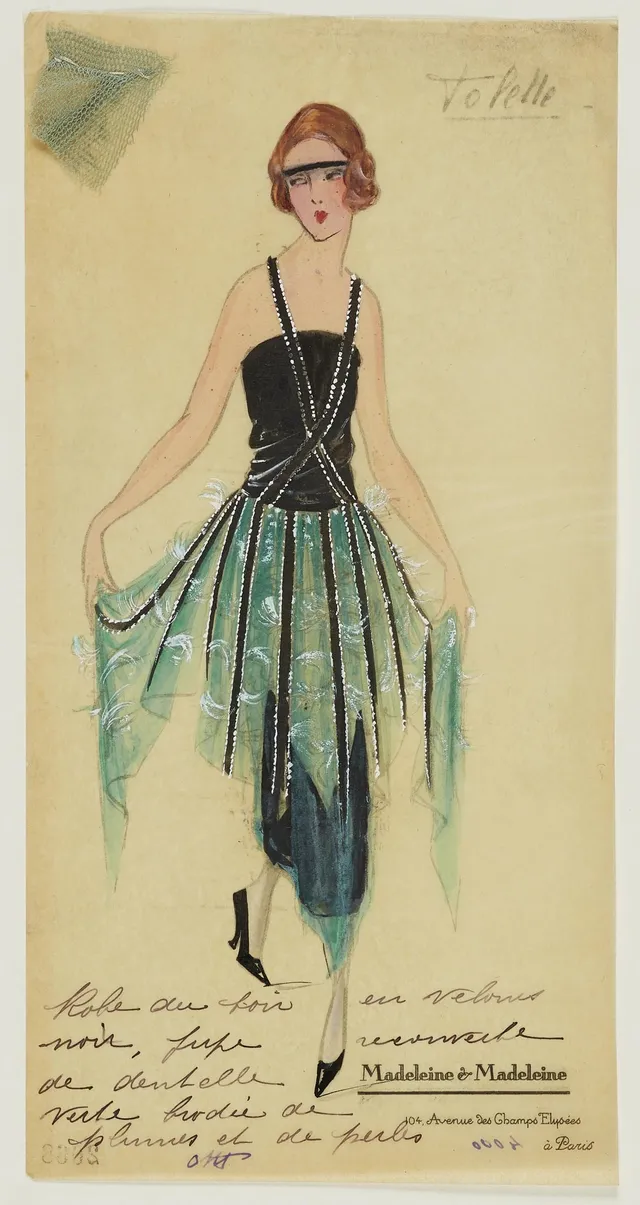
Swatch is a subject in art. The gallery holds 75 works in this subject in art, including works by Madeleine & Madeleine, Marie-Louise Carven and Carven.
A swatch is a small sample of cloth — snipped from an existing bolt or woven as a trial — that stands in for a larger whole, allowing colour, weave, and hand to be judged before a fabric is committed to production. As a subject in the visual arts it belongs to the long tradition of the textile sample book, which emerged in the eighteenth century as cloth manufacture grew commercial and merchants needed a portable way to show their wares. The form flourished during the Industrial Revolution: firms around Salford and Manchester produced volumes of printed cotton and calico samples between roughly 1769 and 1851, while the engraved copperplates and rollers patented in Britain in the last third of the eighteenth century made it possible to multiply intricate patterns at speed.
Visually, the swatch is defined by economy and seriality. Samples were trimmed to uniform rectangles and mounted in grids — grouped by fibre, colourway, or pattern so a buyer could compare them at a glance — turning the page into an abstract field of repeating motifs. A small cutting taken from finished cloth is properly the swatch; the larger test runs made to verify a printing or dyeing method are called strike-offs. Pinholes, ink registration marks, handwritten reference numbers, and price annotations are the characteristic traces of the working object.
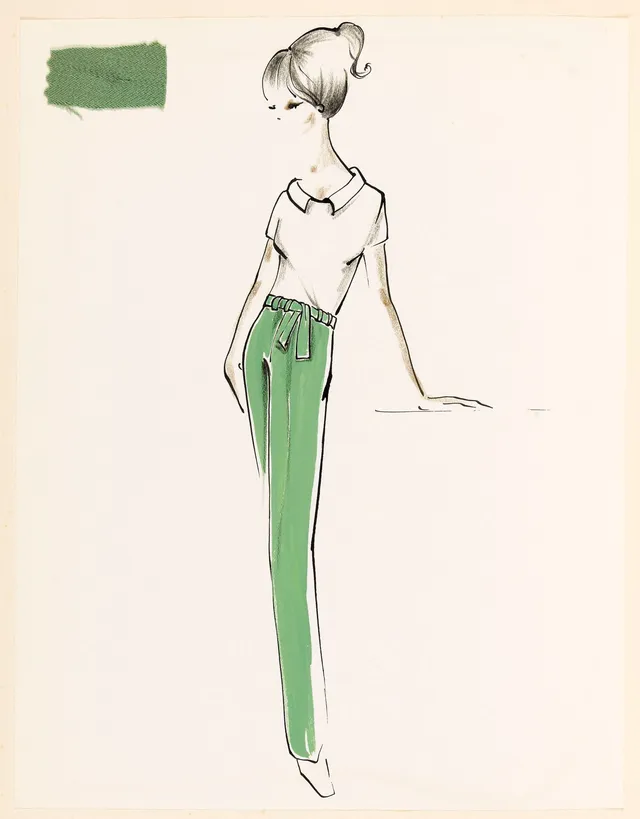
In haute couture the swatch is the germ of every garment, and the great Parisian houses kept lavish fabric libraries; the firm Nattier compiled multi-volume swatch sets for designers including Coco Chanel and Yves Saint Laurent. The same material sensibility underlies the couture works held in this collection. Madeleine et Madeleine, founded in post-war Paris in 1919, produced the models recorded here as Jeunette, Simplette, Folette, Phut, and the Robe d'organdi — the last named for the crisp sheer cotton organdy from which it was cut. Marie-Louise Carven (born Carmen de Tommaso, 1909–2015), who opened her house in 1945, built her reputation on lightweight fabrics such as lace and gingham, evident in the white short-sleeved blouse and belted green trousers also catalogued here.
The swatch's logic — standardised samples arrayed for comparison — outlived its commercial origins to shape modern design culture, from paint and architectural sample cards to the Pantone colour systems that codify hue for industry. Surviving sample books are now prized by museums and collectors as primary documents of taste, technology, and trade, and the swatch sits alongside the fashion plate and the costume design as one of the visual forms through which the art of dress is studied and preserved.
Key artists

Works
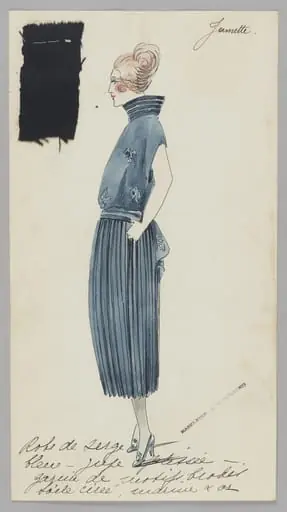 Jeunette
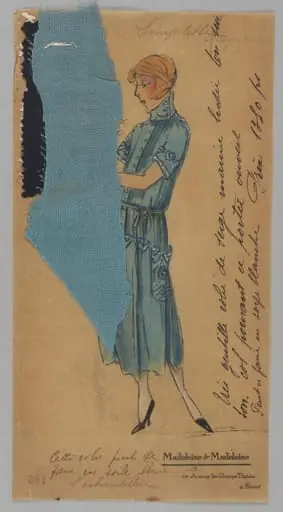 Simplette
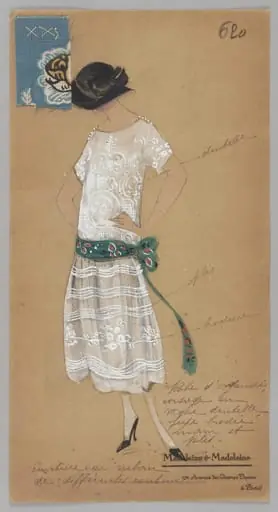 620
620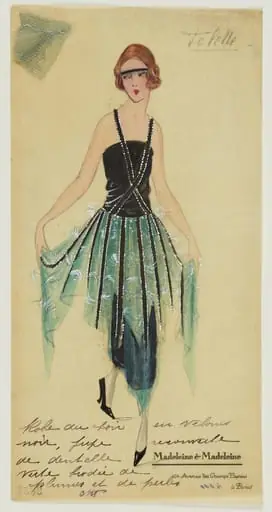 Folette
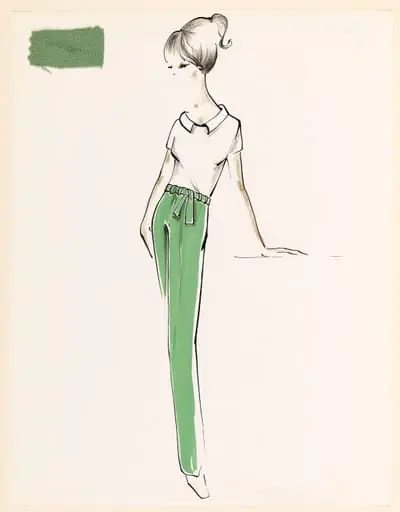 Haut blanc à manches courtes et pantalon vert à ceinture nouée
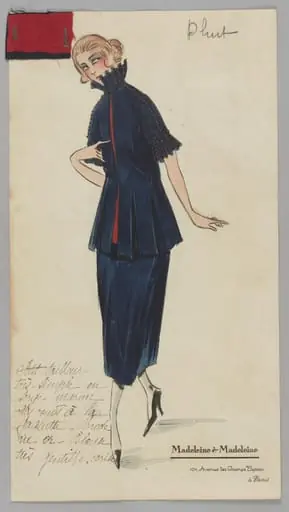 Phut
Phut Empire
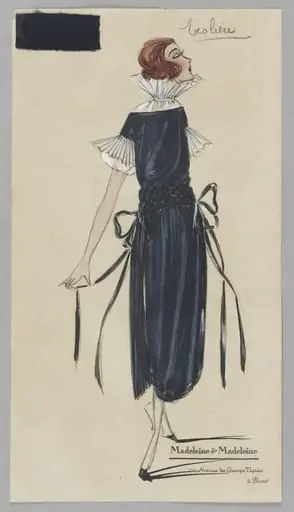 Ecolière
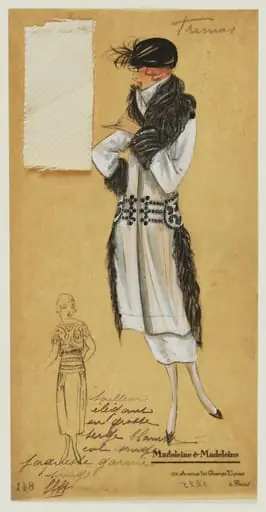 Trema
Trema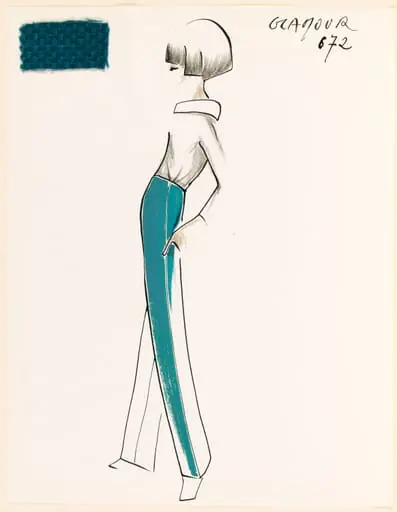 GLAMOUR
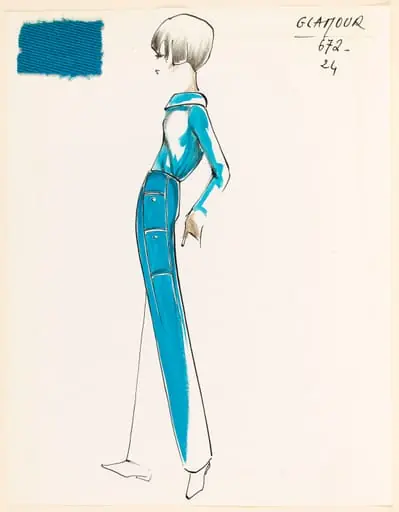 Glamour
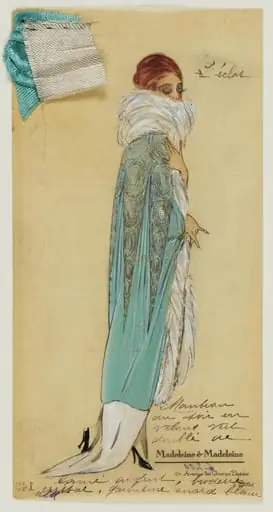 L'éclat
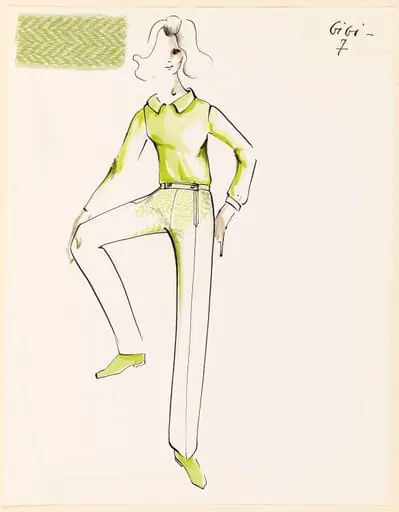 Gigi
Gigi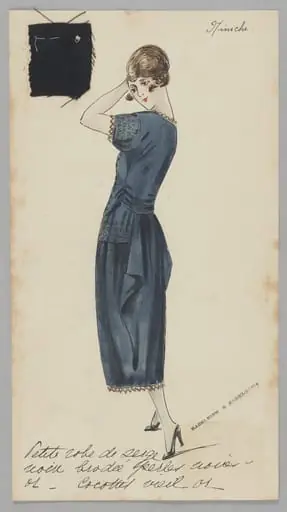 Miniche
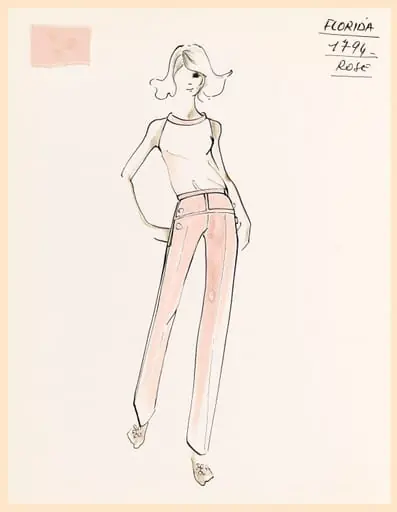 Florida
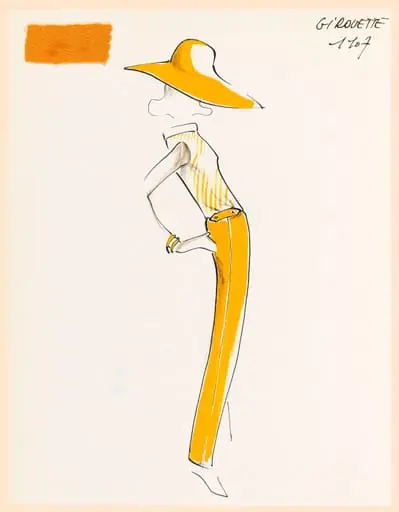 Girouette
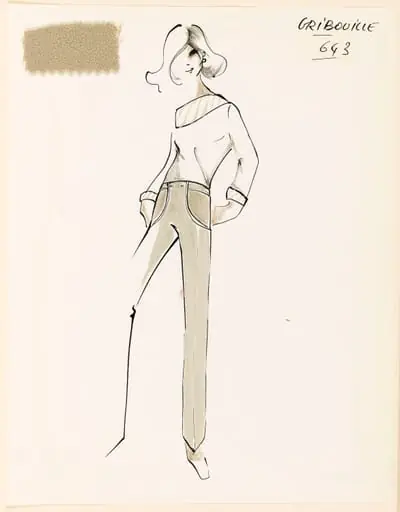 Gribouille
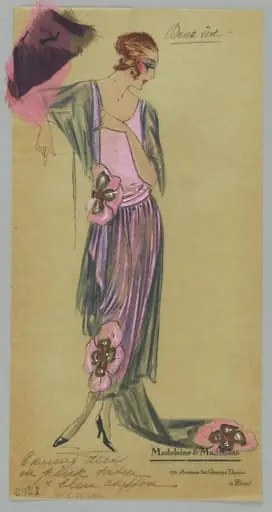 Doux rêve
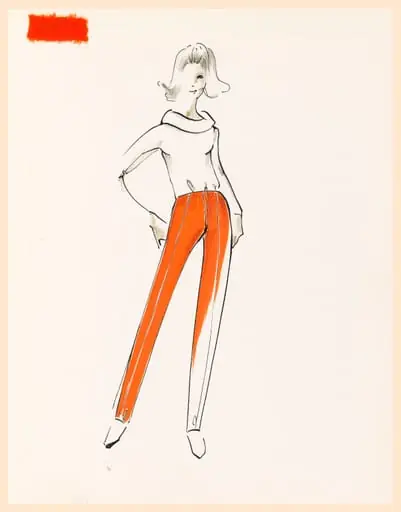 Pull-over à manches longues et à encolure épaisse et pantalon orange
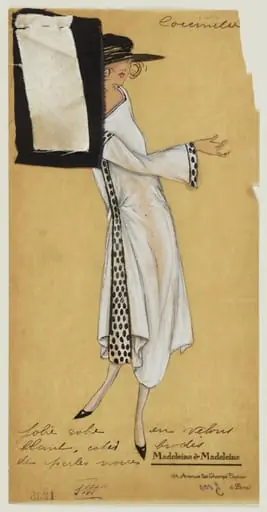 Coccinelle
 Edith
Edith Chloé
Chloé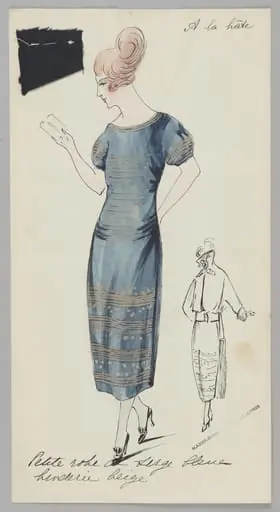 A la hâte
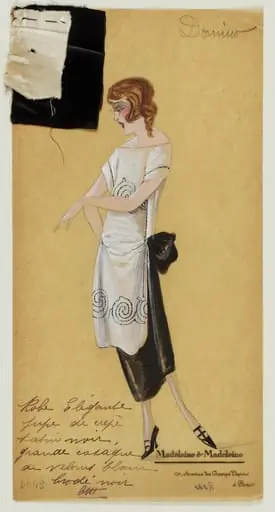 Domino
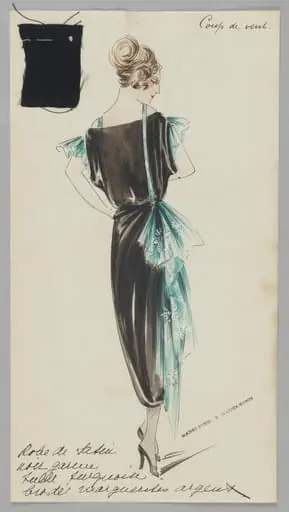 Coup de vent
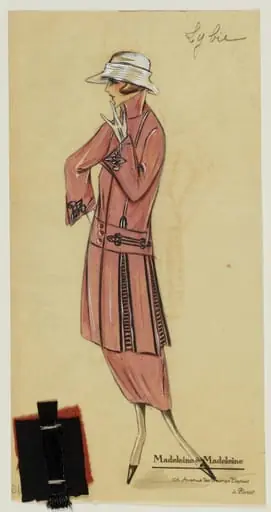 Lybie
Lybie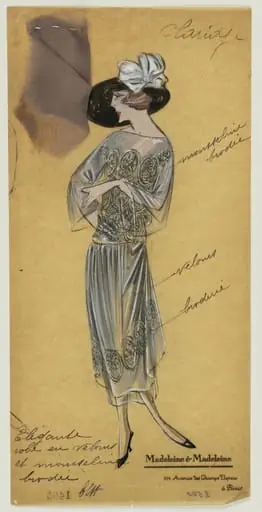 Claridge
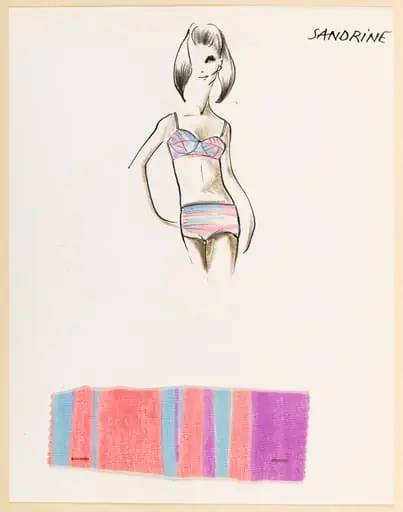 Sandrine
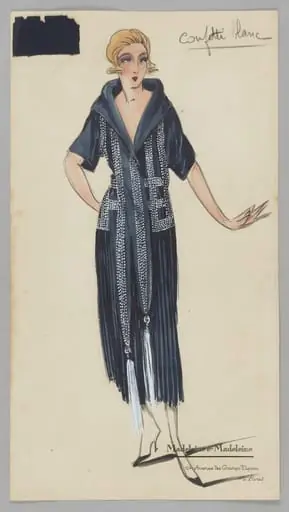 Confetti blanc
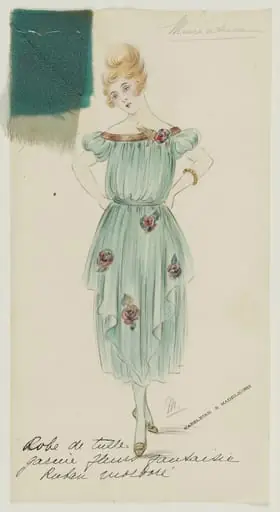 Miniature
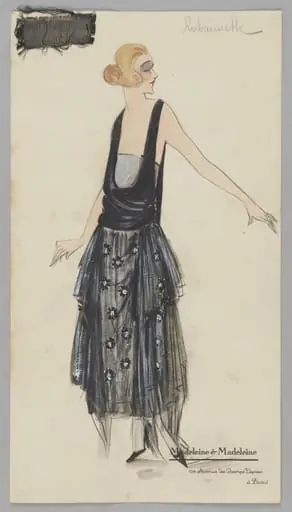 Rubannette
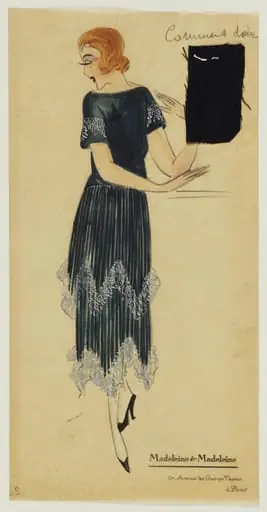 Comment donc
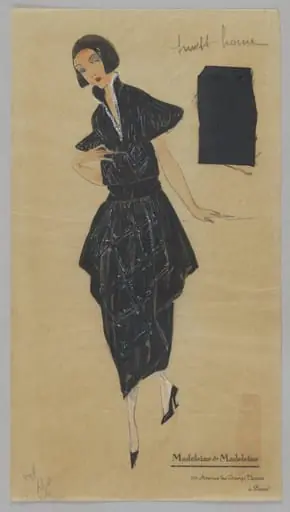 Sweet home
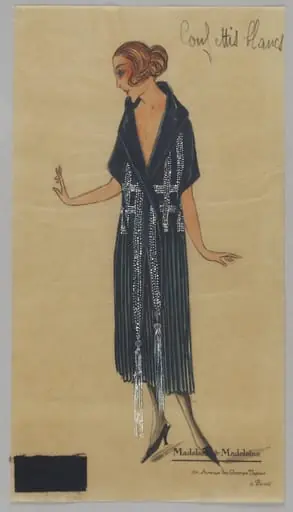 Confettis blancs
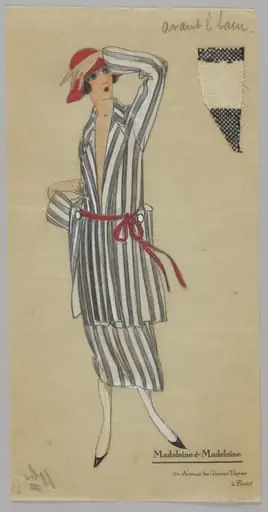 Avant le bain
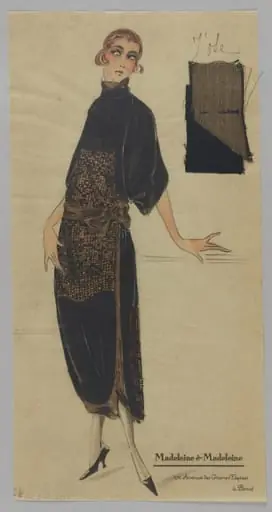 J'ose
J'ose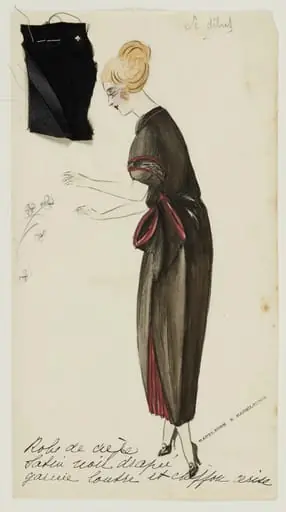 Le début
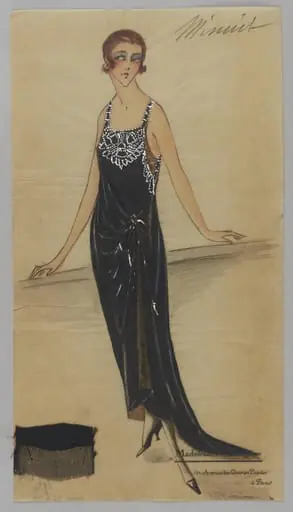 Minuit
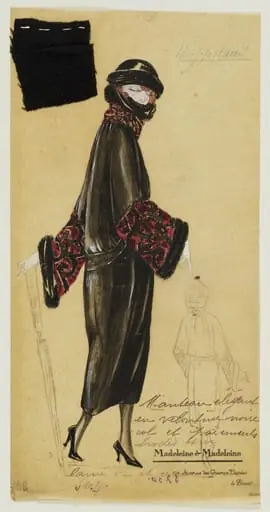 Ensemble de modèles de la collection
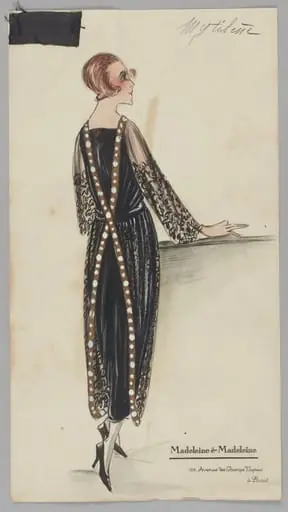 Mytilène
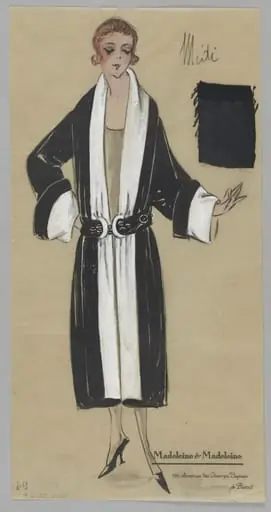 Midi
Midi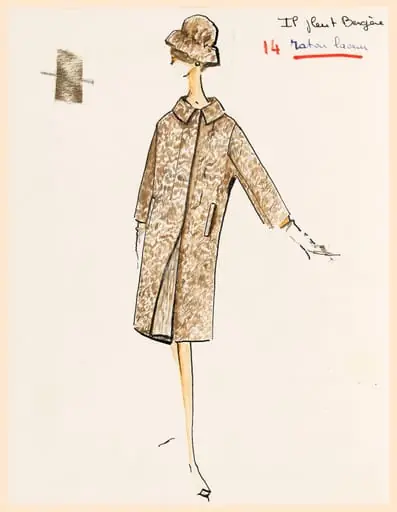 Il pleut bergère - raton laveur
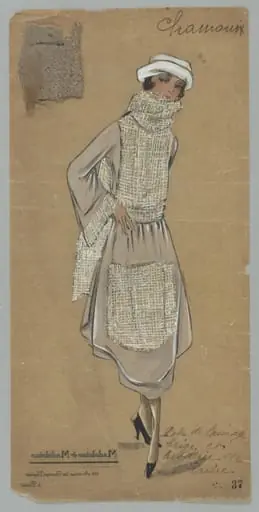 Chamonix
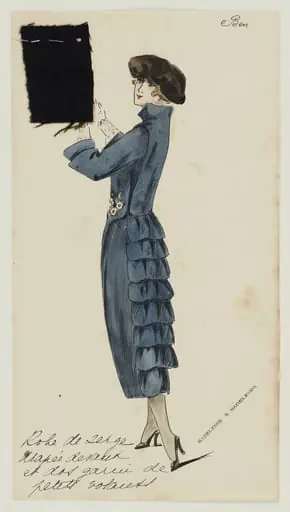 Ben
Ben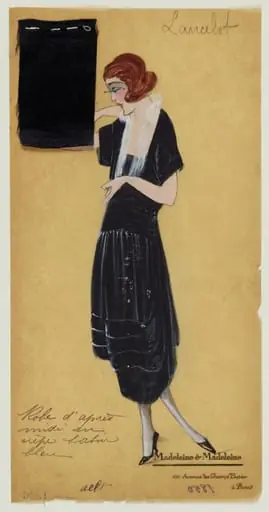 Lancelot
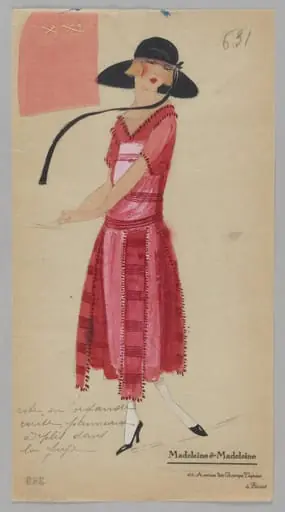 631
631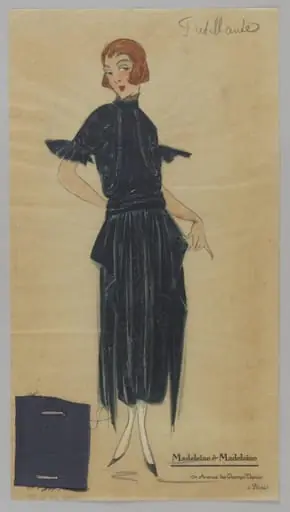 Fretillante
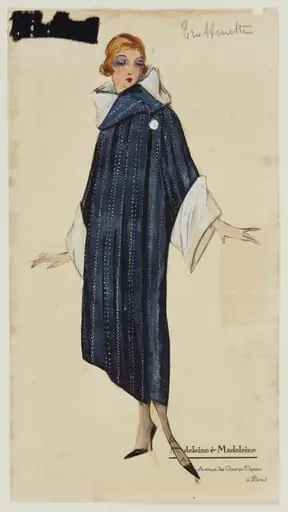 Trotinette
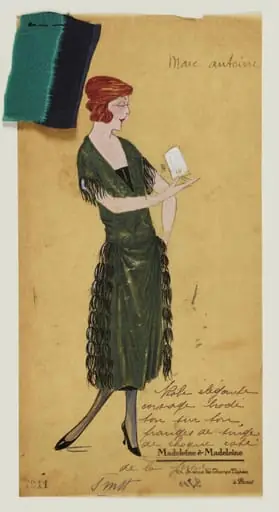 Marc antoine
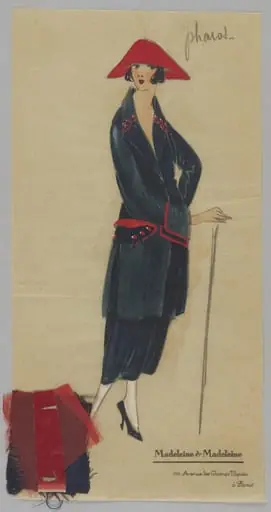 Pharos
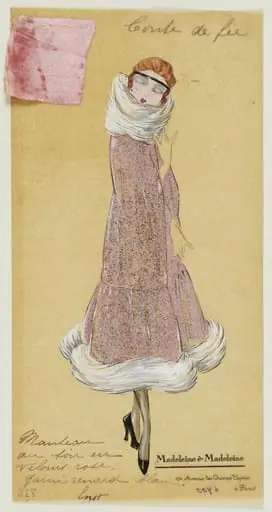 Conte de fée
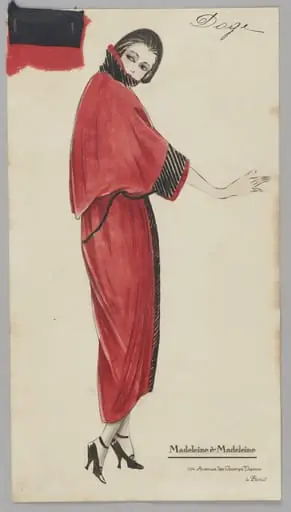 Doge
Doge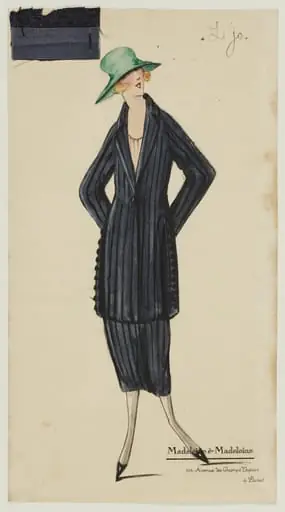 D'jo
D'jo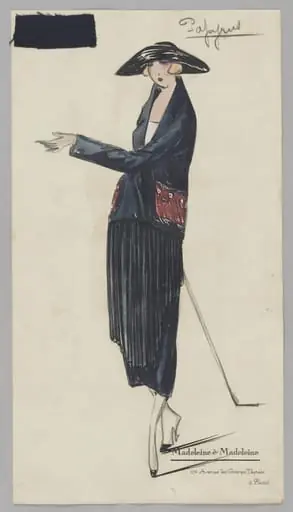 Papyrus
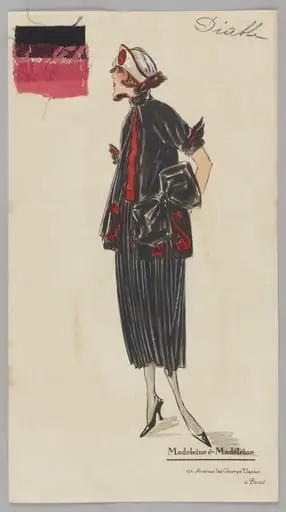 Diable
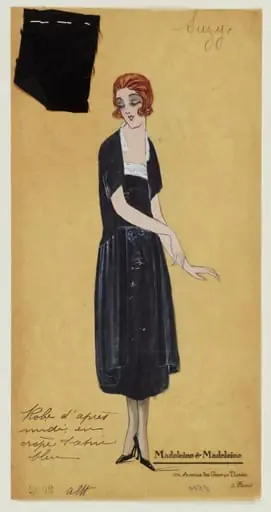 Suzy
Suzy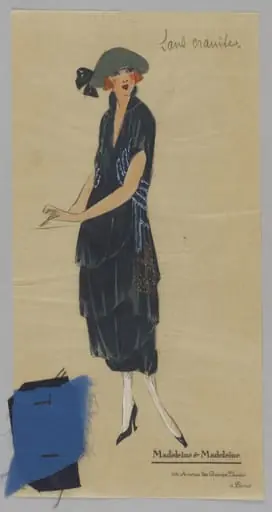 Sans craintes
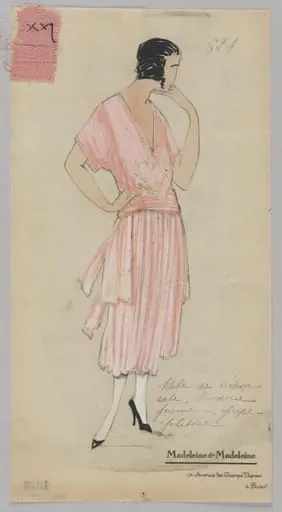 691
691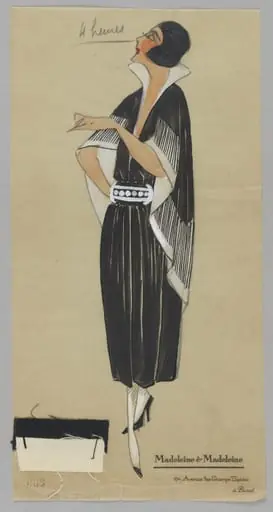 4 heures
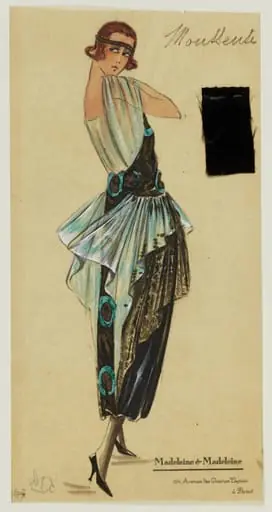 Mousseuse
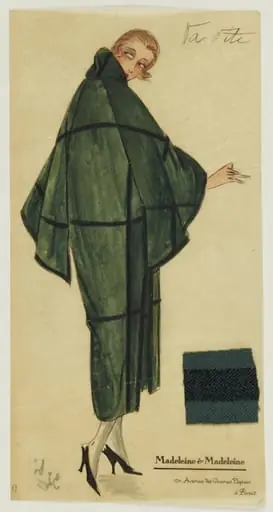 Va vite
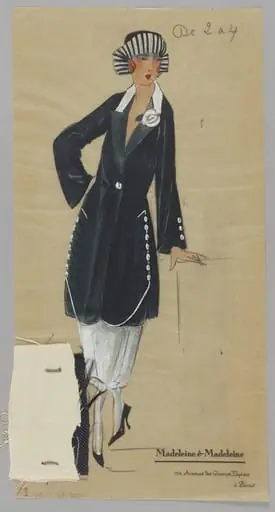 De 2 a 4
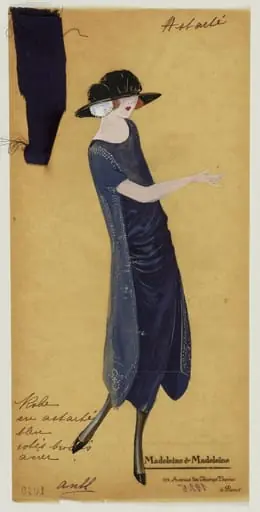 Astarté
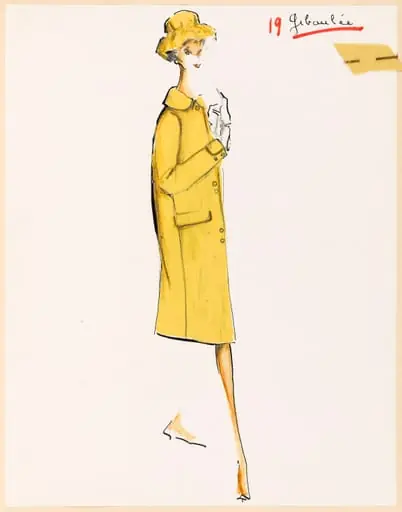 Giboulée
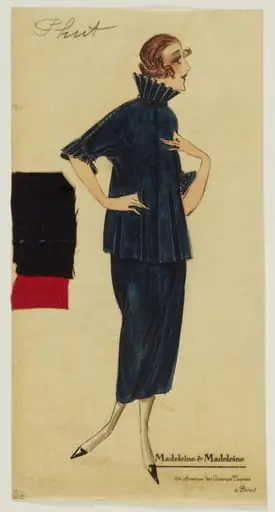 Phut
Phut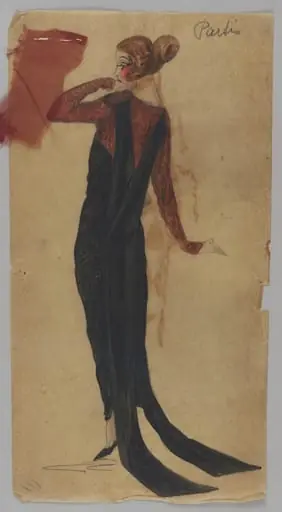 Partie
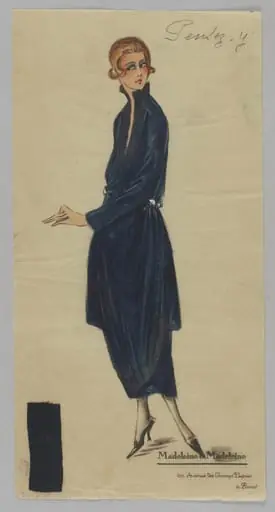 Pensez-y
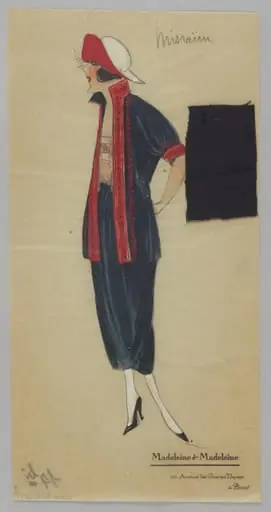 Misraïm
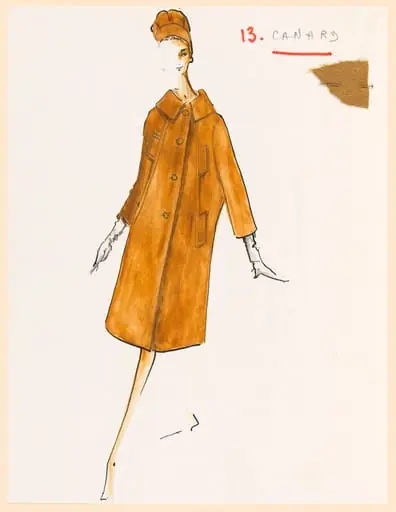 Canard
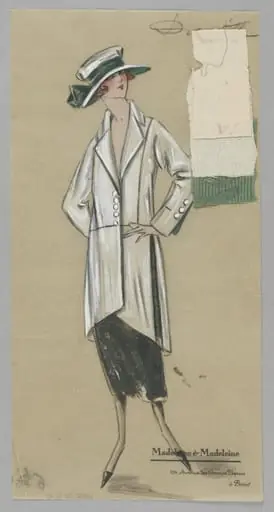 Deauville
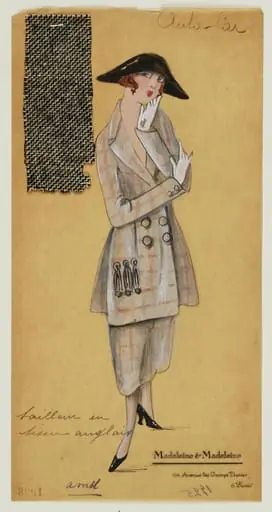 Auto-Car
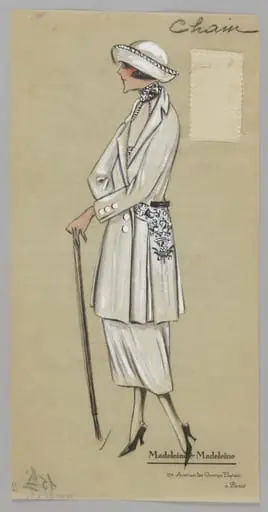 Chaim
Chaim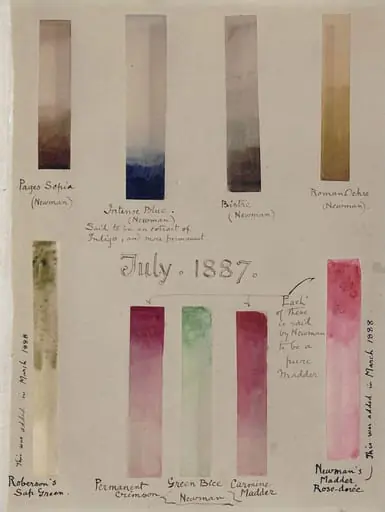 Specimens of watercolours painted to test the stability of the pigments
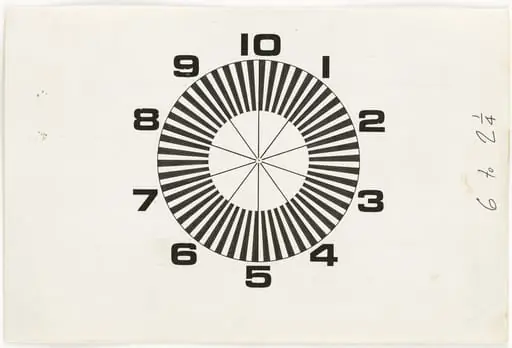 Untitled
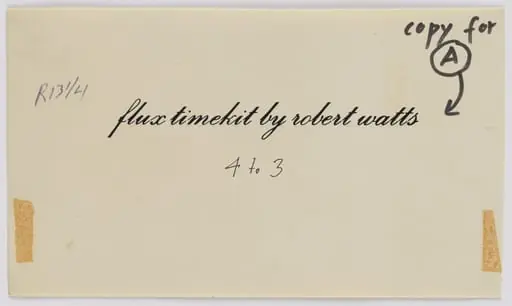 Untitled
Frequently asked questions
What is Swatch?
Swatch is a Swiss watch company founded in 1983 by Ernst Thomke, Elmar Mock, and Jacques Müller.
How many Swatch works does Artifact World Gallery have?
Artifact World Gallery holds 75 public-domain Swatch works, all free to view and download.
Who are the key Swatch artists?
Key Swatch artists in the collection include Madeleine & Madeleine, Marie-Louise Carven and Carven.
Where can I see Swatch works?
Swatch works in the collection are held by Palais Galliera - Musée de la Mode de la Ville de Paris, Museum of Modern Art and Victoria and Albert Museum.