Artist
Subject
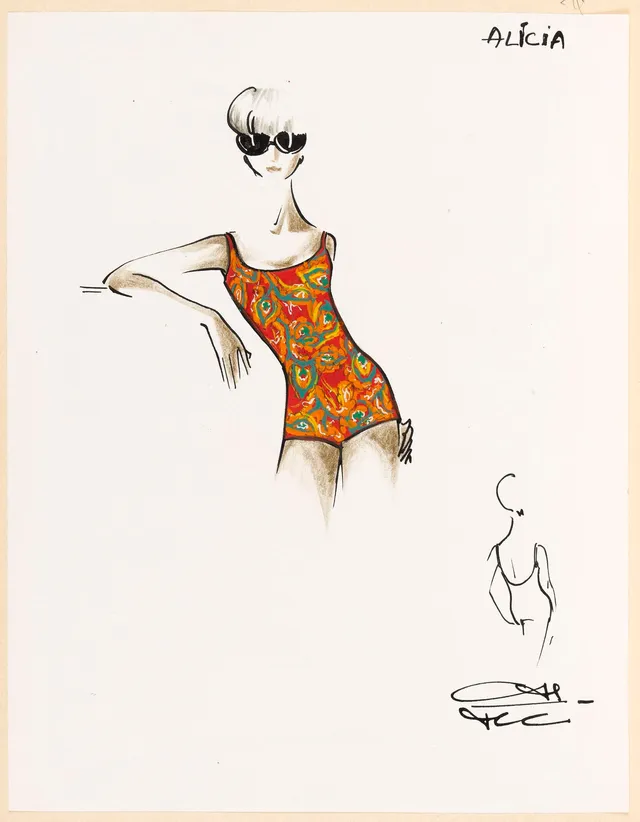
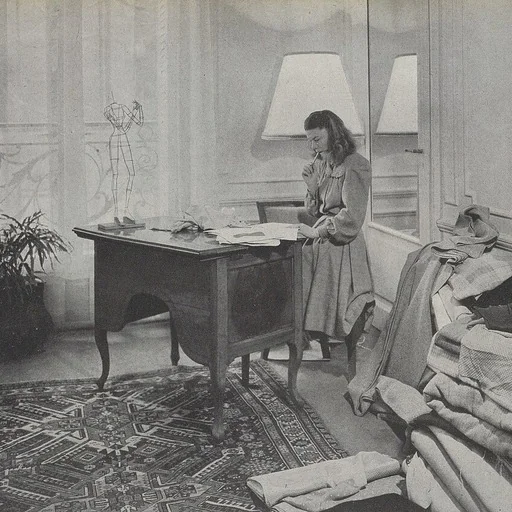
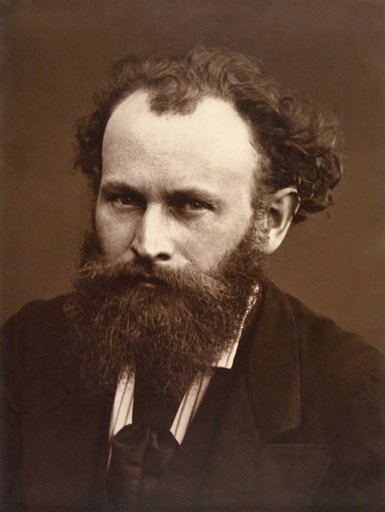
Breech is a subject in art. The gallery holds 73 works in this subject in art, including works by Édouard Manet, Count of St. Germain and Marie-Louise Carven.
In the vocabulary of Western dress and the art that records it, "breech" denotes breeches: the close-fitting, bifurcated male garment covering the body from waist to knee. From the sixteenth through the eighteenth century, breeches were the standard lower garment for European and American men, and they are accordingly ubiquitous in the portraiture and genre painting of those years. Cut to fasten with a buckle or band at or just below the knee—flared at the thigh when intended for riding—they were worn with stockings and, for the wealthy, rendered in silk, velvet, or fine wool whose sheen painters exploited to signal rank. A short-lived but vivid variant, the voluminous, skirt-like petticoat breeches, was fashionable among Western European men in the 1650s and early 1660s.
As a pictorial subject, breeches are less a movement than a recurring index of period, status, and gender. Court portraitists such as Anthony van Dyck and Diego Velázquez documented the garment in its most sumptuous forms, where the play of light across taut fabric became a vehicle for displaying both wealth and the painter's skill. The same garment defines specialized costume: the matador's tight knee breeches, the taleguilla of the traje de luces, are central to Édouard Manet's The Dead Toreador (c. 1864), held in this collection—a Spanish subject through which Manet absorbed the bold tonal contrasts of Velázquez.
Breeches also organize one of the most poignant conventions of family portraiture. Until breeching—the rite at which a boy, having worn gowns since infancy, was first put into breeches, usually between the ages of two and eight—children of both sexes appeared in skirts. Commissioned portraits frequently commemorate this passage, the new breeches marking a boy's entry into the "age of reason."
The garment's decline carried political weight. As tailcoats lengthened in the 1790s, breeches gave way to ankle-length pantaloons and trousers; in Revolutionary France, knee breeches read as aristocratic, and radicals proudly called themselves sans-culottes—"without breeches." By the early nineteenth century the garment had retreated to ceremonial and court use, where it survives still.
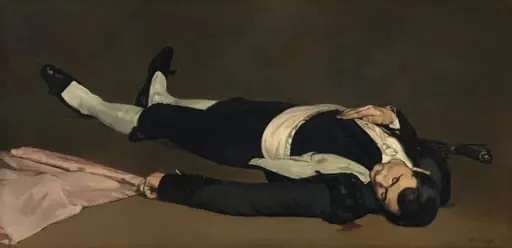 The Dead Toreador
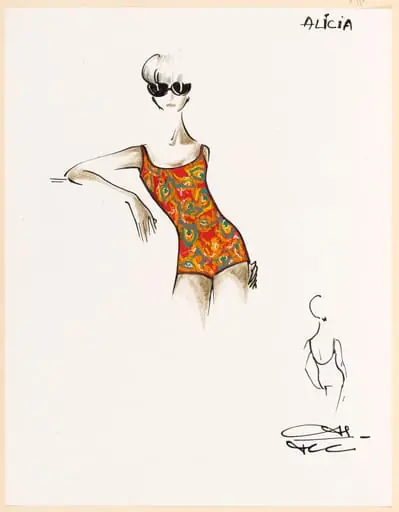 Alicia
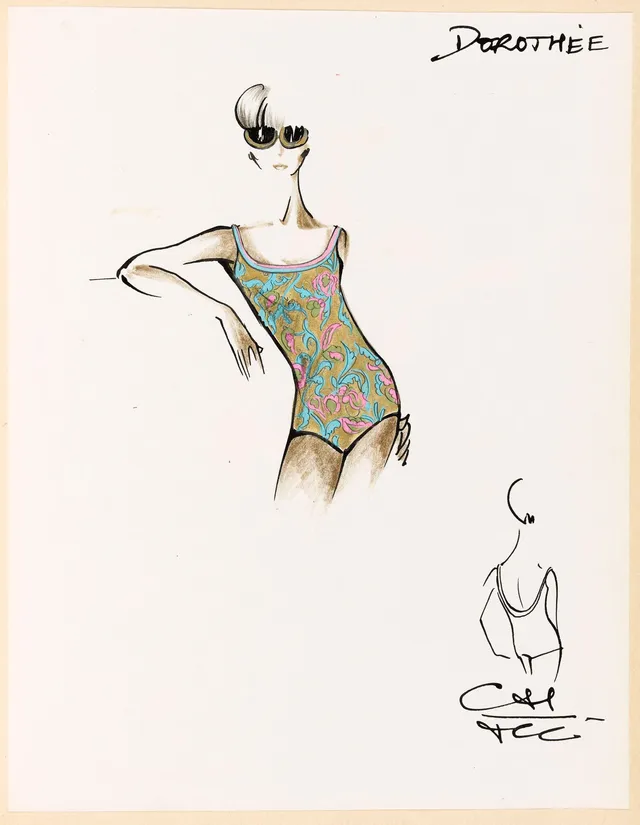
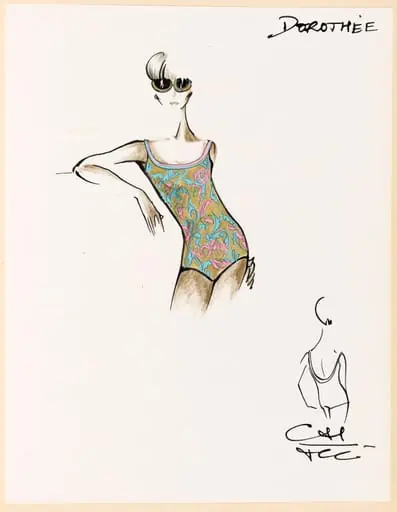 Dorothée
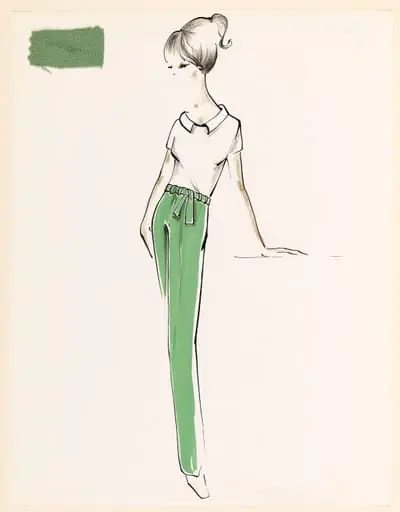 Haut blanc à manches courtes et pantalon vert à ceinture nouée
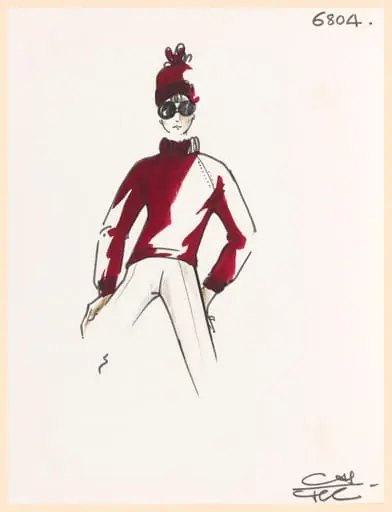 Pull-over à manches longues pourpre, bonnet assorti, pantalon et lunettes de soleil
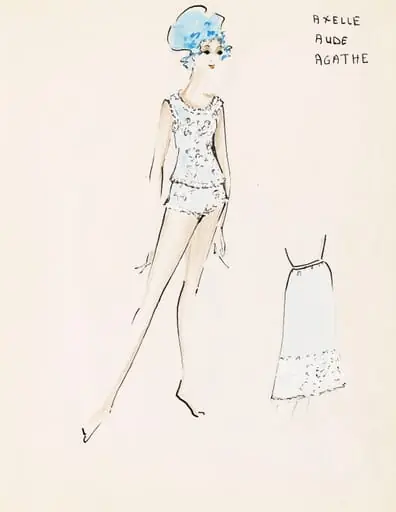 Axelle Aude Agathe
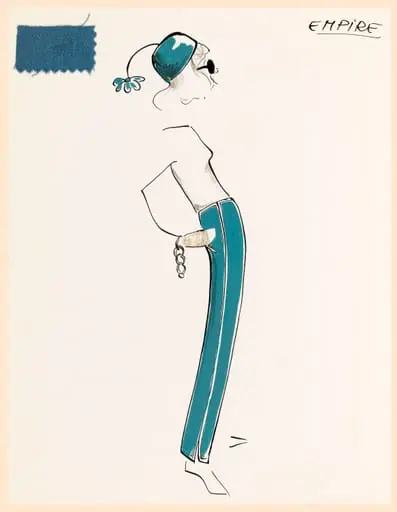 Empire
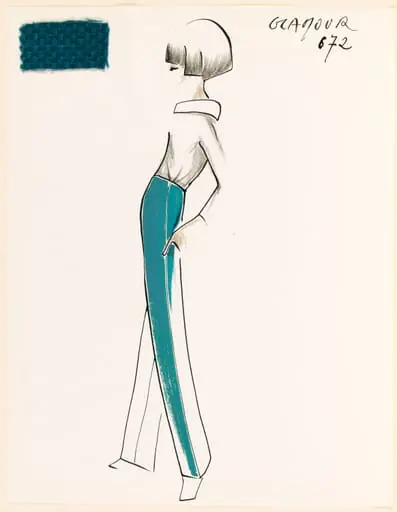 GLAMOUR
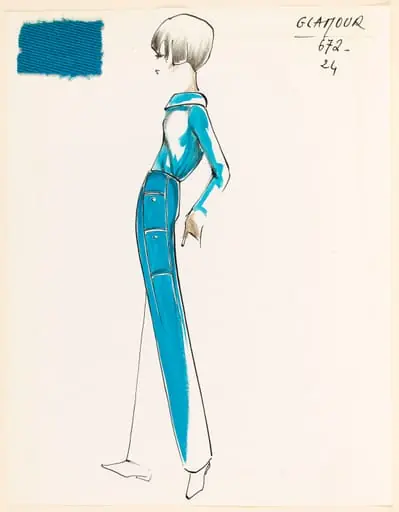 Glamour
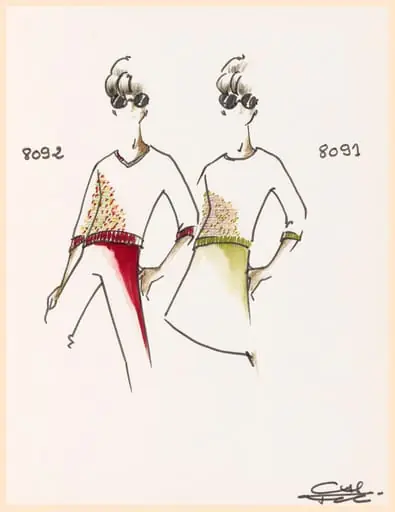 Pull-over à manches trois quarts et à encolure V à motifs multicolores, pantalon cerise et lunettes de soleil
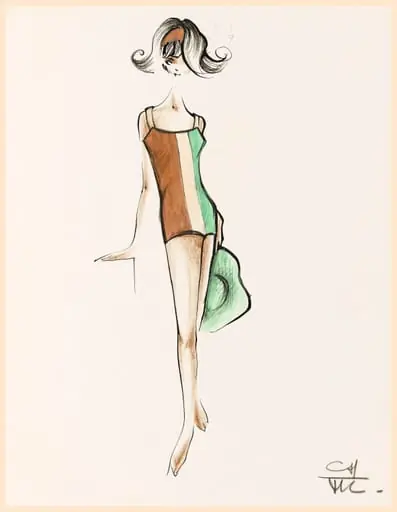 Sans titre
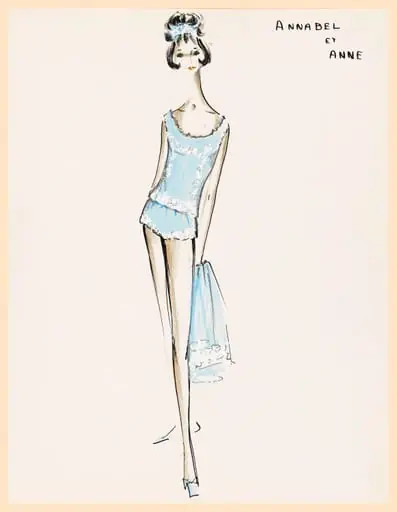 Annabel et Anne
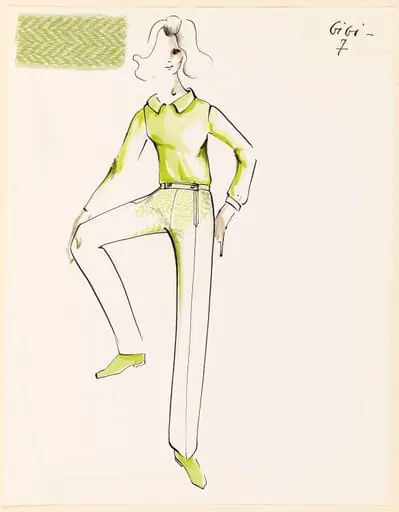 Gigi
Gigi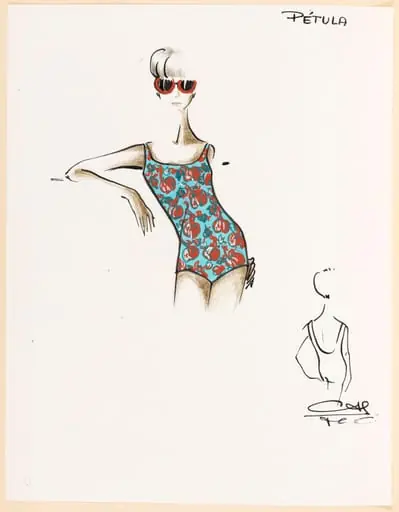 Pétula
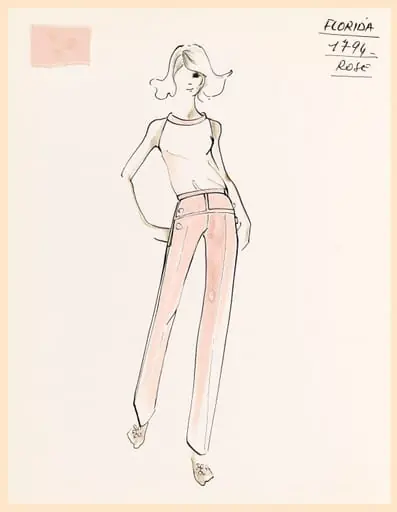 Florida
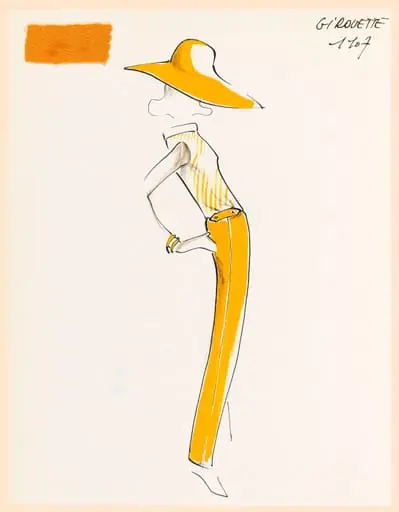 Girouette
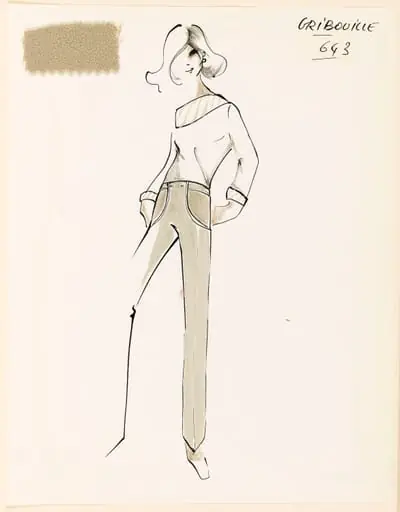 Gribouille
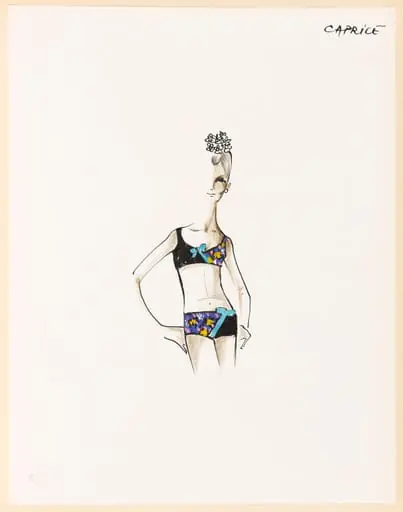 Caprice
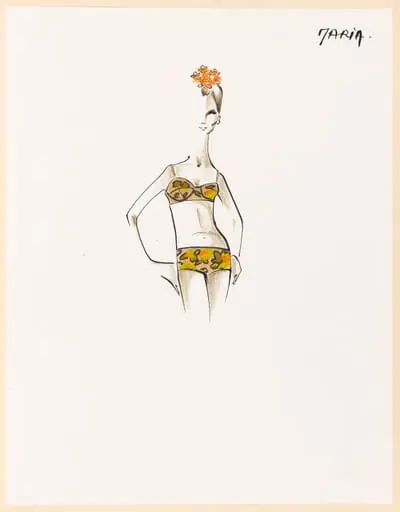 Maria
Maria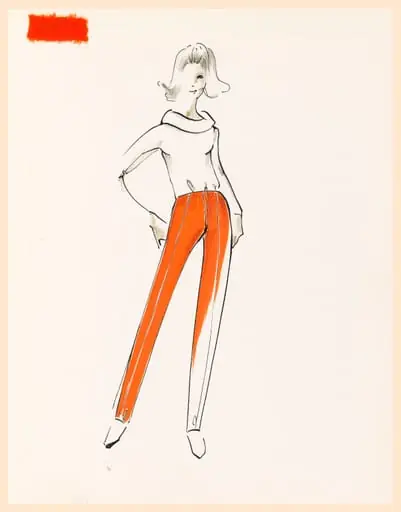 Pull-over à manches longues et à encolure épaisse et pantalon orange
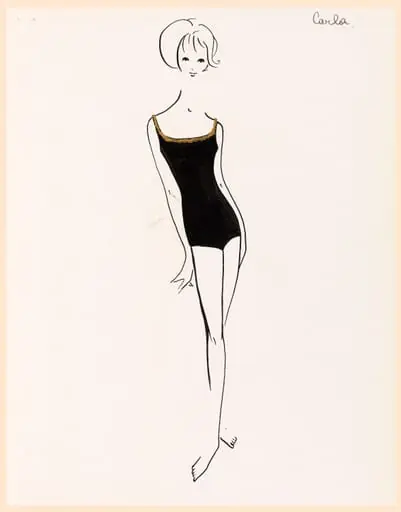 Carla
Carla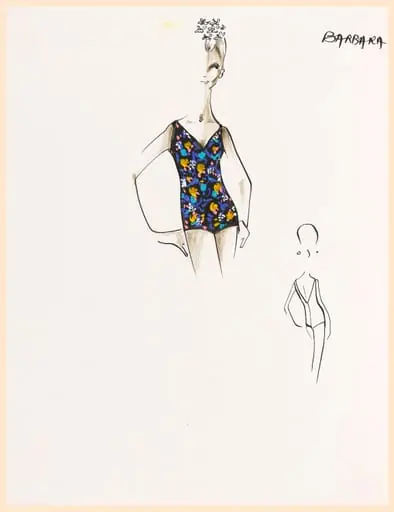 Barbara
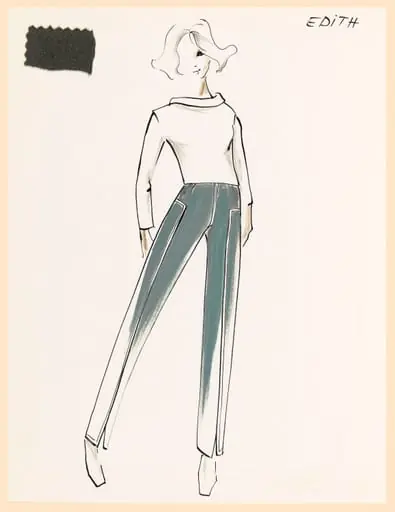 Edith
Edith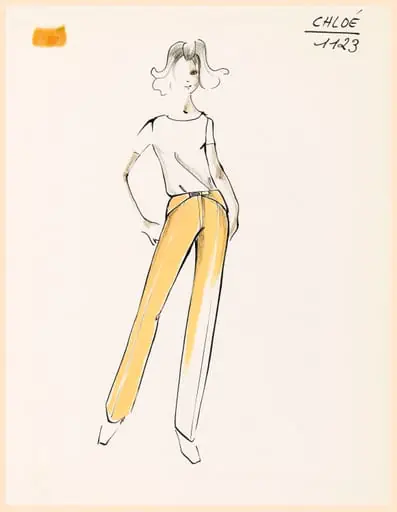 Chloé
Chloé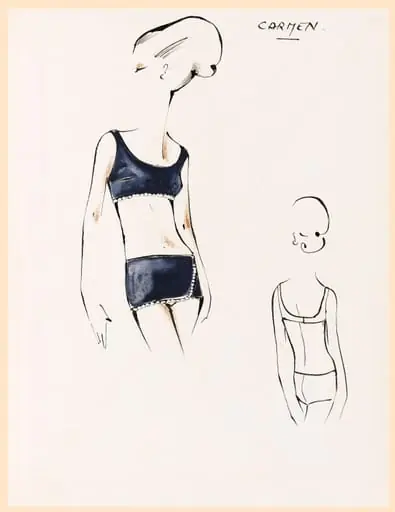 Carmen
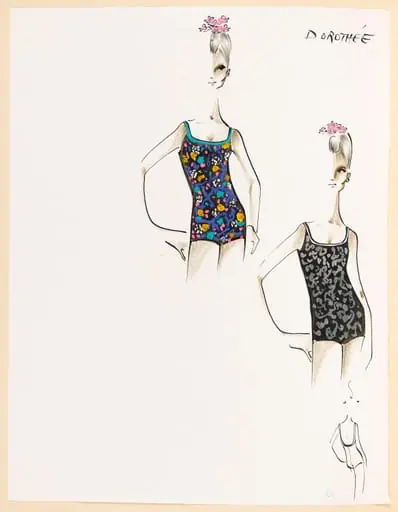 Dorothée
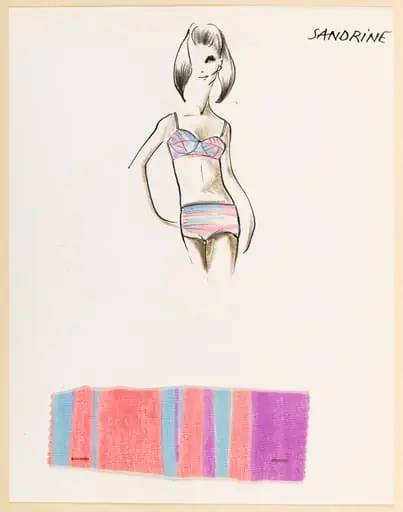 Sandrine
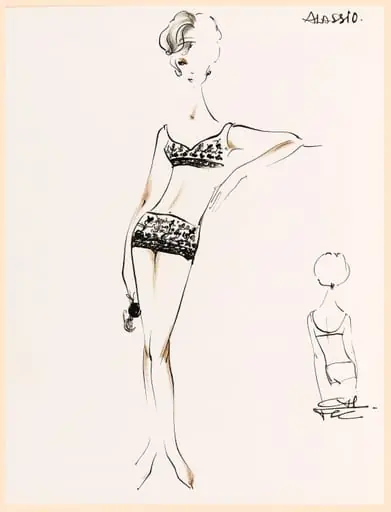 Alassio
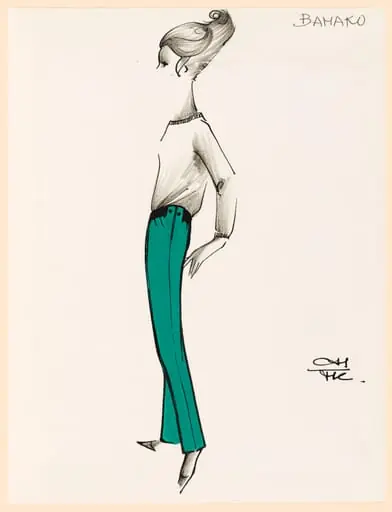 Bamako
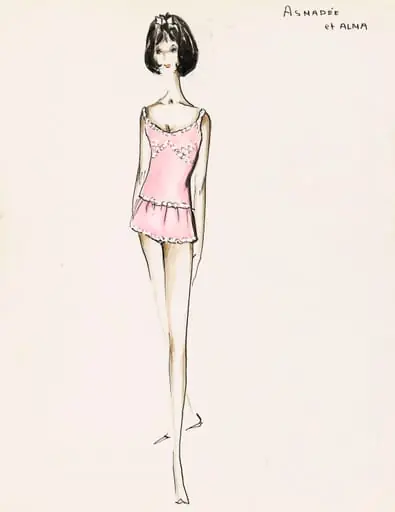 Asmadée et Alma
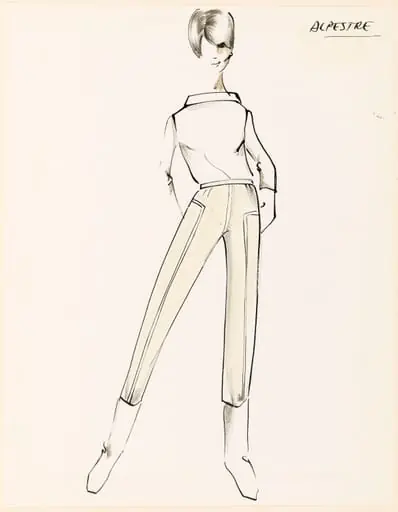 Alpestre
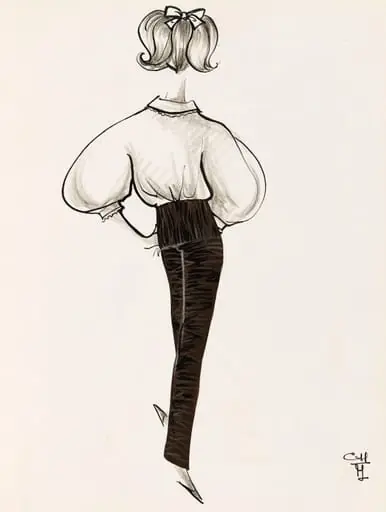 Pantalon marron à large ceinture
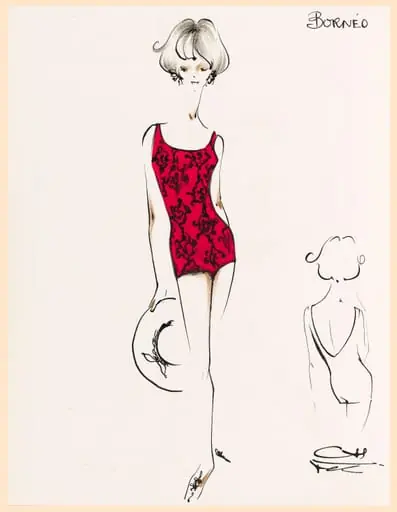 Bornéo
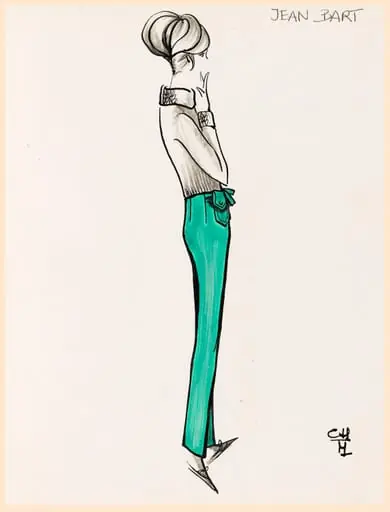 Jan Bart
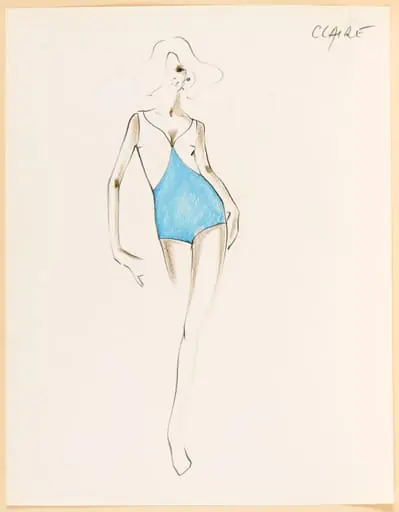 Claire
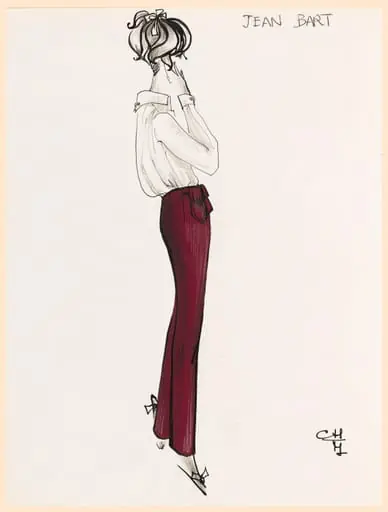 Jean Bart
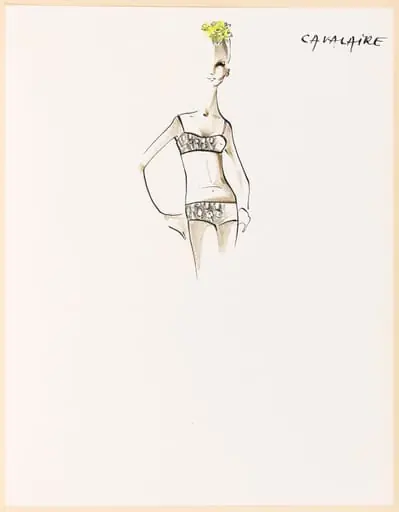 Cavalaire
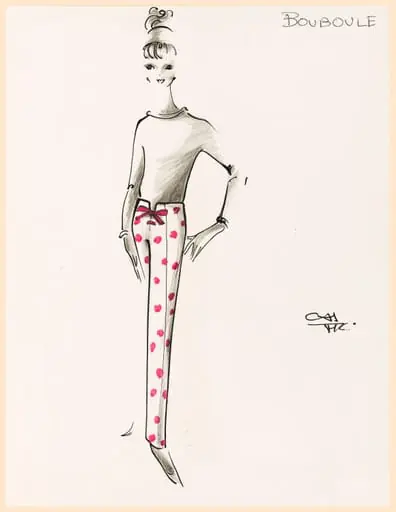 Bouboule
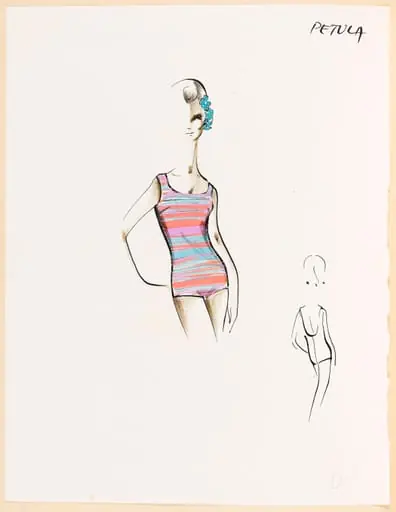 Pétula
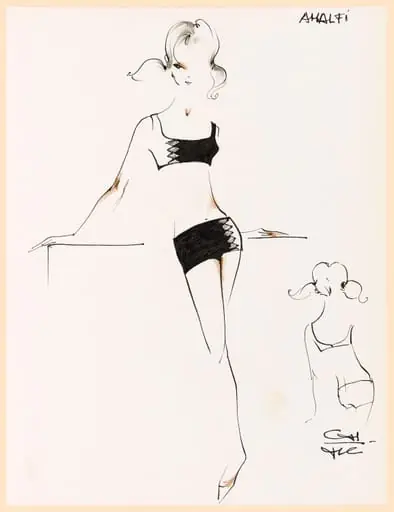 Amalfi
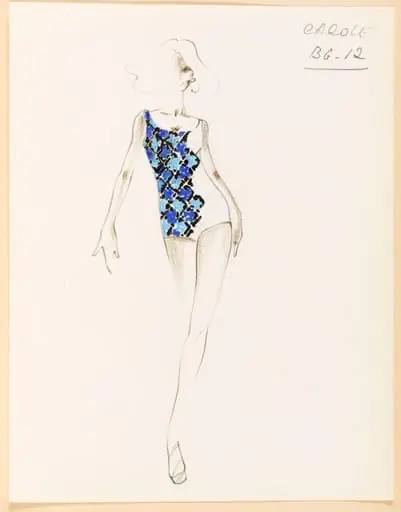 Carole
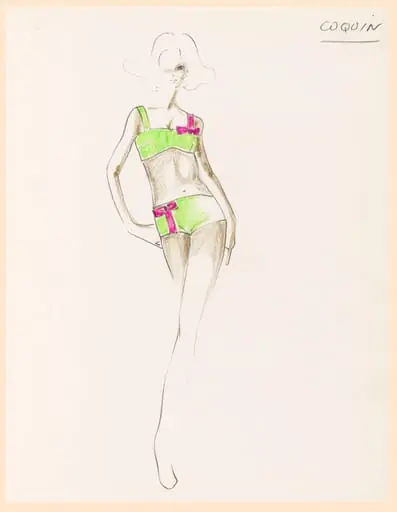 Coquin
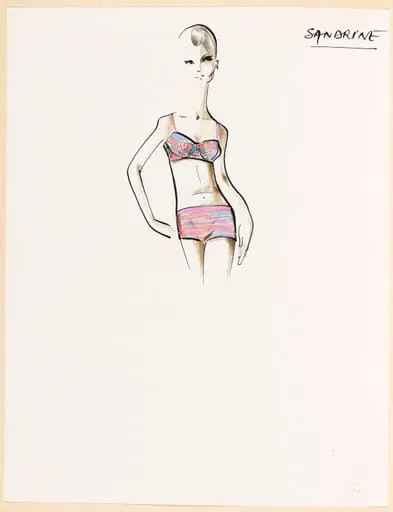 Sandrine
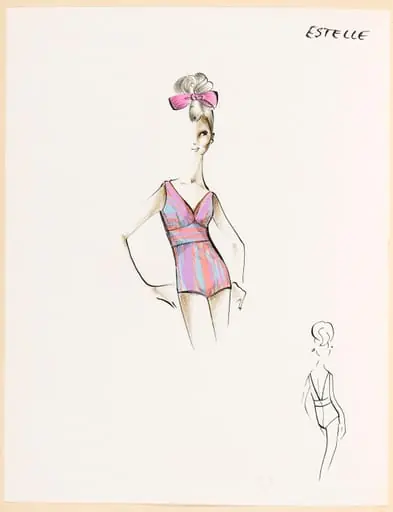 Estelle
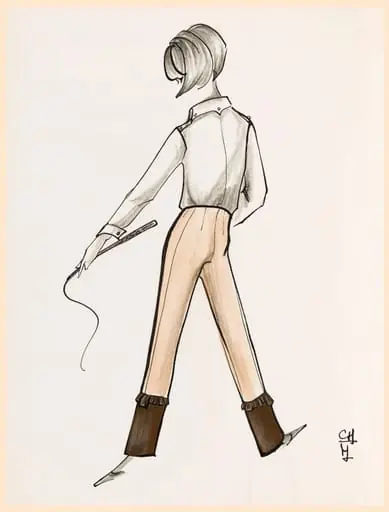 Pantalon rose et bas de la jambe marron
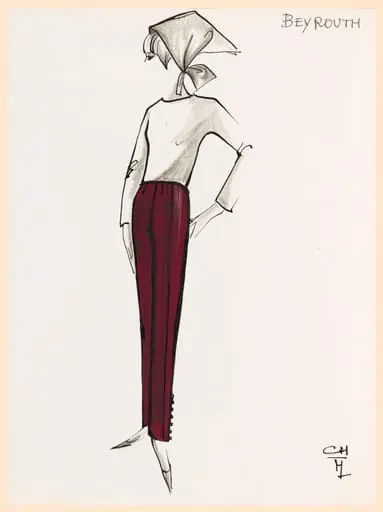 Beyrouth
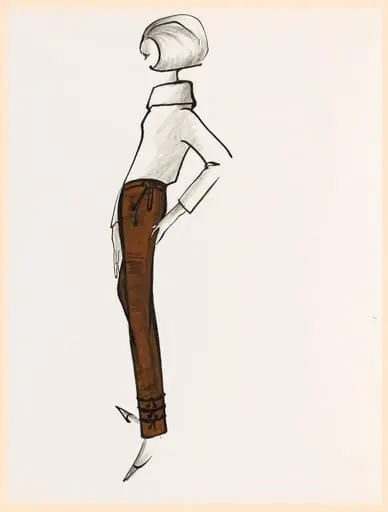 Pantalon marron avec applications sur le bas de la jambe
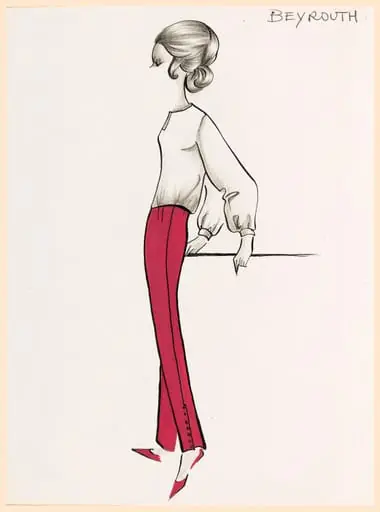 Beyrouth
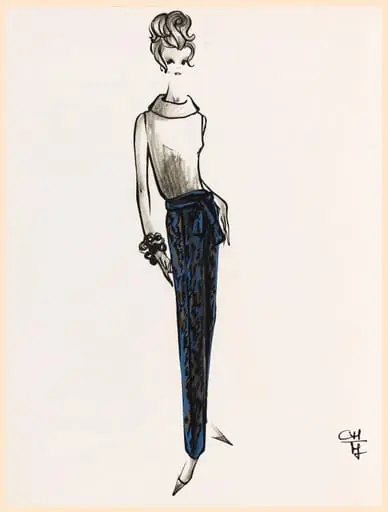 Pantalon bleu et marron
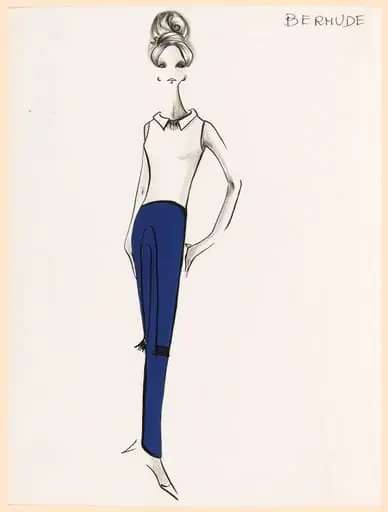 Bermude
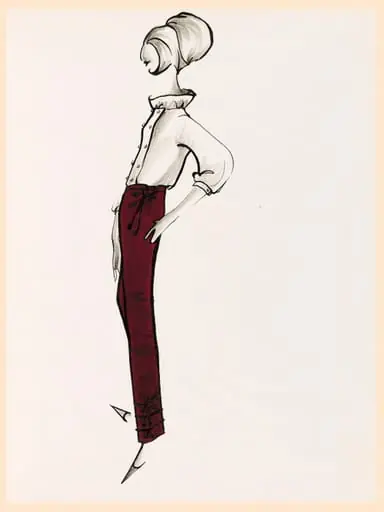 Pantalon bordeaux avec applications en bas de la jambe
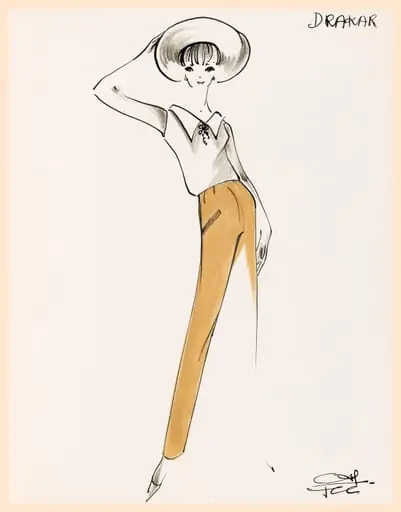 Drakar
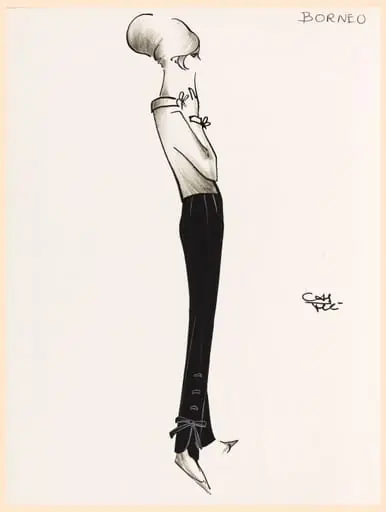 Bornéo
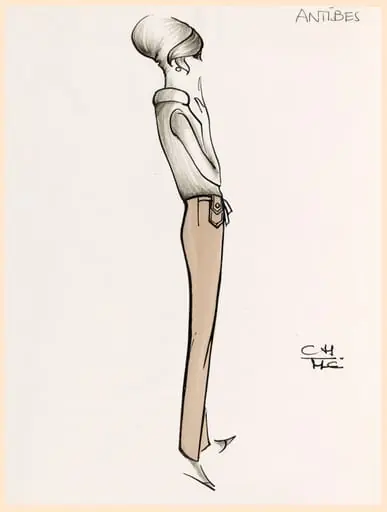 Antibes
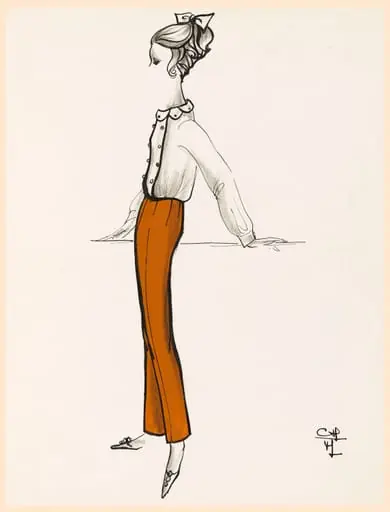 Pantalon marron
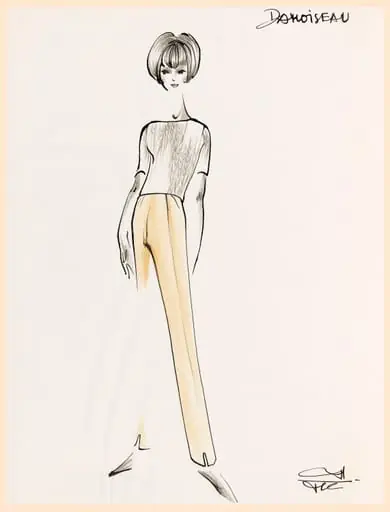 Damoiseau
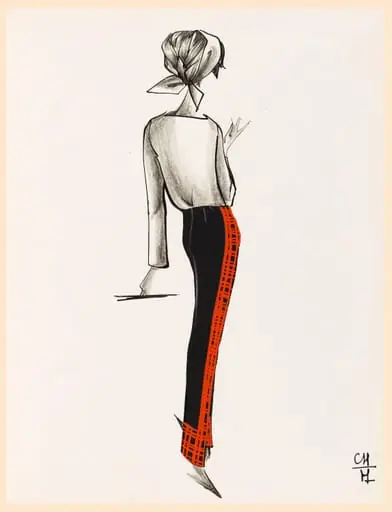 Pantalon noir à motif rouge sur le côté et le bas de la jambe
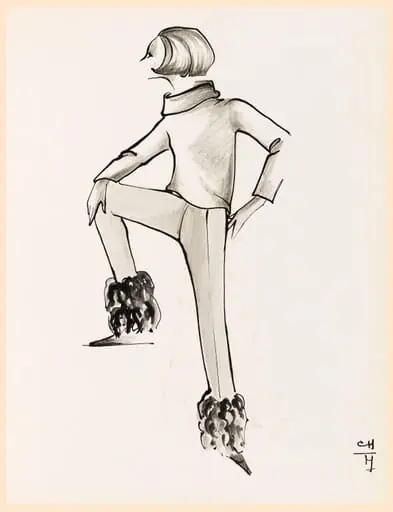 Pantalon avec fourrure au bas de la jambe
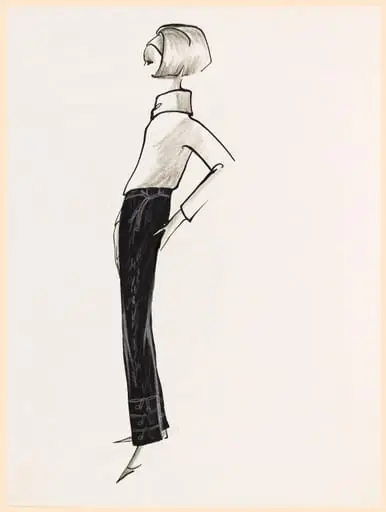 Pantalon noir avec applications sur le bas de la jambe
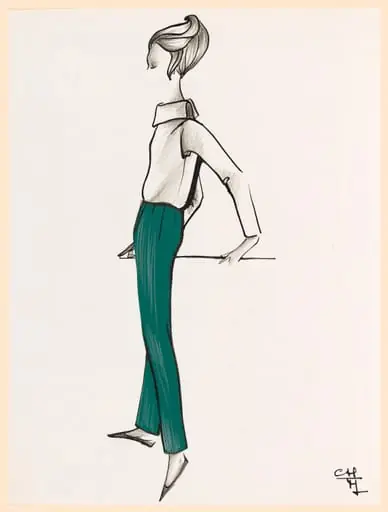 Pantalon vert sapin
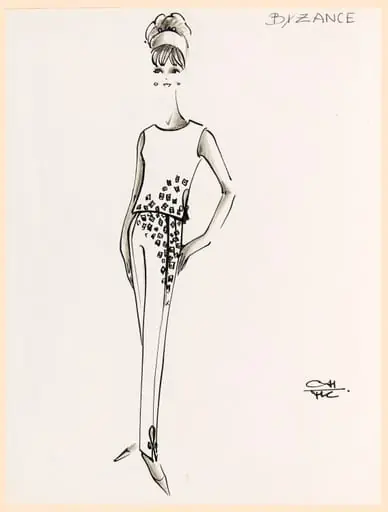 Byzance
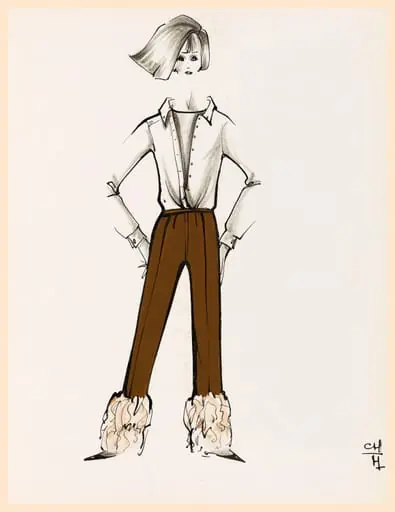 Pantalon marron avec fourrure blanche au bas de la jambe
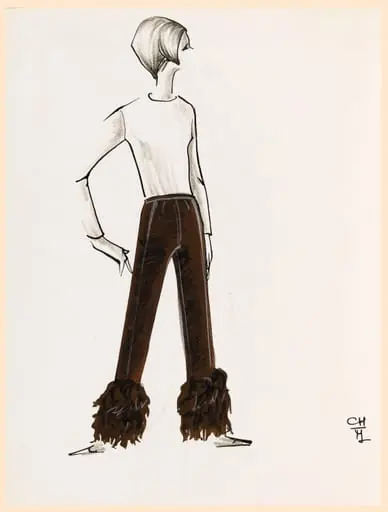 Pantalon marron avec fourrure de la même couleur au bas de la jambe
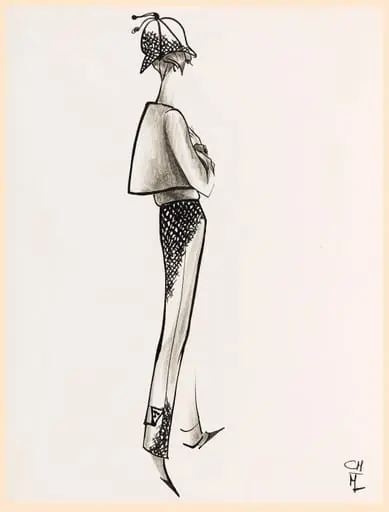 Pantalon à motif noir
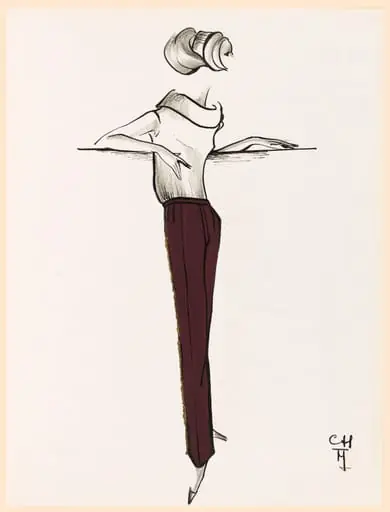 Pantalon bordeaux à pli
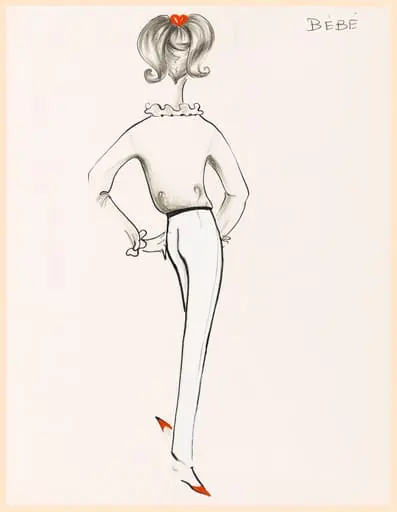 Bébé
Bébé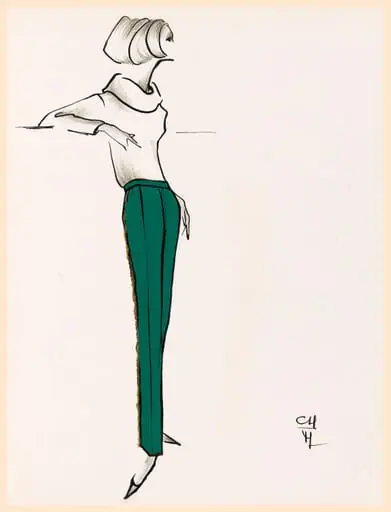 Pantalon vert sapin à pli
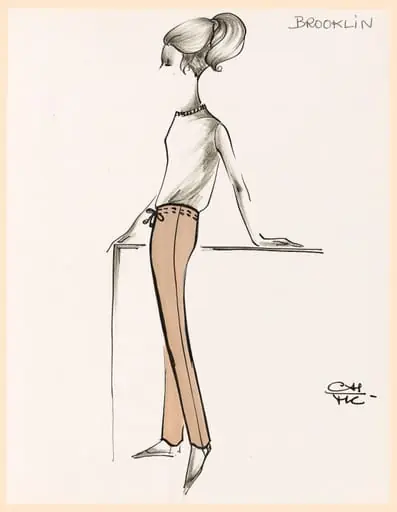 Brooklin
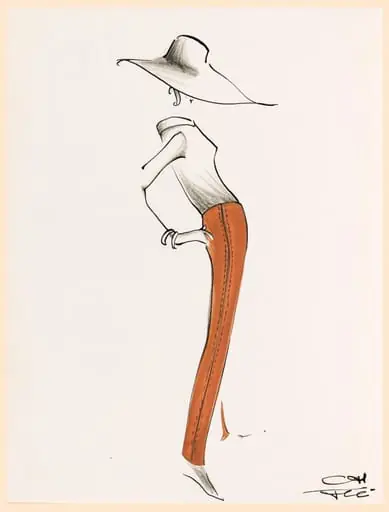 Pantalon marron avec surpiqûres le long de la jambe
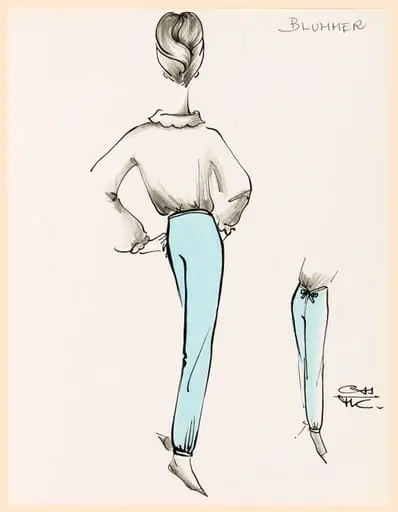 Blummer
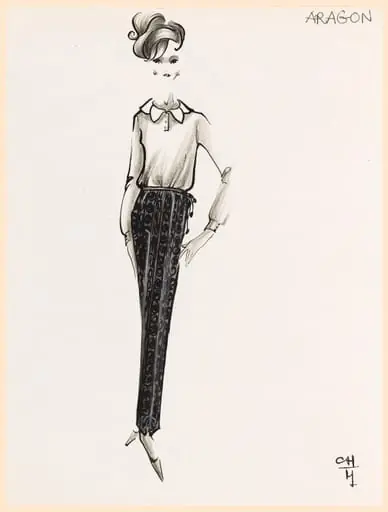 Aragon
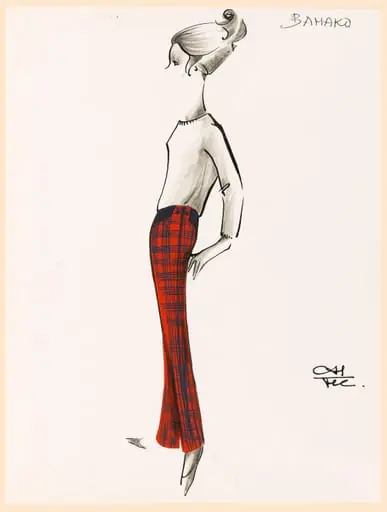 Bamako
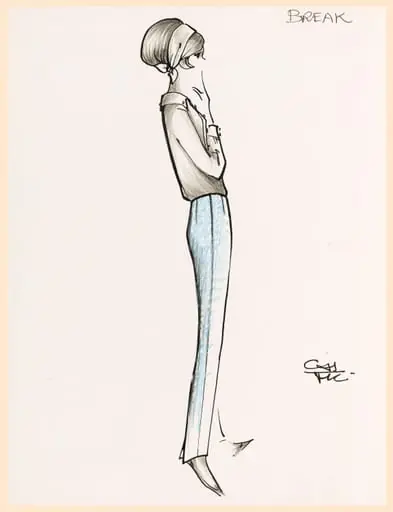 Break
BreakBreech is a subject in art. family name
Artifact World Gallery holds 73 public-domain Breech works, all free to view and download.
Key Breech artists in the collection include Édouard Manet, Count of St. Germain and Marie-Louise Carven.
Breech works in the collection are held by Palais Galliera - Musée de la Mode de la Ville de Paris and National Gallery of Art.
Your cart is empty
Browse artworks →