Museum
Botoșani County Museum
Botoșani County Museum is a museum. 30 works from its collection are in this catalog, including Adam Bălțatu and Aurel Băeșu.
About Botoșani County Museum
Overview
The Botoșani County Museum (Muzeul Județean Botoșani) is a major cultural institution in northeastern Romania, dedicated to preserving and showcasing the rich heritage of the Botoșani region. Housed in a historic former administrative building, the museum serves as a central repository for the area's archaeological, historical, and artistic treasures. It plays a vital role in the cultural life of the county, offering exhibitions that trace the evolution of human presence in the region from prehistoric times to the present day, while also celebrating the many notable figures born in the area.
History & Founding
The museum's current permanent exhibition in the History Department officially opened at the end of 1977. The institution is situated in the former Palace of the Prefecture of Botoșani County. While the building itself dates to the early 20th century, the museum's establishment as a public institution with a permanent exhibition in this specific location marks a significant milestone in the region's cultural preservation efforts, consolidating various historical and archaeological finds into a unified presentation accessible to the public.
Building & Architecture
The museum is housed in a distinguished building that served as the former Palace of the Prefecture of Botoșani County. This architectural landmark was constructed just before World War I. The design is attributed to the renowned Romanian architect Petre Antonescu. The building's historical significance as a former seat of county administration adds a layer of context to its current function as a museum, preserving both the architectural heritage and the administrative history of the region.
Collection Highlights & Notable Holdings
The museum's collection spans from prehistory to contemporary times across 17 exhibition halls. A major highlight is the Cucuteni Eneolithic pottery, with pieces from sites like Truşeşti and Drăguşeni that have been featured in international exhibitions at the Vatican, Switzerland, and Poland. The Paleolithic section includes artifacts from Ripiceni, Crasnaleuca, and Mitoc, notably a partial reconstruction of the oldest human shelter in Southeastern Europe found at Ripiceni.
The collection also encompasses Dacian pottery and ornaments, medieval gold and silver items, numismatic hoards, and documents related to the region's history.
Significance & Regional Figures
The museum is significant for its role in documenting the birthplace of numerous prominent Romanian figures. Its collections and exhibitions highlight the contributions of individuals such as Mihai Eminescu, George Enescu, Nicolae Iorga, and Ștefan Luchian, all of whom were born in the Botoșani region. The institution also commemorates other notable personalities including mathematician Dimitrie Pompeiu, biologist Grigore Antipa, and religious leaders like Patriarch Teoctist and Father Cleopa, thereby serving as a testament to the region's profound cultural and intellectual impact on Romanian history.
What to see at Botoșani County Museum
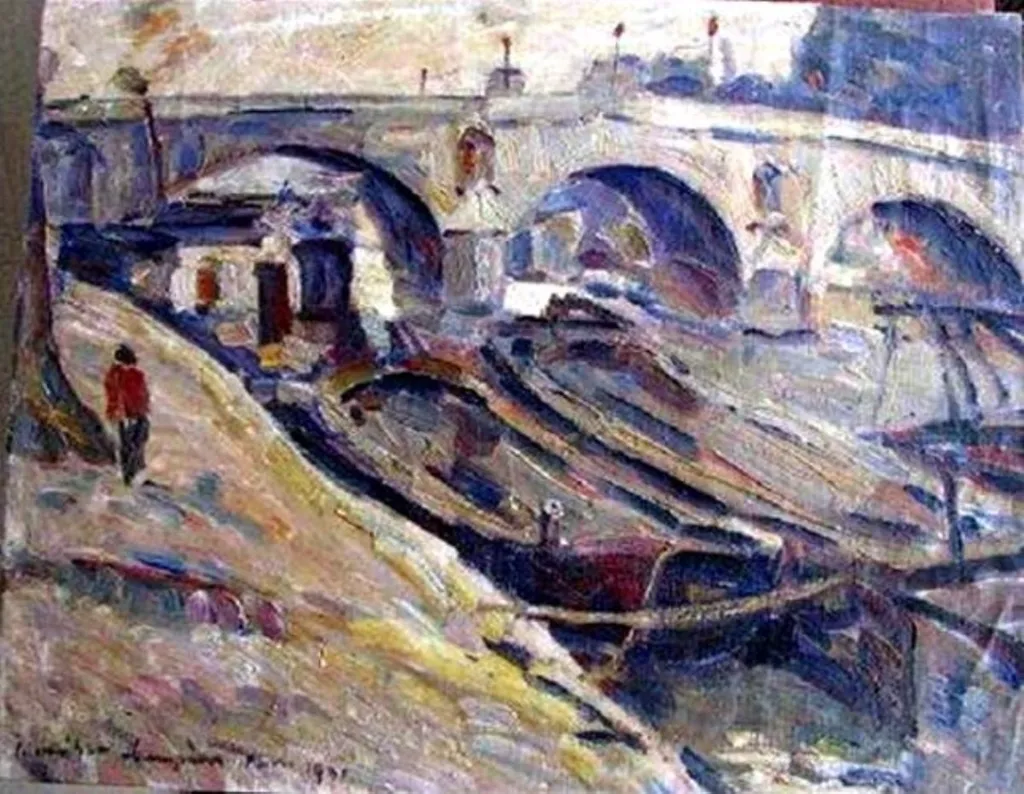
Start with Pe cheiul Senei by Rudolf Schweitzer-Cumpăna.
See all highlights at Botoșani County Museum →Works from Botoșani County Museum
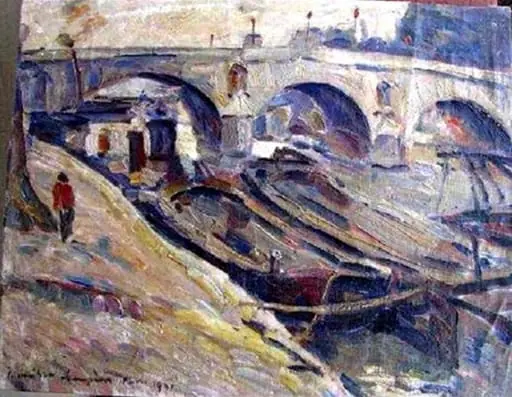 Pe cheiul Senei
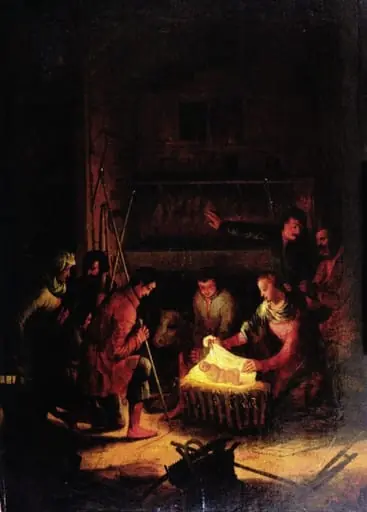 Profesorul Vasile Filip
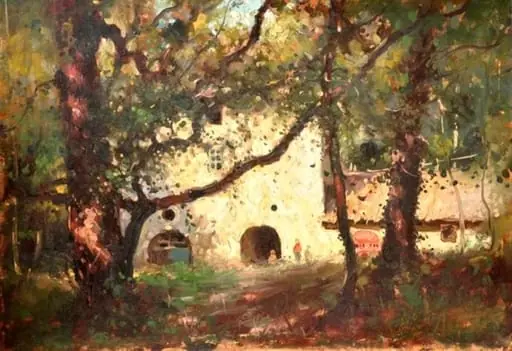 Intrare la mănăstire
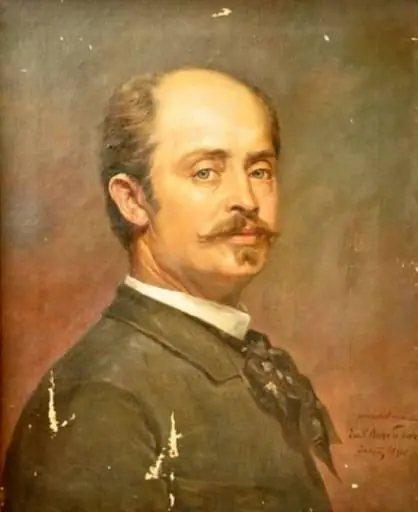 Autoportret la 40 ani
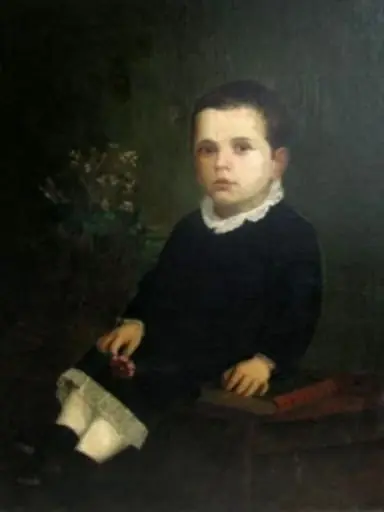 Portret de copil
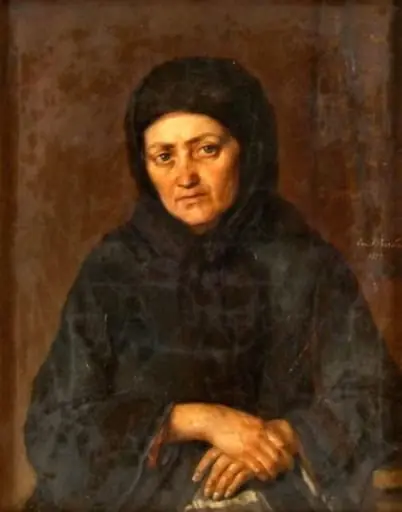 Mama pictorului
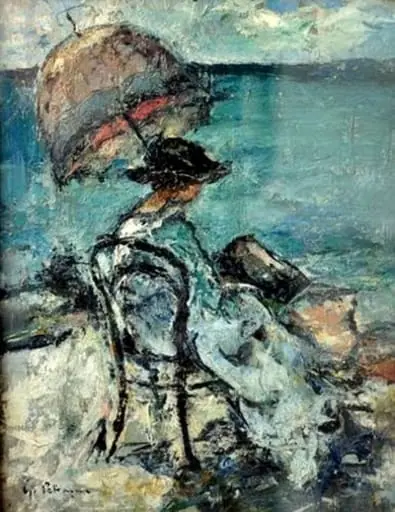 Femeie pe malul mării
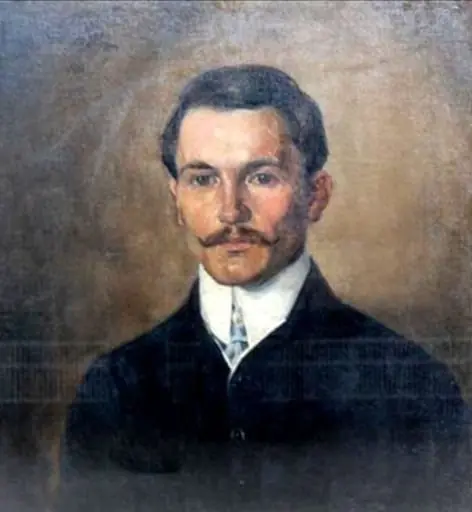 Portret de bărbat
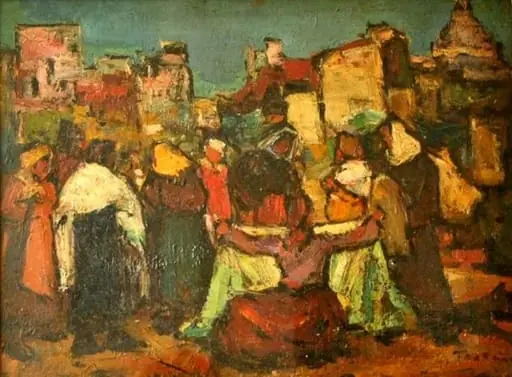 Piața
Piața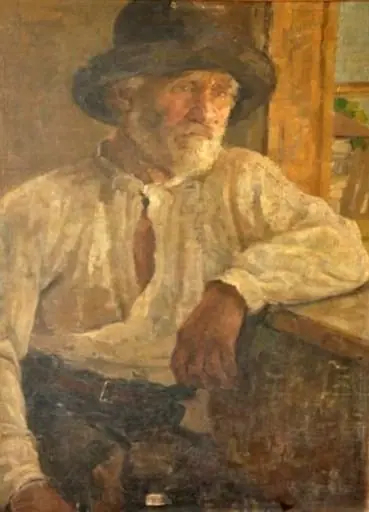 Țăran bătrân
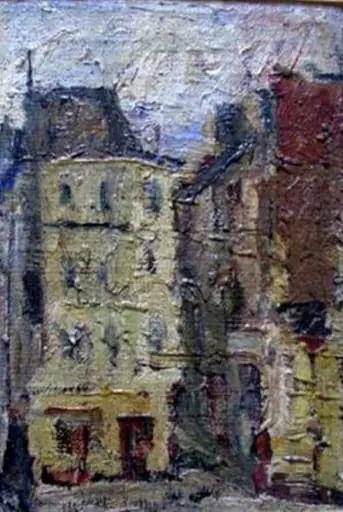 Case la Paris
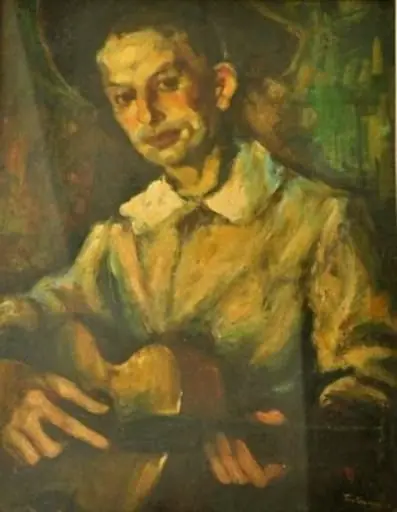 Băiatul cu chitara
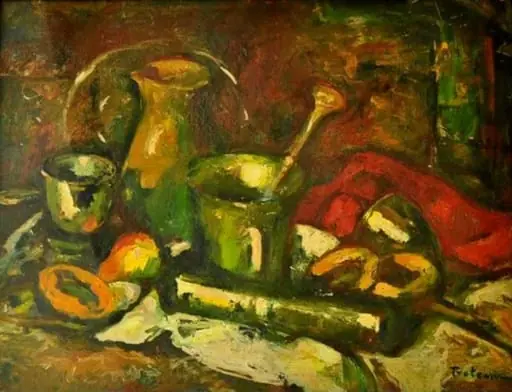 Natură statică cu căni
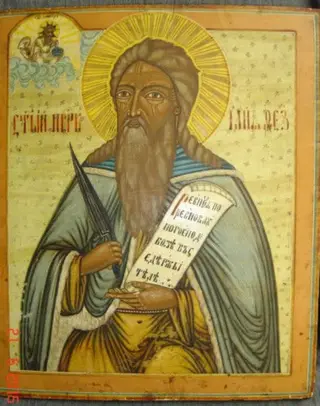 Sfântul Ilie
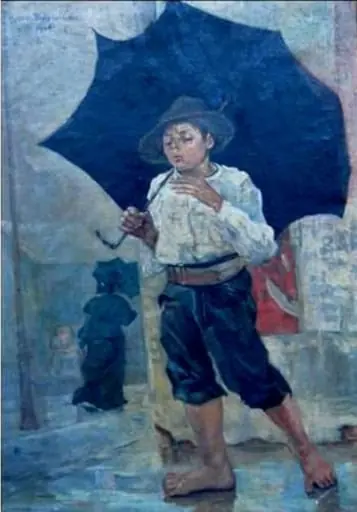 Băiatul cu umbrela
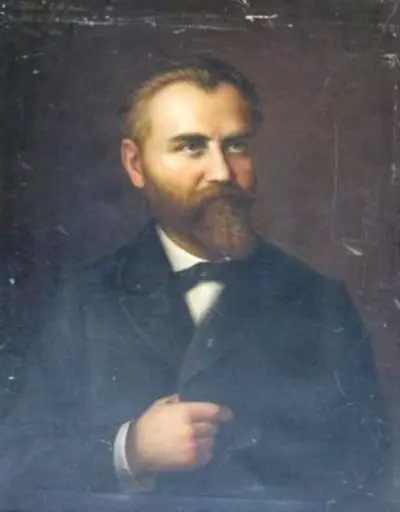 Autoportret Costantin Daniel Stahi
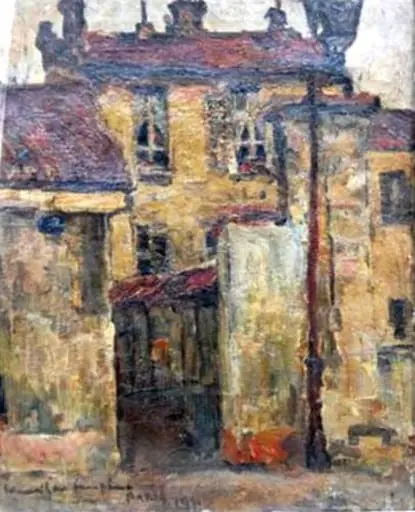 Casă la Paris
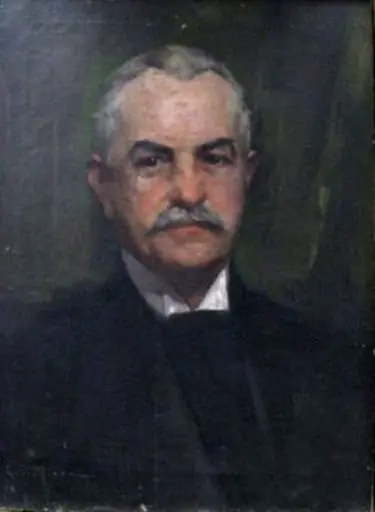 Portret
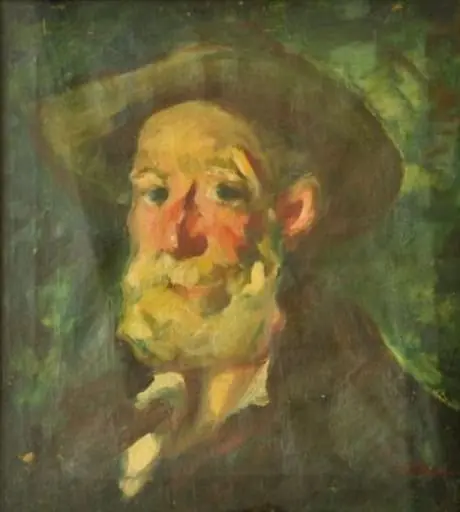 pictură de șevalet
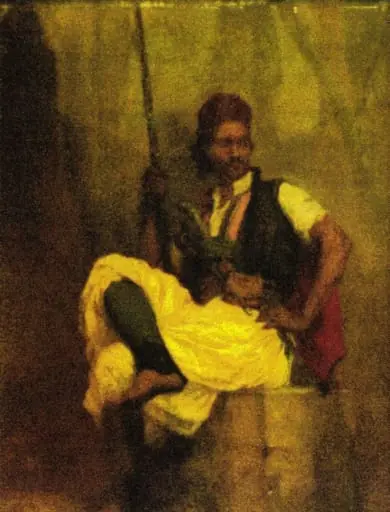 Portret de femeie
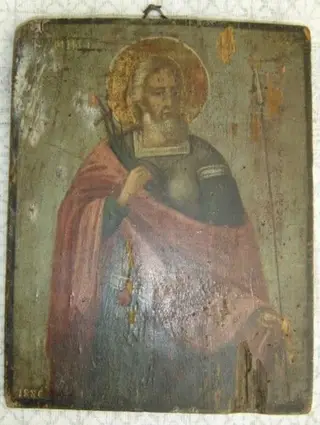 Sfântul Mina
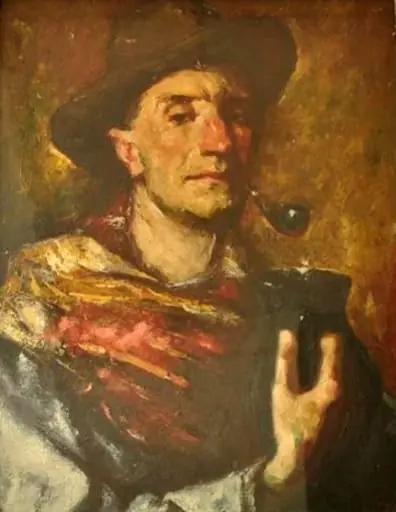 Portret cu lulea
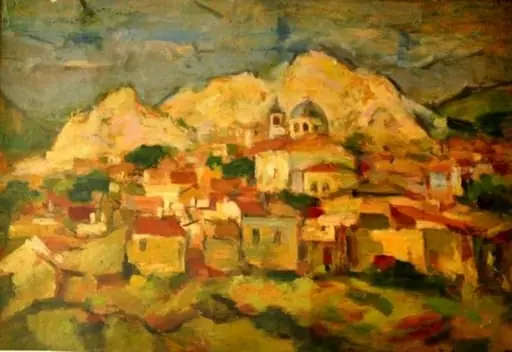 Peisaj din zona montană
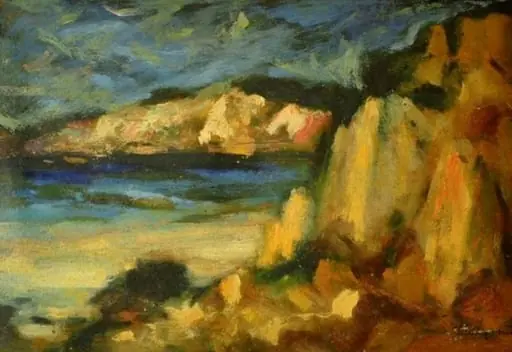 La țărmul mării
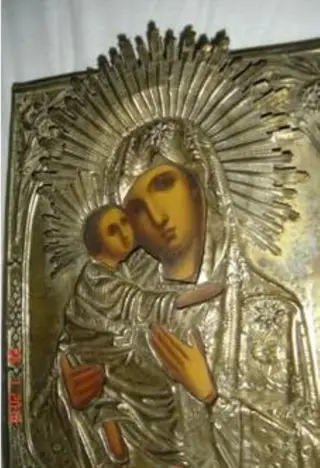 Fecioara cu Pruncul
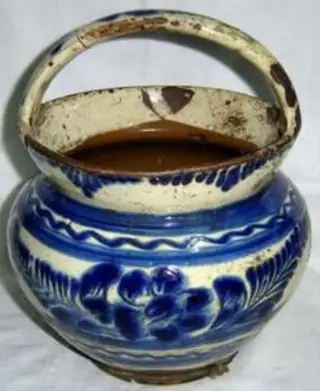 oală pentru dus mâncare la câmp
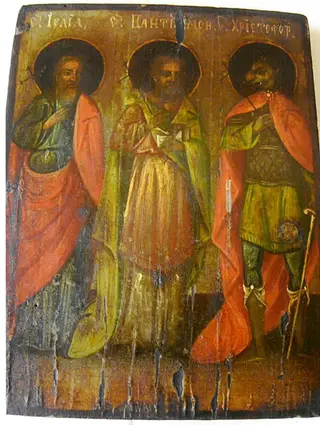 Sfinții Isaia, Pantelimon, Hristofor
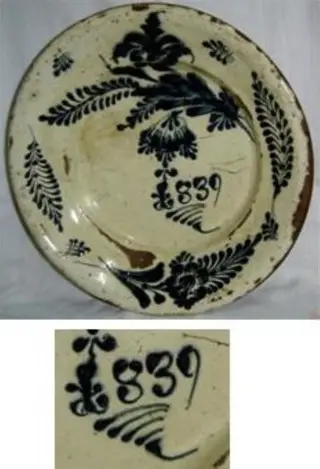 talger
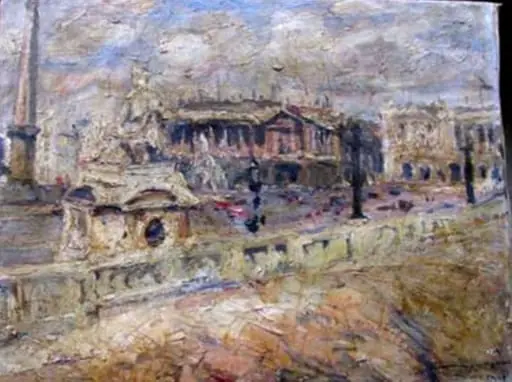 Piața Concordiei
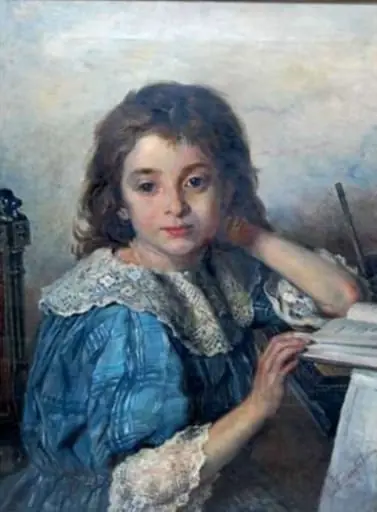 Fetiță studiind