Artwork
The Painter Thorald Læssøe
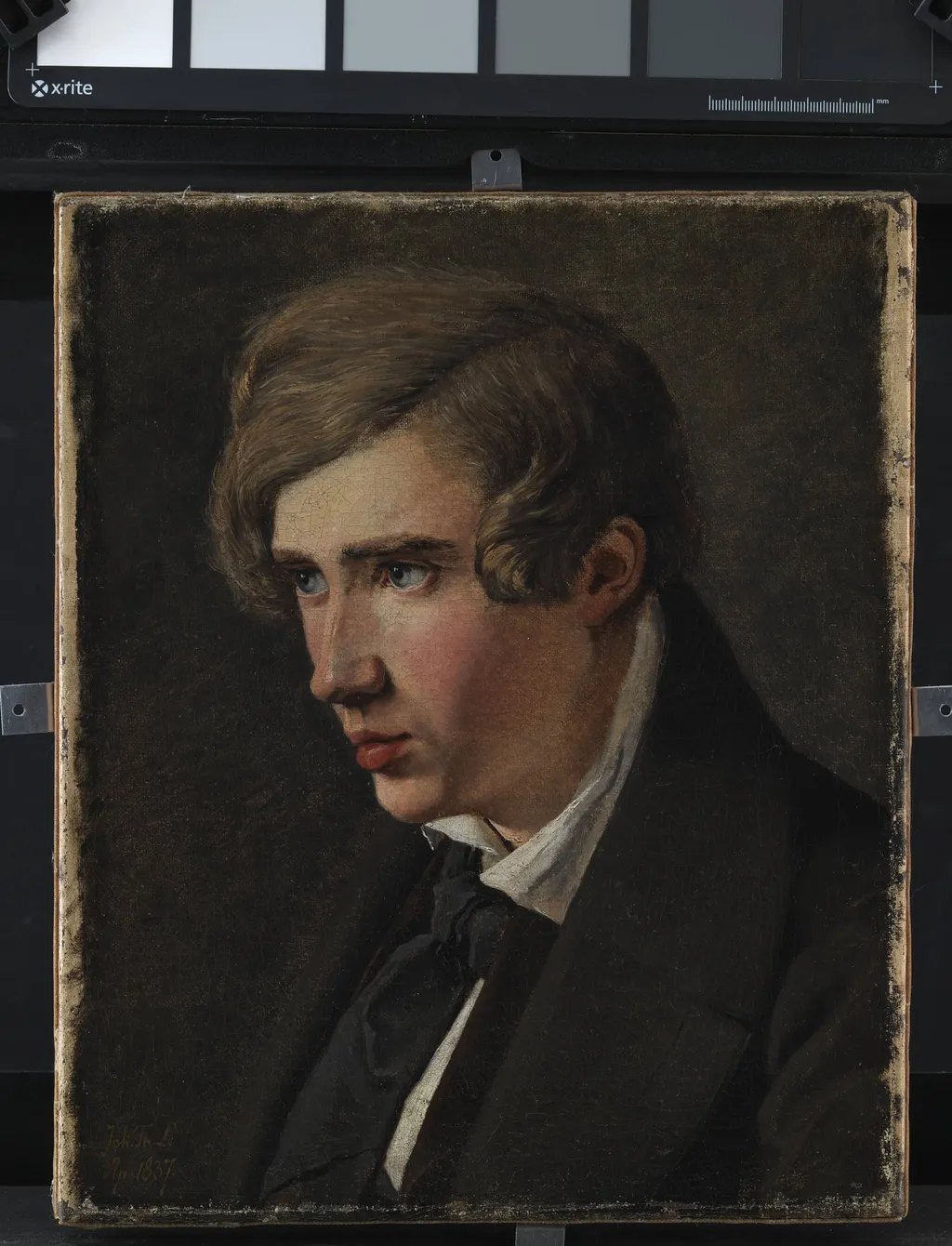
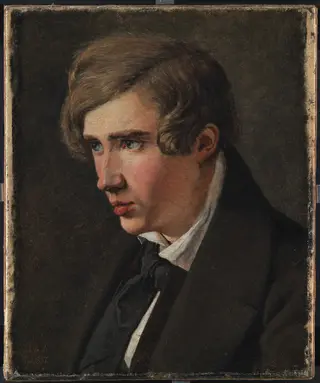
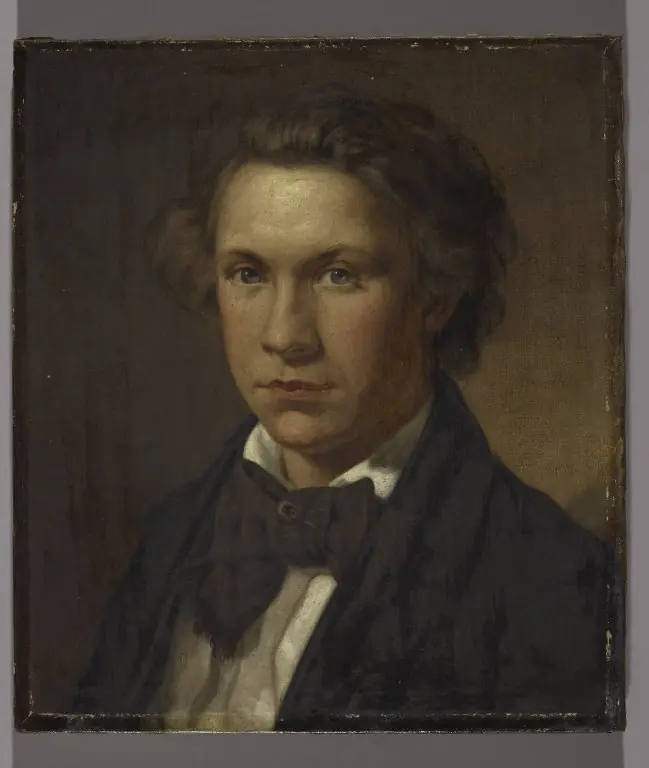
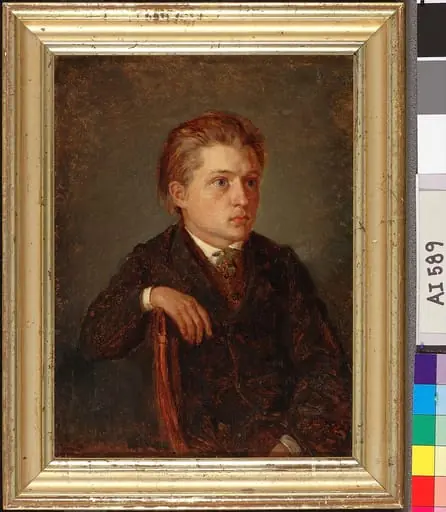
The Painter Thorald Læssøe is a photography by the Romanticist artist Unknown. It dates from 1837 and is held in the collection of the Statens Museum for Kunst. Painted in 1837, this portrait depicts Thorald Læssøe, a Danish painter, by an artist whose name is recorded as 1131_person.
About this work
Overview
Painted in 1837, this portrait depicts Thorald Læssøe, a Danish painter, by an artist whose name is recorded as 1131_person. The work resides in the Museum of Ethnography, where it is preserved as part of a collection focused on cultural representation. Its modest scale and intimate composition reflect a personal rather than public commemoration, typical of early 19th-century Nordic portraiture.
Subject & Meaning
Thorald Læssøe is portrayed with a composed, introspective gaze, his slight turn to the left suggesting contemplation rather than direct engagement. Dressed in formal dark attire, he appears as a man of quiet profession, his identity rooted in artistic labor. The absence of symbolic objects or setting shifts focus entirely to his presence, emphasizing individual character over narrative context.
Technique & Style
The painting employs a restrained palette dominated by dark tones, with the subject’s pale shirt and skin catching the light to create subtle contrast.
The painting employs a restrained palette dominated by dark tones, with the subject’s pale shirt and skin catching the light to create subtle contrast. Brushwork is precise but not overly refined, favoring naturalism over idealization. The dark, undefined background isolates the figure, a compositional choice aligned with Romantic-era portraiture that prioritized emotional resonance over environmental detail.
History & Provenance
The painting entered the Museum of Ethnography’s collection in the 19th century, likely through donation or institutional acquisition. Its presence in a museum dedicated to cultural artifacts, rather than fine art, suggests it was valued for its representation of Danish artistic identity. No documented exhibition history or ownership changes prior to its museum acquisition are known.
Context
Created during the height of Romanticism in Northern Europe, the portrait reflects broader cultural interests in individuality and inner life. While Danish artists often engaged with national themes, this work remains personal, avoiding overt symbolism. It aligns with a regional trend of depicting artists and intellectuals in quiet, unadorned settings, signaling a shift toward secular, human-centered representation.
Legacy
Though not widely reproduced or studied outside Denmark, the portrait endures as a quiet testament to the self-perception of 19th-century Nordic artists. Its preservation in an ethnographic context underscores how cultural institutions once blurred boundaries between art and identity. It remains a modest but authentic record of a painter’s presence in his own time.
Artist & collection









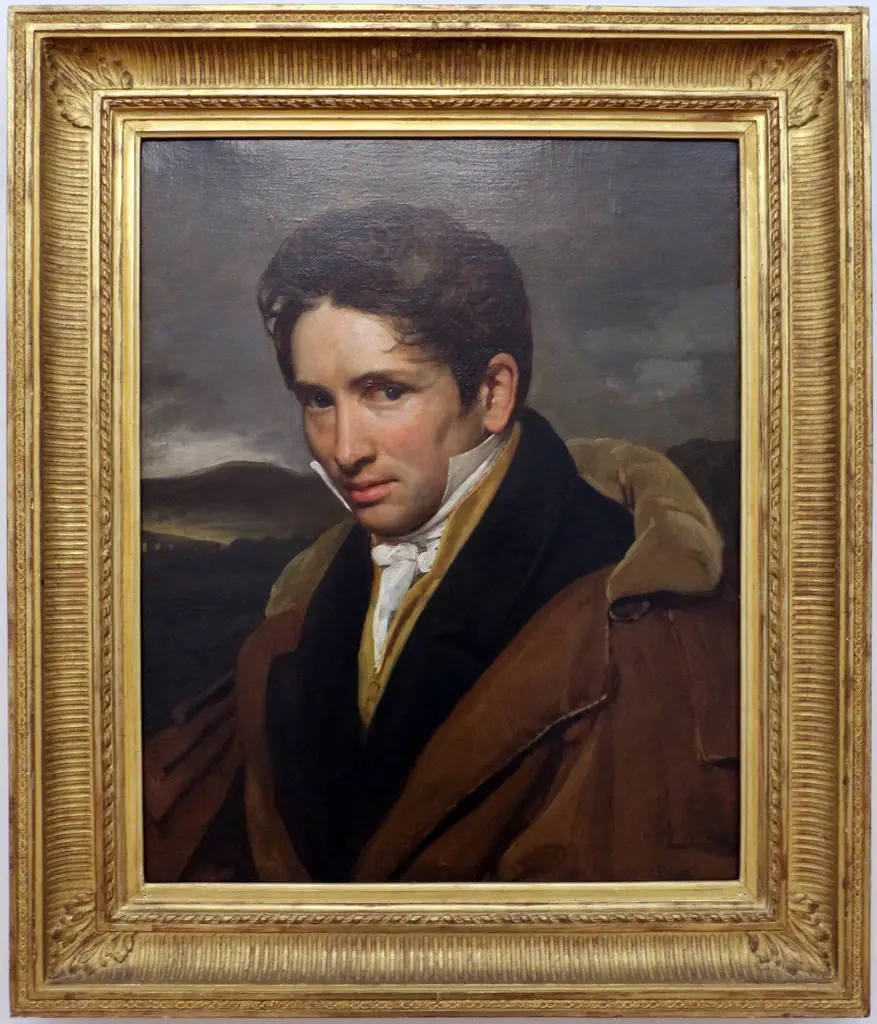 portret van de architect Tilman-François Suys
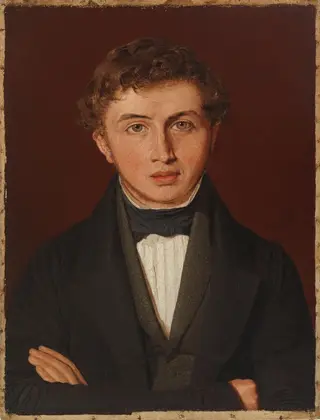 Taiteilijan veljen Hans Peter Købken muotokuva
 Portrait of a Man
 Self-Portrait
 Portrait of J.C. Dahl
 Portrait of the painter Johan Christian Dahl
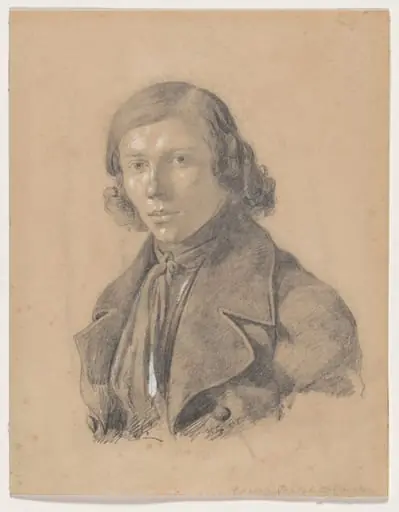 Adrien Perlet, Actor
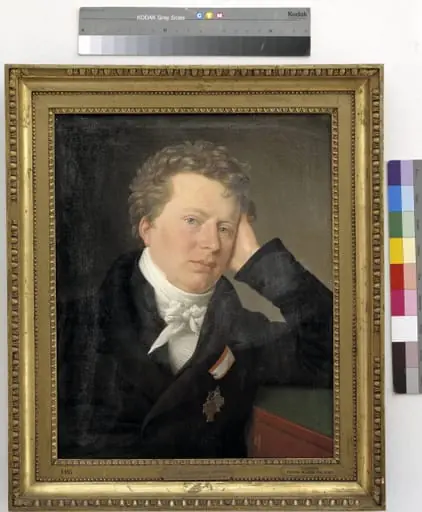 Juristen og statsmanden Anders Sandøe Ørsted
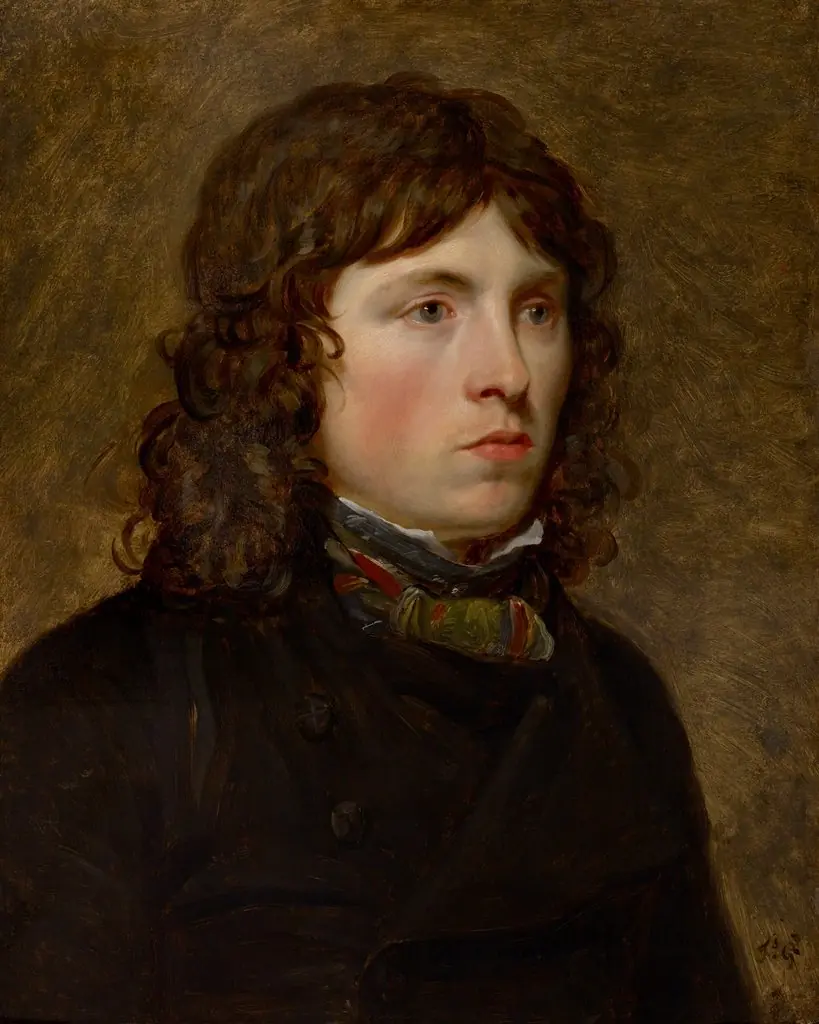 Portrait of G. F. Reverdin
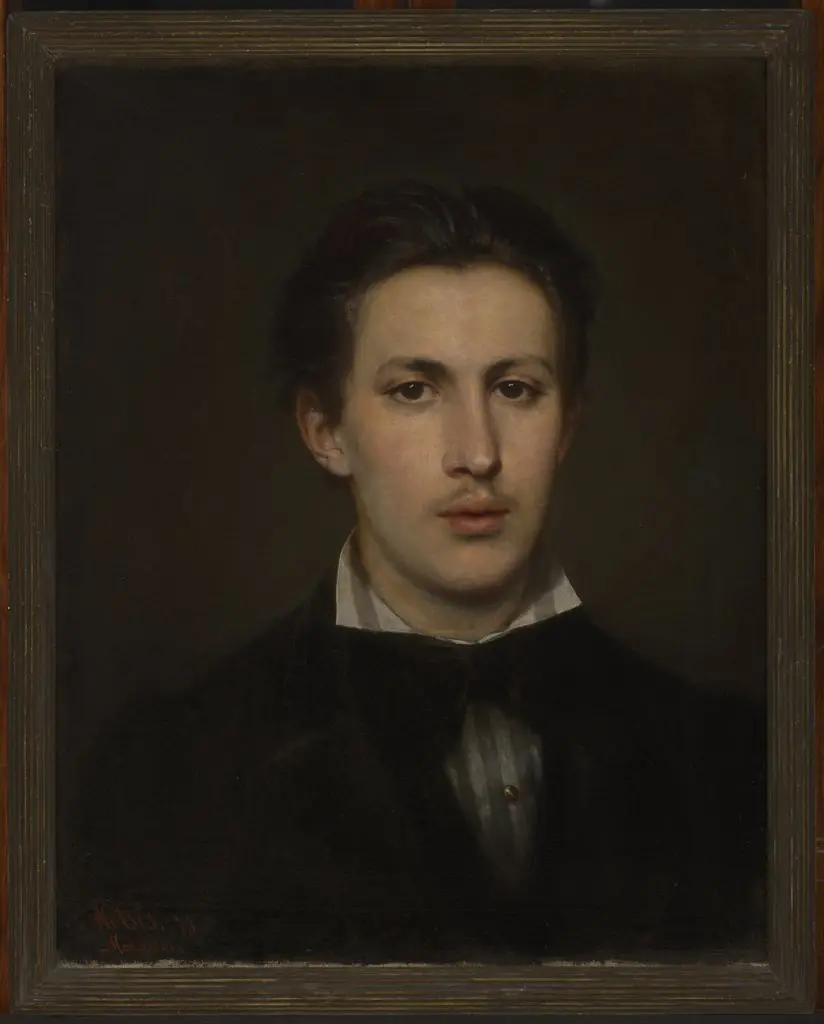 Portrait of Jan Zawiejski
 "Nuoruudenystävän" muotokuva (Hjalmar Montell)
- The Painter Thorald Læssøe