Artwork
Noah Leaving the Ark
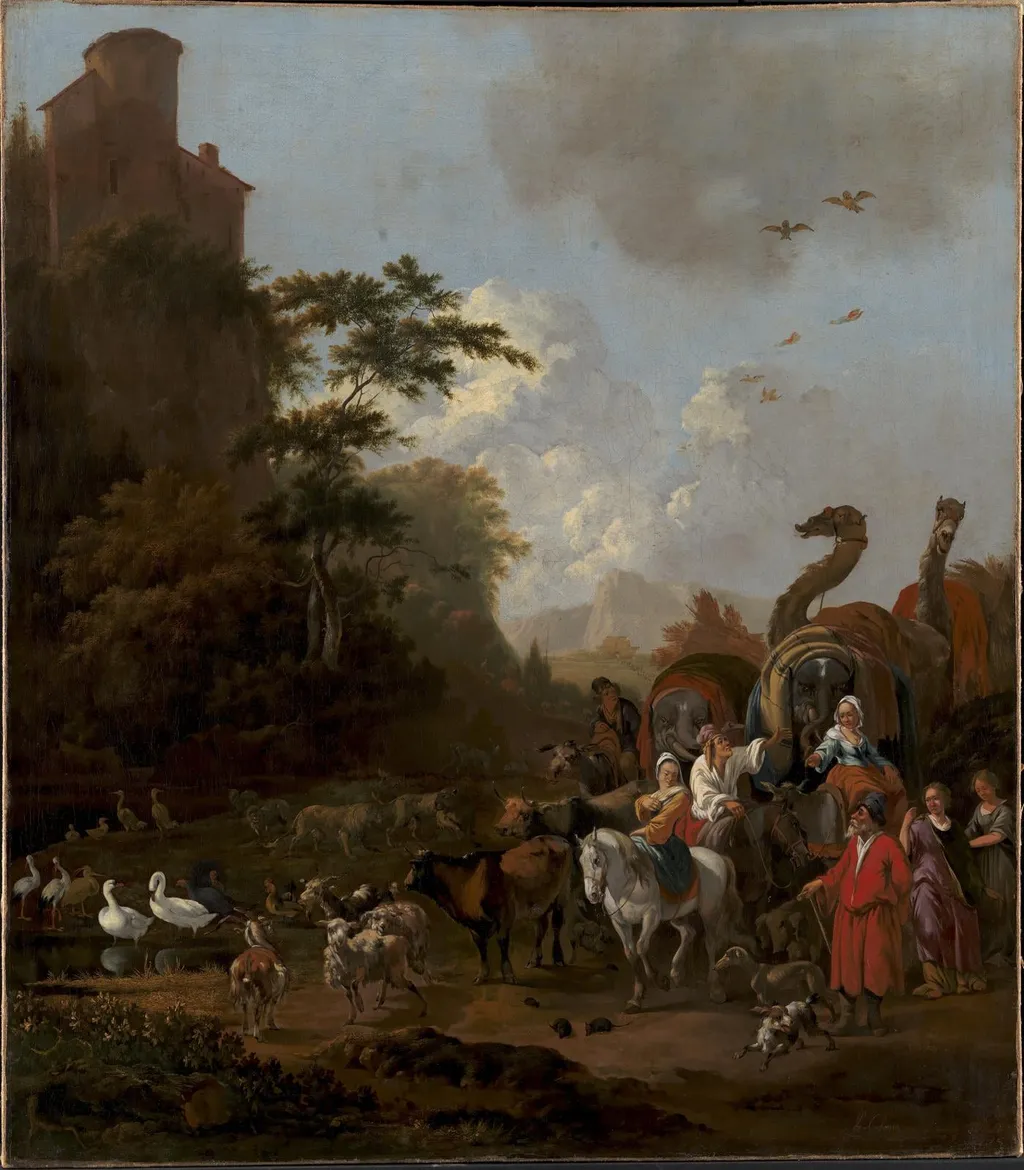
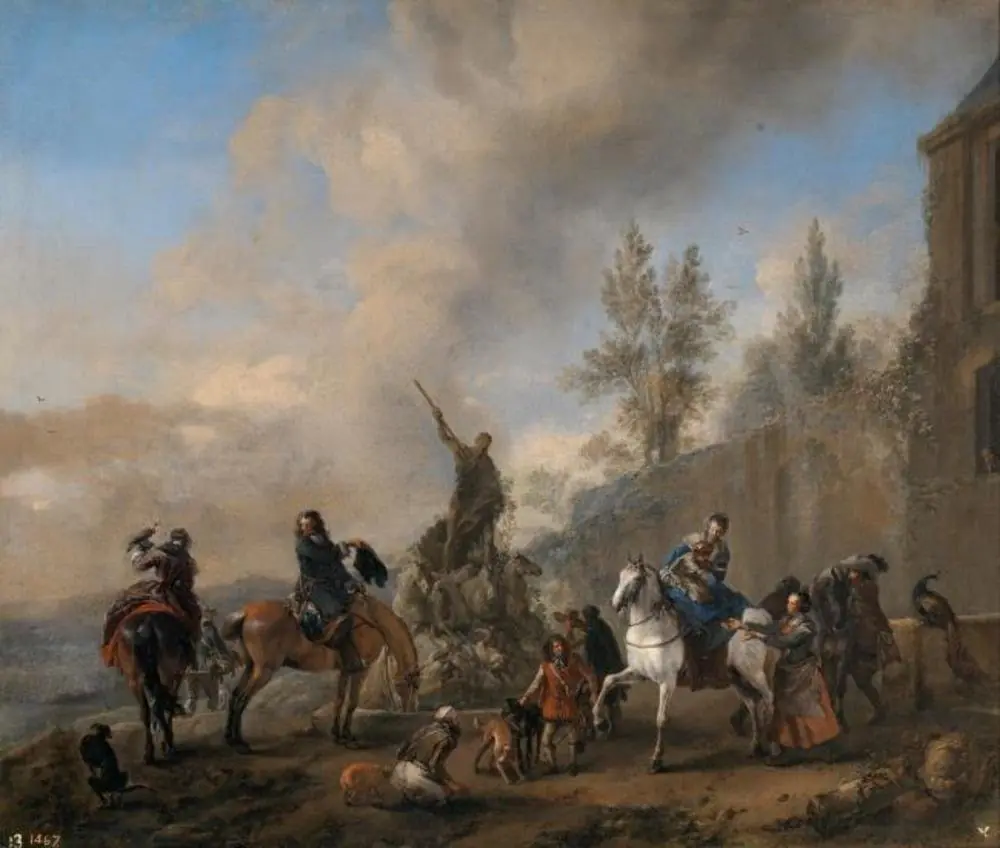
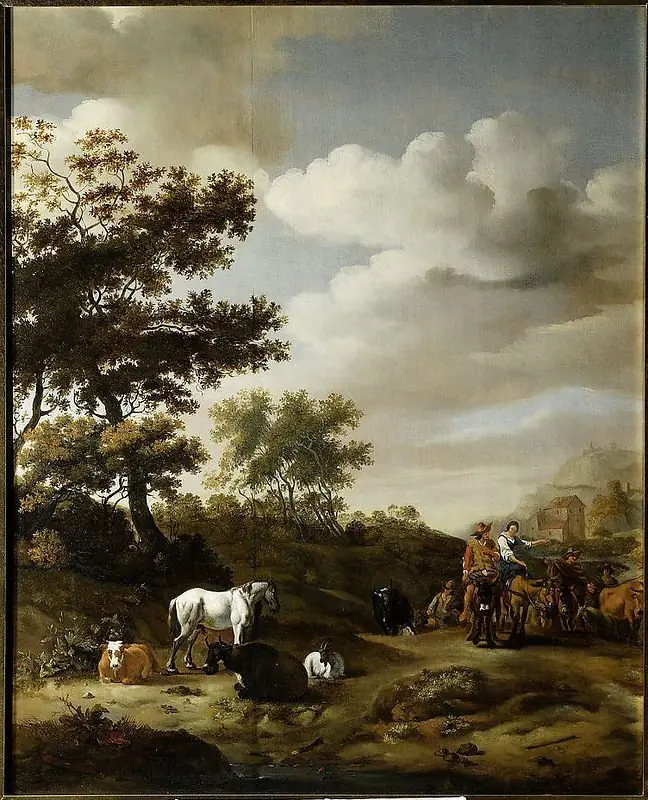
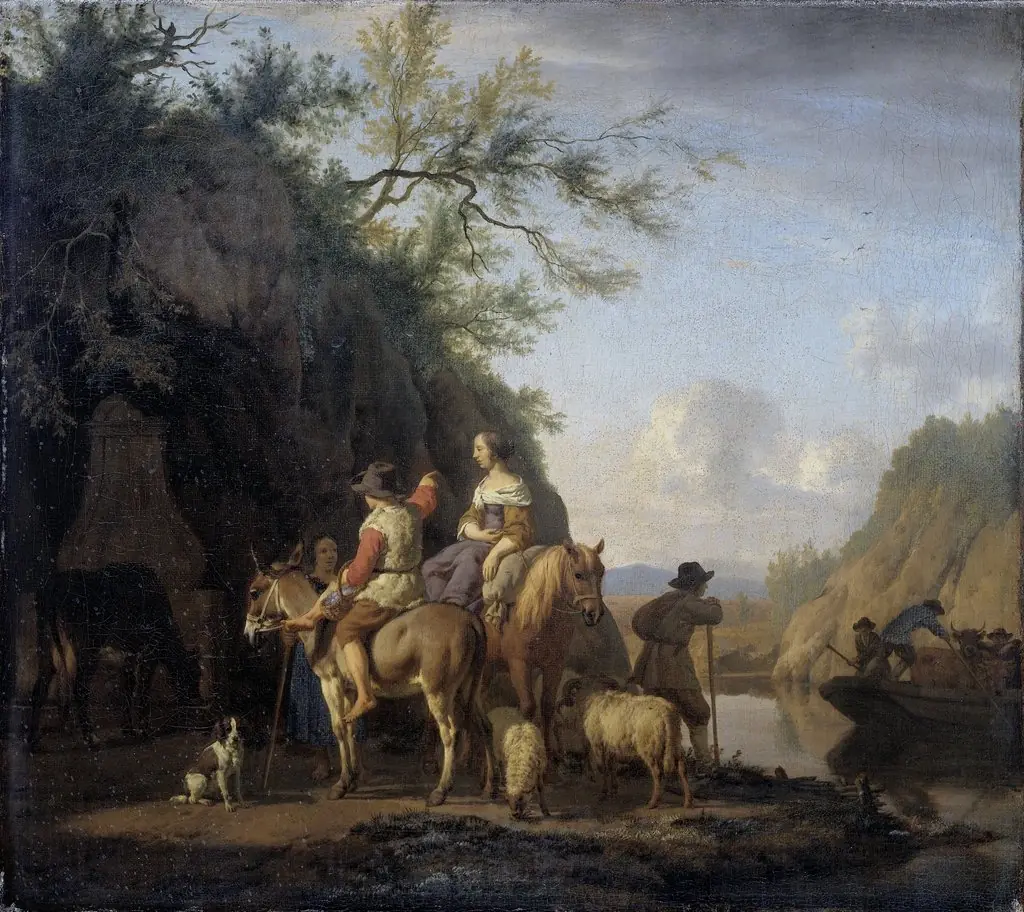
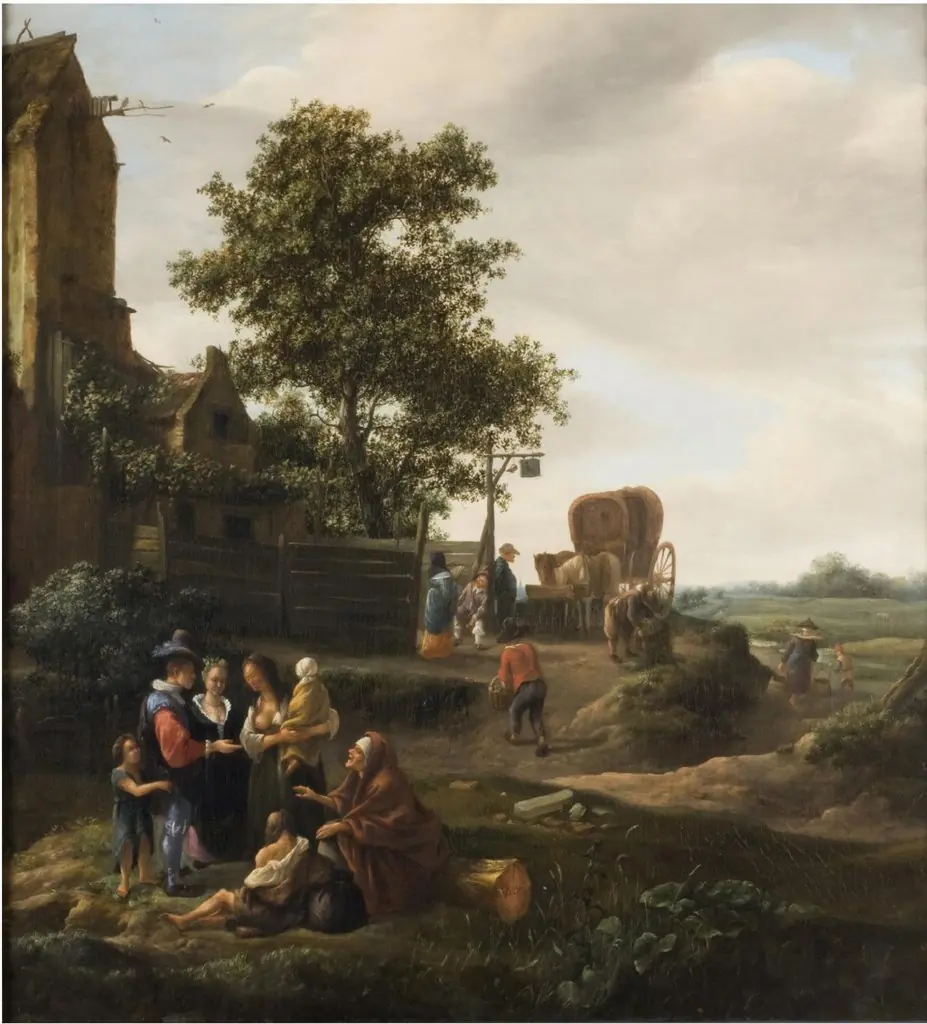
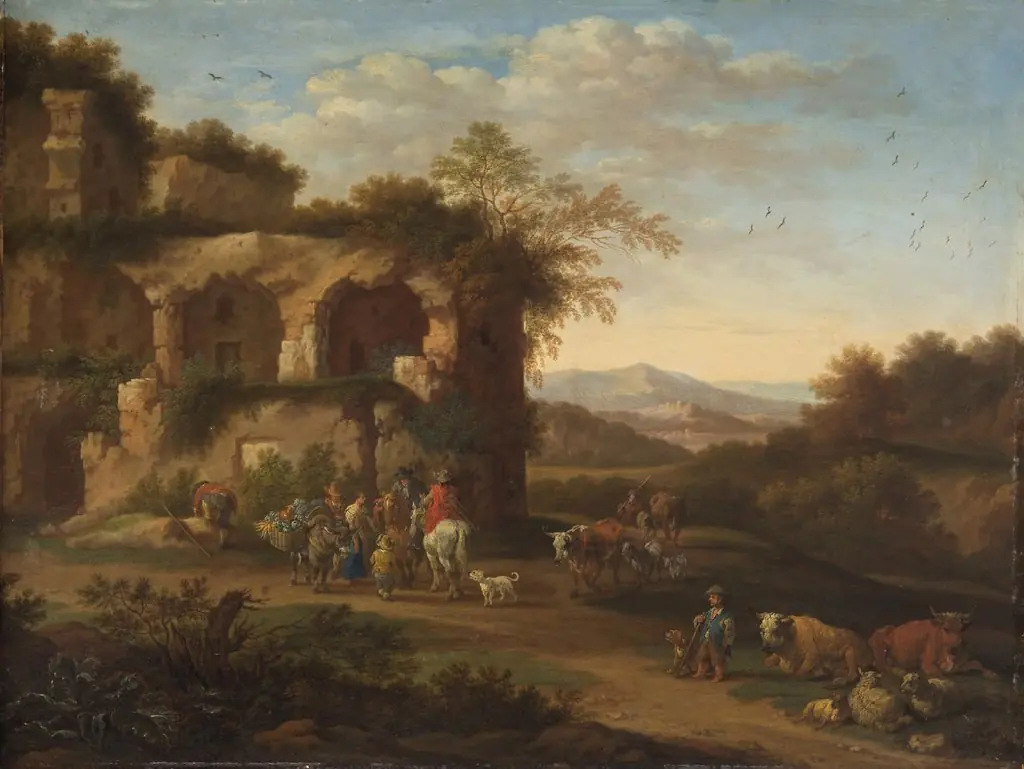
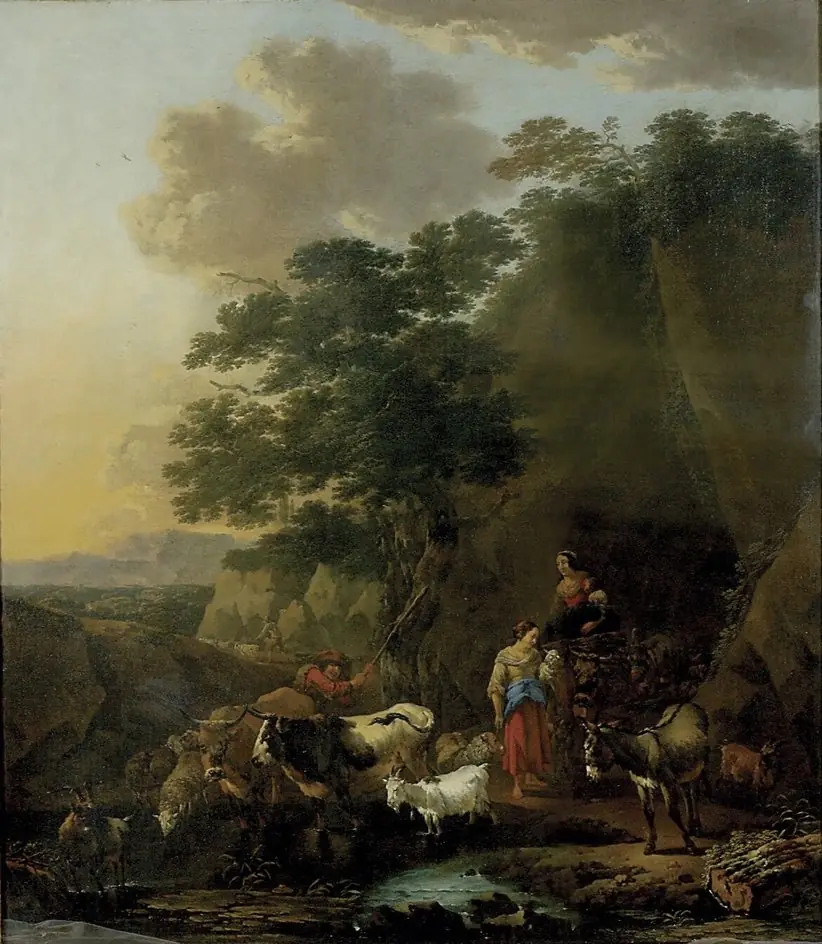
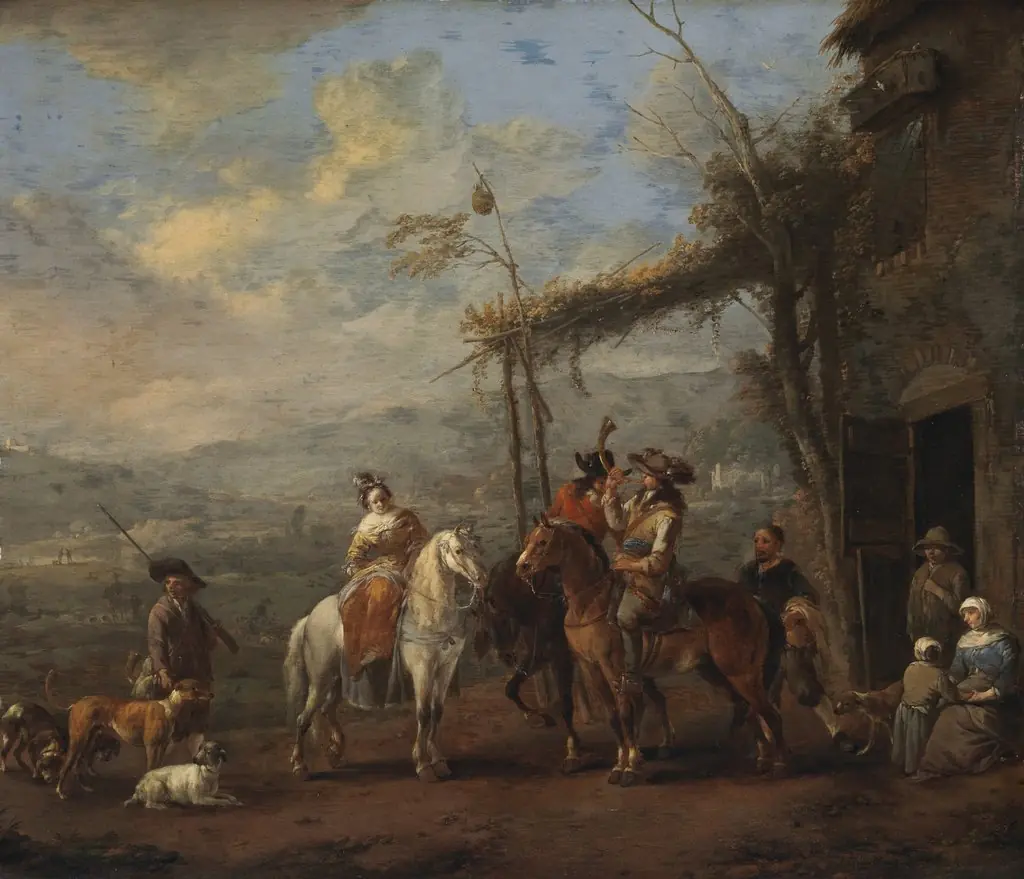
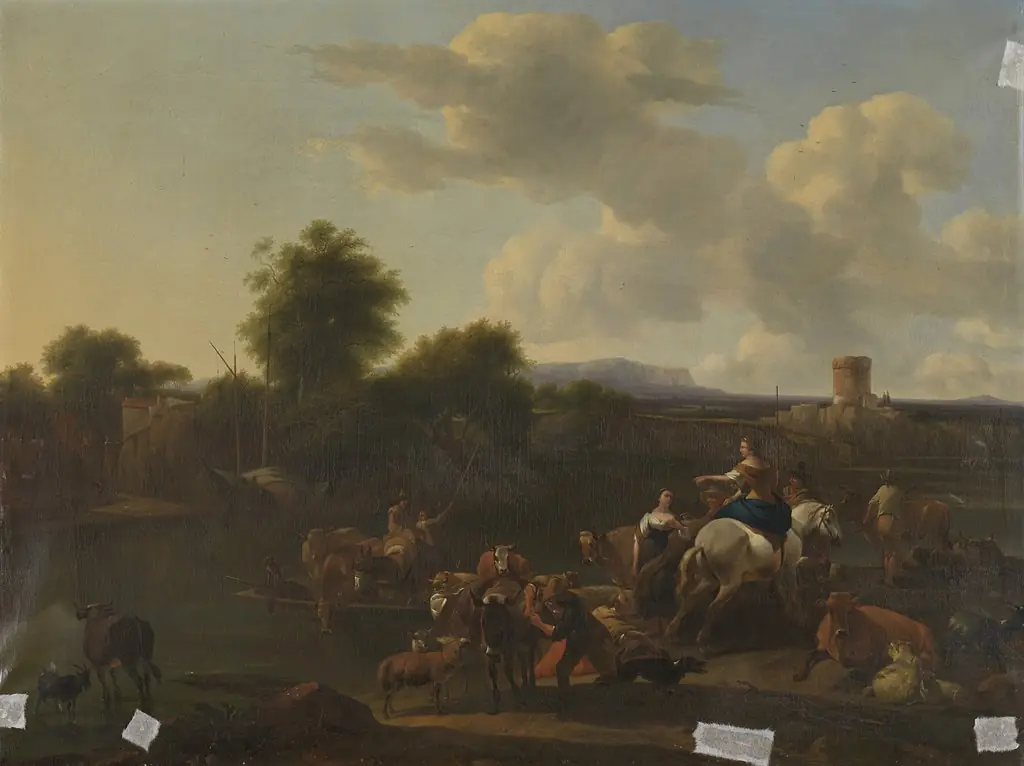
Noah Leaving the Ark is a photography by Unknown. It dates from 1650 and is held in the collection of the Statens Museum for Kunst. Painted around 1650, this work depicts the moment after the biblical flood when Noah and his family exit the ark.
About this work
Overview
It resides in the Museum of Ethnography, where its narrative clarity and folkloric tone align with broader ethnographic collecting interests of the era.
Painted around 1650, this work depicts the moment after the biblical flood when Noah and his family exit the ark. The scene is populated by figures and animals engaged in daily tasks, suggesting renewal and resettlement. Though attributed to a 16th-century artist, the style and composition reflect mid-17th-century conventions.
It resides in the Museum of Ethnography, where its narrative clarity and folkloric tone align with broader ethnographic collecting interests of the era.
Subject & Meaning
The painting illustrates the aftermath of the flood, emphasizing the reestablishment of life. Figures tend to livestock, including a camel, an anachronism not found in the biblical account, hinting at the artist’s familiarity with contemporary pastoral life rather than strict scriptural accuracy. The presence of a red-clad man leading a horse may symbolize leadership or transition. The composition conveys order emerging from chaos, a common theme in post-flood narratives.
Technique & Style
The artist employs warm, muted tones, earthy browns, olive greens, and soft blues, to unify the landscape and its inhabitants. Brushwork is loose yet deliberate, with figures rendered in simplified forms that prioritize narrative over anatomical precision. Light falls evenly across the scene, avoiding dramatic contrasts; the absence of chiaroscuro suggests a regional or folk tradition rather than high Baroque influence.
History & Provenance
The painting entered the Museum of Ethnography’s collection in the late 19th or early 20th century, likely acquired as part of a broader effort to document religious and cultural storytelling in visual art. Its attribution to a 1558_person remains uncertain, possibly a misdating or misattribution from early cataloging. No earlier records of ownership have been traced, suggesting it may have originated in a local workshop or private devotional context.
Context
Created during a period when biblical stories were commonly depicted in domestic and regional art, this work reflects a vernacular approach to sacred narrative. The inclusion of non-biblical elements like the camel indicates the artist’s reliance on lived experience rather than textual fidelity. Similar scenes appear in Northern European folk art, where religious themes were adapted to local environments and animal husbandry practices.
Legacy
Though not widely known in major art historical canons, the painting contributes to understanding how biblical stories were localized in everyday visual culture. Its presence in an ethnographic museum underscores its role as a cultural artifact rather than a fine art object. It remains a quiet example of how communities interpreted sacred texts through the lens of their own material world.
Artist & collection