Artwork
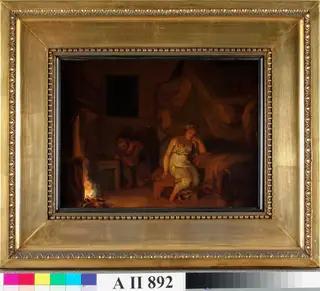
Sleeping Nymph Watched by a Man
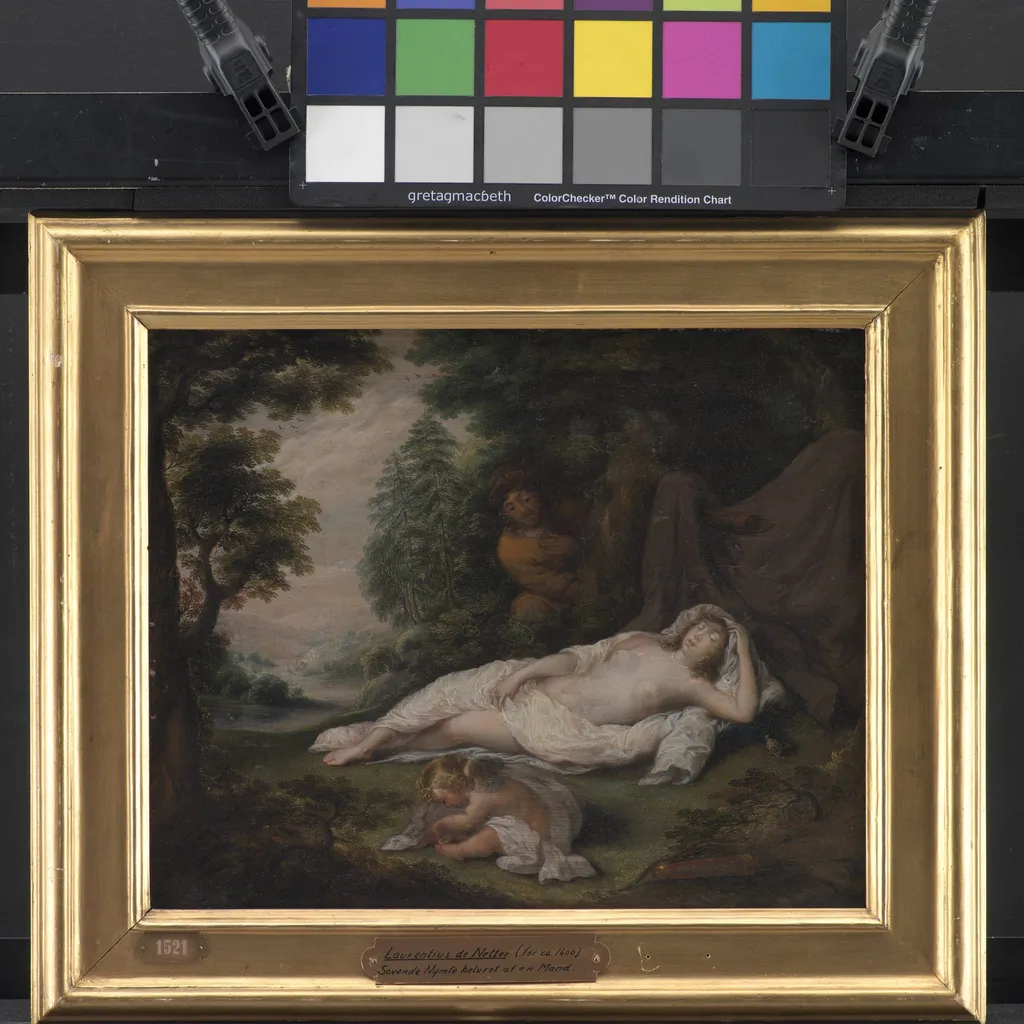
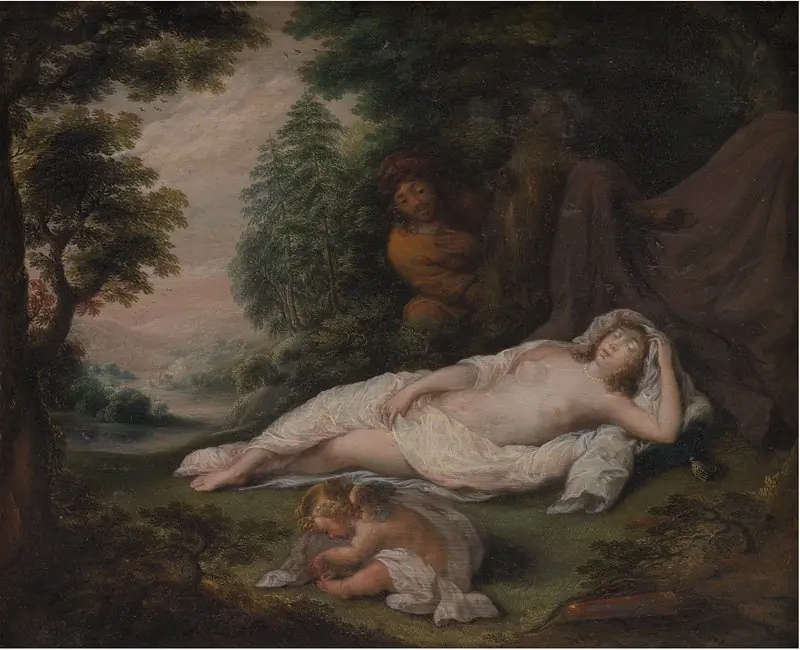
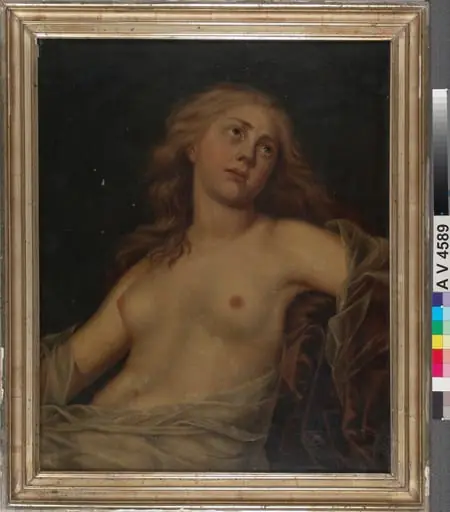
Sleeping Nymph Watched by a Man is a photography by the Baroque artist Unknown. It dates from 1649 and is held in the collection of the Statens Museum for Kunst. Created in 1649, this painting depicts a quiet, intimate scene set in a forest.
About this work
Overview
Created in 1649, this painting depicts a quiet, intimate scene set in a forest. A woman lies asleep on her side, partially clothed, with a child resting near her. A man observes her from behind a tree, his presence subtle yet deliberate.
The work is attributed to an artist active in the mid-seventeenth century and is currently held in the collection of the Museum of Ethnography.
Subject & Meaning
The scene suggests a moment of vulnerability and surveillance, blending naturalism with symbolic tension. The sleeping figure may evoke themes of innocence or mythological nymphs, while the watching man introduces an element of quiet unease. The child’s presence adds a layer of domesticity, grounding the image in human experience rather than pure allegory.
Technique & Style
The artist employs chiaroscuro to model forms with soft transitions between light and shadow, characteristic of Baroque painting. The wooded setting is rendered with muted tones and delicate brushwork, enhancing the stillness of the moment. Compositionally, the figures are arranged to draw the eye toward the central pair, with the observer positioned just beyond the frame’s edge.
History & Provenance
The painting entered the Museum of Ethnography’s collection in the early twentieth century, though its earlier ownership remains undocumented. Its attribution to a specific artist from 1681 is likely a misdating; the style and date of creation align more closely with mid-seventeenth-century practices in Northern Europe.
Context
Produced during the height of the Baroque era, the work reflects contemporary interests in naturalistic scenes infused with psychological nuance. While religious and mythological subjects dominated, private, contemplative moments like this one gained traction among collectors seeking emotional resonance over grand narrative.
Legacy
Though not widely reproduced or studied, the painting contributes to a lesser-known strand of Baroque art focused on quiet, ambiguous human interactions. Its preservation in an ethnographic museum highlights shifting curatorial priorities, where intimate genre scenes are valued for cultural insight rather than aesthetic prestige.
Artist & collection









 Italian Mountain Landscape with Shepherds
 Venus and Adonis
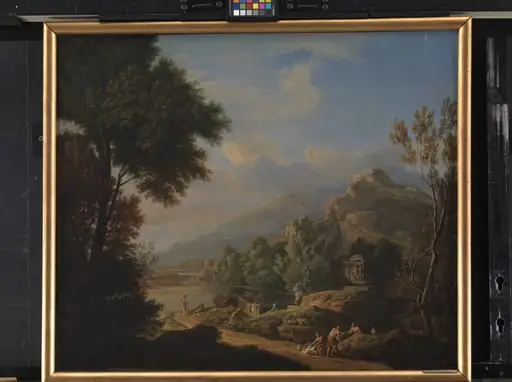 Arcadian Landscape
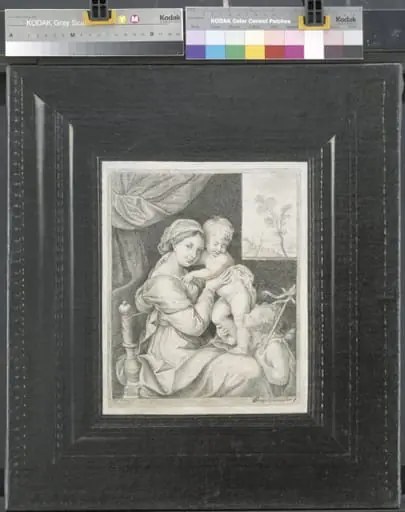 Trompe l'Oeil of a Framed Print of Mary with the Child
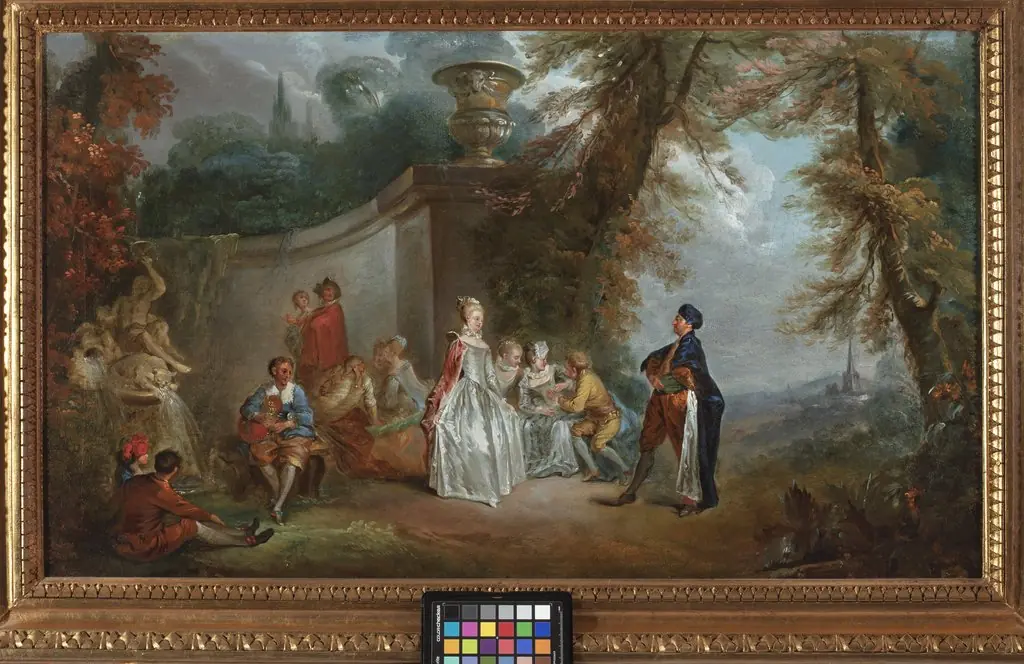 Venetian dance (Fetes Venitiennes)
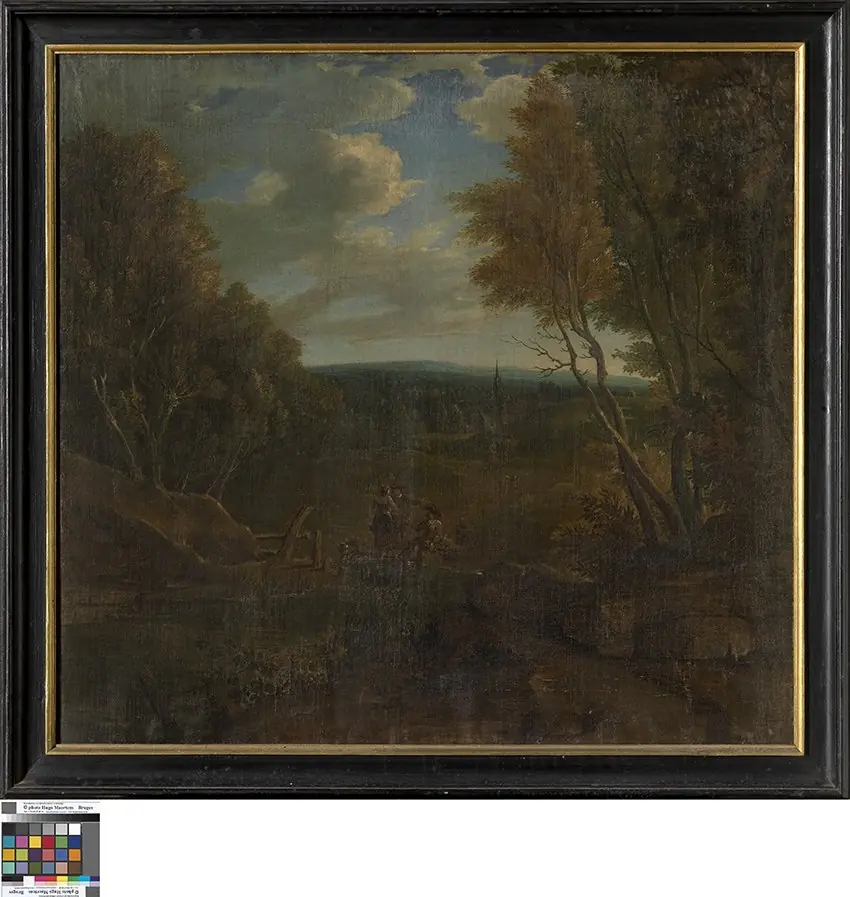 Dorp in een dal
 Tobias rukoilee häähuoneessa
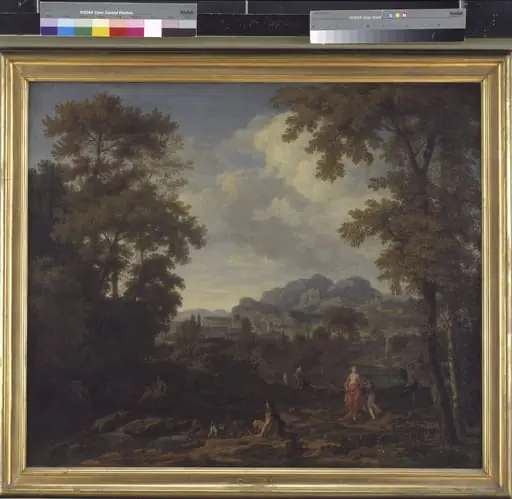 Classical Landscape with Diana (?) and her Nymphs
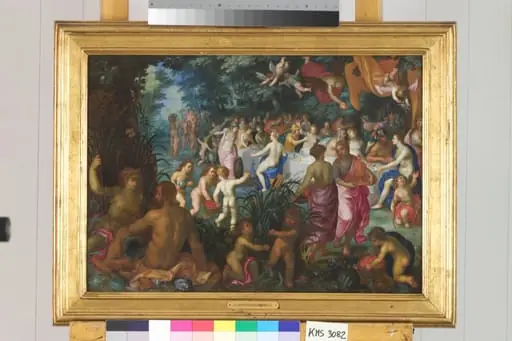 The Marriage of Peleus and Thetis
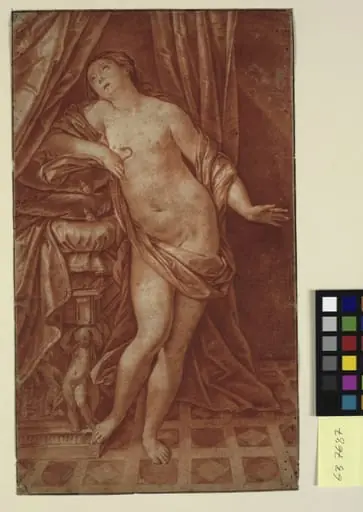 Death of Cleopatra, after a painting by Guido Reni
- Sleeping Nymph Watched by a Man
 Ariadne, kopio Adolf Ulrik Wertmüllerin mukaan