Artwork
Sommerfugl på blad
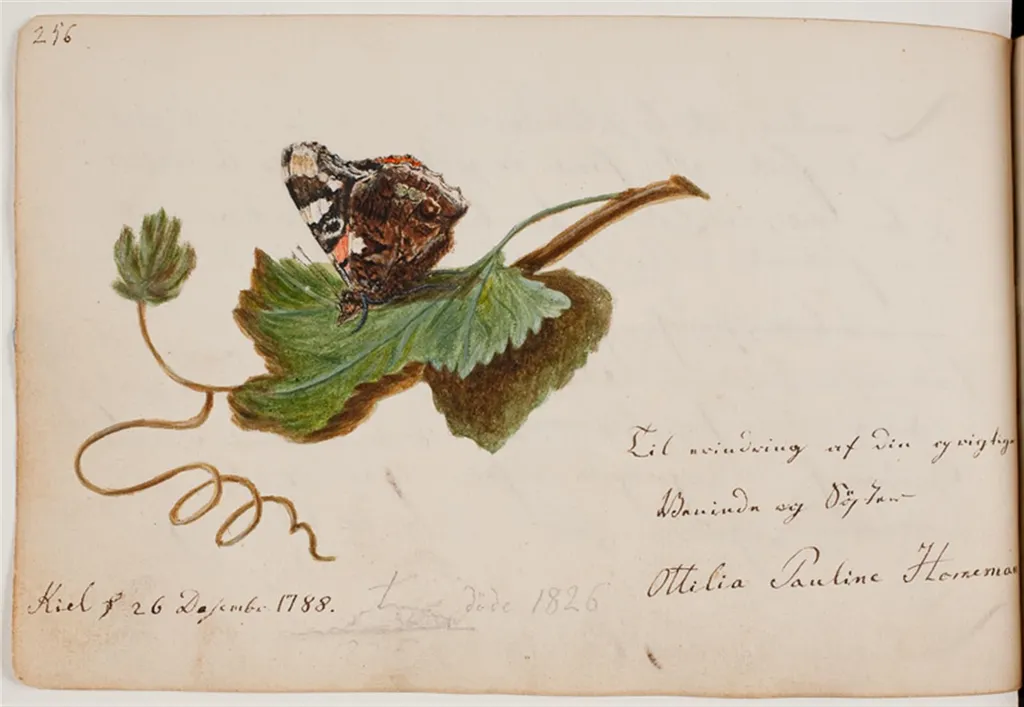
Sommerfugl på blad is an unspecified painting by the Rococo painting artist Unknown. It dates from 1788 and is held in the collection of the Statens Museum for Kunst.
About this work
This small painting shows a butterfly with dark wings and bright orange spots resting on a green leaf.
This small painting shows a butterfly with dark wings and bright orange spots resting on a green leaf. The leaf has a stem with a tiny bud, and the whole scene is simple but detailed. The background is plain, letting the colors stand out.
The artist signed it in a looped script, and there’s a handwritten note in another language. The dates 1788 and 1826 are written near the bottom, but the rest is unclear.
Next, look up Romanticism to see how nature like this was often used in art.
Overview
Sommerfugl på blad is a modestly sized painted image executed in 1788 by the artist recorded as 22373_person. The work resides in the collection of the Museum of Ethnography. Its composition centers on a single butterfly perched upon a leaf, rendered with careful attention to colour contrast against an unadorned background.
Subject & Meaning
The picture depicts a dark‑winged butterfly marked with vivid orange spots settled on a green leaf that bears a small bud on its stem. The isolated setting invites contemplation of a fleeting moment in nature, emphasizing the delicate balance between insect and plant without narrative distraction.
Technique & Style
Executed in a fine, detailed brushstroke, the artist captures the texture of the leaf and the sheen of the butterfly's wings. A restrained palette and flat background reflect a natural‑scientific approach common in late‑eighteenth‑century illustration, while the precise rendering hints at emerging Romantic interest in the emotional resonance of solitary flora and fauna.
History & Provenance
The piece bears the artist's signature in a looping hand, accompanied by a marginal note in an unidentified script. Dates 1788 and 1826 appear near the lower edge, suggesting either a later annotation or a re‑exhibition date. It entered the Museum of Ethnography’s holdings at an unspecified time, where it remains on display.
Context
Created at the close of the Enlightenment, the work aligns with a broader European fascination with natural observation that later fed Romanticism’s celebration of the sublime in everyday nature. Such isolated studies of insects and plants were often used for scientific documentation as well as artistic exploration of the beauty inherent in the natural world.
Artist & collection









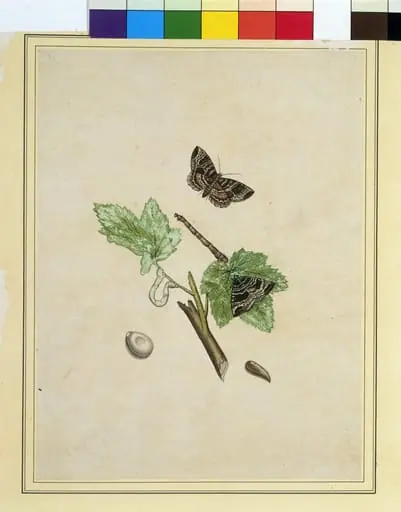
- Geometrid moths
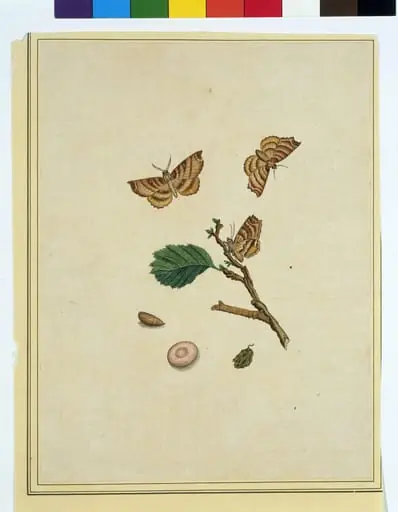 Butterflies
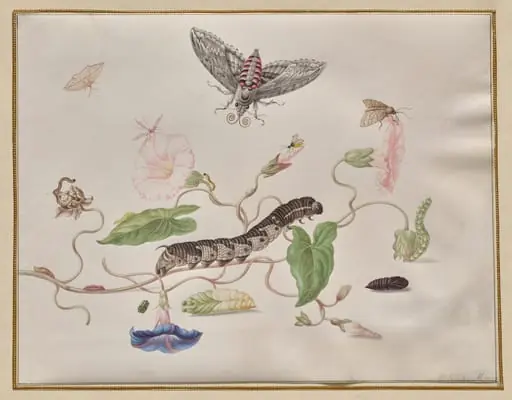 Convolvulus and Metamorphosis of the Convolvulus Hawk Moth
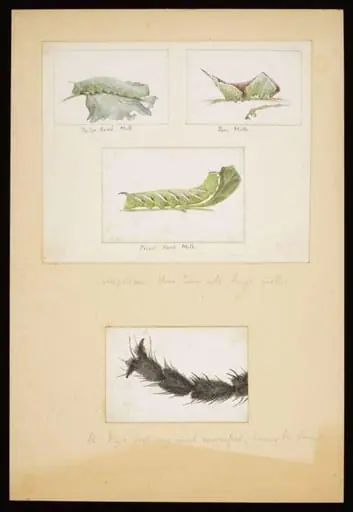 Studies of caterpillars and study of a magnified fly's foot
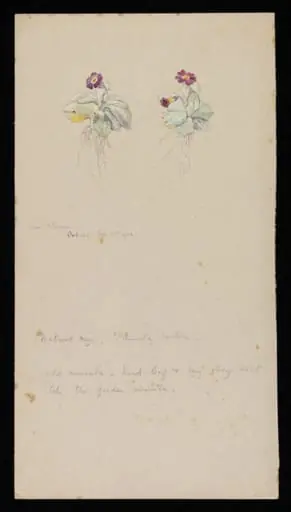 Primula Scotica
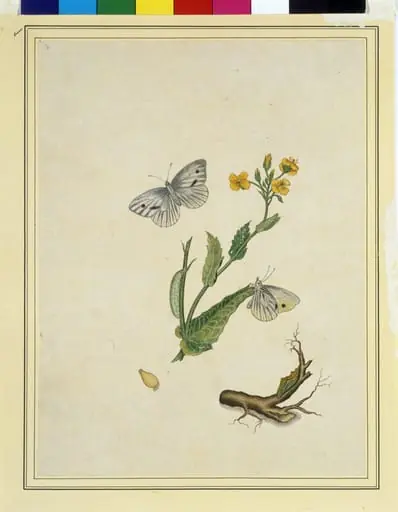 Cabbage worms
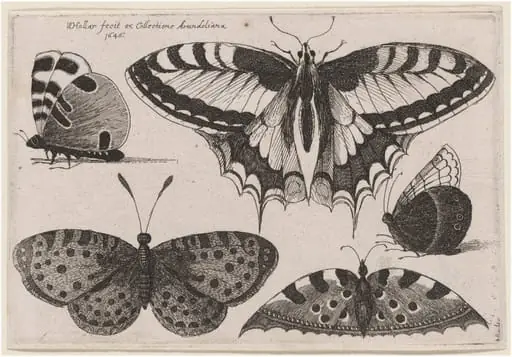 Three Butterflies and Two Moths
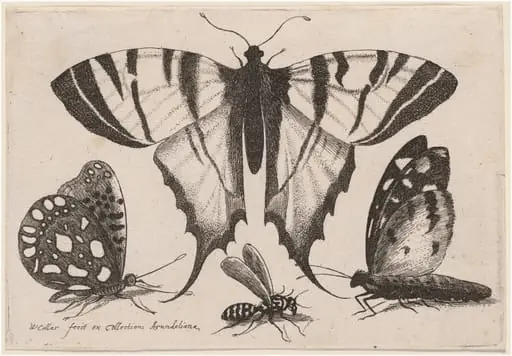 Two Butterflies, a Wasp, and a Moth
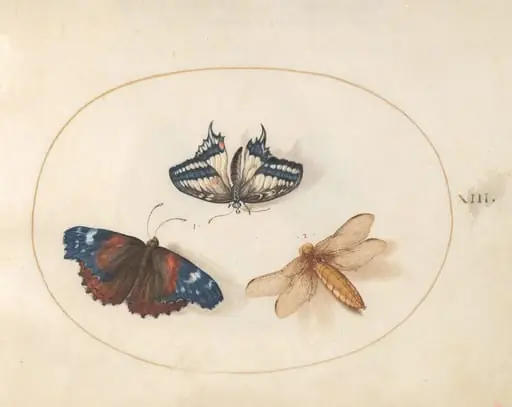 Plate 13: Yellow Swallowtail and Red Admiral Butterflies with a Dragonfly (Broad-Bodied Chaser?)
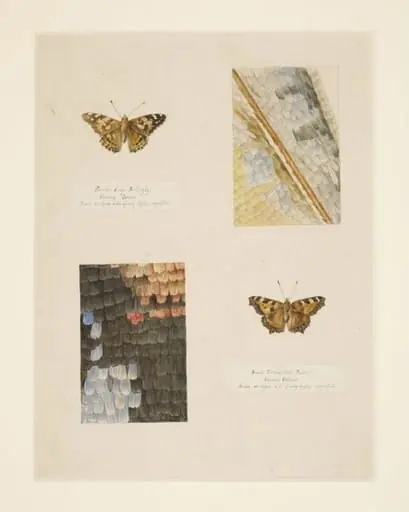 Studies of Small Tortoiseshell and Painted Lady butterflies, with magnified studies of the wings
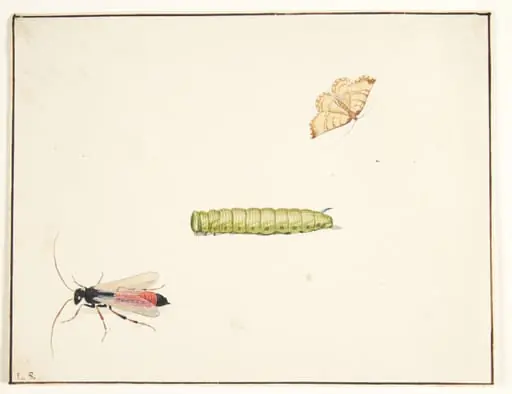 Tre insektstudier
 Study of a wild strawberry plant