Artwork
A Girl in a Red Dress
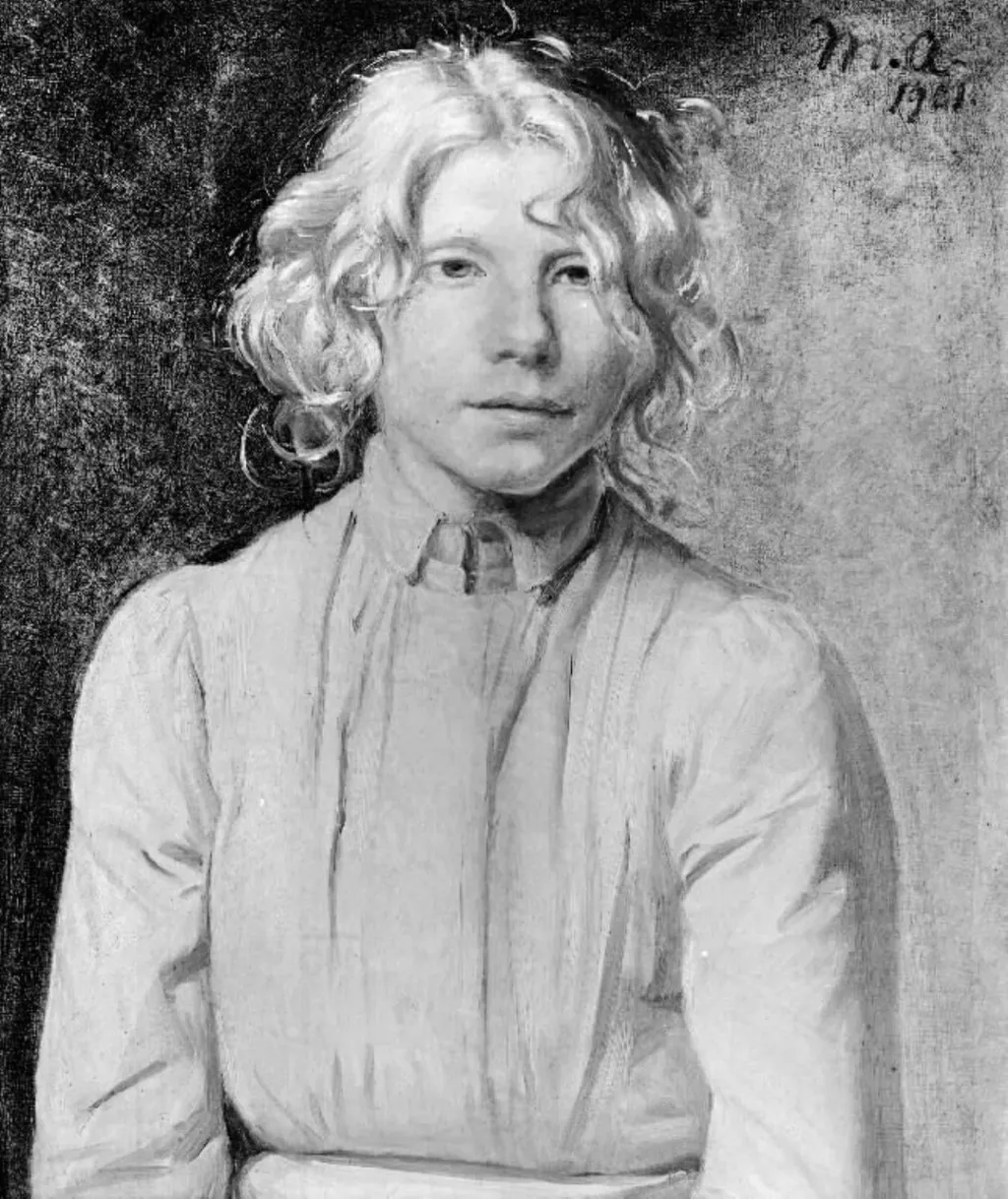
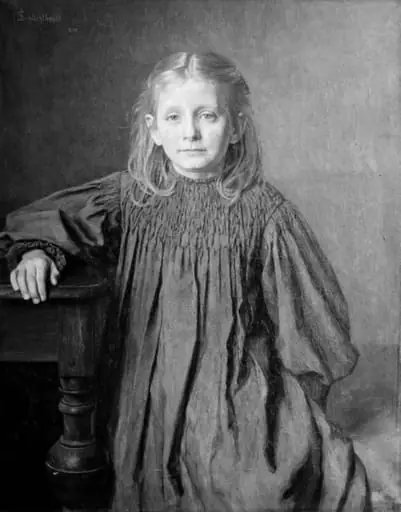
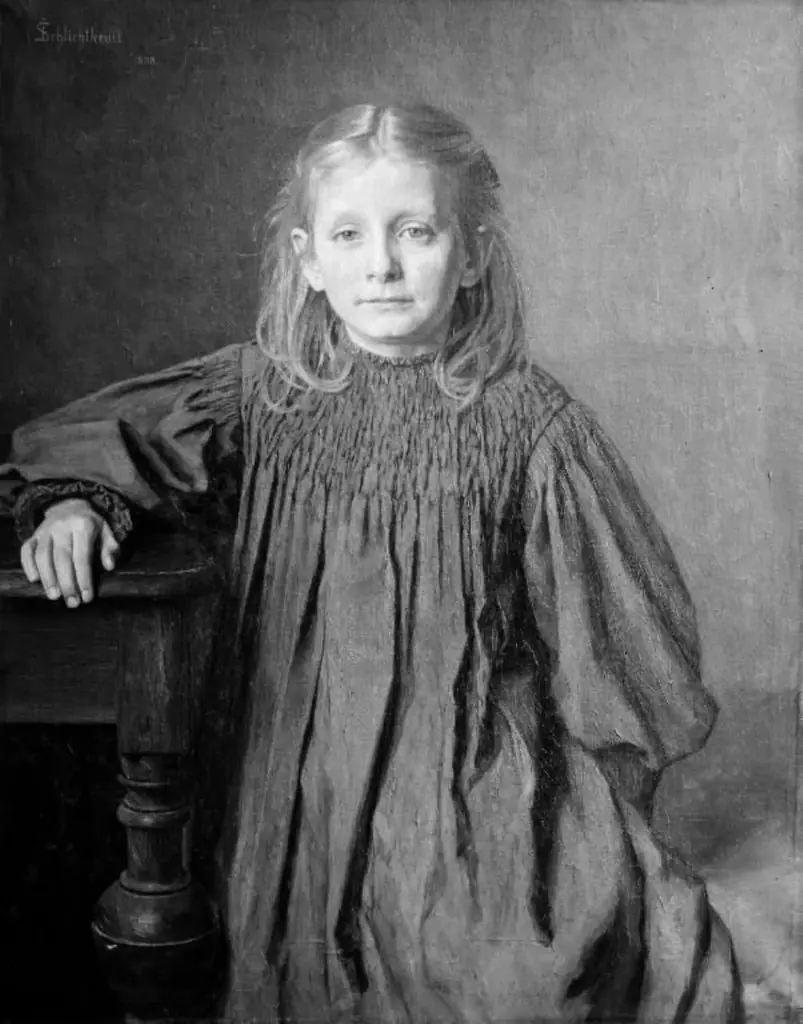
A Girl in a Red Dress is a photography by Unknown. It dates from 1901 and is held in the collection of the Statens Museum for Kunst. This photograph, dated 1901, depicts a young girl in a plain white dress against a dark, unadorned background.
About this work
The photo looks like it was taken a long time ago, with soft lighting that smooths out her features.
This is a black-and-white photo of a girl with light hair and a serious look. She’s wearing a simple white dress with a high collar and a bow at the neck. The background is plain and dark, keeping all focus on her face.
The photo looks like it was taken a long time ago, with soft lighting that smooths out her features. The date in the corner says 1901, which fits that old feel.
If you like this style, check out chiaroscuro for more on how light and shadow work in photos.
Overview
This photograph, dated 1901, depicts a young girl in a plain white dress against a dark, unadorned background. The image is rendered in black and white, with soft, diffused lighting that gently models her features. The composition is minimal, emphasizing the subject’s presence without distraction.
The photograph is held in the collection of the Museum of Ethnography, where it is preserved as a record of early 20th-century portraiture.
Subject & Meaning
The girl, with light hair and a composed expression, appears neither posed for glamour nor engaged in activity. Her serious gaze and modest attire suggest a quiet dignity, possibly reflecting cultural norms around childhood and representation at the time. The absence of context or setting invites focus on her individuality, offering a subtle glimpse into personal identity within a historical moment rather than a narrative.
Technique & Style
The photograph employs soft, even lighting to reduce harsh contrasts, creating a gentle transition between light and shadow. This technique, common in early portrait photography, minimizes texture and emphasizes form. The plain background isolates the subject, while the high collar and bow on the dress hint at contemporary dress codes for children. The image’s tonal range and grain reflect the limitations and aesthetics of early photographic processes.
History & Provenance
The photograph was taken in 1901 and entered the collection of the Museum of Ethnography, where it remains today. Its origin as a private portrait, possibly taken by a local photographer, is not documented. The absence of identifying details about the girl or the photographer suggests it was acquired for its representational value rather than its historical specificity, serving as an example of everyday visual culture from the period.
Context
In the early 1900s, photographic portraiture became increasingly accessible to middle-class families, replacing painted likenesses as the primary means of personal representation. This image reflects that shift, capturing a child in a restrained, formal style common in studio settings. The simplicity of dress and setting aligns with prevailing ideals of modesty and moral seriousness in childhood imagery of the era.
Legacy
Though unsigned and anonymous, the photograph endures as a quiet testament to early photographic practice and social norms. It contributes to broader studies of childhood representation and the evolution of photographic aesthetics. Its preservation in an ethnographic context underscores its value not as art, but as a cultural artifact, a silent witness to ordinary life at the turn of the century.
Artist & collection