Artwork
Jesus viser sig for apostelene
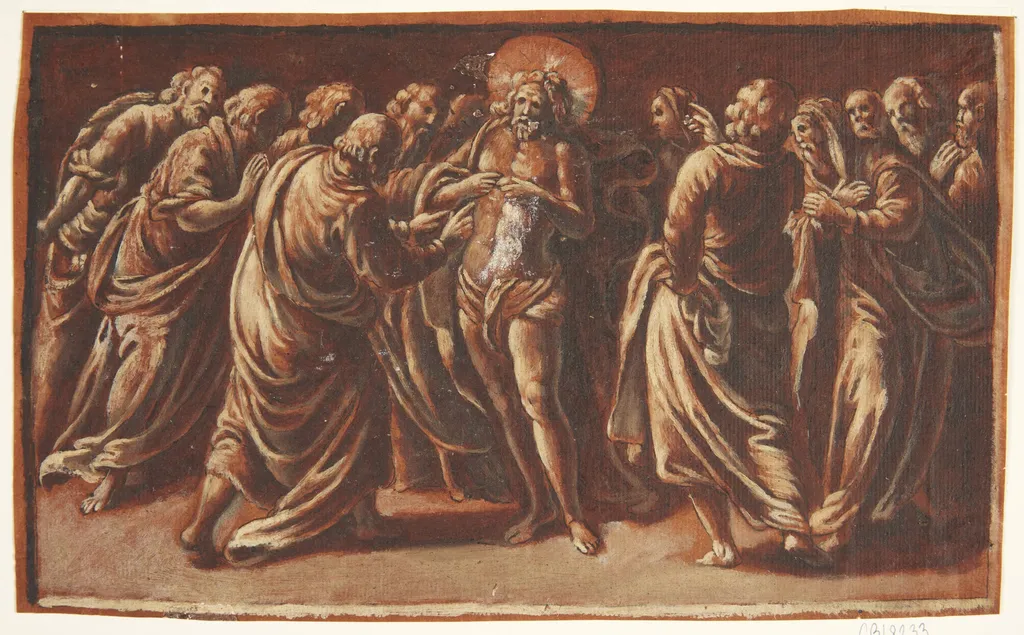
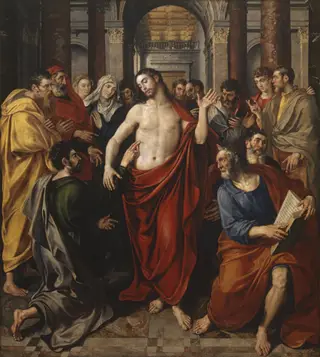
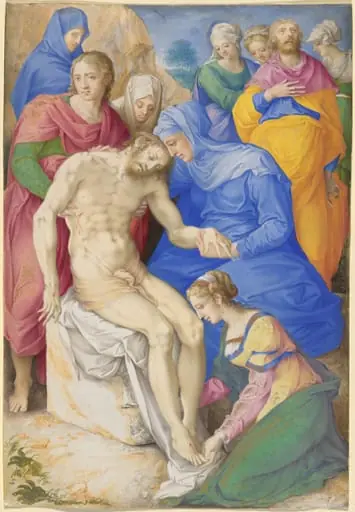
Jesus viser sig for apostelene is an unspecified work on paper by Unknown. It dates from 1450 and is held in the collection of the Statens Museum for Kunst. Painted around 1450, this work depicts a moment of revelation involving Jesus and his apostles.
About this work
Overview
Executed in tempera or similar medium on a wooden panel, it is currently held in the collection of the Museum of Ethnography.
Painted around 1450, this work depicts a moment of revelation involving Jesus and his apostles. Executed in tempera or similar medium on a wooden panel, it is currently held in the collection of the Museum of Ethnography. The composition centers on a solitary, haloed figure surrounded by a group of attentive followers, rendered in a restrained palette of earth tones and subdued gold. The scene conveys intimacy rather than grandeur, emphasizing quiet spiritual encounter over dramatic spectacle.
Subject & Meaning
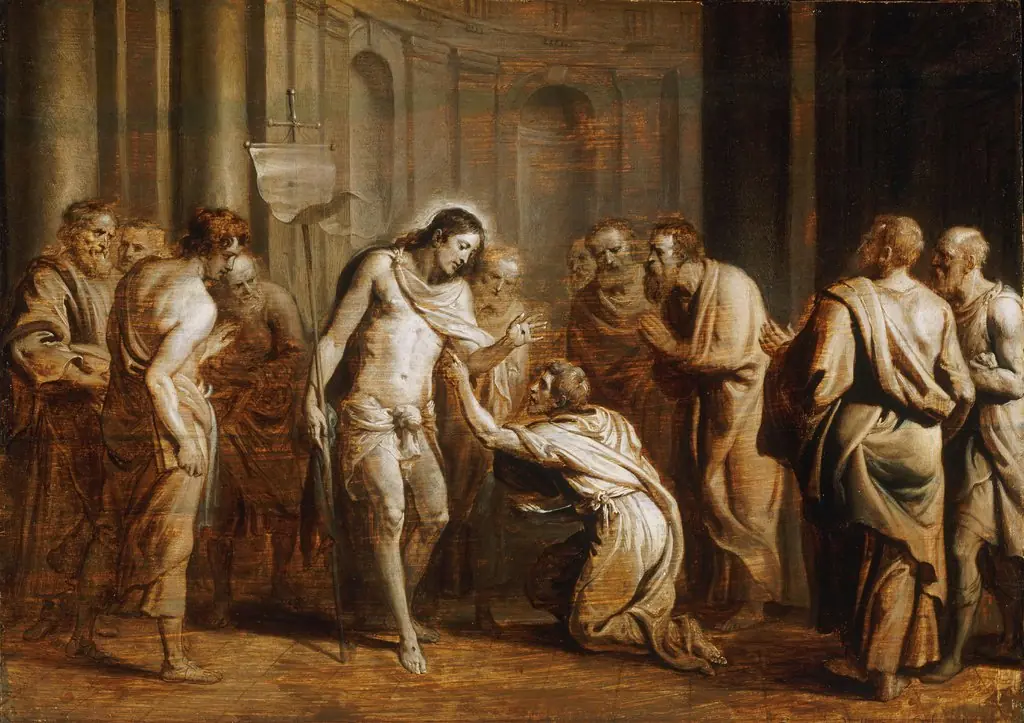
The painting illustrates the post-resurrection appearance of Jesus to his disciples, a moment described in the Gospels where physical proof of his return reassures the faithful. The apostles lean inward, some reaching to touch his robe, suggesting both reverence and disbelief turning to recognition. The bare feet and simple robe signal humility, while the golden halo marks divine presence. The scene captures a transition from doubt to faith, rendered without overt spectacle.
Technique & Style
The artist employed thin, layered pigments to build subtle gradations of light and shadow, enhancing the tactile presence of fabric and skin. Colors are muted, ochres, umbers, and faint golds, creating a somber, contemplative atmosphere. Facial expressions are simplified, and gestures are restrained, focusing attention on physical proximity and emotional stillness. The lack of detailed background reinforces the psychological intensity of the encounter.
History & Provenance
The painting entered the Museum of Ethnography’s collection in the late 19th or early 20th century, likely acquired during a period of increased interest in religious art from Northern Europe. Its origins remain undocumented prior to this, though stylistic elements suggest a connection to late medieval Scandinavian or Low Countries traditions. No records of earlier ownership or commission have been verified.
Context
Created during a time when devotional imagery was central to private and communal worship, this work reflects a trend toward intimate, emotionally resonant religious scenes. Unlike large altarpieces meant for public churches, this piece may have been intended for domestic or monastic use, where quiet contemplation was valued. Its modest scale and subdued palette align with regional practices emphasizing personal piety over theatrical display.
Legacy
Though not widely known outside specialized collections, the painting contributes to understanding how religious narratives were adapted for private devotion in late medieval Europe. Its emphasis on physical presence and quiet interaction influenced later devotional imagery in Northern Europe. The work remains a quiet example of how spiritual moments were rendered with restraint, prioritizing emotional authenticity over grandeur.
Artist & collection









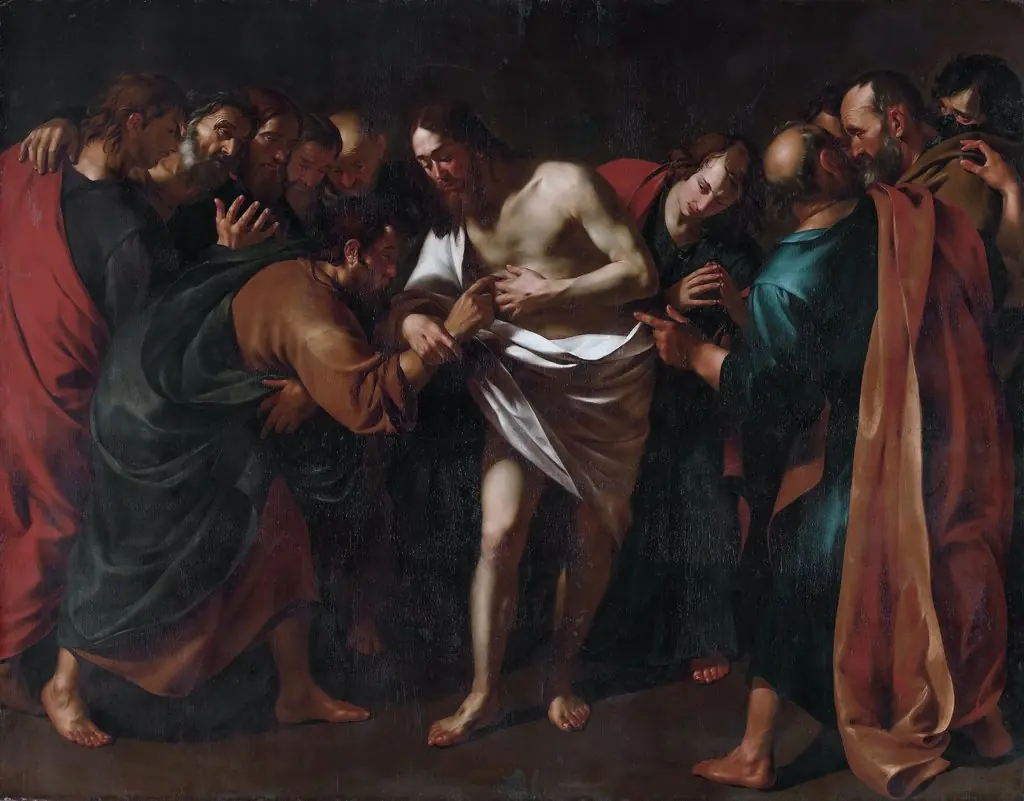
- The incredulity of St Thomas
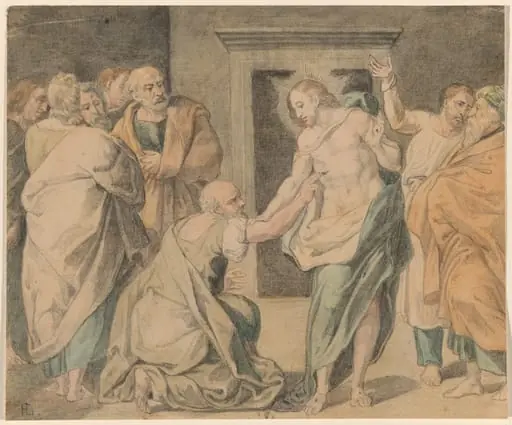 Christ with Doubting Thomas and the Apostles
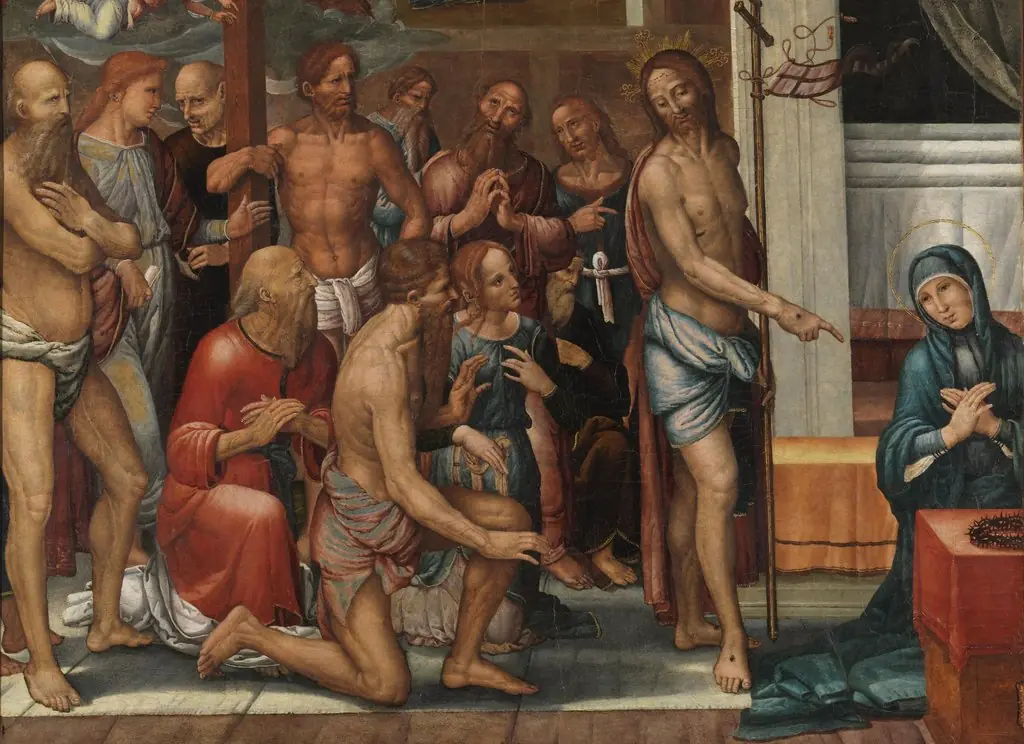 Christ presents the Redeemed from Limbo to the Virgin
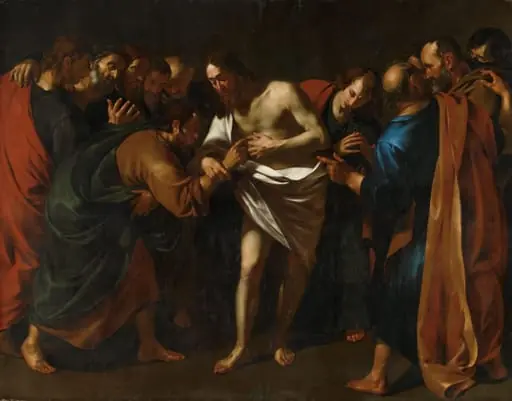 Untitled
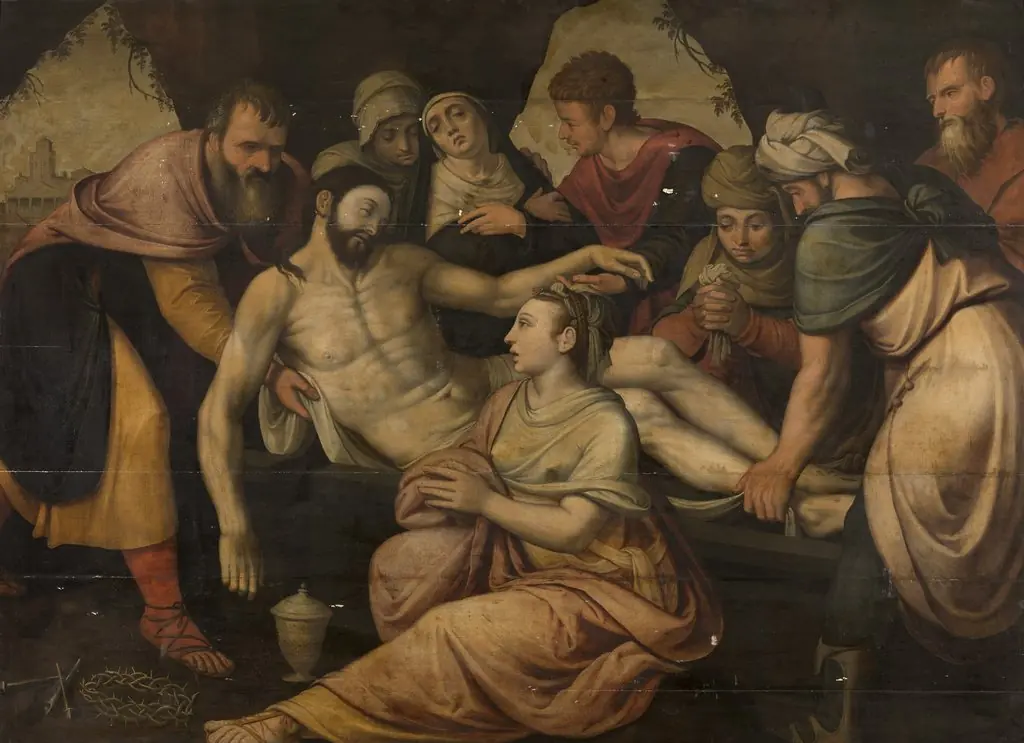 Christ's Entombment
 The Incredulity of Saint Thomas
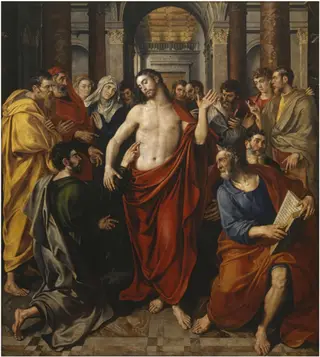 Incredulity of Saint Thomas
 Altarpiece of the Guild of the Fur Workers
 Saint Thomas Touching Christ's Wounds
 Deliver of the Keys to Saint Peter
 The Death of Christ
 The Lamentation