Artwork
Pedro Sunda, a Servant of Dom Miguel de Castro
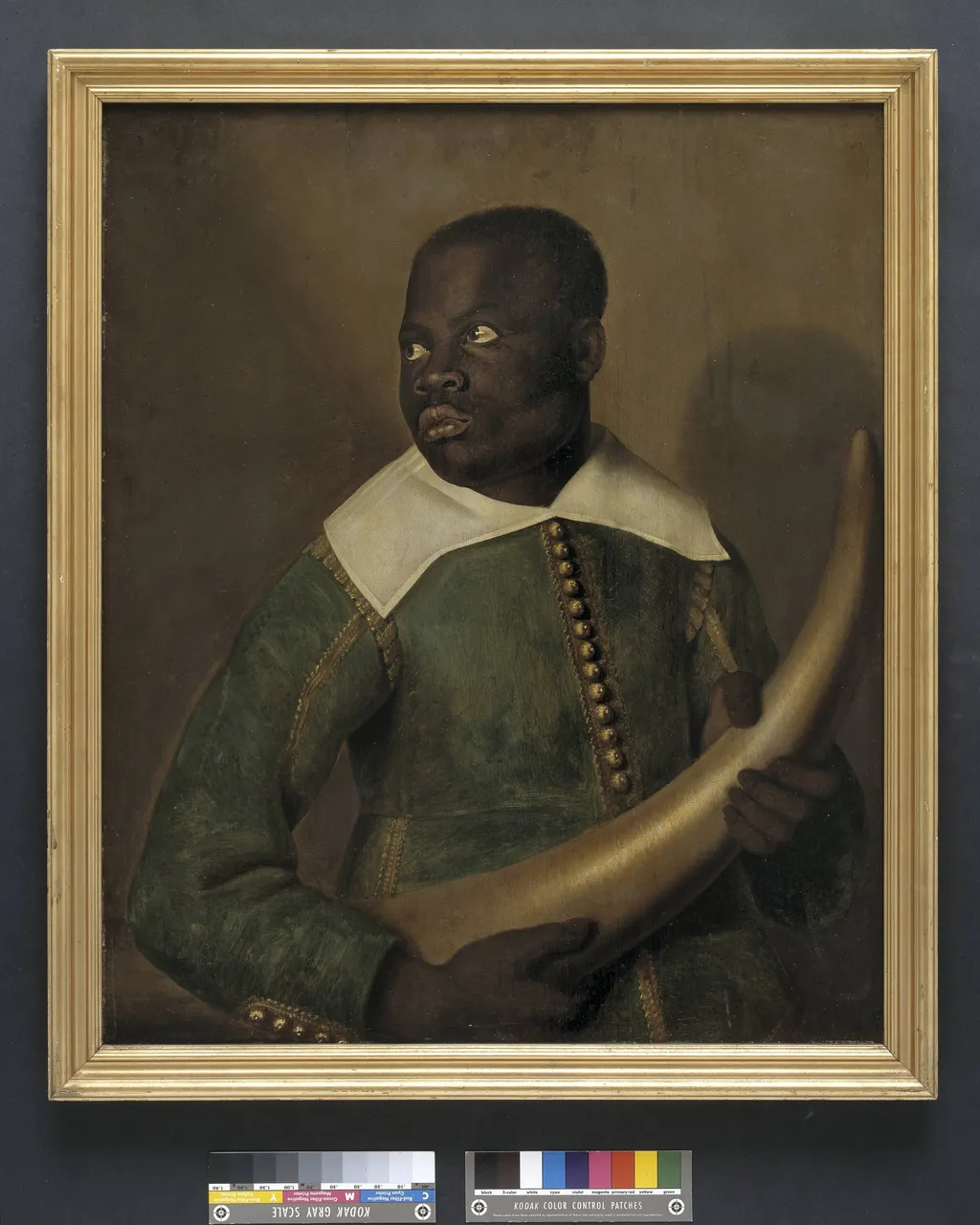
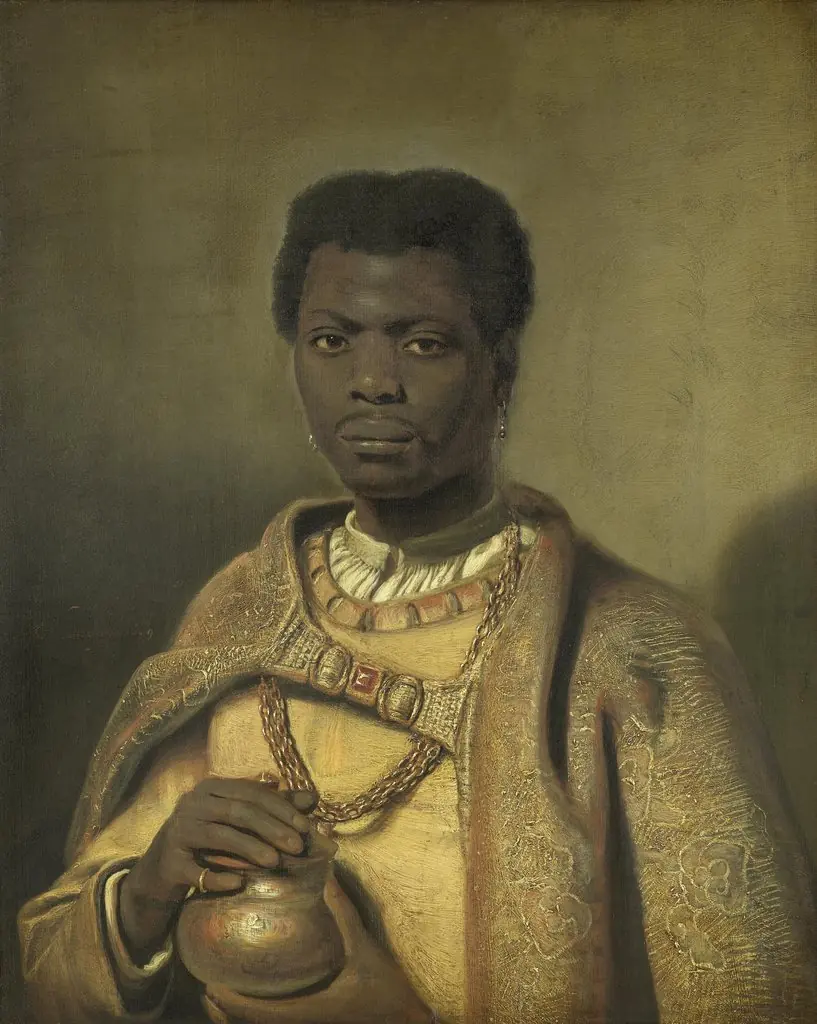
Pedro Sunda, a Servant of Dom Miguel de Castro is a photography by Unknown. It dates from 1643 and is held in the collection of the Statens Museum for Kunst.
About this work
Overview
It presents a formal, life-sized representation of a Black African man in early modern Europe, notable for its direct gaze and restrained composition.
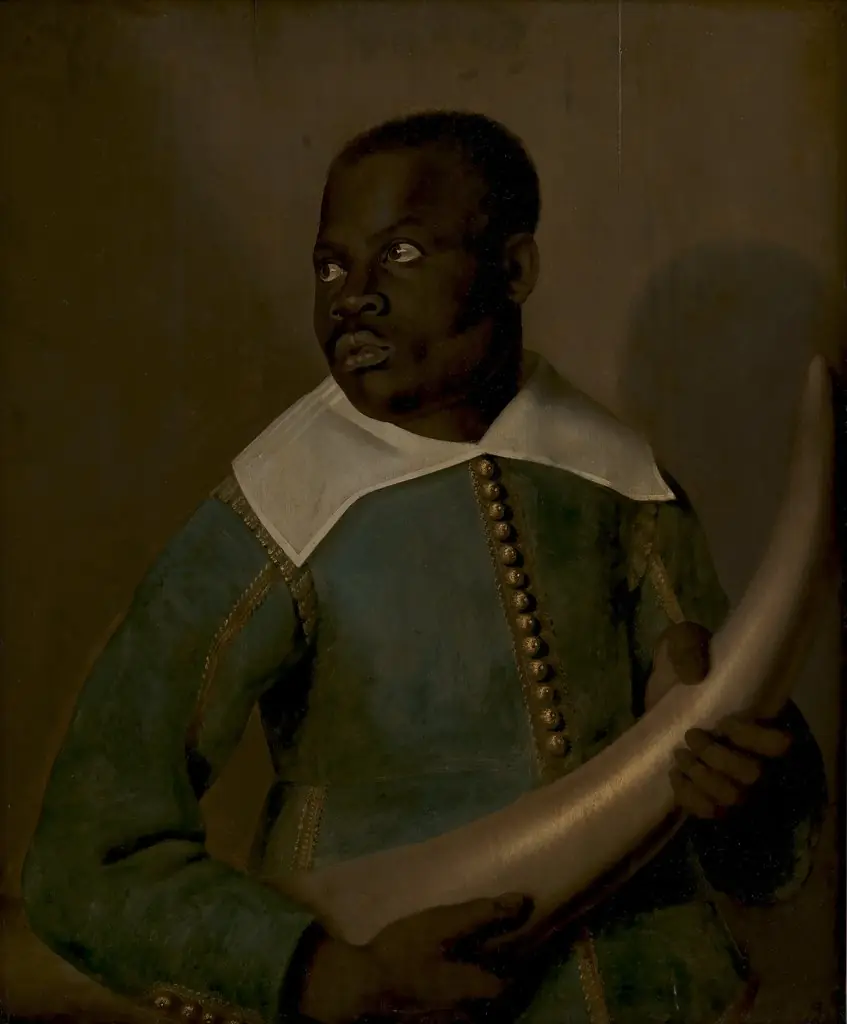
This portrait, dated around 1643, depicts Pedro Sunda, an individual in service to Dom Miguel de Castro, a nobleman from the Kingdom of Kongo. Executed in oil on panel, the work is part of the collection at the Museum of Ethnography. It presents a formal, life-sized representation of a Black African man in early modern Europe, notable for its direct gaze and restrained composition. The image is not a photograph, as sometimes misstated, but a painted portrait from the mid-seventeenth century.
Subject & Meaning
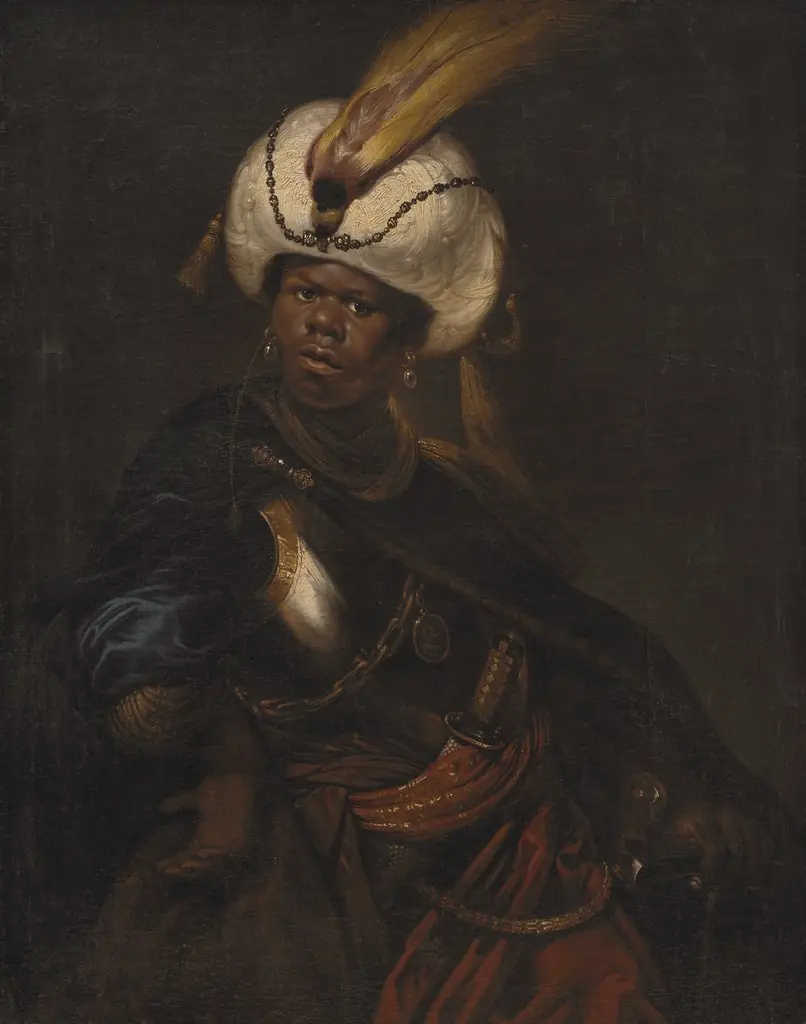
Pedro Sunda is portrayed as a domestic servant, likely part of the entourage accompanying Dom Miguel de Castro during his diplomatic mission to Europe. His dignified posture and refined attire suggest a status beyond mere laborer, possibly reflecting the complex social roles Africans held in European courts. The neutral expression and direct gaze convey presence and agency, resisting stereotypical depictions common in the period.
Technique & Style
The artist employed a naturalistic style with careful attention to texture and light, particularly in the rendering of the green velvet jacket, gold buttons, and white lace collar. The muted brown background isolates the figure, focusing attention on his form and clothing. Skin tone is rendered with subtle gradations, avoiding caricature.
The curved object in his hand, possibly a ceremonial staff or walking cane, adds symbolic weight to the composition.
History & Provenance
The portrait was likely commissioned during Dom Miguel de Castro’s visit to the Netherlands in 1643, when he sought support from the Dutch Republic. Pedro Sunda’s inclusion suggests his importance within the delegation. The painting remained in European collections, eventually entering the Museum of Ethnography’s holdings.
Its survival is rare, as few portraits of African individuals from this era were preserved outside of royal or ecclesiastical contexts.
Context
In the mid-seventeenth century, African individuals often served in European courts as attendants, diplomats, or servants, sometimes achieving visibility through portraiture. This work reflects the transatlantic networks of diplomacy and slavery, where African elites occasionally traveled to Europe as part of political missions. Pedro Sunda’s portrait stands as a quiet testament to the presence and dignity of Africans in early modern European society.
Legacy
The portrait contributes to a growing body of visual evidence documenting African presence in Europe before the height of the transatlantic slave trade. It challenges assumptions about the invisibility of Black individuals in early modern art. Today, it is studied for its historical specificity and as a counter-narrative to dominant representations of Africans in European visual culture.
Artist & collection