Artwork
Portrait of a Man
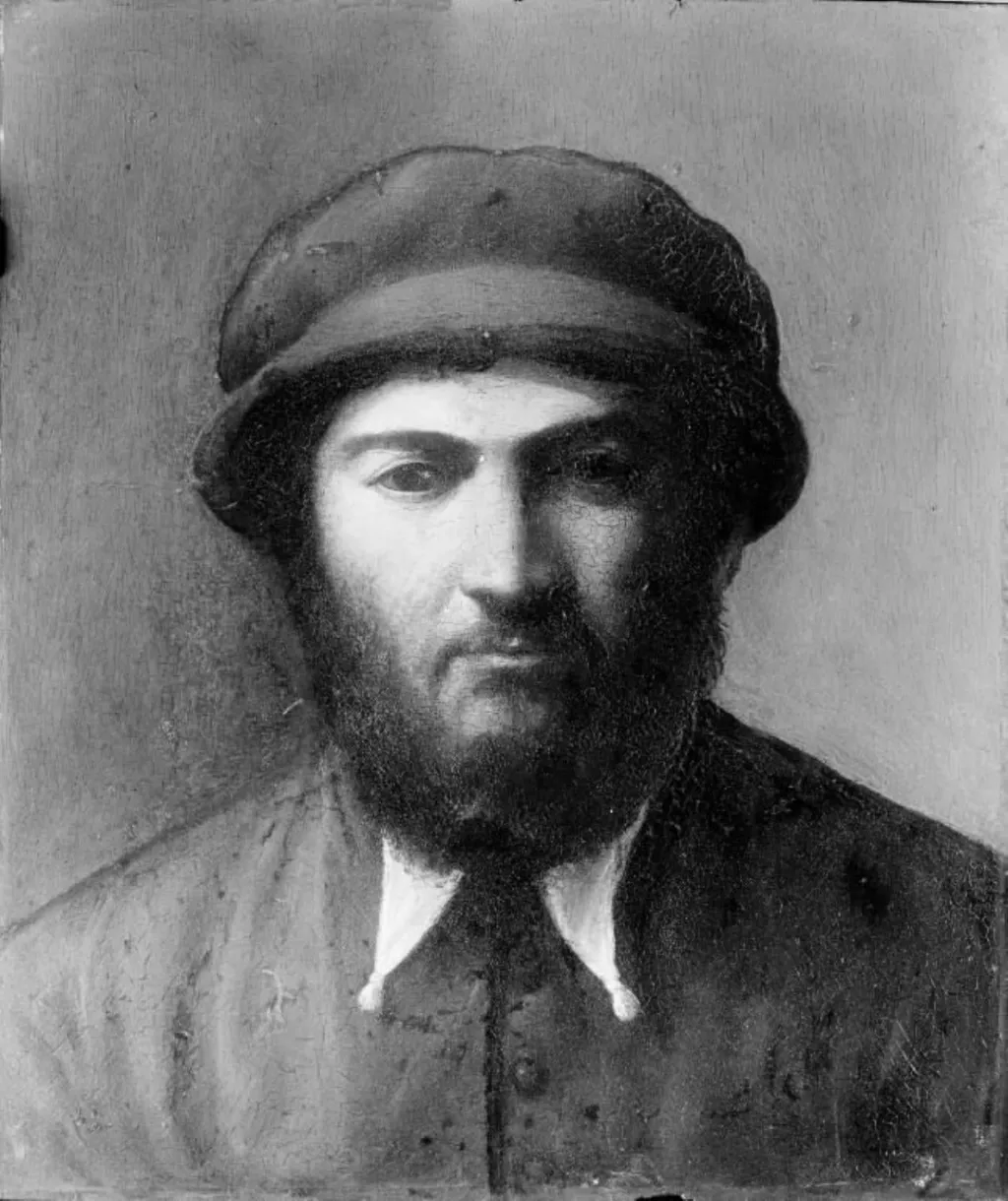
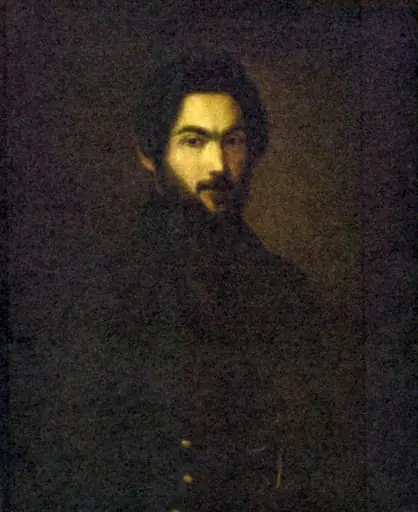
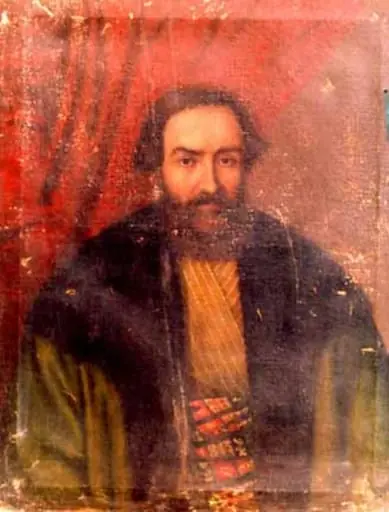
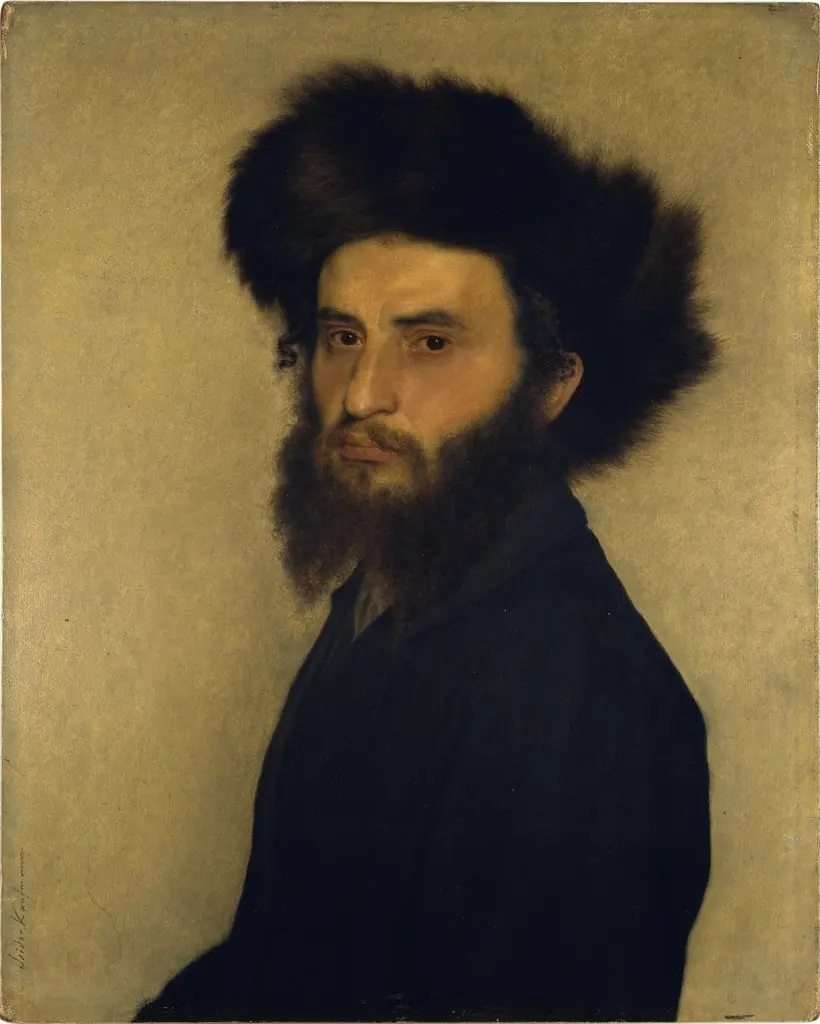
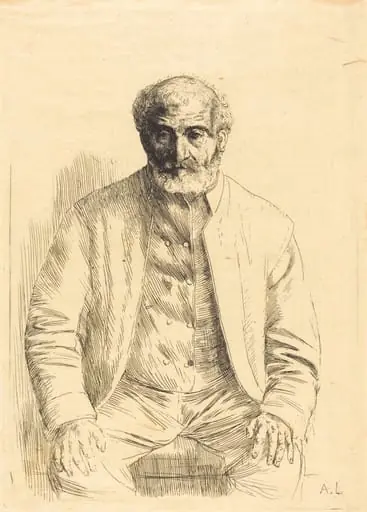
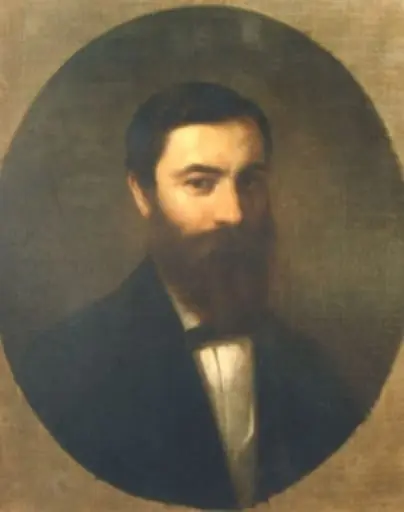
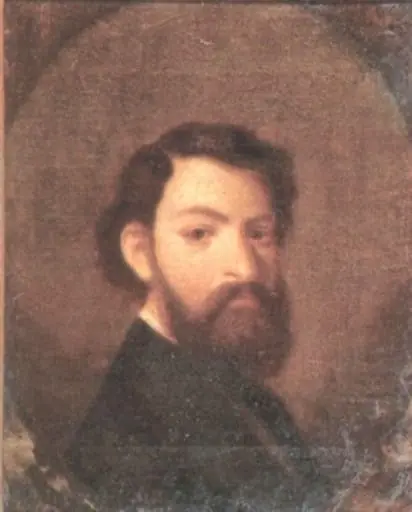
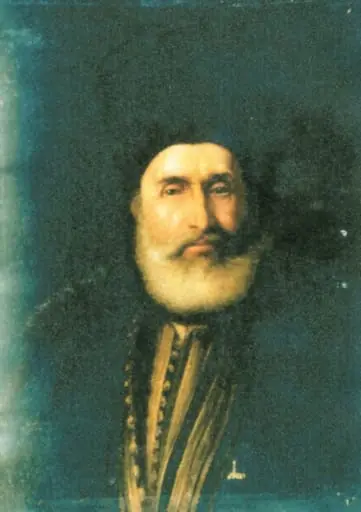
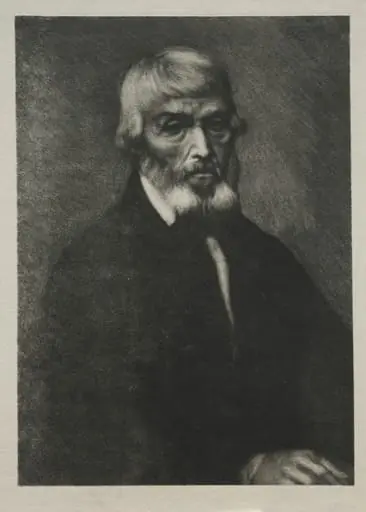
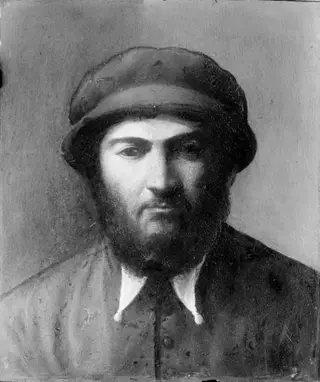
Portrait of a Man is an unspecified painting by Unknown. It dates from 1550 and is held in the collection of the Statens Museum for Kunst. This black-and-white portrait, dated around 1550, depicts a man in formal attire, rendered with restrained detail and muted tonality.
About this work
Overview
This black-and-white portrait, dated around 1550, depicts a man in formal attire, rendered with restrained detail and muted tonality. The work is attributed to an anonymous artist and is currently held in the collection of the Museum of Ethnography. Its modest scale and unadorned composition suggest a private or domestic commission rather than a public display of status.
Subject & Meaning
The subject is a man of likely middle or upper social standing, identified by his high-collared coat and fitted hat. His direct gaze and composed expression convey quiet dignity rather than ostentation. The absence of symbols or props implies an emphasis on personal presence over social role, possibly reflecting a shift toward individual portraiture in mid-16th-century Europe.
Technique & Style
The artist employs a limited grayscale palette to model the face and clothing with subtle gradations of light. The background is uniformly dark, isolating the figure and enhancing the three-dimensionality of his features. Soft edges and faint surface wear suggest age and possible exposure to environmental conditions, though the technique remains deliberate and controlled.
History & Provenance
The portrait’s early ownership is undocumented, but its entry into the Museum of Ethnography indicates it was acquired as part of a broader collection of historical personal artifacts. Its survival without significant restoration suggests it was preserved in stable conditions, possibly within a family or institutional archive before institutional acquisition.
Context
Created during a period when portraiture was expanding beyond royalty and clergy, this work reflects the growing interest in depicting ordinary individuals of means. Similar portraits from northern Europe emphasize psychological presence over ornamentation, aligning this piece with broader trends in secular representation during the Renaissance.
Legacy
Though not widely reproduced or studied, the portrait contributes to the understanding of non-elite portraiture in the 16th century. Its preservation offers insight into how personal identity was visually constructed outside aristocratic circles, influencing later ethnographic and historical approaches to domestic imagery.
Artist & collection