Artwork
Landskab
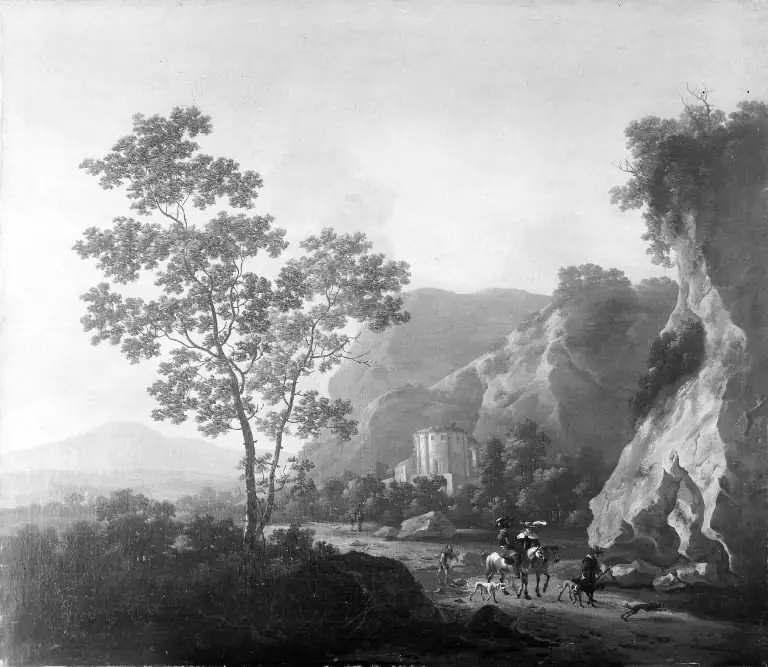
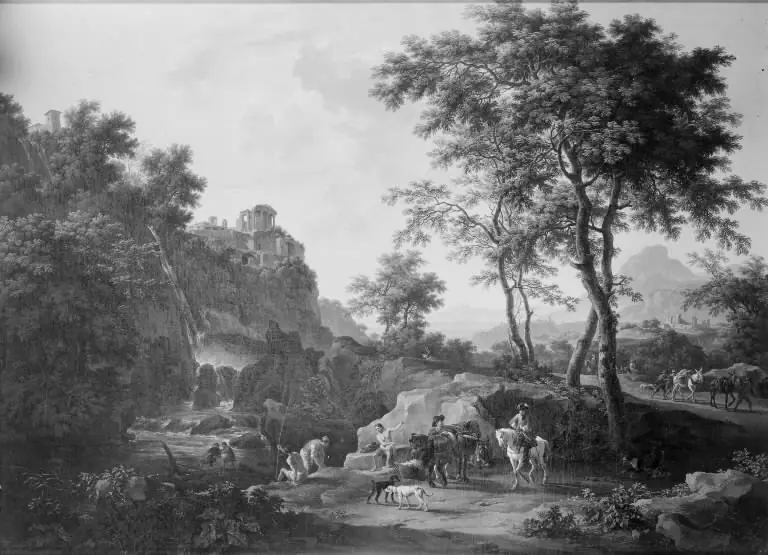
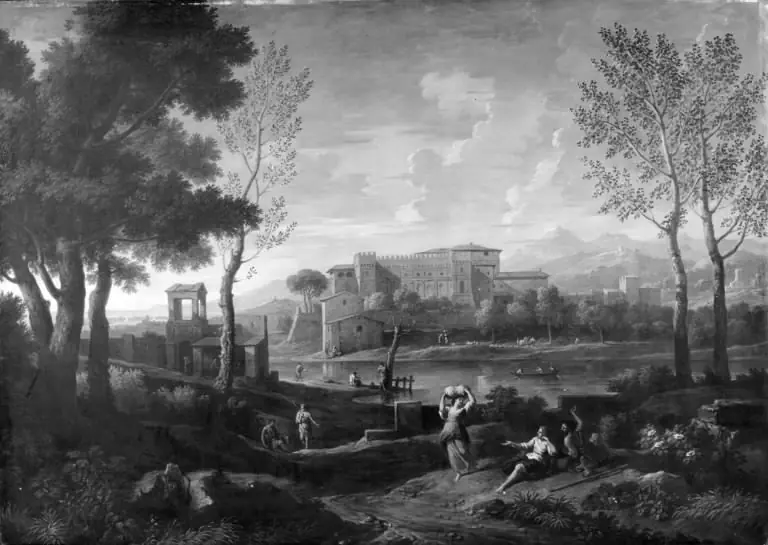
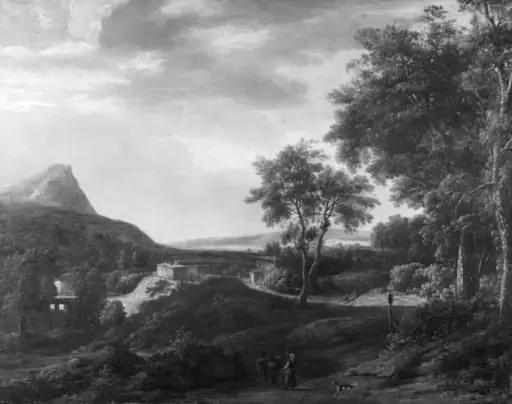
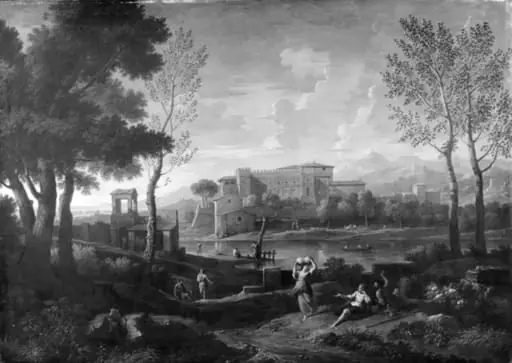
Landskab is a photography by Unknown. It dates from 1750 and is held in the collection of the Statens Museum for Kunst.
About this work
Overview
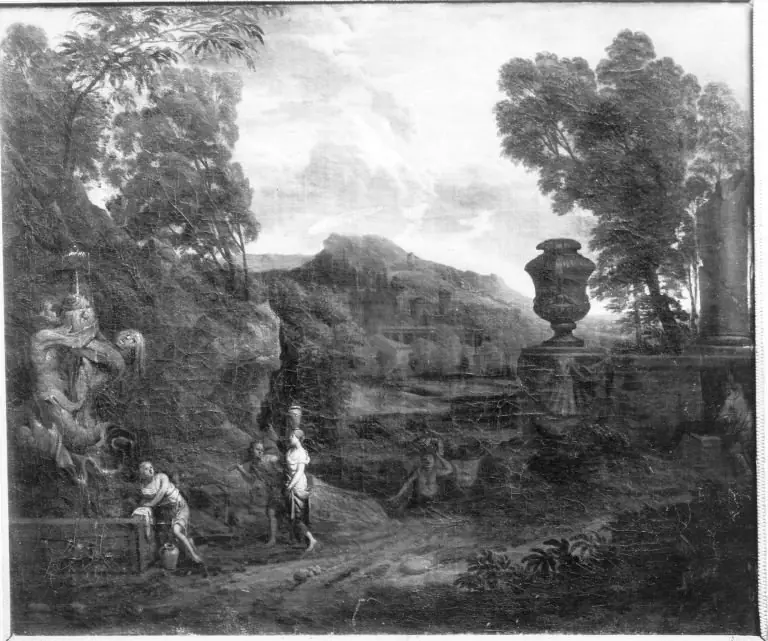
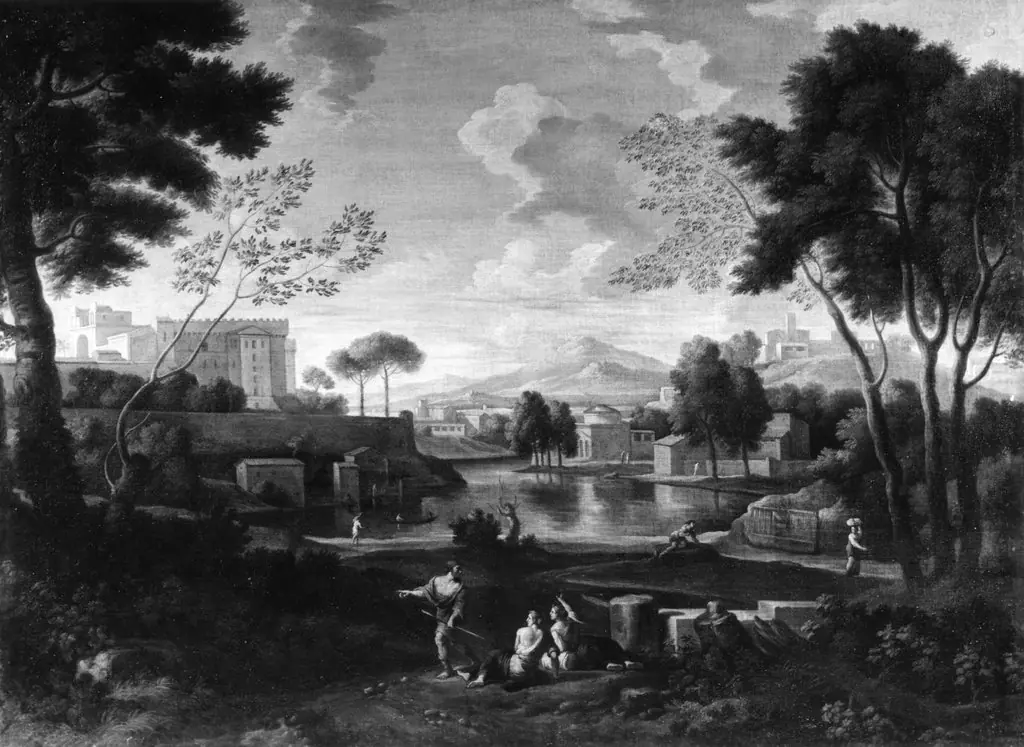
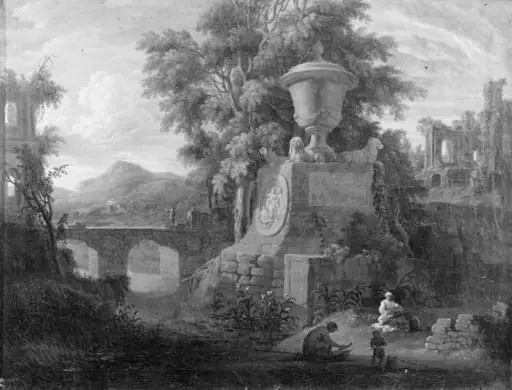
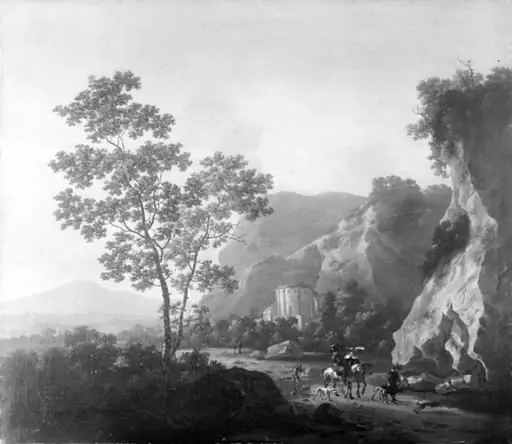
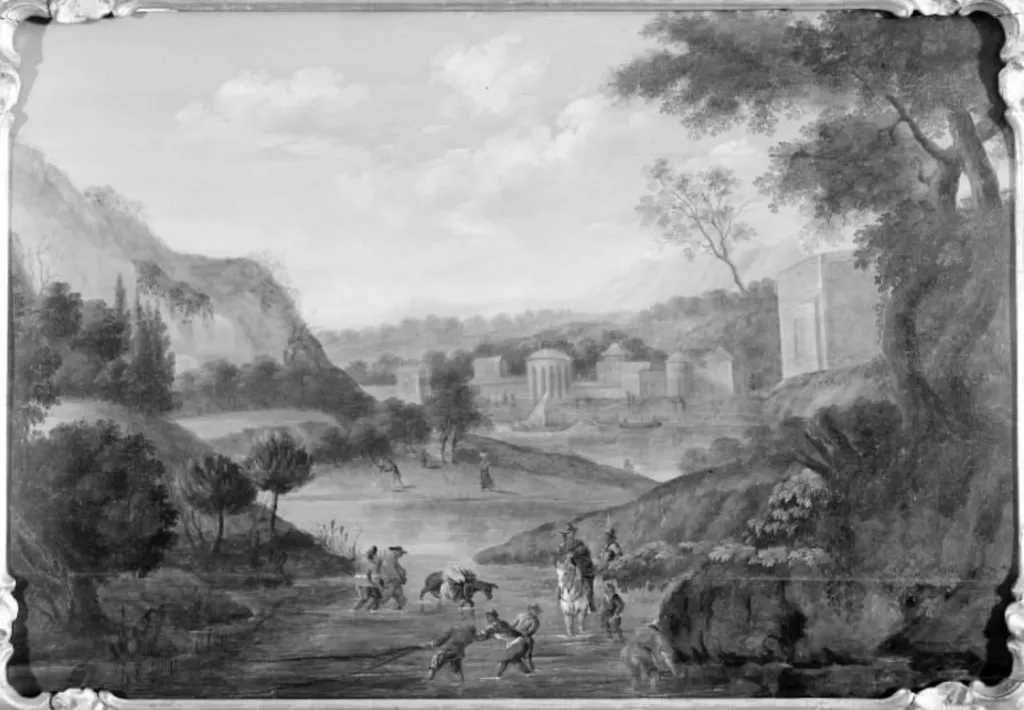
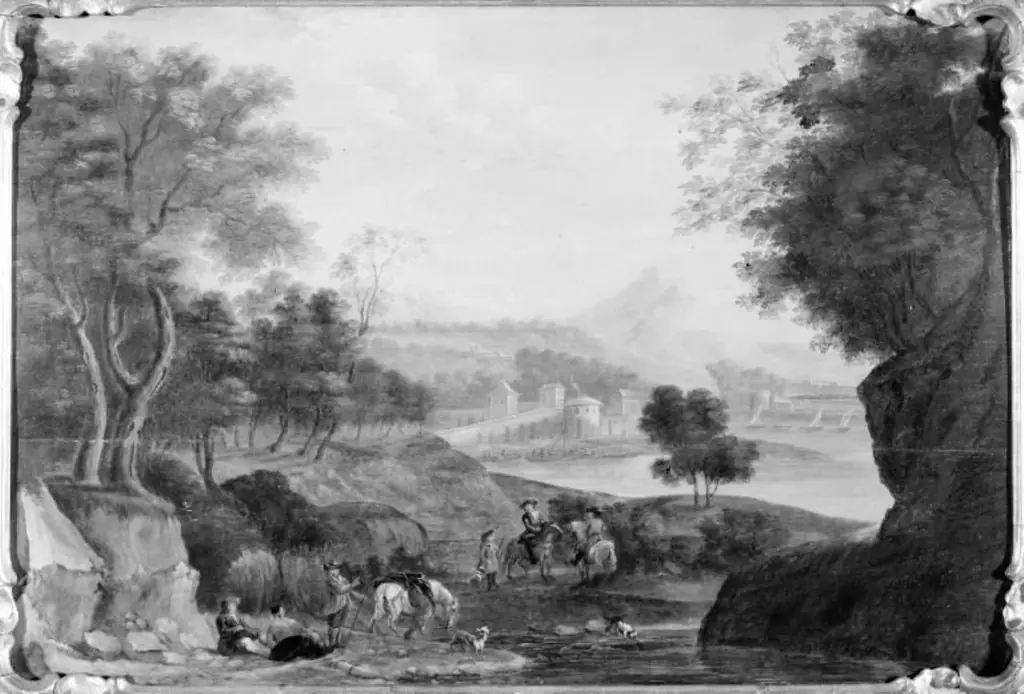
Landskab, dated around 1750, is a landscape painting attributed to the artist 37681_person. It resides in the collection of the Museum of Ethnography. The work presents a quiet rural scene, rendered with attention to natural elements and human activity. Its composition balances figures and terrain, suggesting a moment of everyday life within a broader environment.
Subject & Meaning
The painting shows a group of individuals engaged in ordinary tasks, riding, walking, transporting goods, amidst a tranquil countryside. The absence of dramatic narrative or symbolic elements implies a focus on observation rather than allegory. The scene may reflect daily rhythms of rural life, capturing a sense of routine and harmony with the land.
Technique & Style
Chiaroscuro is employed to model forms and suggest spatial depth, with soft transitions between light and shadow guiding the viewer’s gaze. The brushwork is restrained, favoring atmospheric cohesion over fine detail. The sky, rendered in muted tones, contributes to a subdued mood, reinforcing the painting’s quiet, contemplative character.
History & Provenance
The painting entered the Museum of Ethnography’s holdings at an unspecified date, likely through acquisition or donation. Its origins prior to museum custody are undocumented. The attribution to 37681_person remains based on stylistic analysis, as no definitive documentation of its creation or early ownership has been preserved.
Context
Created in the mid-18th century, Landskab aligns with a broader European interest in naturalistic landscape depiction, though it lacks the idealized grandeur of contemporary academic traditions. Its focus on modest, unheroic rural activity suggests a regional or vernacular approach, possibly reflecting local customs or the artist’s immediate surroundings.
Legacy
Landskab remains a quiet example of 18th-century landscape painting preserved outside mainstream art institutions. It contributes to the Museum of Ethnography’s collection by illustrating non-urban life through visual means. While not widely studied, it offers insight into how ordinary environments were observed and recorded during the period.
Artist & collection