Artwork
Dansk Ingefær
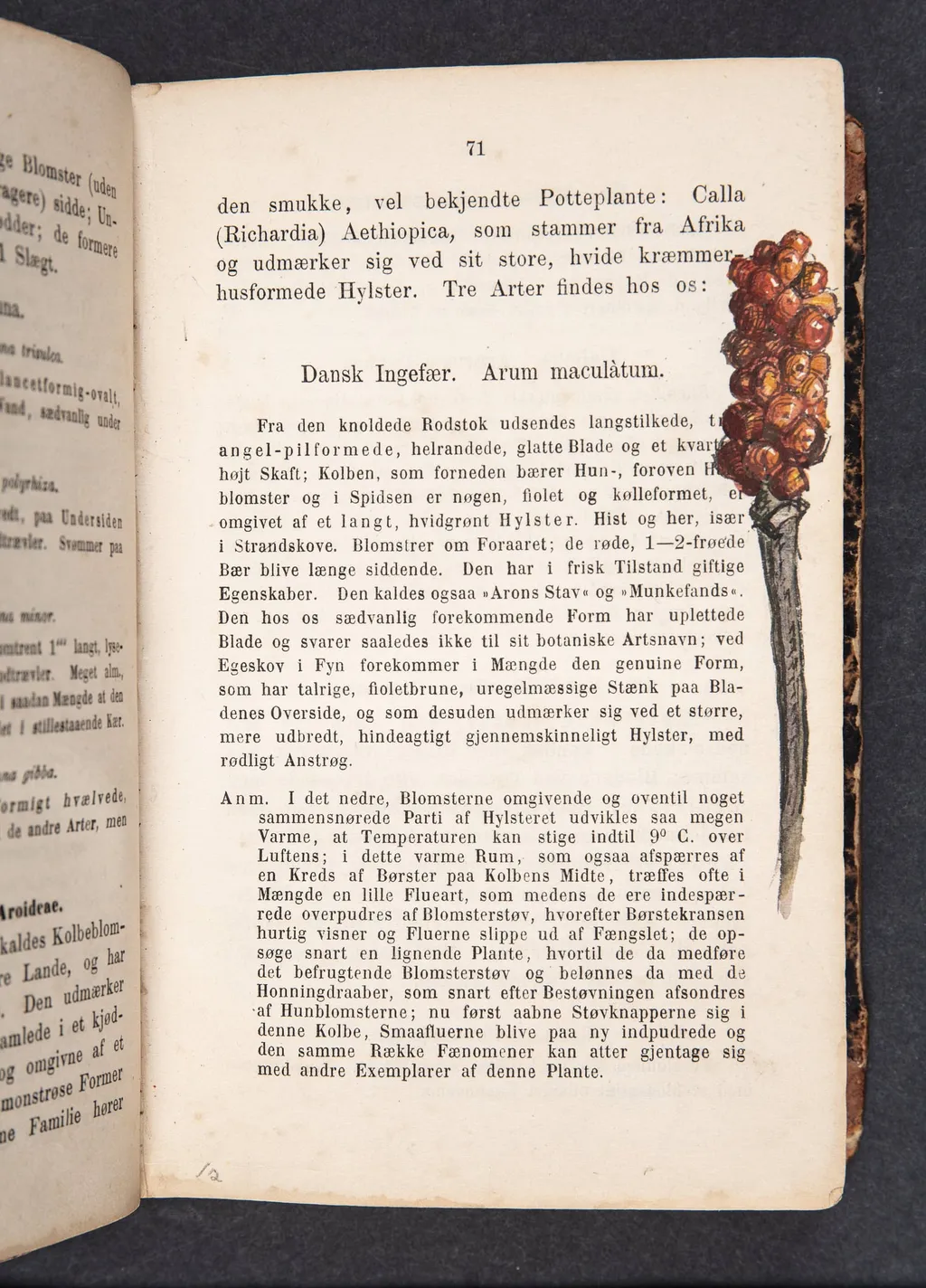
Dansk Ingefær is an unspecified painting by Unknown. It dates from 1850 and is held in the collection of the Statens Museum for Kunst.
About this work
Overview
It resides in the Museum of Ethnography, where its unadorned realism aligns with 19th-century ethnographic documentation practices.
Dansk Ingefær, dated around 1850, is a botanical study painted by 397_person. It depicts a dried ginger plant with twisted stem, sparse leaves, and clusters of red-orange berries. Rendered with minimal embellishment, the work emphasizes the plant’s physical presence over idealization. It resides in the Museum of Ethnography, where its unadorned realism aligns with 19th-century ethnographic documentation practices.
Subject & Meaning
The subject is a specimen of ginger, likely collected during colonial-era botanical expeditions. Its dried state and isolated placement suggest it was studied as a material object rather than a living plant. The inclusion of a faded foreign-language text in the background hints at its origin or classification within a broader system of knowledge, possibly reflecting European efforts to catalog non-European flora.
Technique & Style
The artist employed a restrained palette of earth tones, allowing the berries to emerge as focal points through contrast rather than saturation. Forms are rendered with sharp edges and no softening, rejecting romanticized naturalism. Light falls evenly, avoiding dramatic chiaroscuro; instead, the work relies on precise observation and tonal variation to convey texture and volume.
History & Provenance
Created circa 1850, the painting entered the collection of the Museum of Ethnography during a period when such institutions systematically acquired visual records of global flora and fauna. Its provenance reflects the era’s scientific interest in documenting plant species from distant regions, often through direct observation and preservation of specimens.
Context
In mid-19th-century Europe, botanical illustration served both scientific and imperial agendas. Works like Dansk Ingefær emerged alongside herbaria and travel journals, contributing to the classification of plants from colonized territories. The use of a printed text as a background subtly references the textual frameworks used to order and interpret nature during this period.
Legacy
Dansk Ingefær remains a quiet example of ethnographic art that prioritizes accuracy over aesthetics. It contributes to historical records of how non-European plants were visually documented and categorized. Today, it invites reflection on the intersection of science, colonialism, and representation in the visual culture of natural history.
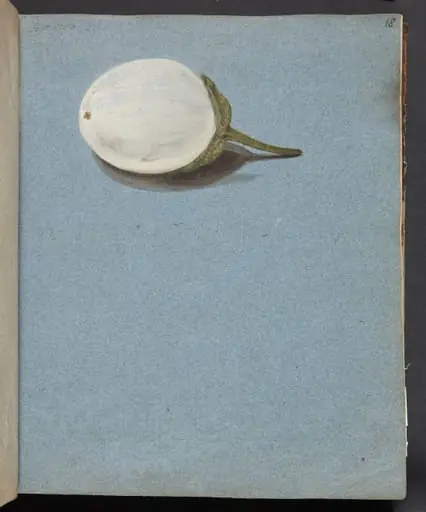
Artist & collection









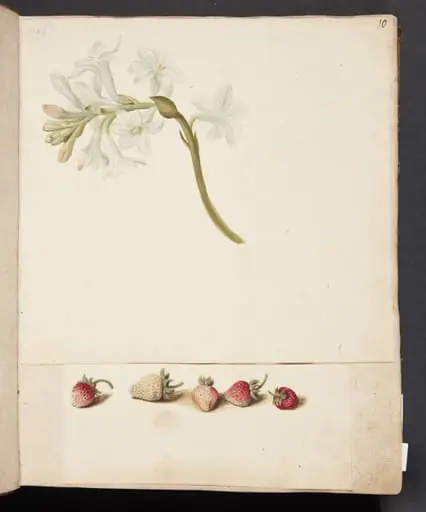 Studie af blomst og jordbær
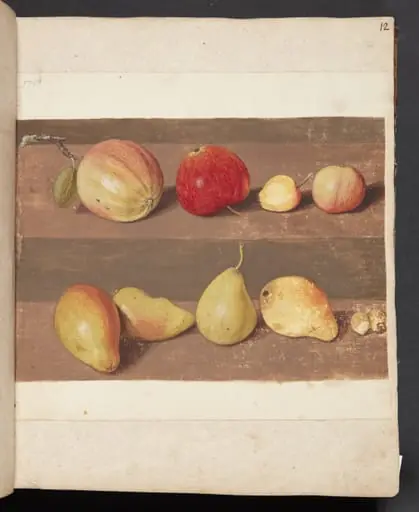 Studie af æbler og pærer
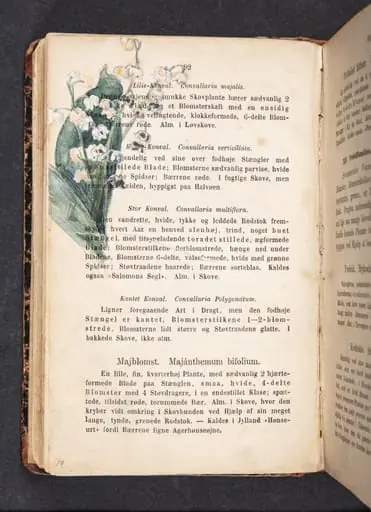 Liljekonval
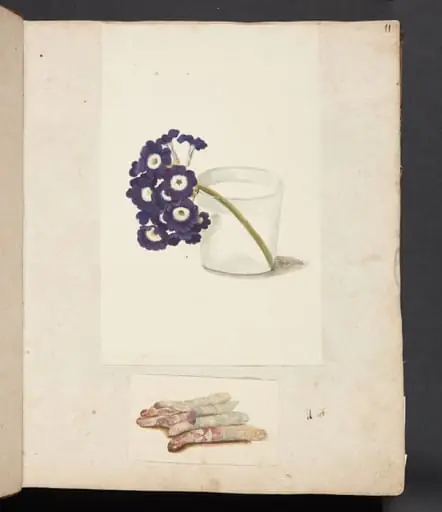 Studie af blomst i glas med vand og hvide asparges
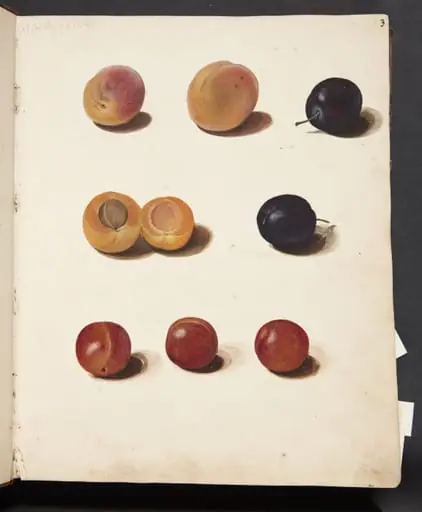 Studier af blommer
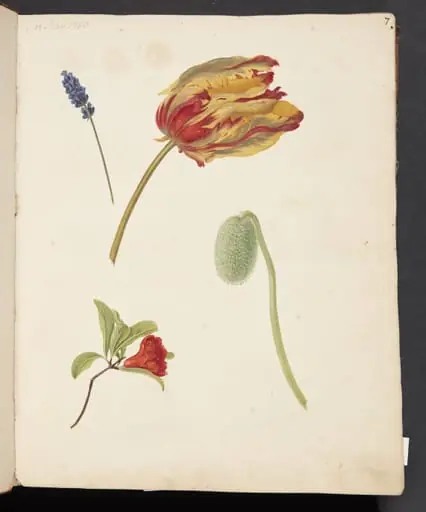 Studie af tulipan og andre blomster
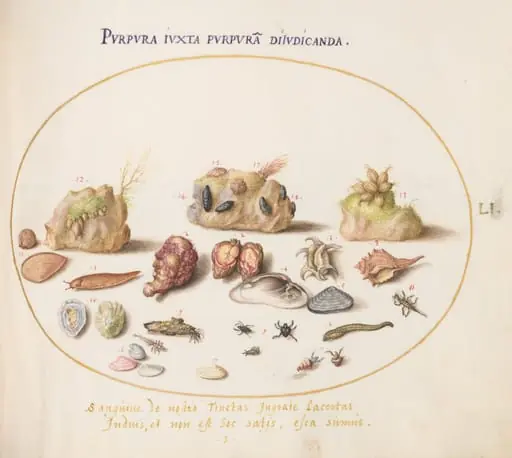 Plate 51: Murex Mollusks, Shells, Hermit Crabs, a Slug, Insects, and Other Sea Life
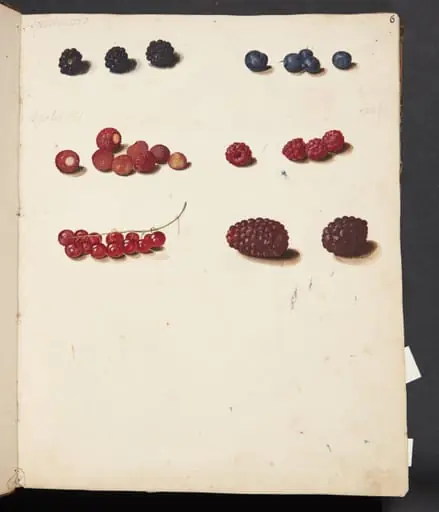 Studie af diverse bær
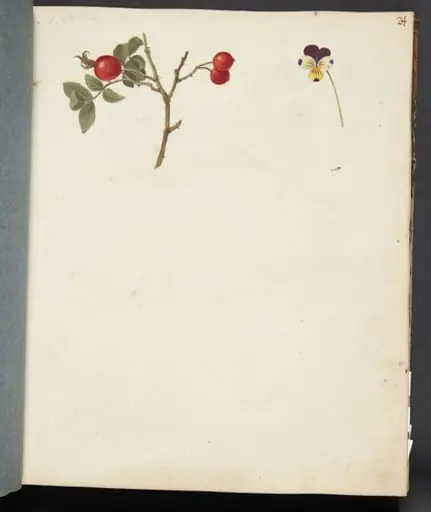 Studie af hyben og stedmoderblomst
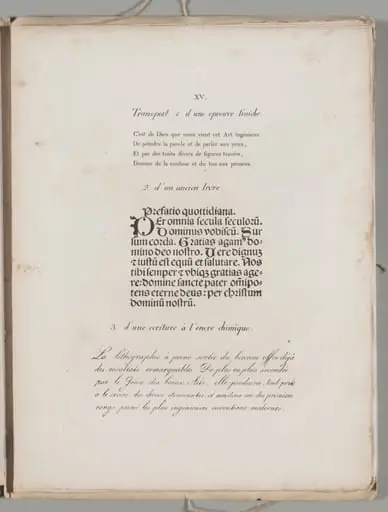 Art of the Lithograph: Printing Letters, Plate XV