Artwork
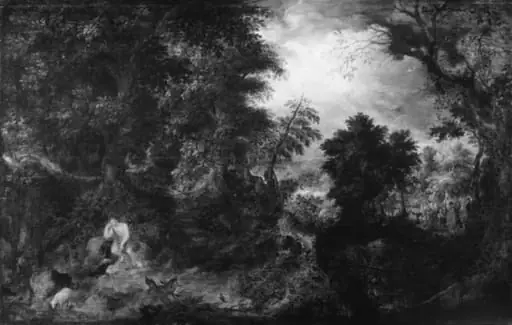
Et billede af menneskelivet. Allegori
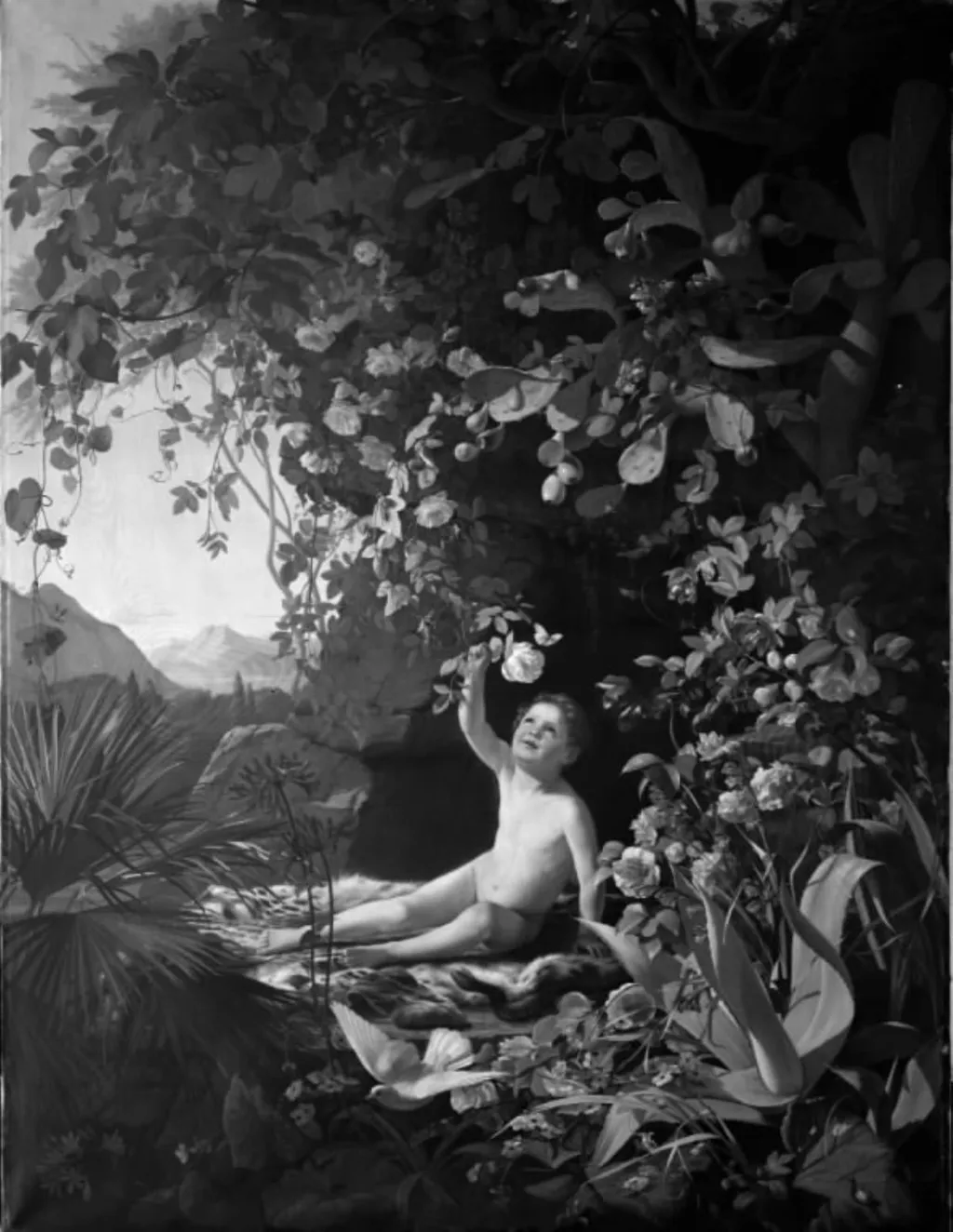
Et billede af menneskelivet. Allegori is a photography by Unknown. It dates from 1850 and is held in the collection of the Statens Museum for Kunst. Created around 1850, this photograph titled Et billede af menneskelivet.
About this work
Overview
Unlike typical paintings of the period, it uses the photographic medium to convey symbolic meaning.
Created around 1850, this photograph titled Et billede af menneskelivet. Allegori is an unusual example of early photographic art. Unlike typical paintings of the period, it uses the photographic medium to convey symbolic meaning.
The image is held in the collection of the Museum of Ethnography and presents a solitary child in a natural setting, framed by deliberate lighting and composition to evoke broader themes of human existence.
Subject & Meaning
The image depicts a naked child seated on a fur, reaching toward a flower amid dense foliage. The child’s gesture suggests curiosity and early awareness, while the surrounding flora implies nature’s abundance. The dark background isolates the figure, reinforcing an allegorical reading of childhood as a pure, transient stage in human life, untouched by societal structures, yet connected to the natural world.
Technique & Style
The photograph employs chiaroscuro, sharp contrasts between light and shadow, to model the child’s form and draw attention to the outstretched hand. This technique, traditionally used in painting for dramatic effect, here softens into a gentle illumination that highlights innocence rather than tension. The focus on texture, the fur, petals, and skin, enhances tactile realism, a hallmark of early photographic experimentation.
History & Provenance
Attributed to 578_person, the work dates to the early decades of photographic practice, when the medium was still being explored for artistic and symbolic purposes. It entered the Museum of Ethnography’s collection in the late 19th or early 20th century, likely as part of a broader interest in visual representations of human development and cultural symbolism.
Context
In mid-19th-century Europe, photography was often seen as a scientific tool, but some practitioners used it to explore philosophical and moral themes. This image aligns with Romantic-era ideals that idealized childhood as a state of natural virtue. Its allegorical tone echoes contemporary literary and visual motifs that linked youth with purity and the divine in nature.
Legacy
As one of the rare early photographs to function as a symbolic allegory, the work contributed to the legitimization of photography as a medium for contemplative art. It remains a quiet example of how technical innovation was harnessed to express abstract ideas, influencing later artists who sought to merge documentary realism with poetic meaning.
Artist & collection









 A young faun picking grapes
 Rest on the Flight into Egypt with a Saddled Donkey
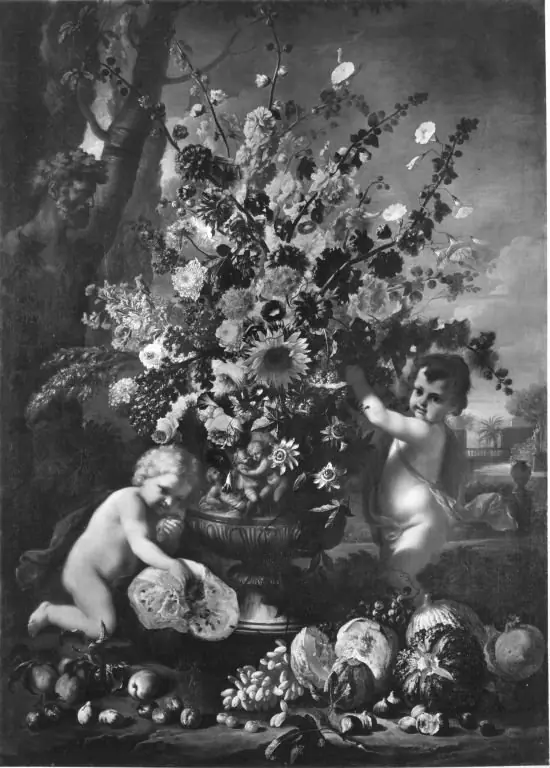 Blumen, Früchte und Kinder am Boden eines Gartens
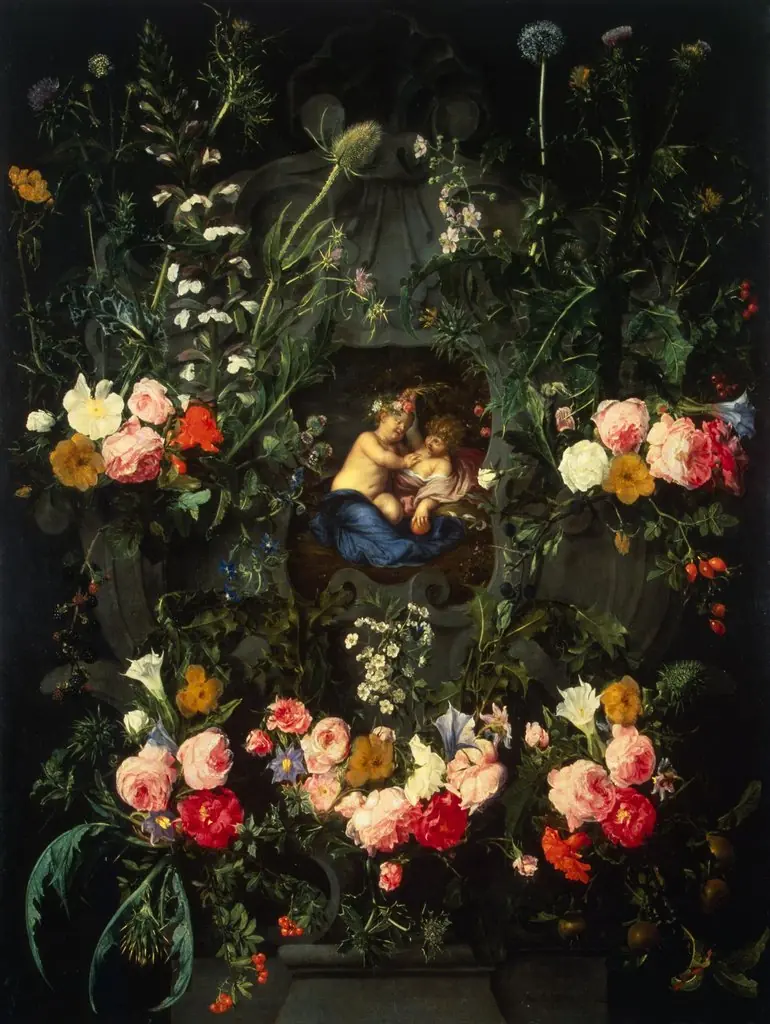 Garland of Flowers Around a Cartouche with Jesus and St John the Baptist as Children
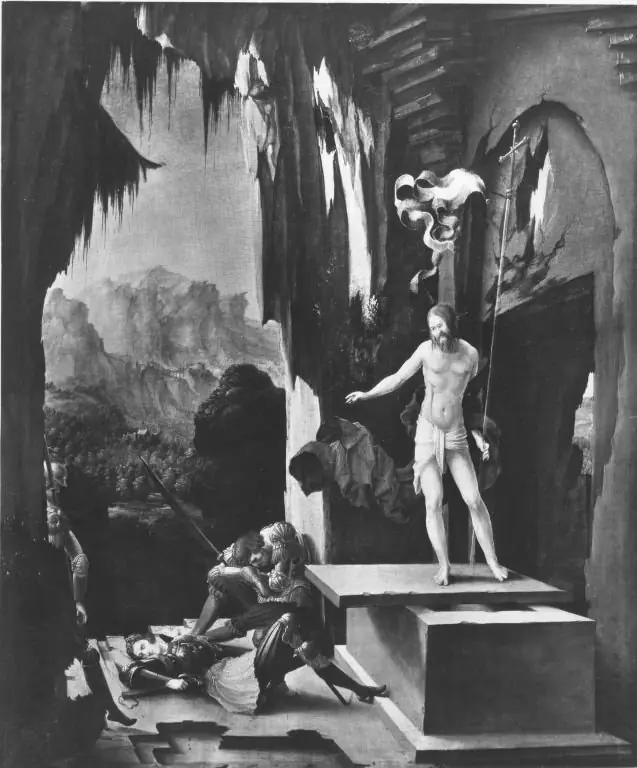 The resurrection of Christ
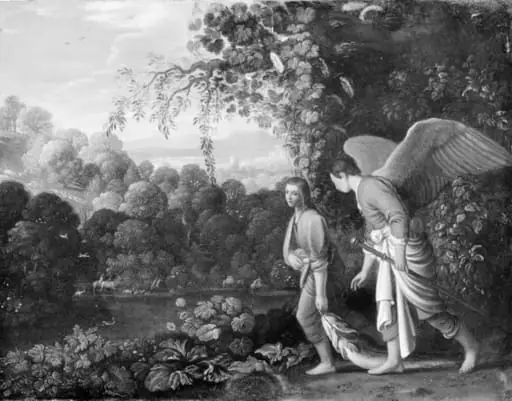 Tobias and the Angel
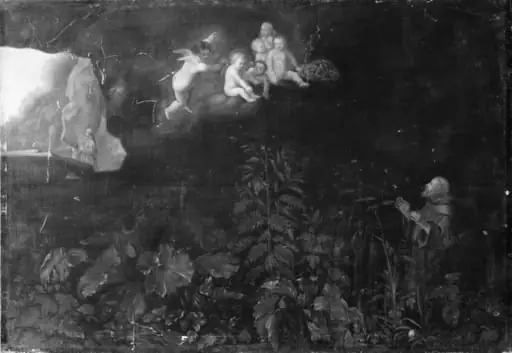 Franciscan Monk
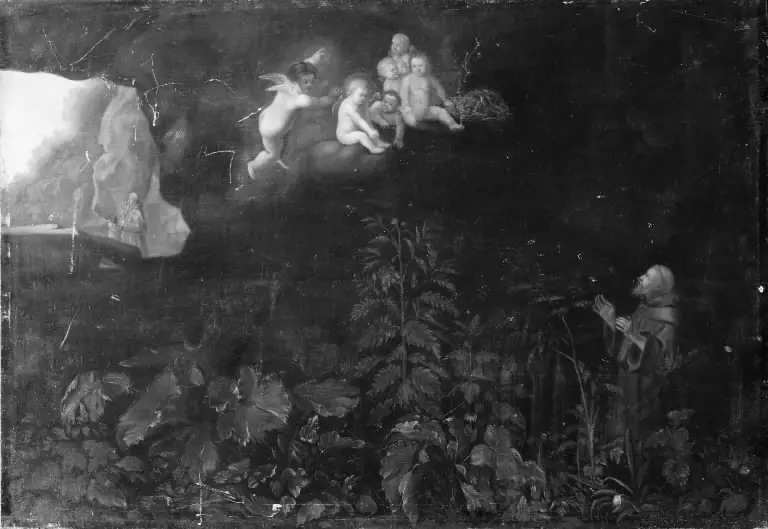 Franciscan Monk
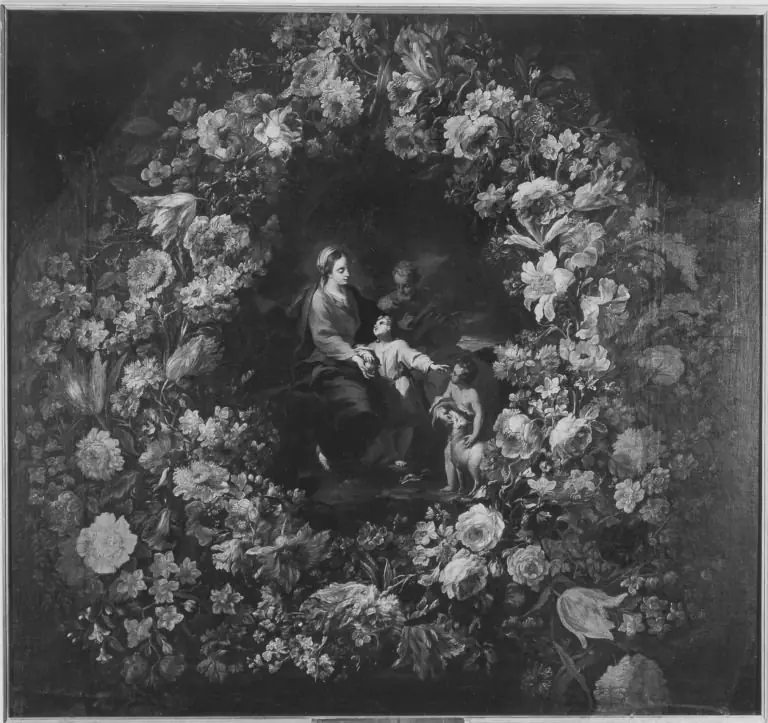 Heilige Familie mit Johannesknaben im Blumenkranz
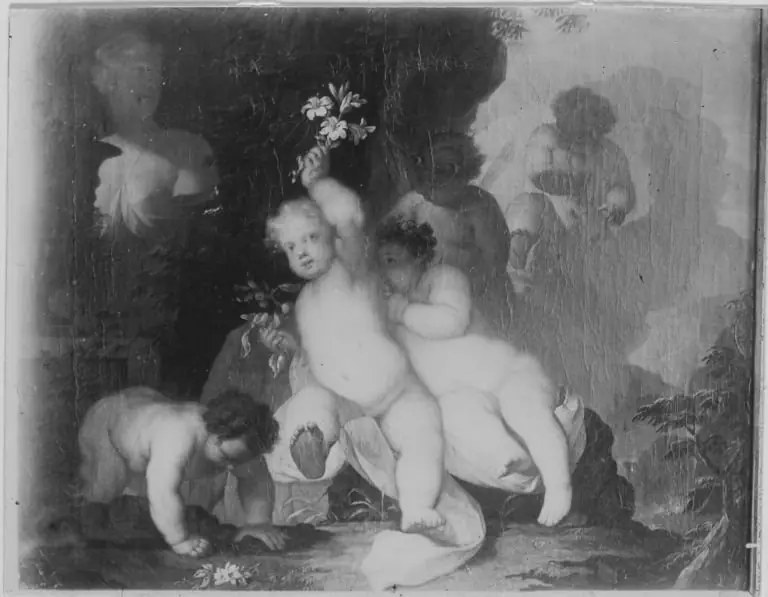 Der Frühling
- Et billede af menneskelivet. Allegori
 John the Baptist in the Wilderness. St. John Preaching and the Baptism of Christ