Artwork
En ridder
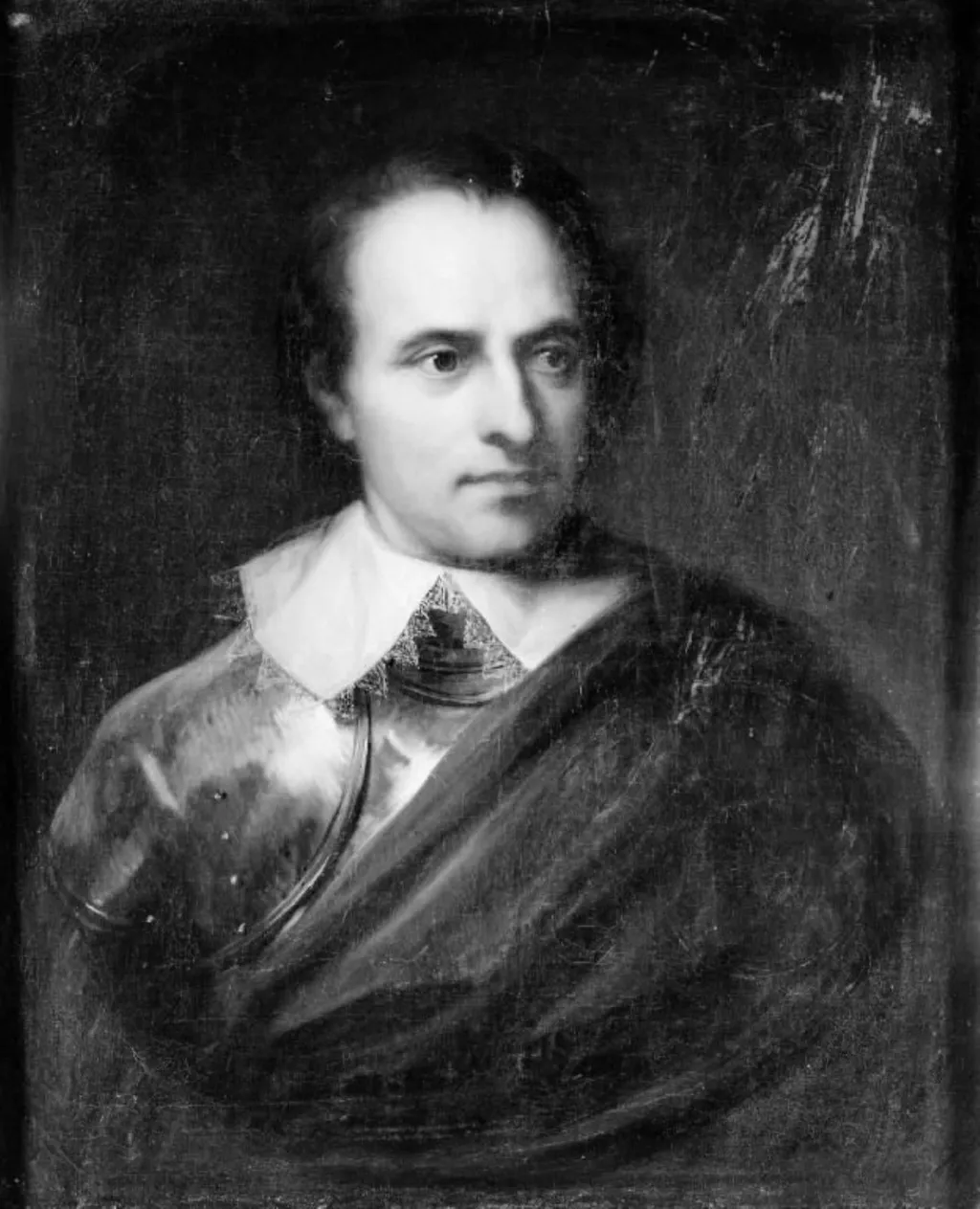
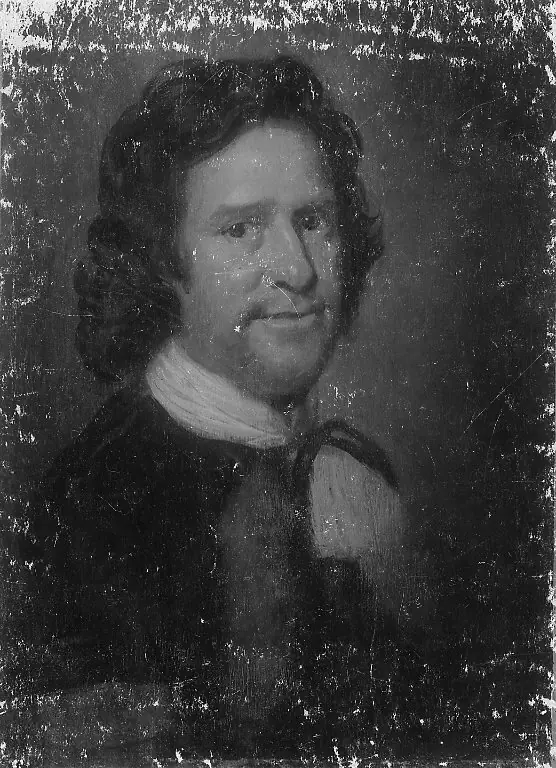
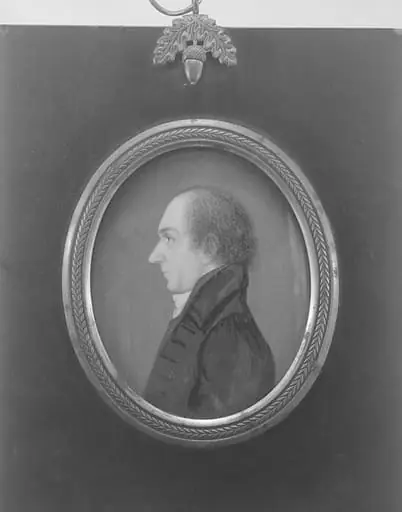
En ridder is a photography by Unknown. It dates from 1777 and is held in the collection of the Statens Museum for Kunst. Created around 1777, this black-and-white portrait depicts a man in formal attire, rendered with quiet precision.
About this work
Overview
Its composition emphasizes contrast between the subject’s light clothing and the deep black background, creating a sense of stillness and focus.
Created around 1777, this black-and-white portrait depicts a man in formal attire, rendered with quiet precision. The work is held in the collection of the Museum of Ethnography. Its composition emphasizes contrast between the subject’s light clothing and the deep black background, creating a sense of stillness and focus. The image avoids ornate detail, instead favoring restrained tonal gradations to convey presence.
Subject & Meaning
The figure is dressed in a dark jacket and white collar, suggesting a civilian of modest social standing rather than nobility. His gaze, turned slightly away from the viewer, invites introspection rather than engagement. No attributes or symbols identify his role or origin, leaving his identity ambiguous. The portrait’s intimacy suggests a personal record rather than a public statement.
Technique & Style
The artist employs chiaroscuro to model the figure’s form, using subtle shifts in tone to define the contours of the face and shoulders. Soft focus blurs fine details, enhancing the portrait’s emotional reserve. The background is uniformly dark, eliminating spatial context and isolating the subject. The sheen on the fabric is suggested through minimal highlights, avoiding overt realism.
History & Provenance
The work entered the Museum of Ethnography’s collection without documented provenance prior to its acquisition. Its origin as a standalone portrait, rather than part of a larger series, remains unclear. No records confirm the sitter’s identity or the artist’s full name, though the style aligns with late 18th-century portrait practices in Northern Europe.
Context
In the late 1700s, portrait photography did not yet exist; this image likely derives from a painted or drawn original, reproduced as a print or photograph. Its minimalist aesthetic reflects a shift away from Baroque grandeur toward quieter, more personal representations. The absence of context or symbolism aligns with emerging Enlightenment ideals of individuality over status.
Legacy
The portrait’s subdued tone and focus on quiet presence have influenced later ethnographic portraiture that prioritizes dignity over spectacle. Though unsigned and undated precisely, its formal restraint continues to be studied as an example of how identity can be conveyed without explicit narrative. It remains a quiet reference in discussions of early visual anthropology.
Artist & collection









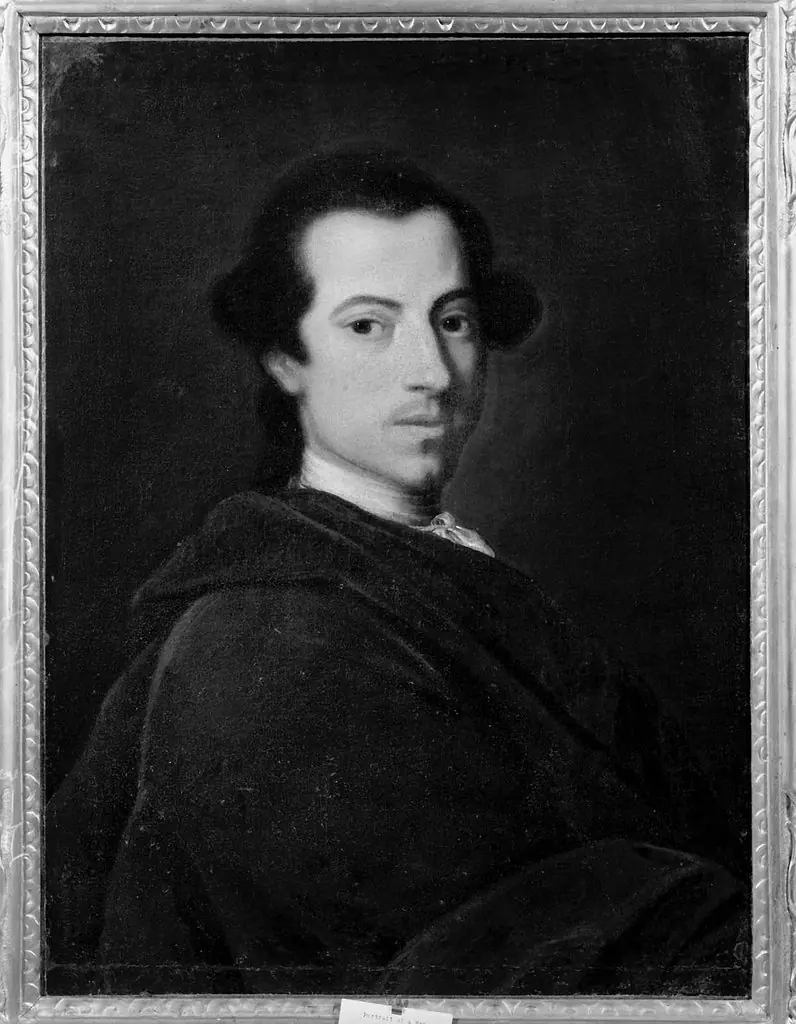 Portrait of a Man in a Brown Cloak
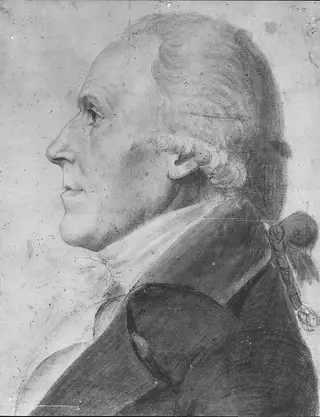 Portrait of a Man
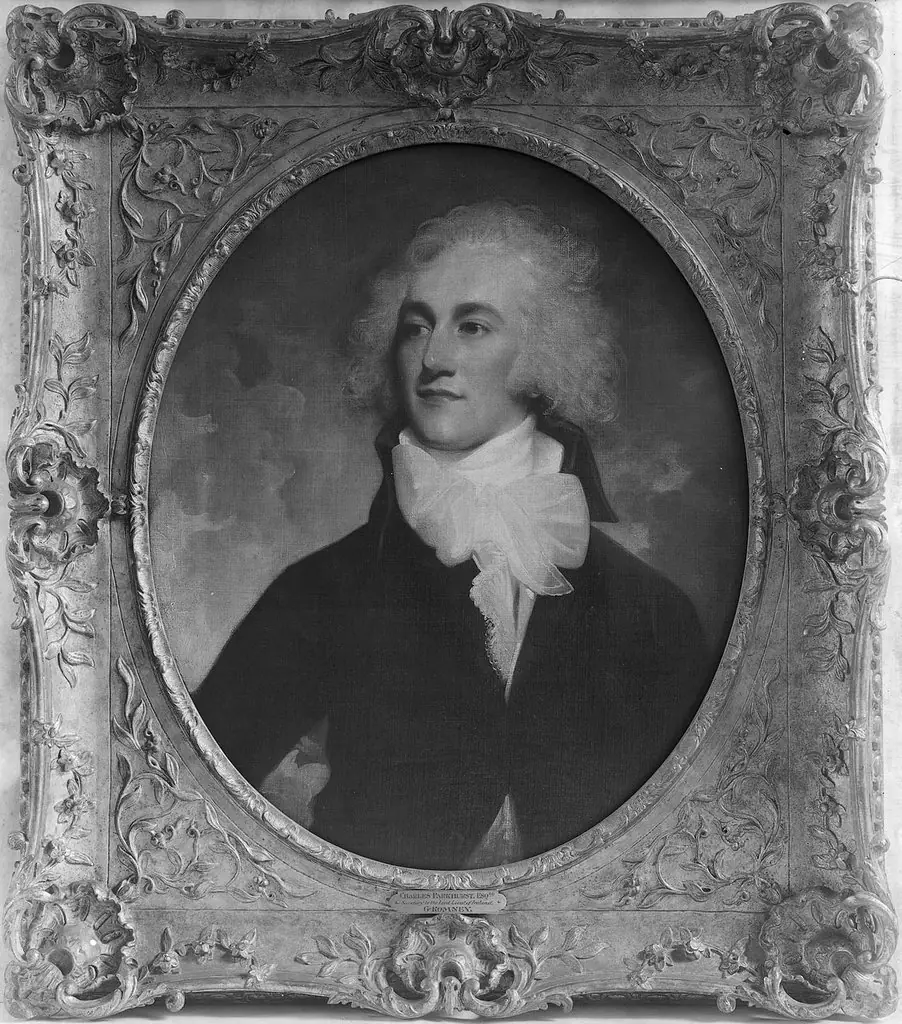 Portrait of a Man
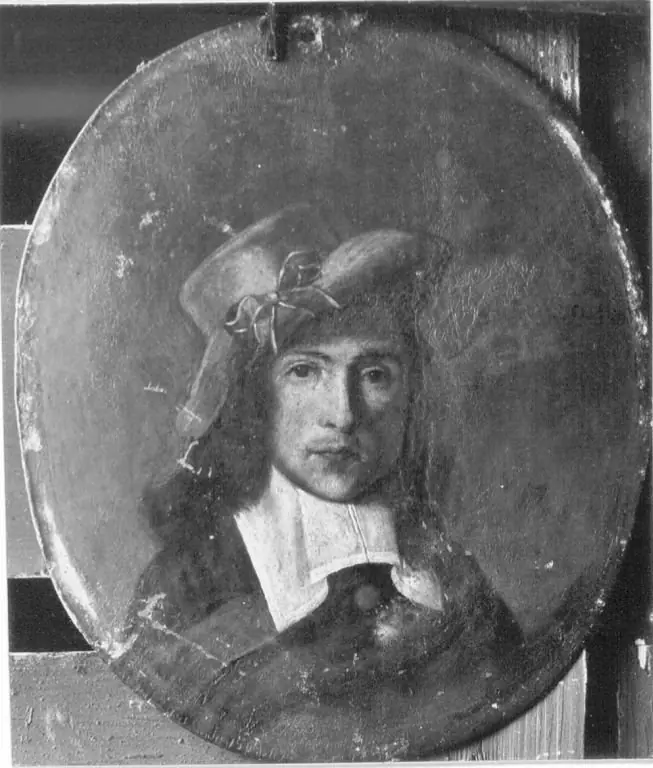 Bildnis eines Mannes im Alter von 20 Jahren
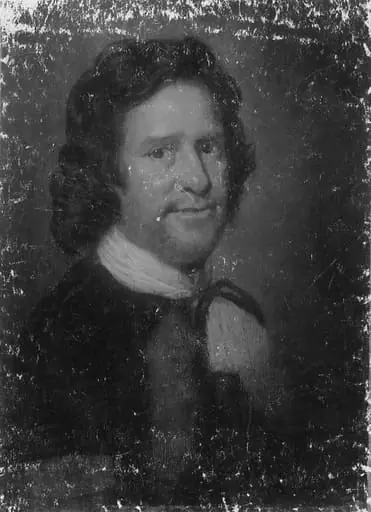 Portrait of a Man in a Black Suit
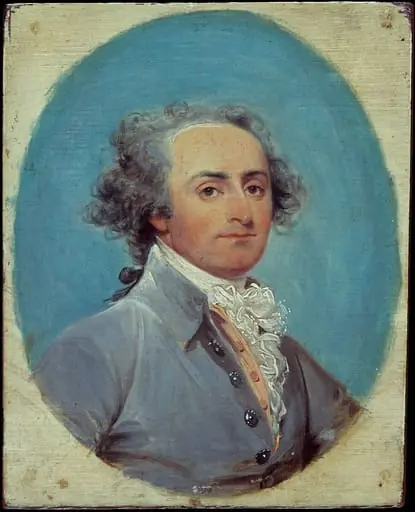 Giuseppe Ceracchi
 Portrait of a Man in a Black Suit
 Portrait of Peder Tordenskjold
 Plaque Portrait of Benjamin Franklin
 Ladislaus Kökényesdi von Vetes (1685–1756)
 David Howe
- En ridder