Artwork
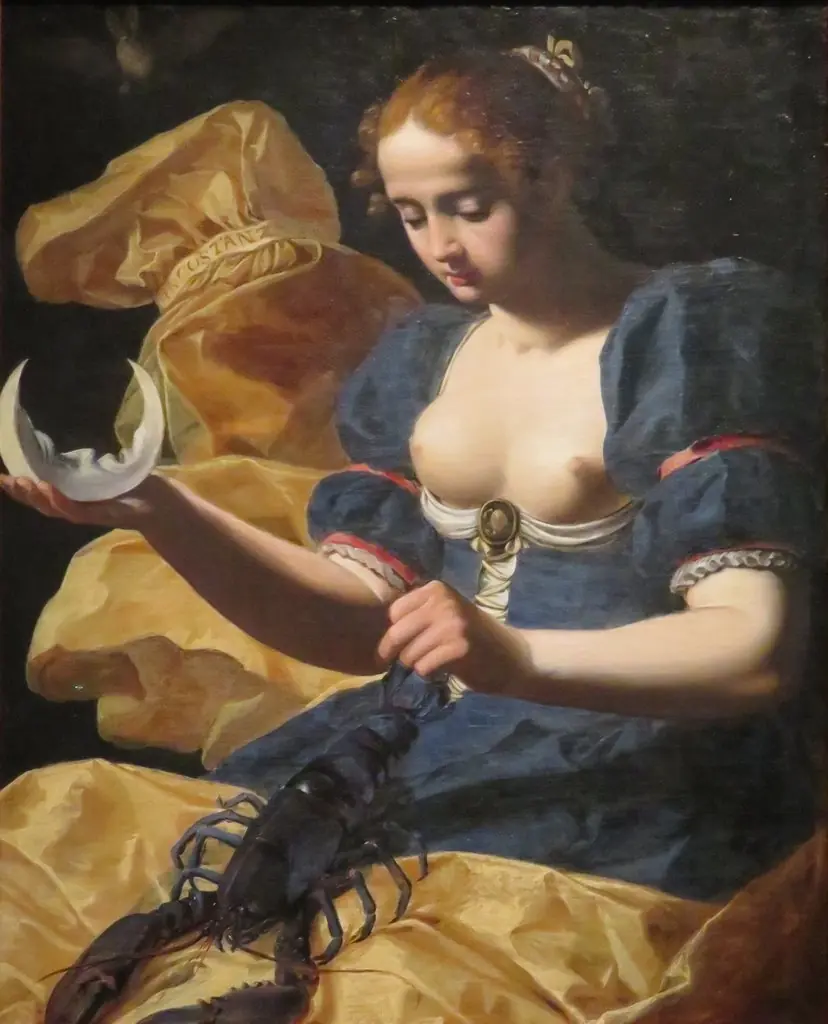
Incostanza. An Allegory of Fickleness
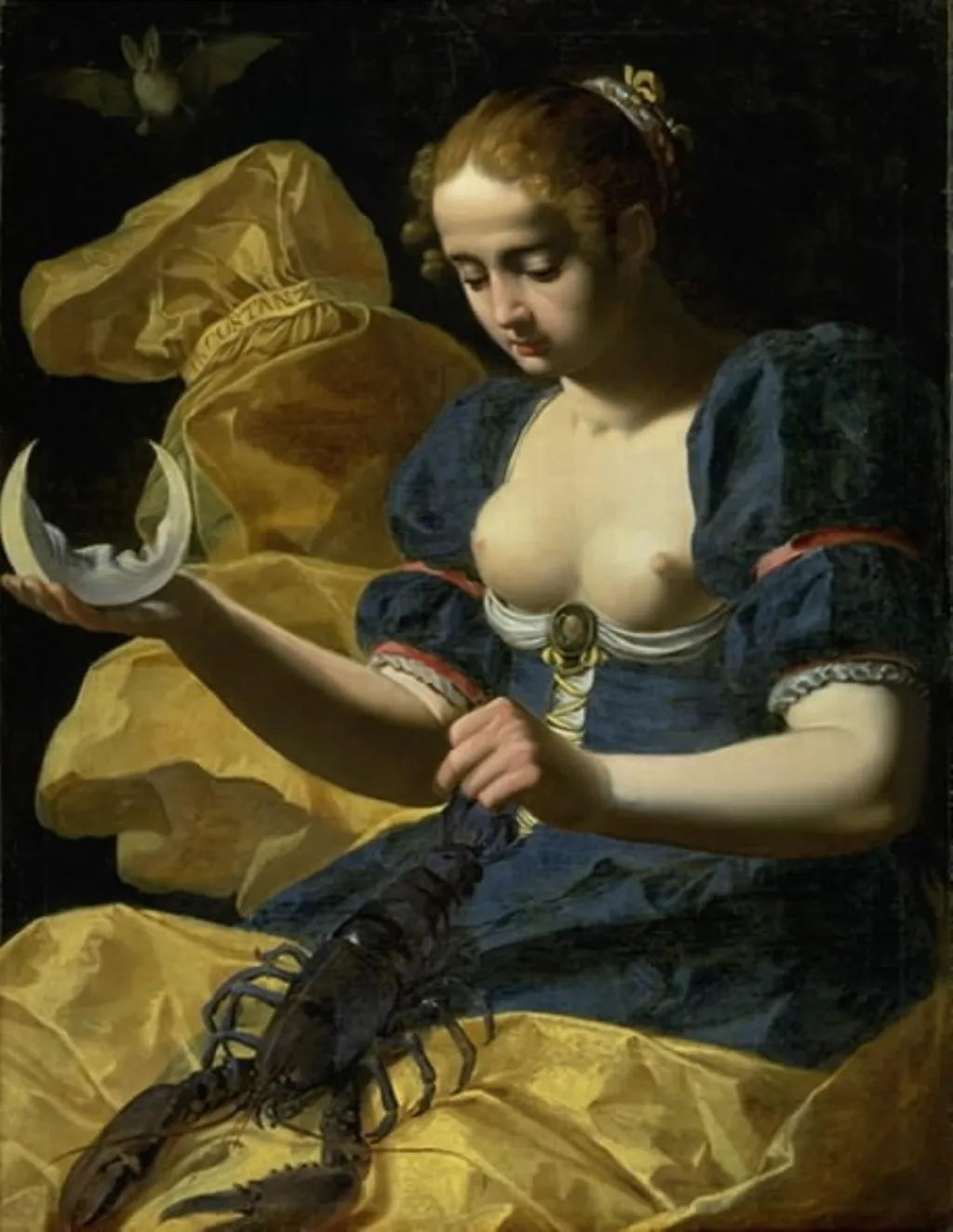
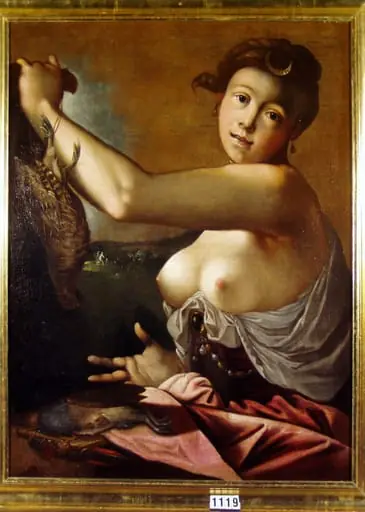
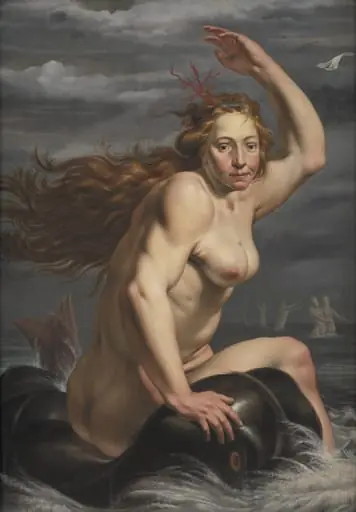
Incostanza. An Allegory of Fickleness is a photography by Unknown. It dates from 1616 and is held in the collection of the Statens Museum for Kunst. Painted around 1616, Incostanza.
About this work
Overview
Painted around 1616, Incostanza. An Allegory of Fickleness is a symbolic work attributed to the artist 33848_person. It resides in the Museum of Ethnography and presents a solitary female figure in a dimly lit space.
The composition centers on her quiet demeanor and the objects she holds, inviting interpretation through visual metaphor rather than narrative action.
Subject & Meaning
The central figure embodies the concept of fickleness, or inconstancy. Her broken bowl suggests impermanence, while the lobster, an unpredictable creature, may allude to the capriciousness of fortune. Her contemplative expression and restrained posture reinforce a mood of introspection, reflecting on the instability of human affairs without overt drama or moralizing.
Technique & Style
The painting employs a restrained palette dominated by deep shadows and muted tones, with the woman’s blue dress and the yellow fabric providing subtle contrast. The dark background isolates the figure, drawing attention to her gestures and the symbolic objects. The small white bird in the upper corner introduces a fleeting element, enhancing the theme through minimal yet deliberate detail.
History & Provenance
The painting has been held by the Museum of Ethnography since at least the early 20th century. Its origins are tied to the artist’s circle in early 17th-century Italy, though documentation from its creation to modern acquisition remains sparse. It was likely collected as a moralizing allegory, consistent with the period’s interest in symbolic imagery.
Context
Created during a time when allegorical painting flourished in Italy, the work aligns with traditions that used everyday objects to convey abstract ideas. While not overtly religious, it shares thematic ground with vanitas imagery, emphasizing transience. Its focus on psychological stillness distinguishes it from more theatrical contemporaries.
Legacy
Though not widely exhibited outside specialized collections, Incostanza contributes to scholarly understanding of early Baroque allegory in non-religious contexts. Its quiet symbolism and restrained execution offer insight into how moral concepts were visualized beyond grand narratives, influencing later introspective portraiture in regional studios.
Artist & collection