Artwork
Fishing for Souls
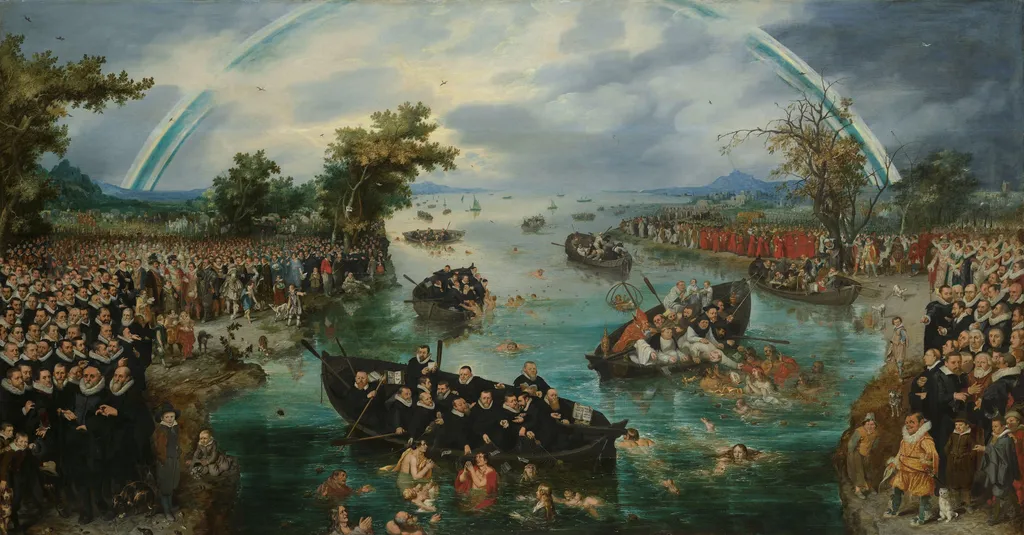
Fishing for Souls is an oil painting by the Dutch Golden Age artist Adriaen van de Venne. It dates from 1614 and is held in the collection of the Rijksmuseum.
About this work
Subject & Meaning
' The composition mimics a Last Judgment scene, clearly favoring the Protestant cause through visual contrasts like the vibrant versus barren trees.
This 1614 allegory depicts the religious rivalry between Protestant and Catholic denominations during the Twelve Years' Truce. A central river symbolizes the political and spiritual division between the Northern and Southern Netherlands. On the left bank, Protestant leaders including the Princes of Orange gather beneath a flourishing orange tree, while their fishermen on the water operate under the guidance of 'God's Judgment' and an open Bible, catching souls marked with Faith, Hope, and Charity. Conversely, the right bank features Catholic figures such as Archdukes Albert and Isabella alongside the Pope, whose fishermen struggle with empty nets or rely on indulgences under the label 'Pope's Judgment.' The composition mimics a Last Judgment scene, clearly favoring the Protestant cause through visual contrasts like the vibrant versus barren trees. A painted fly serves as a trompe-l'œil homage to Jan Brueghel the Elder.
Technique & Style
Fishing for Souls is an oil painting executed on a panel support, measuring 98.5 cm in height and 187.8 cm in width. Created in 1614, the work functions as a complex allegory depicting religious division, utilizing a wide landscape composition with a central river that separates Protestant and Catholic factions. The artist employs extensive Latin inscriptions on boats, nets, and books to clarify the satirical meaning of the scene. A notable formal element is a trompe-l'œil fly painted on the surface, serving as a visual joke that references Jan Brueghel the Elder. The composition mirrors the structure of a Last Judgment, enforcing a strict spatial dichotomy between the saved on the left and the damned on the right. While the painting is undated by signature, the year 1614 appears written within the depiction of an open book in the foreground.
History & Provenance
Adriaen van de Venne completed this oil-on-panel allegory in 1614, a date inscribed on an open book within the composition. Although early records attributed the work to Jan Brueghel the Elder or Hendrick van Balen, Daniel Franken definitively assigned the entire painting to van de Venne in 1878. The earliest known owners were Joan Fox and Johanna Tiers in Amsterdam, recorded in 1689. On April 14, 1735, the painting sold for 760 guilders at the auction of Marinus de Jeude's collection in The Hague, likely purchased by William IV, Prince of Orange. By circa 1760, it hung in Palace Het Loo. During the French occupation, the stadtholder's collection was nationalized to prevent confiscation; the work was transferred to the National Art Gallery in The Hague in September 1798 and has remained in the Dutch national collection ever since.
The painting is held in the Rijksmuseum, Amsterdam, with inventory number SK-A-447.
It entered the national collection in September 1798 when it was appropriated for the National Kunst Galerie in The Hague from the holdings of Prince Willem V, following the French occupation; it has remained in the Dutch national collection since then. It was previously recorded in the stadtholder’s inventories at Paleis Het Loo around 1760 and was acquired by Willem IV, Prince of Orange-Nassau by 1735.
Context
Created in 1614 during the Twelve Years' Truce, Adriaen van de Venne's *Fishing for Souls* serves as a complex allegory of the religious and political divisions between the Northern and Southern Netherlands. The work is widely interpreted as a critique of the era's denominational jealousy, favoring the Protestant cause through visual contrasts such as the calm, confident Protestant fishermen against the chaotic Catholic efforts. Art historical scholarship has traced the painting's attribution through a century of debate; it was initially sold as a work by Jan Brueghel the Elder in 1735 and later partially attributed to Hendrick van Balen before Daniel Franken definitively assigned the entire composition to Van de Venne in 1878.
The painting's place in art history is further defined by its trompe-l'œil fly, a visual joke referencing Brueghel's style, and its composition which echoes Last Judgment imagery by strictly separating the saved from the damned. Since its acquisition for the national collection in the early 19th century, the piece has remained a highlighted work within the Rijksmuseum, consistently featured in major catalogs as a significant example of Dutch Golden Age allegory.
Legacy
Since its acquisition by the Dutch national collection in 1798, Fishing for Souls has been regarded as a centerpiece of the Rijksmuseum’s holdings. It has appeared in every Highlights catalog of the museum since 1808, underscoring its status as a canonical work of Dutch Golden Age allegory.
The painting’s layered religious and political symbolism, together with its trompe-l’oeil joke, continued to animate art-historical discussion into the nineteenth century. Early attributions wavered between Jan Brueghel and Hendrick van Balen, but by 1878 the work was firmly assigned to Adriaen van de Venne, securing its place in Dutch art discourse.
Artist & collection
Artist
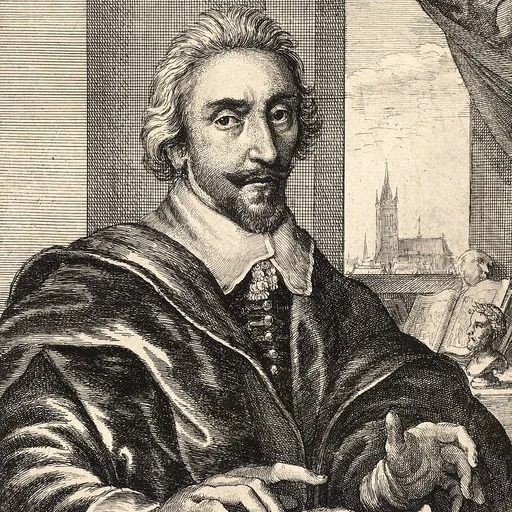
Adriaen Pietersz van de Venne (1589 – 12 November 1662), was a versatile Dutch Golden Age painter of allegories, genre subjects, and portraits, as well as a miniaturist, book illustrator, designer of political satires, and versifier.

 Untitled
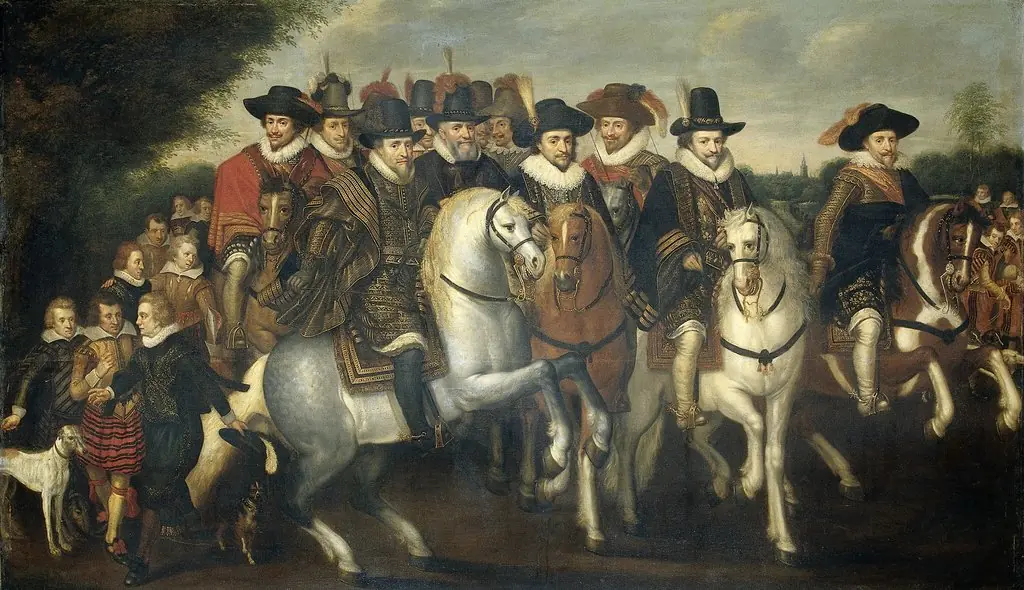 Prince Maurits accompanied by his two brothers, Frederick V, Elector of the Palatinate, and some counts of Nassau on horseback
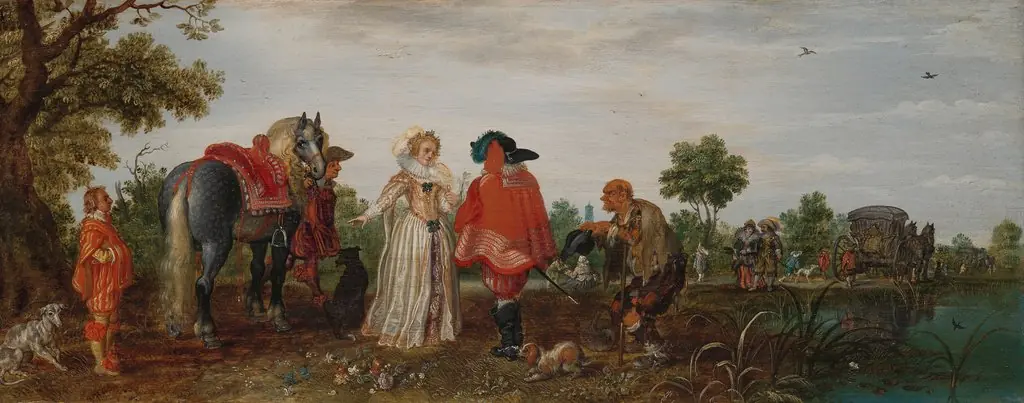 Spring
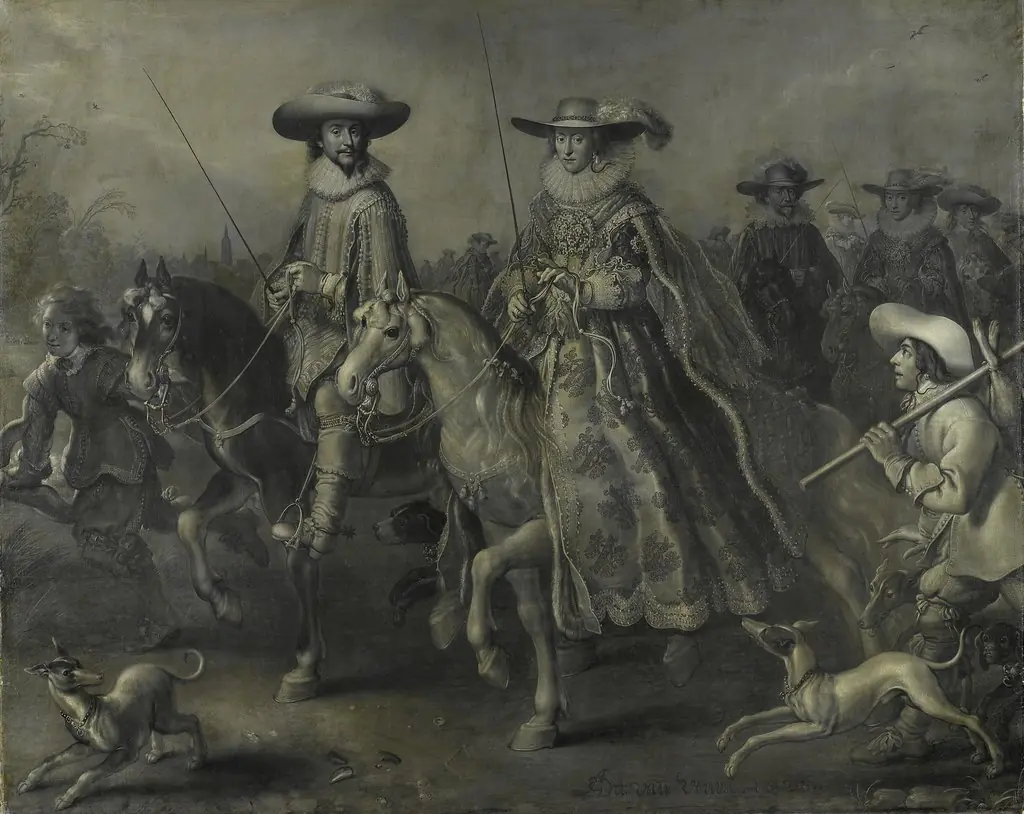 Frederick V (1596-1632), Elector of the Palatinate, King of Bohemia, and his wife Elizabeth Stuart (1596-1662) on horseback
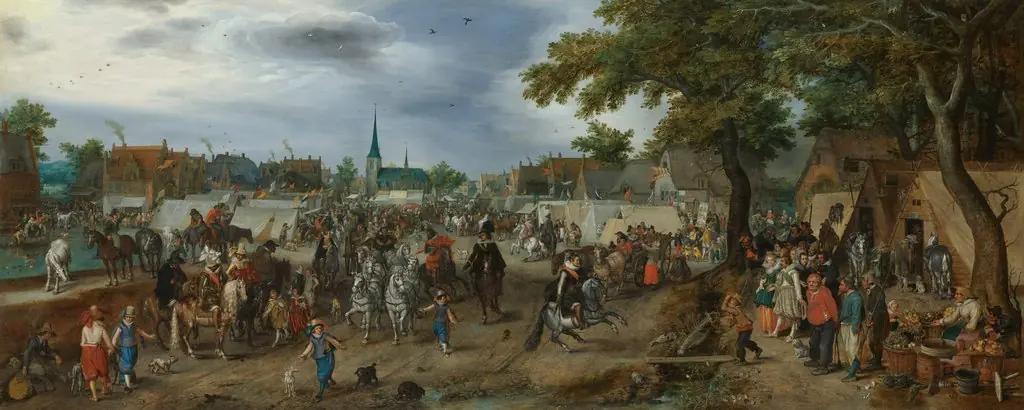 Prince Maurice and Frederick Henry at the Valkenburg Horse Fair
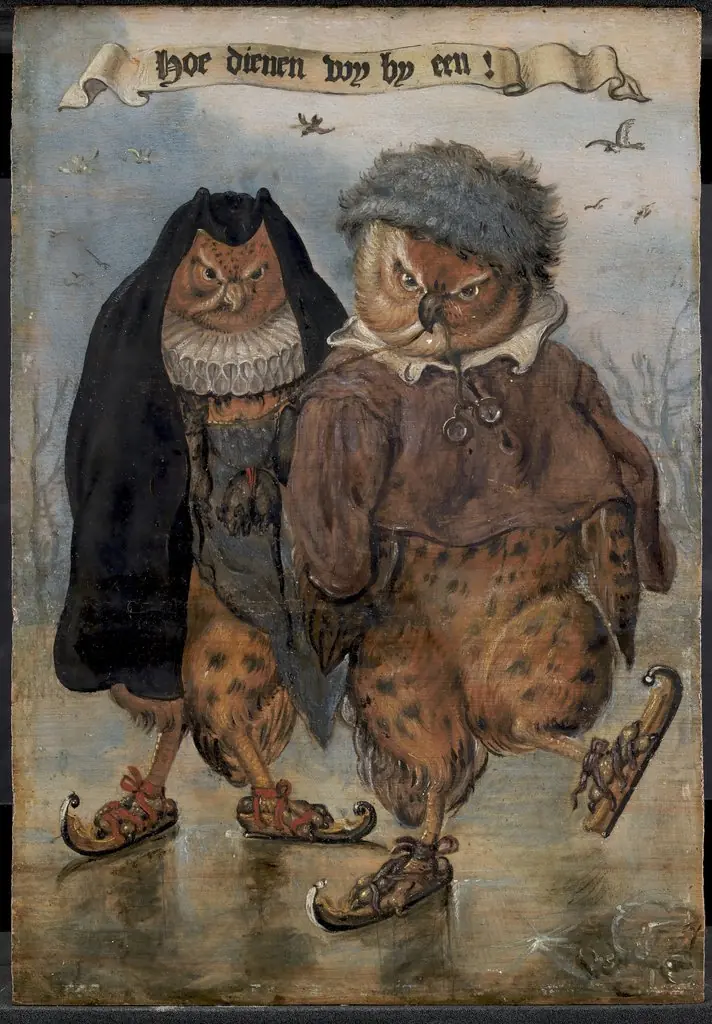 How Well We Go Together
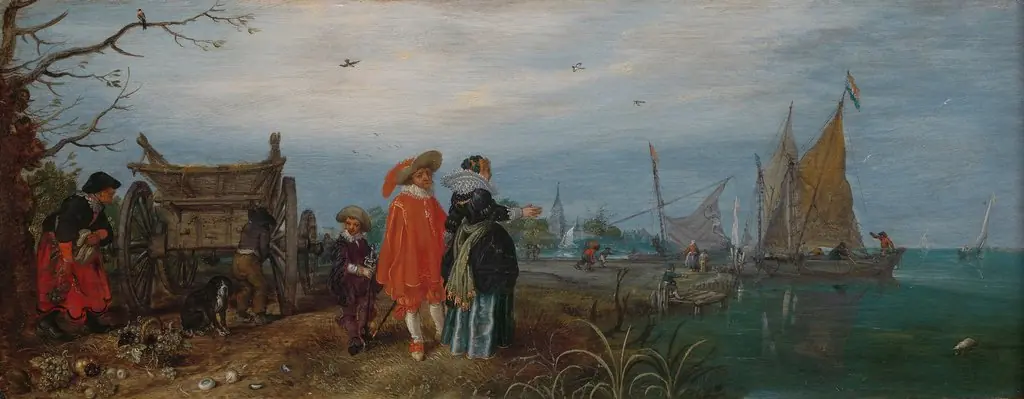 Autumn
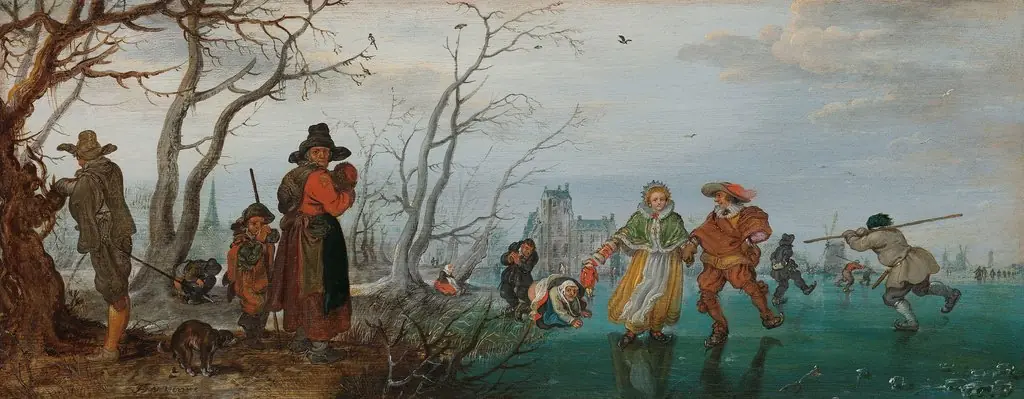 Winter
- River Bank
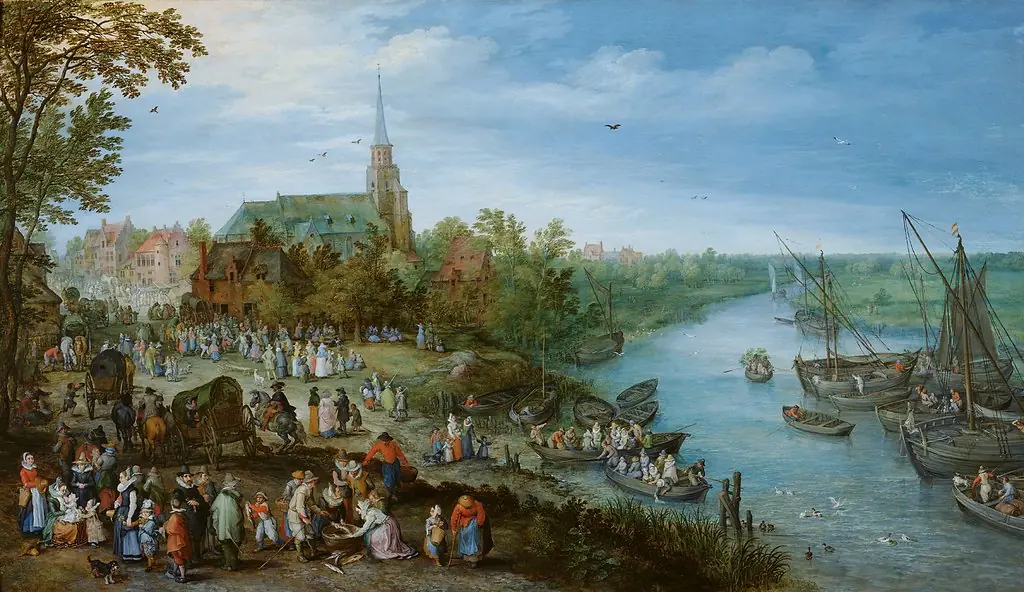 Village Kermis in Schelle with Self Portrait
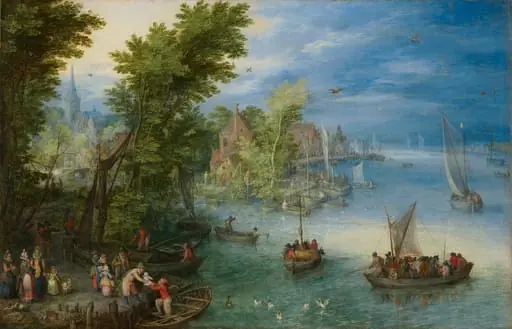 River Landscape
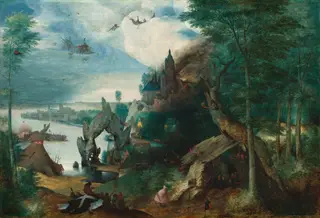 The Temptation of Saint Anthony
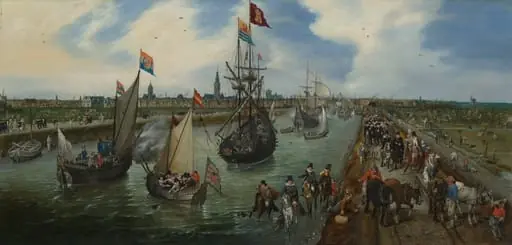 The Departure of a Dignitary from Middelburg
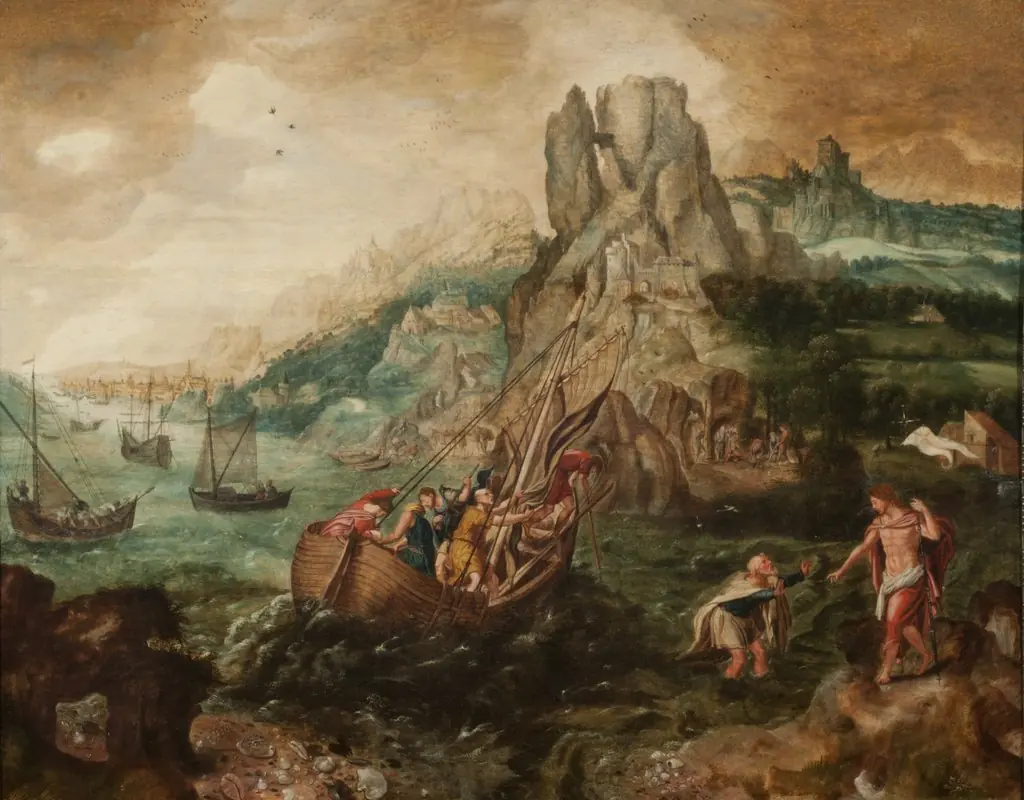 The last appearance of Christ to his disciples
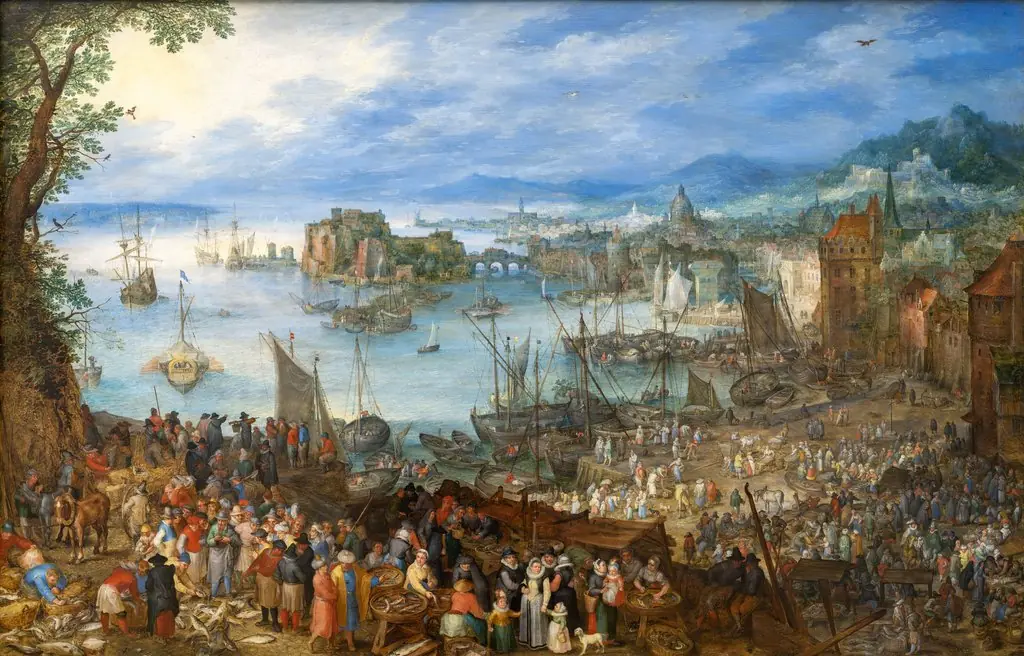 Large Fish Market
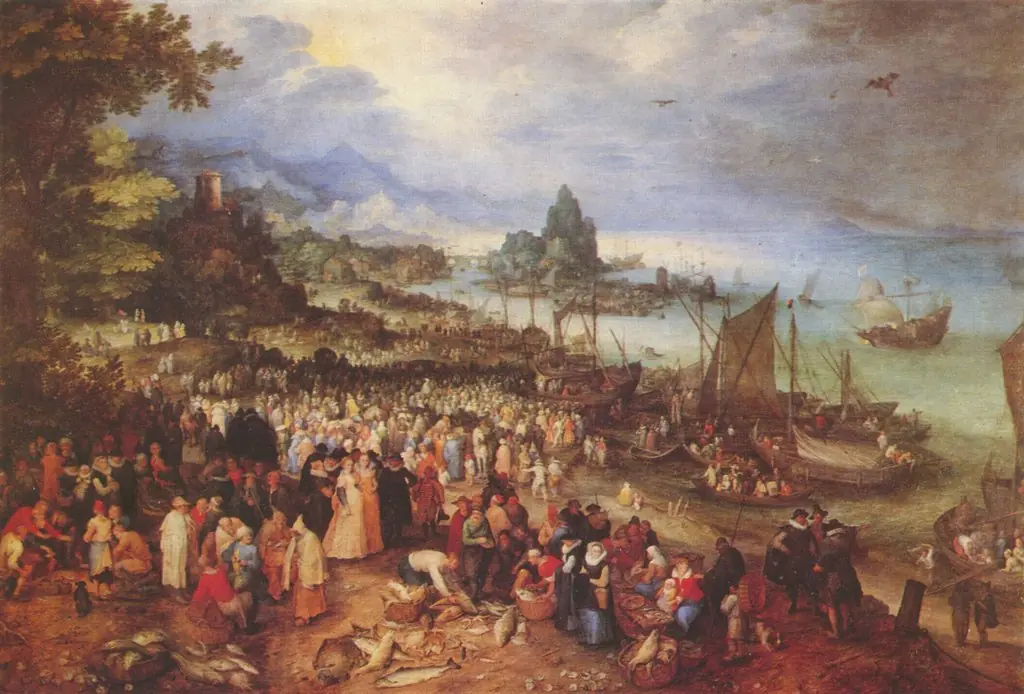 Sea port with the lecture of Christ
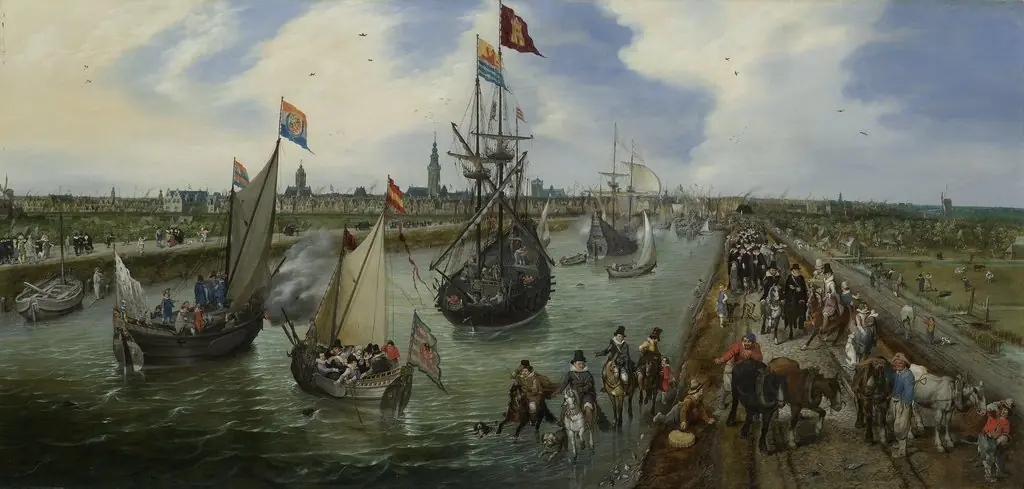 The Departure of a Dignitary from Middelburg
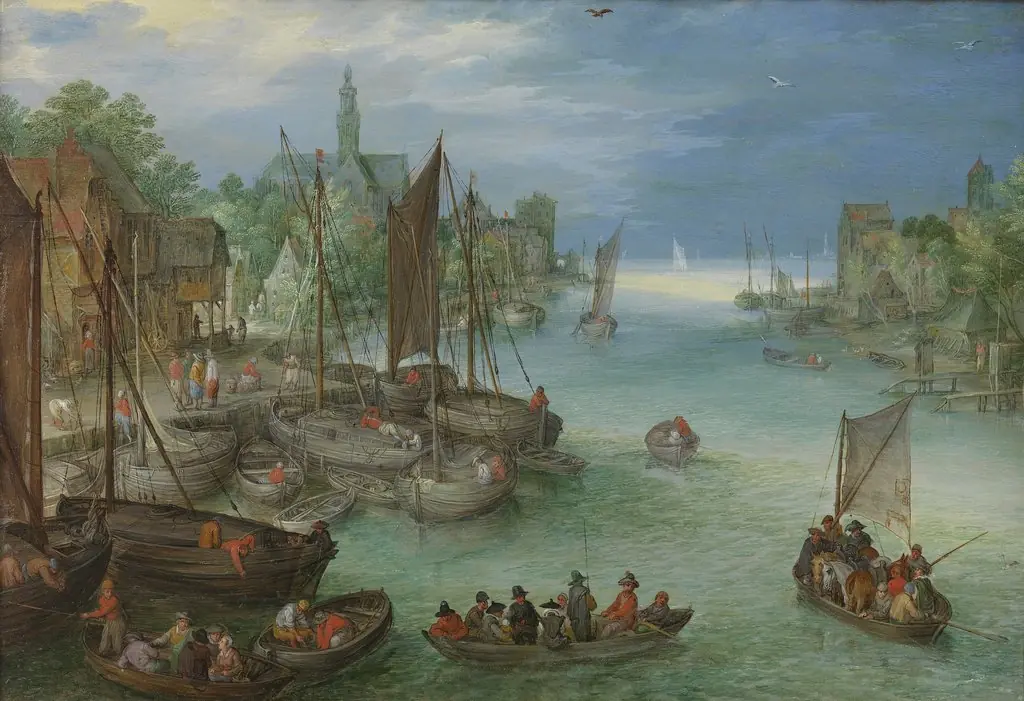 View of a City along a River
 Summer Landscape
 Die Sintflut mit der Arche Noah