Artwork
The End of Misery
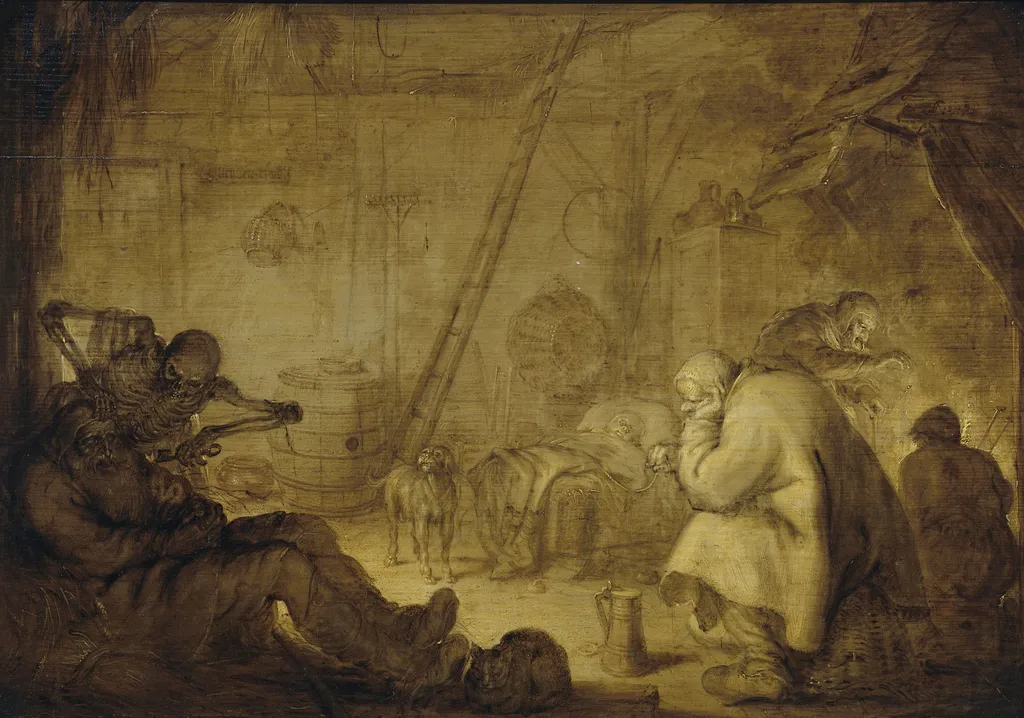
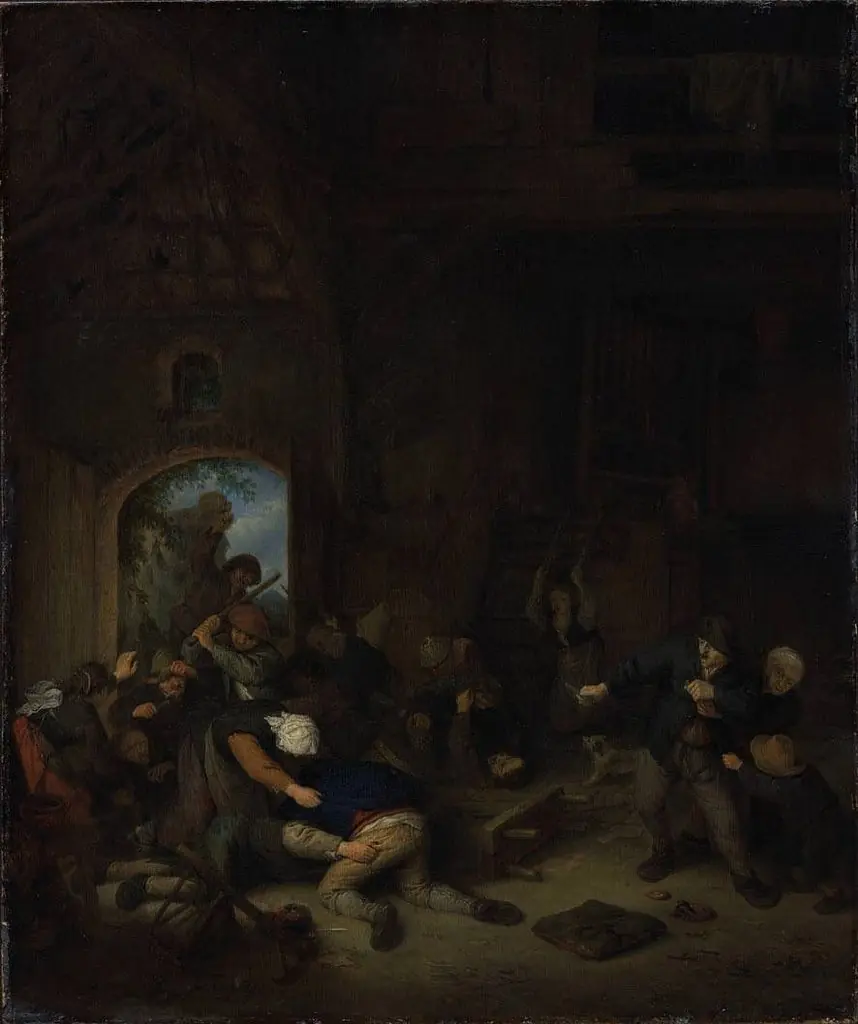
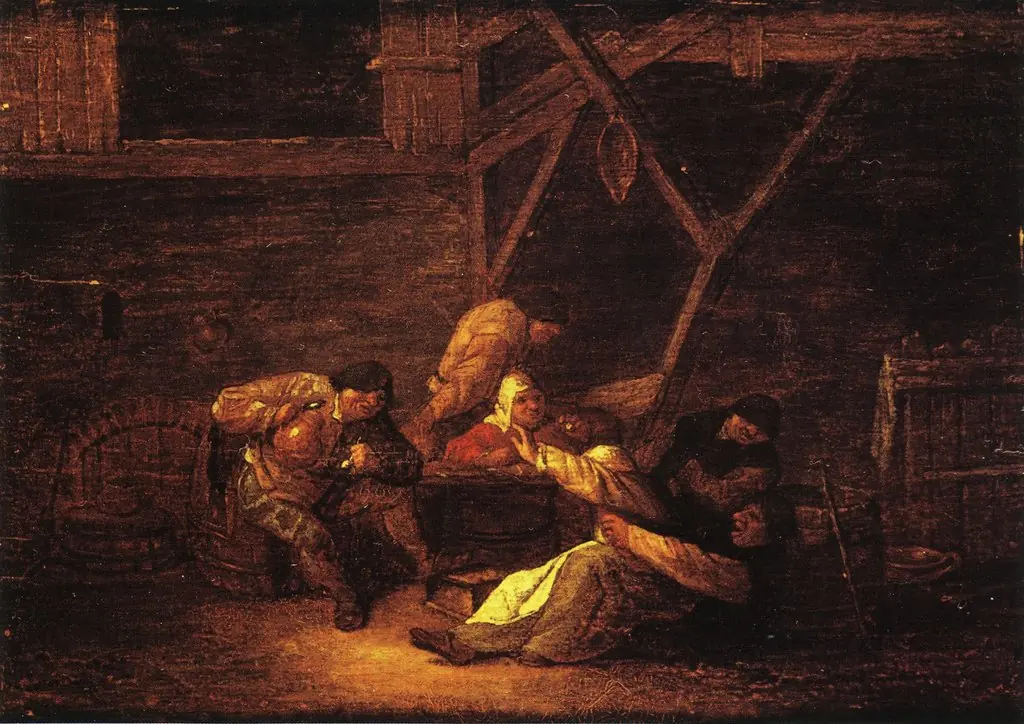
The End of Misery is an oil painting by the Dutch Golden Age artist Adriaen van de Venne. It dates from 1632 and is held in the collection of the Rijksmuseum.
About this work
Technique & Style
Created in 1632 by Adriaen van de Venne, The End of Misery is an oil painting executed on a wooden panel. The work measures 34.8 cm in height and 49.8 cm in width. Classified as a genre scene, the piece utilizes oil paint as its primary medium to depict its subject matter.
The physical support consists of a panel, a common choice for Dutch Golden Age works of this scale and period.
History & Provenance
The painting is held by the Rijksmuseum, Amsterdam, where it carries inventory number SK-C-1932.
It was first publicly exhibited at the 1932 exhibition ‘Meesterwerken uit de verzameling van Daniel Franken’ held at the Rijksmuseum, marking its debut in a museum context under that owner.
Overview
The End of Misery is a 1632 oil painting by Adriaen van de Venne, a Dutch artist known for allegorical and genre works. It is a characteristic example of Dutch Golden Age painting and is held in the Rijksmuseum's collection.
Subject & Meaning
The painting shows a distressed man on a bed, surrounded by mourners in a dimly lit room. The figures' somber expressions and postures convey a sense of sorrow and loss. The scene's emotional tone is intense, with the man's outstretched arms and contorted face highlighting his anguish.
Own this work as a print
Artist & collection
Artist
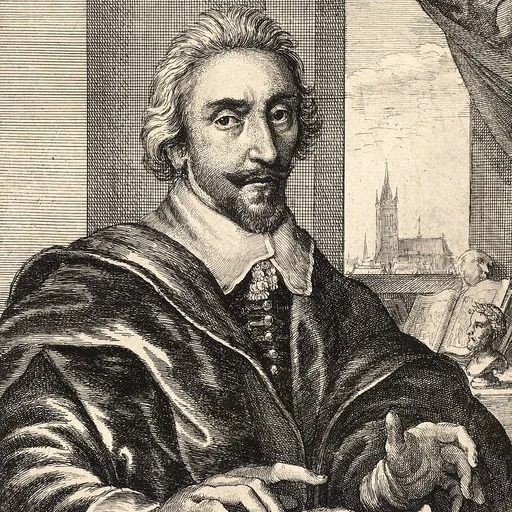
Adriaen Pietersz van de Venne (1589 – 12 November 1662), was a versatile Dutch Golden Age painter of allegories, genre subjects, and portraits, as well as a miniaturist, book illustrator, designer of political satires, and versifier.

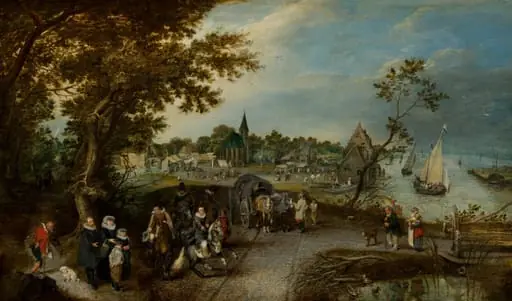 Untitled
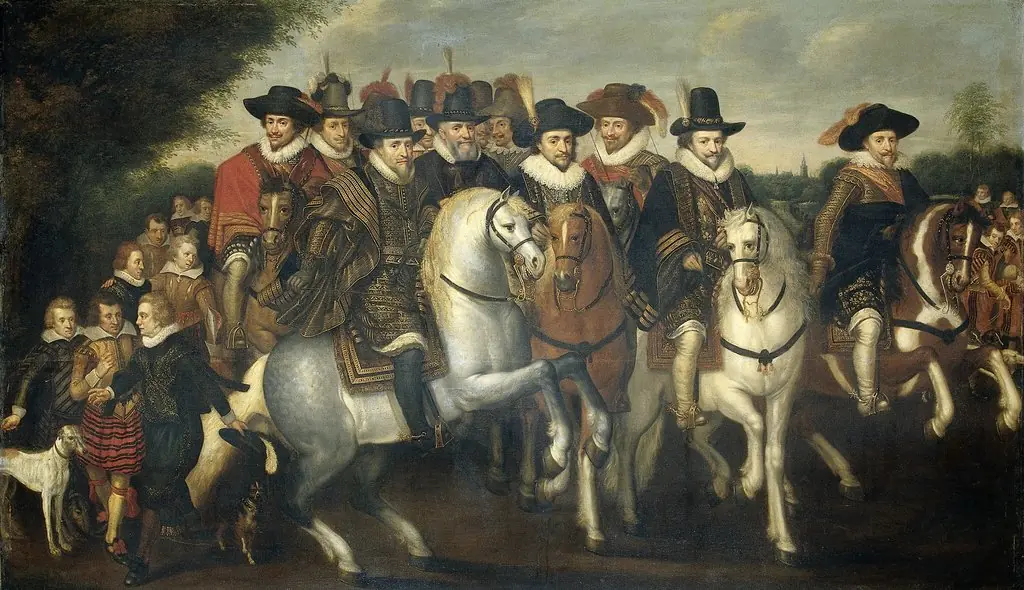 Prince Maurits accompanied by his two brothers, Frederick V, Elector of the Palatinate, and some counts of Nassau on horseback
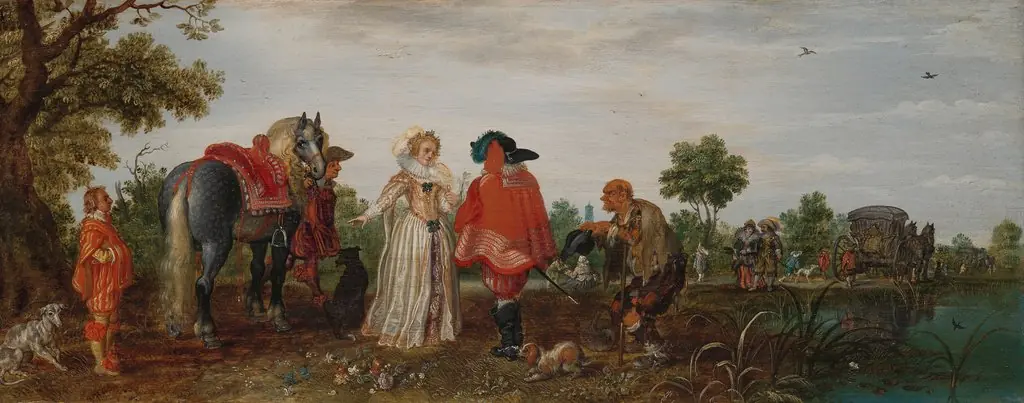 Spring
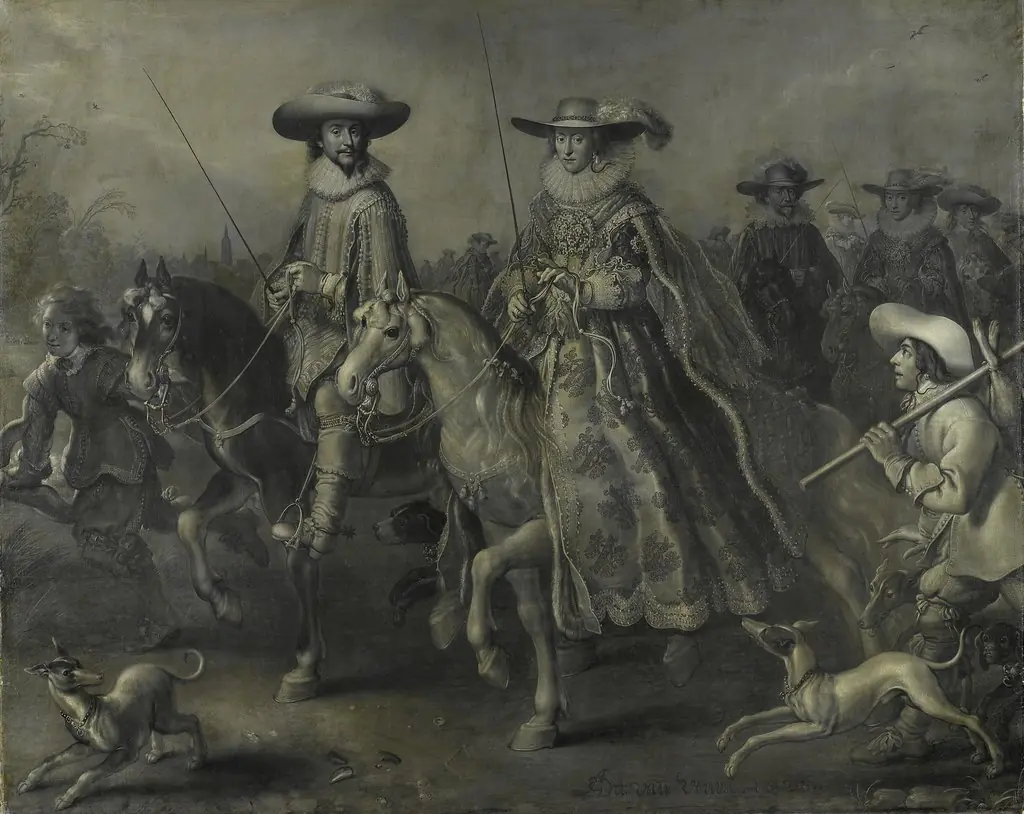 Frederick V (1596-1632), Elector of the Palatinate, King of Bohemia, and his wife Elizabeth Stuart (1596-1662) on horseback
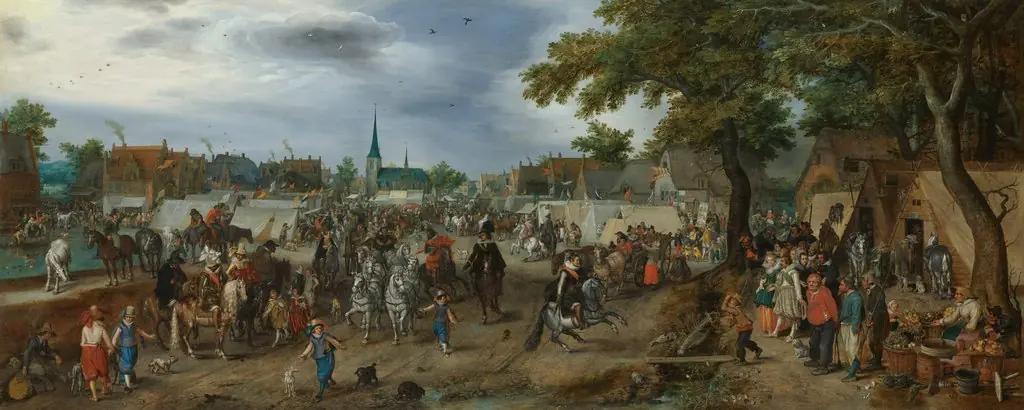 Prince Maurice and Frederick Henry at the Valkenburg Horse Fair
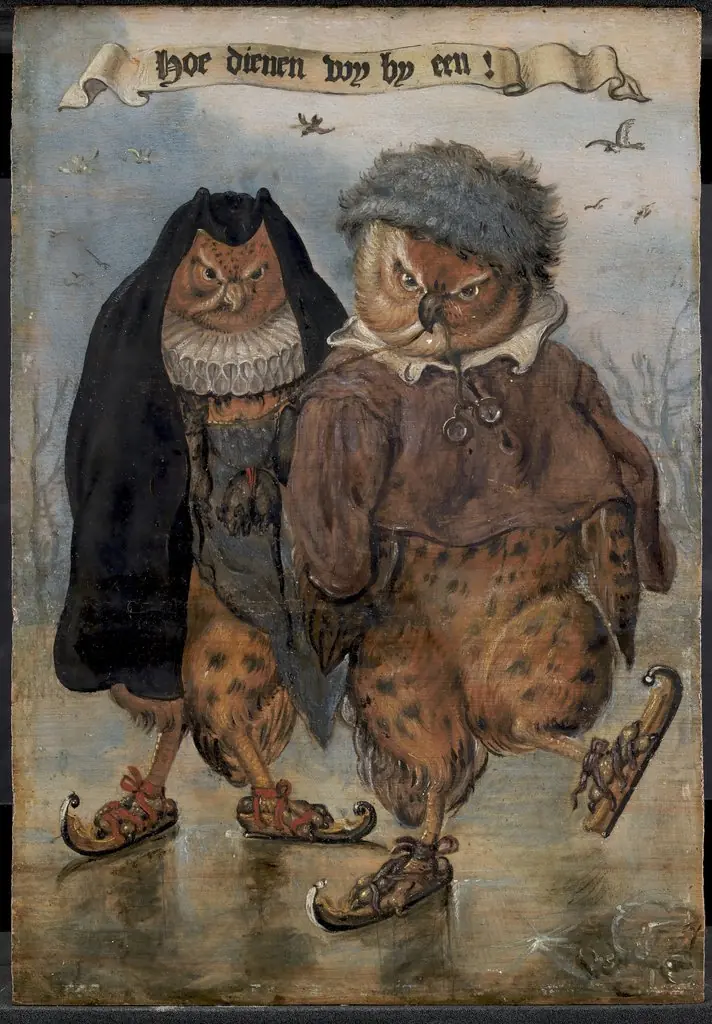 How Well We Go Together
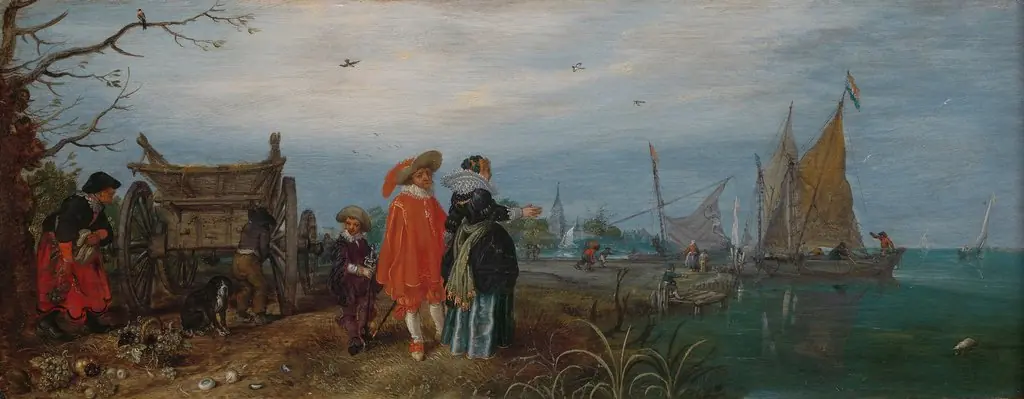 Autumn
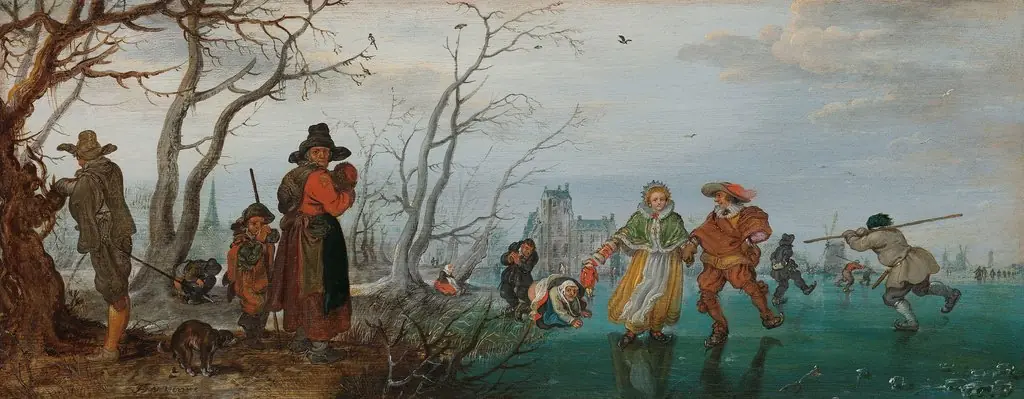 Winter