Artwork
Entombment
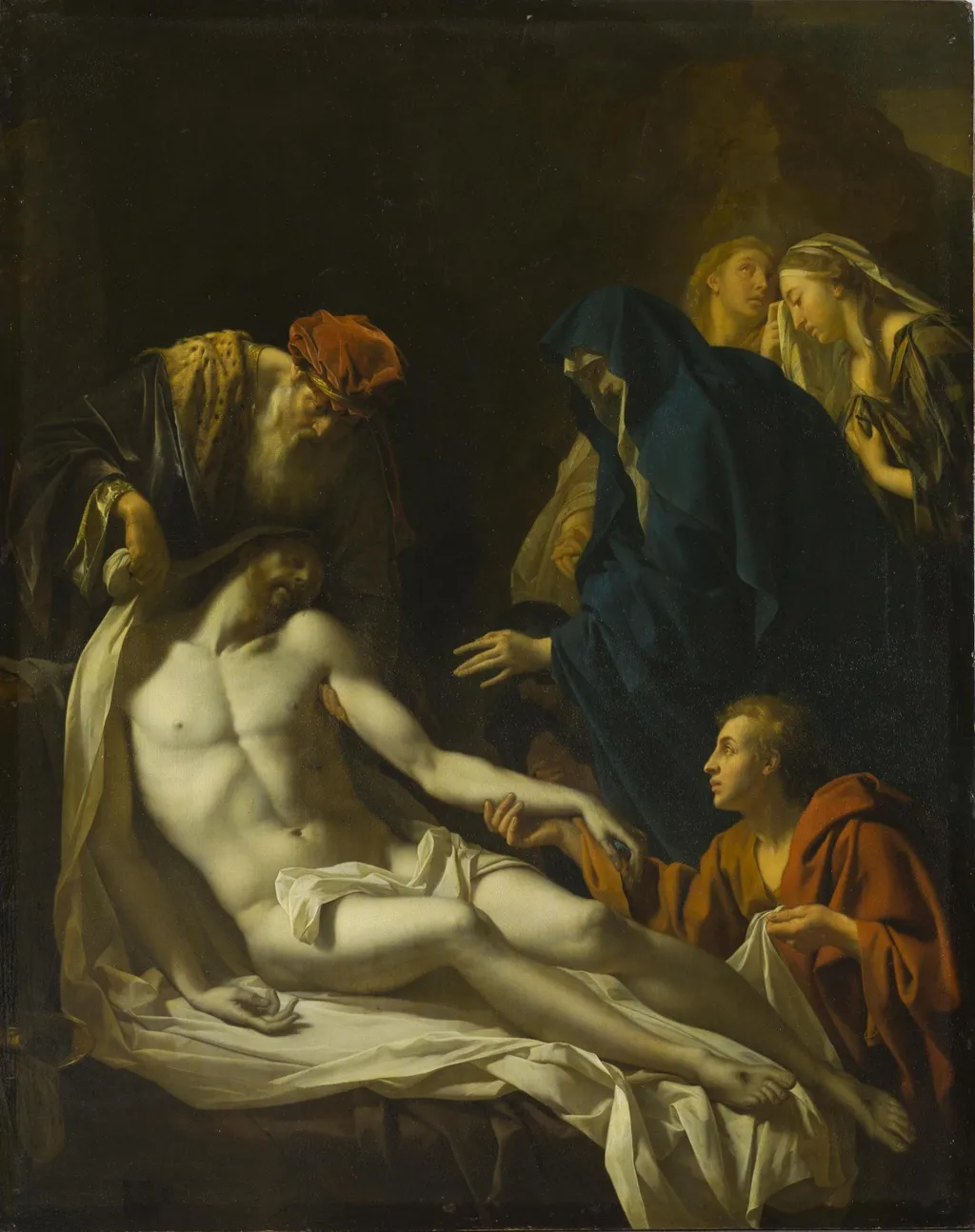
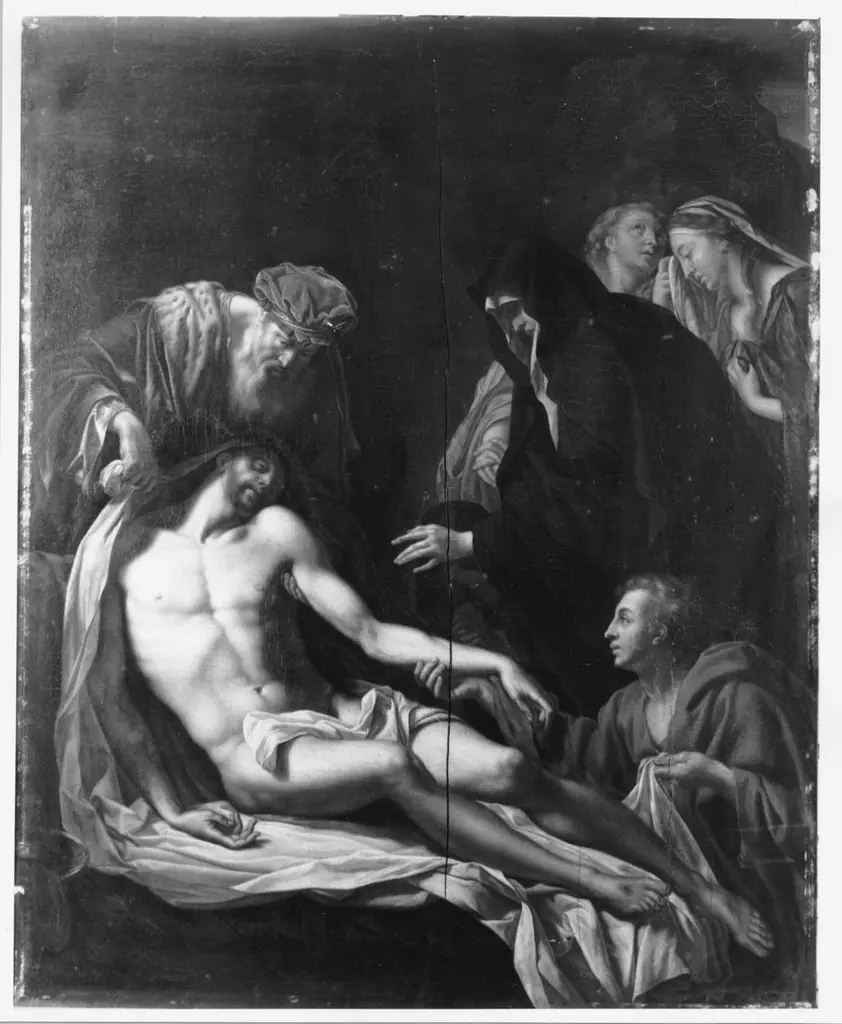
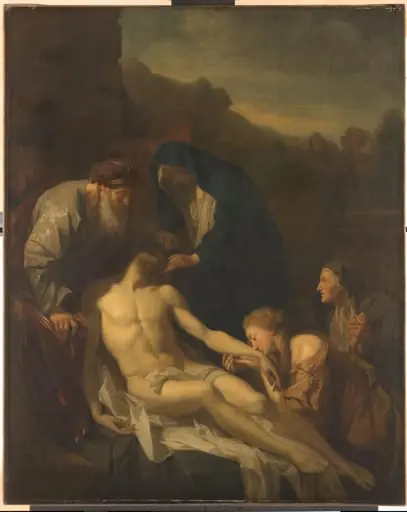
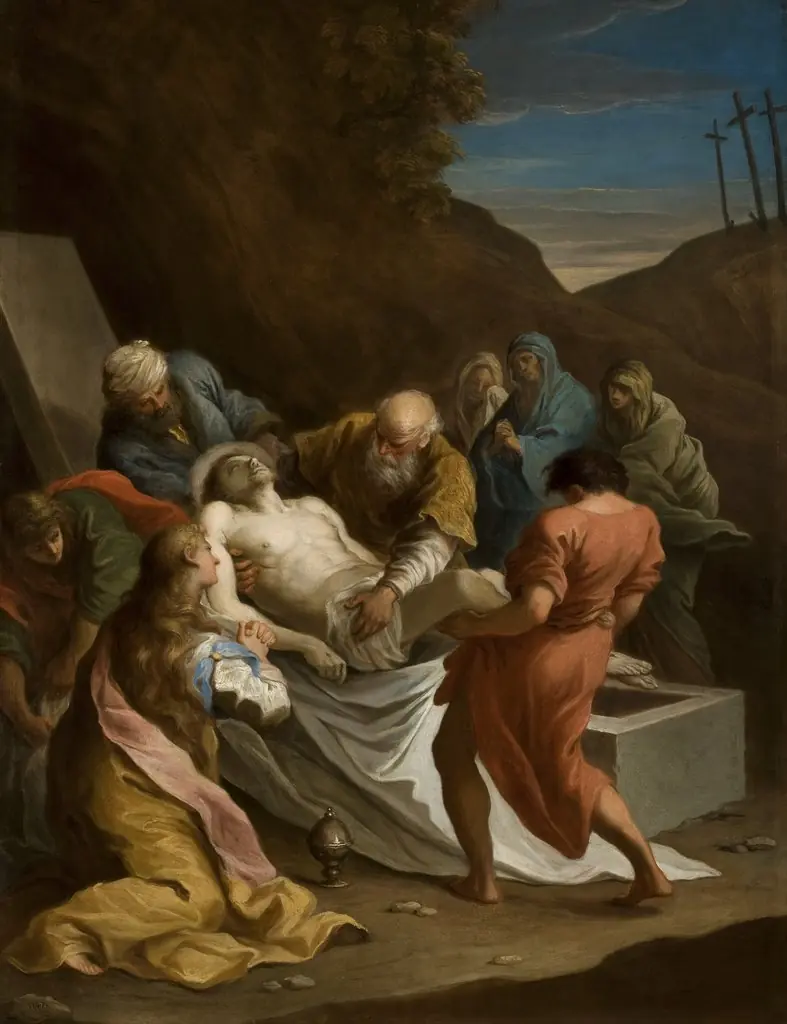
Entombment is an oil painting by the Rococo painting artist Adriaen van der Werff. It dates from 1703 and is held in the collection of the Hermitage Museum.
About this work
Subject & Meaning
The subject invites contemplation on sacrifice and mourning, central themes in late Baroque religious imagery.
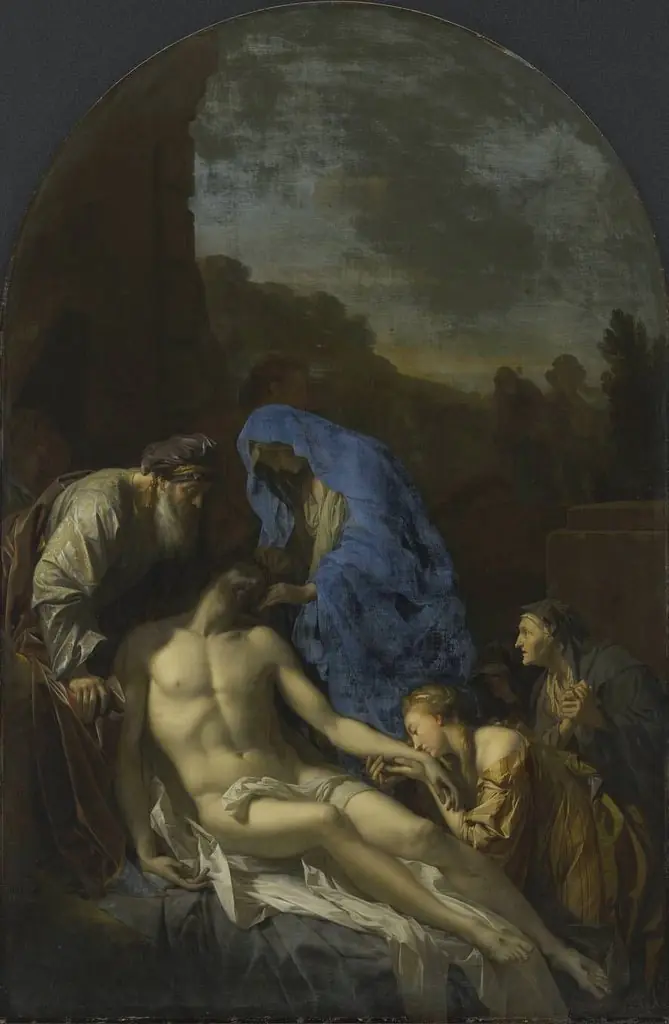
The painting depicts the Entombment of Christ, a foundational episode in the Christian Passion narrative in which the body of Jesus is laid in a tomb following his crucifixion. Classified within the religious genre, the work treats this sacred subject as its main theme, focusing on the moment of Christ's burial rather than earlier events of the Passion.
As an Entombment scene, the composition belongs to a long devotional tradition in which artists visualize the grief of Christ's followers, the physical reality of his death, and the promise of resurrection through the act of interment. The subject invites contemplation on sacrifice and mourning, central themes in late Baroque religious imagery.
Technique & Style
Adriaen van der Werff's Entombment is executed in oil paint on a wooden panel, a support characteristic of Dutch cabinet pictures of the period. The relatively modest dimensions of 63 by 50 cm indicate an intimate format suited to close viewing. Classified as a religious painting, the work treats the entombment of Christ as its main subject, rendered with the polished, highly finished handling for which van der Werff was known, employing smooth surface treatment and refined detail rather than visible brushwork.
History & Provenance
Adriaen van der Werff created the religious painting Entombment in 1703, depicting the entombment of Christ. The work is an oil on panel measuring 63 cm in height and 50 cm in width, produced in the Netherlands. It entered the collection of the Hermitage Museum, where it remains on display. The painting's provenance traces its ownership to the Hermitage Museum following its creation.
The painting Entombment by Adriaen van der Werff, created in 1703, is housed in the Hermitage Museum in St. Petersburg. Its accession number is not specified in the sources. The work has been exhibited as part of religious art displays at the Hermitage Museum, reflecting its thematic focus on the entombment of Christ.
The Hermitage Museum holds the painting, which measures 63 cm in height and 50 cm in width, according to the catalog data. It is classified as a religious painting and was produced in the Netherlands.
Overview
Adriaen van der Werff’s oil painting Entombment, executed in 1703, portrays the biblical moment of Christ’s burial. The work is part of the collection of the State Hermitage Museum in St. Petersburg and exemplifies the artist’s mature phase within the Rococo period.
Context
Although associated with the Rococo’s decorative elegance, Entombment reflects the period’s interest in theatrical lighting and emotive expression. Van der Werff’s handling of religious narrative aligns with contemporary Dutch approaches that combined refined surface treatment with a heightened sense of drama, situating the work within broader European trends of the early 1700s.
Own this work as a print
Artist & collection
Artist
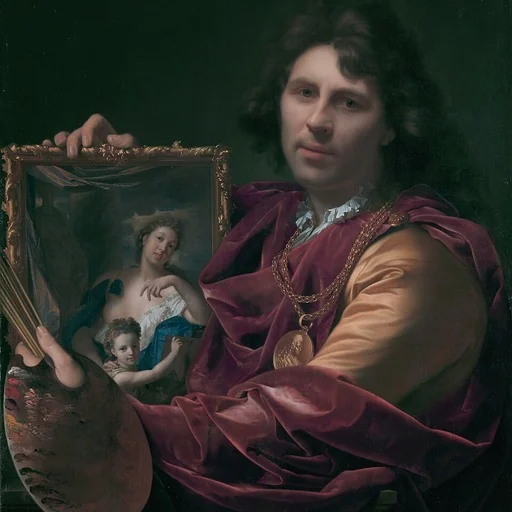
Adriaen van der Werff (21 January 1659 – 12 November 1722) was a Dutch painter of portraits and erotic, devotional and mythological scenes.

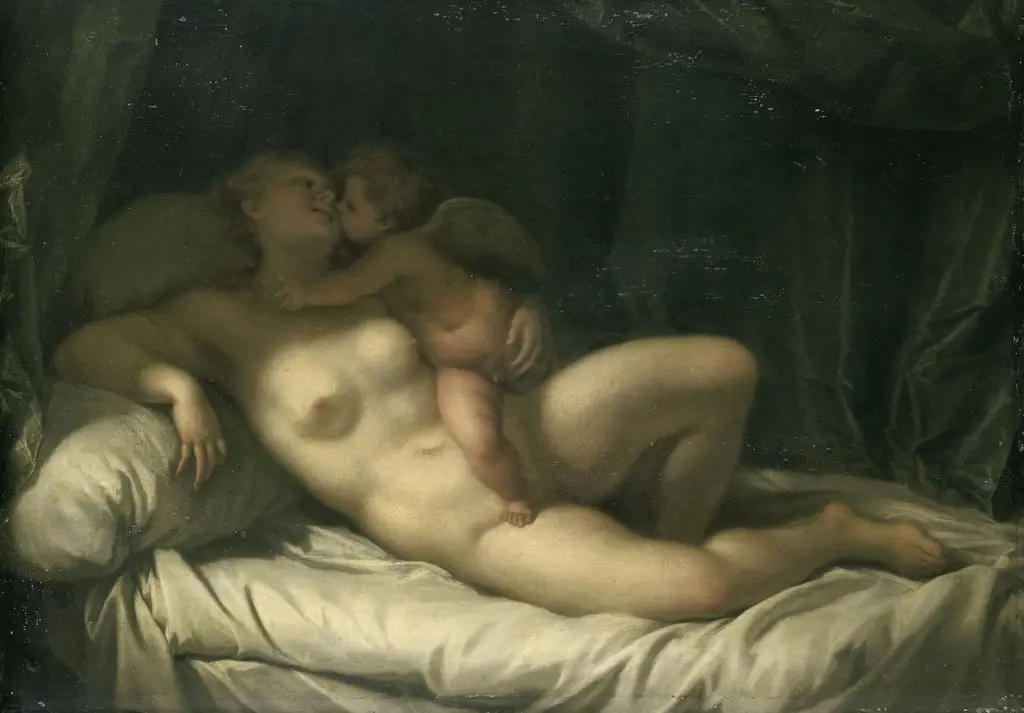 Cupid Kissing Venus (Venus Kissed by Amor)
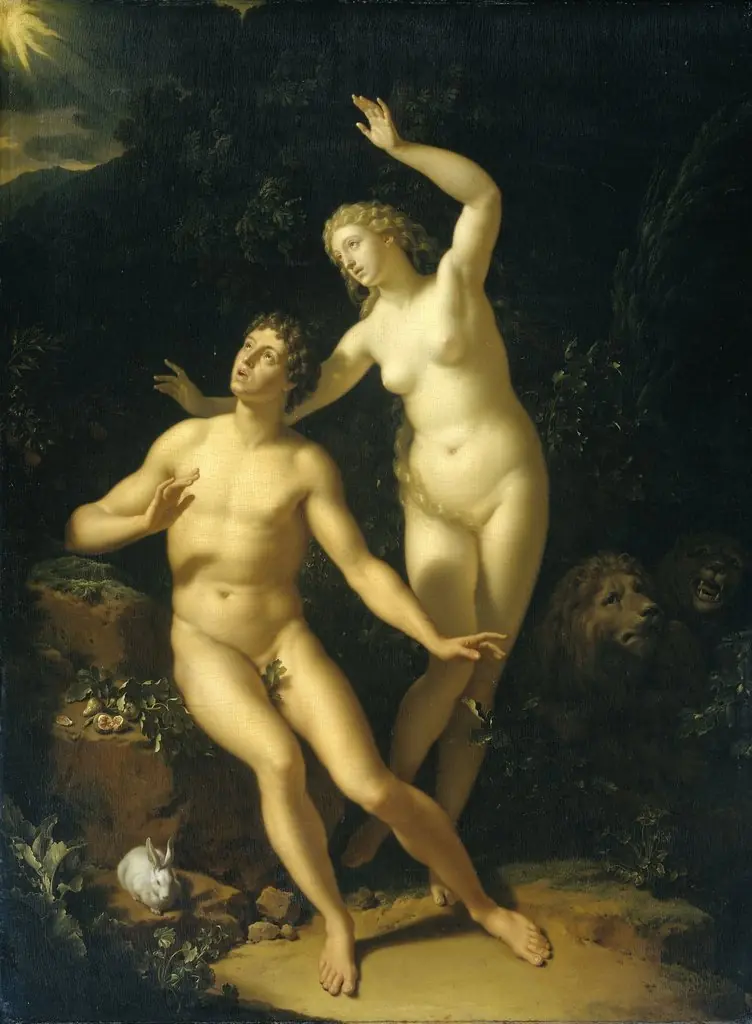 God Holds Adam and Eve Responsible
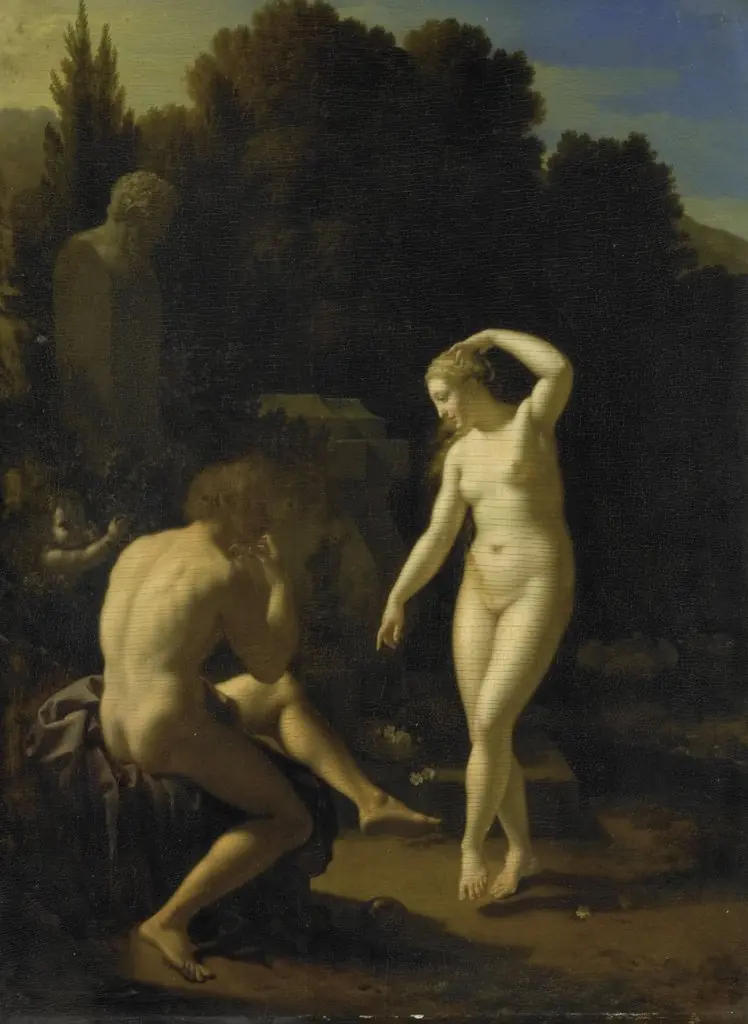 A Nymph Dancing to a Shepherd's Flute-Playing
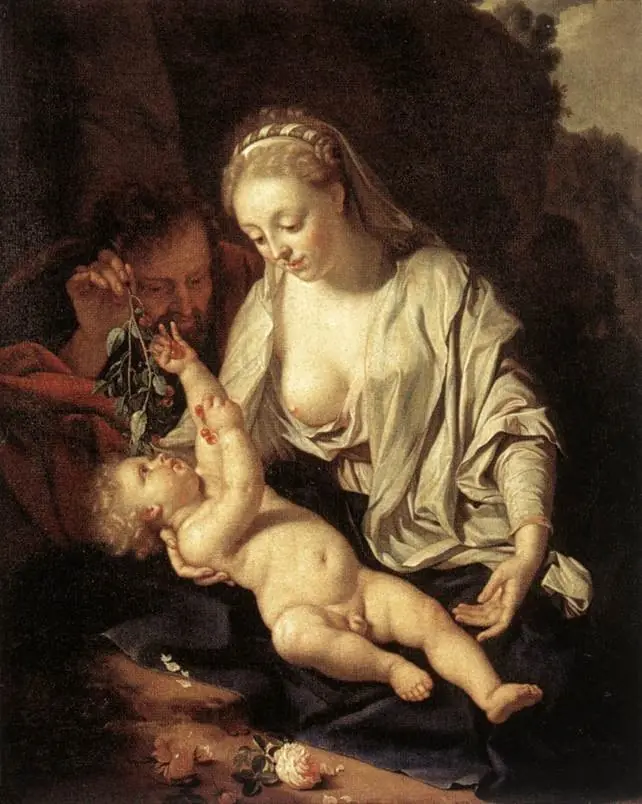 The Holy Family
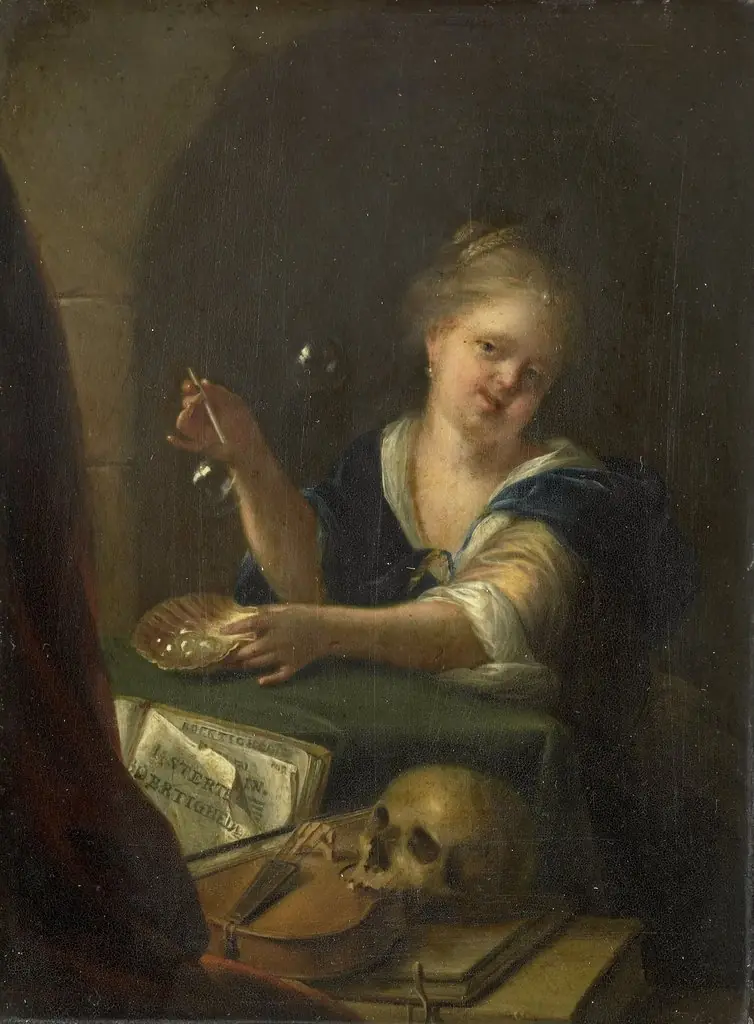 Bubble-blowing Girl with a Vanitas Still Life
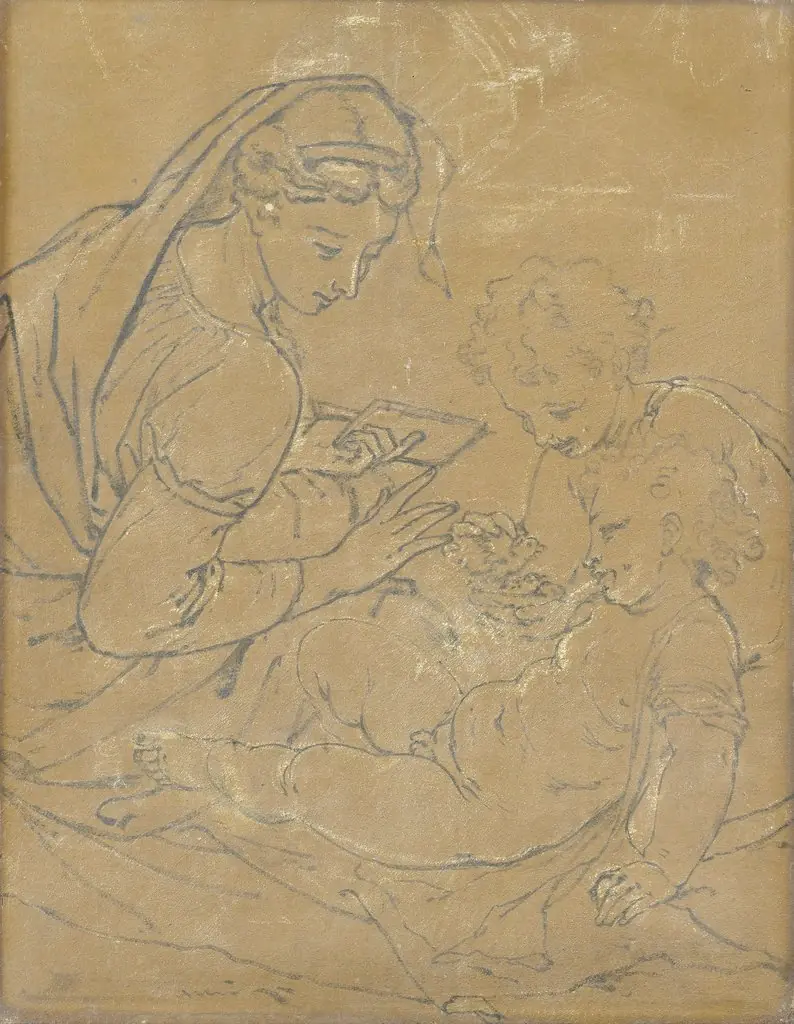 Virgin and Child with Saint John (chalk sketch)
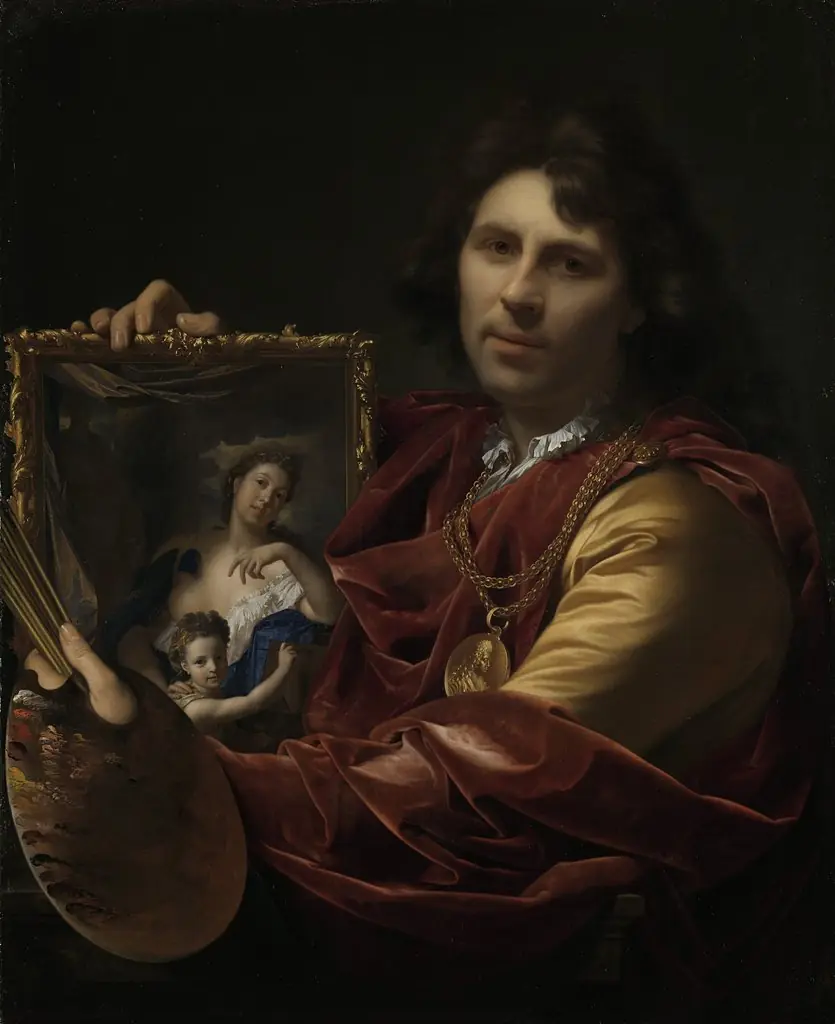 Self-portrait with the Portrait of his Wife, Margaretha van Rees, and their Daughter Maria
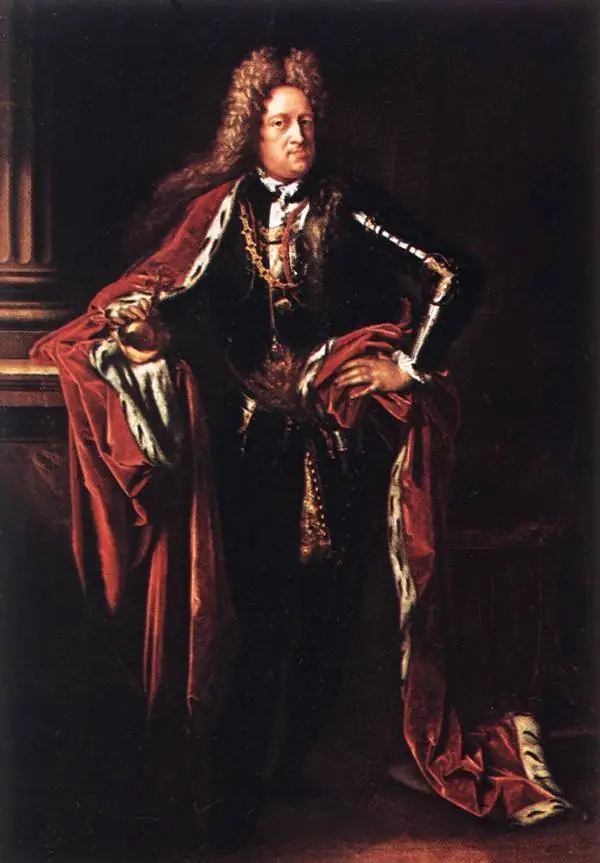 Portrait of Johann Wilhelm Elector of Palatine (1658-1716)