Artwork
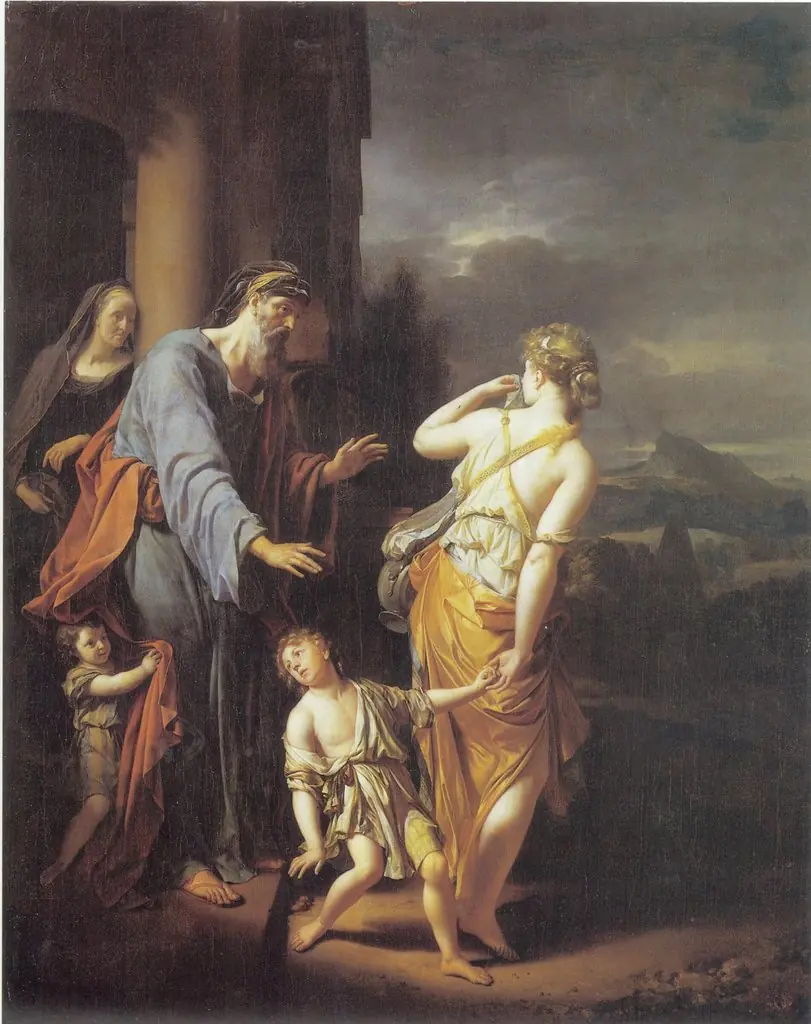
Expulsion of Hagar
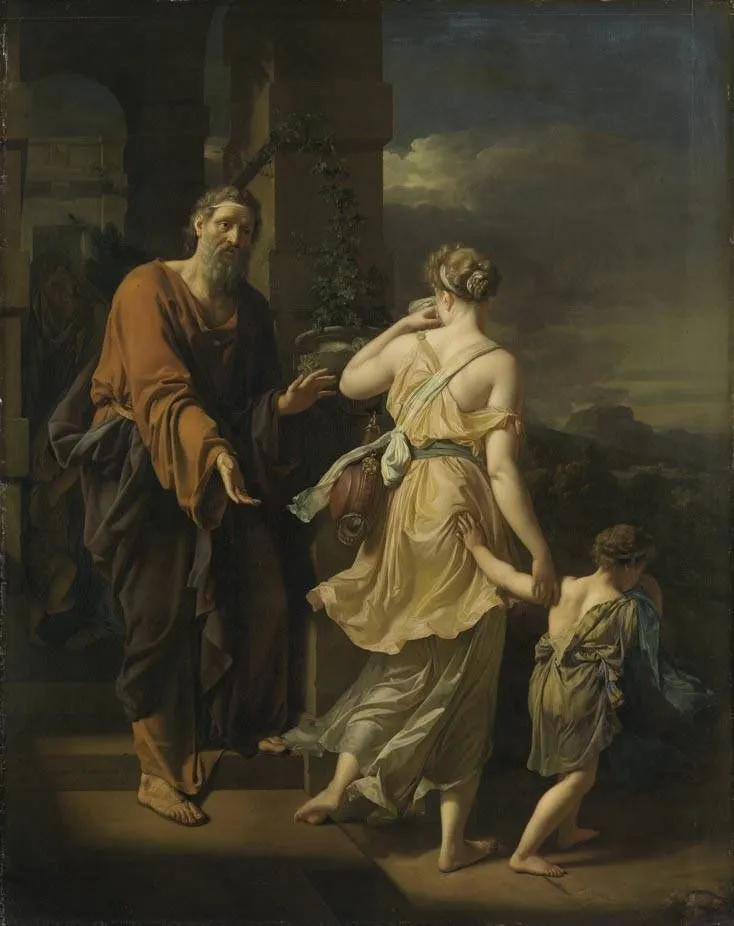
Expulsion of Hagar is an oil painting by the Rococo painting artist Adriaen van der Werff. It dates from 1701 and is held in the collection of the Bavarian State Painting Collections.
About this work
Subject & Meaning
Van der Werff emphasizes the emotional intensity of the banishment, portraying Hagar's despair and the vulnerability of the child amid a barren landscape.
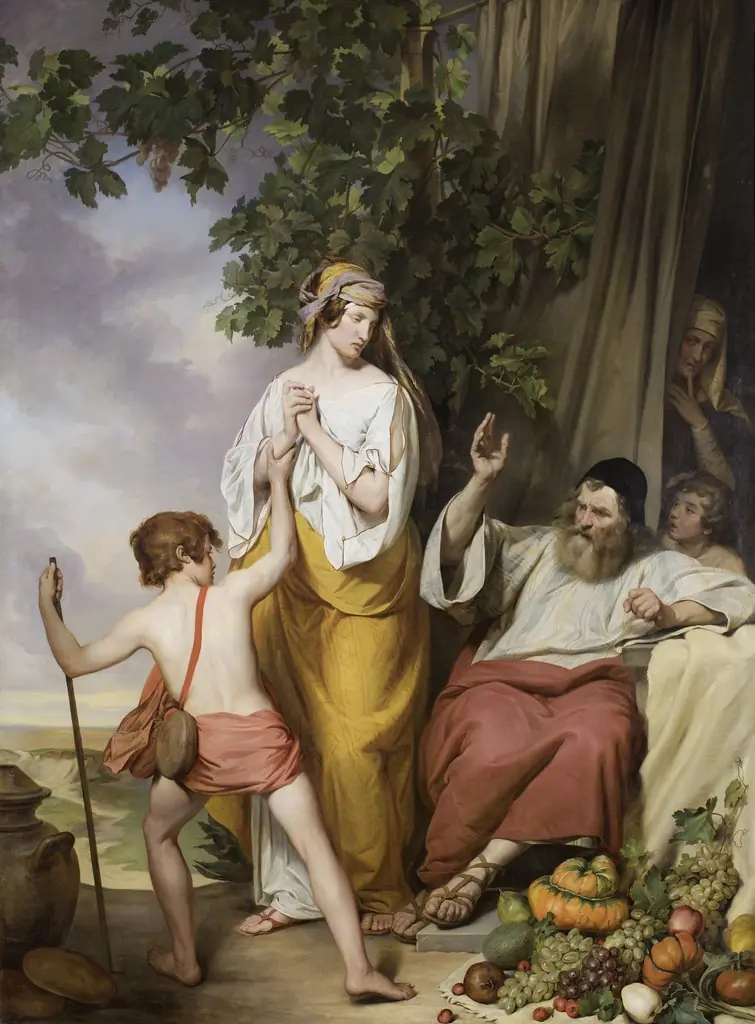
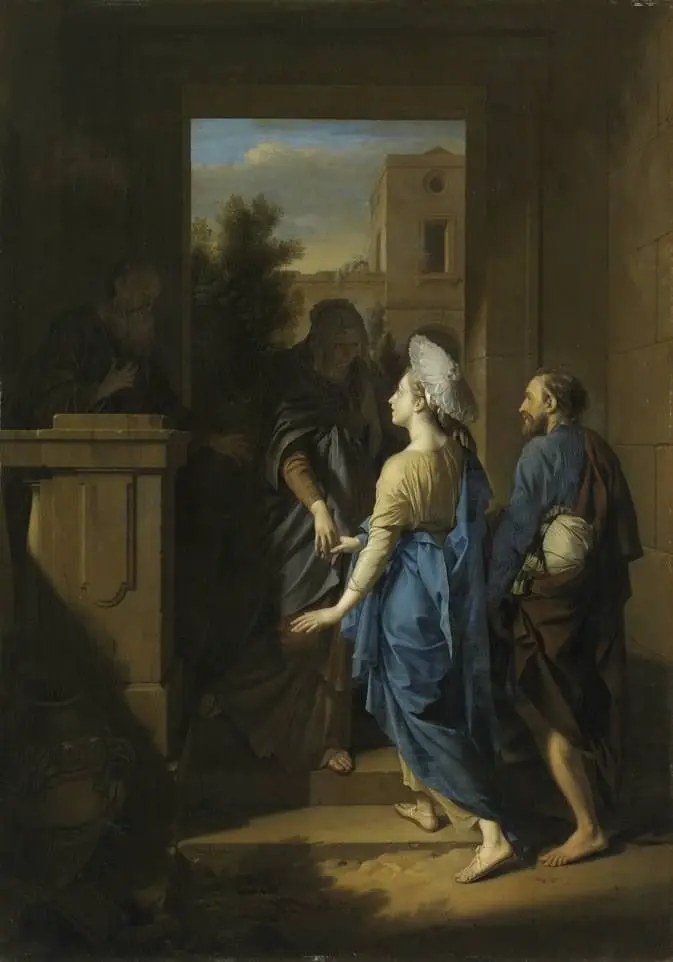
The painting illustrates the biblical moment when Hagar and her son Ishmael are cast out into the wilderness, a scene drawn from Genesis 21. Van der Werff emphasizes the emotional intensity of the banishment, portraying Hagar's despair and the vulnerability of the child amid a barren landscape. Symbolic elements include the distant well, suggesting hope for future survival, and the stark lighting that heightens the sense of abandonment.
The work reflects Baroque tendencies to dramatize religious narratives, focusing on human pathos and divine providence within a devotional context.
Technique & Style
Adriaen van der Werff executed Expulsion of Hagar in 1701 using oil paint on an oak panel support. The painting measures 77 cm in height and 61.5 cm in width. As a work of religious art, the composition depicts the banishment of Hagar and Ishmael.
The choice of oil on oak panel reflects the artist's meticulous handling and the refined, smooth finish characteristic of his late 17th- and early 18th-century style, which favored precise detail and polished surfaces over visible brushwork.
History & Provenance
Adriaen van der Werff created the oil-on-oak painting Expulsion of Hagar in 1701. The work depicts the biblical Banishment of Hagar and Ishmael and measures 77 cm in height by 61.5 cm in width. Its provenance traces through the collection of Johann Wilhelm von der Pfalz, formerly associated with the Electoral Gallery in Dusseldorf.
The piece is now held by the Bavarian State Painting Collections and is located at the Alte Pinakothek.
The painting is held in the collection of the Bavarian State Painting Collections and is located at the Alte Pinakothek. Its provenance includes the Johann Wilhelm von der Pfalz collection and the Electoral Gallery in Dusseldorf, as well as the LVR-Landesmuseum Bonn. The provided sources do not contain specific inventory numbers or a record of exhibition history for this work.
Context
Adriaen van der Werff's 1701 oil painting Expulsion of Hagar depicting Banishment of Hagar and Ishmael was created during the late Baroque period, reflecting the artist's specialization in religious subjects within the Dutch Golden Age tradition. The work belongs to the religious art genre and was produced using oil paint on oak panel, measuring 77 cm in height by 61.5 cm in width. It is part of the Bavarian State Painting Collections, specifically housed in the Alte Pinakothek as part of the Johann Wilhelm von der Pfalz collection from the Electoral Gallery Dusseldorf, establishing its provenance within major European museum holdings.
Legacy
Adriaen van der Werff's 1701 painting Expulsion of Hagar entered the Bavarian State Painting Collections and became part of the Johann Wilhelm von der Pfalz collection in the Electoral Gallery Dusseldorf. Its inclusion in the Alte Pinakothek's holdings ensured continued public access and scholarly attention. The work's depiction of Banishment of Hagar and Ishmael has been frequently referenced in studies of 18th-century religious painting and Dutch Golden Age biblical subjects. Its composition influenced later interpretations of the Hagar narrative in European art.
Overview
Adriaen van der Werff’s 1701 oil painting Expulsion of Hagar portrays the biblical episode in which Hagar and her son Ishmael are driven from Abraham’s household. Executed in the early Rococo period, the work is part of the Alte Pinakothek’s collection in Munich and exemplifies the artist’s skill in rendering narrative drama through composition and light.
Artist & collection
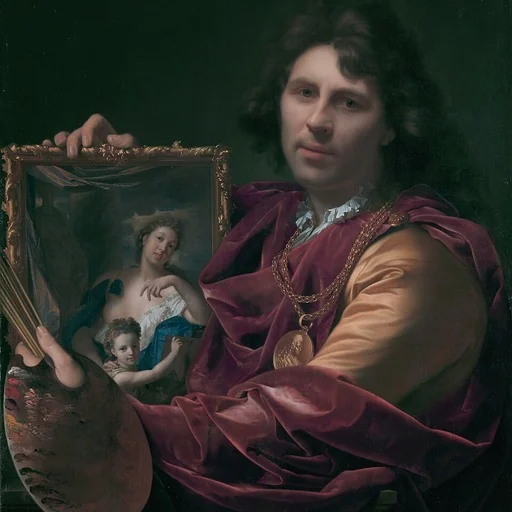
Artist
Adriaen van der Werff (21 January 1659 – 12 November 1722) was a Dutch painter of portraits and erotic, devotional and mythological scenes.

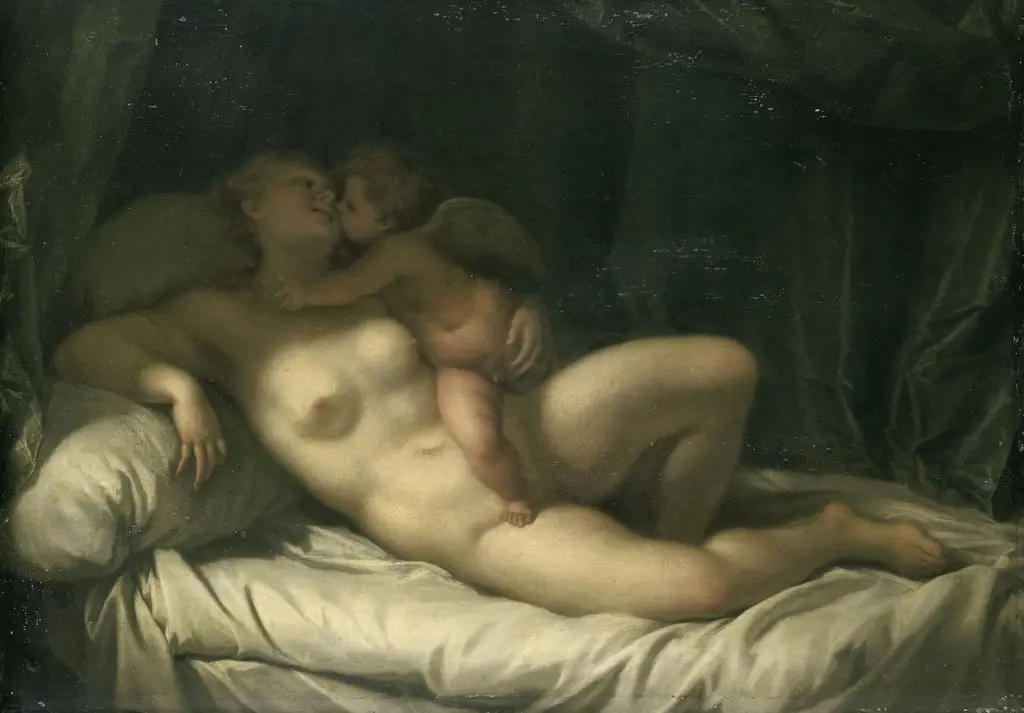 Cupid Kissing Venus (Venus Kissed by Amor)
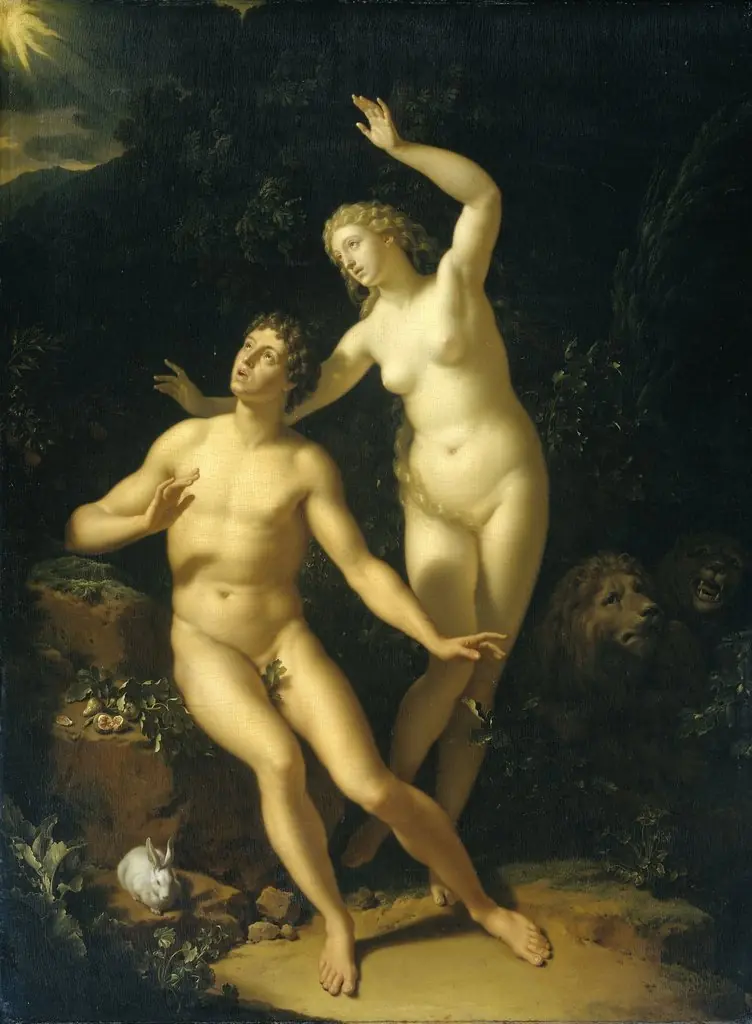 God Holds Adam and Eve Responsible
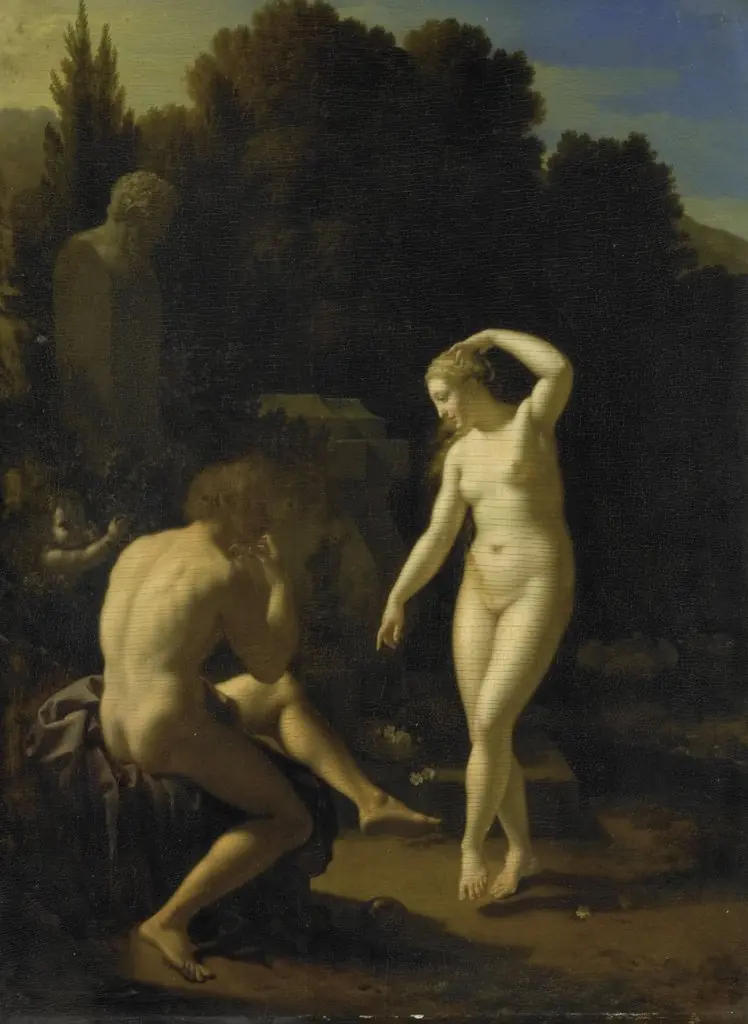 A Nymph Dancing to a Shepherd's Flute-Playing
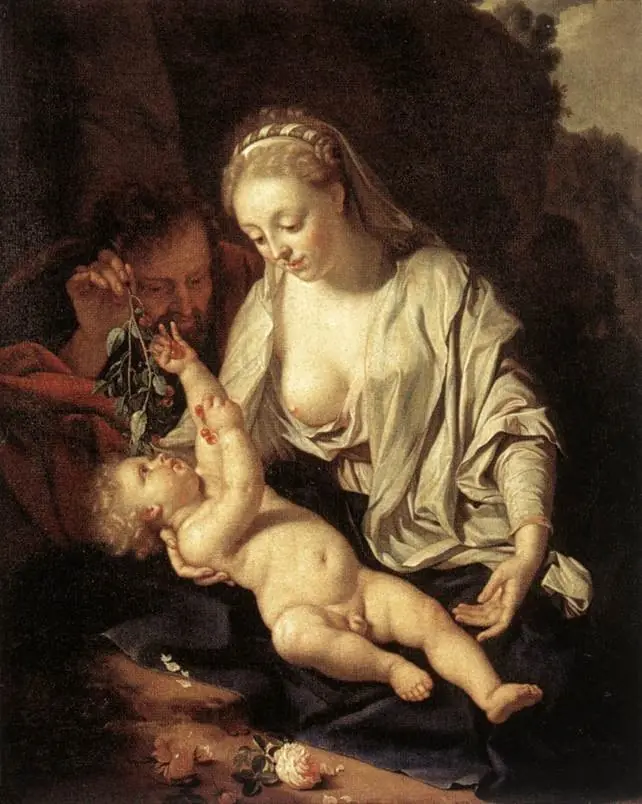 The Holy Family
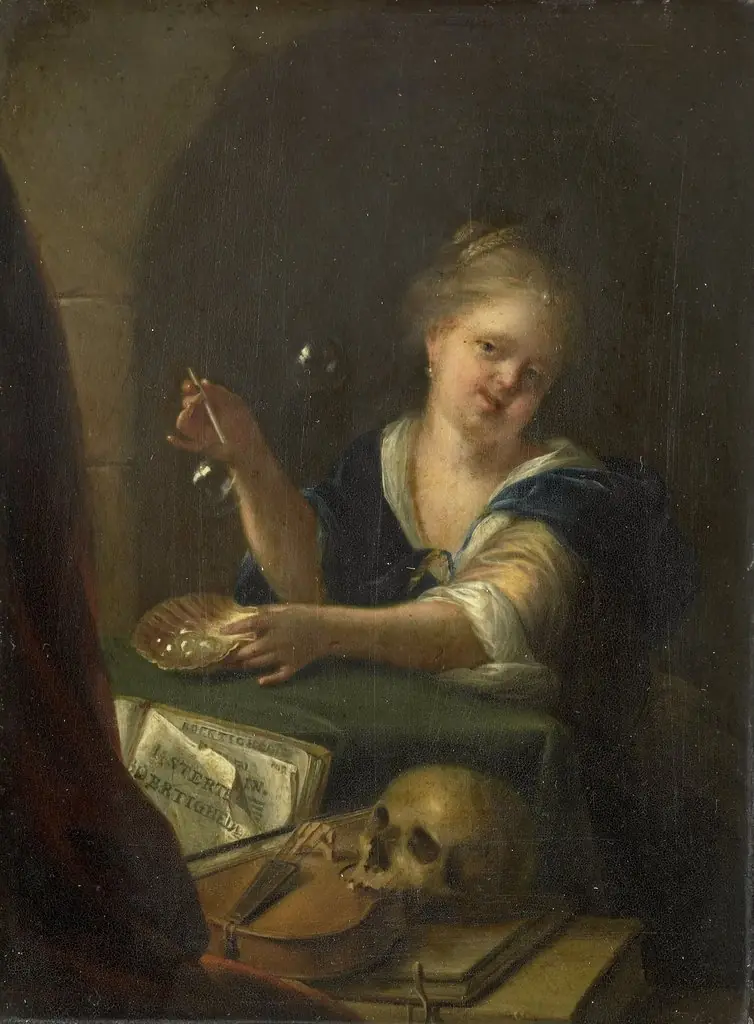 Bubble-blowing Girl with a Vanitas Still Life
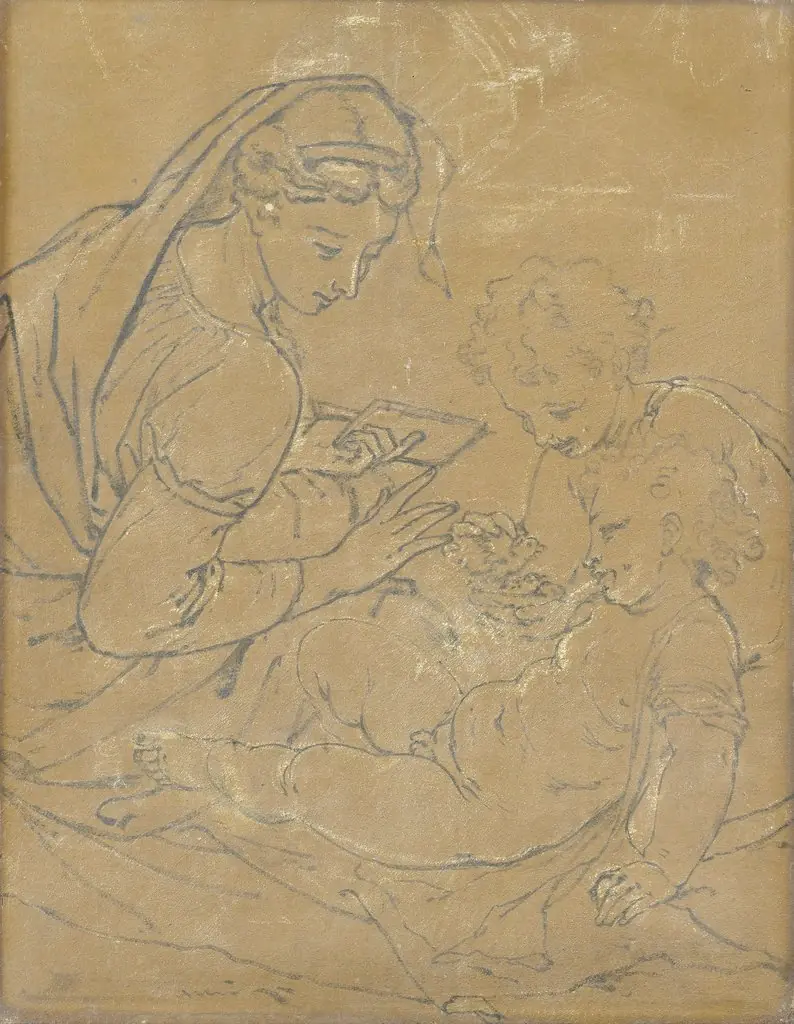 Virgin and Child with Saint John (chalk sketch)
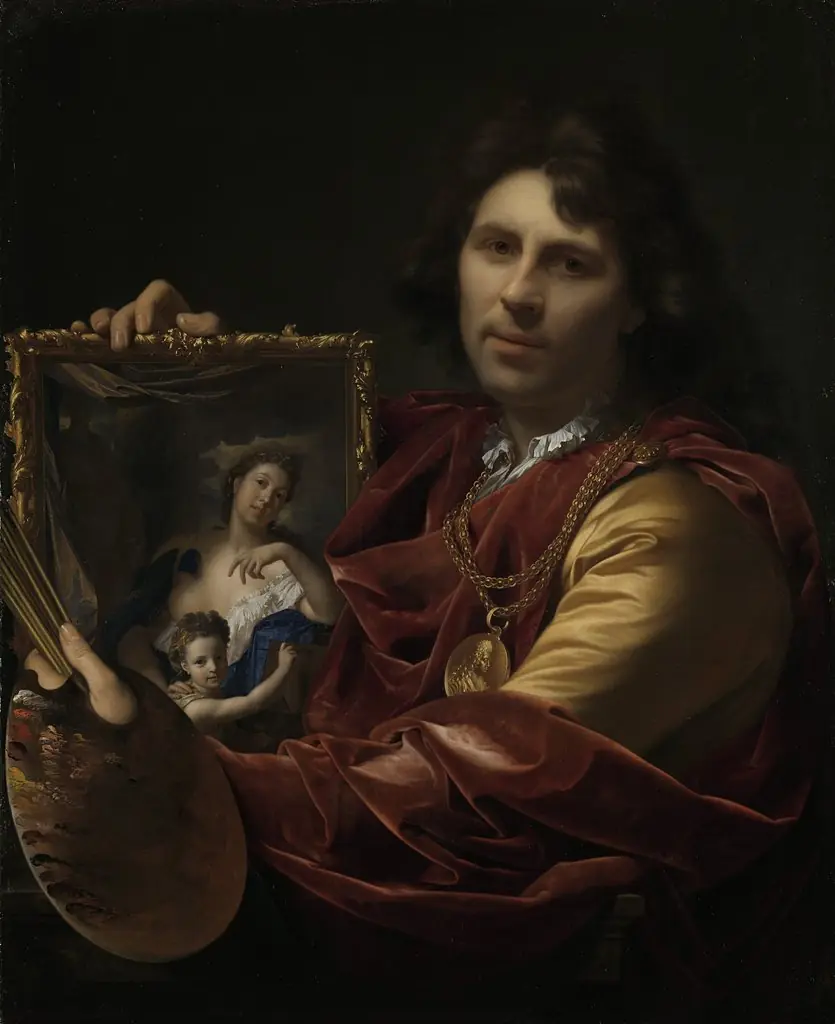 Self-portrait with the Portrait of his Wife, Margaretha van Rees, and their Daughter Maria
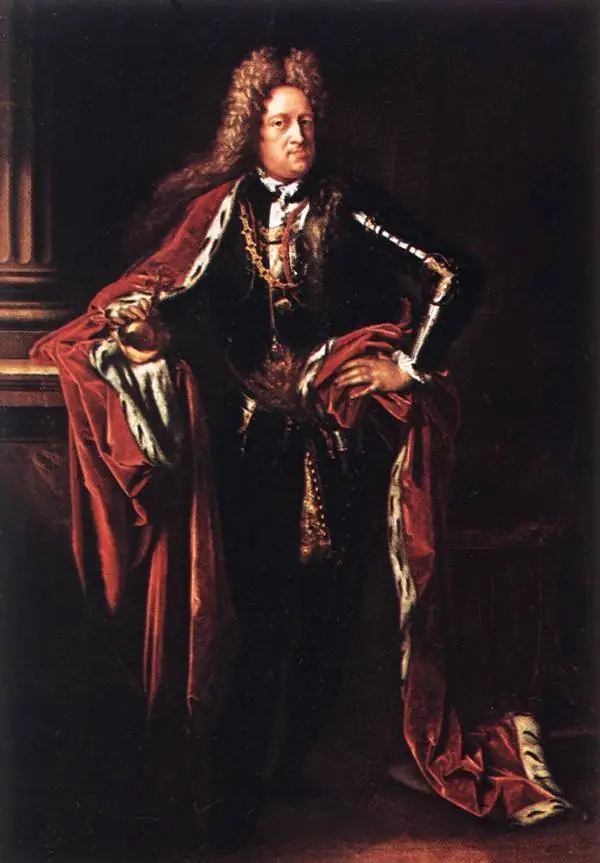 Portrait of Johann Wilhelm Elector of Palatine (1658-1716)