Artwork
Dresden Altarpiece
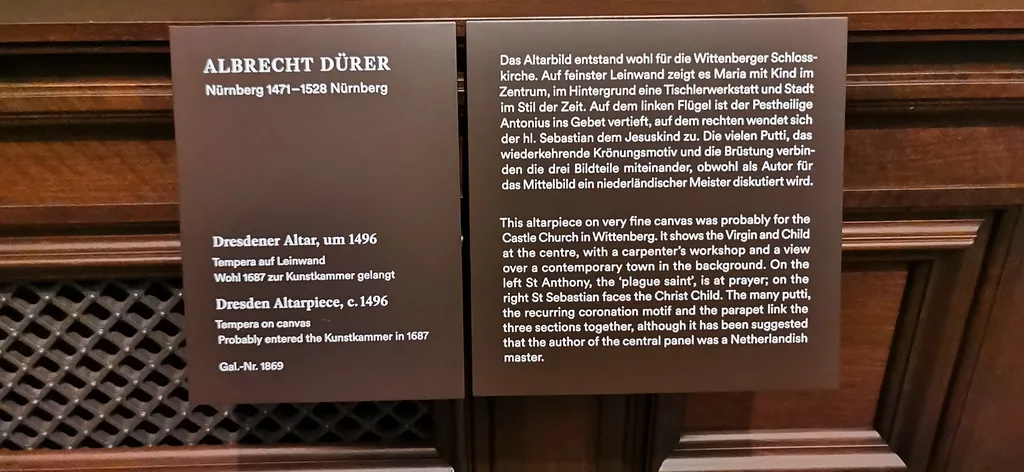
Dresden Altarpiece is an oil painting by the Northern Renaissance artist Albrecht Dürer. It dates from 1498 and is held in the collection of the Staatliche Kunstsammlungen Dresden.
About this work
Overview
The Dresden Altarpiece is a three‑panel oil painting created by Albrecht Dürer during the late 1490s, with possible additions made in the early 1500s. It is part of the collection of the Gemäldegalerie Alte Meister in Dresden, Germany, and exemplifies Dürer’s early engagement with religious narrative in a format traditionally used for devotional works.
Subject & Meaning
At the center of the composition a woman, identified as the Virgin Mary, cradles the infant Christ. Flanking figures include two saints, one in a posture of prayer and the other turned toward the child, while numerous putti with wings populate the surrounding space, linking the sacred scene to a broader celestial presence.
Technique & Style
Executed in oil on panel, Dürer combines meticulous detail with a balanced arrangement of figures. The central panel features a realistic rendering of a carpenter’s workshop, complete with tools, which grounds the holy figures in a tangible, everyday environment. The use of perspective and careful modeling reflects the artist’s early adoption of Northern Renaissance techniques.
History & Provenance
The altarpiece was likely commissioned for a private or ecclesiastical setting shortly after its completion in 1497, and may have been revisited by Dürer around 1503–1504. It entered the Dresden collection in the 18th century and has remained there, becoming a key work in the museum’s holdings of German Renaissance art.
Context
Created during a period when Dürer was absorbing influences from both Netherlandish and Italian art, the work merges devotional iconography with genre elements such as the workshop scene. This synthesis mirrors contemporary trends that sought to make sacred narratives more accessible to viewers through familiar, domestic settings.
Legacy
The Dresden Altarpiece stands as an early testament to Dürer’s ability to integrate complex theological themes with detailed observation of daily life. Its preservation in Dresden offers scholars a clear example of the artist’s developmental phase before his later, more widely known prints and paintings.
![St Barbara Altarpiece [right wing]](https://artifactworldgallery.com/img/unknown--st-barbara-altarpiece-right-wing--57723c6727765b11-w320.webp)
Artist & collection
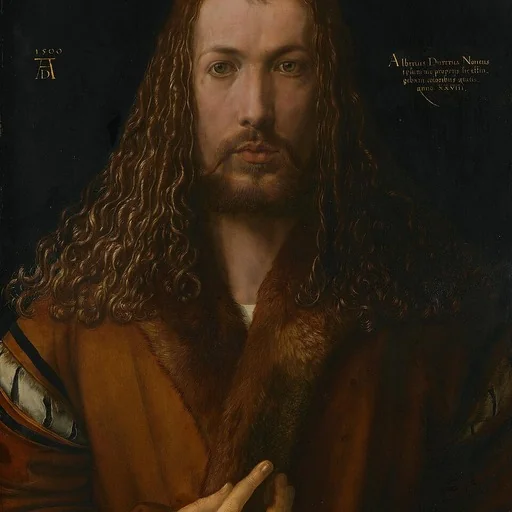
Artist
Albrecht Dürer spent his life in Nuremberg, a busy German city where artists traded prints like currency.

![Madonna and Child [obverse], by Albrecht Dürer](https://artifactworldgallery.com/img/albrecht-durer--madonna-and-child-obverse--d7b8ebf05d22ebe5-w320.webp)
![Lot and His Daughters [reverse], by Albrecht Dürer](https://artifactworldgallery.com/img/albrecht-durer--lot-and-his-daughters-reverse--b4ebf9b282faa17a-w320.webp)
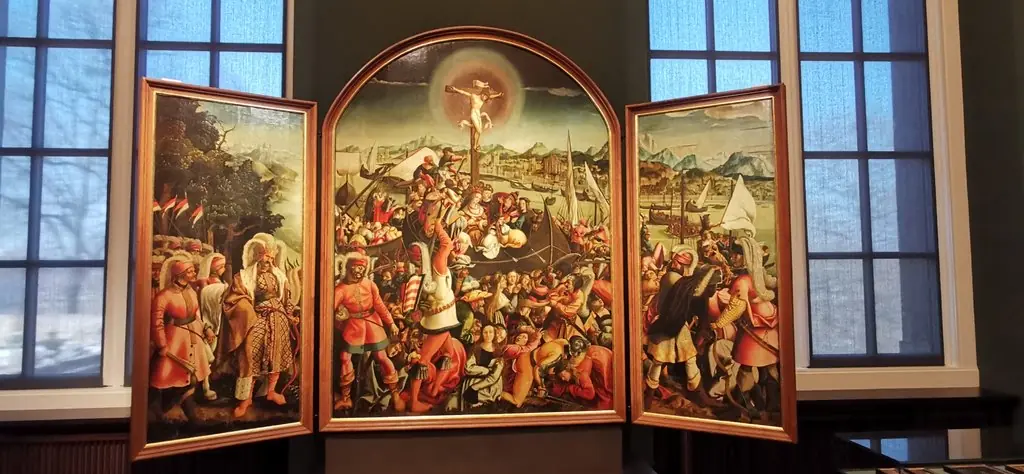 Breu, Jörg
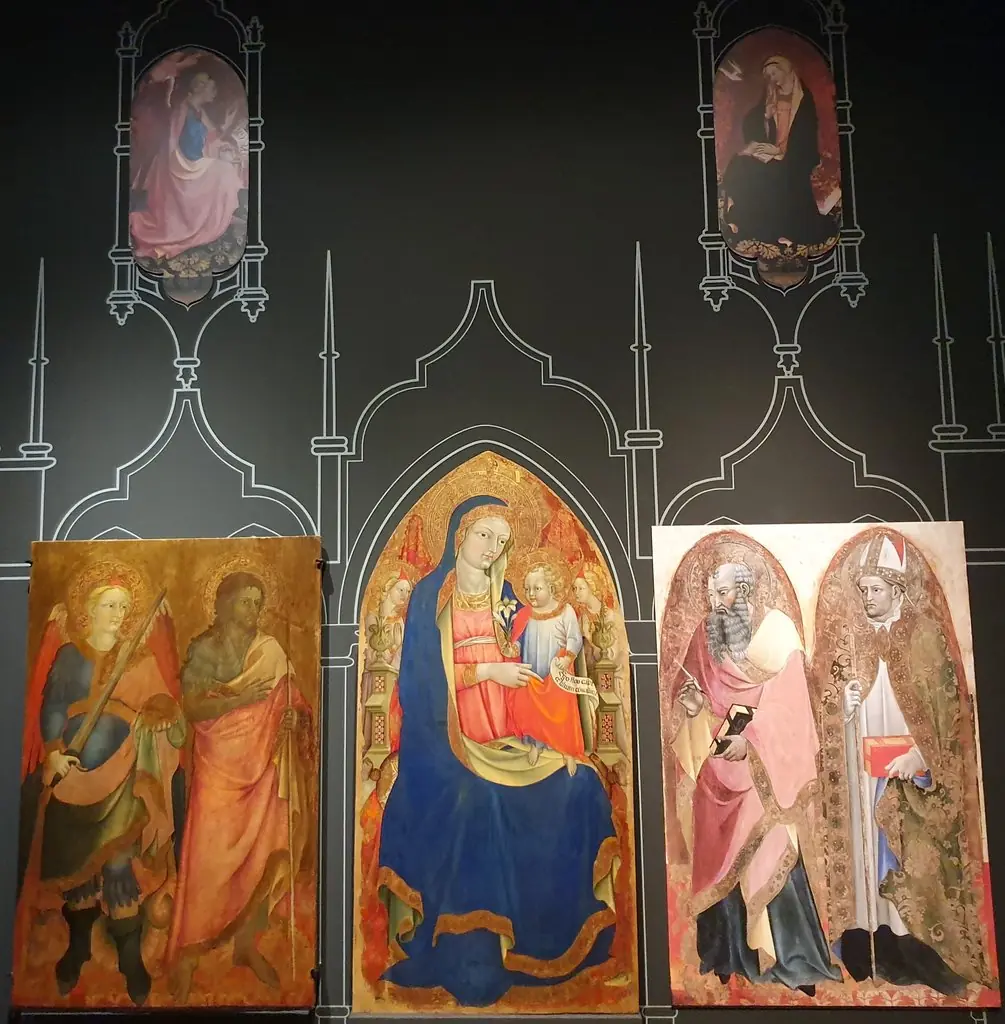 Polyptych of Sant'Agostino, Nicosia
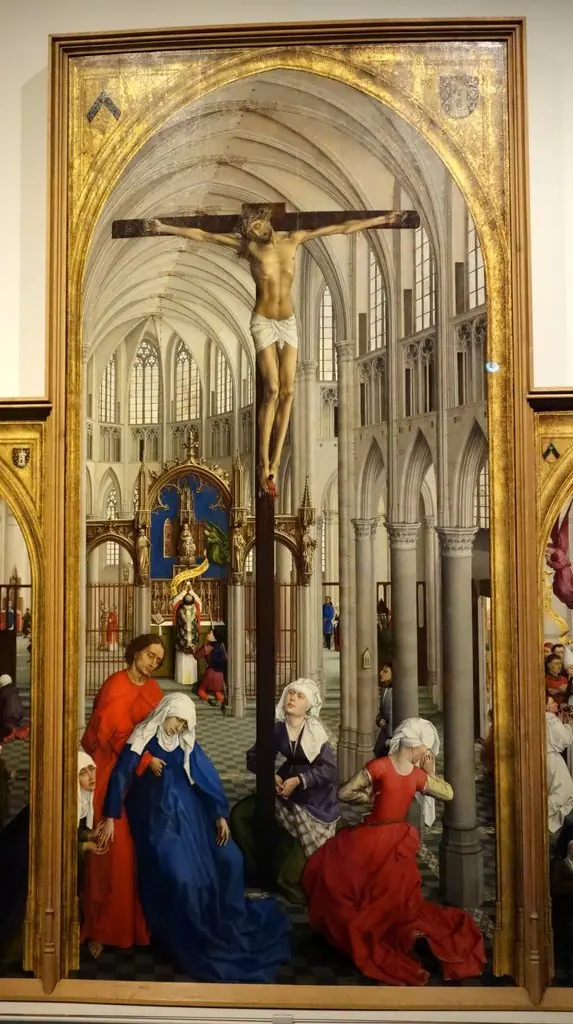 The Seven Sacraments (central panel)
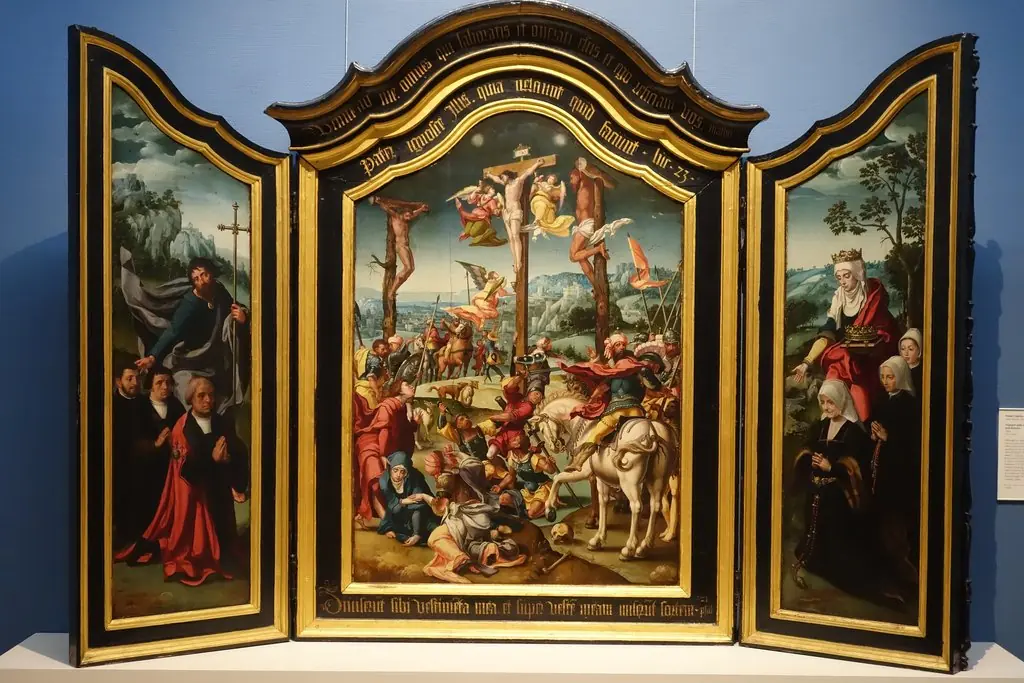 Triptych with the Crucifixion and Donors
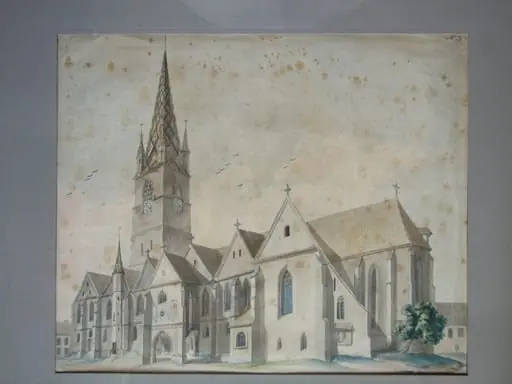 Biserica evanghelică din Sibiu
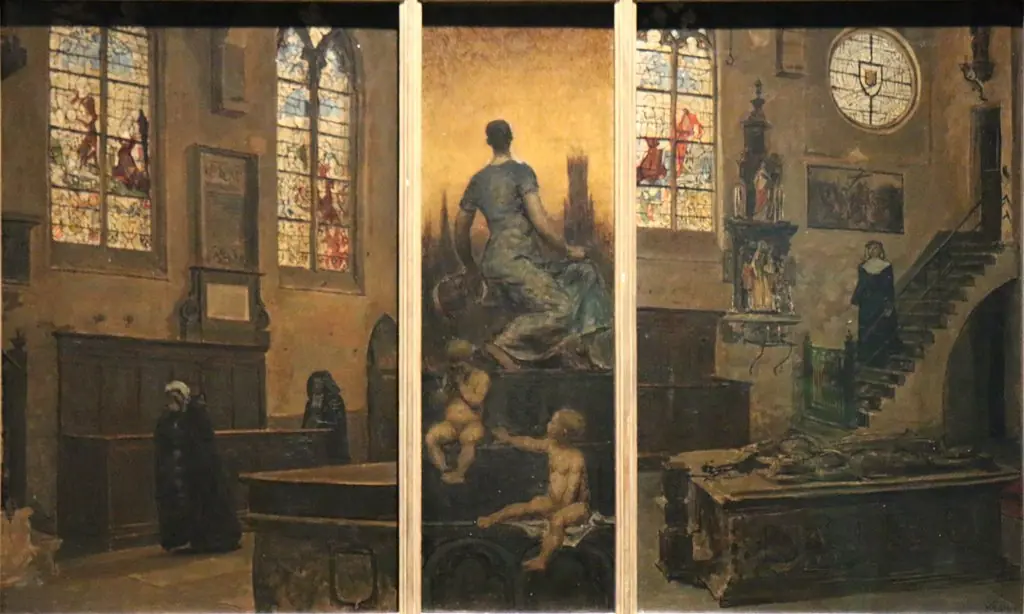 Bruges
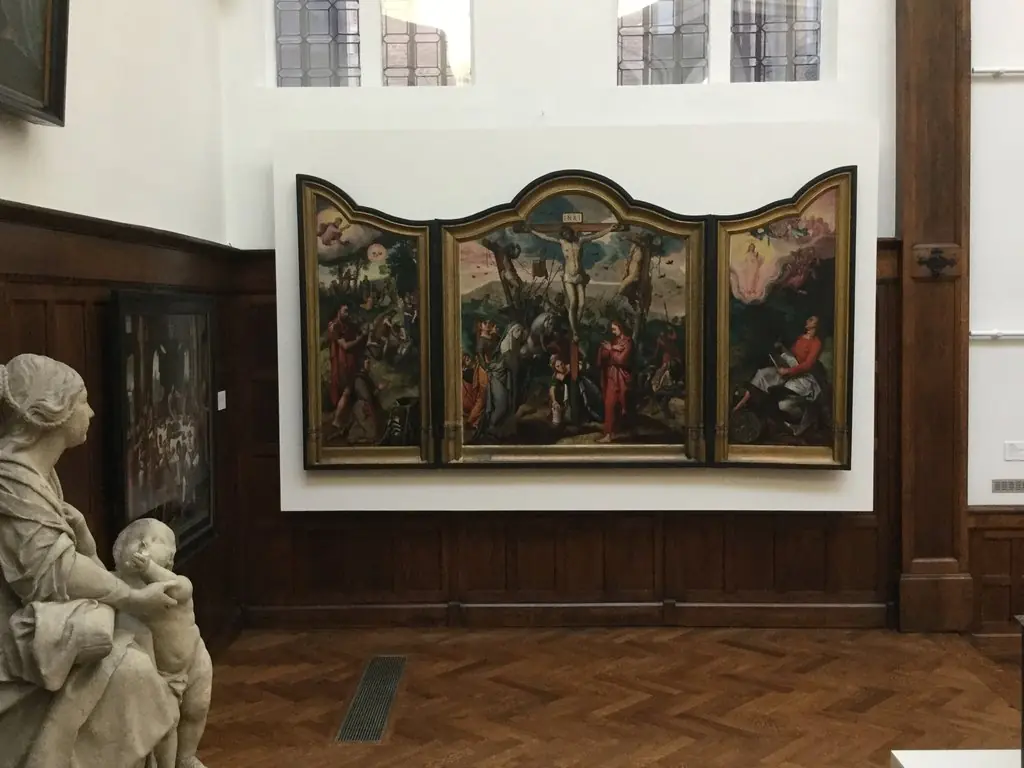 Tryptich of the soapmaker Jan van der Biest
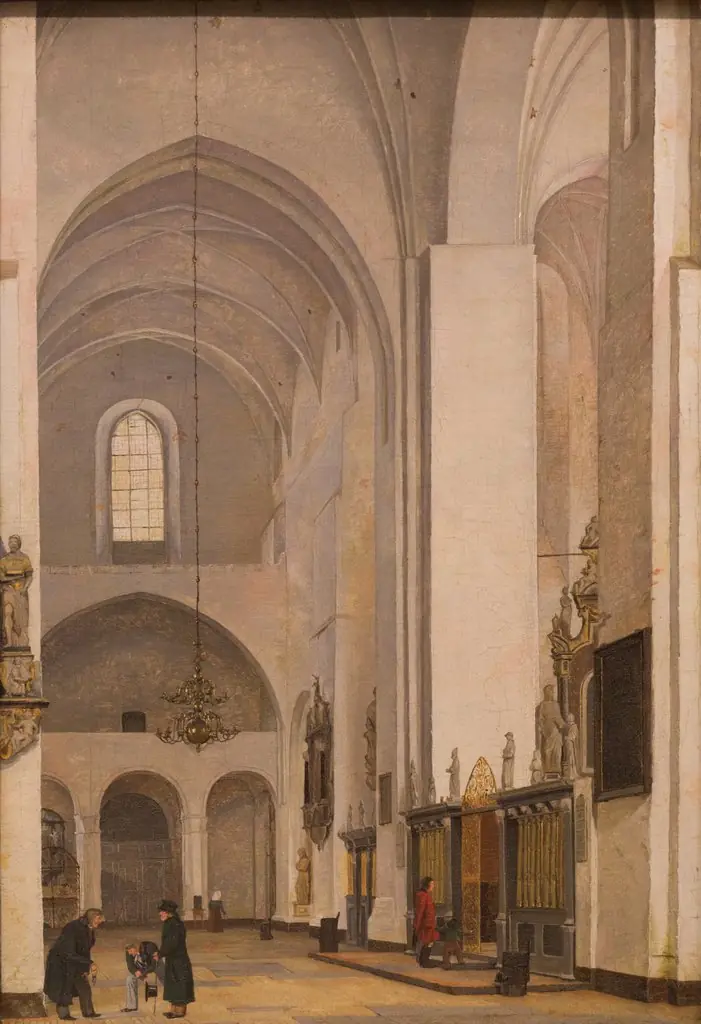 The Transept of Århus Cathedral
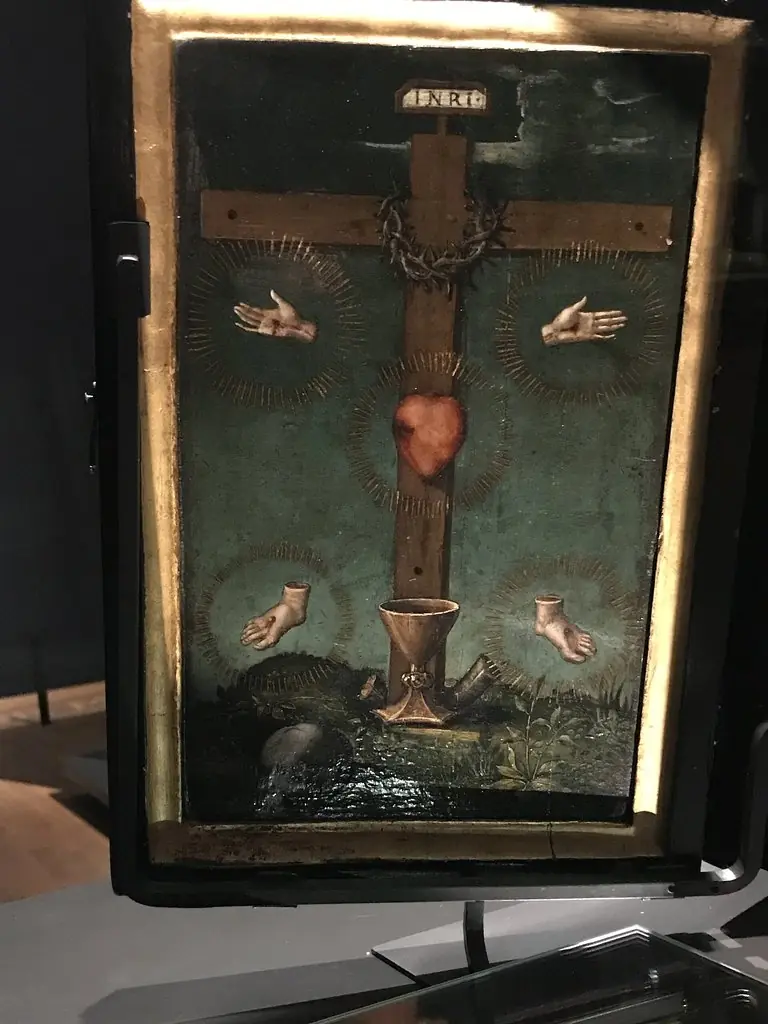 Crown of thorns on the Holy Cross, with the Five Holy Wounds surrounded by rays
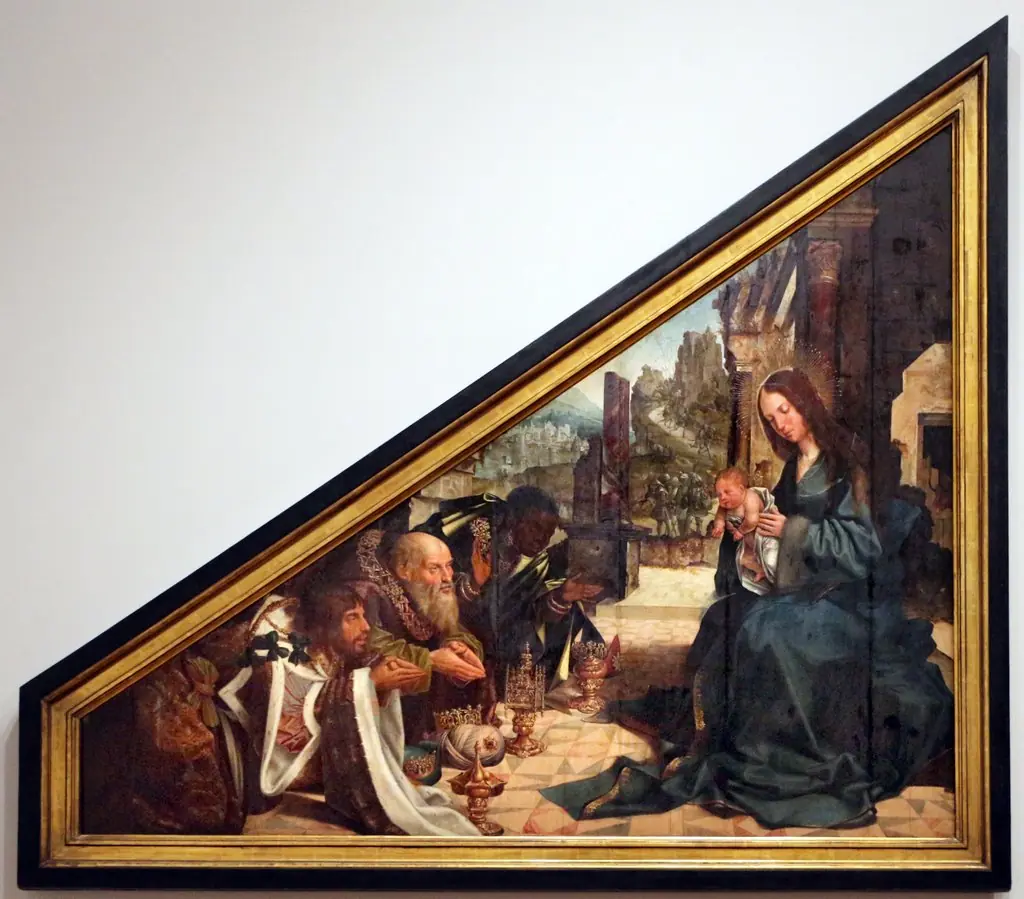 Adoration of the Magi
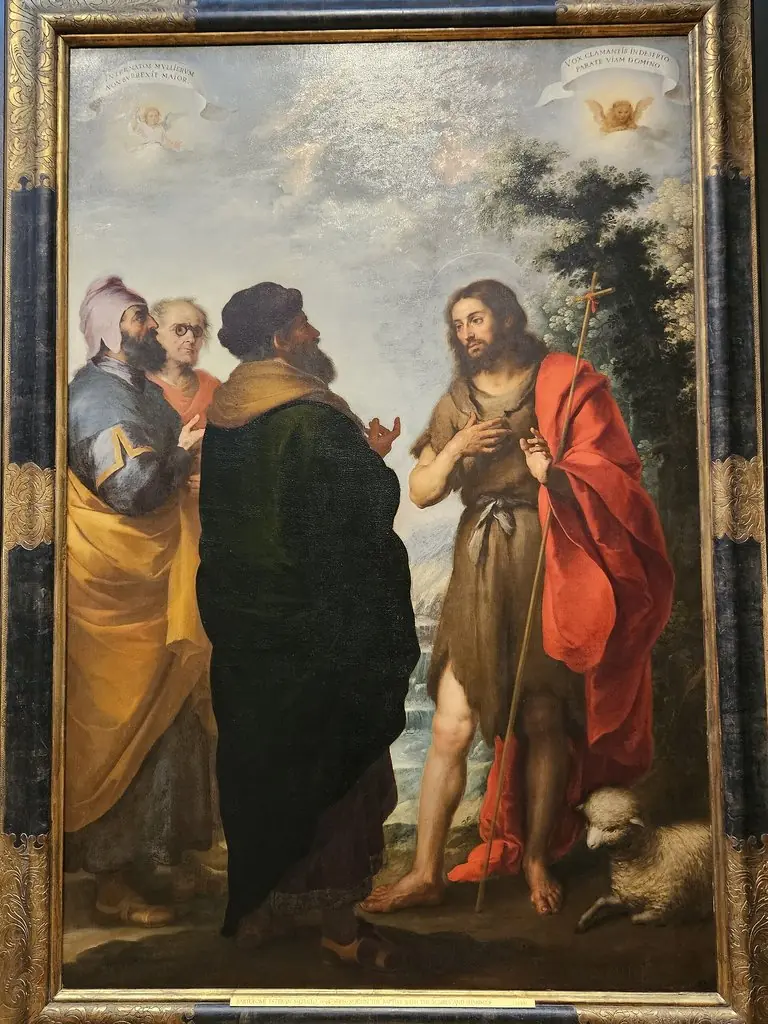 St. John the Baptist with the Scribes and Pharisees
- St Barbara Altarpiece [right wing]