Artwork
Salvator Mundi
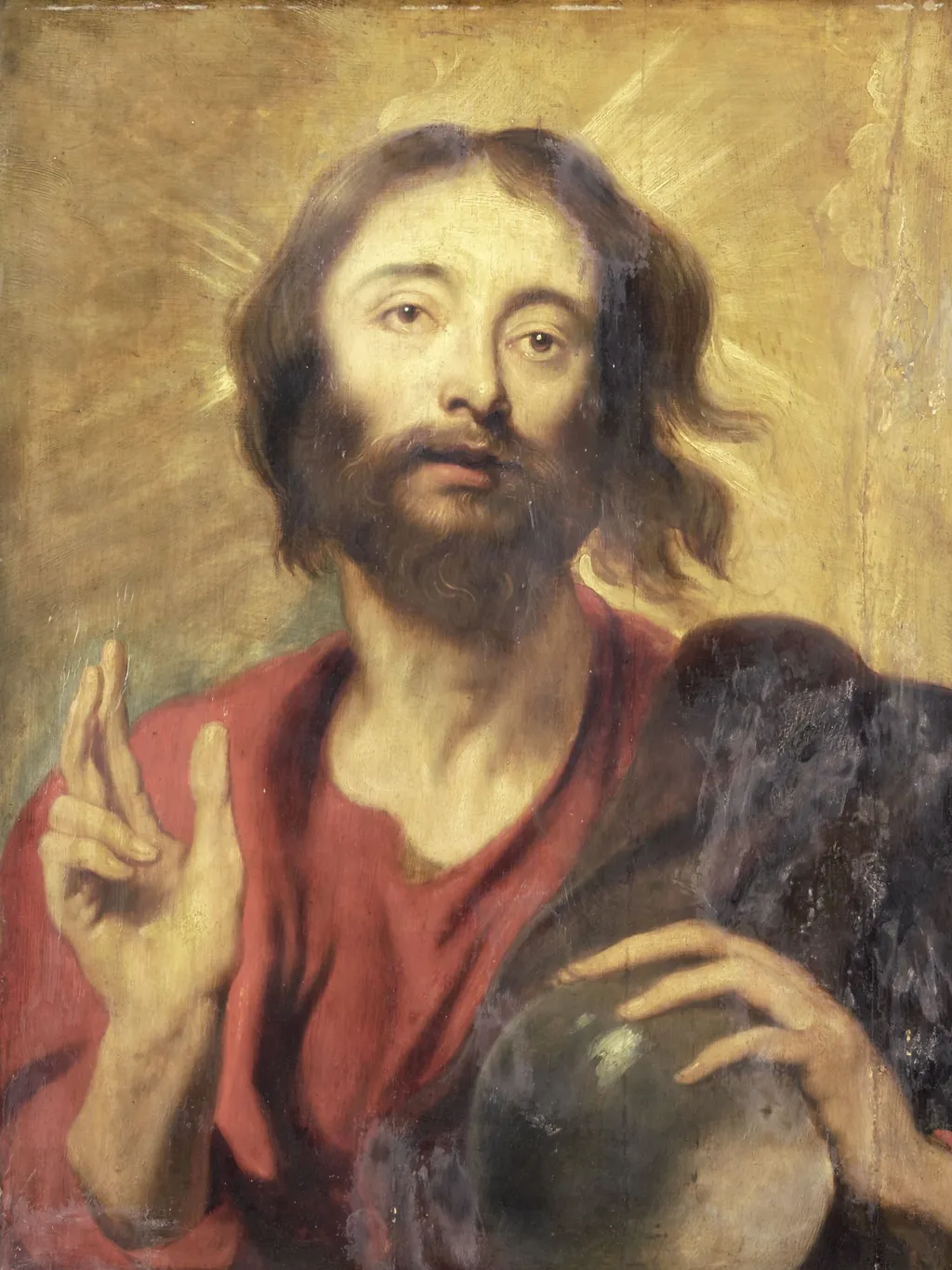
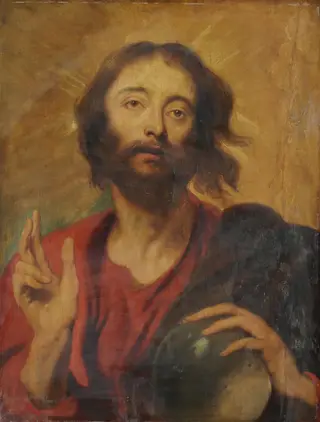
Salvator Mundi is an oil painting by the Flemish Baroque painting artist Anthony van Dyck. It is held in the collection of the Rijksmuseum.
About this work
Technique & Style
The Salvator Mundi attributed to Anthony van Dyck is an oil painting executed on a canvas support. Created in 1675 in Antwerp, the work measures 64.5 cm in height and 49.5 cm in width. As a religious painting, it depicts the Salvator Mundi subject, utilizing oil paint as the primary medium to render the figure. The piece is currently held in the collection of the Rijksmuseum.
History & Provenance
The provided sources identify the artwork's creator, current location, and physical dimensions but do not contain specific inventory or accession numbers.
The painting was created in Antwerp around 1675 by Anthony van Dyck as an oil on canvas religious work depicting Salvator Mundi. It was later owned by the Rijksmuseum, which catalogs it under the title Salvator Mundi as part of its collection of religious art from the 17th century.
The painting Salvator Mundi by Anthony van Dyck is held in the collection of the Rijksmuseum in Amsterdam. Created in 1675, the work is executed in oil on canvas and measures 64.5 cm in height by 49.5 cm in width. The provided sources identify the artwork's creator, current location, and physical dimensions but do not contain specific inventory or accession numbers. Furthermore, the available documentation offers no details regarding a history of public exhibitions for this specific piece.
Overview
Salvator Mundi is an oil painting attributed to Sir Anthony van Dyck, created in 1675. Executed in the Flemish Baroque idiom, the work presents a contemplative figure of Christ as the Savior of the World. The canvas is part of the Rijksmuseum’s collection, where it is displayed among the museum’s Dutch and Flemish holdings.
Subject & Meaning
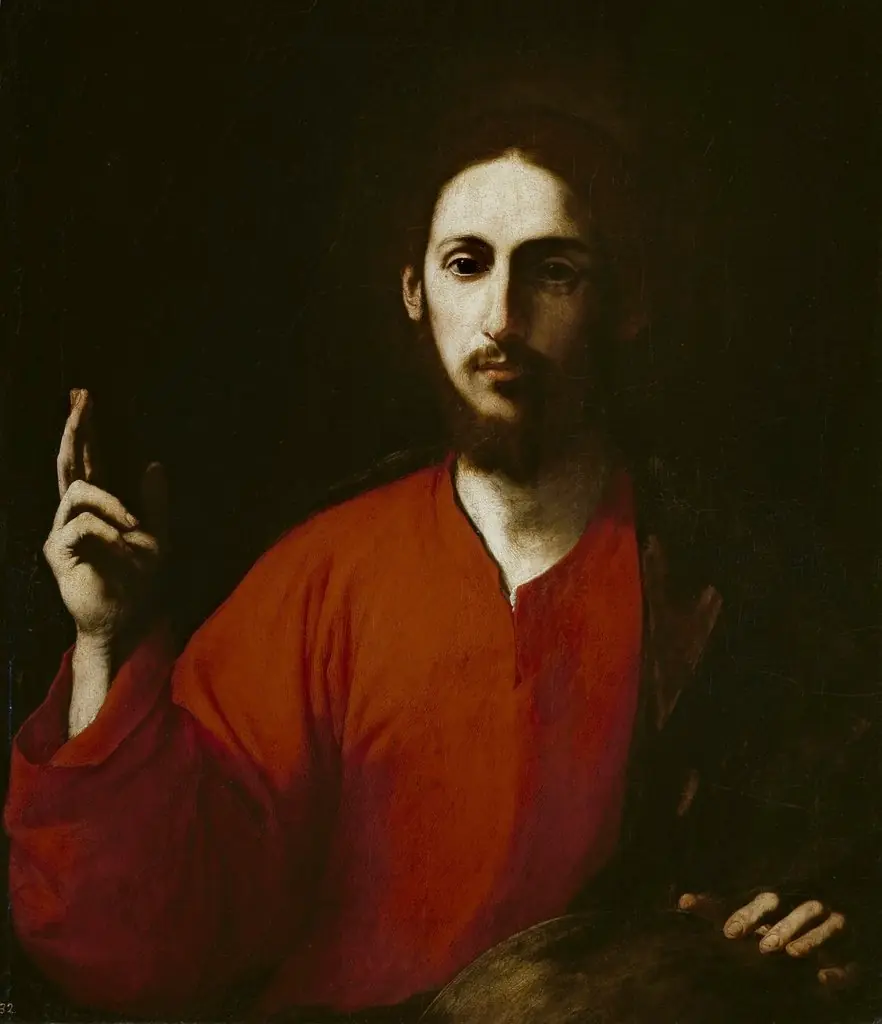
The central figure is a bearded man with long hair, garbed in a red robe. He holds a dark object in his left hand, while his right hand makes a gesture that suggests blessing or benediction. The composition emphasizes a serene, meditative presence, aligning with traditional Christian iconography of the salvific role of Christ.
Own this work as a print
Artist & collection
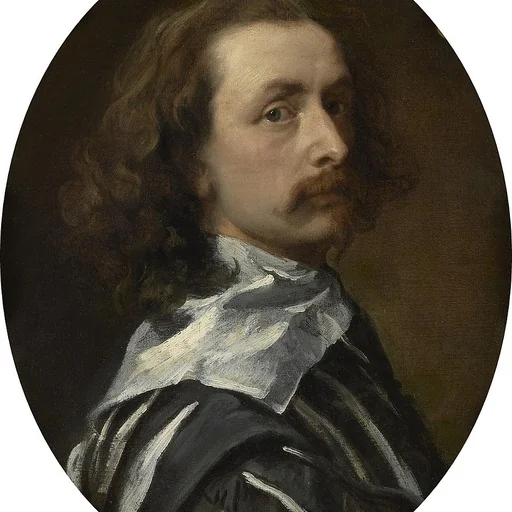
Artist
Sir Anthony van Dyck (; Dutch: Antoon van Dijck; 22 March 1599 – 9 December 1641) was a Flemish Baroque artist, who became the leading court painter in England after success in the Spanish Netherlands and Italy.