Artwork
Virgin and Child
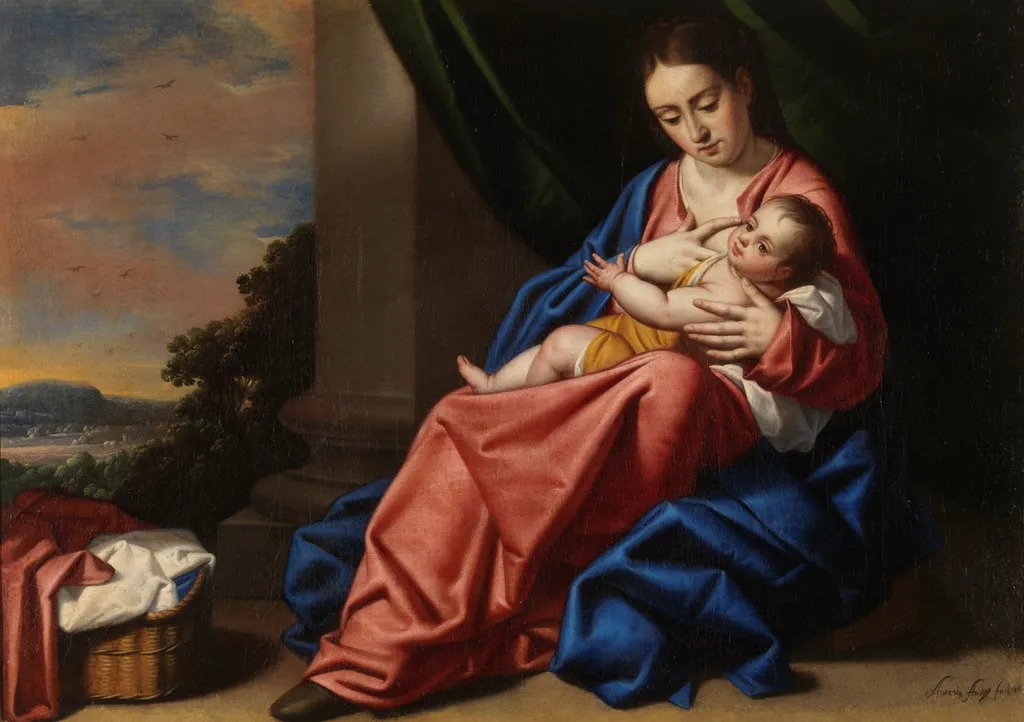
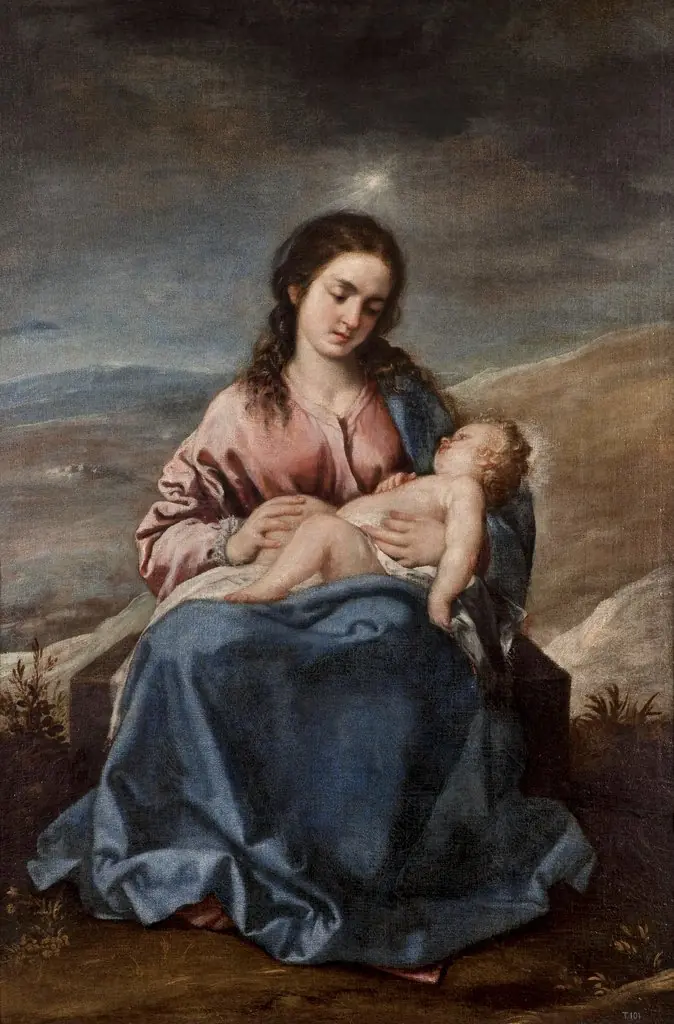
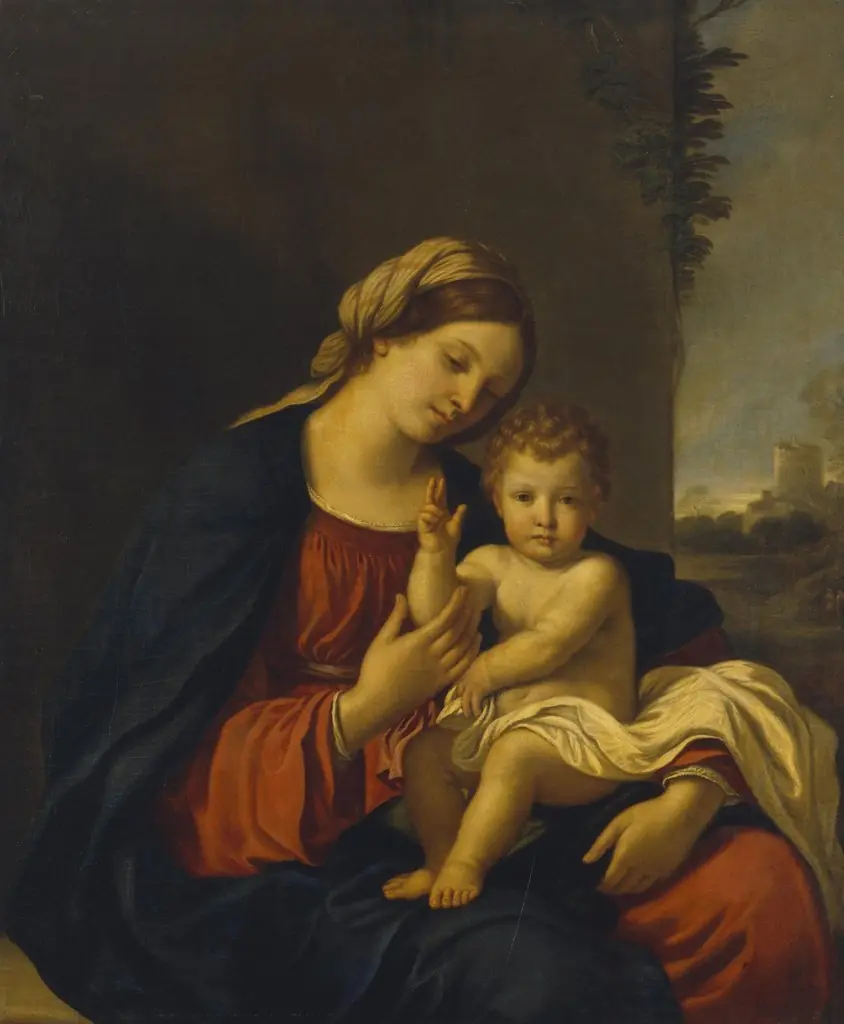
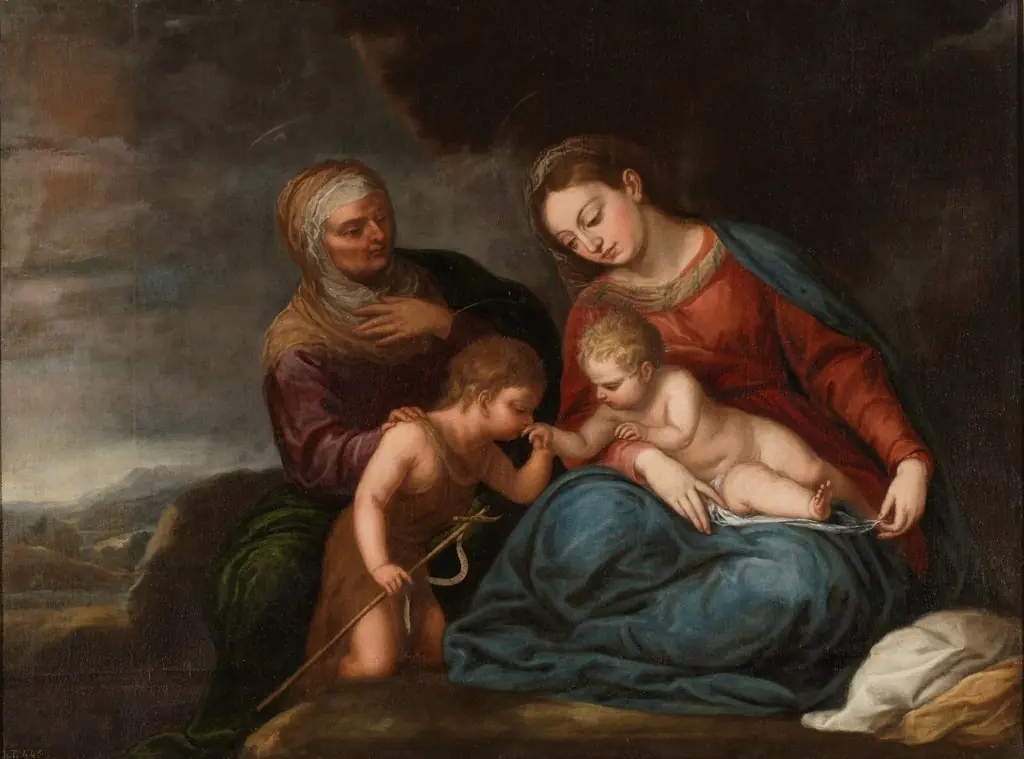
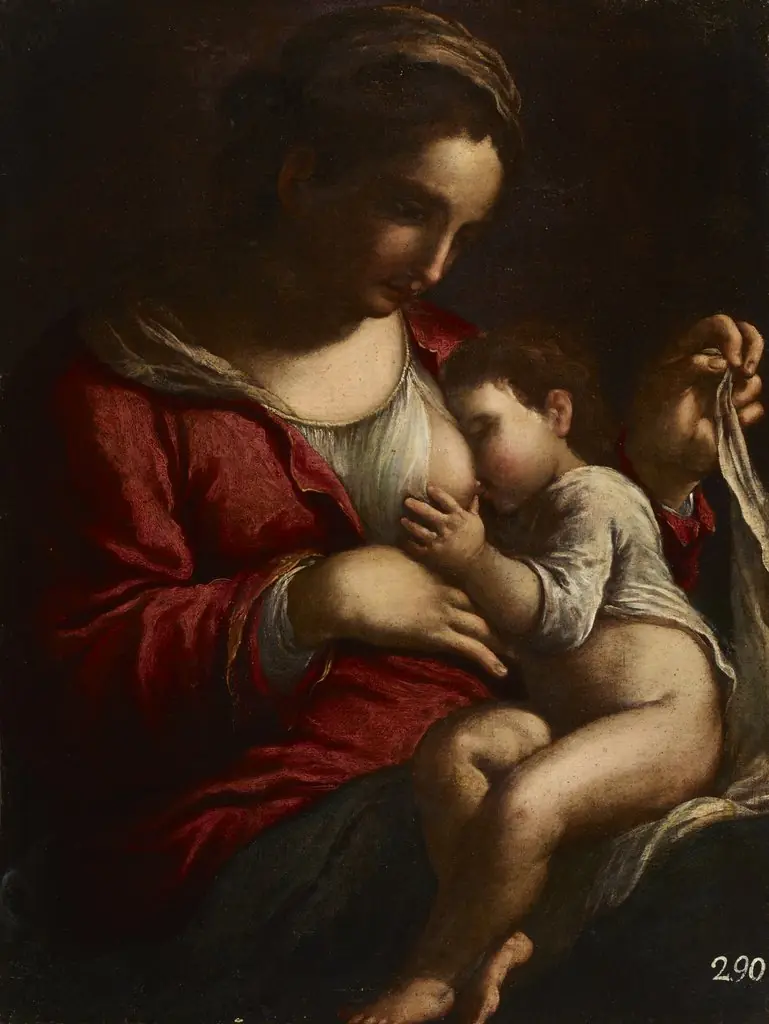
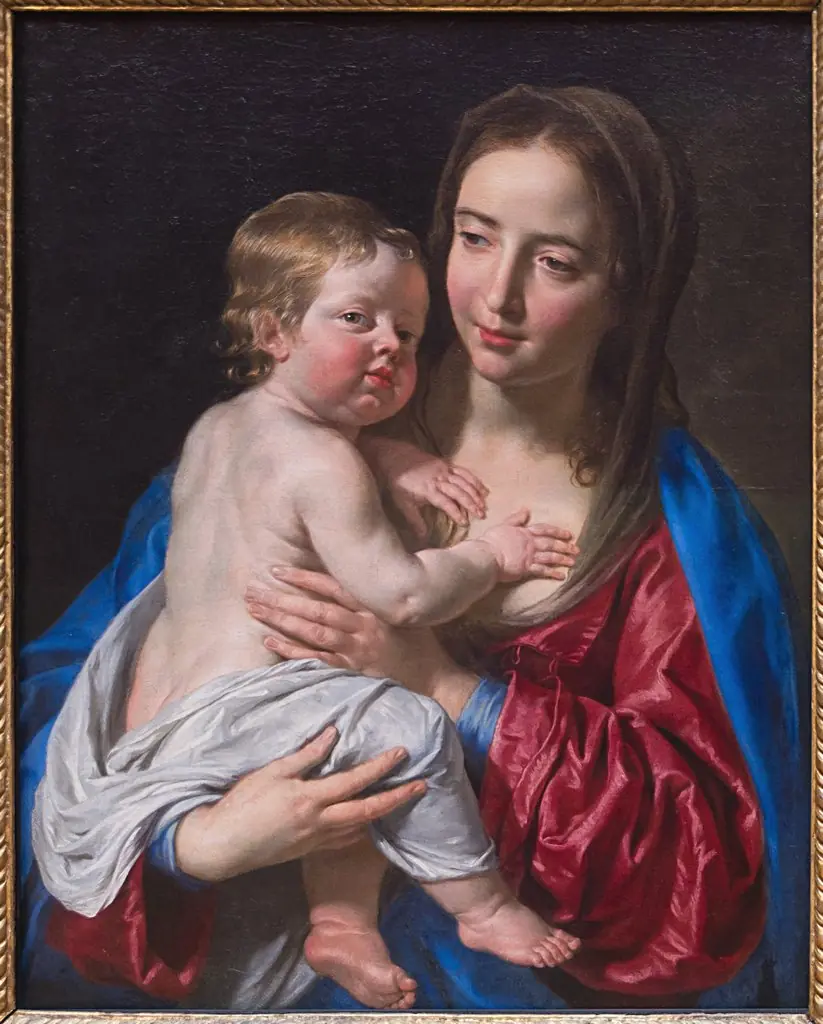
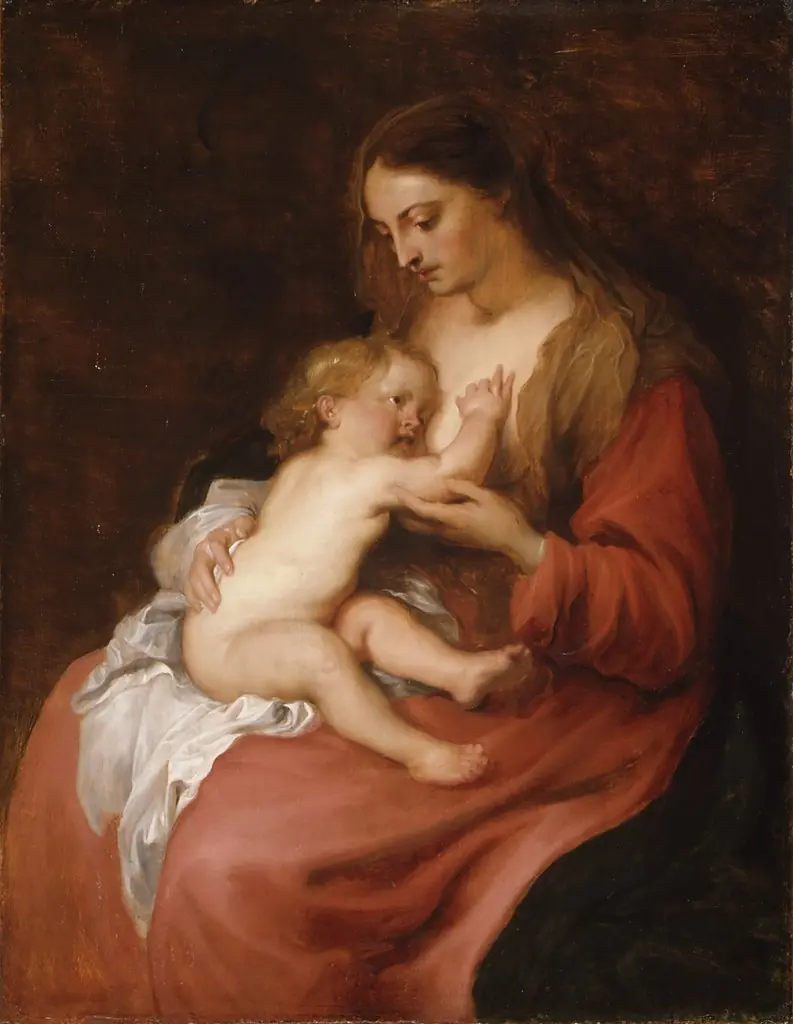
Virgin and Child is an oil painting by the Early Baroque Italian artist Antonio Arias Fernández. It dates from 1655 and is held in the collection of the Museo del Prado.
About this work
Subject & Meaning
As a religious genre piece created in 1655, the artwork serves as a devotional representation of the maternal bond between the holy figures.
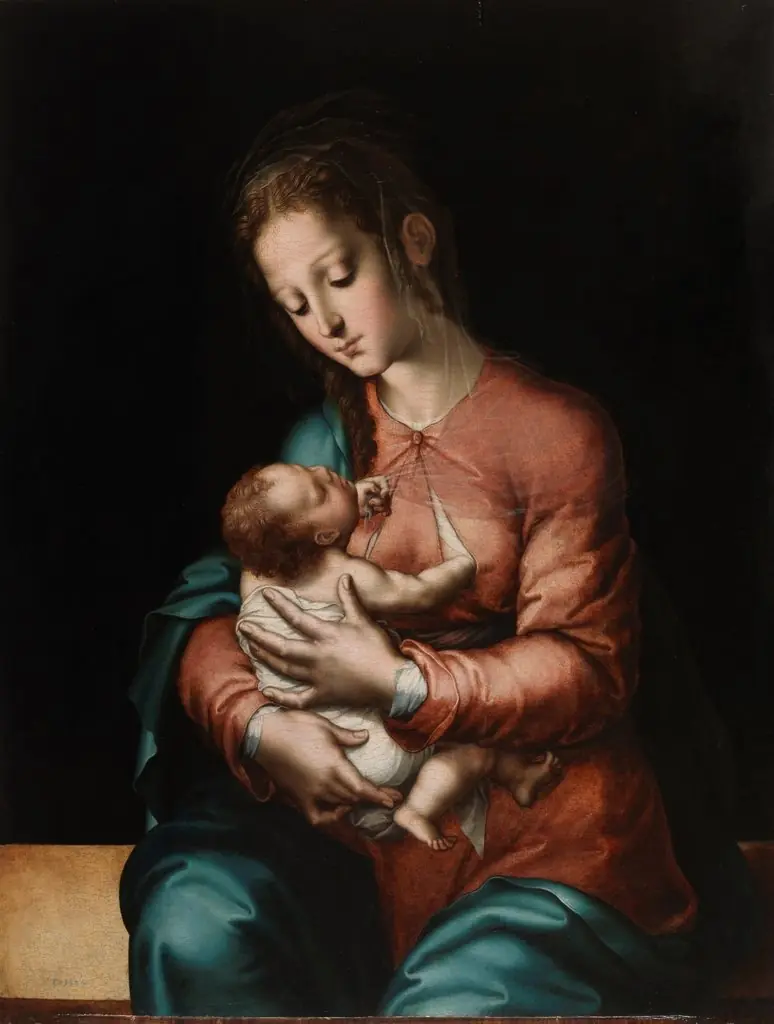
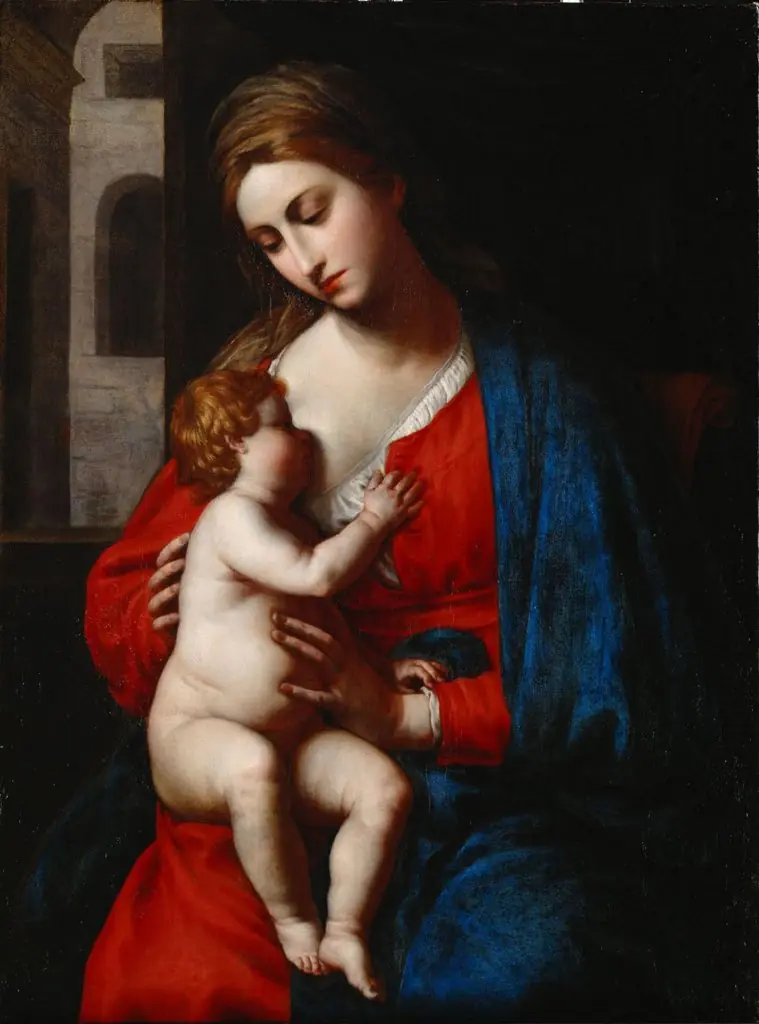
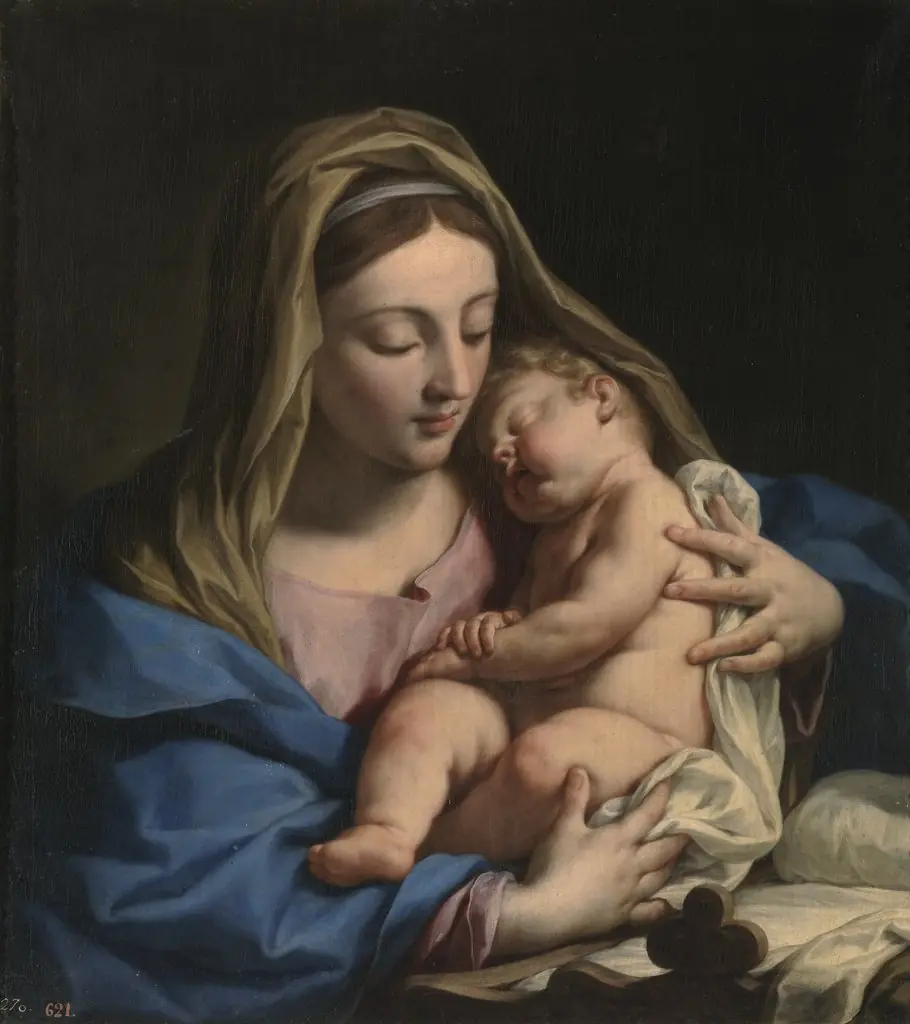
The work depicts the Madonna and Child, a central theme in religious art focusing on the Virgin Mary and the infant Jesus. Specifically, the painting portrays Mary alongside the Christ Child, incorporating elements of basketry into the scene. As a religious genre piece created in 1655, the artwork serves as a devotional representation of the maternal bond between the holy figures. The composition emphasizes the sanctity of the mother and child through this traditional iconographic arrangement.
Technique & Style
Executed in 1655, this religious painting by Antonio Arias Fernández utilizes oil paint applied to a canvas support. The work measures 91 cm in height and 129 cm in width. Stylistically, the composition focuses on the Madonna and Child as its primary subjects, incorporating detailed depictions of basketry within the scene. The piece is classified as a painting within the religious genre.
History & Provenance
The work titled Virgin and Child was painted in 1655 by Antonio Arias Fernández. It is an oil on canvas painting depicting the Madonna and Child, measuring 91 cm by 129 cm. The artwork belongs to the religious art genre and was created as part of the religious tradition of its period. It is held in the collection of the Museo del Prado and the Museo de la Trinidad.
The painting is part of the collection of the Museo del Prado and also held in the Museo de la Trinidad. It carries the inventory number 1975.001. It was displayed in the Prado’s 1975 exhibition of Spanish Baroque works.
The work measures 91 cm in height and 129 cm in width, and is catalogued under accession number 1975.001.
It has been included in several exhibitions, notably the 1975 Spanish Baroque exhibition at the Museo del Prado and a later showcase of religious paintings at the same institution.
Legacy
The 1655 Virgin and Child by Antonio Arias Fernández is recognized as a significant example of Spanish Baroque religious painting. Its composition and devotional emphasis on the Madonna and Child influenced later Baroque artists in Spain and contributed to the evolution of Marian imagery in 17th-century devotional art. The work remains part of the permanent collection at the Museo del Prado, where it is studied within the broader context of Spanish Golden Age painting and the legacy of Arias Fernández’s religious output.
Overview
Antonio Arias Fernández’s Virgin and Child (1655) is an oil painting that exemplifies the early Baroque style in Italy, though the artist was active in Spain. The work is part of the Prado Museum’s collection and portrays the Virgin Mary seated with the infant Christ, set against a luminous landscape.
Context
The painting reflects the early Baroque’s shift toward naturalism and emotional immediacy, aligning with contemporary Italian trends while retaining a distinctly Spanish sensibility in its modest domestic setting and restrained palette.
Own this work as a print
Artist & collection
Artist
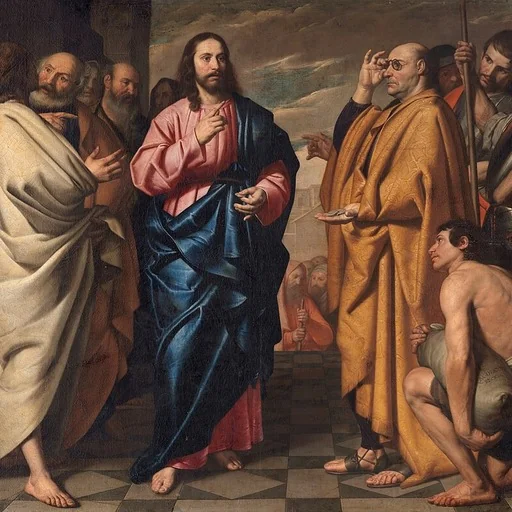
Antonio Fernández Arias (around 1614 – 1684) was a Spanish painter of the Baroque period.