Artwork
Landscape
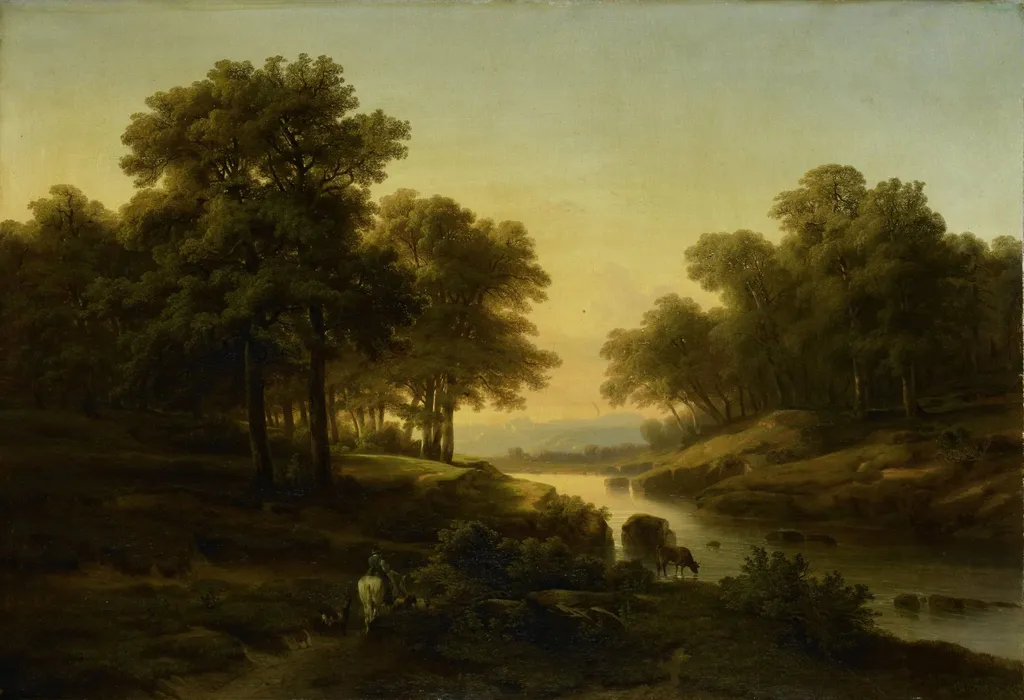
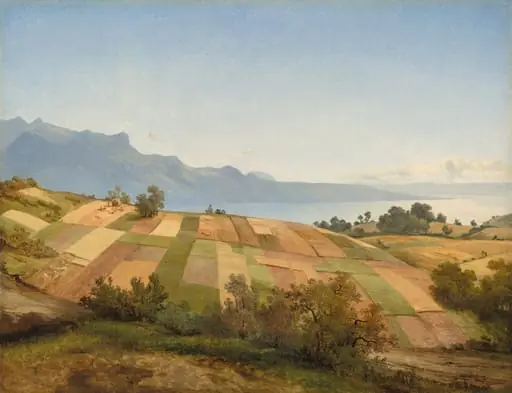
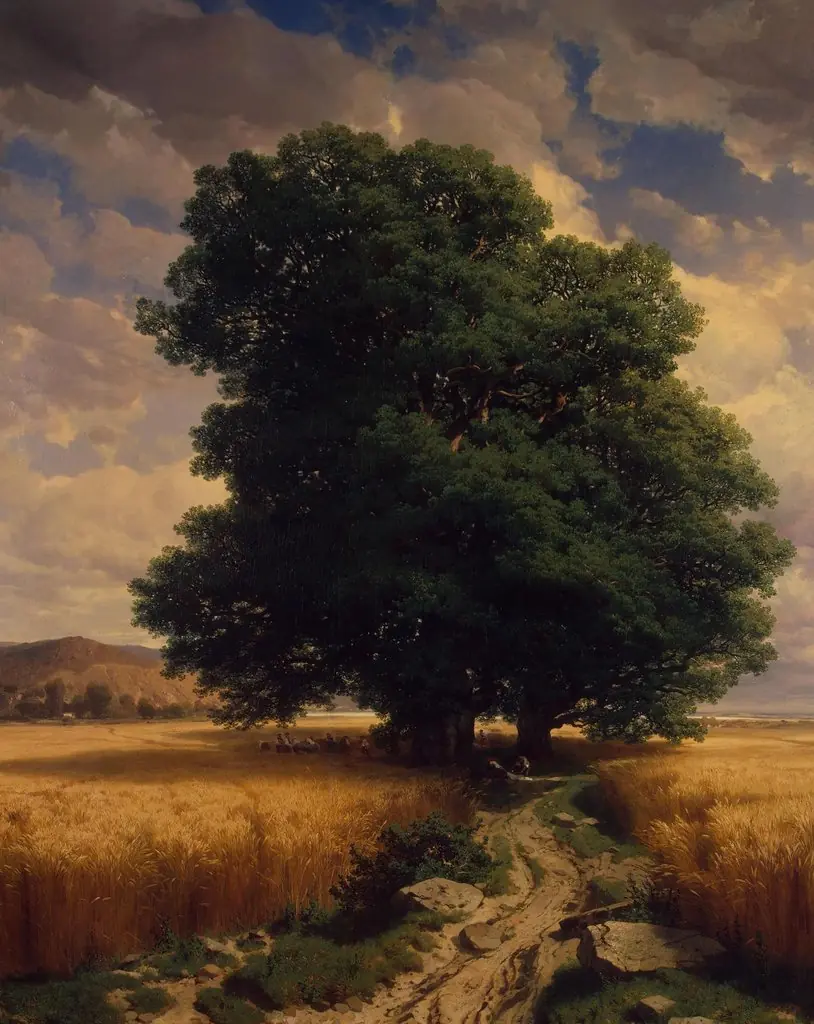
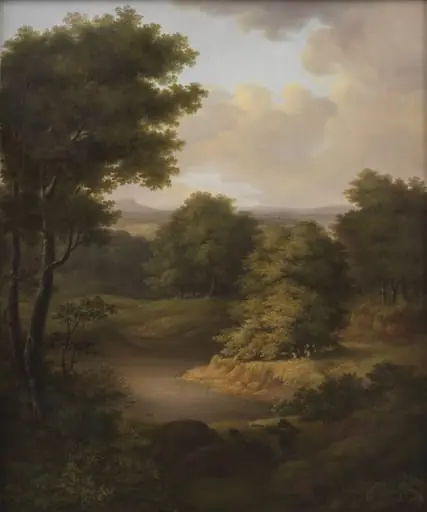
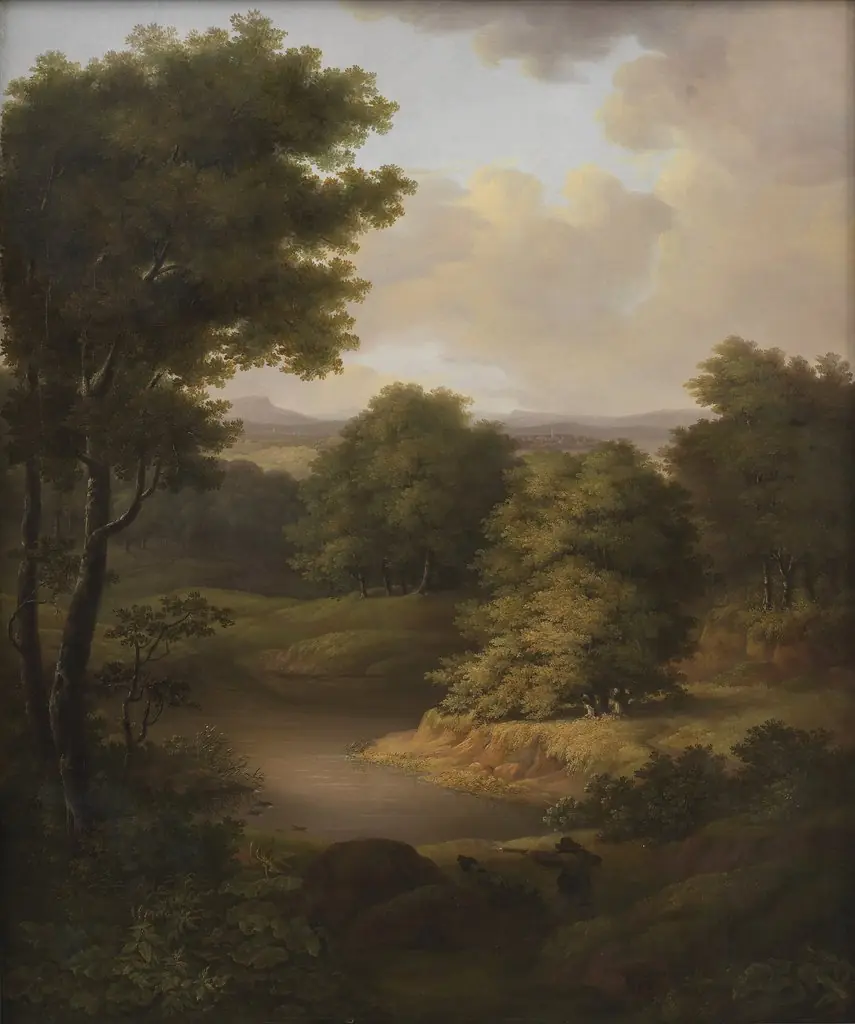
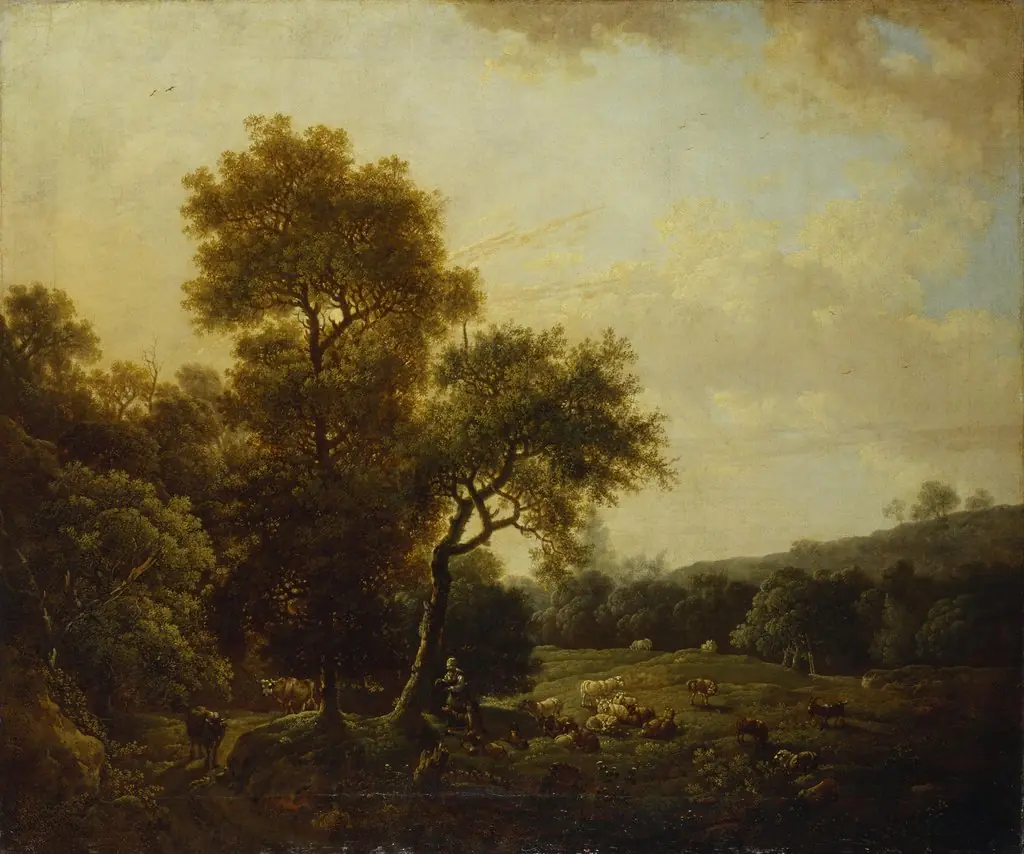
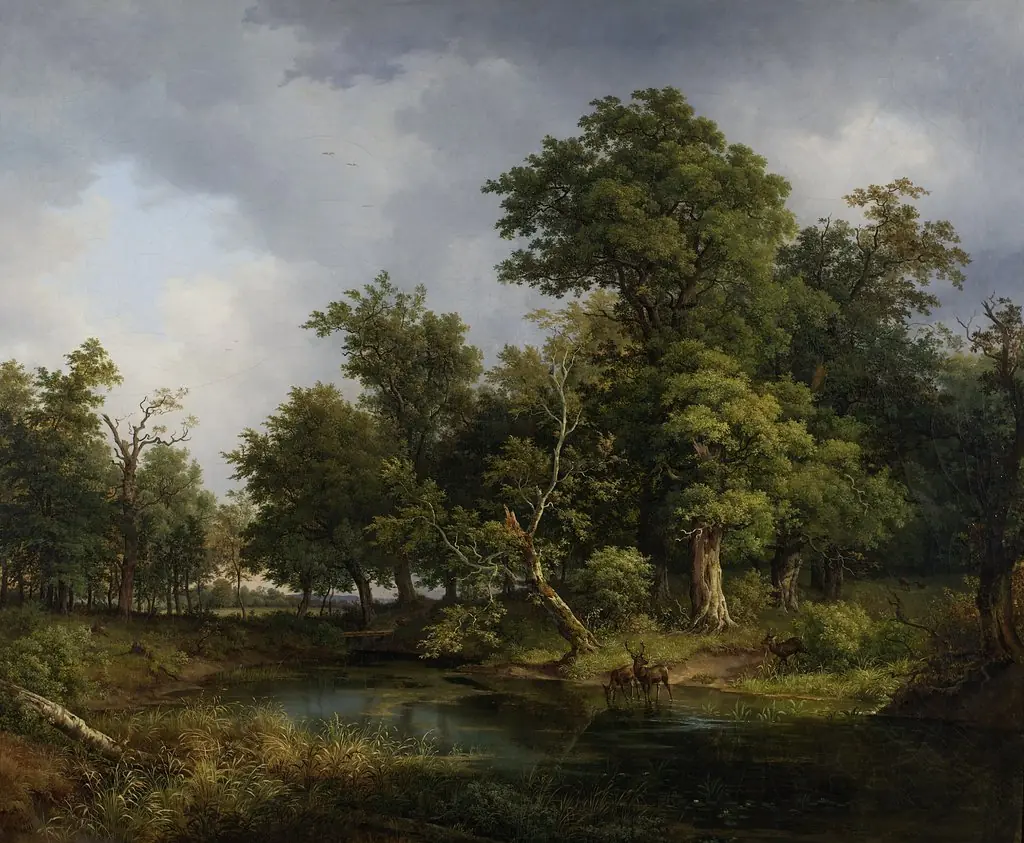
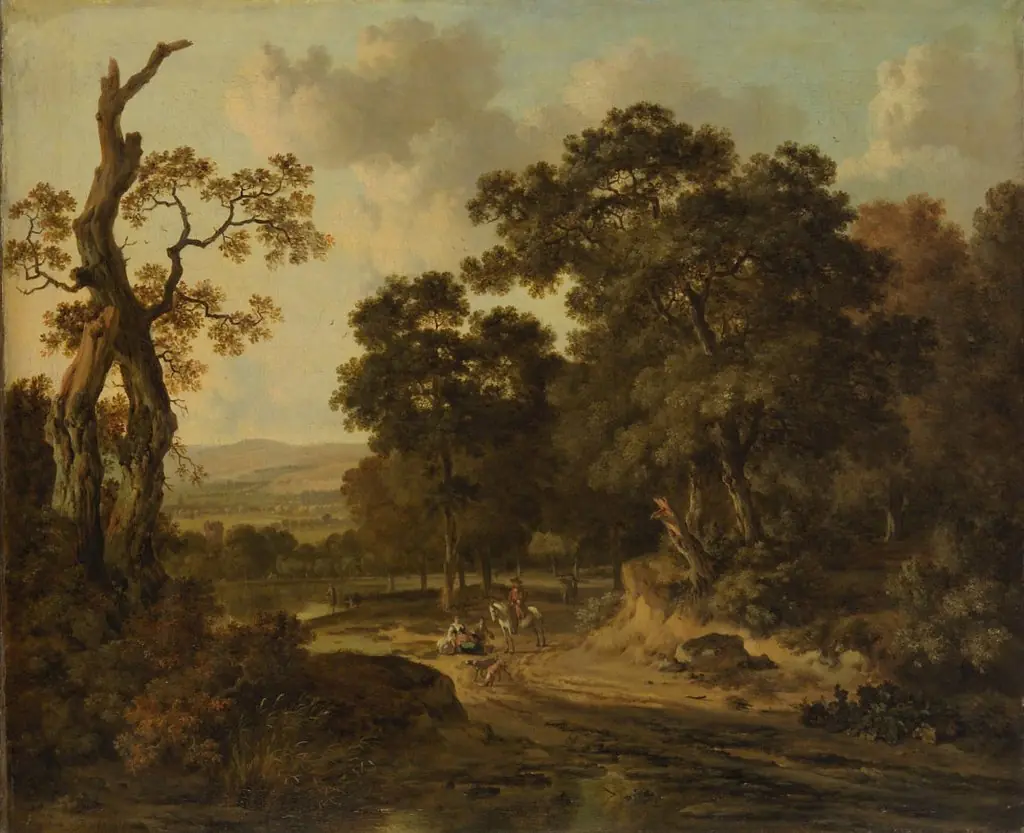
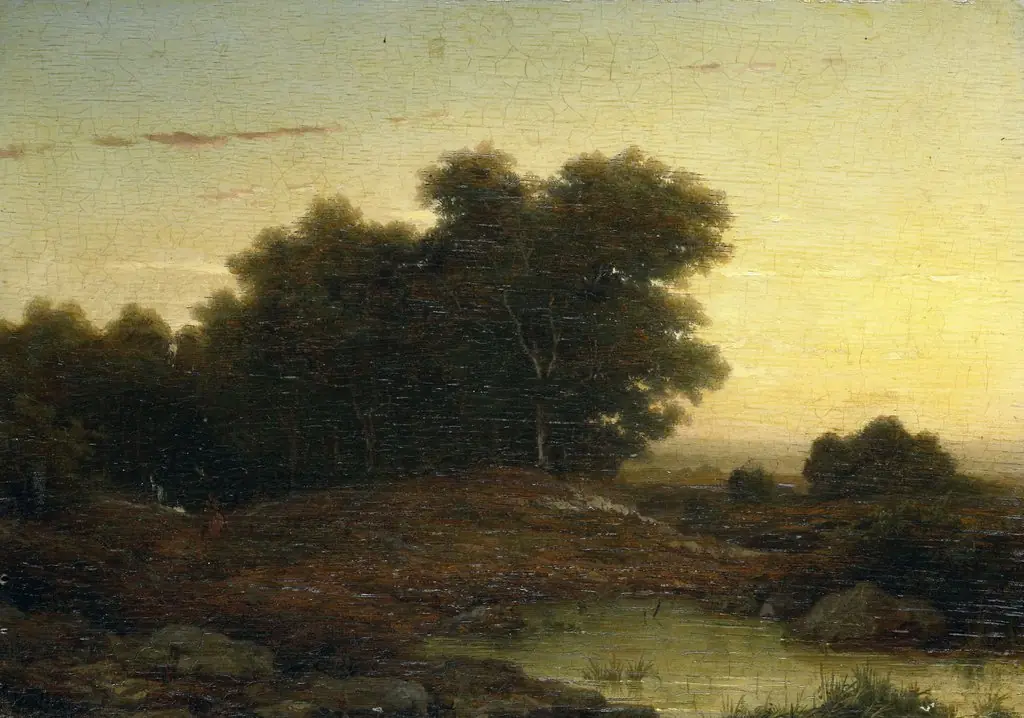
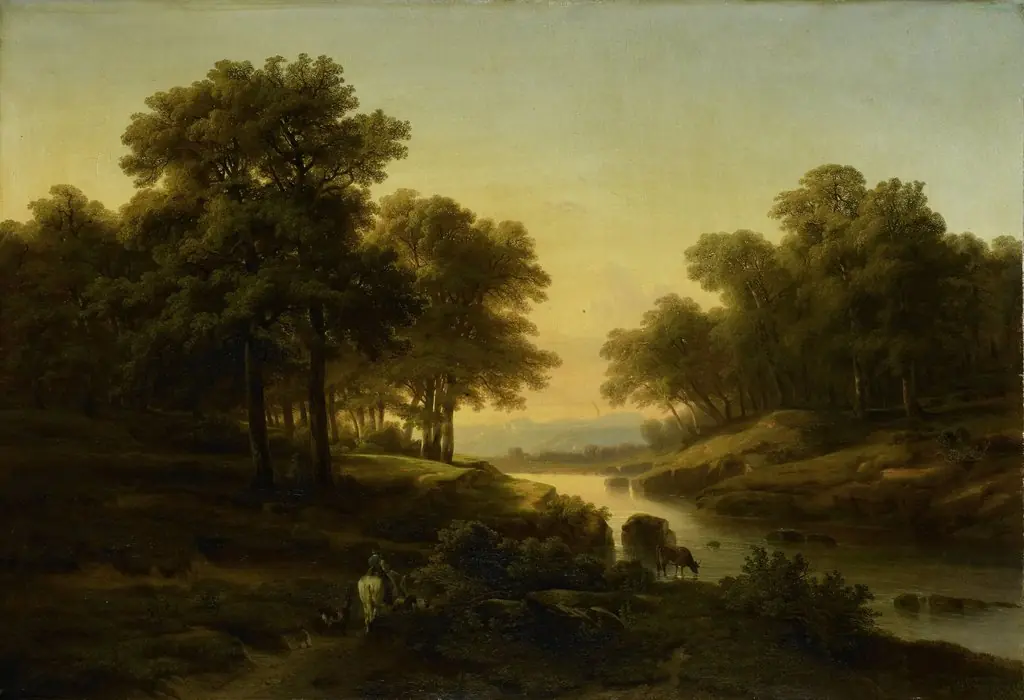
Landscape is an unspecified painting by the Barbizon school artist Alexandre Calame. It dates from 1838 and is held in the collection of the Rijksmuseum.
About this work
Subject & Meaning
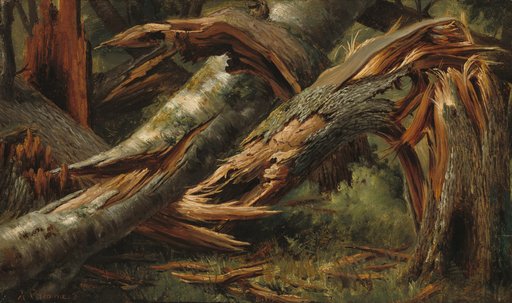
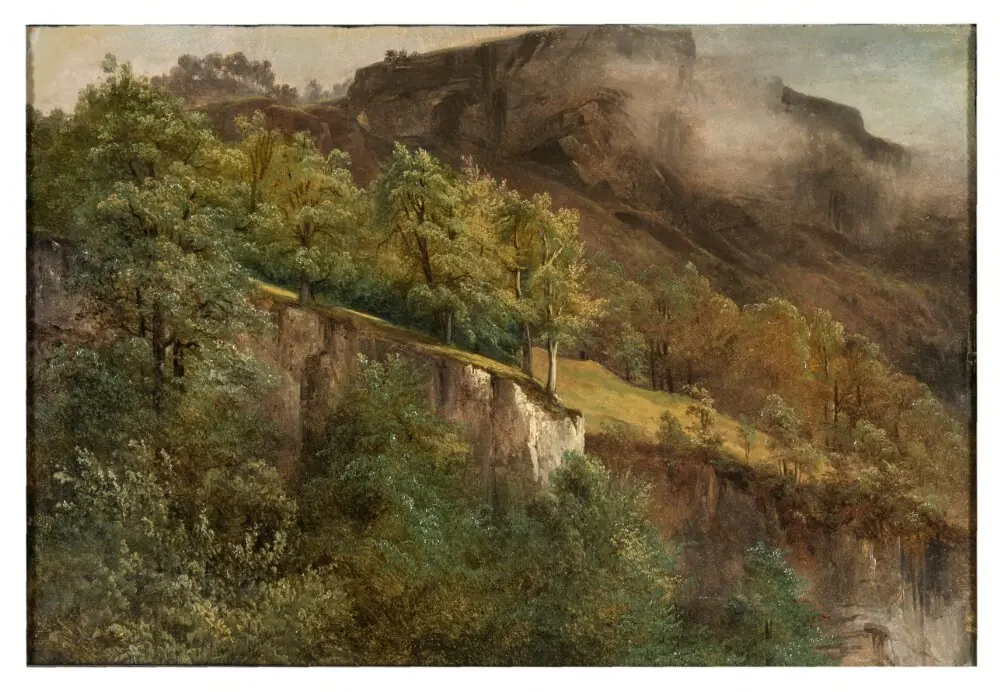
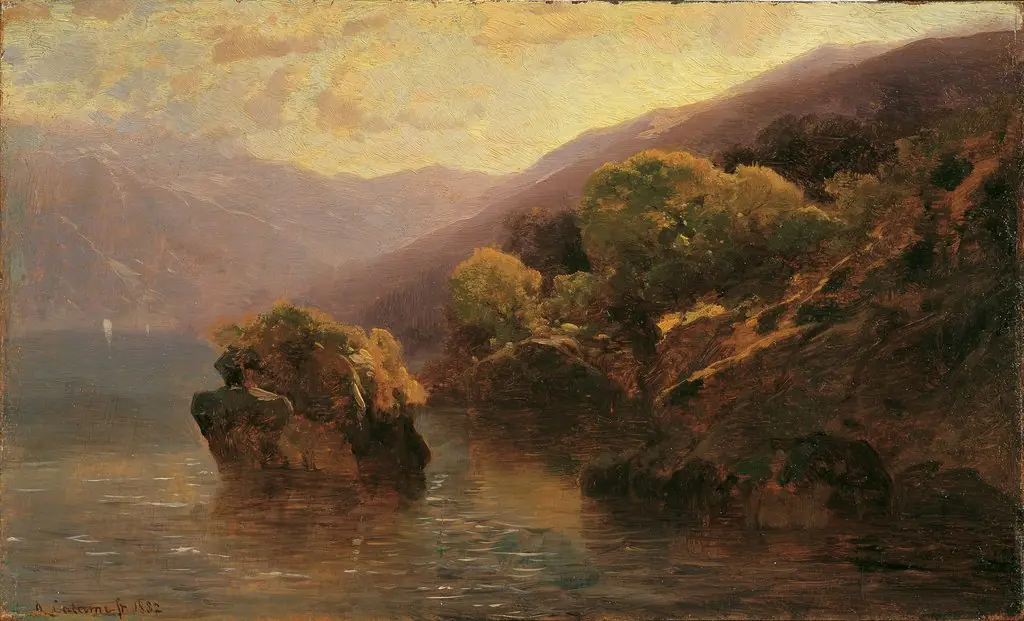
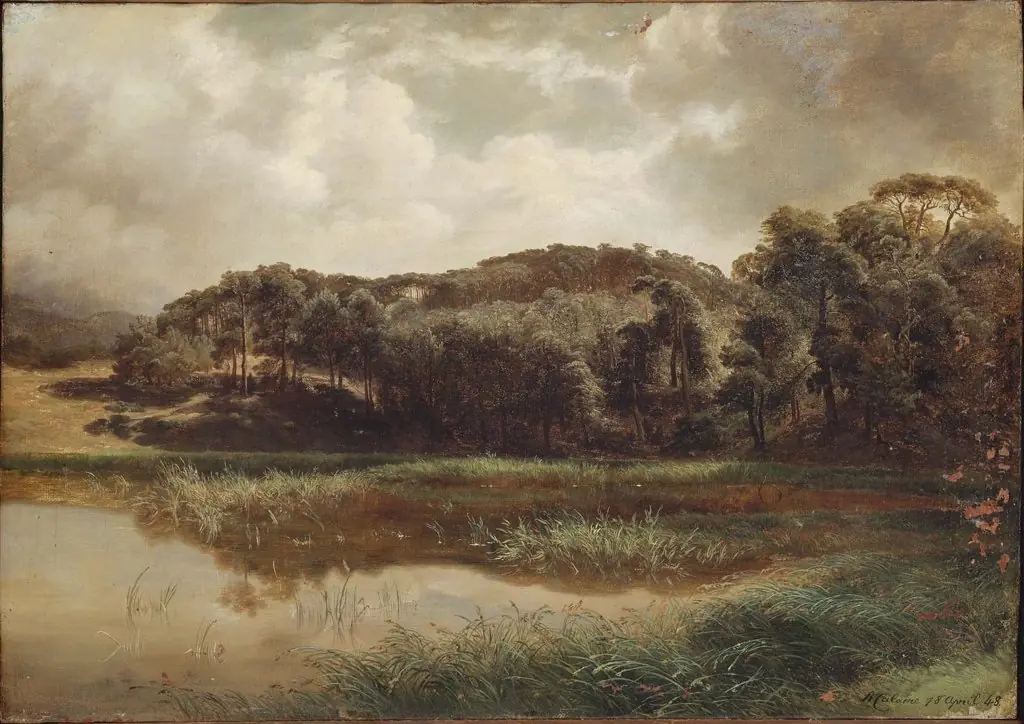
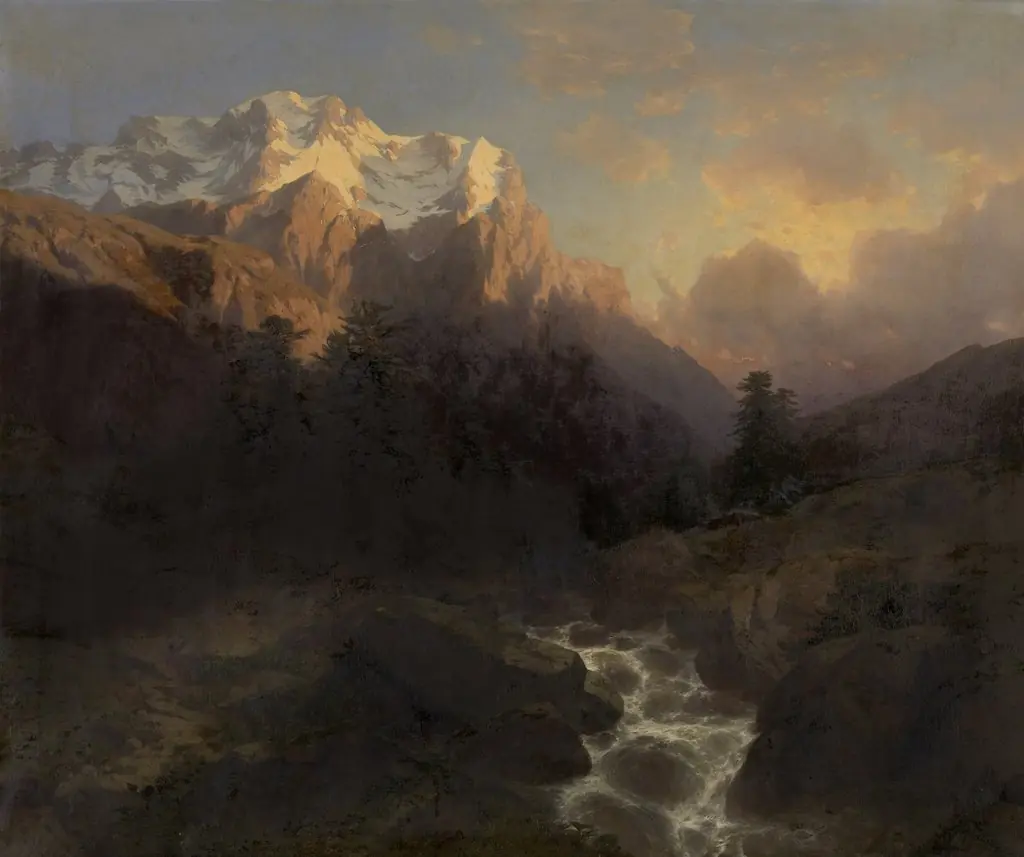
Calame's landscapes primarily depict the Swiss Alps, featuring glaciers, emerald-green mountain waters, storm-split trees, whipped clouds, and multi-colored rocks partially masked by fog. His work is characterized by a dramatic, late-Romantic interpretation of nature, often heightened by thunderstorms or glaring sunlight to create a pathos-filled atmosphere. Beyond specific topographical views like Mont Blanc or the Jungfrau, he explored allegorical themes, notably representing the four seasons and times of day across four distinct landscapes: a southern spring morning, a Nordic summer midday, an autumn evening, and a winter night in the mountains. As a devout Calvinist, Calame infused these grand natural scenes with a broad metaphysical dimension, elevating the Alpine environment from mere scenery to a spiritual subject.
Technique & Style
His handling of light, whether the 'gleaming sun' on snow or the 'storm-split trees', revealed a deep engagement with nature’s transient qualities.
Alexandre Calame worked primarily in oil on canvas, producing detailed, dramatic landscapes that emphasized the natural grandeur of the Alps. His technique involved precise observation of weather, rock formations, and water movement, rendered with a Romantic-era focus on light, shadow, and atmospheric effect. Works such as Orage sur la Handeck (1839) and Le Lac des Quatre-Cantons (1848-1852) exemplify his mastery of chiaroscuro and textural realism, while his series of four seasonal and diurnal landscapes demonstrate compositional innovation. Calame’s style, rooted in the Düsseldorf School yet distinct in its Swiss specificity, combined scientific accuracy with emotional intensity, influencing later Alpine painters and serving as instructional material through widely circulated studies and lithographs. He frequently employed large formats to convey scale, using layered brushwork to depict forests, glaciers, and mountain torrents with both fidelity and poetic emphasis. His handling of light, whether the 'gleaming sun' on snow or the 'storm-split trees', revealed a deep engagement with nature’s transient qualities. Though he also worked in watercolor and etching, his primary medium remained oil on canvas, often on sizable supports measuring up to 195×260 cm, as seen in Die Tempelruinen von Paestum (1847).
Context
Alexandre Calame (1810-1864) emerged as a central figure in 19th-century Swiss landscape painting, aligning with the Düsseldorf School while developing a distinct Romantic vision of the Alps. His works, celebrated for their dramatic naturalism and emotional intensity, became emblematic of Alpine aesthetics, influencing artists across Europe and America. Calame's technical mastery and pedagogical impact were amplified through his teaching in Geneva and the widespread dissemination of his lithographs and studies, such as the 18 Lauterbrunnen sketches and 24 Alpine pass series, which served as instructional models. His international recognition was underscored by exhibitions in Paris and Berlin from 1835 onward, culminating in acquisitions by major institutions like the Louvre and the Royal Institute of the Netherlands. The artist's legacy was further institutionalized through honors, including the Legion of Honour in 1842, and enduring scholarly attention, as evidenced by exhibitions at the Clark Art Institute (2006) and continued inclusion in museum collections worldwide.
Own this work as a print
Artist & collection