Artwork
Elisabeth Palm (1756-1786), gift Schön
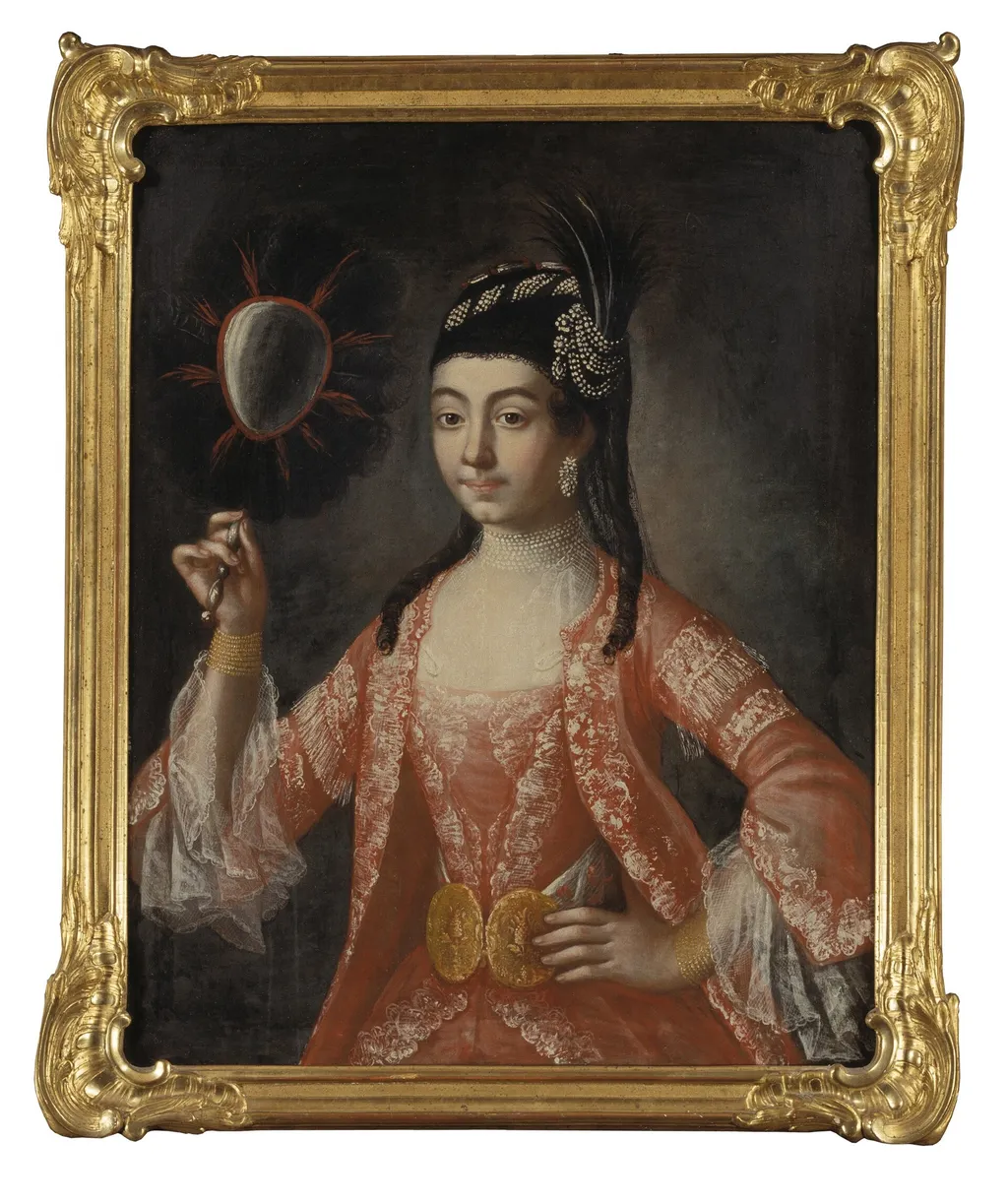
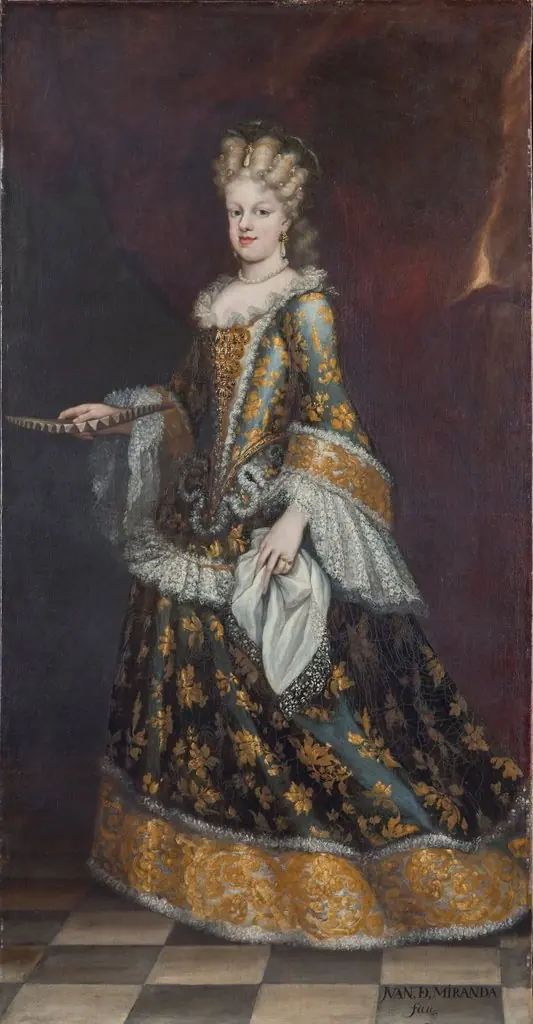
Elisabeth Palm (1756-1786), gift Schön is an oil painting by the Rococo painting artist Anders Eklund. It dates from 1768 and is held in the collection of the Nationalmuseum.
About this work
Overview
This 1768 oil portrait by Anders Eklund captures Elisabeth Palm, a young woman of Swedish nobility, shortly before her death at age thirty.
This 1768 oil portrait by Anders Eklund captures Elisabeth Palm, a young woman of Swedish nobility, shortly before her death at age thirty. The painting is part of the Nationalmuseum’s collection in Stockholm, where it has remained since its creation. Eklund, a lesser-known Swedish artist of the period, employed traditional techniques to convey both likeness and social status through careful rendering of fabric and posture.
Subject & Meaning
Elisabeth Palm is portrayed with poise, holding a mirror that suggests self-reflection or the cultural value placed on appearance among the elite. Her attire, red and white silk with lace trim and a black feathered hat, signals wealth and fashion consciousness. The mirror may also allude to vanity, a common trope in portraiture of the time, though here it is rendered without moral judgment, focusing instead on identity and decorum.
Technique & Style
Eklund used oil paint to achieve fine detail in the textures of lace, silk, and feather, demonstrating technical precision typical of 18th-century Nordic portraiture. The dark, neutral background isolates the figure, directing attention to her garments and expression. Soft modeling of the face and restrained lighting reflect influences from French and Dutch traditions, adapted to Swedish tastes of the period.
History & Provenance
Commissioned during Elisabeth Palm’s lifetime, the portrait remained in family hands before entering the Nationalmuseum’s collection. Its preservation suggests it was valued as a personal and social document. No records indicate public exhibition prior to the 19th century, but its inclusion in the museum’s holdings reflects its significance as an example of Swedish elite portraiture from the late 1700s.
Context
In 1760s Sweden, portraiture served as a tool for asserting social standing, particularly among the urban aristocracy. Women like Palm, often connected to court or bureaucratic circles, were depicted with symbols of refinement. Eklund’s work aligns with broader European trends but retains local nuances in dress and composition, revealing how Swedish elites engaged with international aesthetics while maintaining distinct cultural markers.
Legacy
Though Anders Eklund produced few known works, this portrait endures as a representative example of Swedish aristocratic portraiture from the Gustavian era. It contributes to scholarly understanding of gender, class, and visual culture in late 18th-century Sweden. The painting’s quiet dignity and attention to material detail continue to inform exhibitions on Nordic art history.
Own this work as a print
Artist & collection

 Portrait of Maria Luisa of Savoy, Queen of Savoy
 Portrait of a Lady
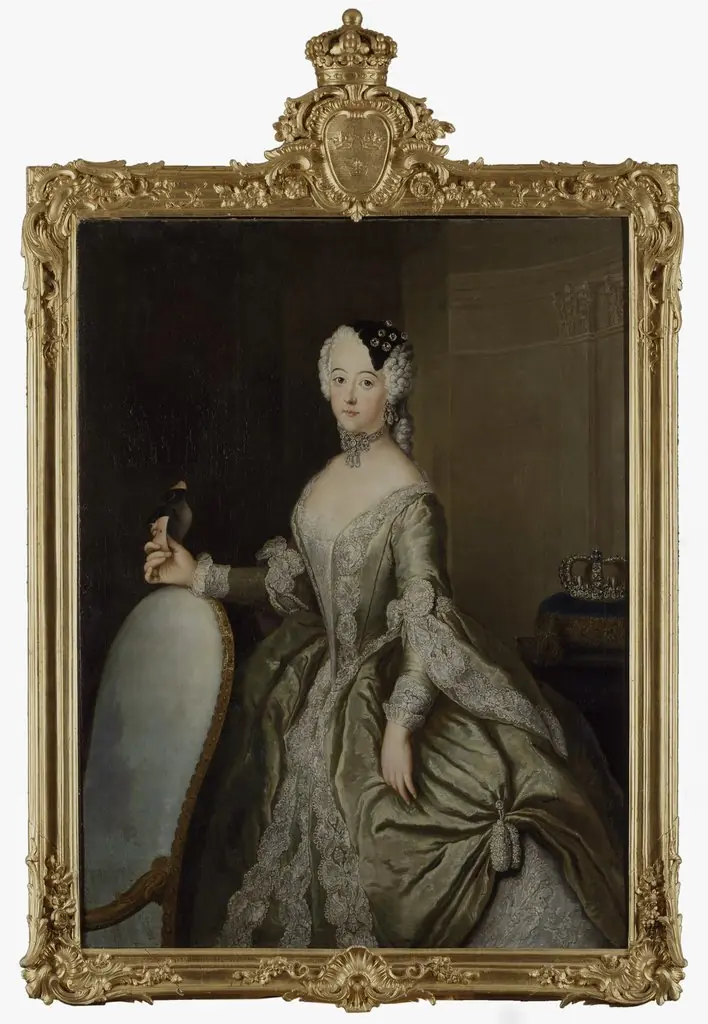 Lovisa Ulrika, 1720-1782, drottning av Sverige prinsessa av Preussen
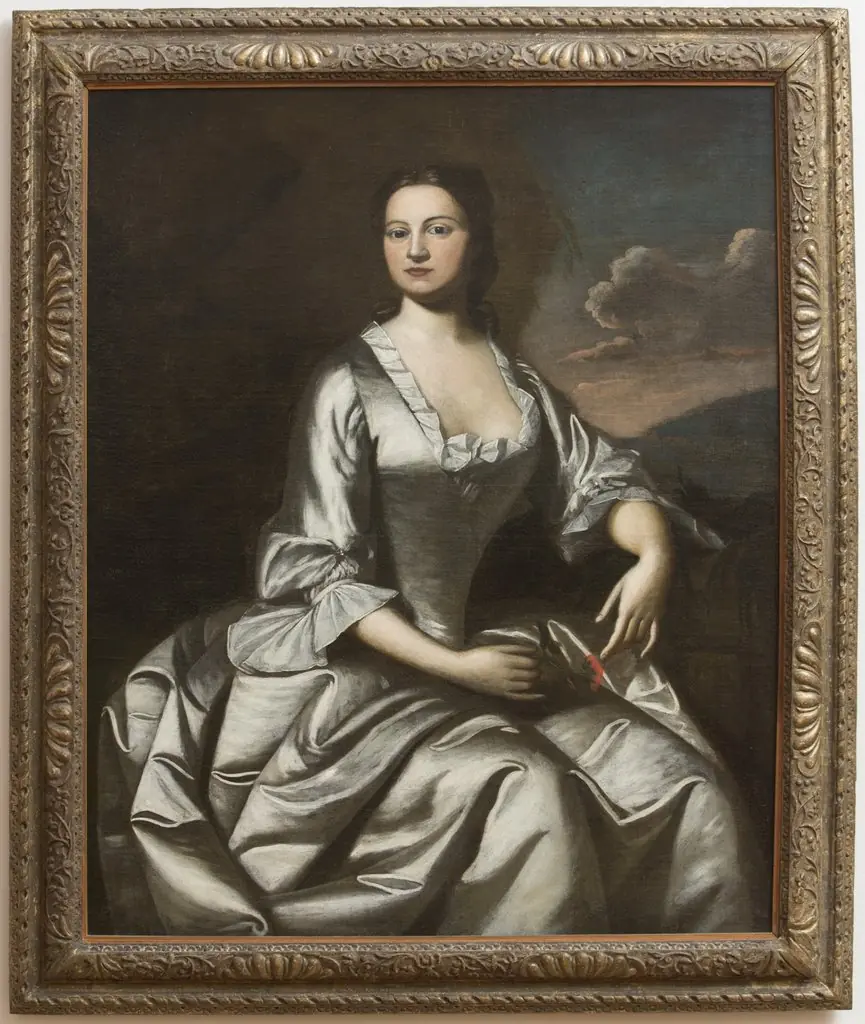 Mrs. John Banister
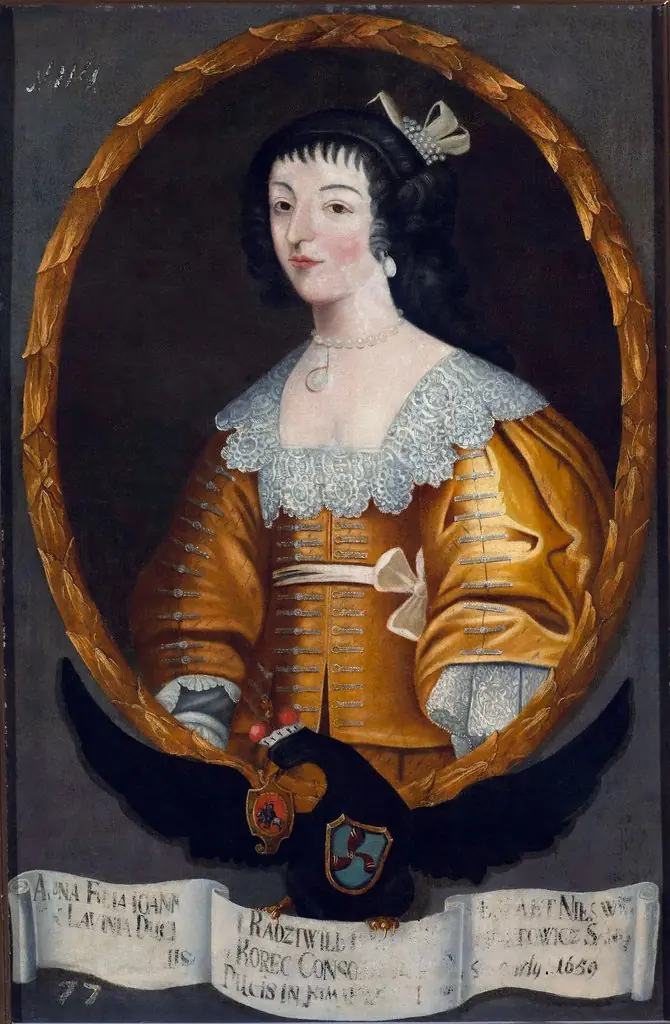 Portrait of Anna Sanguszko née Radziwiłł (?–1659)
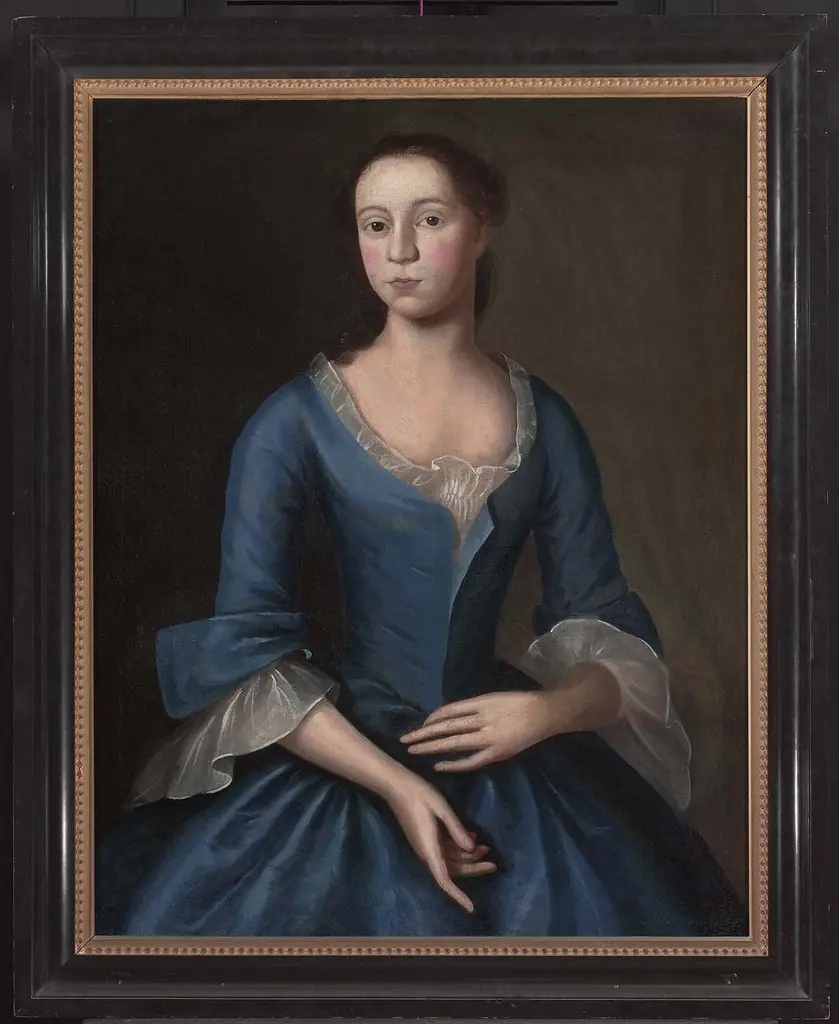 Elizabeth Storer (Mrs. Isaac Smith)
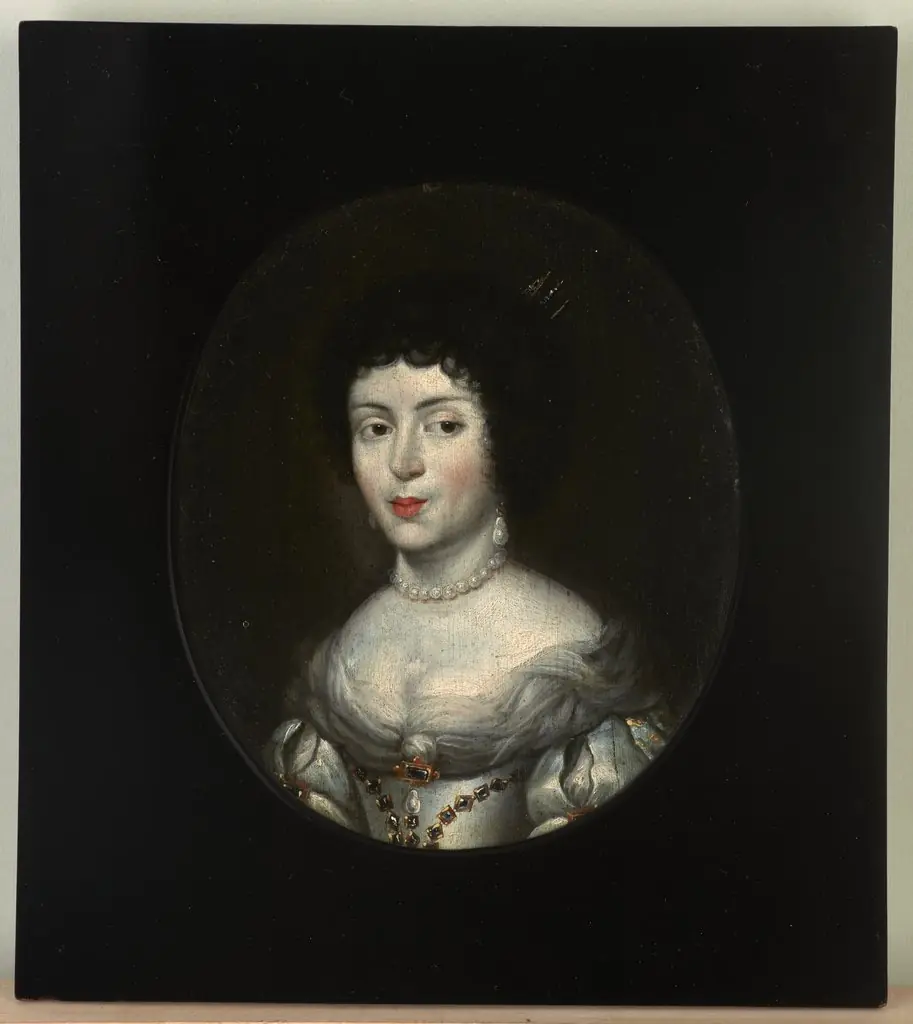 Portret Marii Kazimiery de la Grange d'Arquien Sobieskiej, zwanej Marysieńką (1641-1716), królowej Polski, żony Jana III Sobieskiego
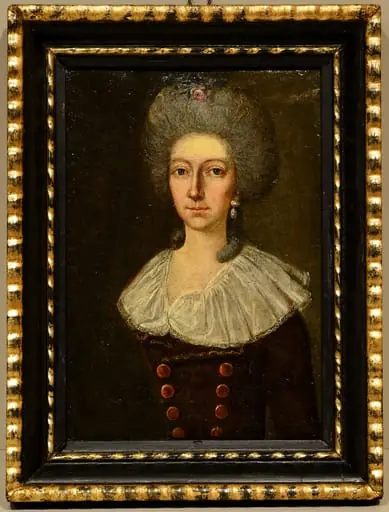 Äbtissin Auguste Dorothea von Braunschweig-Wolfenbüttel
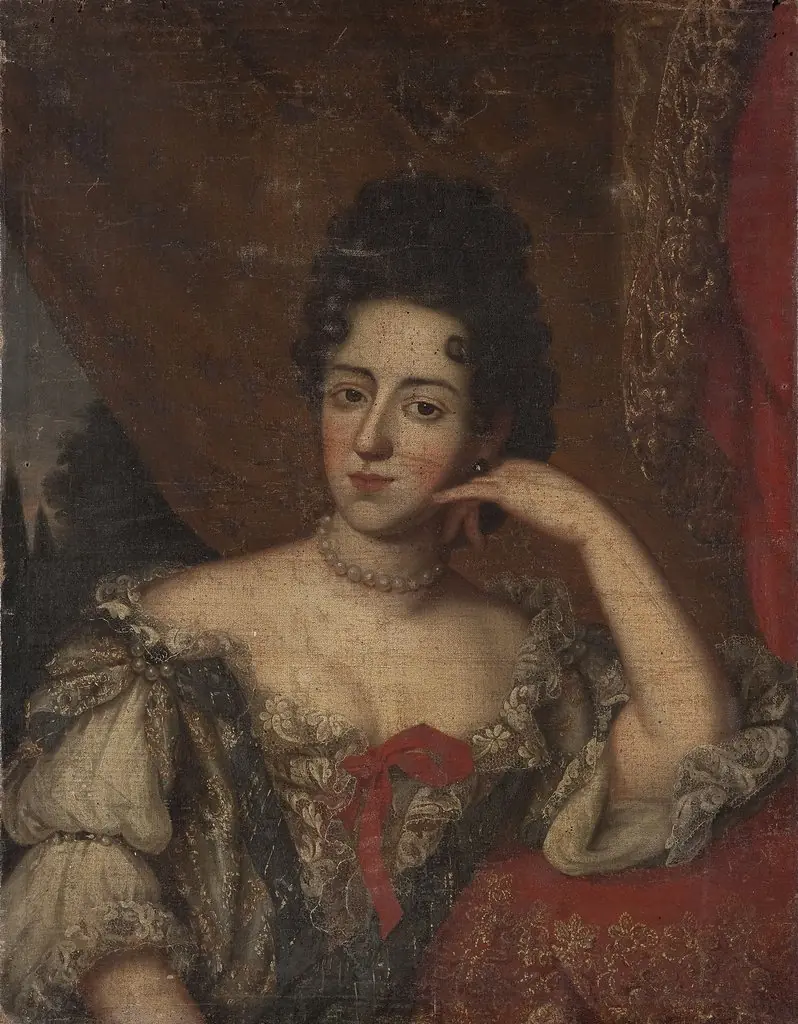 Portrait of Teresa Kunegunda Sobieska (1676–1730) /?/ aka Countes Hedwig of Neuburg
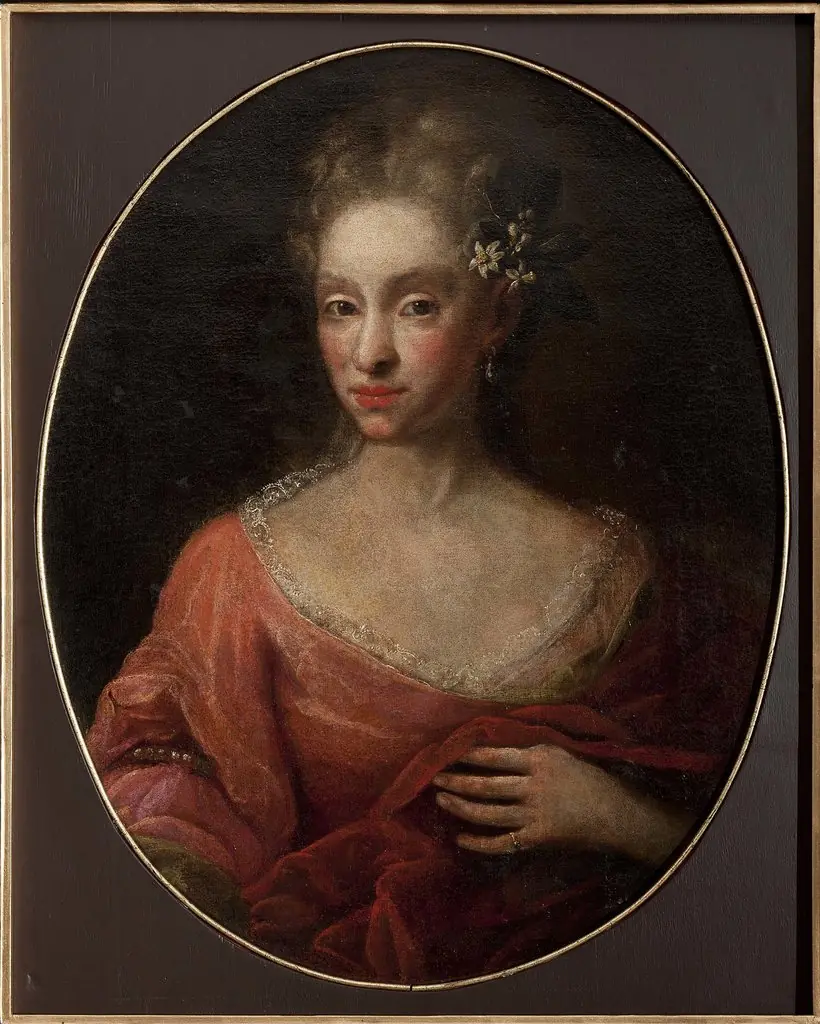 Portrait of Urszula Dembińska née Morsztyn (1746–1825)
 María Luisa Gabriela de Saboya primera esposa de Felipe V
- Louise-Elisabeth de Bourbon (1695-1775)