Artwork
Apoteosis de San Lorenzo
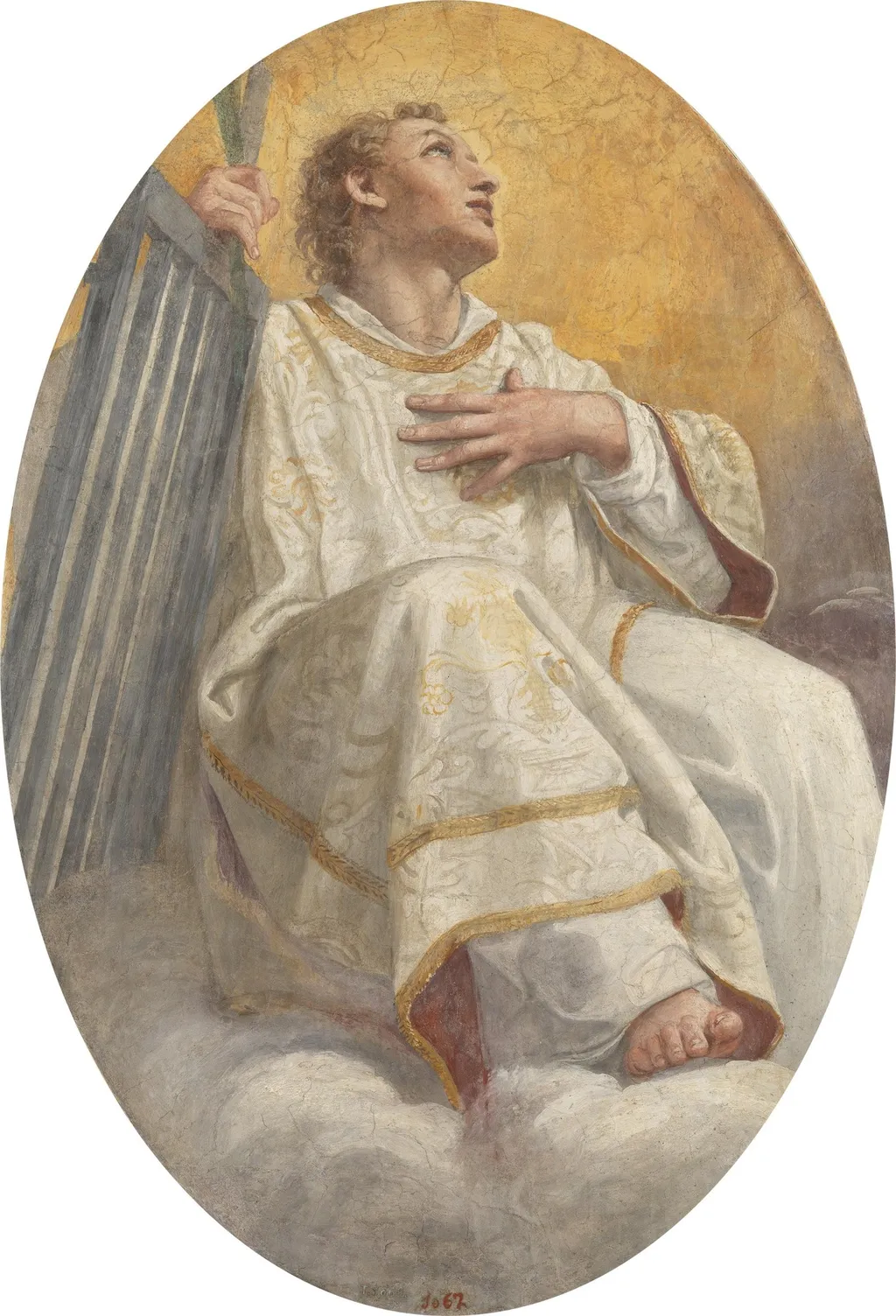
Apoteosis de San Lorenzo is a fresco painting by the Early Baroque Italian artist Annibale Carracci. It dates from 1551 and is held in the collection of the Museo del Prado.
About this work
Technique & Style
The work is executed in fresco on plaster, measuring 155 cm in height and 105 cm in width, and depicts Saint Lawrence in a religious composition characteristic of late Renaissance painting. The stylistic qualities reflect the influence of the Carracci academy's emphasis on naturalism and compositional clarity, while the handling of the medium demonstrates the technical precision required for large‑scale wall painting.
Context
Annibale Carracci’s 1551 fresco Apoteosi di San Lorenzo, originally installed in the apse of the Roman church of San Giovanni a Porta Latina before its transfer to the Museo del Prado, has been studied primarily for its dynamic composition and synthesis of High Renaissance ideals with emerging Baroque drama. The work’s iconography, depicting Saint Lawrence’s apotheosis amid celestial host, has been analyzed as both a theological affirmation and a visual response to Counter-Reformation imperatives, reflecting Carracci’s role in codifying narrative clarity for sacred spaces. Its formal qualities, particularly the dramatic chiaroscuro and spatial depth, have been cited in scholarship as anticipatory of later Baroque developments in Roman and Spanish painting.
The fresco’s relocation to institutional custody at the Museo del Prado and Museo de la Trinidad has facilitated sustained conservation discourse, though its critical reception remains anchored in 16th-century ecclesiastical contexts rather than modern market valuation.
Overview
Apoteosis de San Lorenzo is a 16th-century religious fresco created by Italian artist Annibale Carracci, featuring Saint Lawrence of Rome in a celestial setting.
Subject & Meaning
The fresco portrays Saint Lawrence seated on a cloud, barefoot and draped in a intricately detailed white robe with gold trim. He holds a palm branch, symbolizing martyrdom, while his contemplative expression and pose convey serene reverence. The composition suggests a narrative fragment, potentially part of a broader thematic sequence.
History & Provenance
Created in 1551, Apoteosis de San Lorenzo is part of the Museo del Prado's collection. Notably, Annibale Carracci's work, including his contributions to the Palazzo Farnese, played a significant role in shaping the Baroque aesthetic alongside his brother Agostino and cousin Ludovico.
Legacy
As a key work by Annibale Carracci, Apoteosis de San Lorenzo continues to be appreciated for its technical mastery and its role in the transition towards Baroque art, inviting viewers to explore the artist's broader oeuvre for similar blends of classical and dynamic elements.
Own this work as a print
Artist & collection
Artist
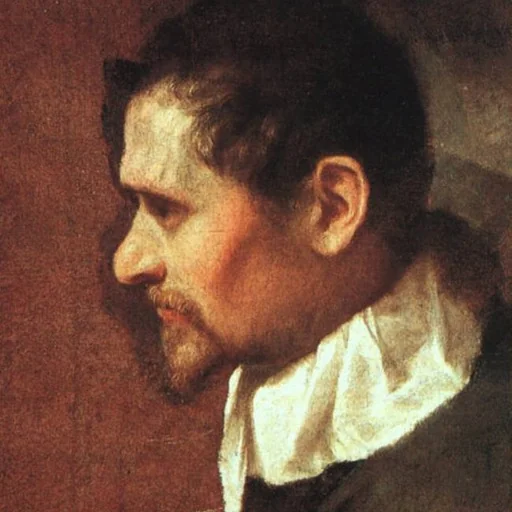
Annibale Carracci ( kə-RAH-chee, UK also kə-RATCH-ee, Italian:; November 3, 1560 – July 15, 1609) was an Italian painter and instructor, active in Bologna and later in Rome.


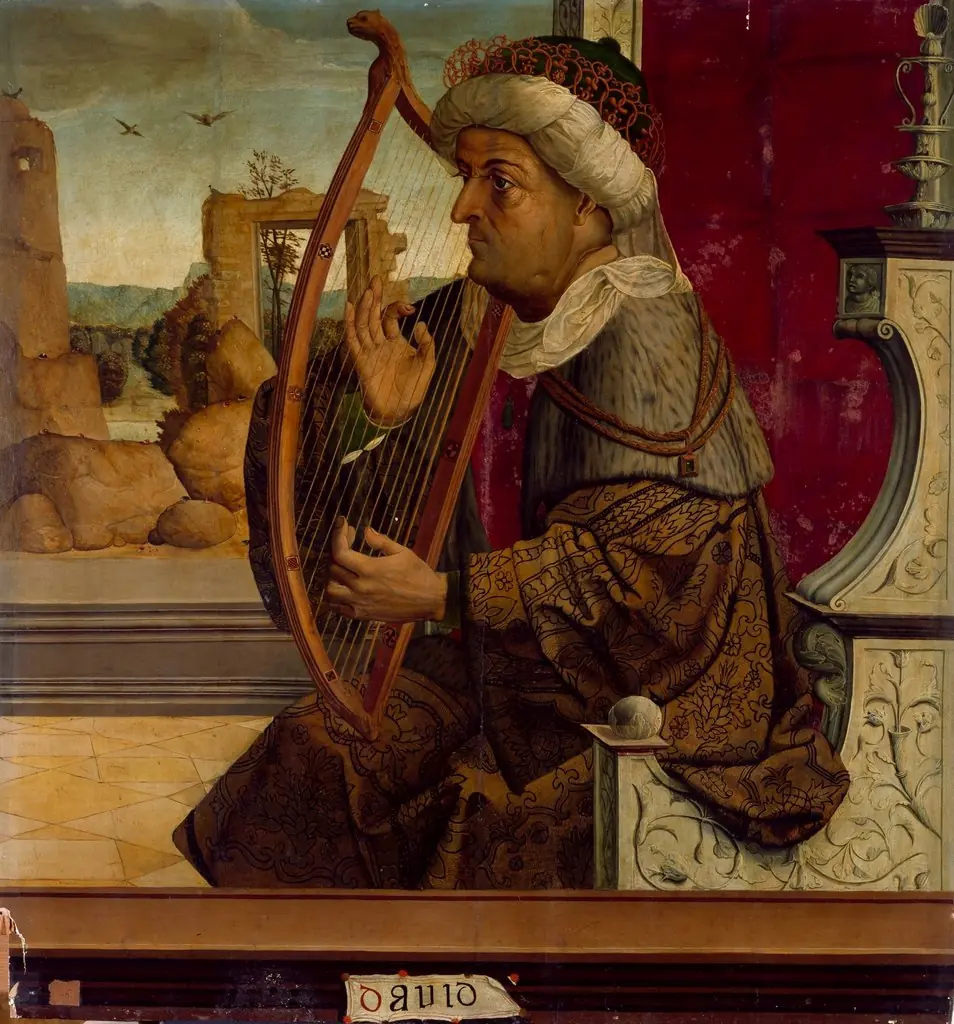 El rey David
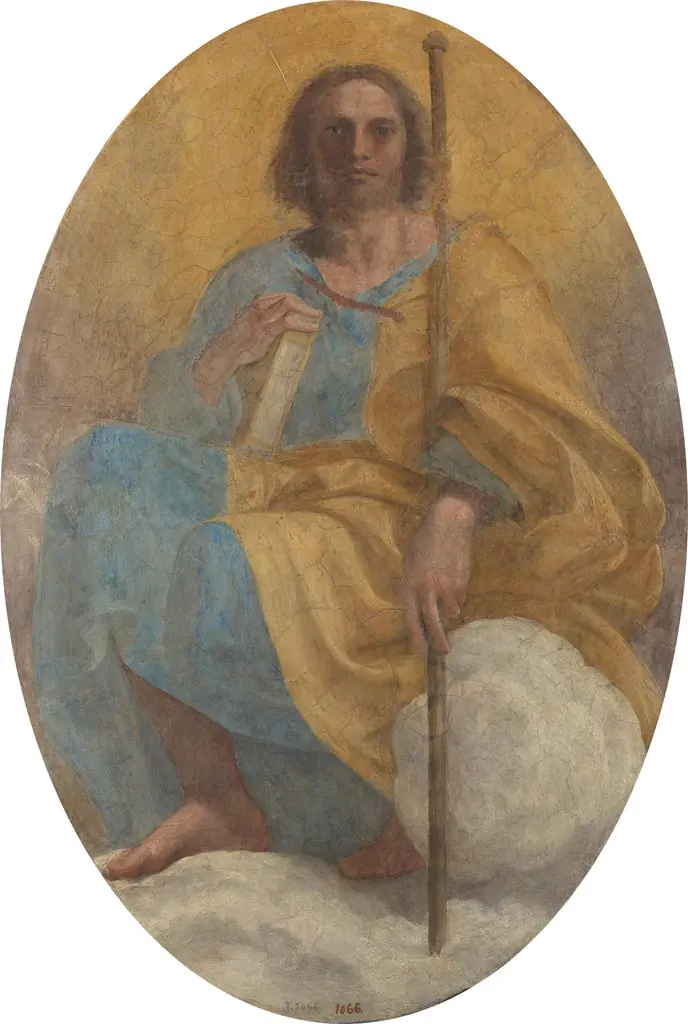 Apotheosis of James the Great
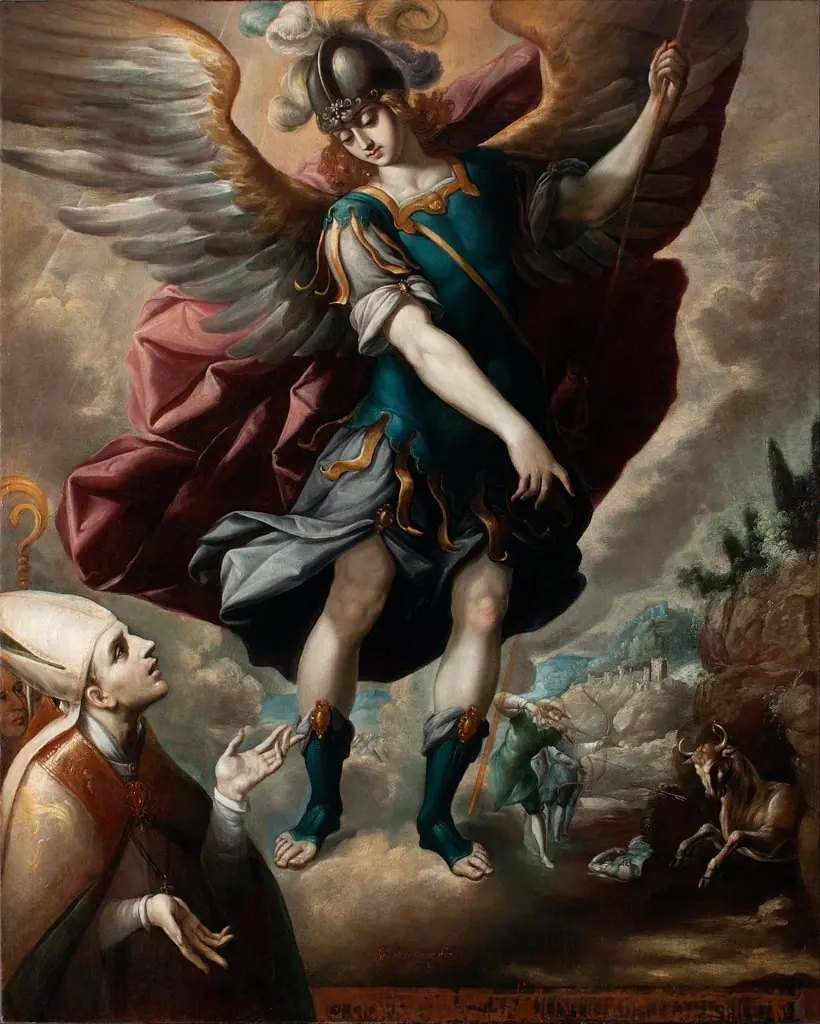 Saint Michael and the Bull
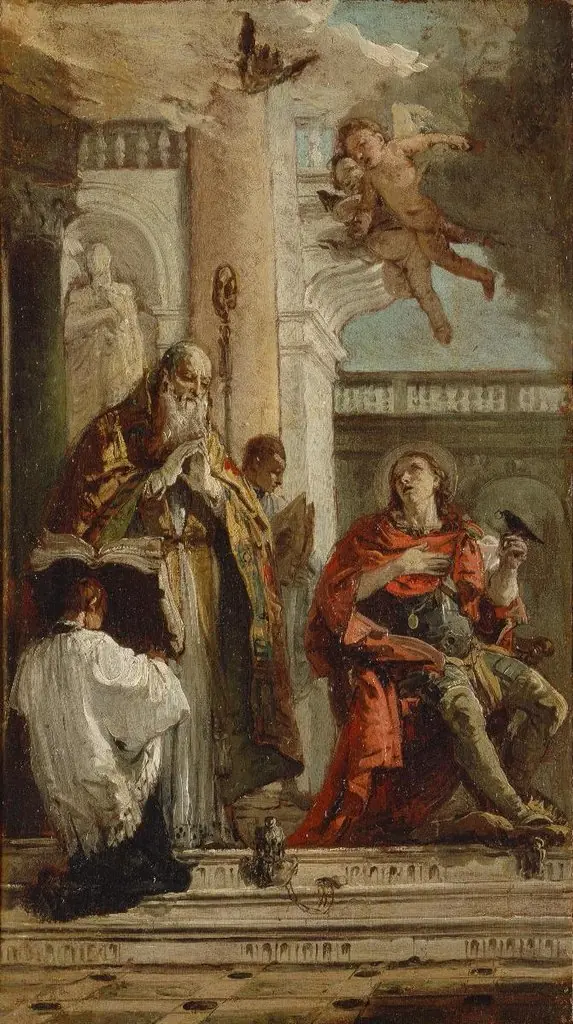 Santi Massimo e Osvaldo
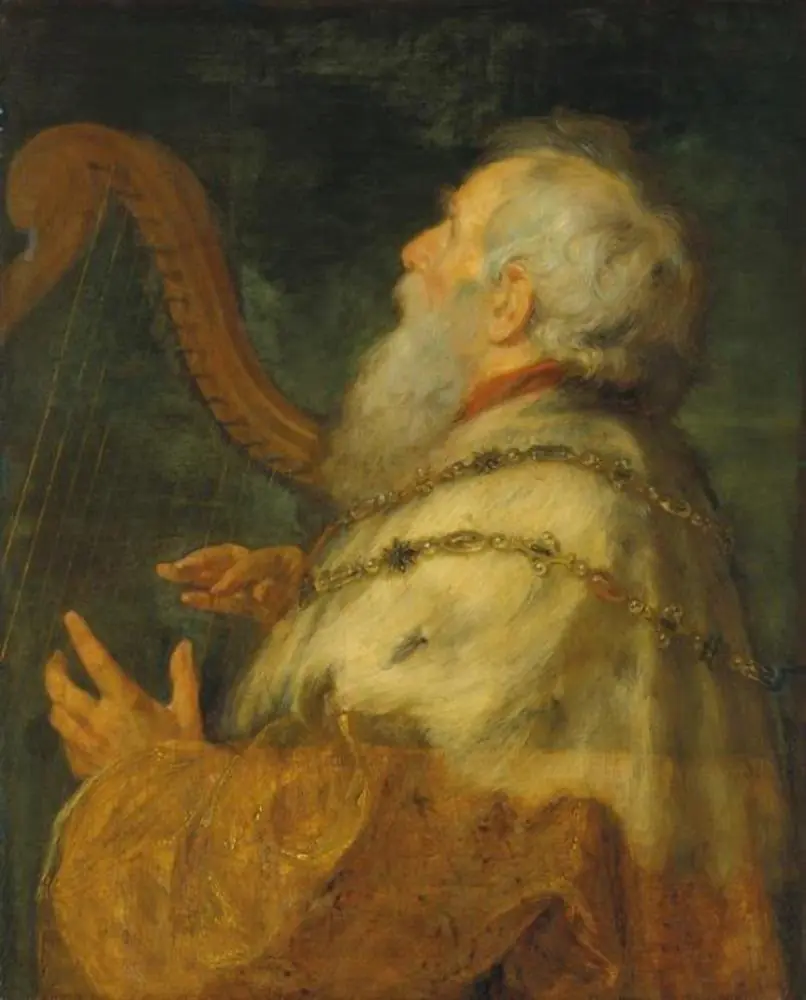 King David Playing the Harp
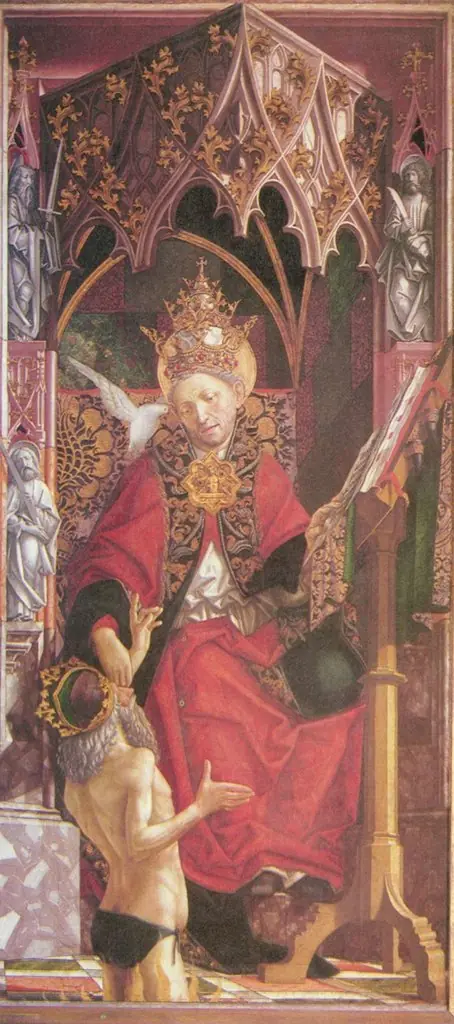 Kirchenväteraltar: Papst Gregor der Große
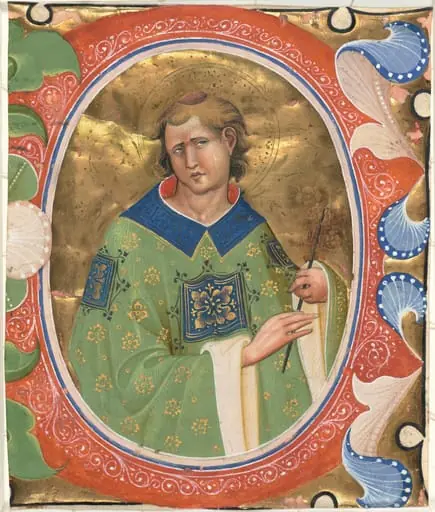 Saint Lawrence
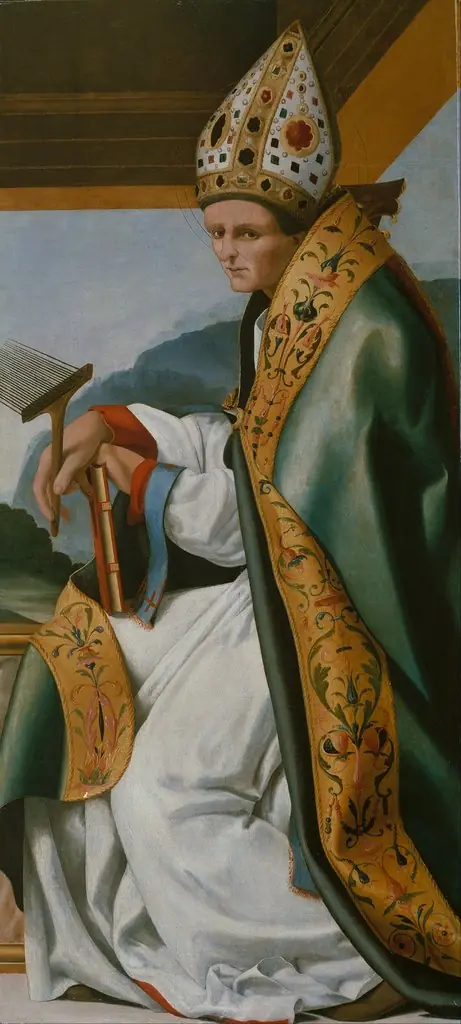 Saint Blaise
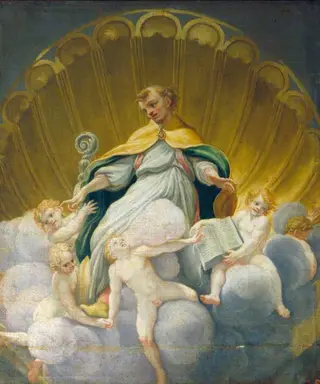 Saint Hilary Surrounded by Angels (copy of the fresco in the cupola of Parma Cathedral)
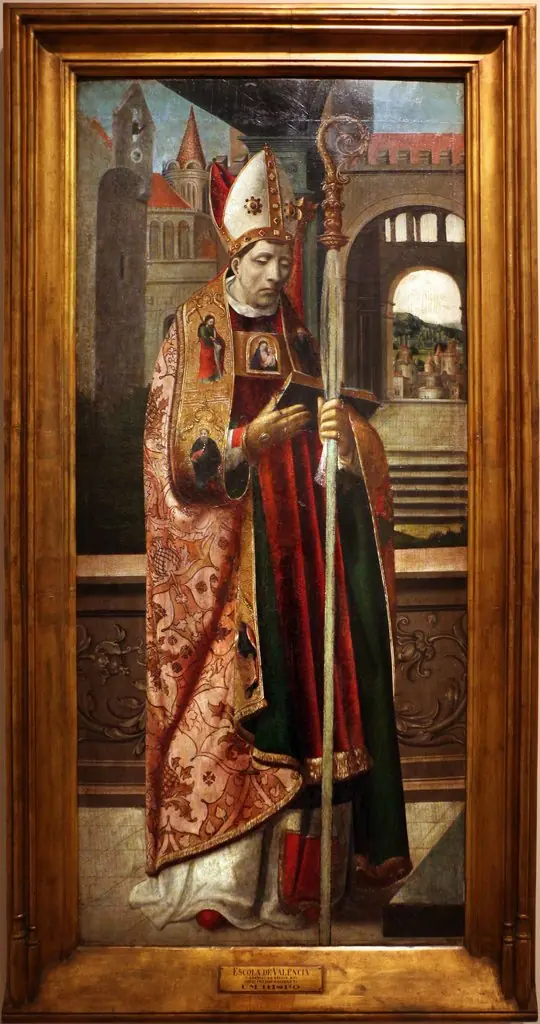 due vescovi
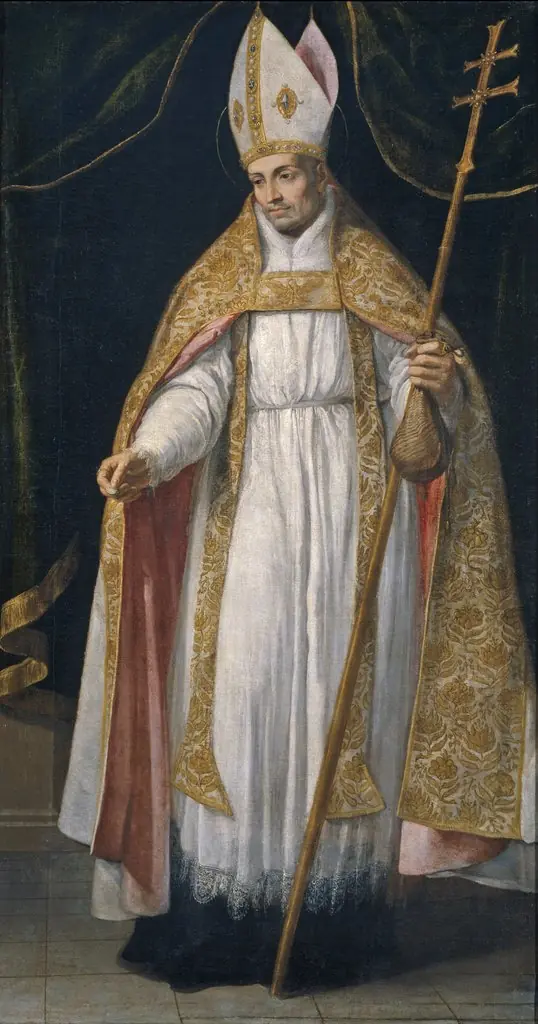 Santo Tomás de Villanueva
- Apoteosis de San Francisco