Artwork
The Coronation of the Virgin
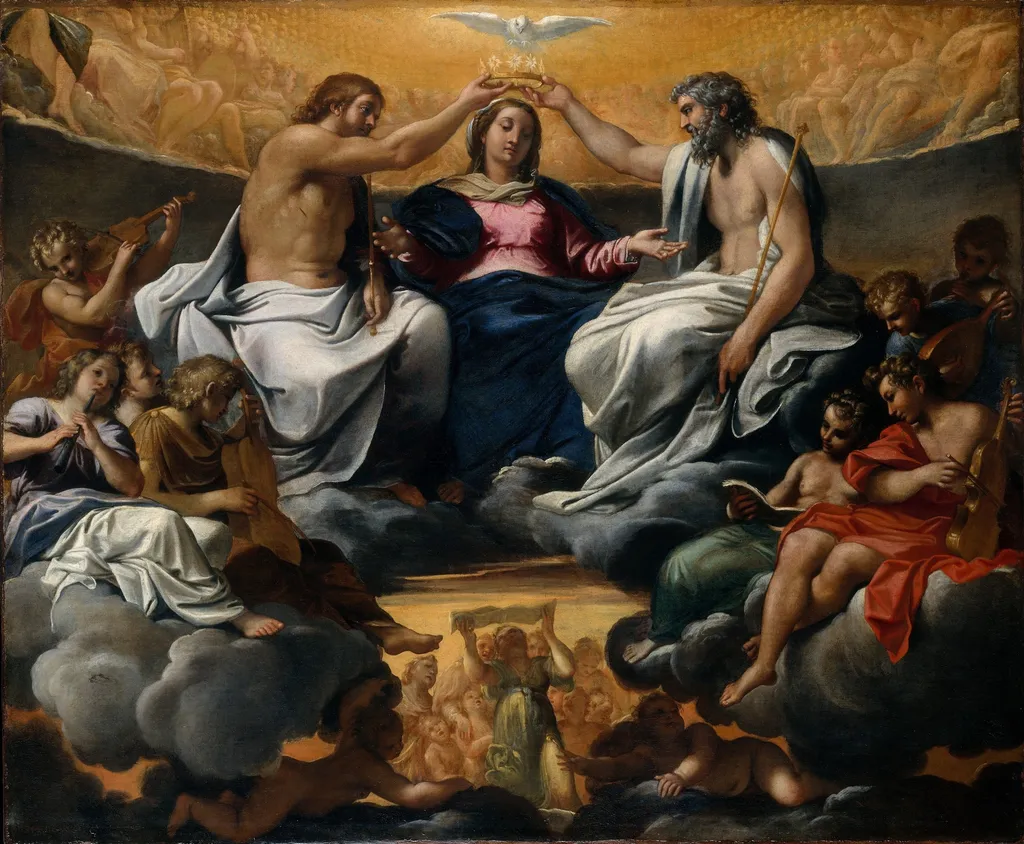
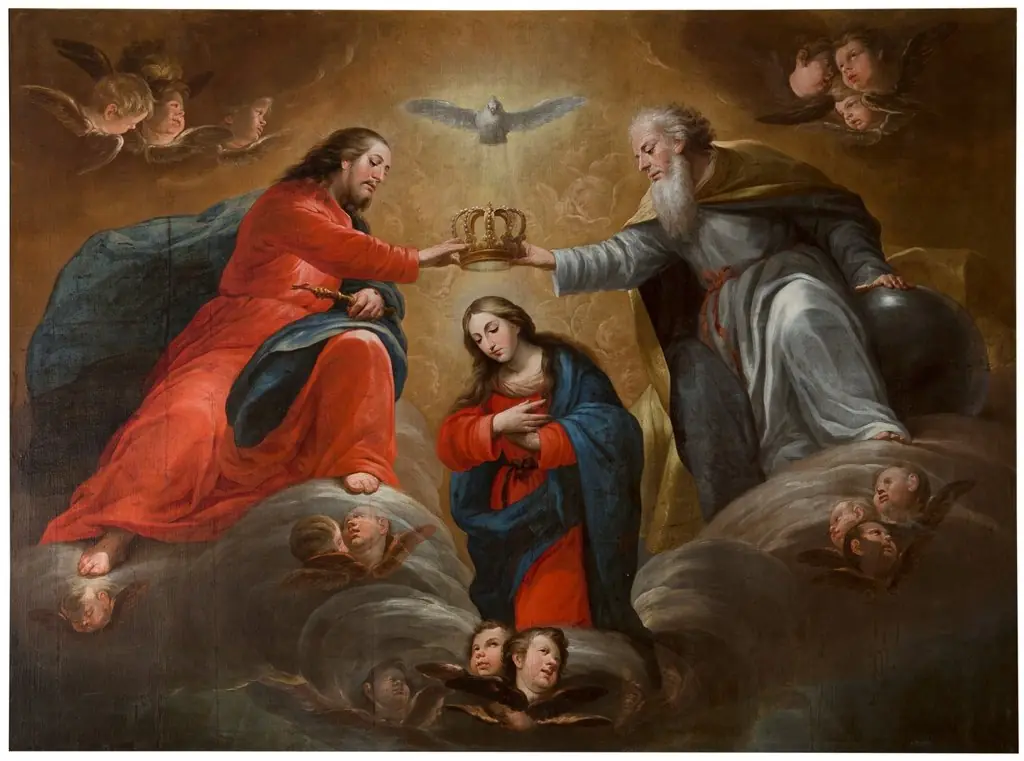
The Coronation of the Virgin is an oil painting by the Early Baroque Italian artist Annibale Carracci. It dates from 1598 and is held in the collection of the Metropolitan Museum of Art.
About this work
Subject & Meaning
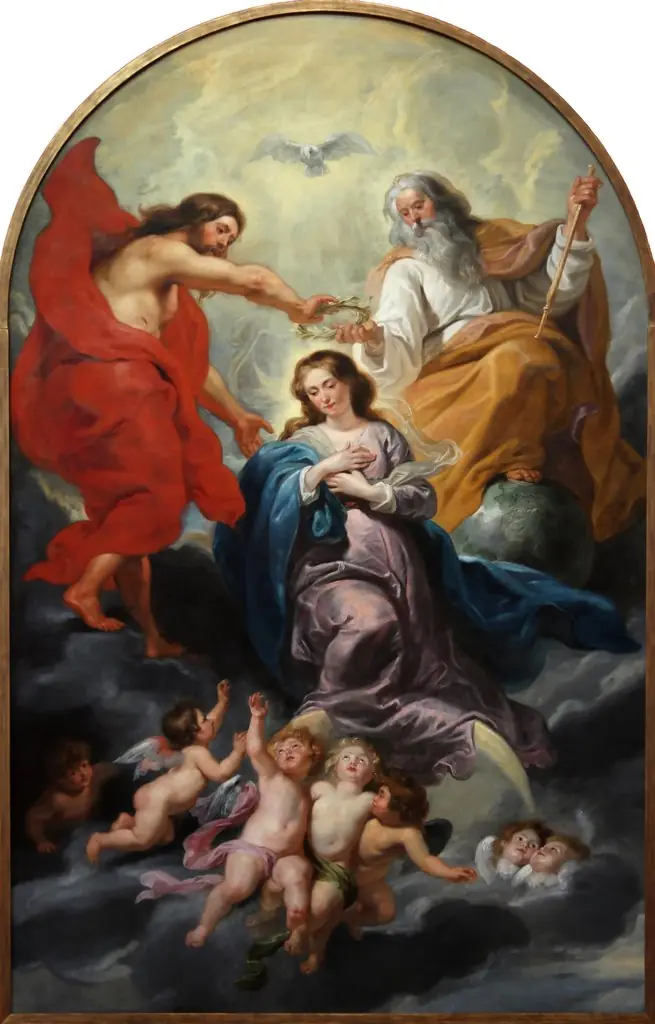
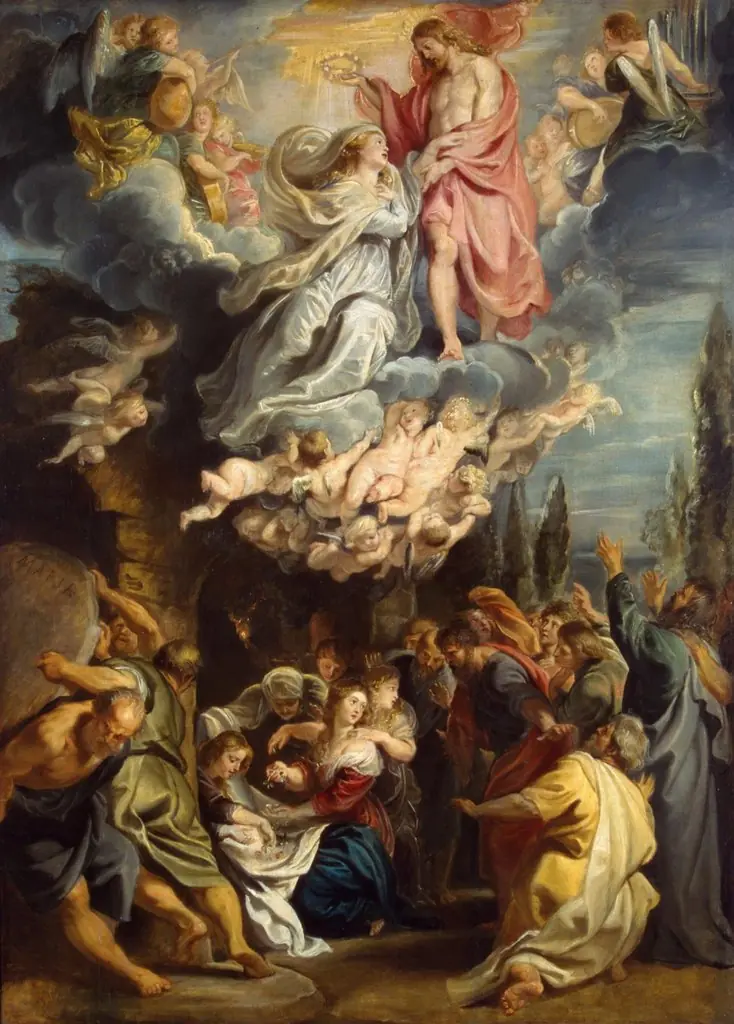
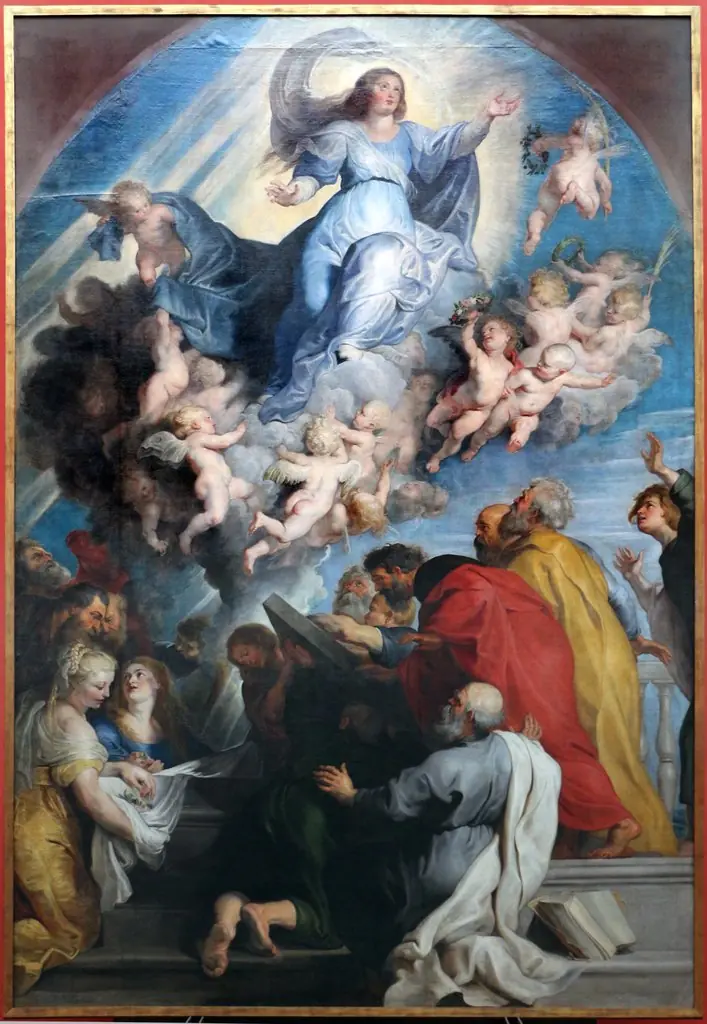
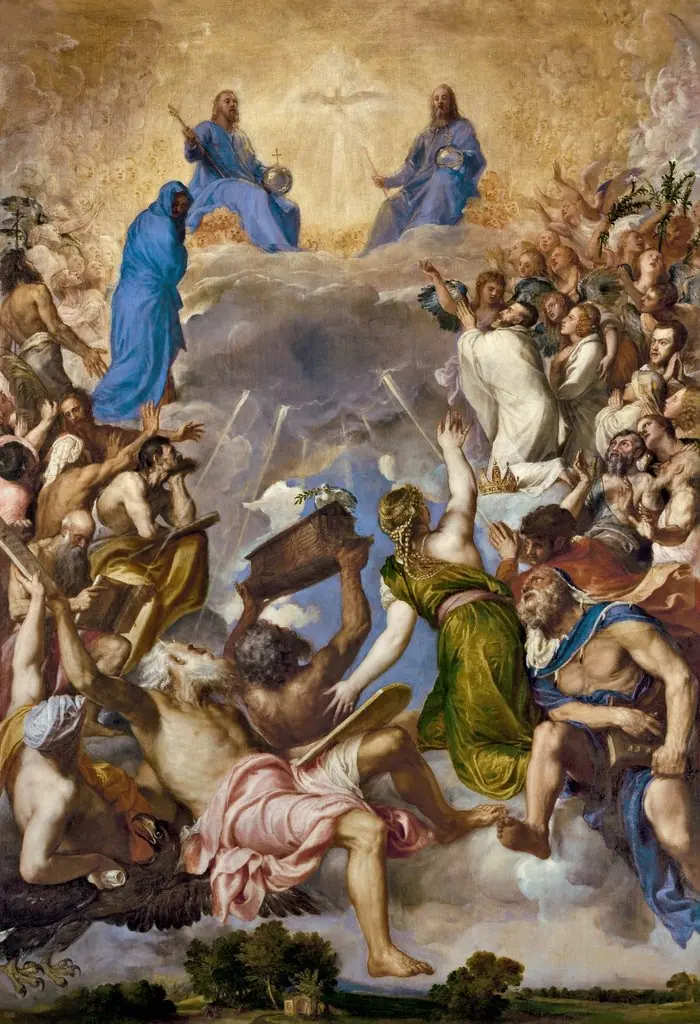
The painting depicts the Coronation of the Virgin, a central subject in Christian iconography where the Virgin Mary is crowned by Christ as Queen of Heaven.
The painting depicts the Coronation of the Virgin, a central subject in Christian iconography where the Virgin Mary is crowned by Christ as Queen of Heaven. This scene symbolizes Mary’s exalted status and her role as intercessor between humanity and the divine. The dove, representing the Holy Spirit, often appears in such compositions to signify the divine presence during the coronation.
The inclusion of musical instruments alludes to the celestial harmony accompanying this sacred event, reinforcing the heavenly context of the scene. The work reflects Counter-Reformation ideals, emphasizing the veneration of Mary and the affirmation of traditional Catholic doctrine regarding her elevated position in the celestial hierarchy.
Technique & Style
The Coronation of the Virgin is an oil painting on canvas created by Annibale Carracci in 1595. The work measures 117.8 cm in height by 141.3 cm in width and belongs to the religious genre. Its medium consists of oil paint applied to a canvas support.
The composition includes a musical instrument, a dove, a deity and the Virgin Mary. The painting is part of the Metropolitan Museum of Art collection and has been featured in exhibitions such as 'Italian art and Britain.' Documentation does not specify its present condition.
History & Provenance
The Coronation of the Virgin, painted by Annibale Carracci in 1595, is an oil‑on‑canvas altarpiece measuring 117.8 × 141.3 cm. The work was completed around 1602, as indicated by its inception record, and depicts the Virgin being crowned by angels, a musical instrument, a dove and other divine symbols. It was produced as a religious composition for a Dominican convent and later entered the collection of the Metropolitan Museum of Art in New York, where it remains on public view. The painting’s genre is classified as religious art, and it has been exhibited in the museum’s Italian art and Britain display.
The Coronation of the Virgin by Annibale Carracci is held in the collection of the Metropolitan Museum of Art. Created circa 1595, this oil on canvas painting measures 117.8 by 141.3 centimeters. The work's exhibition history includes a showing in the display titled Italian art and Britain.
While specific inventory or accession numbers are not detailed in the available records, the painting remains a significant part of the museum's religious art holdings.
Context
Annibale Carracci’s 1595 oil on canvas, The Coronation of the Virgin, exemplifies the religious painting genre that defined his early career. Documented in both the Metropolitan Museum of Art’s collection and the exhibition catalogue Italian Art and Britain, the work has been studied as a key example of Counter‑Reformation imagery, reflecting the artist’s role in advancing Baroque visual theology. Scholarship highlights its compositional synthesis of High Renaissance idealism and emerging naturalism, positioning it within Carracci’s broader project of reforming religious art through rigorous draftsmanship and emotive narrative. The painting’s provenance, material specifics, and exhibition history underscore its sustained relevance in art historical discourse.
Overview
Annibale Carracci, a leading figure of the early Italian Baroque, completed The Coronation of the Virgin in 1598. This oil painting portrays the Virgin Mary receiving her crown from divine figures, a scene imbued with celestial symbolism. It exemplifies Carracci's innovative approach to religious art and is now part of The Metropolitan Museum of Art's collection.
Own this work as a print
Artist & collection
Artist
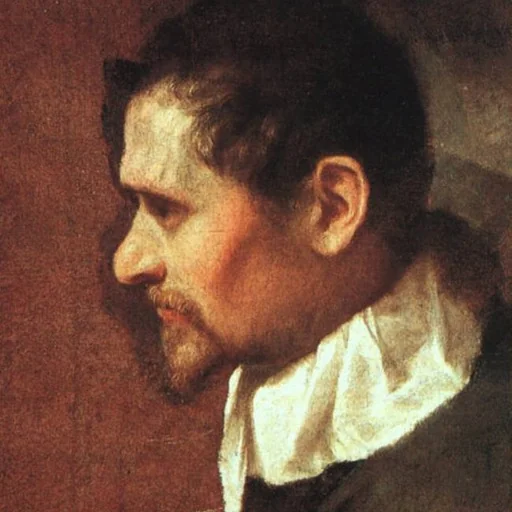
Annibale Carracci ( kə-RAH-chee, UK also kə-RATCH-ee, Italian:; November 3, 1560 – July 15, 1609) was an Italian painter and instructor, active in Bologna and later in Rome.