Artwork
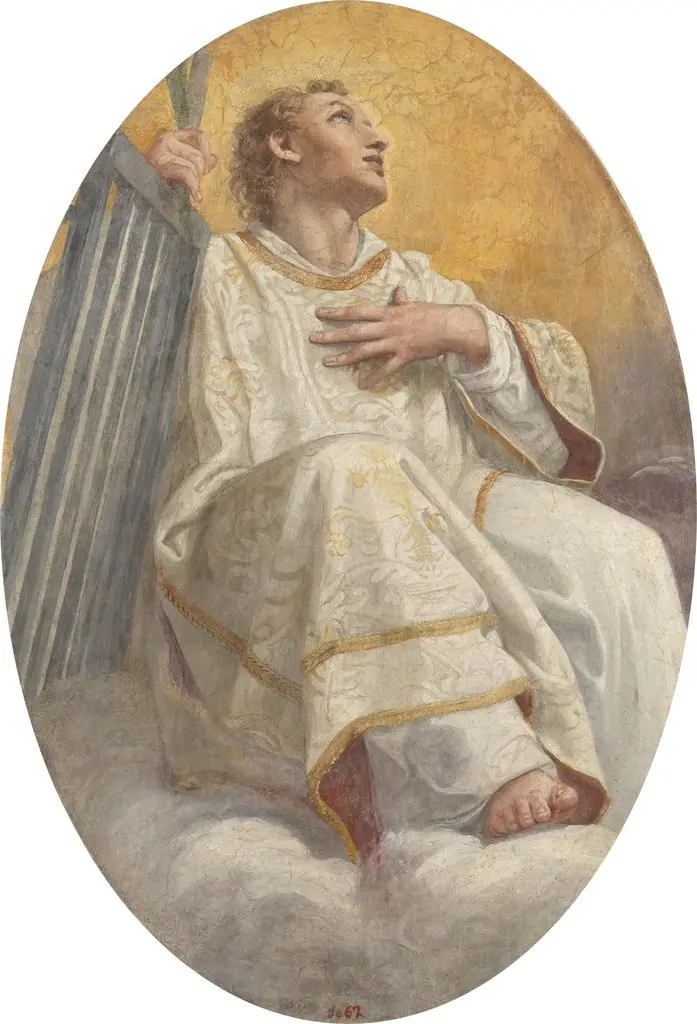
Apotheosis of James the Great
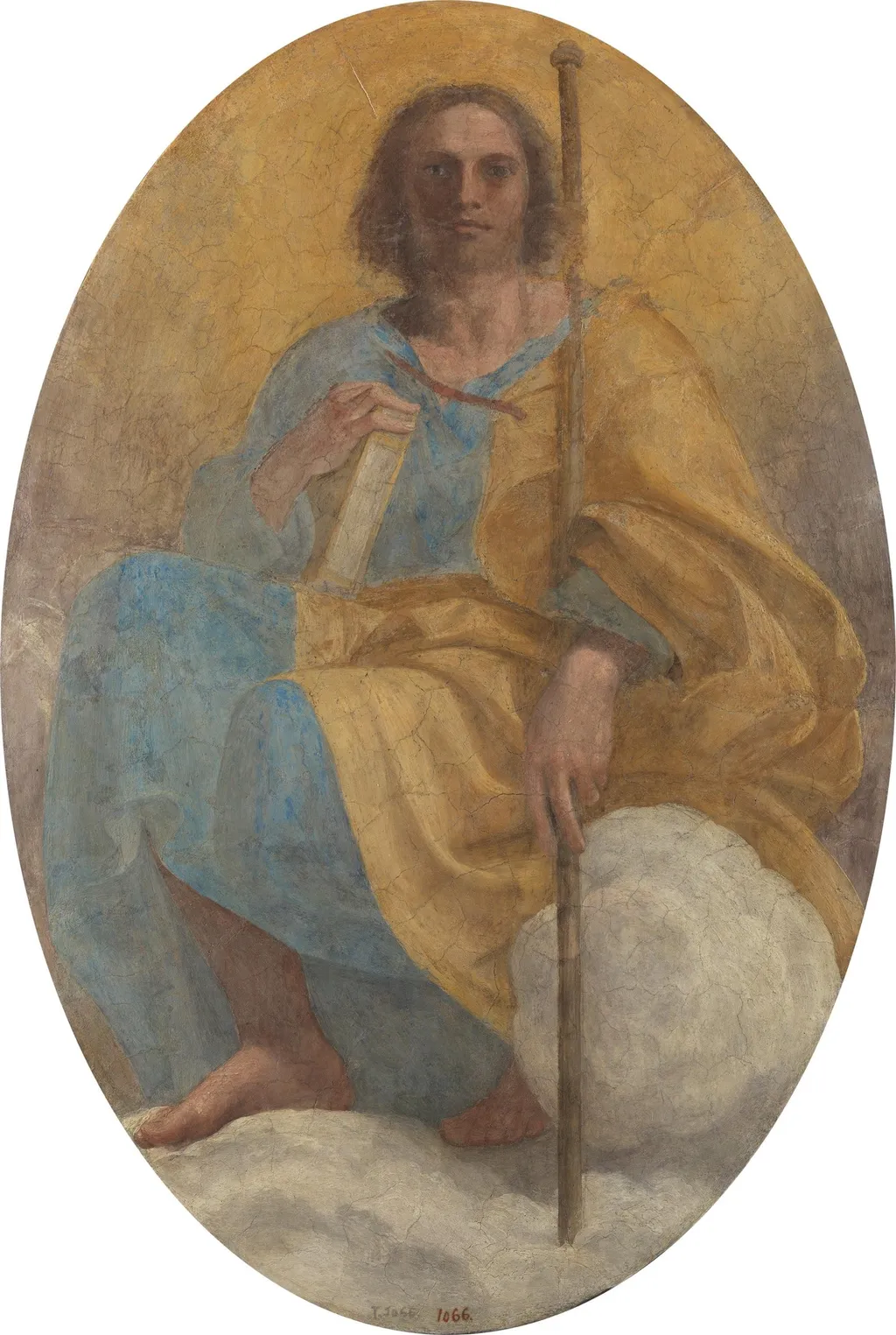
Apotheosis of James the Great is a fresco painting by the Early Baroque Italian artist Annibale Carracci. It dates from 1551 and is held in the collection of the Museo del Prado.
About this work
History & Provenance
While the fresco dates to 1551, the sources do not provide a specific inventory or accession number for the piece, nor do they list any exhibition history.
The fresco Apotheosis of James the Great is currently held by the Museo del Prado in Madrid. It was previously part of the collection of the Museo de la Trinidad before its transfer to the Prado. The work is recorded in the museum's holdings as a religious painting by Annibale Carracci.
While the fresco dates to 1551, the sources do not provide a specific inventory or accession number for the piece, nor do they list any exhibition history.
Legacy
The Apotheosis of James the Great by Annibale Carracci, executed as a fresco in 1551, has been housed in the Museo del Prado and the Museo de la Trinidad, influencing later religious art through its dramatic composition and dynamic portrayal of St. James the Elder. Its stylistic impact can be traced in the development of Baroque ceiling paintings and the broader Counter‑Reformation visual program.
The work’s legacy is anchored in its inclusion in major museum collections, underscoring its enduring significance in art history.
Overview
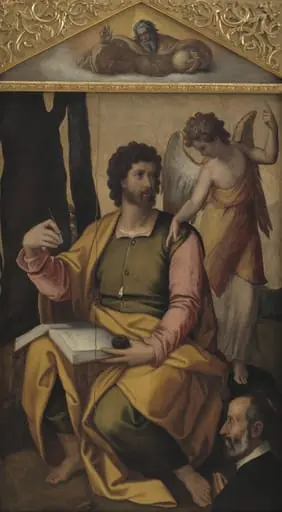
Created in 1551, the fresco titled Apotheosis of James the Great portrays the apostle St James the Elder seated upon a cloud. Rendered in warm golden tones, the figure wears a yellow robe, holds a staff in his right hand and a book in his left, and gazes gently downward. The composition conveys a calm, contemplative atmosphere that invites quiet reflection.
Subject & Meaning
The work presents St James the Elder in a celestial setting, symbolizing his spiritual elevation. The staff references his role as a pilgrim and martyr, while the book suggests his apostolic authority. By placing the saint on a luminous cloud, Carracci emphasizes a transition from earthly existence to divine honor, aligning the figure with themes of sanctity and heavenly reward.
Technique & Style
Executed as a true fresco, the pigment was applied to wet plaster, allowing the colors to become integral to the wall surface. Carracci employs a balanced, monumental arrangement characteristic of early Baroque, yet infuses the scene with classical restraint. The subtle gradations of gold and the gentle modeling of the figure create depth, while the serene expression adds a sense of restrained dynamism.
Own this work as a print
Artist & collection
Artist
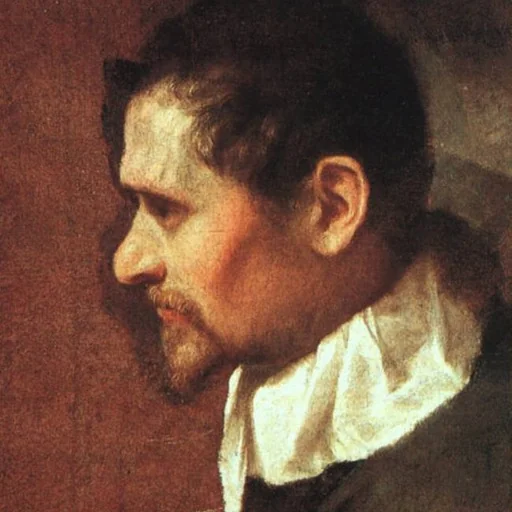
Annibale Carracci ( kə-RAH-chee, UK also kə-RATCH-ee, Italian:; November 3, 1560 – July 15, 1609) was an Italian painter and instructor, active in Bologna and later in Rome.

![Saint Francis [far left panel], by Cosimo Tura](https://artifactworldgallery.com/img/cosimo-tura--saint-francis-far-left-panel--3b890eb4471ebc8a-w320.webp)