Artwork
Saint Didacus of Alcalá receiving alms
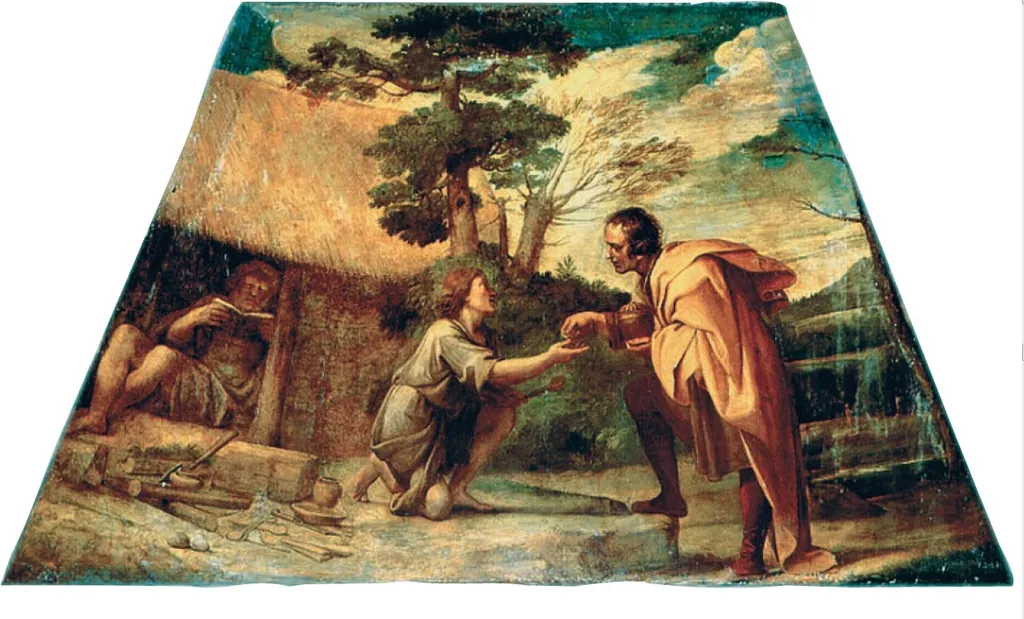
Saint Didacus of Alcalá receiving alms is a fresco painting by the Early Baroque Italian artist Annibale Carracci. It dates from 1604 and is held in the collection of the Museo del Prado.
About this work
Subject & Meaning
The work depicts Didacus of Alcalá as its central figure, engaged in the act of distributing alms.
The work depicts Didacus of Alcalá as its central figure, engaged in the act of distributing alms. The scene is set within a humble hut, grounding the saint's charity in a modest environment. Consistent with the religious genre, the composition includes kitchen utensils, which likely serve as attributes of the saint's service or symbols of his humility and connection to the poor.
Created as a fresco with a coating, the painting visually represents the saint's legendary devotion to serving others through the distribution of food and resources.
Technique & Style
Created in 1604, Saint Didacus of Alcalá receiving alms by Annibale Carracci is a religious painting executed as a fresco with a coating. The work measures 126 cm in height and 222 cm in width. Stylistically, the composition focuses on the main subject, Didacus of Alcalá, depicted within a hut setting alongside alms and kitchen utensils.
The piece is currently housed in the Museo del Prado, having previously been associated with the Museo de la Trinidad.
History & Provenance
The painting Saint Didacus of Alcalá receiving alms was created by Annibale Carracci in 1604. It is classified as a religious work, with dimensions of 126 cm in height and 222 cm in width, and depicts Didacus of Alcalá alongside kitchen utensils and alms within a hut setting. The piece is held in the collection of the Museo del Prado in Madrid, having previously been part of the Museo de la Trinidad, and is catalogued under inventory number P002798.
Overview
Created in 1604 by Annibale Carracci, a pivotal figure of the early Baroque from Bologna who later worked in Rome, this religious painting portrays Saint Didacus of Alcalá in a moment of charity. Executed in a coating technique, the work now belongs to the Museo del Prado’s collection and exemplifies Carracci’s synthesis of vigorous composition with classical restraint.
Context
The composition reflects the broader early Baroque trend of integrating narrative clarity with emotional immediacy. Carracci’s approach, influenced by both northern realism and the Italian Renaissance, positioned him as a bridge between the two traditions, shaping the visual language that would dominate religious painting in the following decades.
Artist & collection
Artist
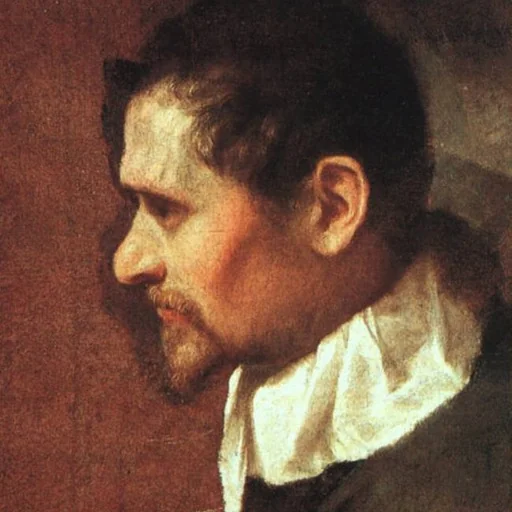
Annibale Carracci ( kə-RAH-chee, UK also kə-RATCH-ee, Italian:; November 3, 1560 – July 15, 1609) was an Italian painter and instructor, active in Bologna and later in Rome.

- Landscape with Shepherd and Shepherdess
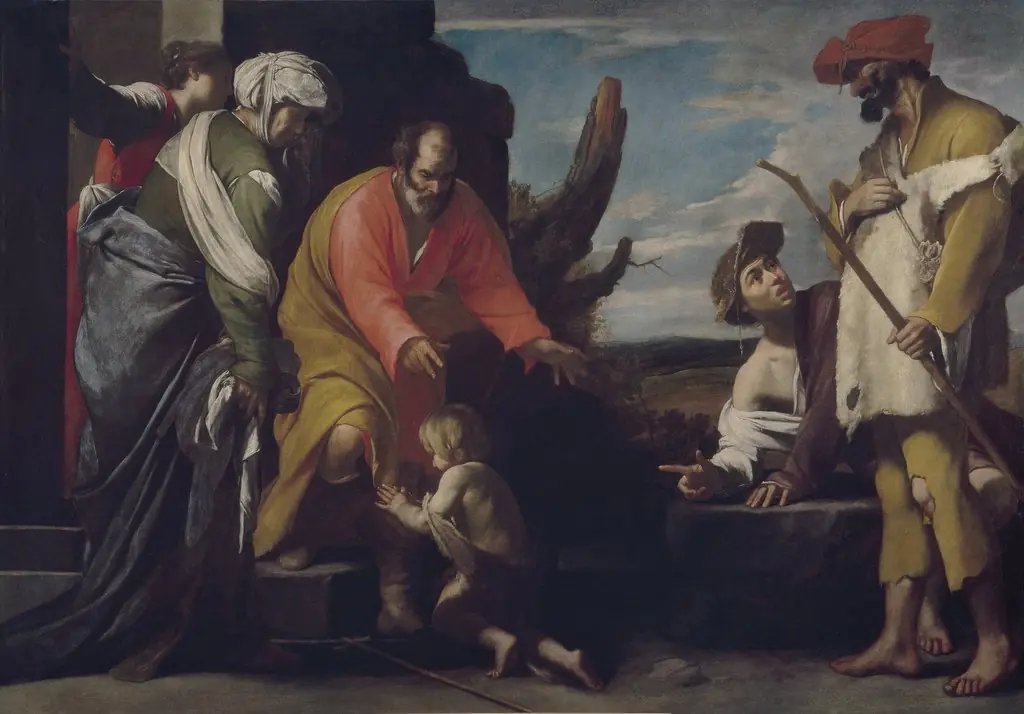 Saint John the Baptist says goodbye to his Parents
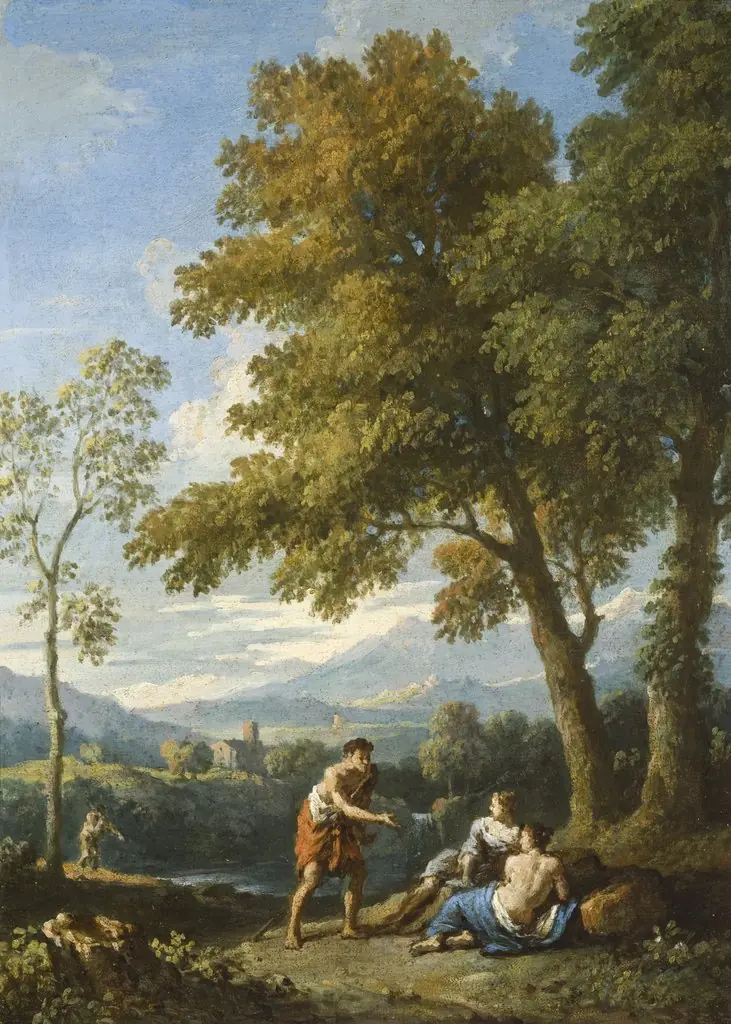 One of a Pair of Views of the Roman Campagna with Figures Conversing
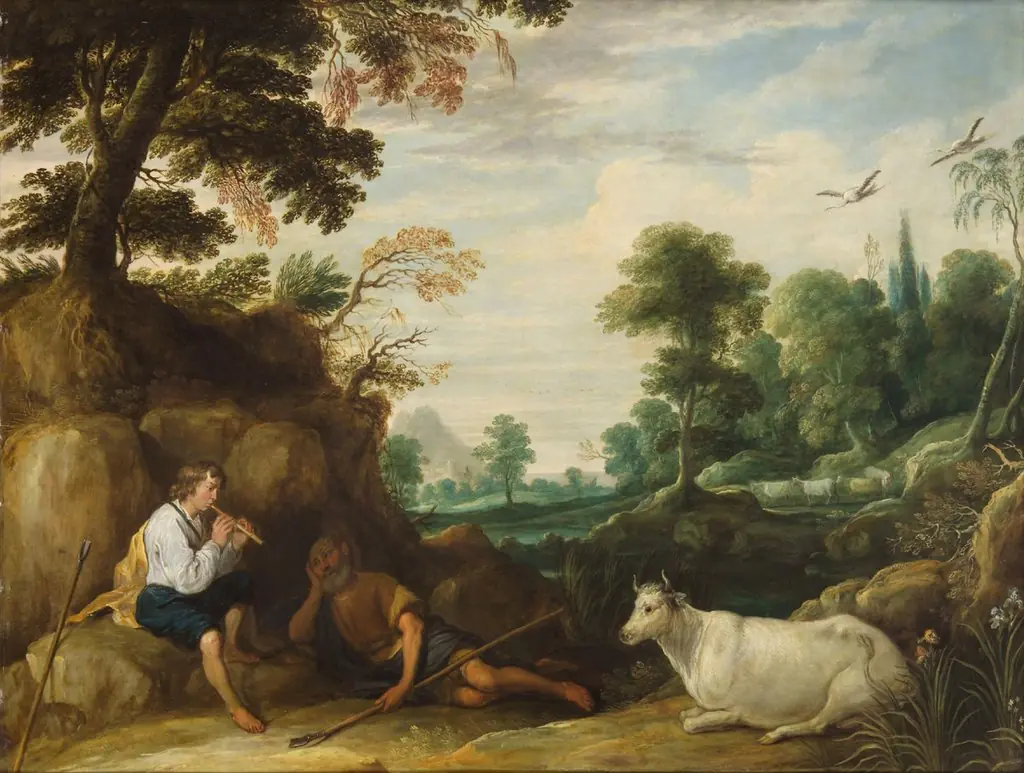 Mercury playing the flute for Argus
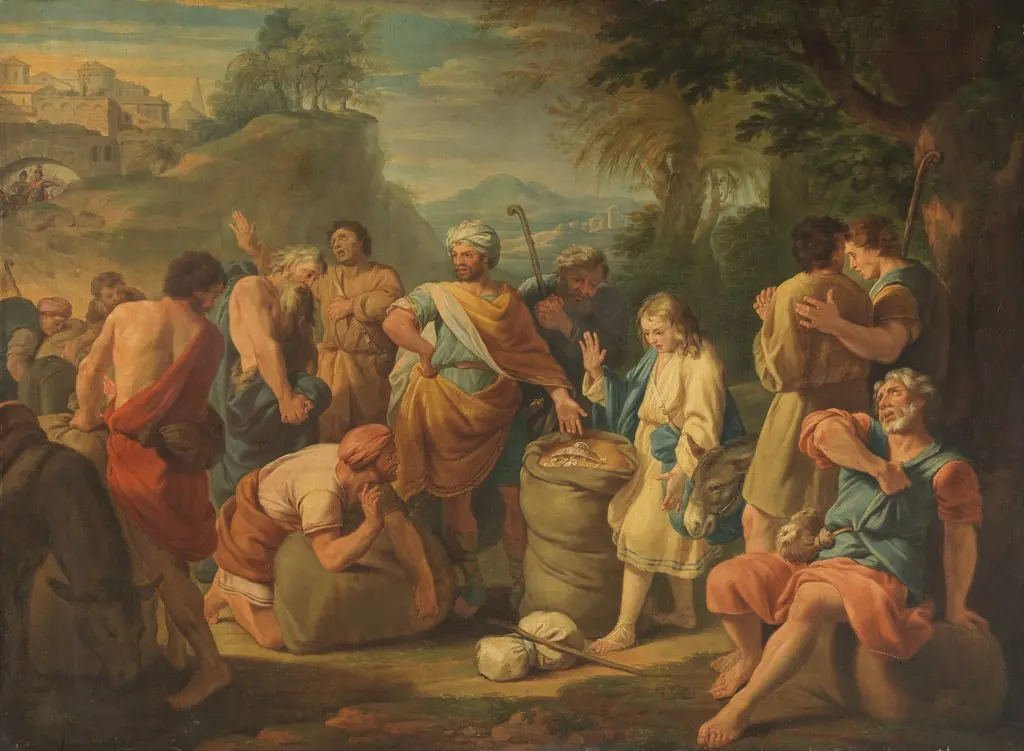 The Finding of the Money in Benjamin's Sack
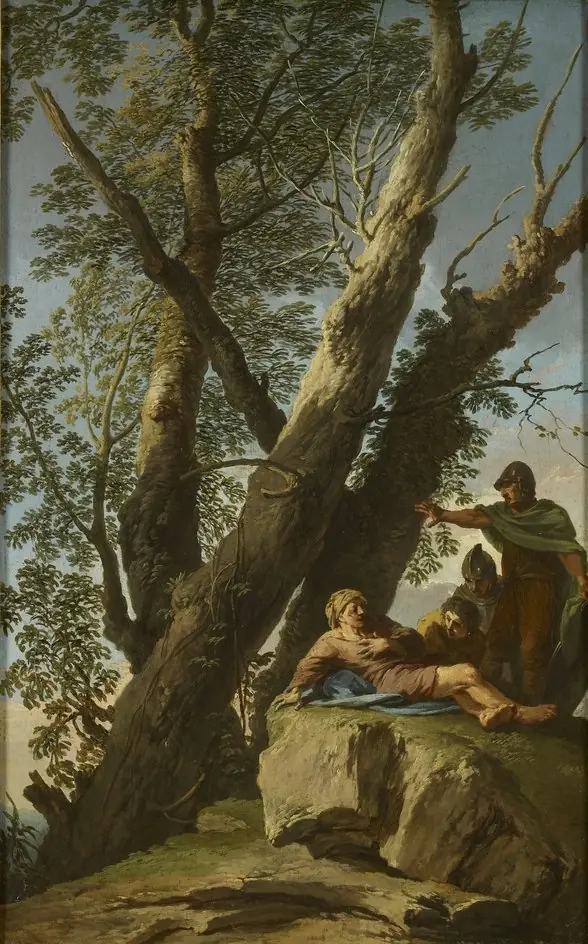 Landscape with a wounded Bandit and other Figures
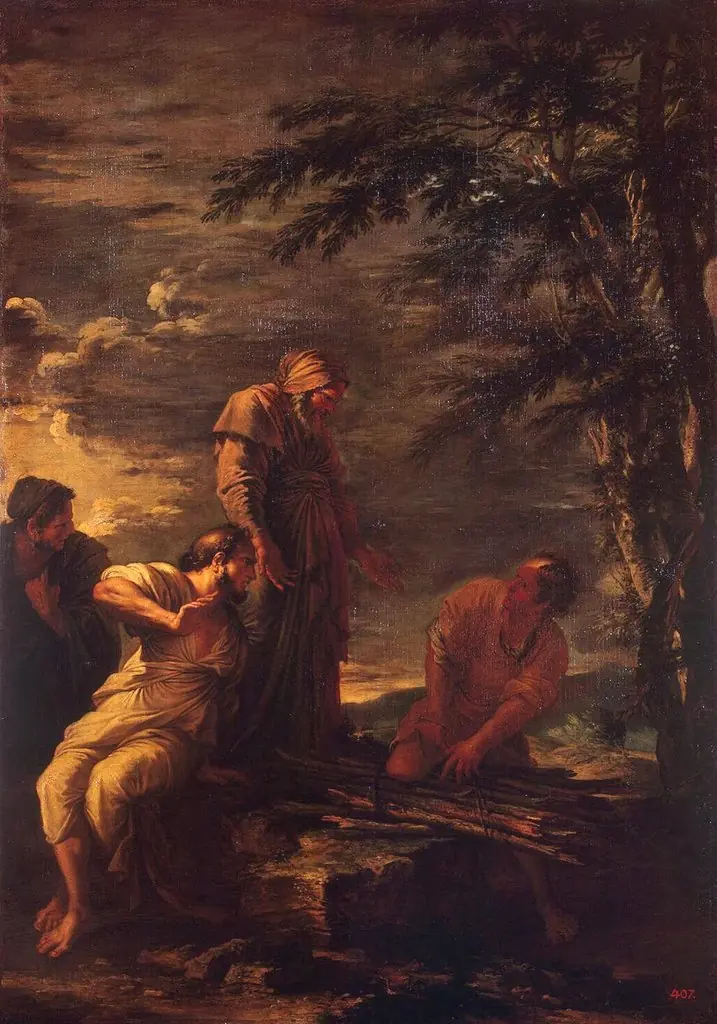 Democritus and Protagoras
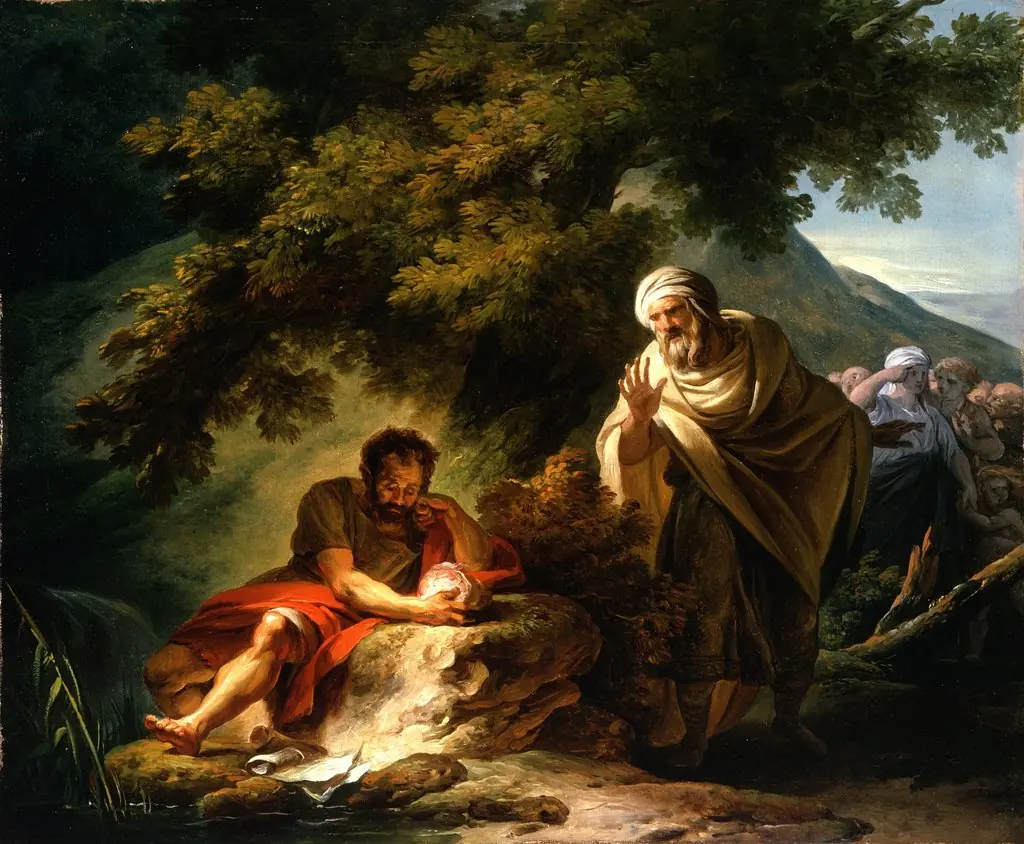 Democritus among the Abderitans
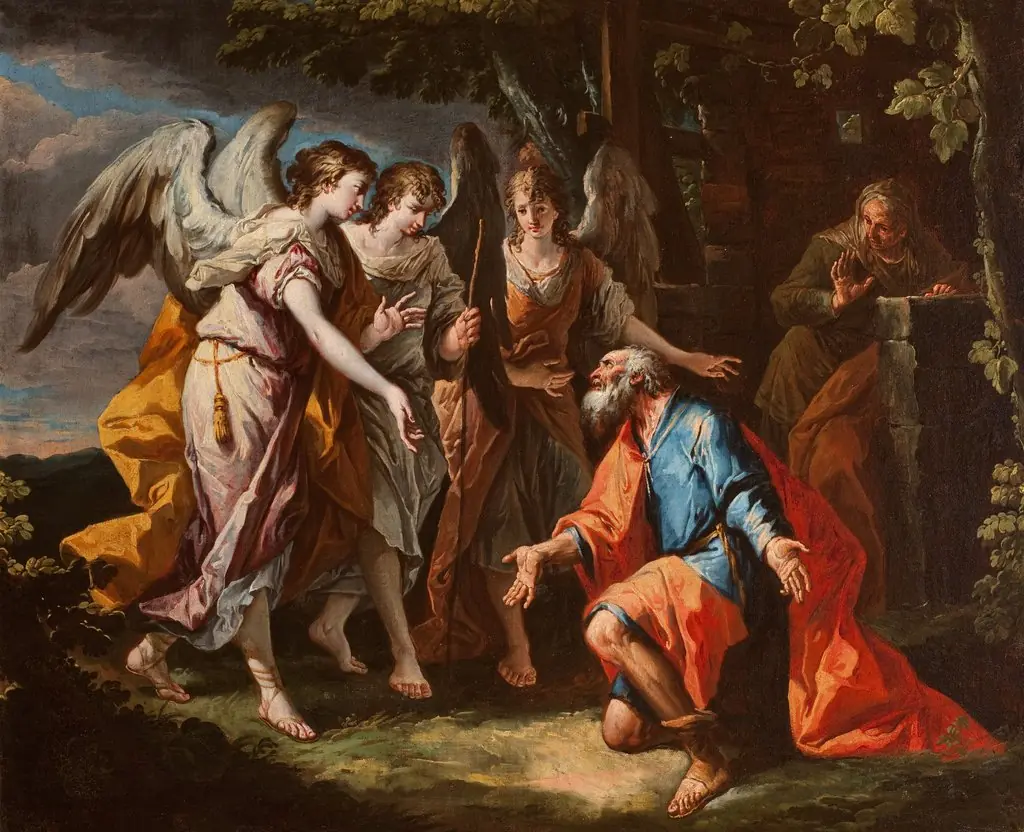 Abraham and the Angels
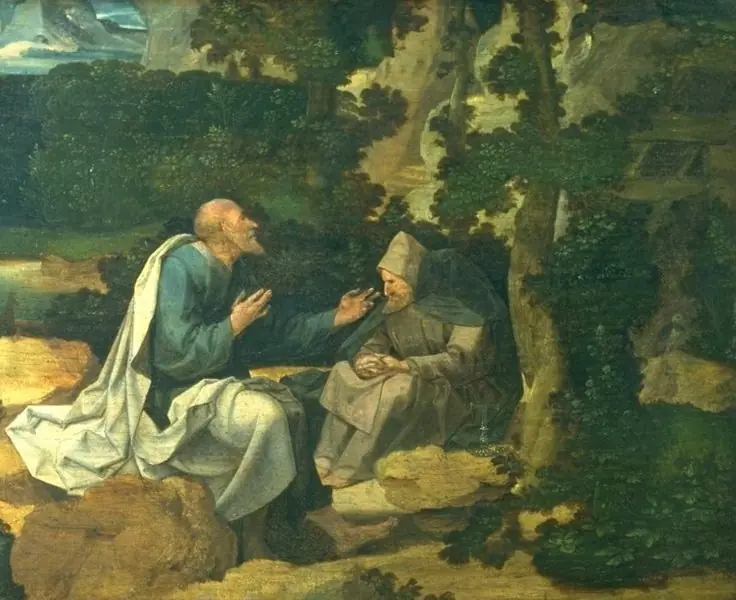 Landscape with the hermits Paul and Anthony
 La Rendición de Granada
 Five senses